
The Mother Daughter Wedding Dance: What You Need to Know
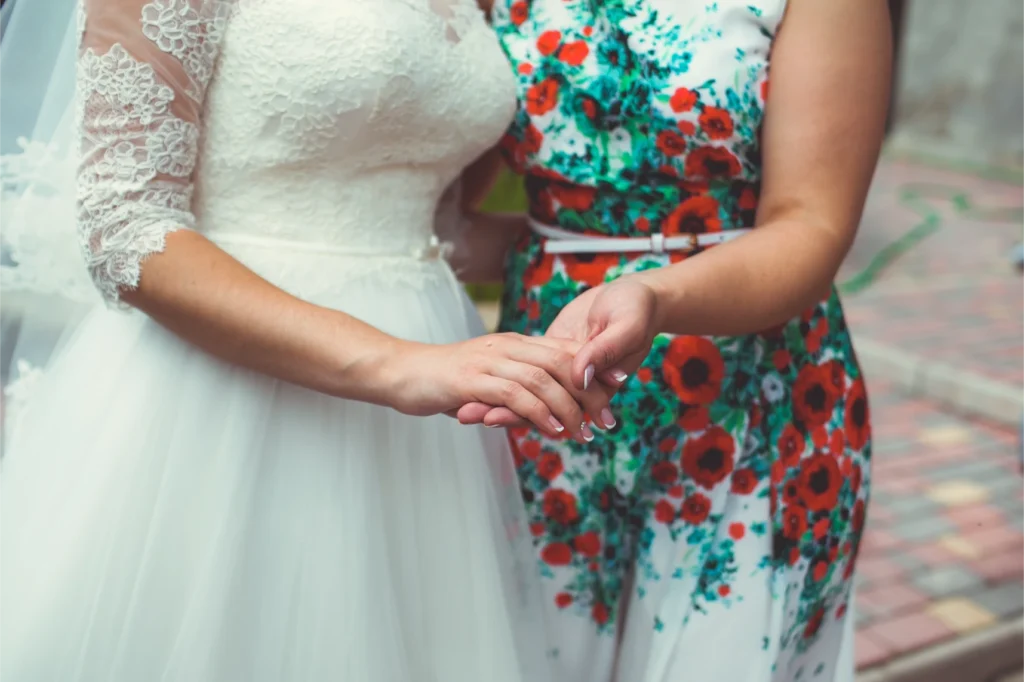
While most couples plan the first dance for months, another moment is quietly becoming a reception highlight: the mother and daughter wedding dance. It’s a short, meaningful spotlight that honors the woman who helped shape the bride’s life. Below you’ll find when to do it, how to choose the right song, and ideas for a […]
Polka Dance History and Legacy

The polka is a fast, upbeat partner dance that originated in Bohemia (today’s Czech Republic) in the early 1800s and spread across Europe and North America in the 1840s. In this guide, you’ll learn where the polka came from, why it’s called “polka,” how it became a 19th-century craze, and how regional styles—from Central Europe […]
Private Dance Lessons in Princeton to Elevate Your Skills
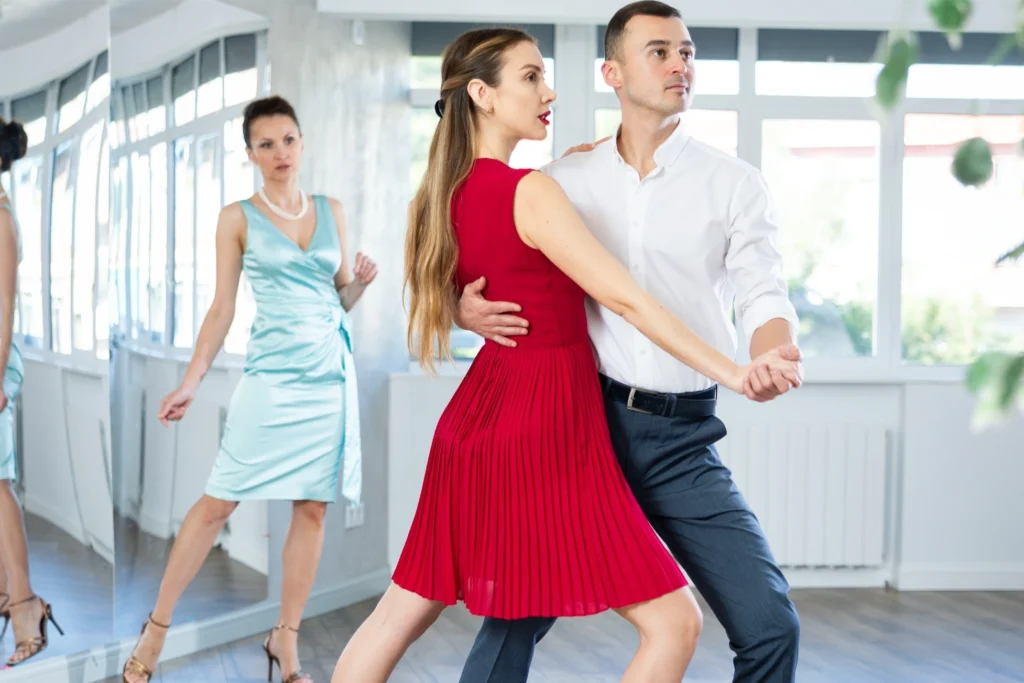
If you want to feel confident on the dance floor—without the pressure of a crowded class—private dance lessons in Princeton give you the fastest, most personalized path forward. You’ll get one-on-one coaching, a pace that matches how you learn, and a plan built around your goal (wedding, social dancing, confidence, or technique). This page breaks […]
5 Benefits of Ballroom Dancing Lessons

Ballroom lessons have a sneaky way of improving your life without announcing themselves as “self-improvement.” You show up to learn a few dances… and you end up moving better, standing taller, handling social situations with more ease, and feeling lighter mentally. That’s because ballroom combines low-impact exercise, brain training, and real human connection in one […]
Cha Cha Dancing: The Ultimate Guide
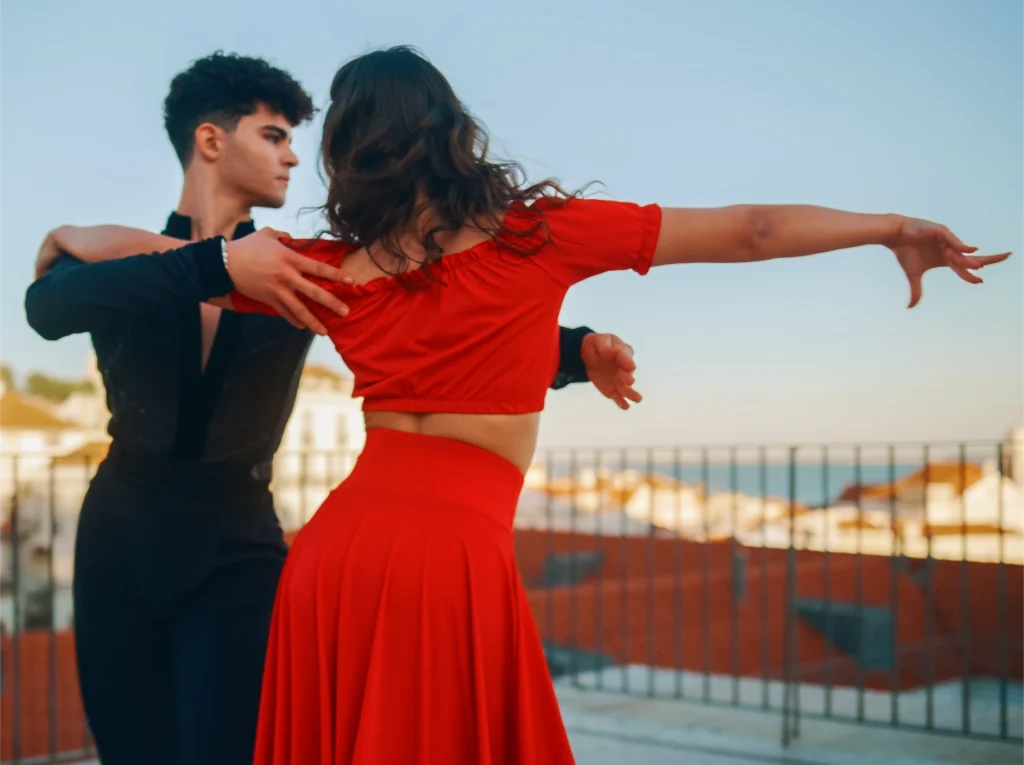
Cha cha dancing (often written “cha-cha”) is a lively Cuban-born Latin partner dance known for its playful energy, crisp footwork, and the signature “cha-cha-cha” triple step. It’s danced in 4/4 time and typically counted “2, 3, 4&1”, which gives it that syncopated, bouncy feel. In this guide, you’ll learn what the cha cha is, where […]
An Arthur Murray Medal Ball: The Ultimate Celebration to Learn Ballroom Dancing
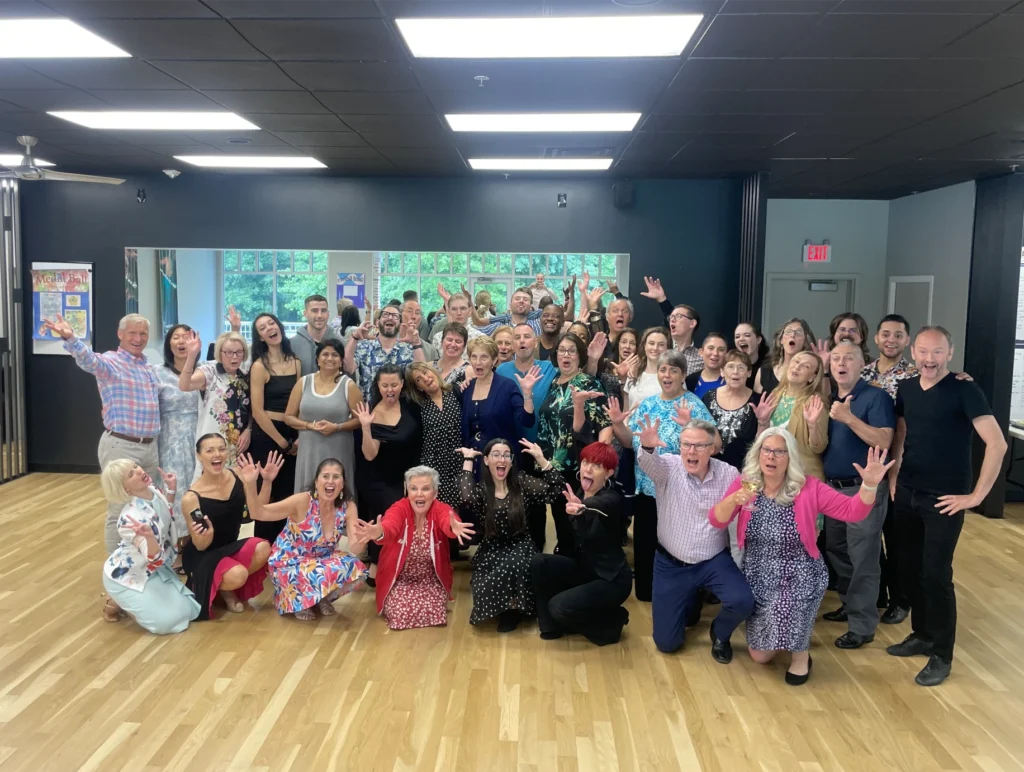
An Arthur Murray Medal Ball is a semi-annual student showcase and graduation-style event where dancers demonstrate what they’ve learned in the Medalist program, receive feedback from a visiting Arthur Murray representative, and celebrate progress with a professional show and social dancing. In short: it’s part evaluation, part performance, and part party—designed to mark milestones and […]
The Ballroom Dance Workout You Didn’t Know You Needed (Spin, Sway, Sweat)

A ballroom dance workout is real cardio: most styles keep you moving continuously with steps, turns, and frame control that raise your heart rate while training balance, coordination, and core strength. Depending on the dance and intensity, a typical class can burn about 200–400 calories in 30 minutes (more for faster styles like swing), making […]
Why Line Dances Are Wedding Reception Favorites
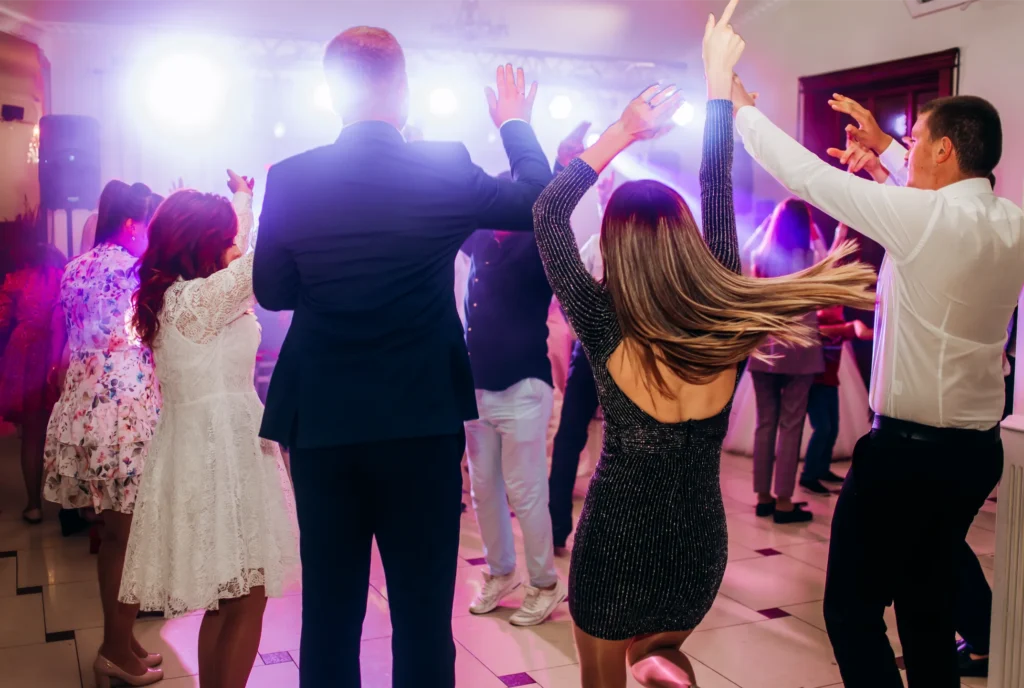
Wedding line dances are group dances with repeated steps that guests can follow together—usually with built-in cues from the song or quick DJ instruction (think: Cha-Cha Slide, Electric Slide, Cupid Shuffle). They’re reception favorites because no partner or dance skill is required, they get multiple generations on the floor at once, and they instantly raise […]
What Is the Hustle Dance? Origins, Steps, and Styles
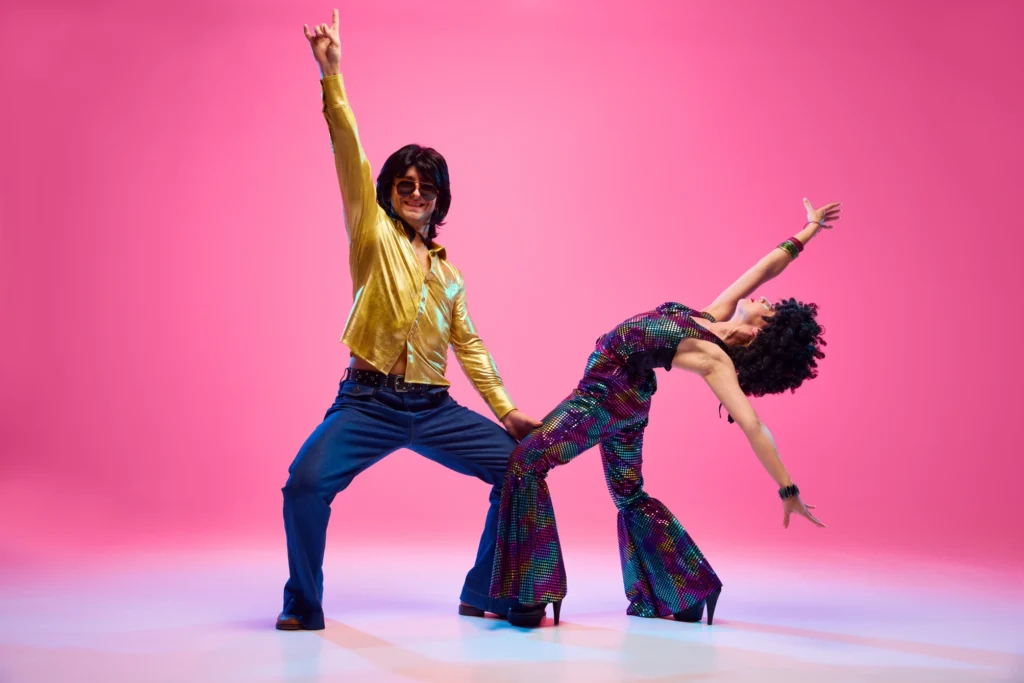
The Hustle is a fast partner dance known for spins, turns, and an “and-1, 2, 3” count. It grew out of New York City’s 1970s disco clubs and became one of the era’s most recognizable dances. Key Takeaways Where the Hustle Came From The Hustle does not have a single known creator. It developed in […]
Why Singles Dance Lessons Are A New Favorite Night Out
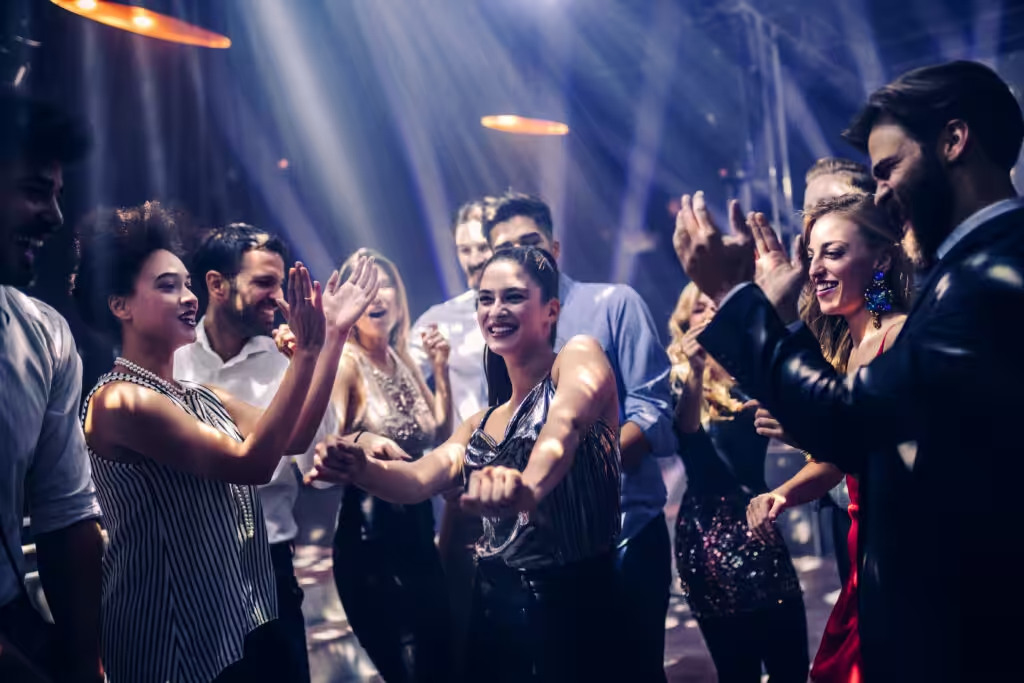
Singles dance lessons are dance classes designed for people who attend without a partner—you learn basics in private lessons or group classes, and in many group formats you rotate partners so everyone gets practice leading and following. They’re popular because they combine a real skill (ballroom, Latin, swing) with built-in social interaction that doesn’t feel […]