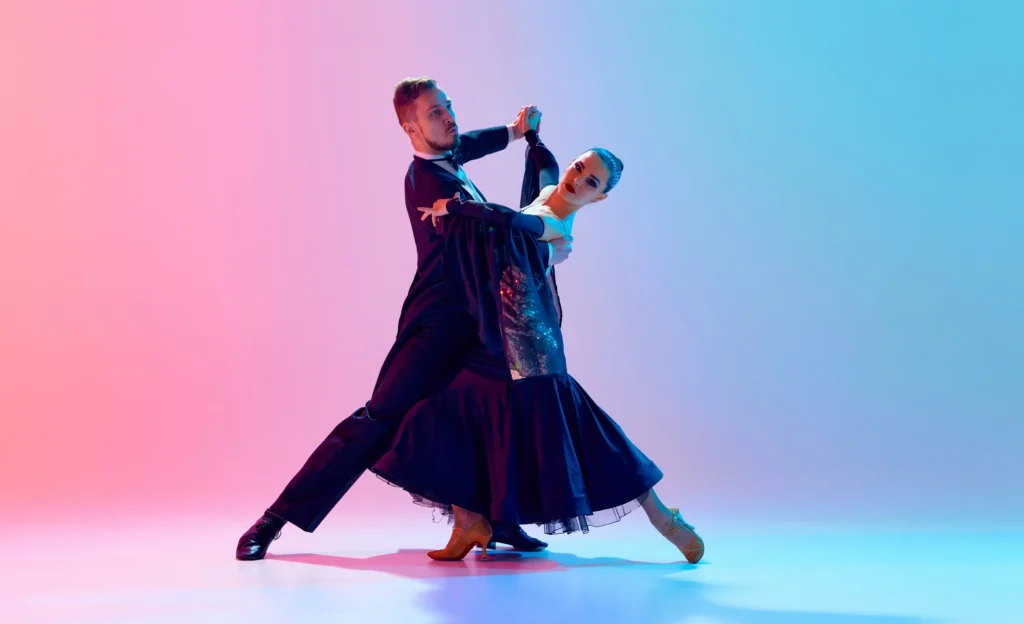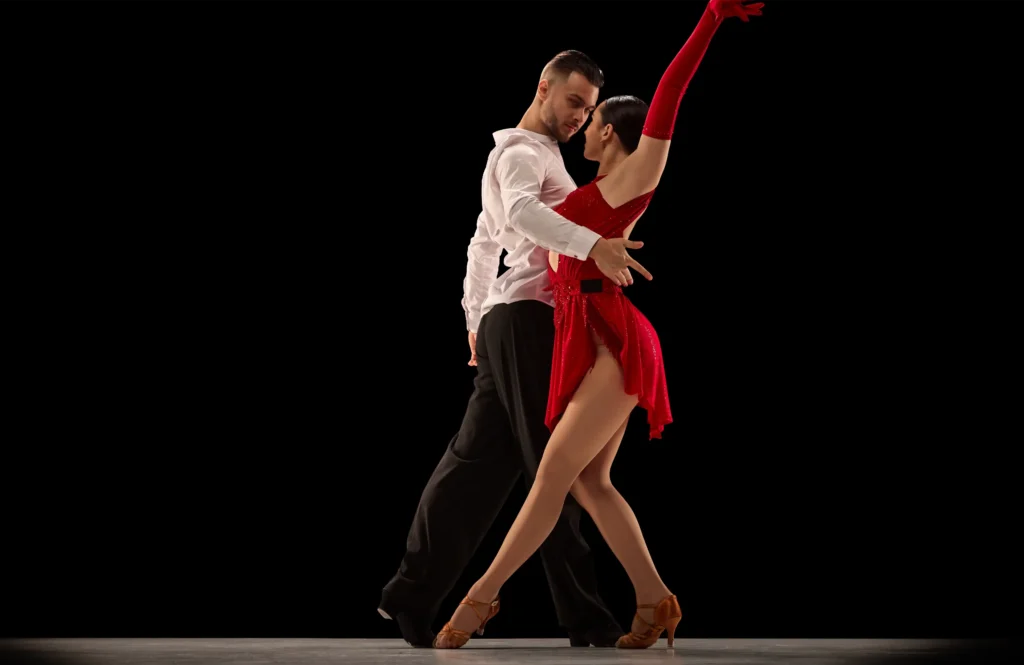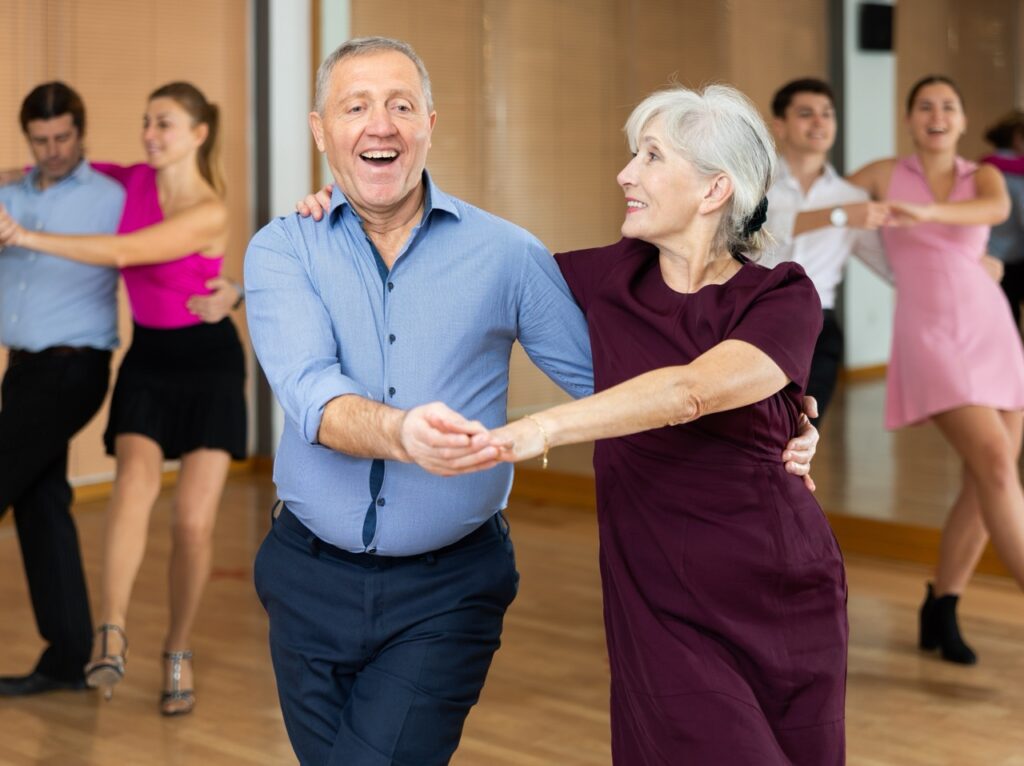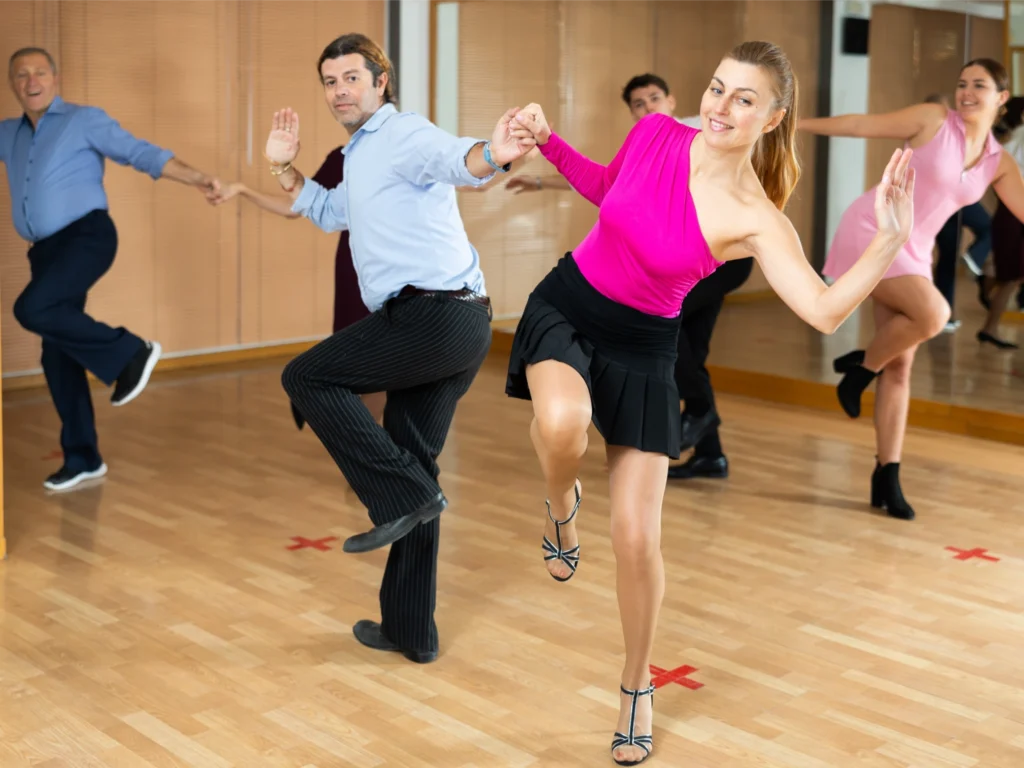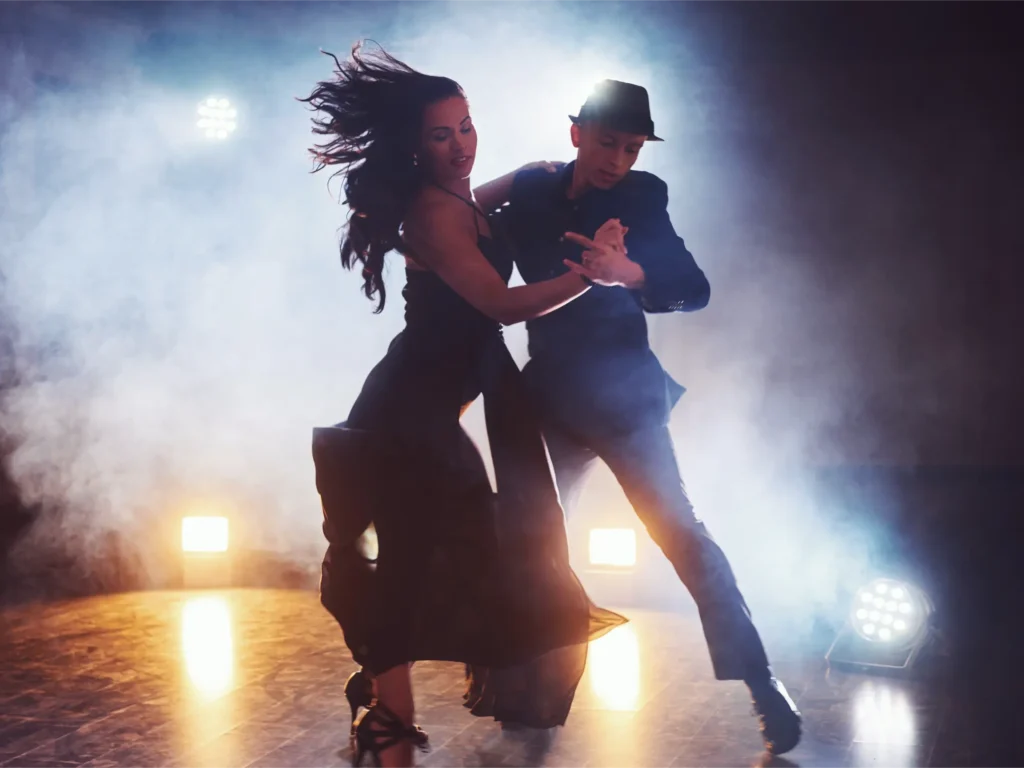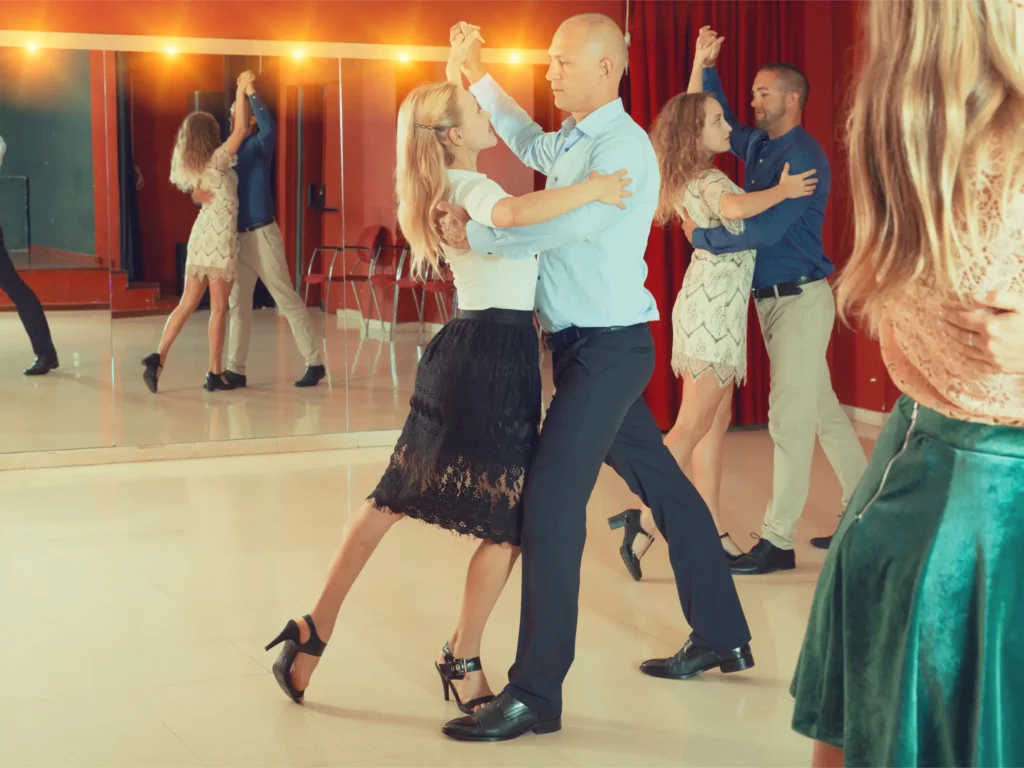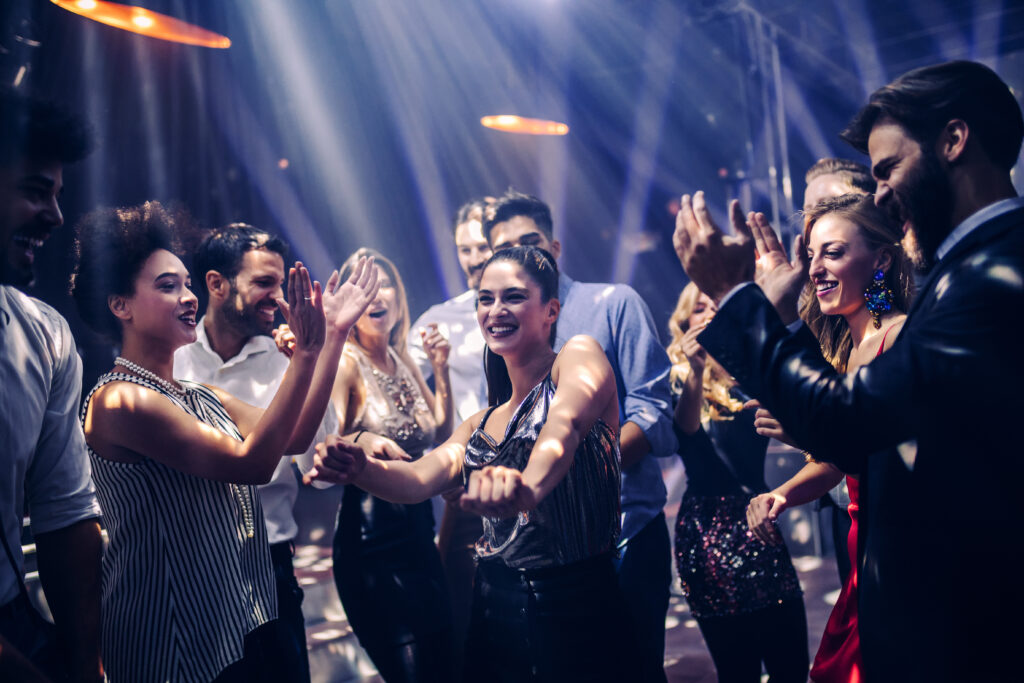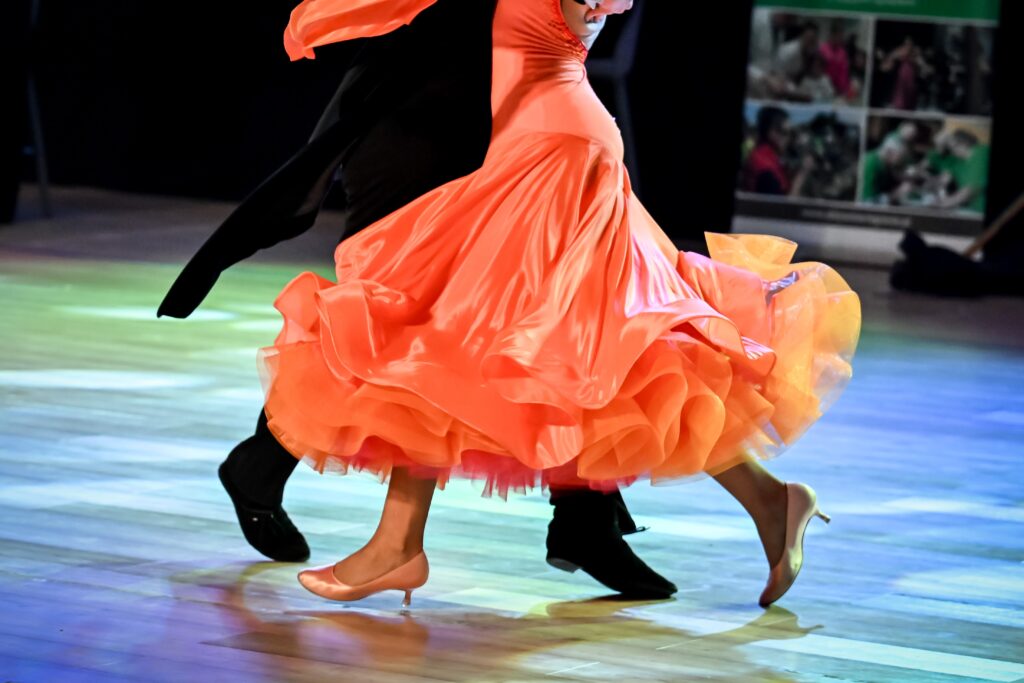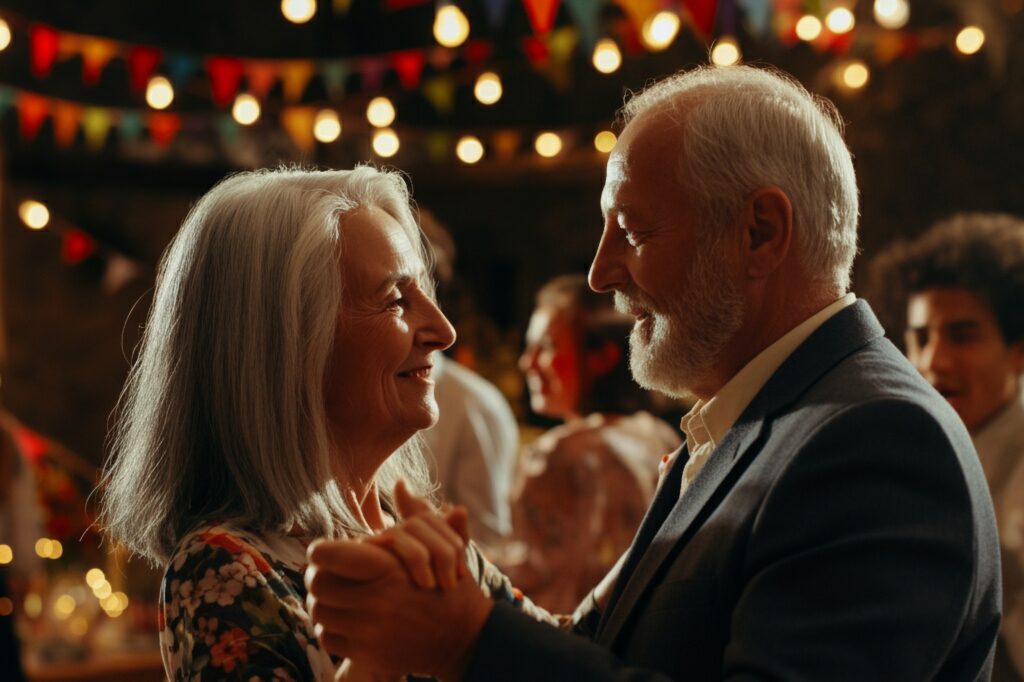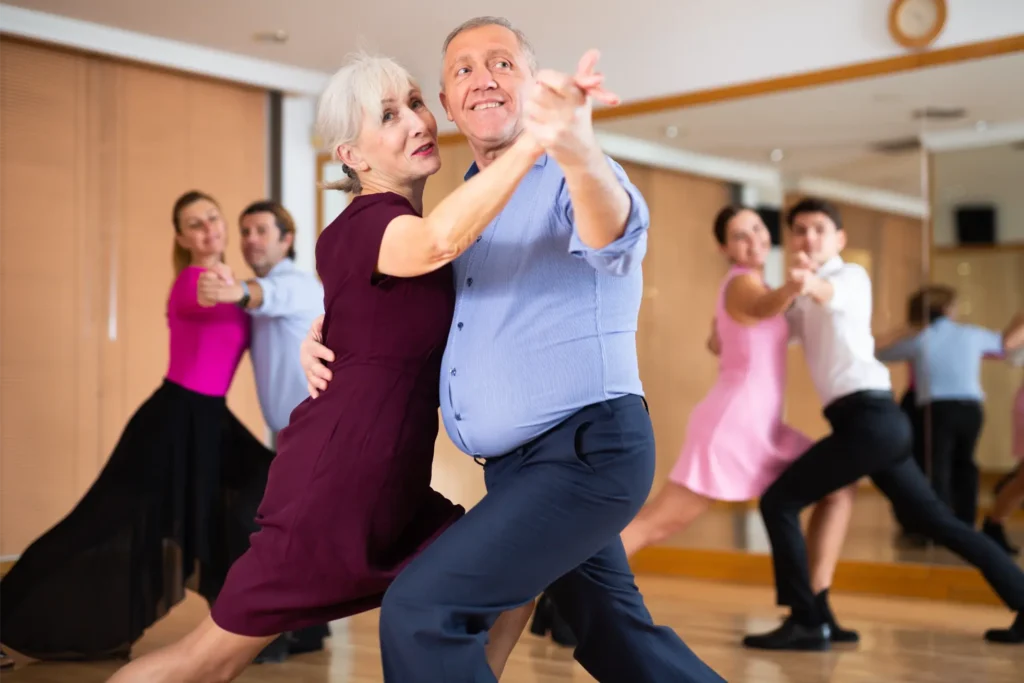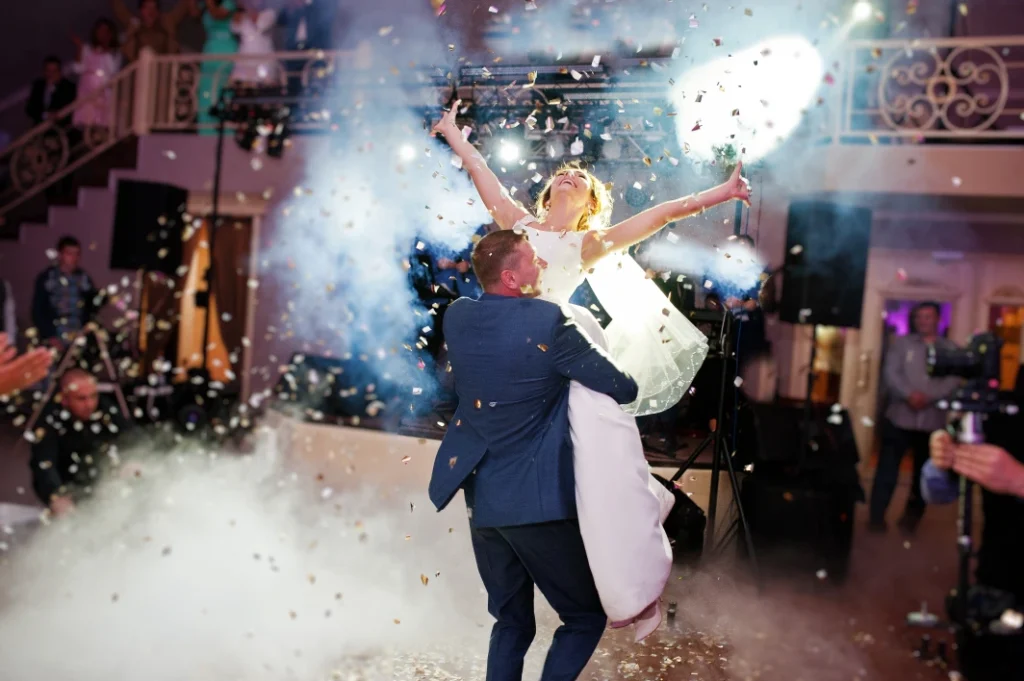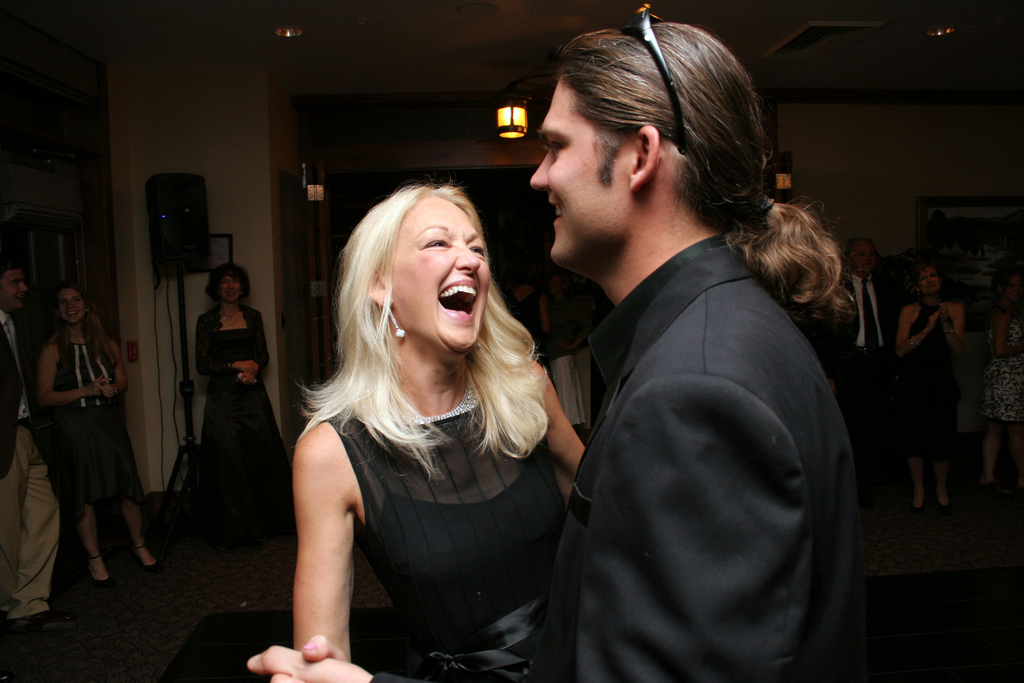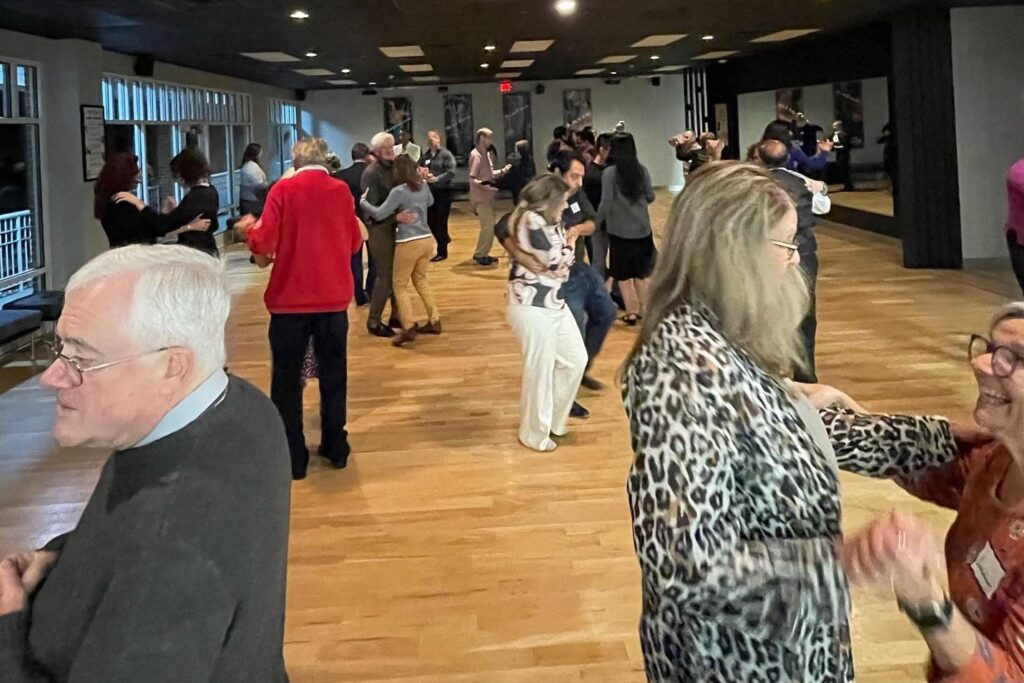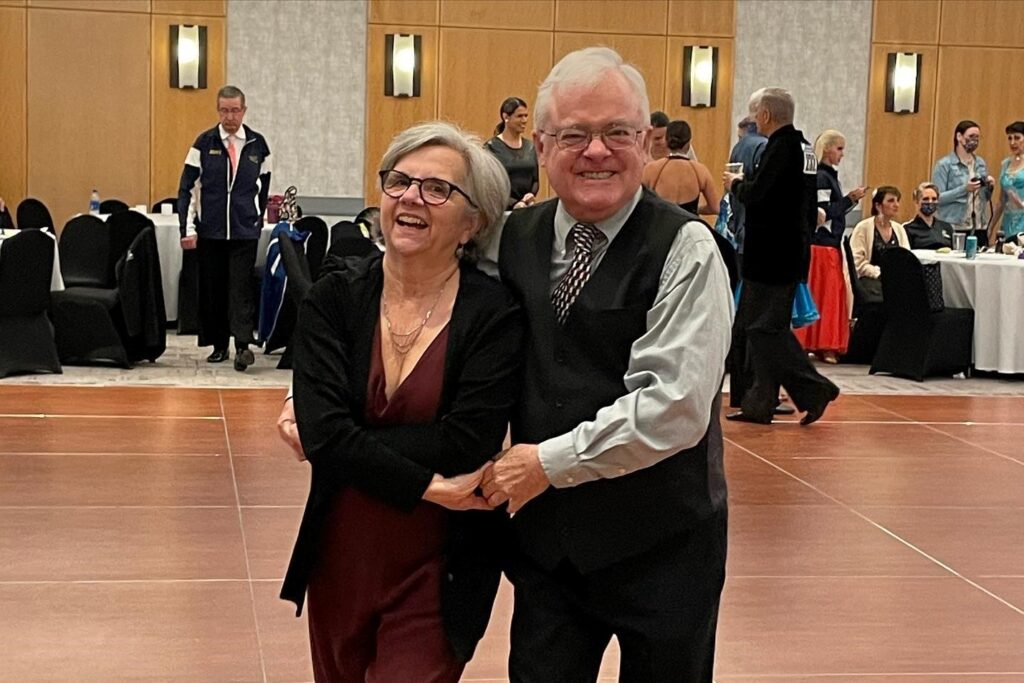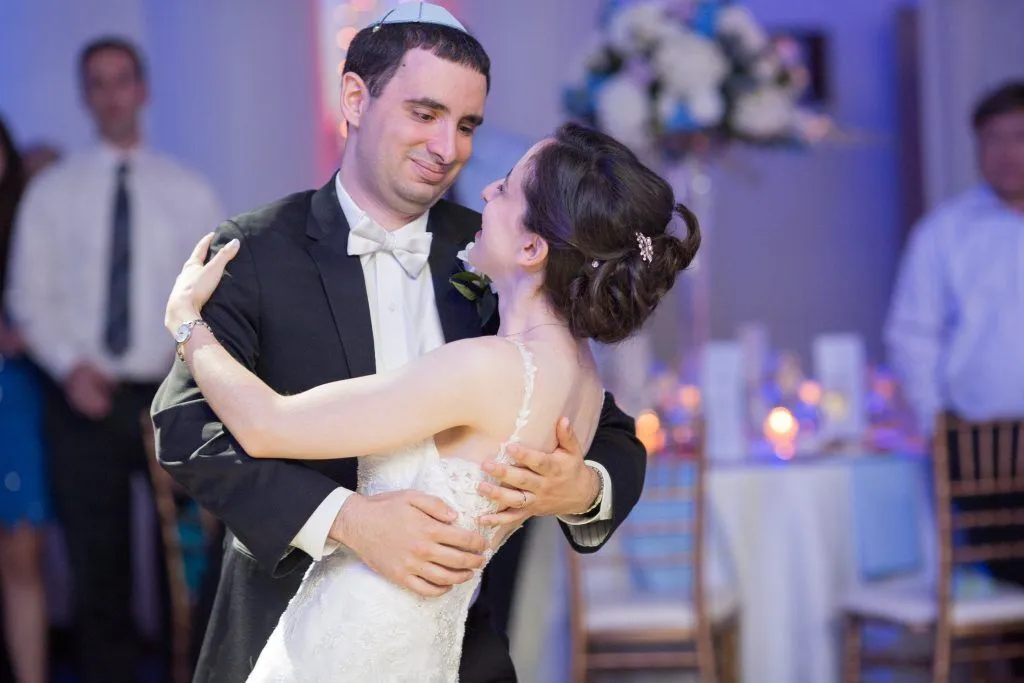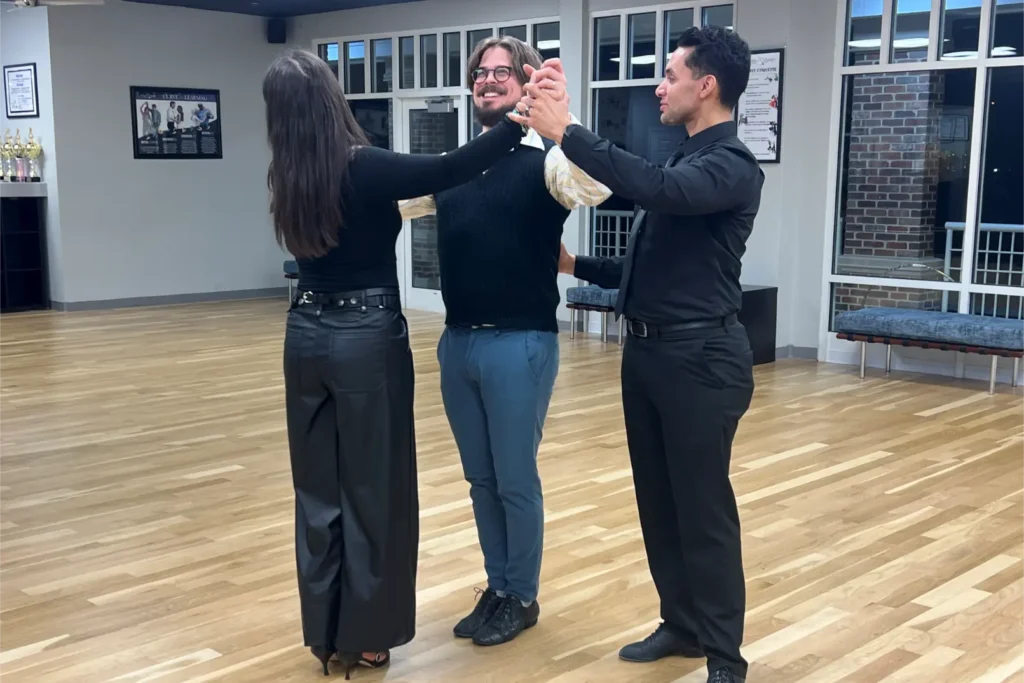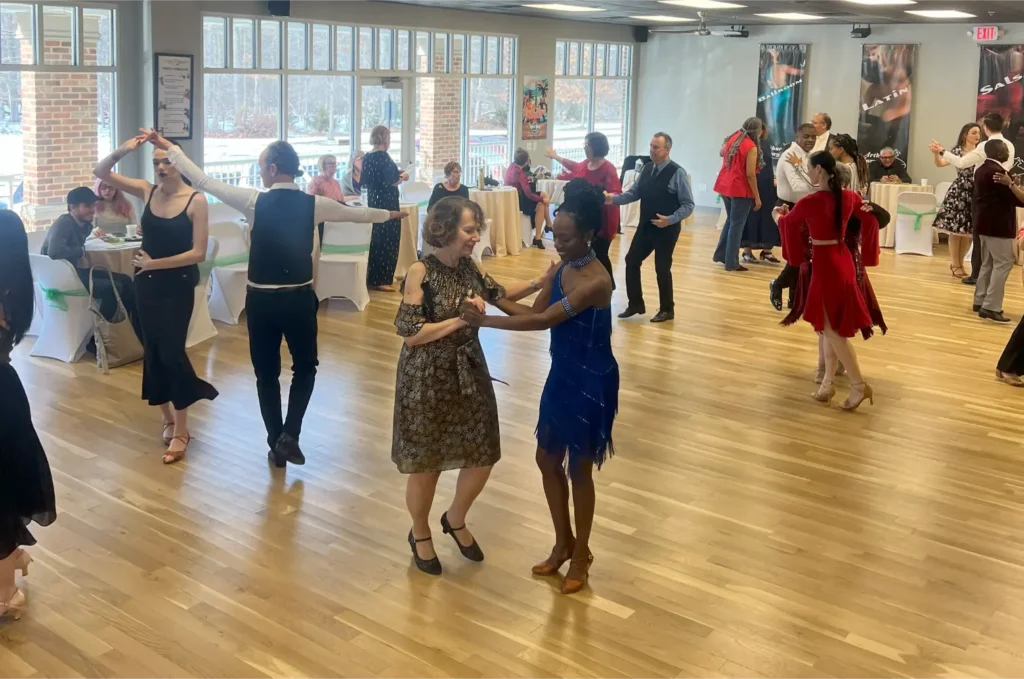
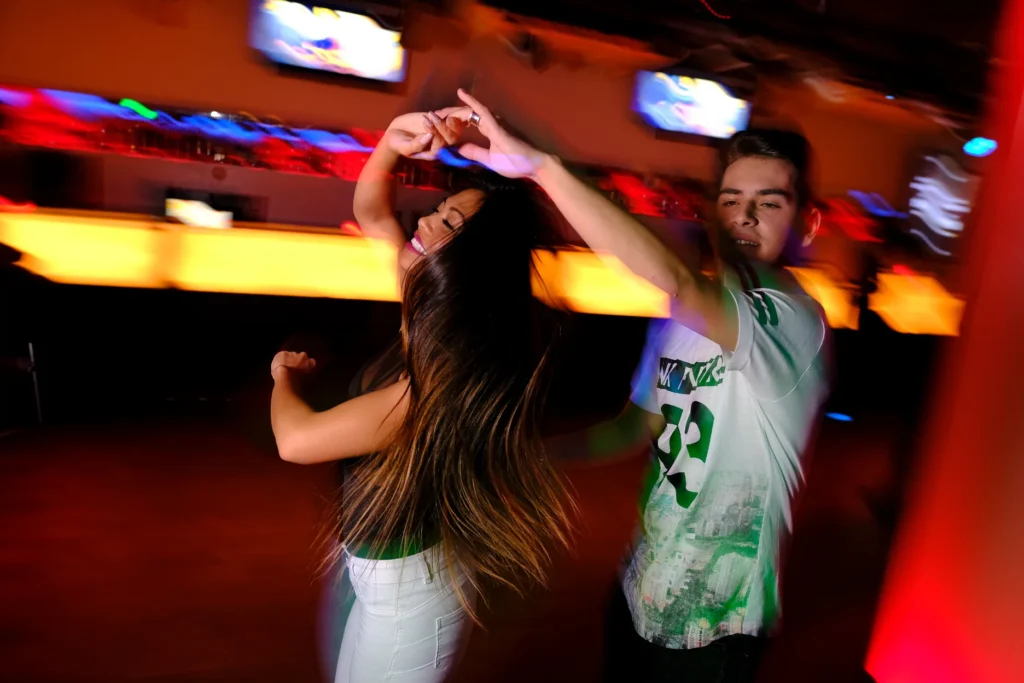
At your next Latin social, you might see three completely different dances happening to the same Bachata song: one with fast, intricate footwork, one packed with turns, and one built around smooth body waves. That’s because there are three main styles of Bachata: Traditional (Dominican), Urban (Modern), and Sensual. In this guide, you’ll learn how to spot each style in real life—what it looks like, what the lead/follow feels like, and what kind of music each style naturally fits best.
Key Takeaways
- Traditional (Dominican) Bachata emphasizes footwork (pique), syncopations, and a compact, grounded feel.
- Urban (Modern) Bachata is more turn-pattern driven, with a more open connection and “flashier” structure.
- Sensual Bachata prioritizes body isolations, waves, and flow—often to slower, more lyrical tracks.
- All styles share the same basic timing (1-2-3-tap / 5-6-7-tap), but execution, posture, and connection change a lot.
- If you’re new, start with Traditional or Urban fundamentals first; Sensual usually clicks faster once your basics and connection are solid.
Where Did Bachata Originate and the Heart of Traditional Style
To truly appreciate the modern variations of Bachata, we must first journey back to its birthplace. The history of this dance is rich, compelling, and deeply rooted in the culture of a single Caribbean nation.
If you ask where Bachata originated, the answer will always point to the Dominican Republic. Born in the rural areas and later flourishing in the urban neighborhoods of the D.R., Bachata was, for decades, associated with the lower classes, often referred to pejoratively as “music of bitterness” (amargue) due to its lyrical themes of heartbreak, poverty, and struggle.
The Unmistakable Vibe of Bachata Dominican
The Traditional Bachata style, often simply called Bachata Dominican, is the original, authentic form that has stood the test of time. It is characterized by its close-hold, primarily side-to-side basic step, danced within a small space.
The movement is driven by the feet and the hips, with a distinct emphasis on syncopations and quick footwork. Unlike the stylized body rolls of newer variations, the primary focus is on the partner connection through the hands and the intricate footwork (known as pique).
The music dictates the dance’s energy. Traditional Bachata music features prominent guitar leads (often with a distinctive arpeggiated sound), rhythmic güira (metal scraper), and bongo drums.
Dancers listen closely to the changes in the music, adapting their steps to follow the rhythmic patterns of the instruments. The dance is earthy, passionate, and energetic, focusing less on theatricality and more on the pure enjoyment of the rhythm.
The Essence of Bachata Dance Culture
The significance of Traditional Bachata extends far beyond mere steps; it is intrinsically linked to the Dominican Bachata dance culture.
It’s a social dance meant to be enjoyed casually in colmados (small corner stores), house parties, and local dance halls. The essence is improvisation and a playful, almost constant, manipulation of the footwork patterns.
The lead-follow dynamic is subtle, relying on small physical cues rather than large, overt signals. The dancers remain upright, and the connection is often maintained chest-to-chest, a reflection of the intimate, yet reserved, social context in which the dance evolved. Preserving this style is seen by many purists as essential to honoring the dance’s heritage.
The Global Adaptations: From Traditional Roots to Modern Interpretations
As Bachata music and dance traveled beyond the borders of the Dominican Republic in the late 20th and early 21st centuries, it began to fuse with other dance forms and musical genres, leading to its global popularization and the emergence of hybrid styles.
This global migration paved the way for the development of both Urban and Sensual styles, each catering to different dance aesthetics and musical influences.
What is Urban Bachata?
Urban Bachata is a fusion style that emerged primarily in the United States and Europe, blending the footwork of Traditional Bachata with elements borrowed from Salsa, Ballroom, and Hip-Hop. This style is characterized by a more open, elastic connection and a more aggressive, angular movement pattern.
Urban Bachata introduced faster turns, complicated turn patterns, and a more structured, choreographed feeling. It often incorporates “taps” on the 4th and 8th beats that may involve syncopated footwork, quick spins, and even drops or dips.
The music that drives Urban Bachata is typically modern, including Pop-Bachata (artists like Aventura, Romeo Santos, Prince Royce) or even Bachata remixes of R&B or Hip-Hop tracks. The overall presentation is flashier and more performative than its traditional counterpart.
What is Sensual Bachata?
Sensual Bachata is a style that originated in Spain, primarily influenced by dancers like Korke and Judith. It places a significant emphasis on body isolations, waves, body rolls, and dips, prioritizing a deep, intimate connection and a smooth, flowing execution of movement.
In Sensual Bachata, the lead and follow are in constant communication, often maintaining a close frame, and the lead uses specific pressure points on the follow’s body (back, shoulder, hip) to signal complex movements.
The basic step remains the foundation, but it often serves as a pause or a transition between intricate body movements. The music tends to be slower, more contemporary, and deeply expressive, encouraging a focus on musicality and the smooth transition between shapes and forms.
Mastering the Nuances: Techniques and Execution in the Different Styles
While all three styles share the same 4/4 timing (four steps on a count of 1-2-3-tap/4 and 5-6-7-tap/8), the execution of the basic step, the posture, and the body movement are starkly different.
How to Dance Sensual Bachata?
The key to learning how to dance sensual Bachata is to shift the focus from traditional steps to body mechanics and communication. Unlike the other styles where the lead is often generated through the hands or torso, Sensual Bachata relies heavily on compression and extension of the bodies.
A successful lead in Sensual Bachata means using your whole body to guide your partner through waves and isolations. The follower’s technique is equally important, requiring core strength and body control to execute the movements smoothly and safely.
The dance is a conversation of weight shifts and body momentum, creating an illusion of effortless, flowing movement. This style requires a deep level of trust and non-verbal communication between partners.
Technique and Tempo in Urban and Traditional Bachata
In contrast to the flowing nature of Sensual Bachata, both Urban and Traditional styles are characterized by more distinct, rhythmic accents.
In Traditional Bachata, the rhythm is dictated by the tap of the bongo and the guitar, leading to a more staccato, quick-footed feel. The tap (on 4 and 8) is often a hip pop or a small lift of the leg, a signal of the syncopated rhythm.
Urban Bachata utilizes the tap as a cue for flashy footwork or a quick turn, making it a more ‘on-the-beat’ style that emphasizes sharpness and precision. The sheer difference in technique is why many dancers specialize in one or two styles, as the muscle memory required for each is distinct.
The Music, The Mood, and The Future of Bachata
The evolution of the Bachata dance has been inextricably linked to the evolution of its music. Traditional Bachata music provides a clear, acoustic platform for intricate footwork. Urban Bachata music offers a modern, heavy beat that accommodates turns and theatrical moves. Sensual Bachata music, with its long, sweeping musical phrases and sometimes slower tempo, is perfect for deep body waves and musical interpretations that last longer than a single measure.
The future of Bachata is likely to continue this trend of fusion. Dancers today rarely stick to just one style; they are often mixing the smooth body rolls of Sensual, the sharp turns of Urban, and the authentic footwork of Traditional to create a unique, personalized style.
This hybridization is a testament to the dance’s adaptability and its power to transcend geographical and cultural boundaries. The commitment to learning all three forms is what sets truly masterful dancers apart, as they can adapt their style to any piece of Bachata music they encounter, paying homage to its past while embracing its innovative present. This continuous evolution guarantees that the story of Bachata, in all its diverse expressions, is far from over.
FAQs About Bachata Dance Styles
Which Bachata style is the easiest to start with?
Many instructors recommend starting with the basic footwork and connection of Traditional Bachata or the structure of Urban Bachata. Traditional is great for establishing the fundamental side-to-side rhythm and connection, while Urban provides a solid foundation for lead-follow turn patterns common in social dancing worldwide. Sensual Bachata is often considered more challenging initially because it requires greater body control, isolation, and a deeper understanding of musical phrasing.
Can I dance Sensual Bachata to Traditional Bachata music?
Yes, you can, but it is often challenging. Traditional Bachata music tends to be faster and features more frequent rhythmic changes and syncopations from the güira and guitar. While a skilled dancer can adapt the smooth, flowing movements of Sensual Bachata, the quick tempo of the traditional music often encourages the dancer to naturally revert to faster, more energetic steps or Urban-style turn patterns to match the beat.
Do I need to learn all three styles to be a good Bachata dancer?While you don’t need to master all three, having an understanding of each style is highly recommended. A dancer who understands Bachata Dominican will have better rhythm and footwork. One who masters Urban Bachata will have better turn technique and lead-follow structure. And one who masters Sensual Bachata will have superior musicality and body control. The best social dancers are often those who can seamlessly blend elements from all three based on the song, the partner, and the mood.