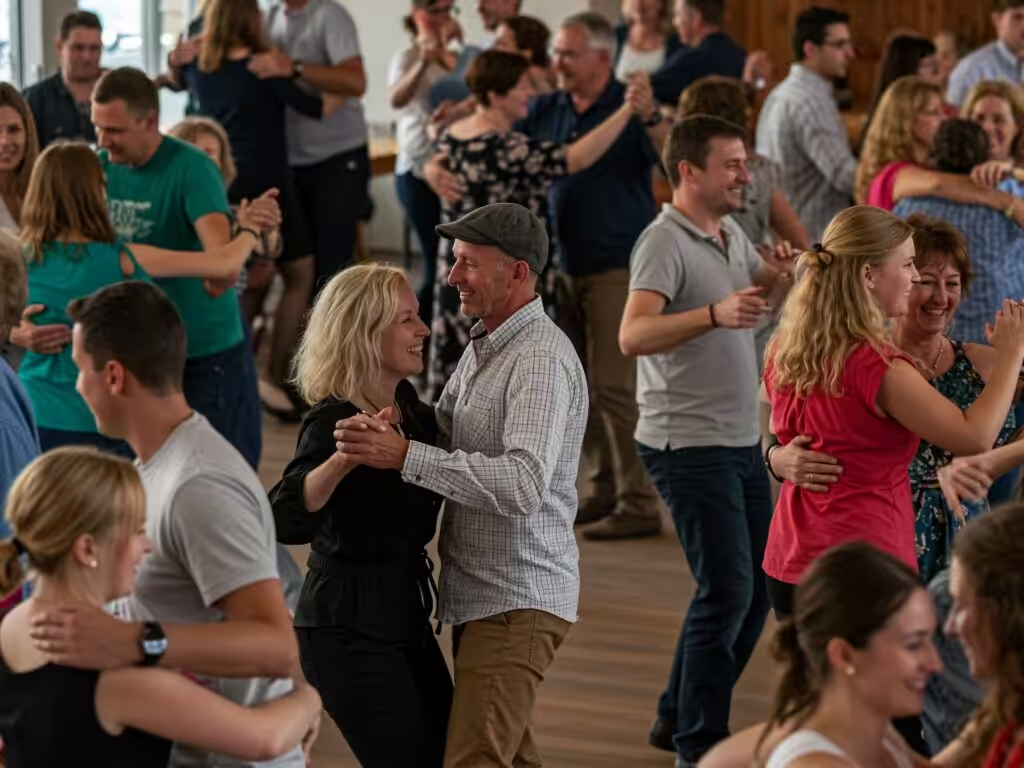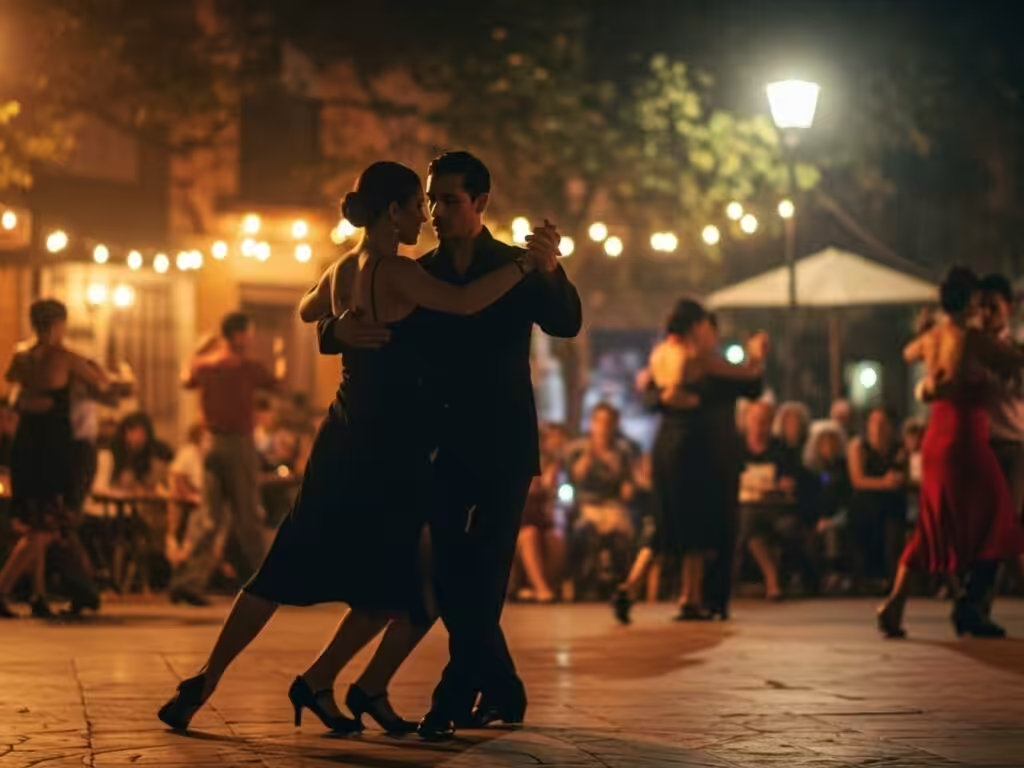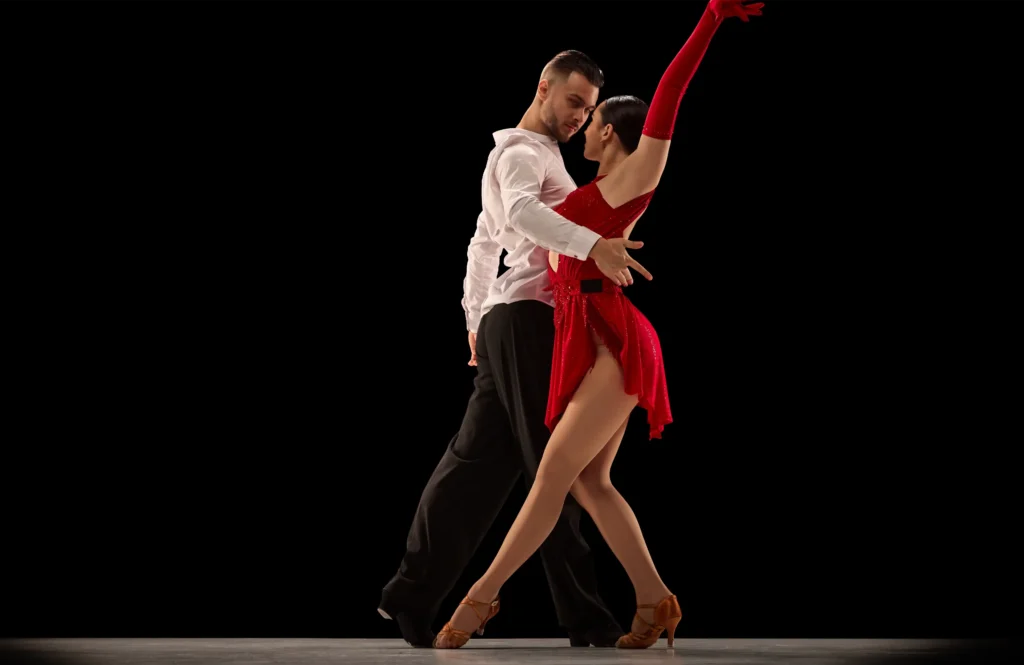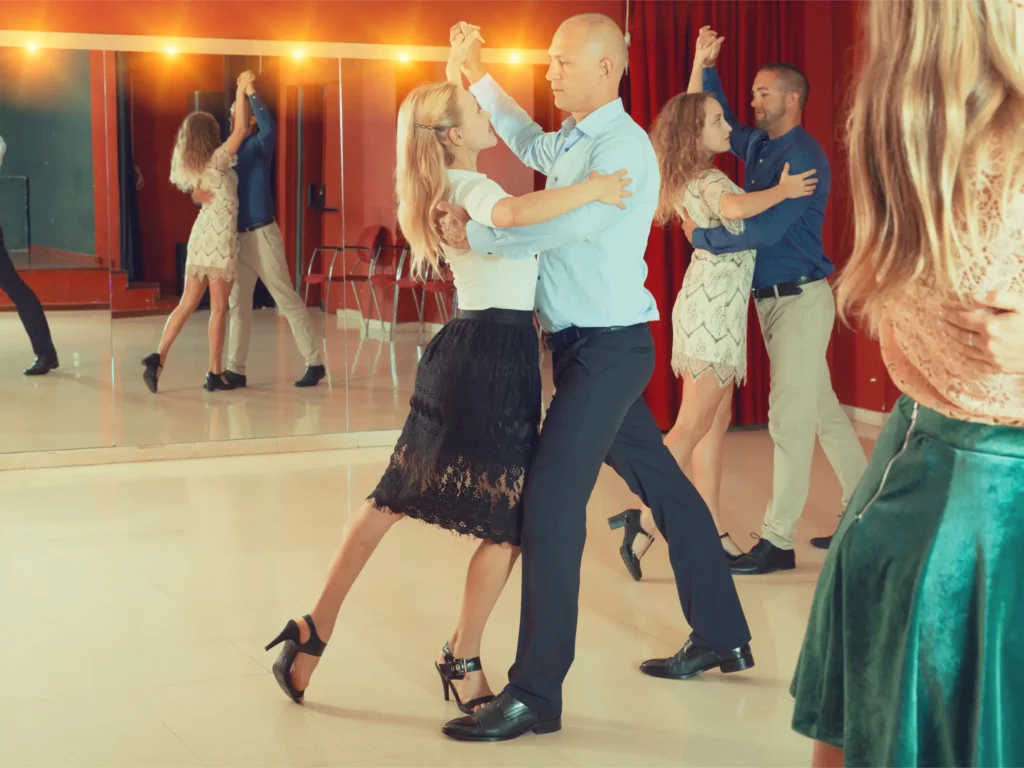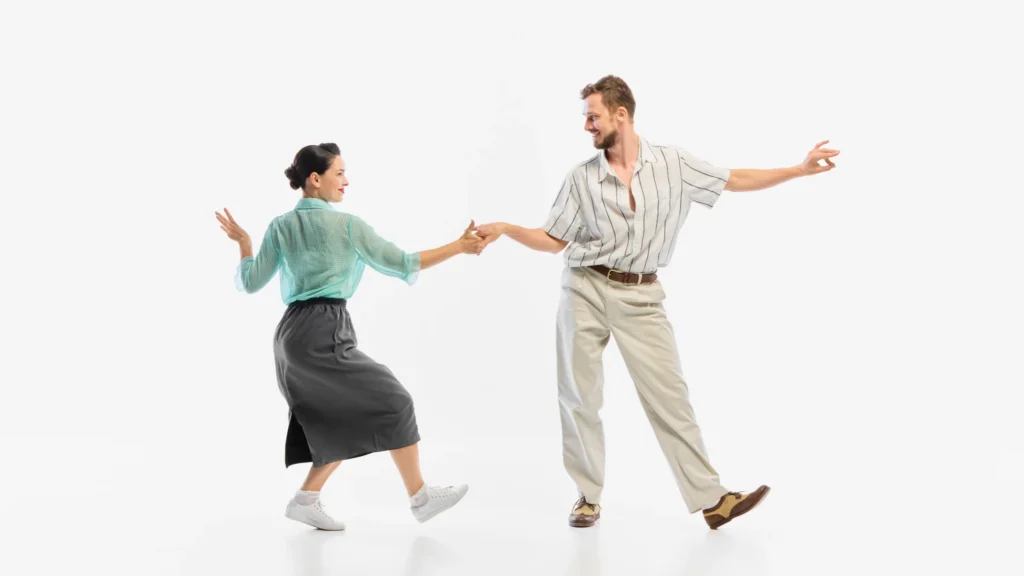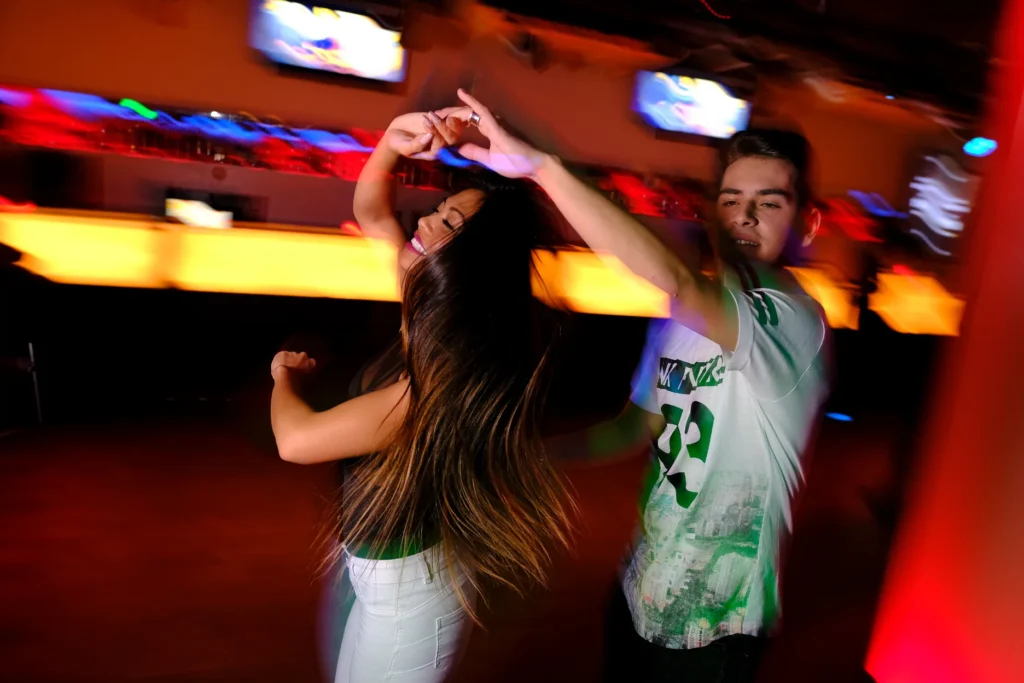
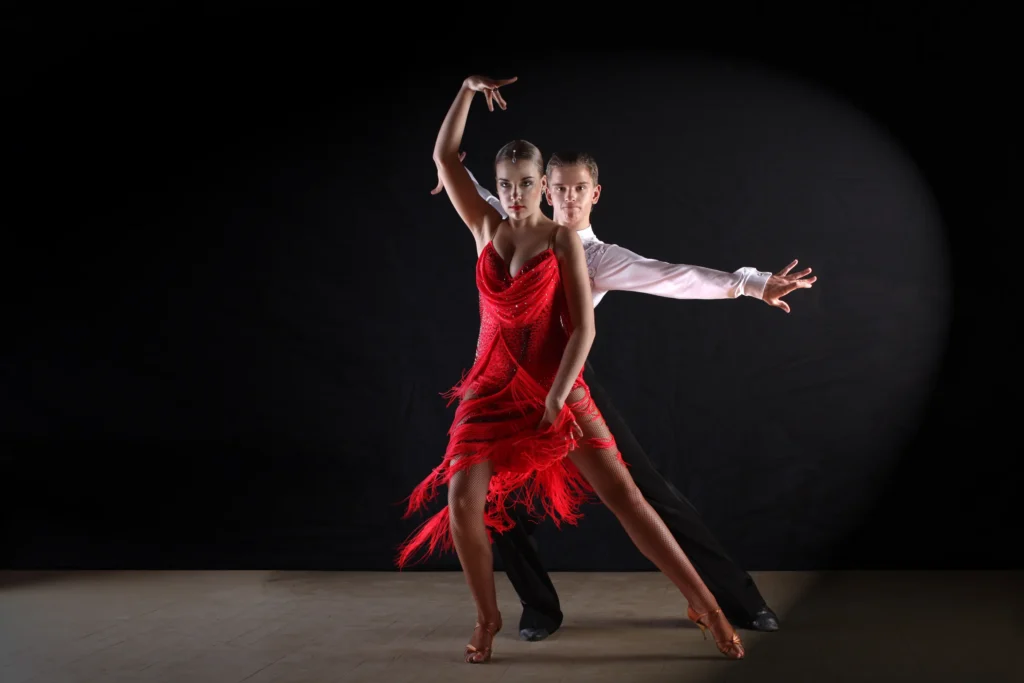
Latin dance styles include ballroom dances like Cha Cha, Rumba, Samba, Paso Doble, and Jive, plus social dances like Salsa, Bachata, Merengue, and Brazilian Zouk. The main split is between ballroom Latin, which follows structured techniques and partner patterns, and social Latin, which focuses more on improvisation, musicality, and connection. This guide explains the major Latin dance categories, how they feel on the dance floor, and which style may fit your goals best.
Key Takeaways
- Choose International Latin if you want structured technique and competition-style training. It’s the most technical and codified category.
- Start with Merengue if you’re brand new to partner dancing. The timing is simple and beginner-friendly.
- Pick Bachata if you want a slower pace and relaxed social dancing. Many beginners find the rhythm easier to follow.
- Salsa rewards musical timing and quick reactions. Beginners usually improve fastest through regular social dancing.
- American Rhythm offers more freedom than International Latin. You’ll see more open patterns and underarm turns.
- The same dance name can mean different techniques. Cha-Cha and Rumba change between International and American styles.
- Choose a syllabus style for structure and clear progress. Choose a club dance for improvisation and variety.
What Counts as a Latin Dance?
Latin dance refers to partner and solo dances that developed in Latin America and the Caribbean, or were heavily shaped by Latin American music and movement traditions.
Most Latin dances combine Indigenous, African, and European influences. African rhythms and body movement shaped the music and timing. European partner dancing influenced the frame and structure. Finally, local cultures across Cuba, Brazil, the Dominican Republic, Puerto Rico, and other regions added their own styles and traditions.
Some Latin dances developed for ballrooms and competitions, while others grew out of clubs, street parties, and social dance communities. That’s why Salsa, Samba, Cha-Cha, and Bachata can feel very different, even though they all fall under the same broad category.
Social and Street Latin Dance Styles
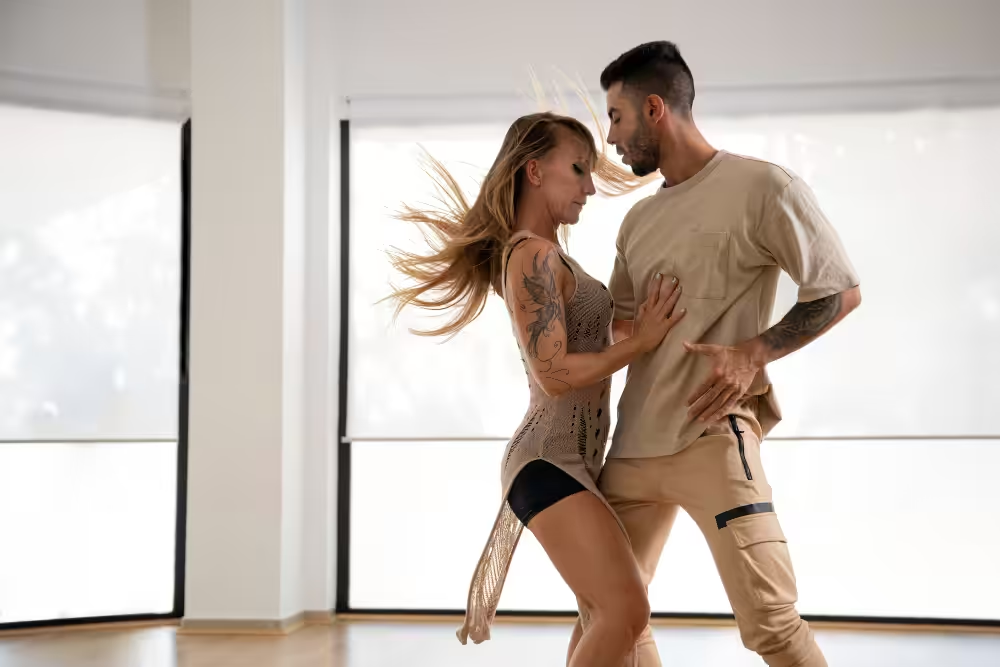
Social and street Latin dances are partner and solo styles built for clubs, parties, and community dance floors, where improvisation, musicality, and connection matter more than strict ballroom technique.
Salsa
Salsa is one of the most popular Latin social dances, known for fast turns, sharp timing, and energetic partner work. Styles vary by region, including New York style, LA style, and Cuban salsa.
A beginner salsa class usually starts with basic timing, partner connection, and simple right-turn patterns. Most people rotate partners during class, so you don’t need to bring someone with you.
Bachata
Bachata is a Dominican dance style with slower music, smaller steps, and a strong focus on partner connection. The rhythm is easier for many beginners to hear and follow.
Most beginner classes teach side-to-side basics, turns, and timing before moving into partner combinations. Bachata socials are common, which makes it easier to practice outside class.
Merengue
Merengue comes from the Dominican Republic and uses simple marching-style steps that match the beat directly. It’s often the first partner dance beginners learn.
A beginner class usually focuses on rhythm, posture, and leading simple turns. Because the footwork is straightforward, new dancers can spend more time getting comfortable with partner dancing.
For the cultural and political backstory and where the famous origin myths come from, read our guide to merengue dance history.
Mambo
Mambo is a faster and rhythm-heavy dance that influenced modern salsa. It uses sharper timing changes and more syncopated movement.
Beginner mambo classes often focus heavily on musical timing and break steps. Dancers with some salsa experience usually transition into mambo more easily.
Kizomba
Kizomba developed in Angola and is danced to slower, smooth, rhythm-driven music. The movement stays grounded and controlled, with a close partner connection.
A beginner class usually starts with walking patterns, weight changes, and connection exercises. Many dancers choose kizomba because the pace feels less rushed than salsa.
Zouk
Brazilian Zouk is known for flowing movement, elastic connection, and body movement patterns. The dance often includes turns, waves, and head motion.
Most beginner classes focus on timing, posture, and connection before introducing more advanced movements. Zouk has a steeper learning curve than Bachata or Merengue, but many dancers enjoy the creative freedom. Learn beginner steps of this dance from our latest guide.
Cumbia
Cumbia combines relaxed footwork with circular partner movement and rhythmic patterns. Different countries dance cumbia differently, especially in Colombia and Mexico.
A beginner class usually teaches basic timing, side steps, and turns first. The pace is approachable, and the movement feels more relaxed than salsa.
Reggaeton
Reggaeton is usually danced solo rather than with a partner. It combines Latin, Caribbean, and hip-hop influences with grounded movement and strong musical accents.
Beginner reggaeton classes focus on rhythm, body movement, and choreography combinations. Many people start reggaeton with no dance experience because there’s no partner timing to manage.
Ballroom and International Latin Styles
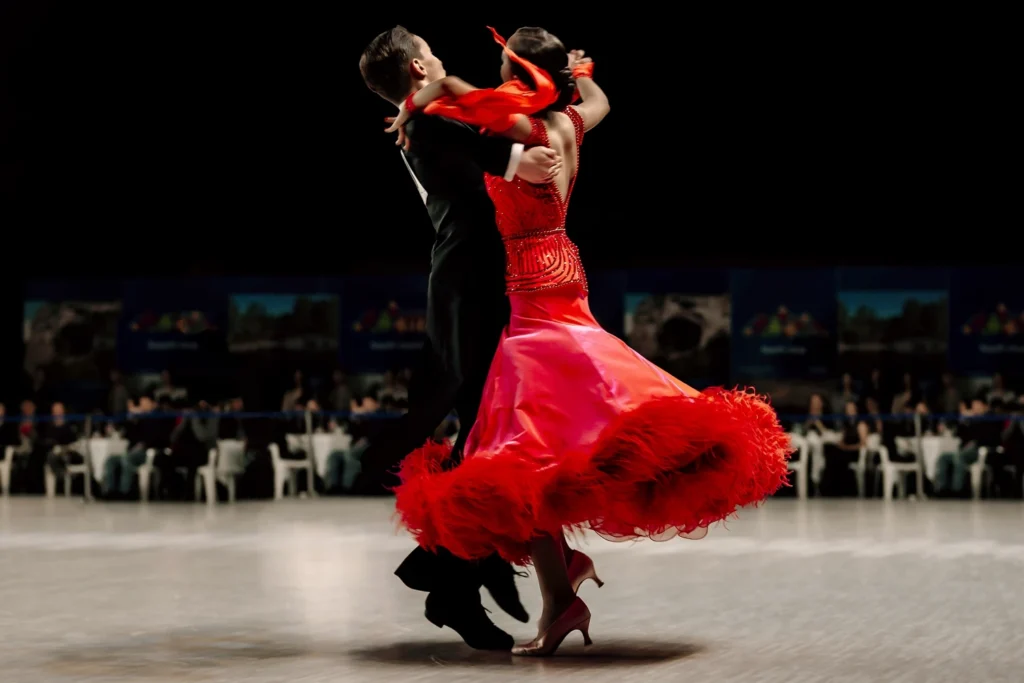
The 5 International Latin dances are Cha-Cha-Cha, Rumba, Samba, Paso Doble, and Jive. These styles are taught in ballroom studios and competitions with standardized technique, timing, and partner structure.
Cha-Cha-Cha
Cha-Cha-Cha is a sharp, playful dance built around quick footwork and syncopated timing. It’s known for compact steps, rhythm changes, and expressive partner interaction.
A beginner class usually starts with timing drills and basic chasse patterns before adding turns and combinations. Many dancers find the rhythm harder than Bachata or Merengue at first.
Learn everything about this captivating dance in our comprehensive cha-cha dancing guide.
Rumba
Rumba is the slowest International Latin dance and focuses heavily on timing, control, and hip movement. The movement is deliberate and connected rather than fast or flashy.
Most beginner classes spend time on weight transfer, posture, and rhythm before introducing more advanced patterns. Rumba often feels simple at first, but the technique takes time to develop.
Read our comprehensive guide on this lovely sensual dance.
Samba
Samba is a Brazilian-inspired ballroom dance with bouncing action, traveling movement, and fast rhythm changes. It’s energetic and physically demanding compared to most other Latin styles.
A beginner’s samba class usually focuses on bounce timing and basic traveling steps. Many new dancers need time to feel comfortable with the movement mechanics.
Paso Doble
Paso Doble is a dramatic ballroom dance inspired by Spanish bullfighting traditions. The movement is strong, controlled, and performance-focused.
Beginner classes typically introduce posture, shaping, and marching-style movement first. Paso Doble relies more on character and presentation than improvisation.
Jive
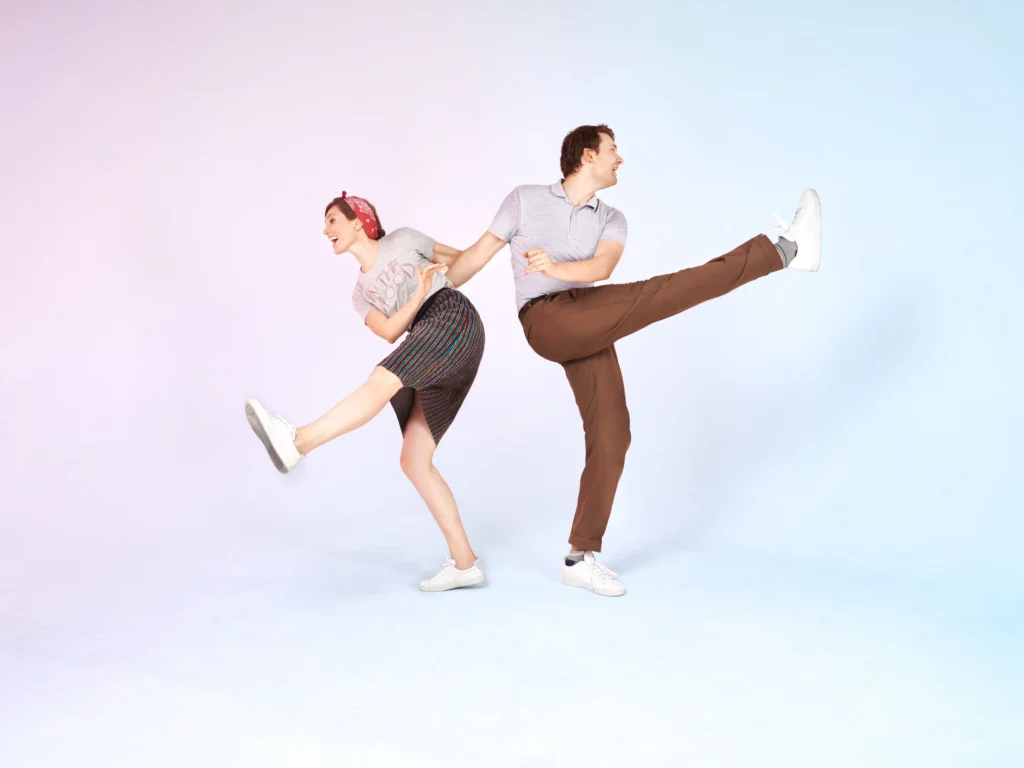
Jive is a fast ballroom dance related to swing and early rock-and-roll styles. It uses quick kicks, compact footwork, and high energy.
A beginner class usually starts with basic rock steps and timing patterns before moving into turns and kicks. Jive can be physically tiring, especially for new dancers adjusting to the speed.
How to Tell the Main Latin Dances Apart
The easiest way to recognize Latin dances is by their tempo, movement style, and how dancers interact with the music. Some dances stay grounded and relaxed, while others use sharper timing, faster turns, or more dramatic movement.
| Dance | Difficulty | Partner Needed | Music Tempo |
| Merengue | Beginner | Yes | Slow to medium |
| Salsa | Intermediate | Yes | Fast |
| Bachata | Beginner | Yes | Slow to medium |
| Kizomba | Beginner to intermediate | Yes | Slow |
| Zouk | Intermediate to advanced | Yes | Medium |
| Cha-Cha-Cha | Intermediate | Yes | Medium |
| Rumba | Intermediate | Yes | Slow |
| Samba | Advanced | Yes | Fast |
| Paso Doble | Intermediate | Yes | Medium |
| Jive | Advanced | Yes | Very fast |
| Reggaeton | Beginner | No | Medium to fast |
Salsa and Jive usually feel the fastest and most energetic. Bachata, Kizomba, and Rumba move more slowly and focus more on timing and connection.
Most social Latin classes rotate partners throughout the lesson, so you usually do not need to bring someone with you. Beginner classes often start with timing, basic steps, and simple turns before moving into longer combinations.
- See how bachata and salsa compare to one another and see which one works best for you.
- Learn how Mambo compares with Salsa.
Which Latin Dance Should a Beginner Learn First?
For most beginners, Bachata is the easiest Latin dance to start with. The rhythm is slower, the footwork is simple, and beginner classes usually focus on easy partner patterns before adding more complex turns or styling.
Merengue is another good starting point because the basic step matches the beat directly. New dancers can focus on rhythm and partner connection without worrying about complicated timing.
If your goal is social dancing, Bachata and Salsa are usually the easiest styles to find at local dance studios, clubs, and Latin nights. Bachata tends to feel more approachable at first, while Salsa often takes longer to feel natural because of the faster timing and directional changes.
Beginners who prefer structure and technique may enjoy starting with Rumba or Cha-Cha in a ballroom studio setting. These classes usually move more progressively, with clear levels and technique-focused instruction.
How to Start Learning Latin Dance
The best way to start learning Latin dance is to pick one style, take a beginner group class, and practice consistently for a few weeks before switching dances. Most beginners improve faster when they focus on timing, rhythm, and partner connection first, instead of trying to memorize a large number of patterns.
If you want structured instruction across multiple Latin dance styles, you can explore beginner classes at Arthur Murray Dance Center in Princeton.
Most beginner classes begin with basic timing drills and footwork before moving into simple partner combinations. You do not usually need dance experience, special shoes, or a partner to get started.
FAQ
Is Tango a Latin dance?
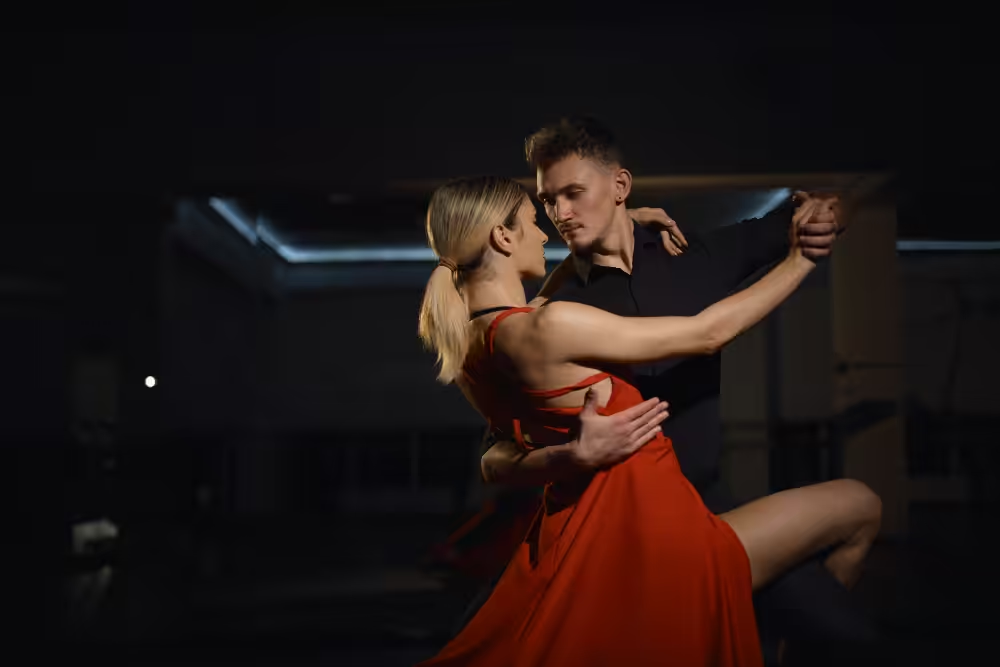
No. Tango developed in Argentina and Uruguay and is usually grouped separately from Latin dance styles in ballroom and social dance categories. While it shares some Latin American cultural roots, tango has its own music, technique, posture, and competition structure.
Which Latin dances are most popular at weddings?
Salsa and Bachata are the most popular Latin dances at weddings because they’re social, recognizable, and work well for group dancing. Cha-Cha and Rumba are also common for choreographed first dances in ballroom settings.
Which Latin dance is the most romantic?
Rumba is often considered the most romantic Latin dance because of its slower tempo, close partner connection, and expressive movement. Bachata is also commonly seen as romantic in social dance settings.
How long does it take to get good at Latin dancing?
Most beginners can feel comfortable with basic timing and partner patterns after a few weeks of regular classes. Developing strong technique, musicality, and confidence on a social dance floor usually takes several months of consistent practice.