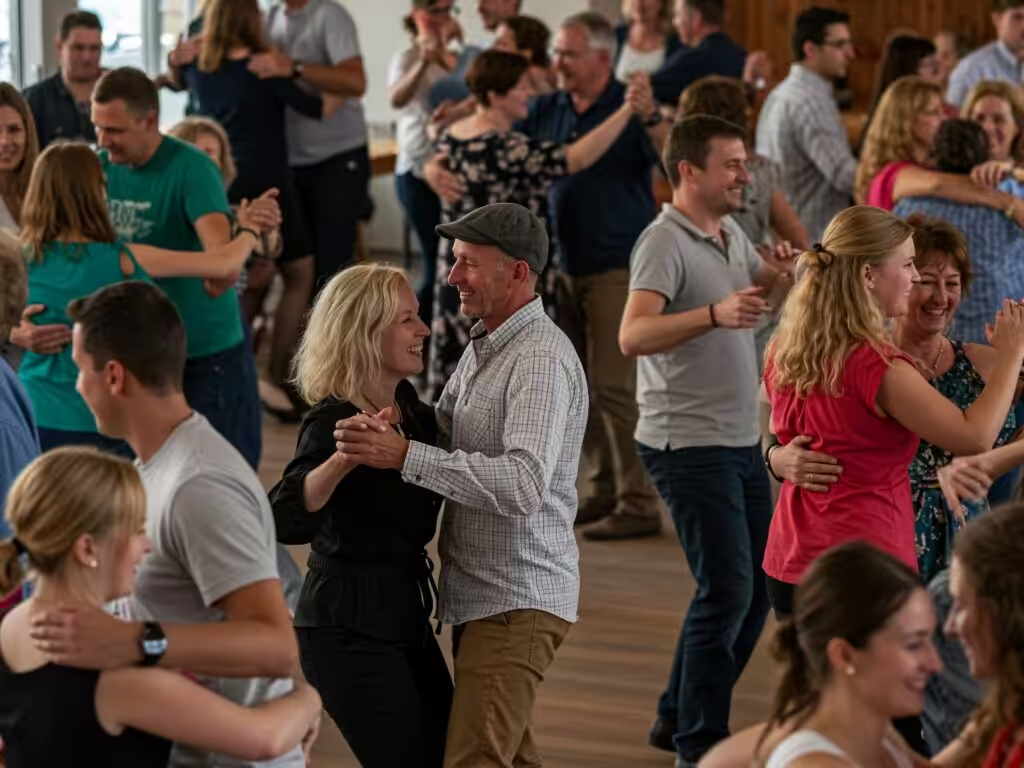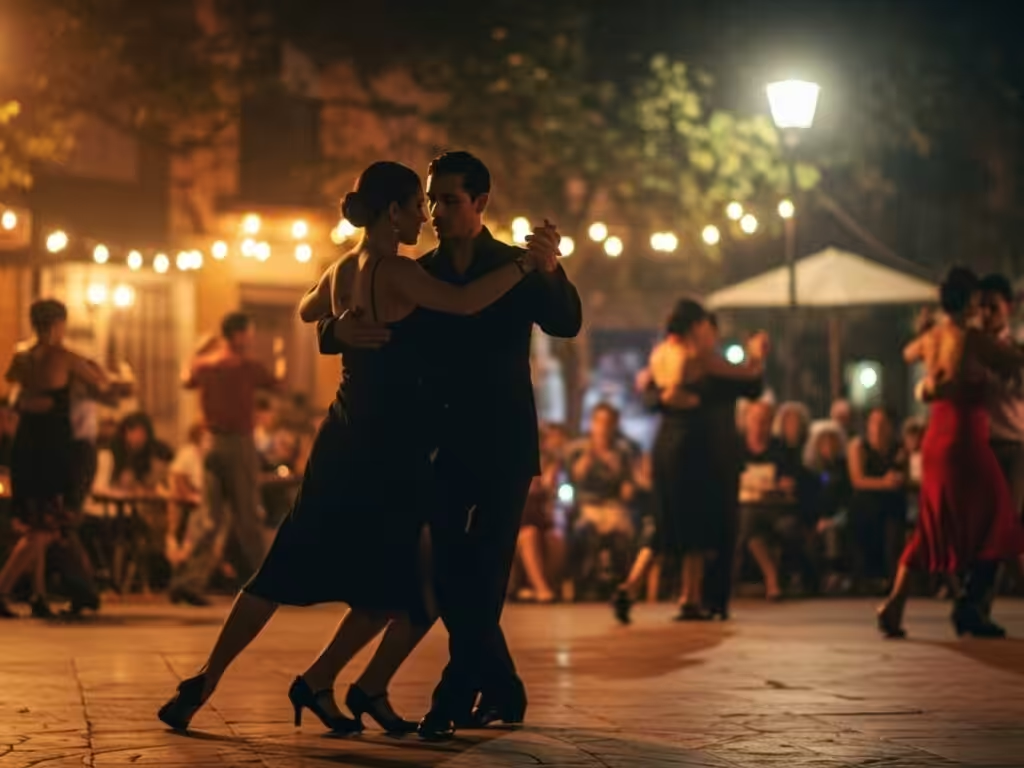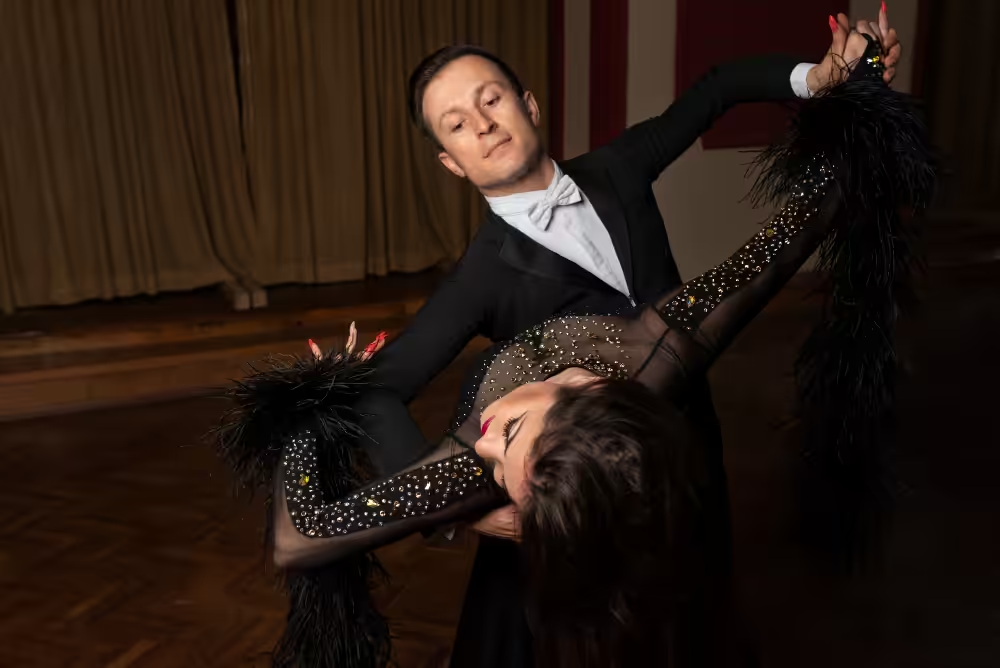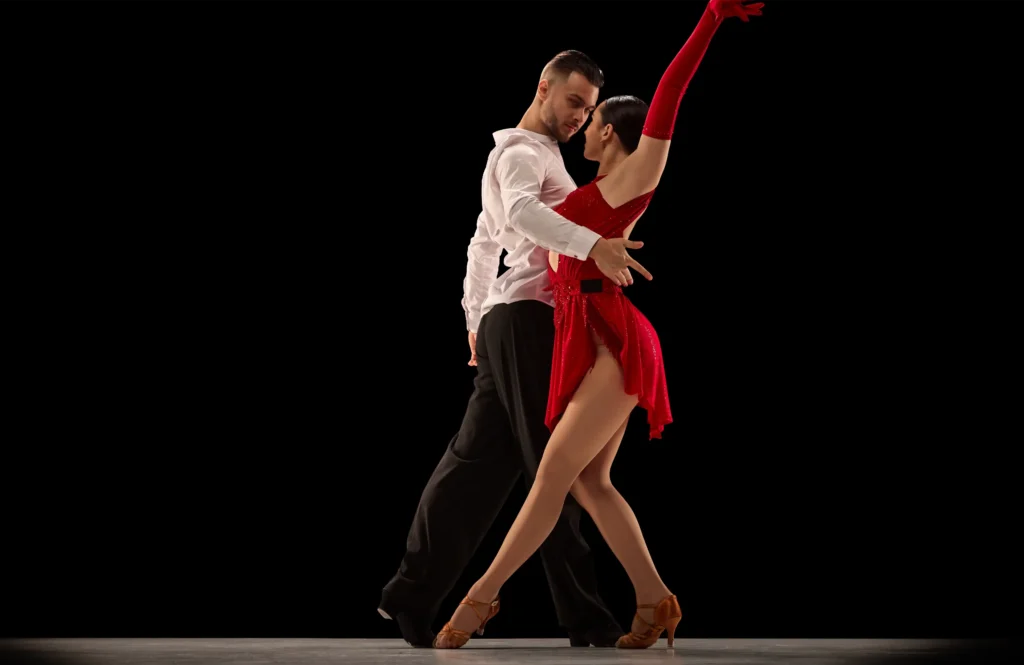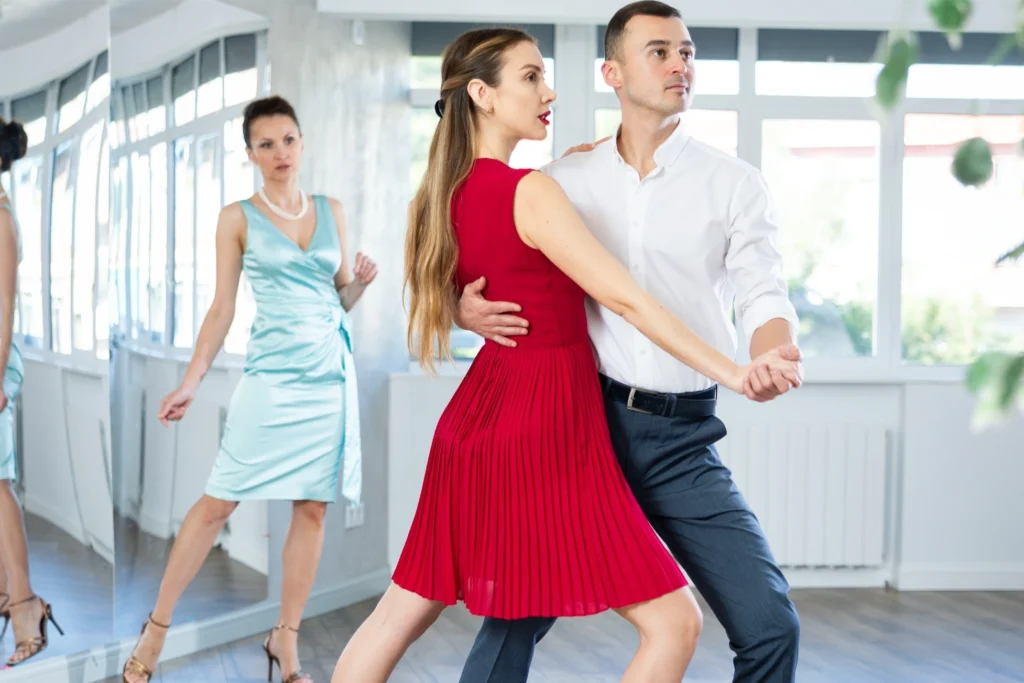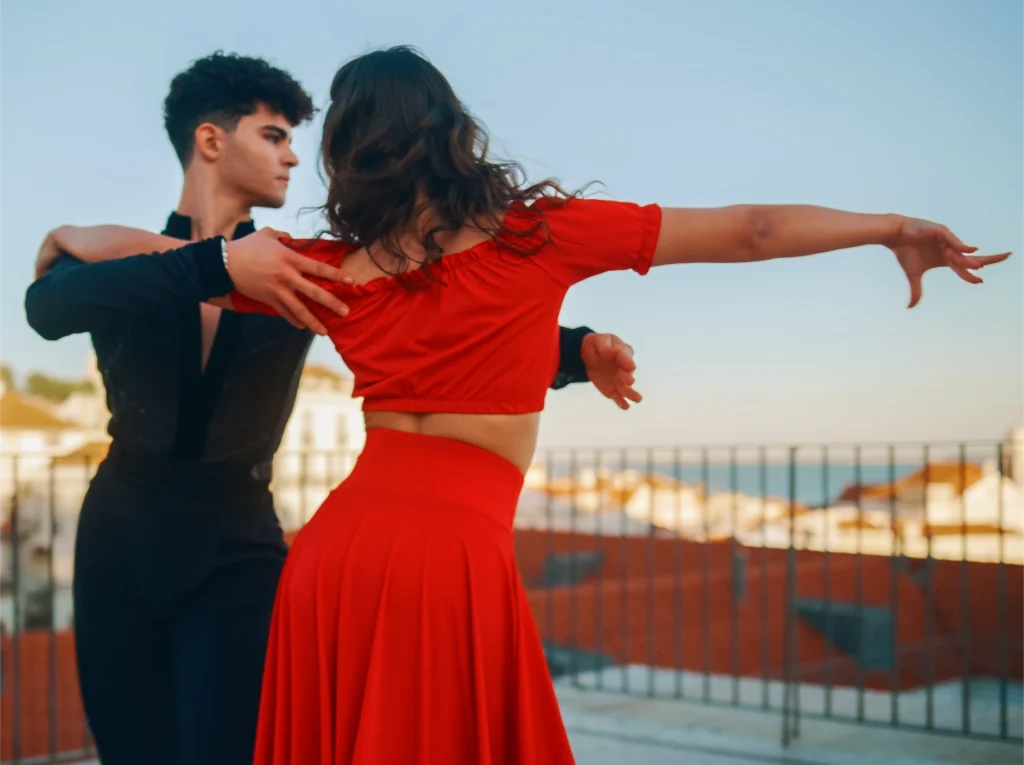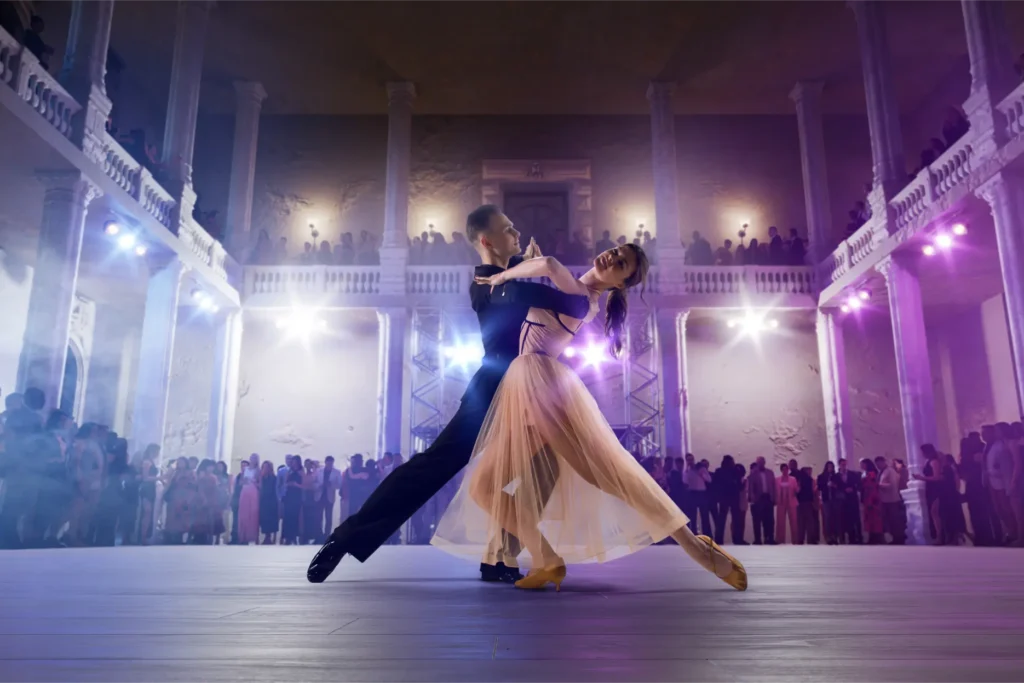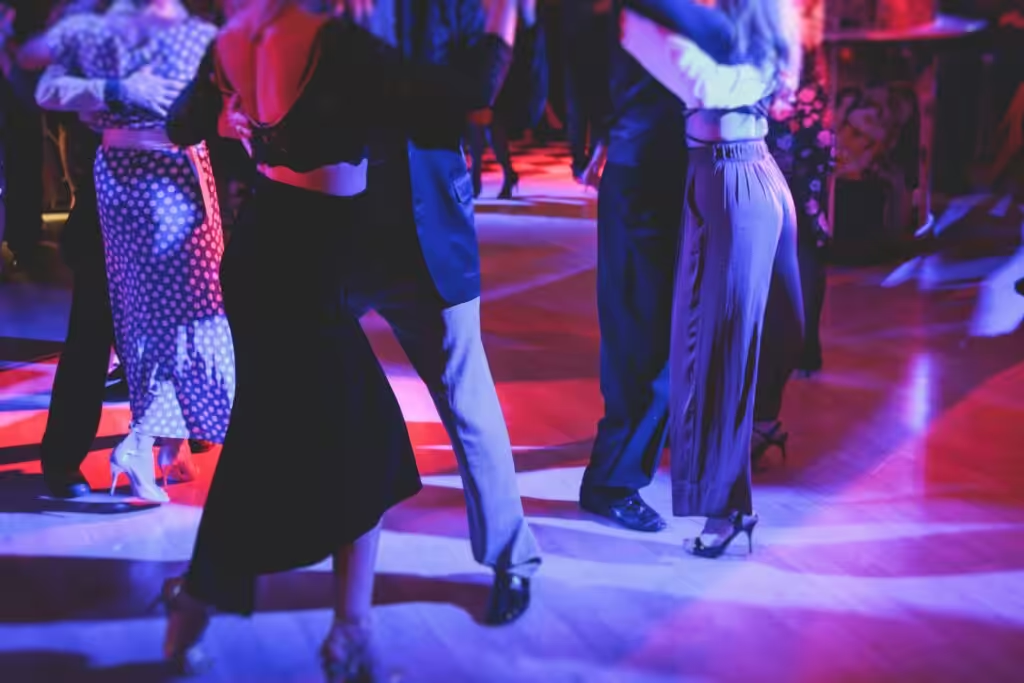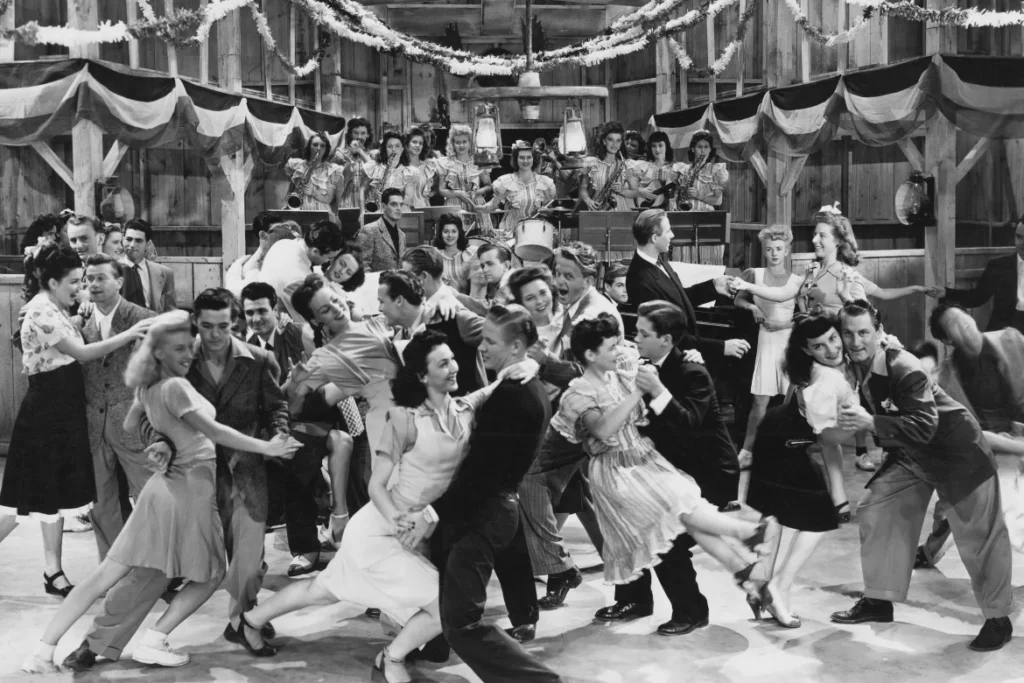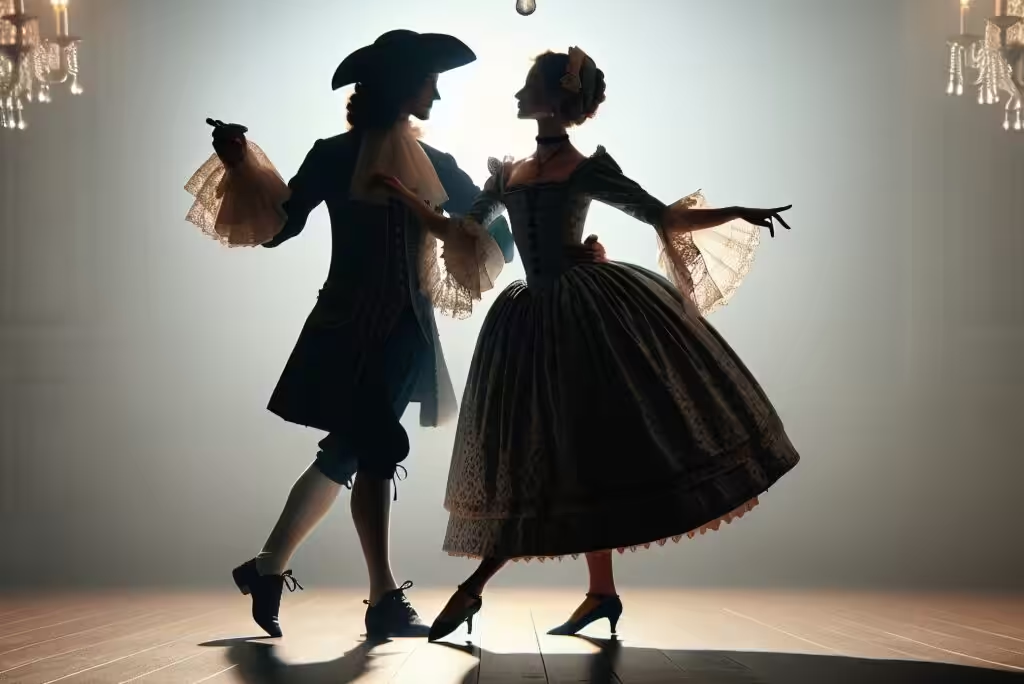
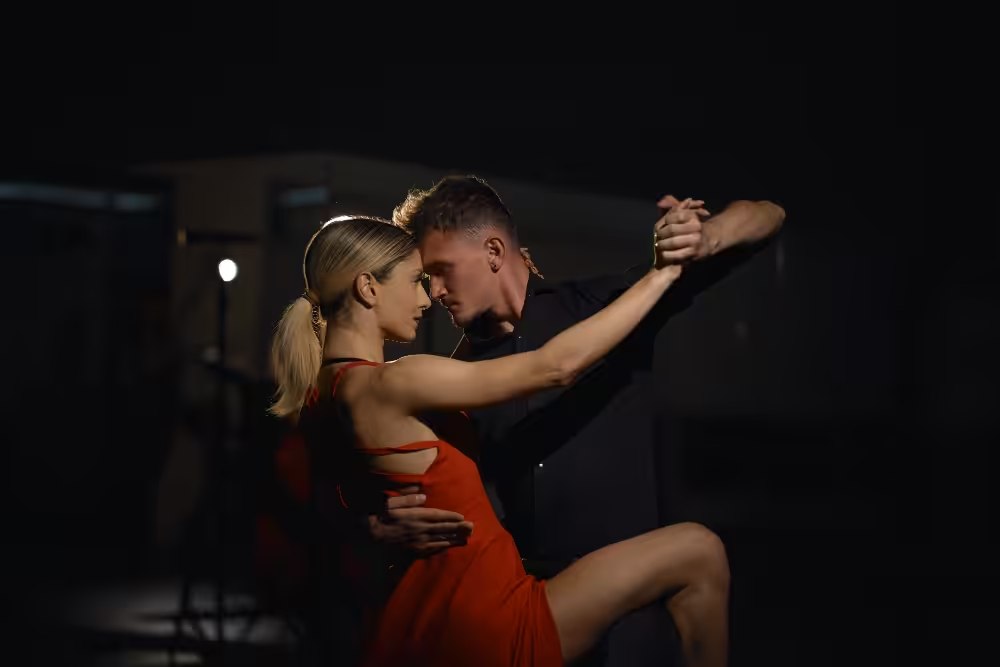
Rumba is a partner dance with two distinct traditions rooted in Cuban culture and ballroom evolution. The original form developed in 19th-century Cuba as an Afro-Cuban folk dance, with styles like Yambú, Guaguancó, and Columbia that focused on rhythm and social expression.
In the 1930s, rumba evolved into a ballroom style in the United States. This version is slower and more structured, often known as the “dance of love” for its romantic character. It is danced to 4/4 music using a slow-quick-quick timing, typically around 100 to 120 BPM, with an emphasis on controlled movement and a strong connection between partners.
Key Takeaways
- Rumba began in 19th-century Cuba as an Afro-Cuban dance tradition and later evolved into a slower ballroom style in 1930s America.
- The traditional form includes three main styles, Yambú, Guaguancó, and Columbia, each with its own rhythm and movement approach.
- As it developed in the U.S., ballroom rumba split into American Rhythm and International Latin, two styles with different structures and techniques.
- The basic step uses a box pattern with slow-quick-quick timing, which makes it easier for beginners to learn.
- Rumba music follows a 4/4 rhythm at about 100 to 120 BPM, and many modern songs naturally fit this tempo.
- It is beginner-friendly, works in small spaces, and builds a strong foundation for other Latin dances like cha-cha, bolero, and mambo.
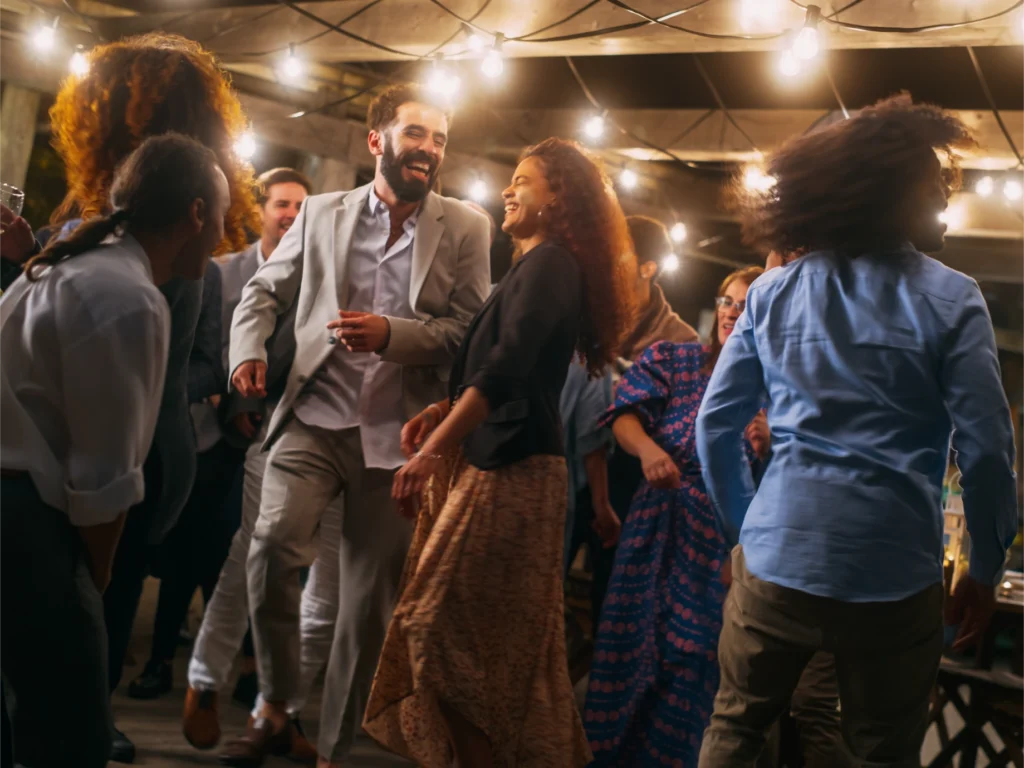
- Rumba is commonly used in social dancing and weddings, making it both practical and enjoyable to learn.
The Origins of Rumba: Afro-Cuban Roots
Rumba originated in 19th-century Cuba, shaped by Afro-Cuban communities in port cities like Havana and Matanzas.
At its core, rumba blends West African rhythmic structure with Spanish musical influence. It was danced in neighborhoods and courtyards. People used accessible instruments like claves, congas, and cajón, accompanied by call-and-response vocals.
3 main folkloric styles define traditional rumba:
- Yambú is the oldest and slowest style, often danced with subtle movements
- Guaguancó is the most widely practiced today
- Columbia is fast and athletic, traditionally performed solo by men, featuring complex footwork and acrobatic expression
Back then, Rumba captured real life. It reflected how people lived, how they connected with each other, and how they endured hardship during and after colonial rule. Over time, these street forms influenced the development of ballroom rumba that we know today.
How Rumba Became a Ballroom Dance
Ballroom rumba emerged in 1930s America, when Cuban music reached U.S. audiences through influential bandleaders like Don Azpiazú and Xavier Cugat. Their performances introduced a new sound and rhythm that quickly gained popularity in dance halls and ballrooms.
In 1930, Azpiazú’s recording of “El Manisero” became the first Latin song to sell over a million copies in the United States. This success sparked the “rhumba craze,” bringing Cuban-inspired music and dance into mainstream culture. Around the same time, Cugat helped establish rumba as a staple in New York’s music scene.
Early versions of ballroom rumba were danced at a faster tempo, closer to its Cuban roots. Over the 1940s and 1950s, the dance gradually slowed down. A major turning point came with Monsieur Pierre, a British dance teacher who traveled to Cuba in 1947, 1951, and 1953 to study authentic rumba. He brought his findings back to Europe and helped shape what would become the International Latin style, which is now used in competitions worldwide.
As rumba continued to evolve, it split into two main ballroom styles:
- American Rhythm, developed in U.S. dance studios, allows more flexibility and open figures
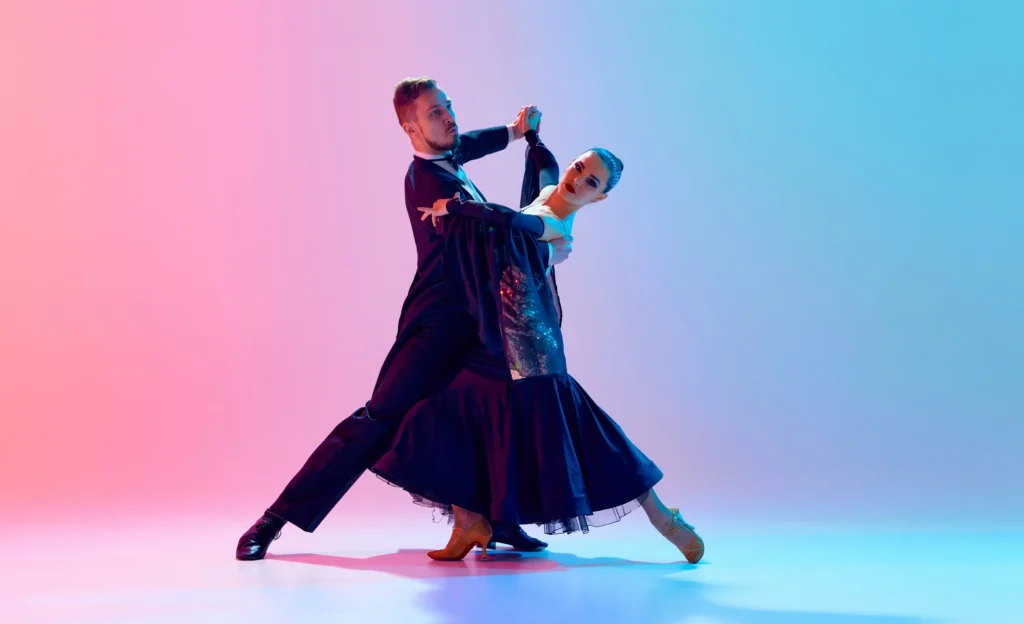
- International Latin, standardized for global competition, follows stricter technique and structure
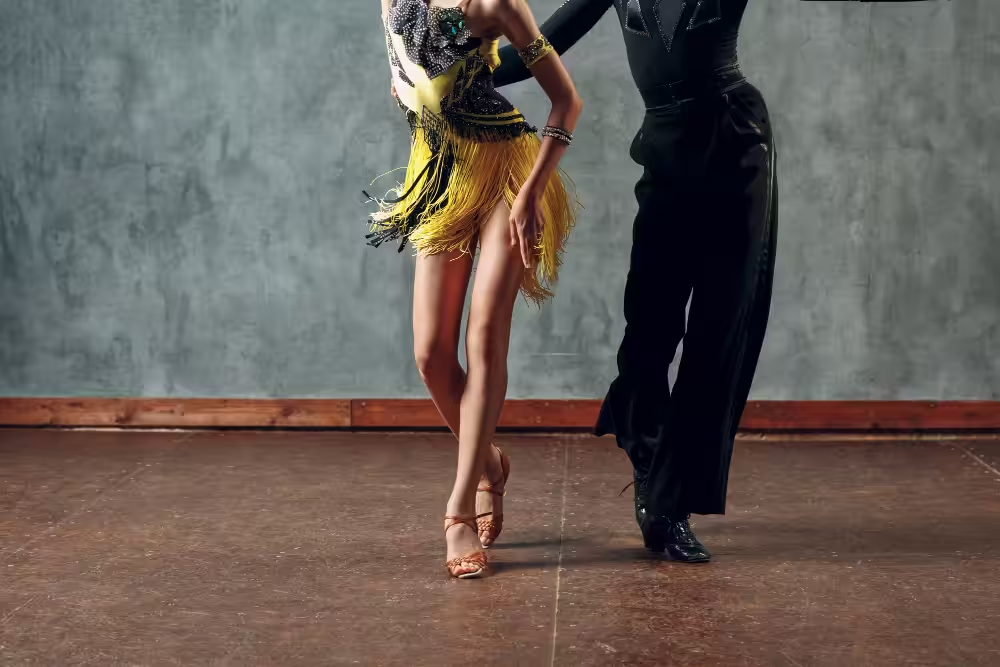
American Rhythm vs International Latin Rumba
American Rhythm uses a box step and breaks on count 1, while International Latin uses a linear structure with no box step, breaks on count 2, and places greater emphasis on advanced hip technique.
| Aspect | American Rhythm Rumba | International Latin Rumba |
| Basic figure | Box step | Forward and back rocking with side steps |
| Count | Breaks on 1 | Breaks on 2 |
| Timing | Slow-quick-quick | Quick-quick-slow |
| Tempo | ~104-108 BPM | ~100-108 BPM |
| Posture | Slightly closer partner hold | More open positions, extended arms |
| Where you’ll see it | U.S. social dance, American Rhythm competitions | International competitions worldwide, including Blackpool and DanceSport events |
For most beginners in American studios, American Rhythm rumba is the starting point. Thanks to the box step, it’s easier to learn timing, partner connection, and movement patterns that also carry into dances like waltz, foxtrot, and bolero.
How to Dance Rumba: The Basic Step
The American Rhythm rumba basic step is a box pattern. It’s danced in slow-quick-quick timing over four beats of music.
Leader Steps
- Step forward with the left foot, slow, counts 1-2
- Step to the side with the right foot, quick, count 3
- Close left foot to right, quick, count 4
- Step back with the right foot, slow, counts 1-2
- Step to the side with the left foot, quick, count 3
- Close the right foot to the left, quick, count 4
Follower Steps
Mirror the leader, starting with a back step on the right foot, and follow the same timing and pattern.
Key Technique Points
- Maintain clear weight transfer and keep your balance over one foot at a time
- Let the hips move naturally through bending and straightening the knees
- Keep the upper body quiet since expression should come from the hips and feet
- Use small, compact steps, since rumba stays in place
Cuban Motion: The Technique That Defines Rumba
Cuban Motion is the signature technique of rumba. The key characteristic of Cuban Motion is bending and straightening the knees rather than forcing the hips to sway.
As the knee bends and then straightens, the body weight settles onto the standing leg, and the hip follows naturally. This creates a continuous flow instead of a disconnected or exaggerated motion.
The sequence works like this:
- Knee bends
- Then straightens
- Weight settles
- And the hip responds
This same motion appears in other Latin dances like cha-cha, bolero, and mambo.
Learning this technique can be challenging for beginners because most people try to move their hips directly. This usually leads to stiffness or overcompensation. When the knees drive the action, the result feels more natural and balanced.
But with a few lessons, most people notice significant improvements. You usually start to feel it come together after about 10 to 15 lessons.
Rumba Music: What to Dance It To
Rumba music is written in 4/4 time, typically around 100 to 120 BPM for ballroom rumba, with a subtle emphasis on the second beat of each measure.
Traditional rumba music draws from Cuban styles like bolero-son, especially from recordings in the 1940s through the 1960s. These songs highlight steady rhythm, melodic phrasing, and clear structure, which makes them ideal for learning and practicing.
At the same time, many modern ballads fit rumba timing, which makes this dance highly adaptable. Slower pop and soul songs often match the tempo and phrasing.
Here are some great songs to practice your timing and musicality:
- “Save the Last Dance for Me” – Michael Bublé
- “Better Together” – Jack Johnson
- “Love on the Weekend” – John Mayer
- “Bella Maria de Mi Alma” – Antonio Banderas
- “La Playa” – Chayanne
- “Just My Imagination” – The Temptations
- “Sway” – Michael Bublé
- “Come Away With Me” – Norah Jones
Why Rumba Is a Good Dance to Learn
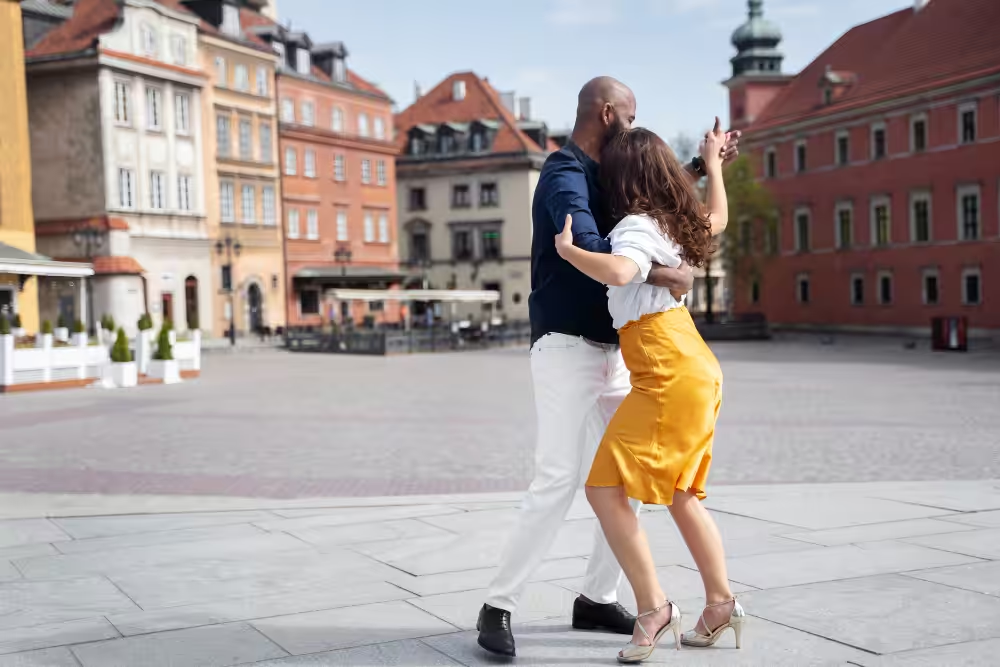
Rumba is one of the best Latin dances for beginners. Here is why:
- The slow tempo gives you time to think through each step and build confidence
- The contained footwork means you do not need a large dance floor to practice or enjoy it
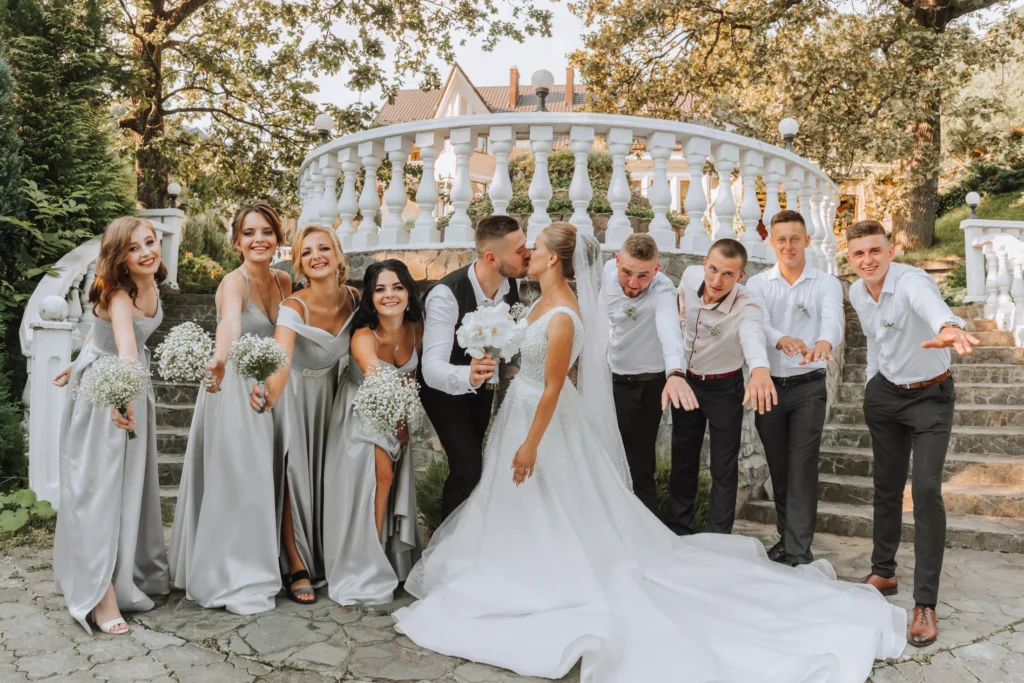
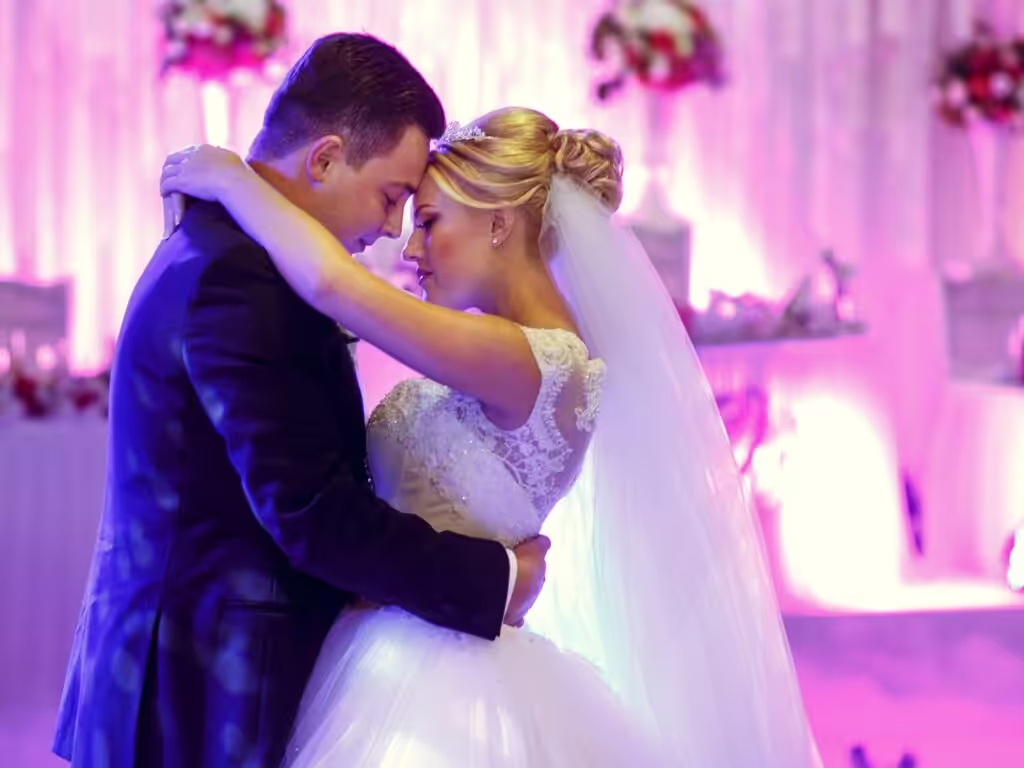
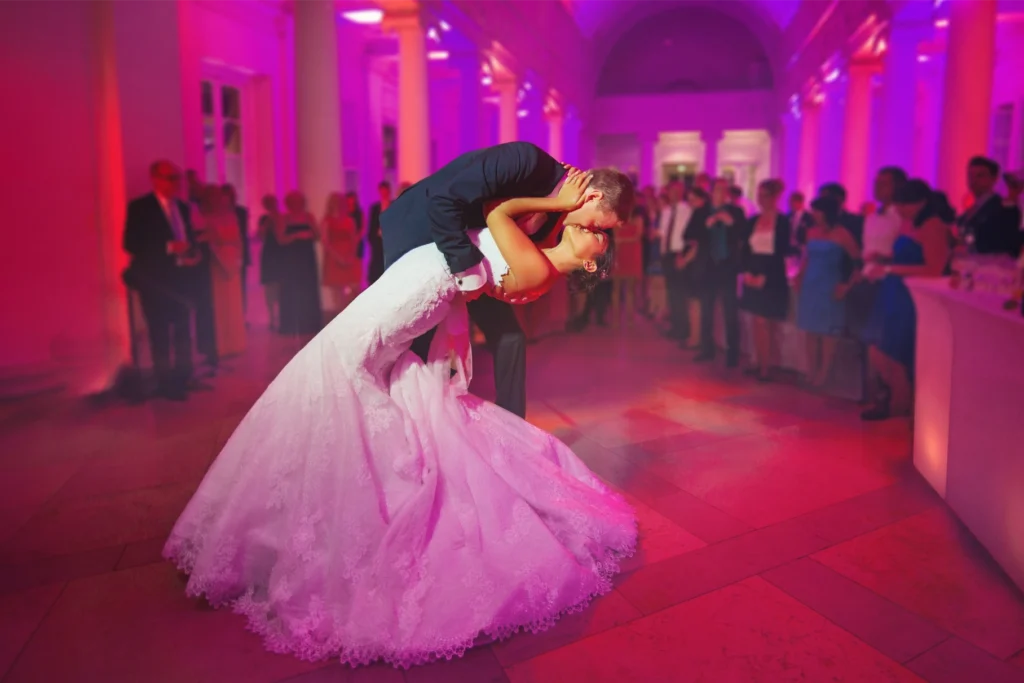
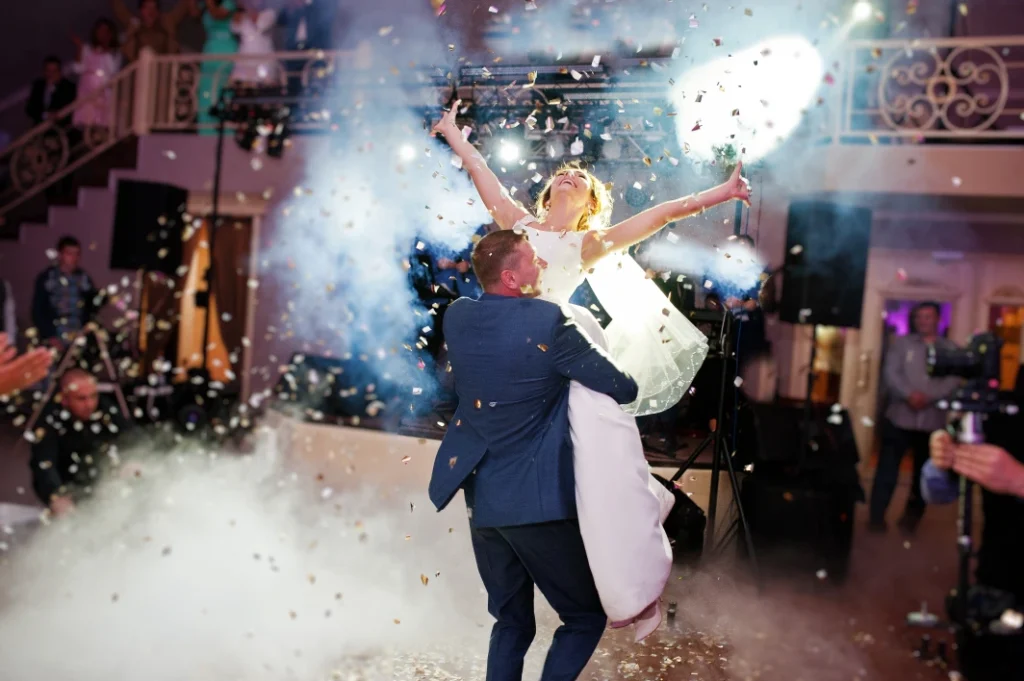
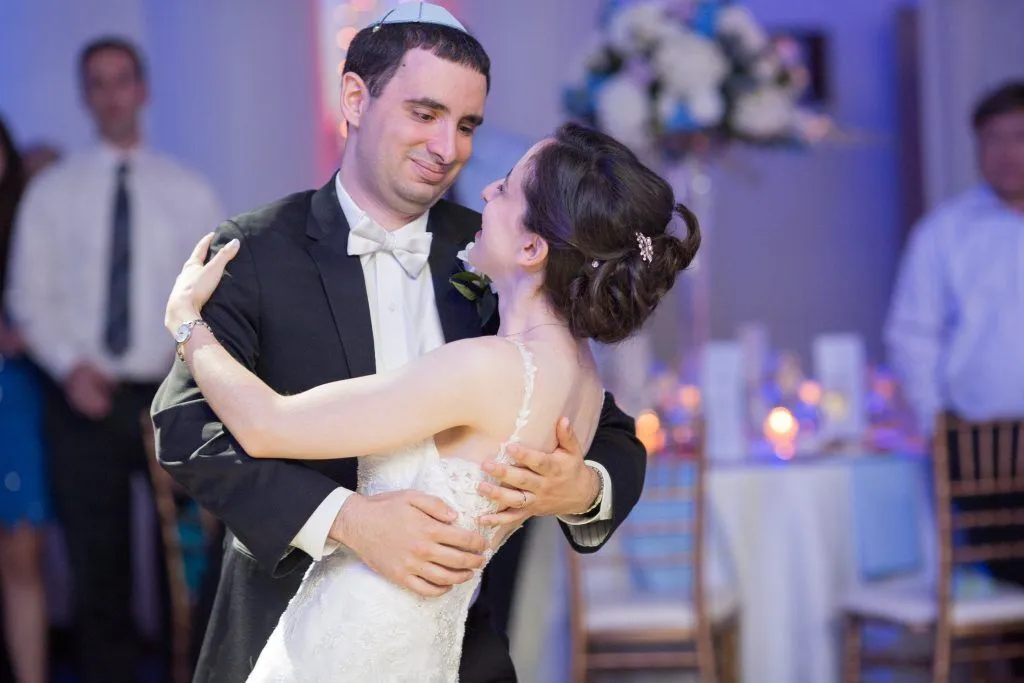
- Rumba works well for wedding first dances, since many popular ballads naturally match its timing
- It builds a strong foundation for other Latin dances like cha-cha, bolero, and mambo, which share similar technique and rhythm principles
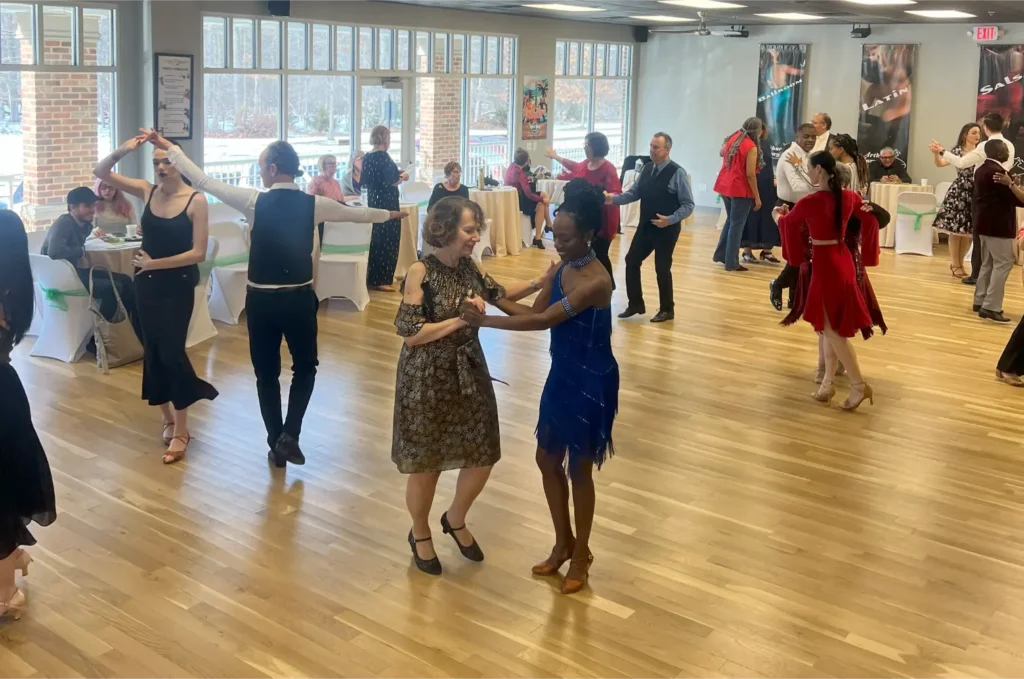
- It has a strong presence in social dance settings, and it’s easy to find partners who know the basics
If you want to get started, explore our Latin dance lessons and begin learning in a supportive environment.
FAQ
What other ballroom dances are similar to rumba?
The closest relative to rumba is bolero, which shares the same Cuban bolero-son origin and a similarly slow and romantic character, though bolero is even slower. You can learn more in our bolero dance guide. Cha-cha is another closely related style, but it’s danced faster. Mambo also shares a similar rhythm structure, though it breaks on a different count and has a sharper feel.
Why is rumba called the dance of love?
Rumba is often called the “dance of love” because of its romantic music and close partner connection. In particular, guaguancó, one of the main traditional rumba styles, centers on a playful courtship between a man and a woman. Ballroom rumba carries this theme forward.
What should I wear to my first rumba lesson?
For your first rumba lesson, wear fitted clothing that allows your instructor to clearly see your footwork and hip movement. Shoes with leather soles or proper dance shoes work best.. Choose outfits that allow for easy knee bend, and avoid heavy accessories that can get in the way. Skirts or dresses that fall above the knee can help make Cuban Motion more visible and easier to coach. If you are getting started, check out our guide on what to expect from your first lesson.
Learn Rumba in Princeton, NJ
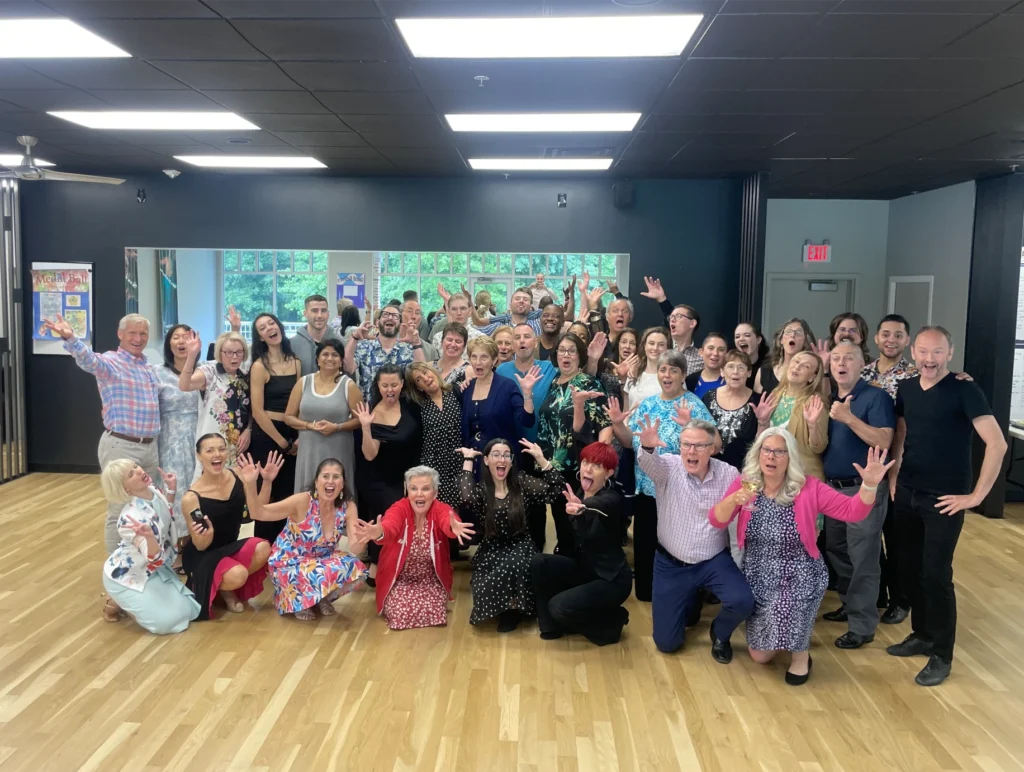
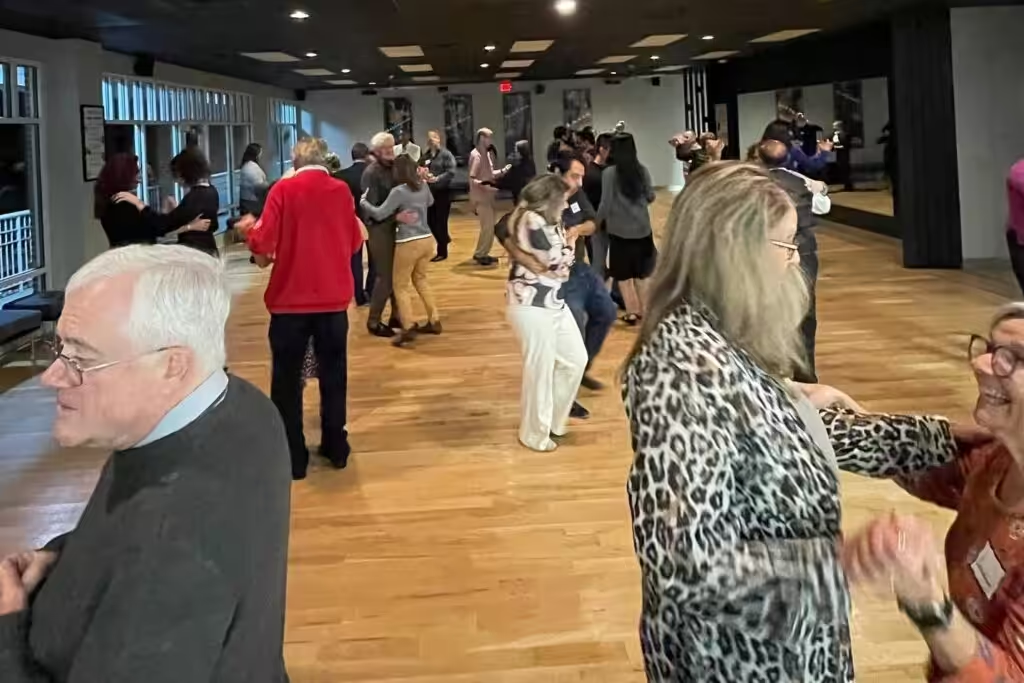
At Arthur Murray Princeton, rumba is taught in both private lessons and group classes as part of the Latin dance curriculum. Beginners are welcome, with no prior experience required. If you are ready to get started, take advantage of our new student offer and book your first lesson.