
Research suggests that holding an expansive “power pose” for just 120 seconds can drop your cortisol levels by 25% while boosting testosterone. This means that if you’re currently hunched over a phone or laptop, you are effectively “practicing” a state of low confidence without even realizing it. In this article, you’ll discover how ballroom dancing rewires your brain’s response to stress, why the structured “frame” of a Waltz is a physical shortcut to social authority, and how building “social calluses” on the dance floor eliminates the fear of rejection in your daily life. Here is what the latest physiological feedback loop data reveals about using the ballroom to transform your self-esteem from the ground up.
Key Takeaways
- Ballroom dance naturally encourages an upright, open posture that triggers psychological “power posing” benefits.
- The structured social environment of dance studios helps individuals overcome social anxiety and build interpersonal skills.
- Learning complex choreography improves brain health and provides a measurable sense of mastery and achievement.
- Managing mistakes on the dance floor fosters a growth mindset that reduces the fear of failure in other areas of life.
- The focus required for partnership dancing promotes mindfulness, reducing stress and increasing body positivity.
How Does Dance Help with Confidence and Self-Esteem?
When people ask, “how does dance help with confidence?” the answer is often found in the “feedback loop” between the body and the brain. When we move rhythmically and maintain an expansive physical frame, our brains receive signals that we are safe, capable, and in control. This physiological shift is the foundation upon which true, lasting self-assurance is built.
Correcting Posture and the Power of Presence
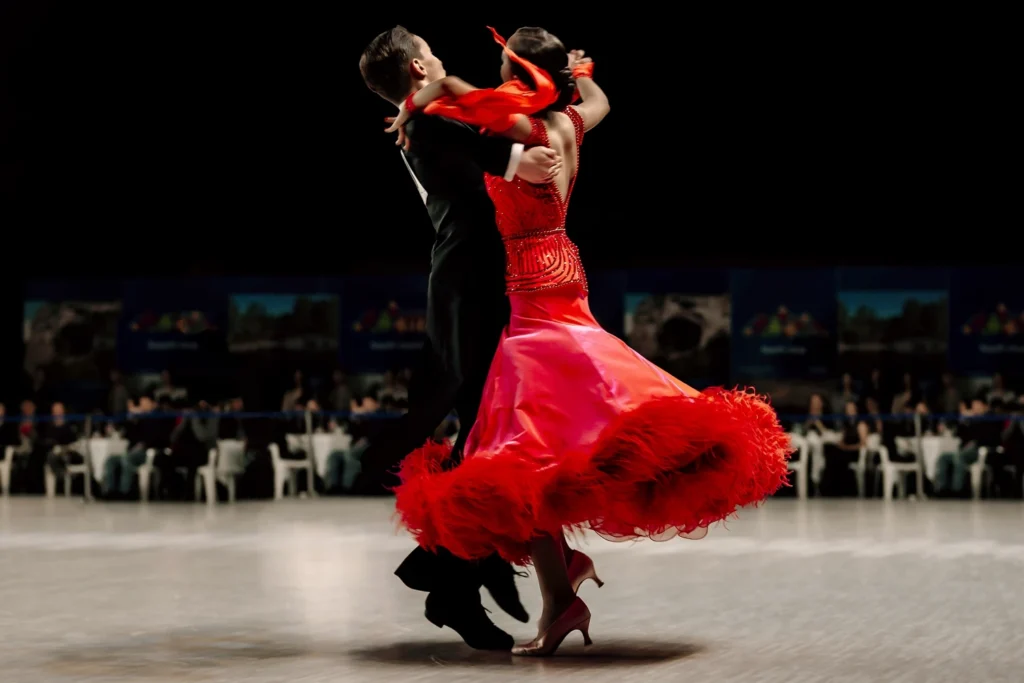
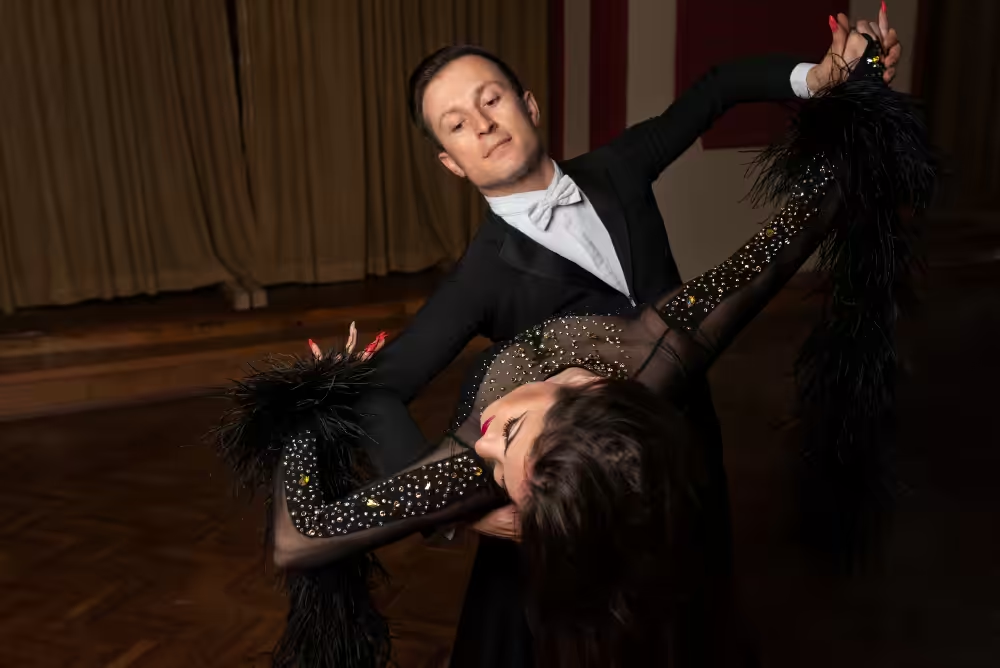
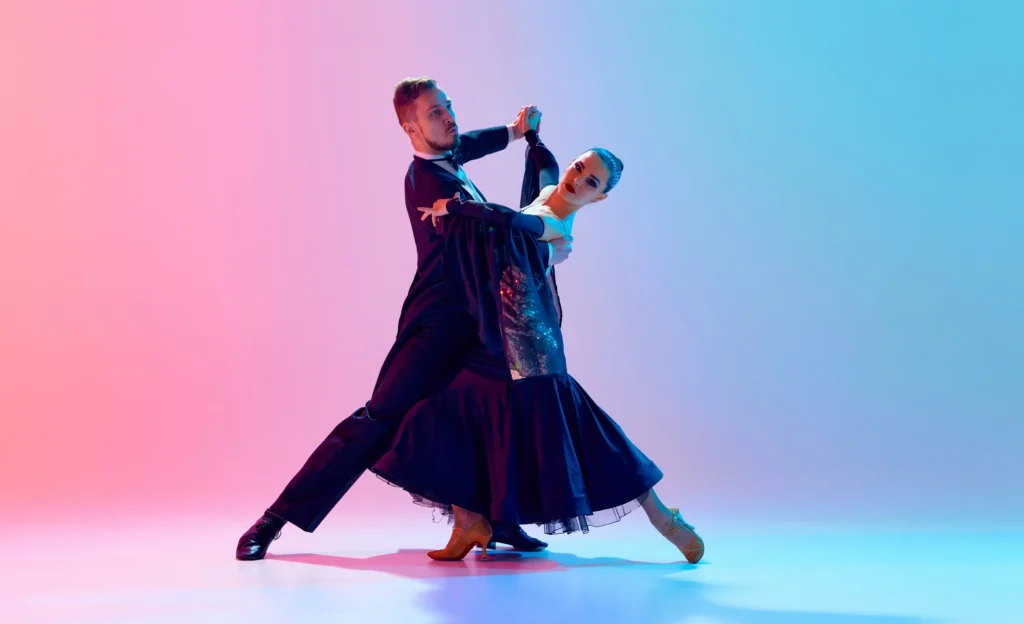
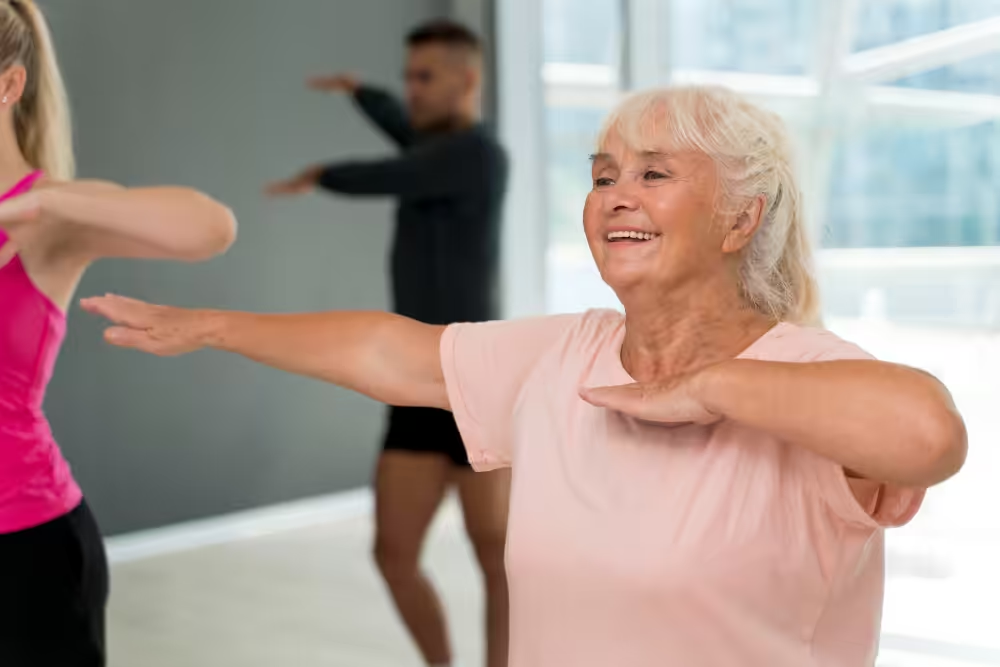
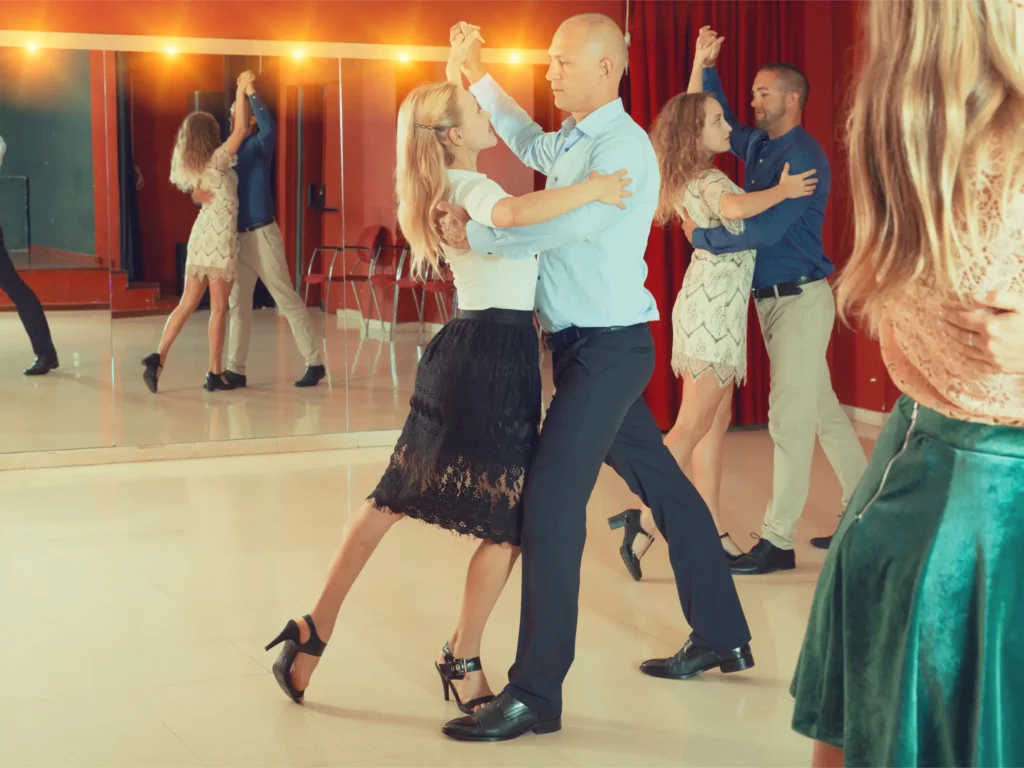
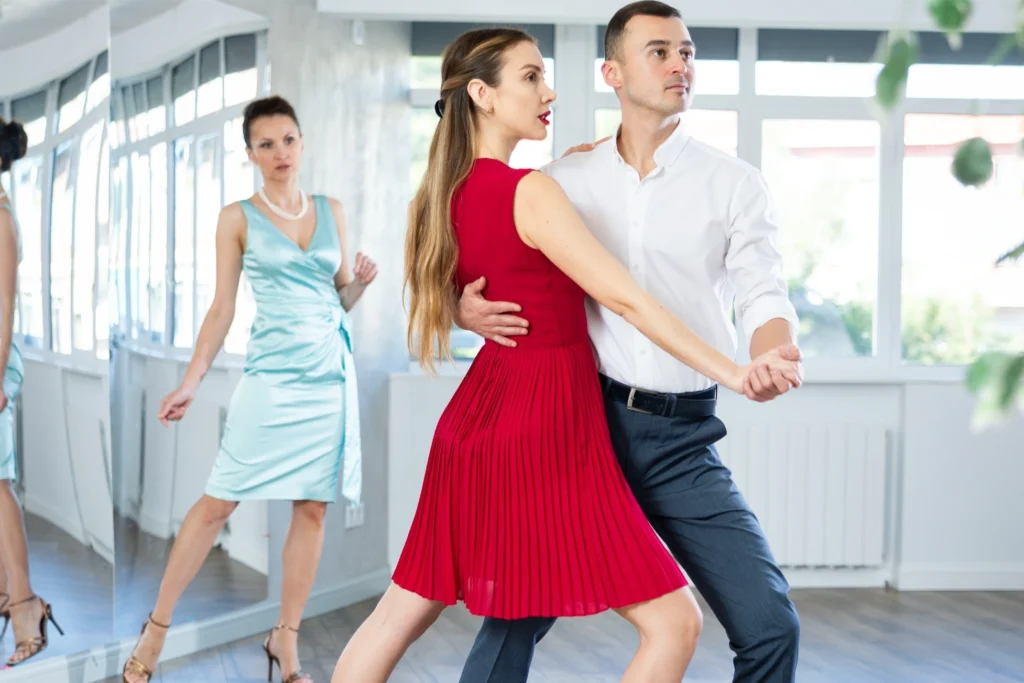
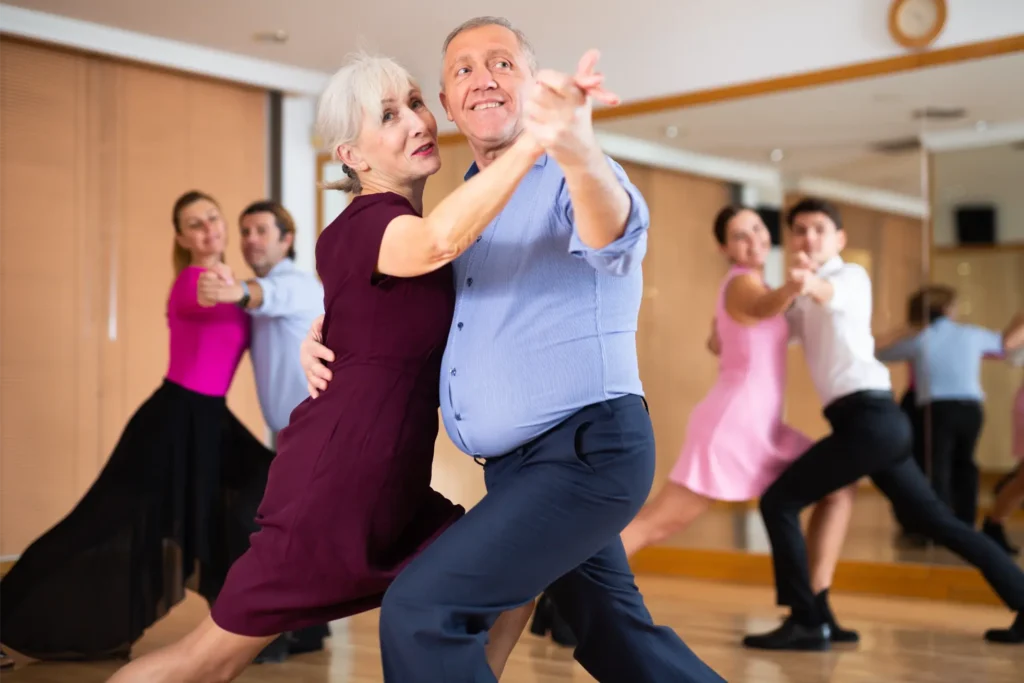
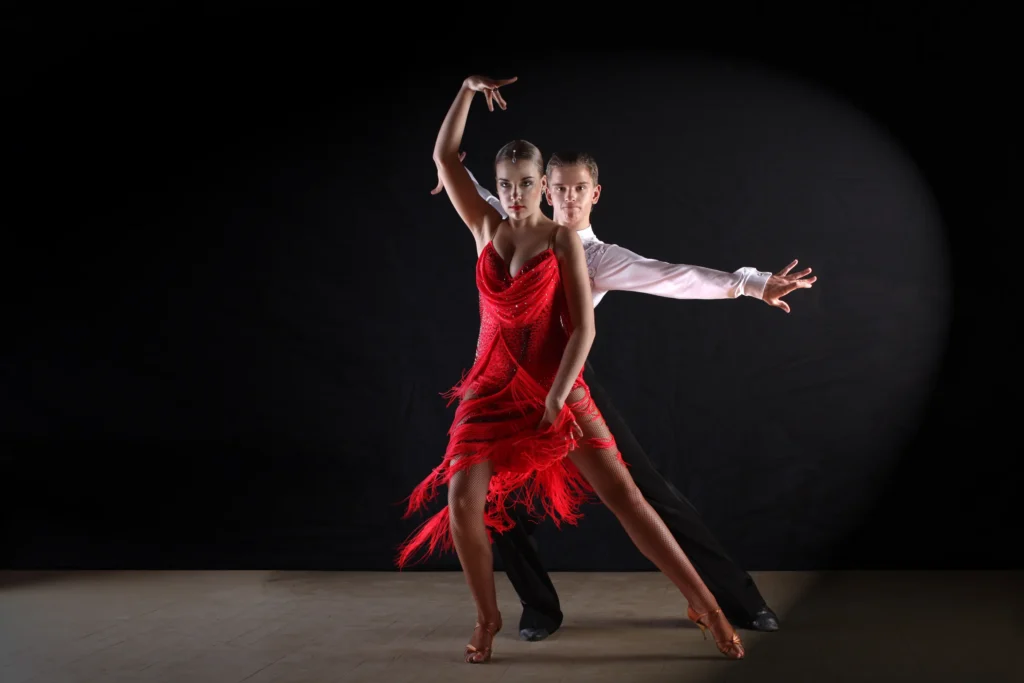
In ballroom dancing, “frame” is everything. It requires a lifted chest, rolled-back shoulders, and a long neck. While this is aesthetically pleasing for the audience, it has a functional impact on the dancer’s psyche. Research has shown that expansive postures—standing tall with an open frame—can lower cortisol levels (the stress hormone) and increase testosterone, which is associated with confidence and risk tolerance.
By practicing these postures for hours every week, dancers “re-wire” their default physical state. They stop slouching through life and start walking with an air of intentionality. This physical presence is often the first thing others notice, creating a positive social feedback loop that further reinforces the dancer’s self-worth.
Cognitive Growth and Mastery Through Choreography
The mental challenge of ballroom dancing is frequently underestimated. Dancers must memorize long sequences of steps, stay on beat with the music, and coordinate their movements with a partner—all simultaneously. This process of learning and eventual mastery provides a unique psychological “win.”
Each time a dancer successfully executes a difficult “Natural Turn” or a complex “Syncopated Chasse,” they prove to themselves that they are capable of learning difficult things. This sense of accomplishment is a potent antidote to the “imposter syndrome” many people feel in their professional or personal lives. As you progress from a beginner to an intermediate dancer, the realization that “I can do this” begins to permeate your entire worldview.
Overcoming the Fear of Performance and Judgment
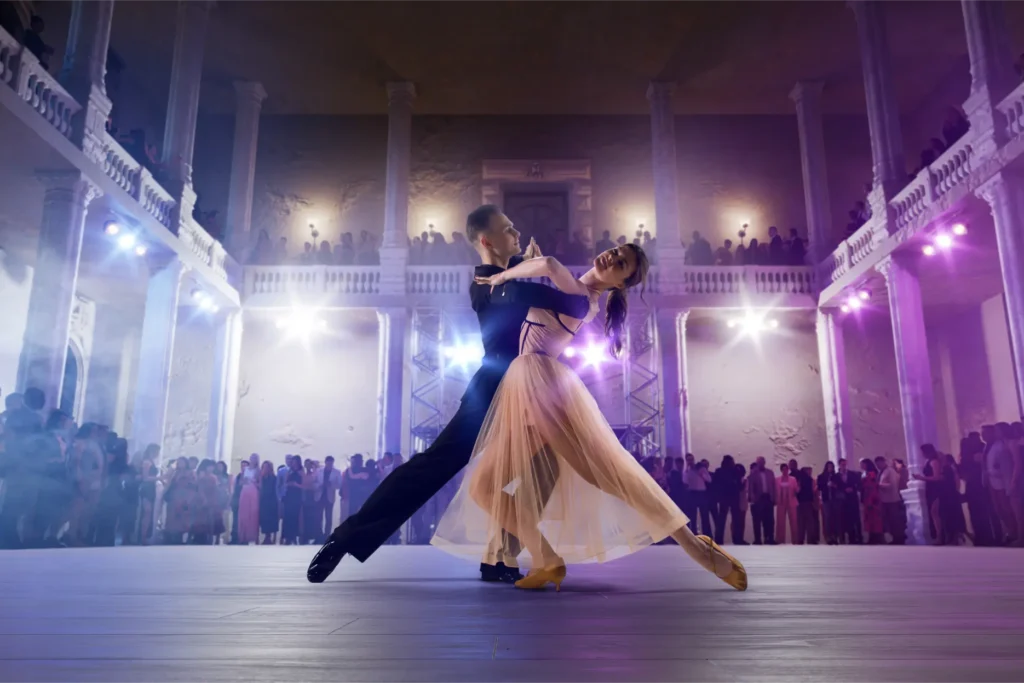
One of the greatest barriers to confidence is the fear of being watched and judged. Ballroom dancing places individuals in a position where they are seen by others—whether it’s a coach, a partner, or other dancers in a studio. Initially, this can be intimidating. However, the studio environment is a “safe laboratory” for vulnerability.
By repeatedly performing in front of others and realizing that mistakes are simply part of the learning process, dancers desensitize themselves to the fear of judgment. You learn that if you trip or miss a beat, the world doesn’t end; you simply find the rhythm and start again. This resilience is a core component of a confident personality.
Read Next: How Ballroom Dance Lessons Help Overcome the Anxiety of Public Speaking
How to Dance with Confidence in a Crowd
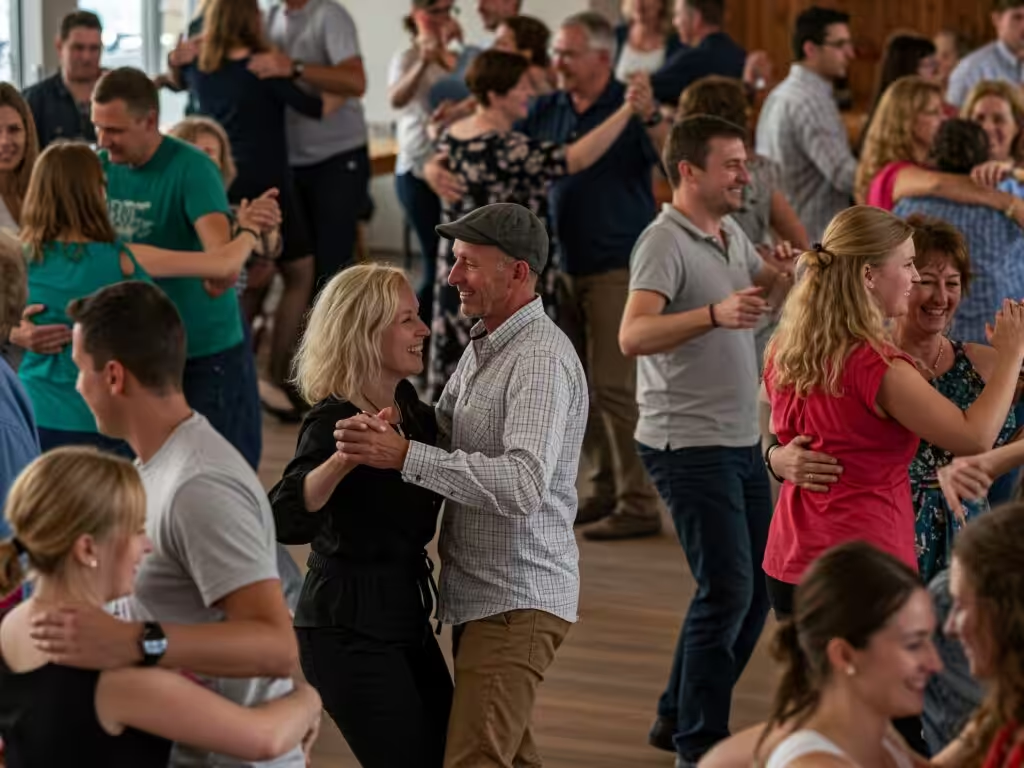
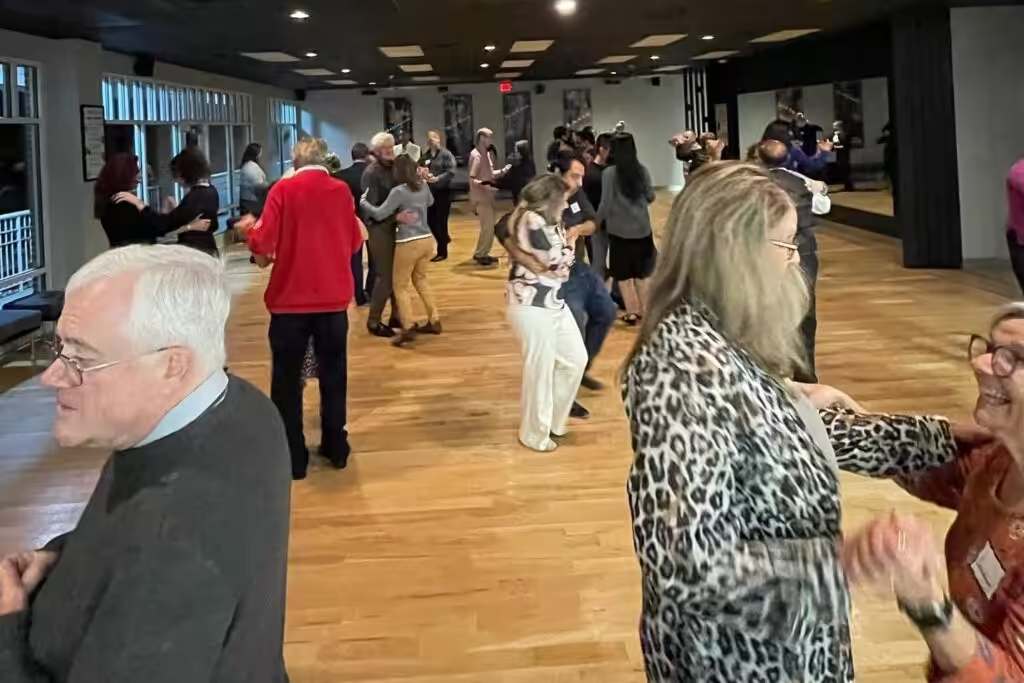
For many, the most daunting aspect of ballroom isn’t the footwork, but the social interaction. Social anxiety can be a major hurdle to self-assurance, but the structured nature of dance provides a perfect bridge to overcoming it. If you want to learn how to dance with confidence in social settings, you must first embrace the “rules of the floor” that make interaction predictable and safe.
The Art of Non-Verbal Communication and Connection
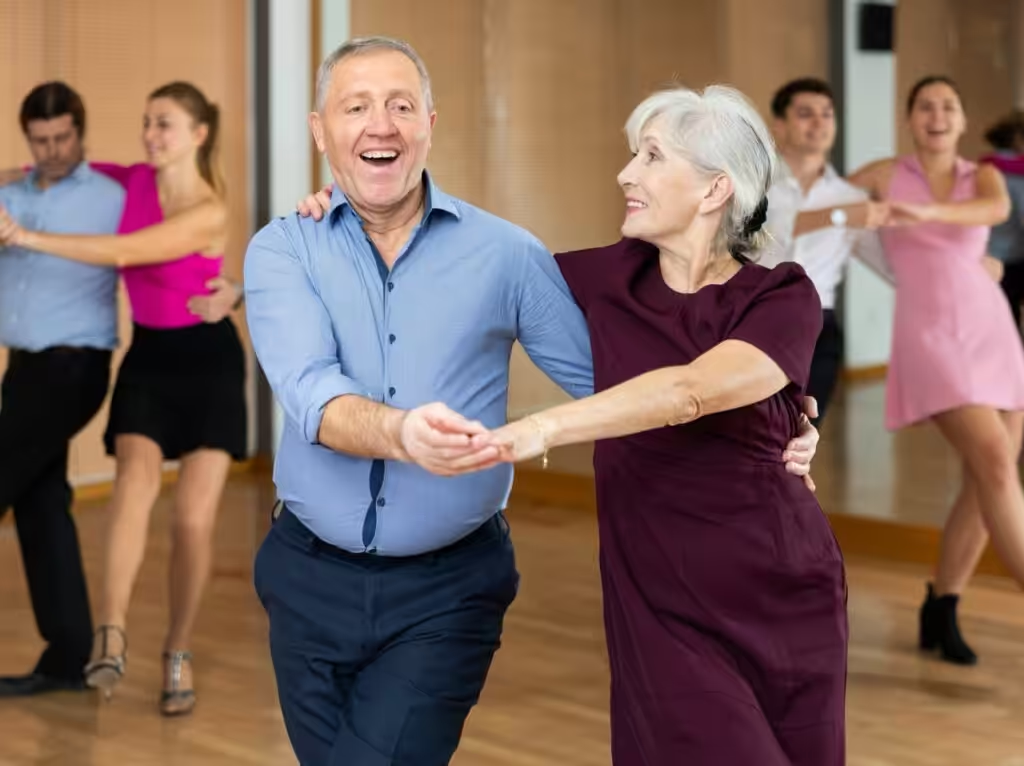
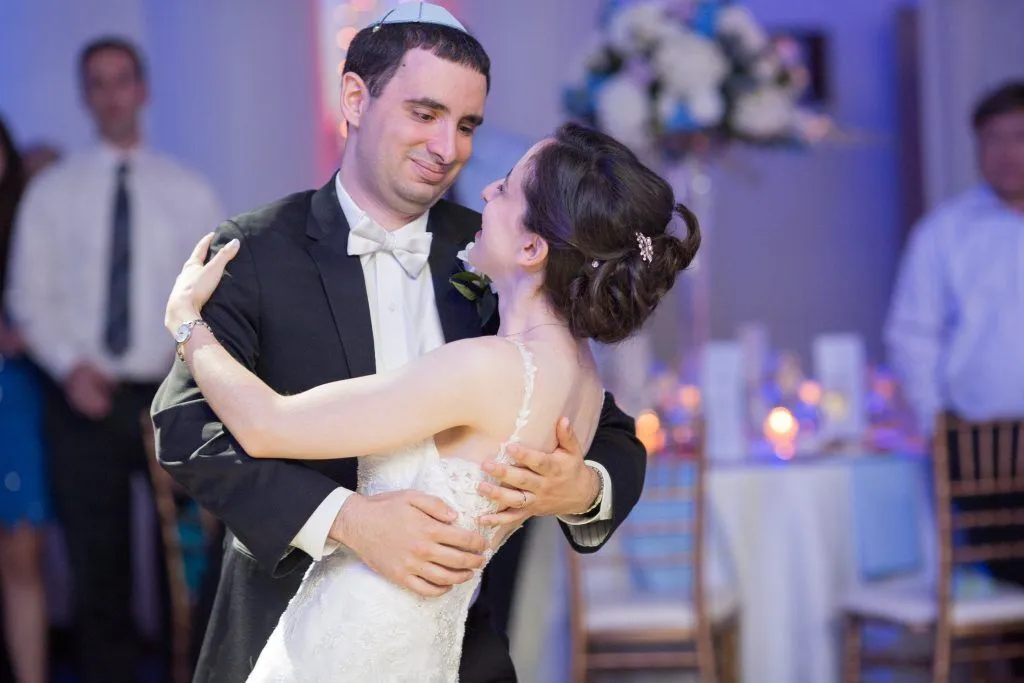
Ballroom dancing is a conversation without words. It requires a leader to indicate direction and a follower to interpret those signals with sensitivity. This level of physical communication builds a deep sense of trust—not only in your partner but in your own ability to connect with others.
For someone who struggles with small talk or social cues, the clarity of a “lead” or “follow” provides a structured way to interact. You learn to read body language, anticipate needs, and respond with grace. These skills are directly transferable to the boardroom or social gatherings, where understanding non-verbal cues is essential for effective leadership and connection.
Navigating Social Vulnerability with Grace
Entering a dance floor during a social “mixer” requires a specific type of courage. It involves asking someone to dance or accepting an invitation, both of which carry the risk of rejection or the fear of “not being good enough.” Ballroom culture, however, is built on etiquette and mutual respect.
By repeatedly engaging in these social rituals, dancers build “social calluses.” They become comfortable with the vulnerability of the ask and the physical proximity of a stranger. Over time, the anxiety of social interaction fades, replaced by a sense of ease. You no longer worry about what others think of your dancing; you focus on the joy of the connection, which is the ultimate secret to social confidence.
Finding a Supportive Community and “The Tribe”
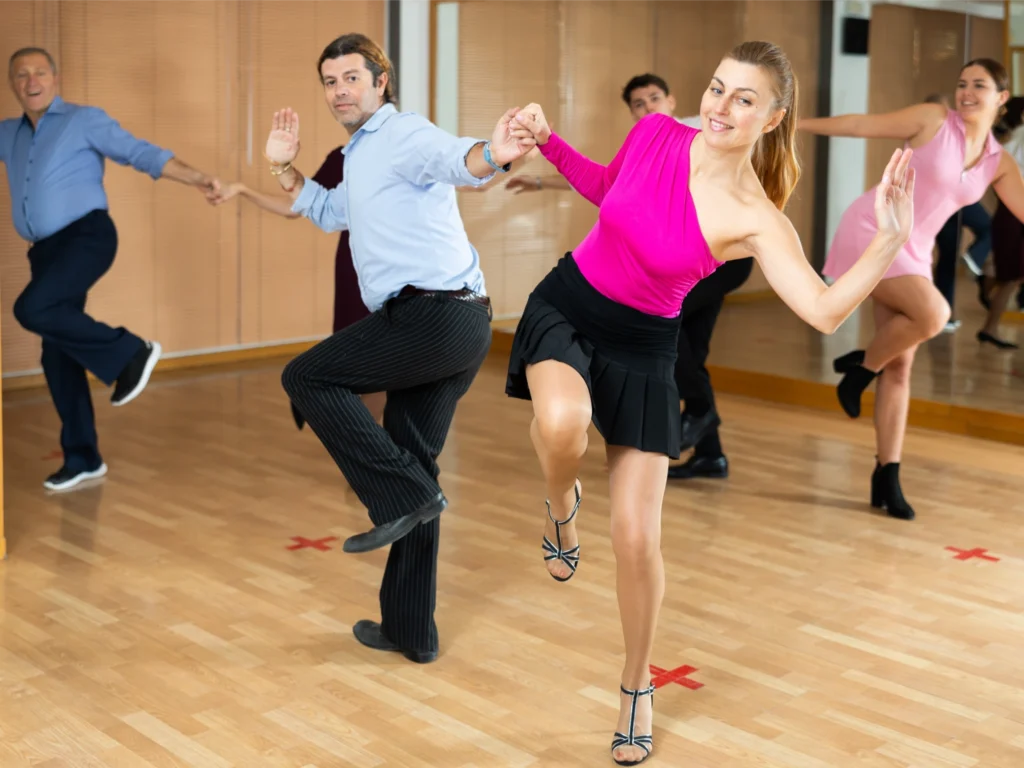
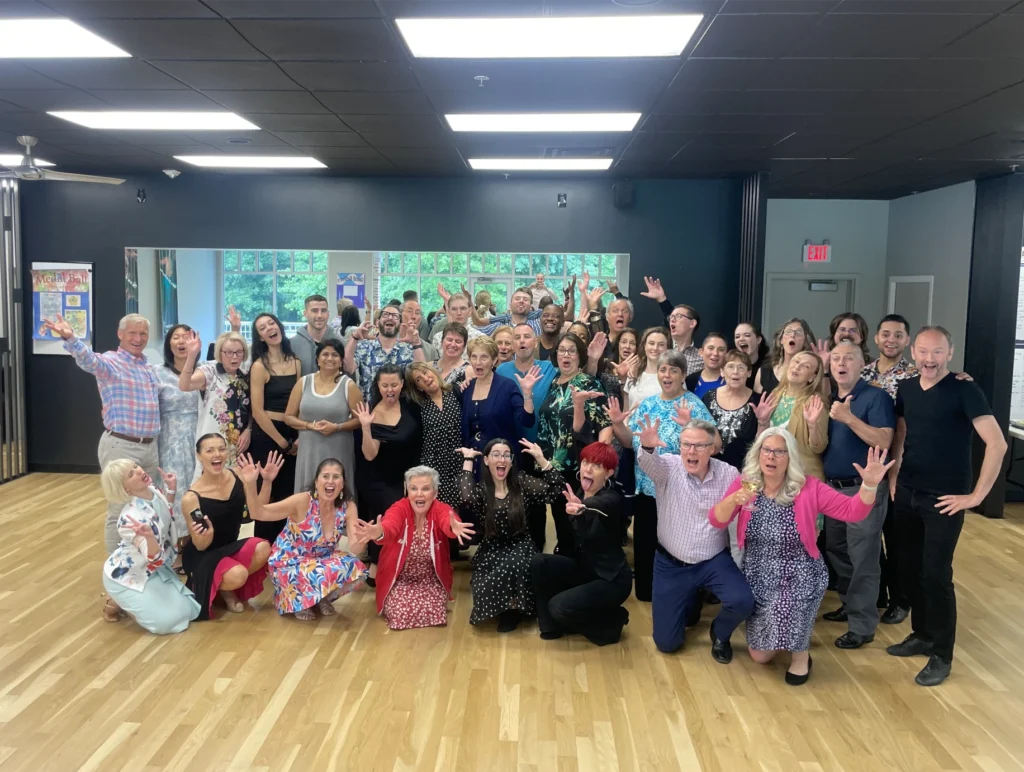
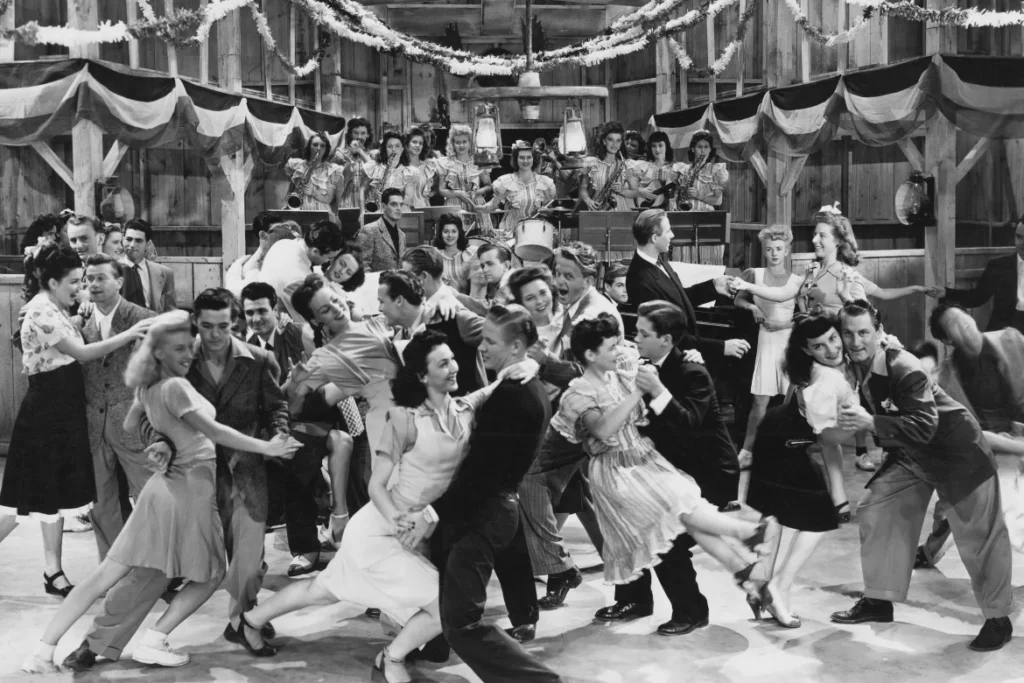
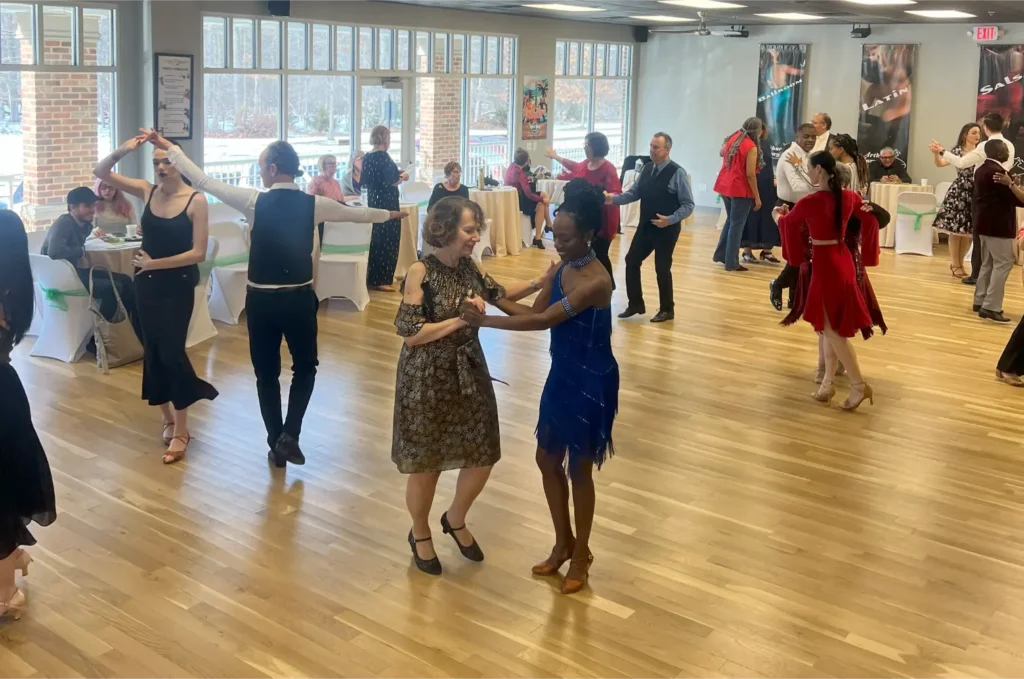
Confidence is difficult to build in isolation. The ballroom community is notoriously supportive, often acting as a second family for many dancers. Studios frequently host social dances, competitions, and showcase events that encourage dancers to cheer for one another.
Being part of a community that celebrates your progress—no matter how small—creates a “safety net” for your ego. When you feel supported by your peers, you are more likely to take risks and push your boundaries. This sense of belonging reinforces the idea that you are a valuable member of a group, which is a fundamental pillar of human self-esteem.
The Choice to Dance with Confidence
The beauty of ballroom dancing is that it is a never-ending journey. There is always a more nuanced technique to learn, a faster tempo to master, or a more emotional story to tell through movement. When you make the decision to dance with confidence, you are making a commitment to lifelong growth. This commitment keeps the mind sharp and the spirit youthful.
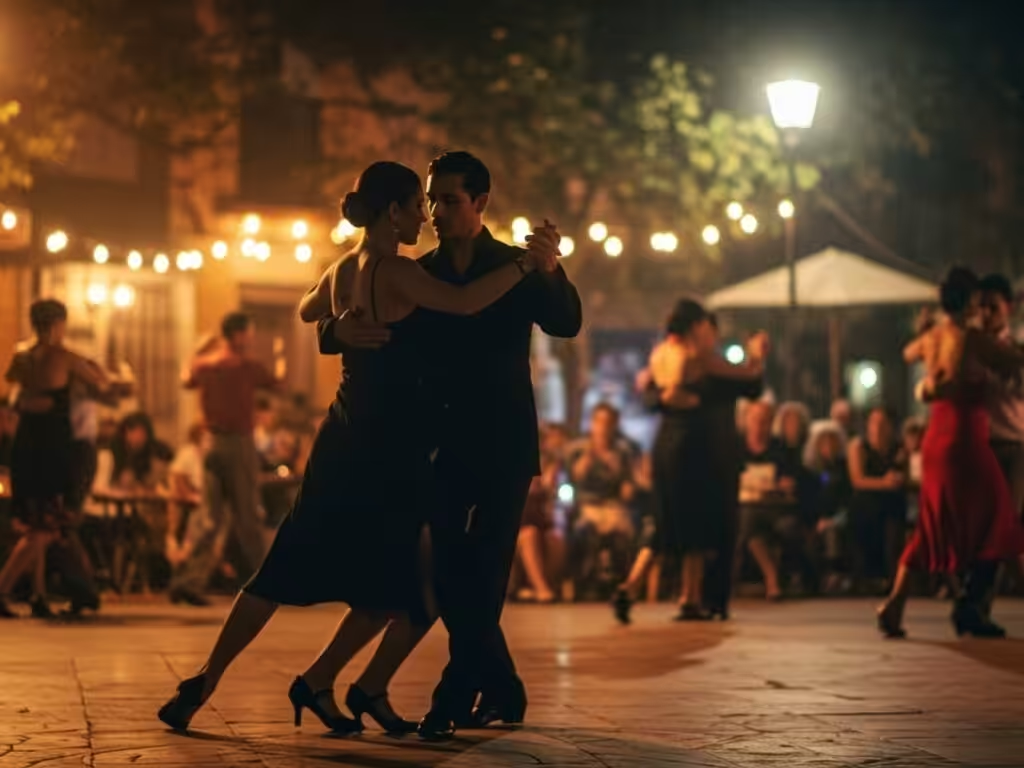
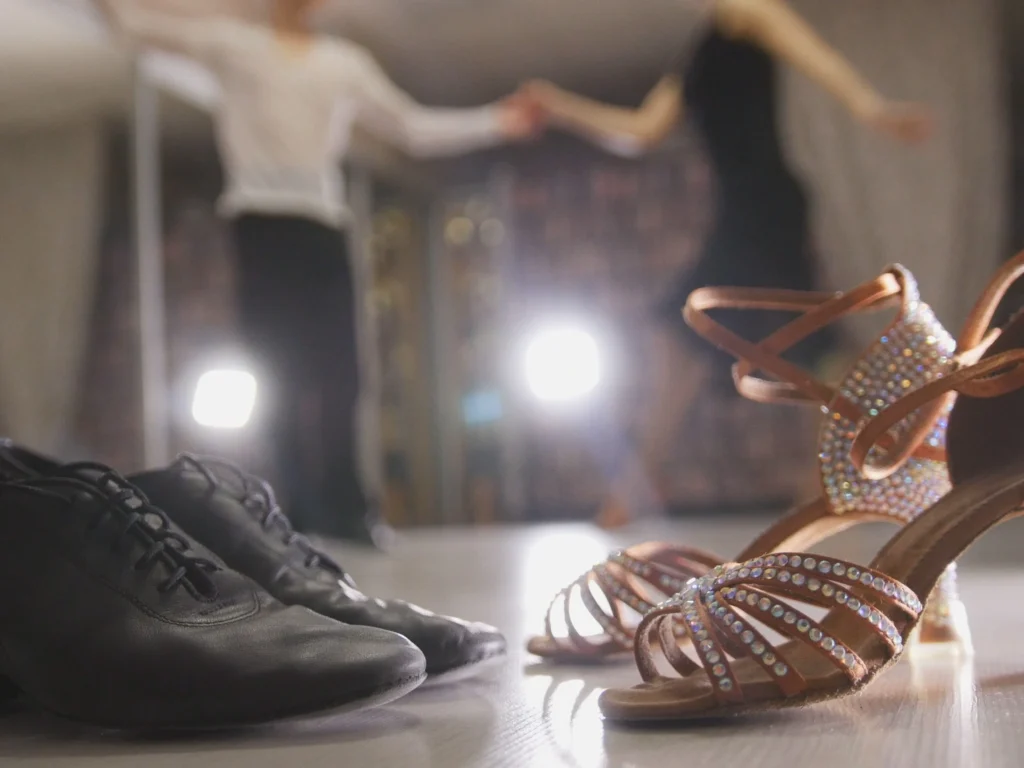
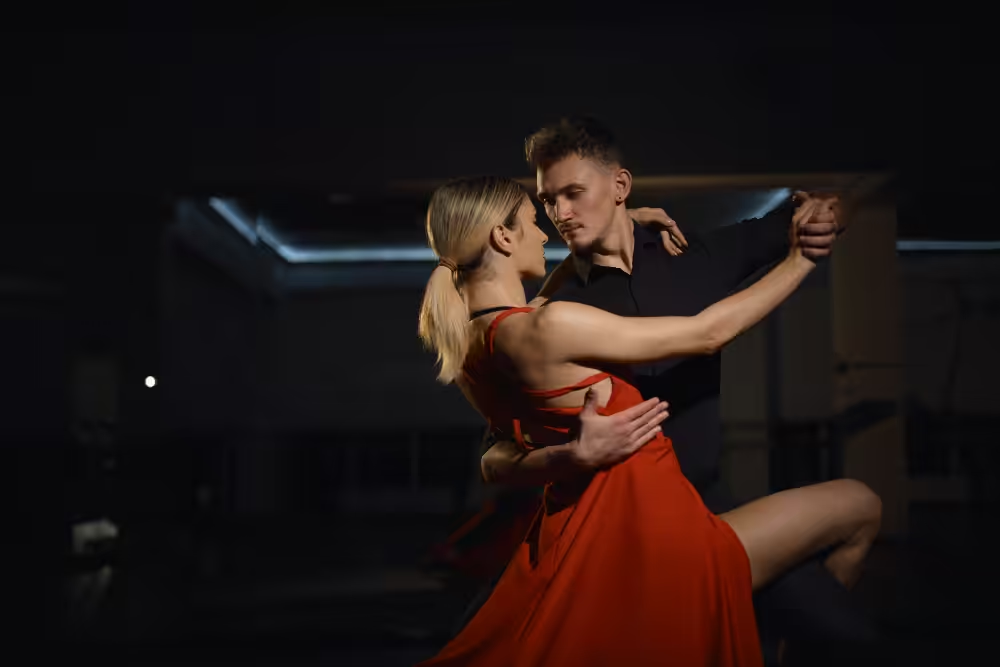
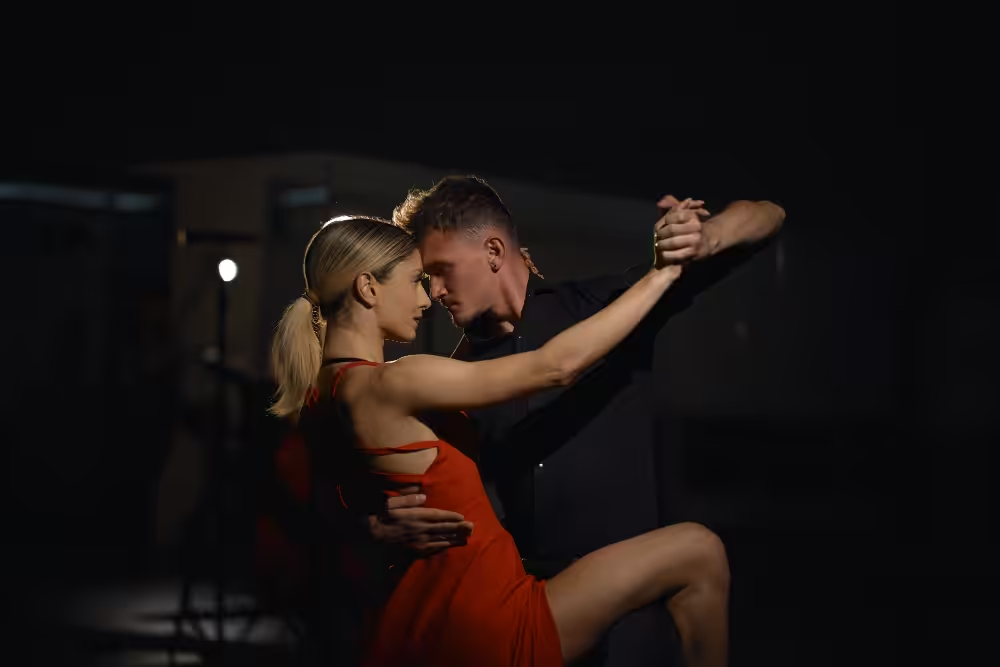
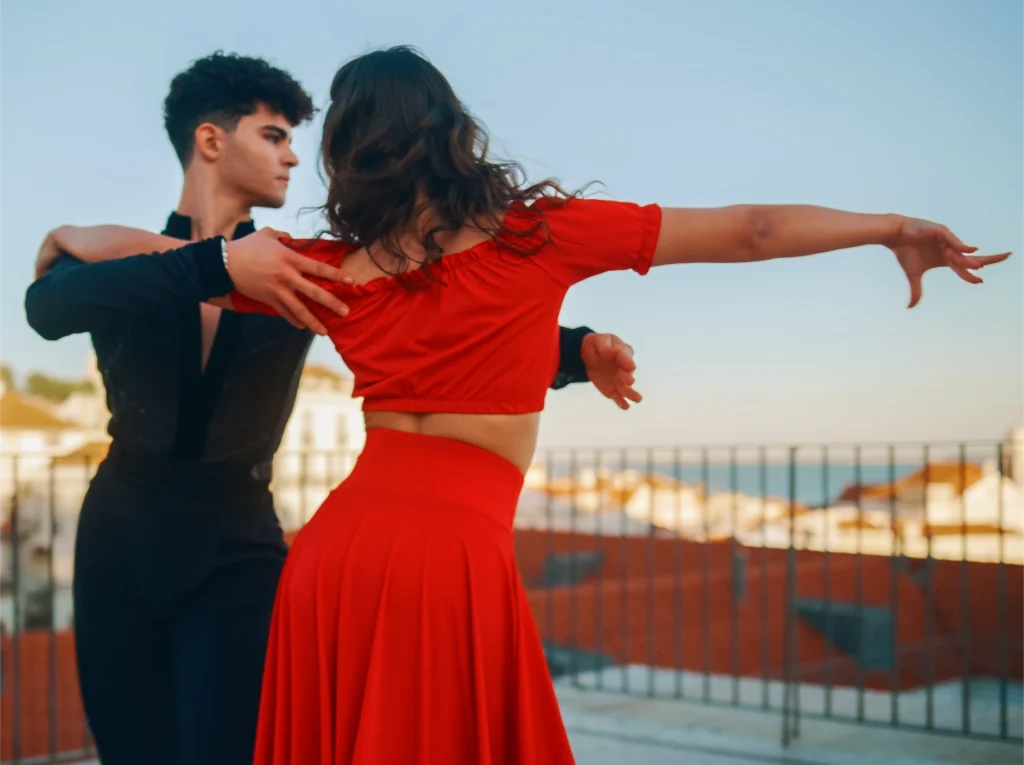
The confidence gained on the dance floor is not a static achievement; it is a muscle that must be exercised. Every time you try a new style—perhaps moving from the structured elegance of the Waltz to the fiery passion of the Tango—you are challenging your comfort zone. This constant expansion of what you are “capable of” ensures that your confidence remains dynamic. It isn’t just about feeling good in a pair of dance shoes; it’s about carrying that “ballroom brilliance” into every room you enter, knowing that you have the poise, the resilience, and the spirit to handle whatever music life plays.
Take the Lead: Carrying Your Dance with Confidence Into Daily Life
Ballroom dancing is far more than a hobby or a sport; it is a holistic approach to personal development. By integrating the physical, mental, and social aspects of our humanity, it provides a comprehensive toolkit for building a more confident self. From the way you stand to the way you interact with others, the lessons learned in the studio resonate through every facet of your life. As you have seen, the path to self-assurance is paved with rhythmic steps and shared moments. If you are looking for a way to transform your life, there is no better time to start your journey. Put on your shoes, take a deep breath, and step onto the floor.
FAQs
I have “two left feet.” Can ballroom dancing still help my confidence?
Absolutely! In fact, those who feel they have the least natural ability often see the greatest boost in confidence. The process of taking someone who feels “uncoordinated” and teaching them to move in time with music is incredibly empowering. It proves that skill is a result of practice, not just innate talent.
Do I need a partner to start ballroom dancing?
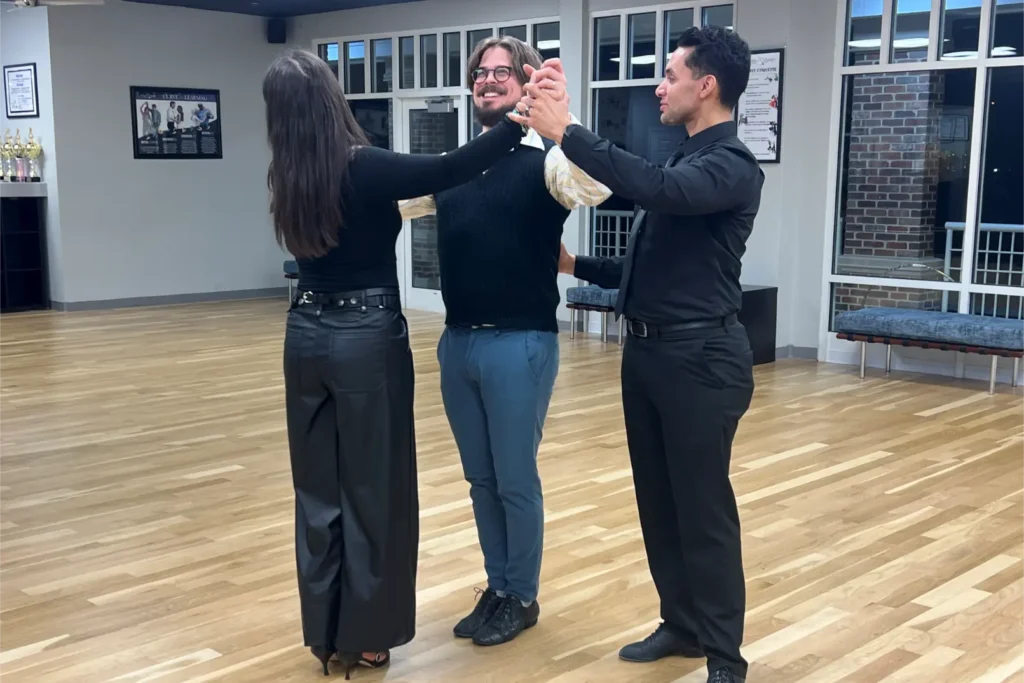
No. Most studios offer “pro-am” (professional-amateur) lessons where you dance with an instructor, or they have “rotational” group classes where you switch partners. This actually helps confidence more, as it forces you to adapt to different people’s styles and movements.
How long does it take to feel confident on the dance floor?
While it takes years to master the technicality of ballroom, most students report a significant boost in their “social confidence” within just a few weeks. Once you learn the basic steps of 3 or 4 dances, the fear of the unknown disappears, and you can begin to enjoy the social atmosphere.
Is ballroom dancing expensive?
It can be as affordable or as expensive as you choose. Many studios offer group classes that are very budget-friendly. As you become more confident, you may choose to invest in private lessons or competitions, but the initial boost to your self-esteem is accessible to everyone.
Does the confidence from dancing really transfer to my “real life”?
Yes. Many dancers find they are more comfortable giving presentations at work, meeting new people at parties, and maintaining better posture throughout the day. The “stage presence” you learn in dance is essentially the same as “executive presence” in the professional world.