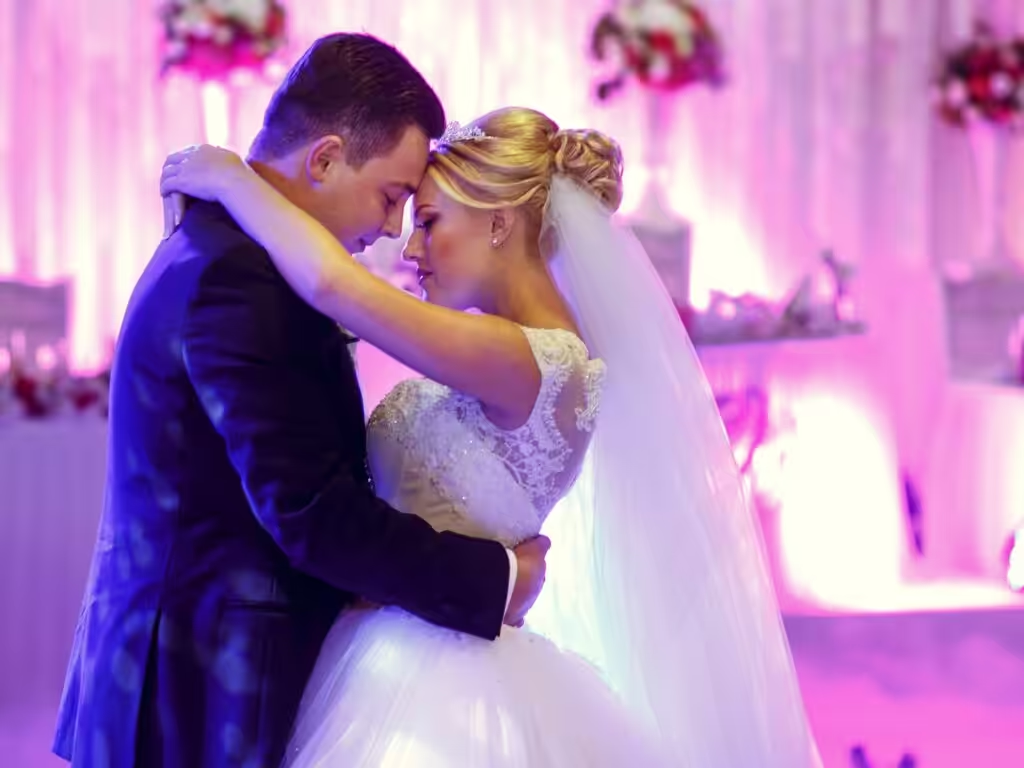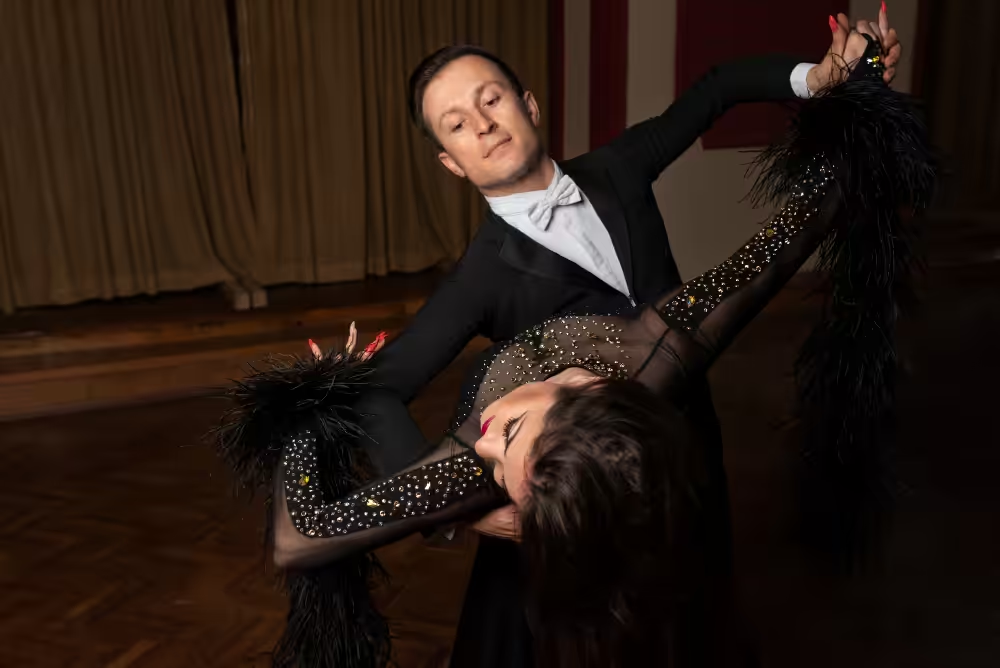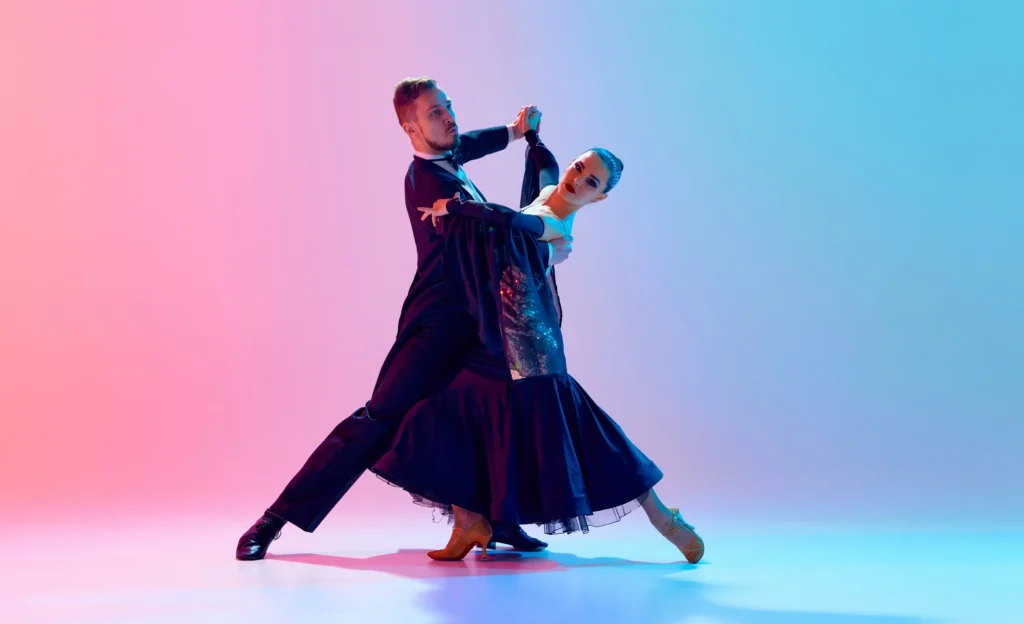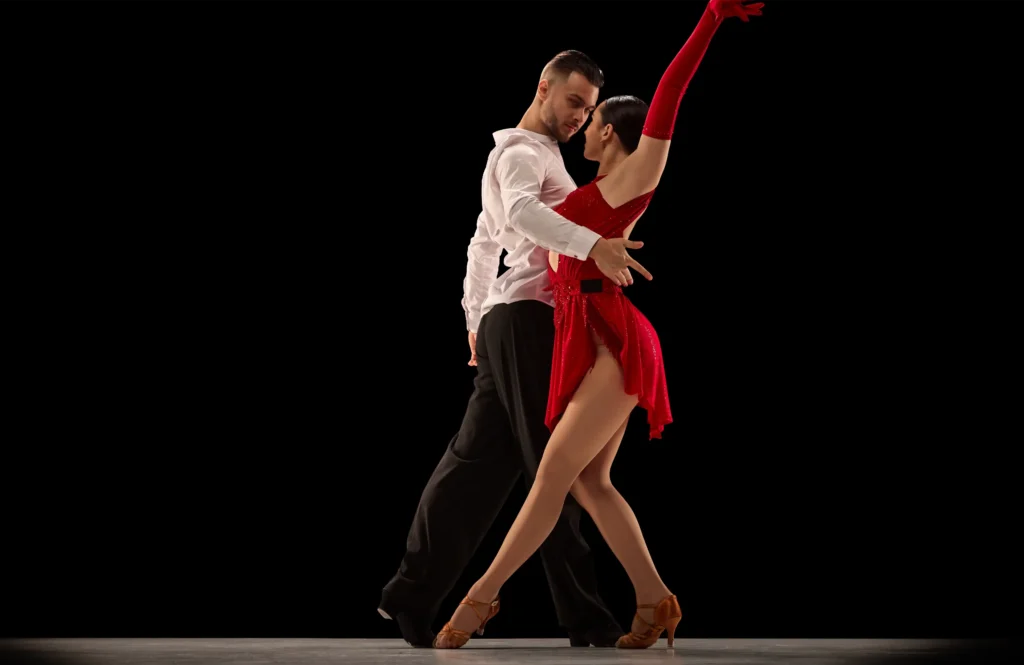
If you’re trying to plan your first dance without turning it into another wedding-stress project, here’s the real range: 3–6 lessons is usually enough to look natural and avoid awkward shuffling. 8–12 lessons is a solid target for a routine that feels smooth (turns, timing, a clean ending). And if you’re dreaming of a mash-up, lifts, or anything “wow,” plan on 12–20+ lessons. The right number depends on four things: how complex you want it, how often you can get to the studio, how comfortable you are on a dance floor, and how you want to spread the cost.
Key Takeaways
- 3–6 lessons: comfortable basics + no awkward sway.
- 8–12 lessons: a polished routine with turns, timing, and a confident finish.
- 12–20+ lessons: mash-ups, faster styles, lifts/dips, and performance-level clean-up.
- Your calendar matters as much as the count: weekly lessons compress the timeline; every-other-week usually means starting earlier.
- The “right plan” is personal: complexity, availability, comfort level, and budget decide it.
Unpacking Your Vision for the Perfect First Dance at a Wedding
Before you can determine the duration of your dance lessons, you must first define the end goal. What does your perfect dance look like? Do you picture a simple, sincere, and heartfelt sway, or are you dreaming of a show-stopping routine that will leave your guests cheering? Your vision is the bedrock upon which your entire lesson plan is built, and its complexity directly correlates with the time investment required.
Simple Elegance vs. Cinematic Spectacle: What Are Your Wedding First Dance Choreography Goals?
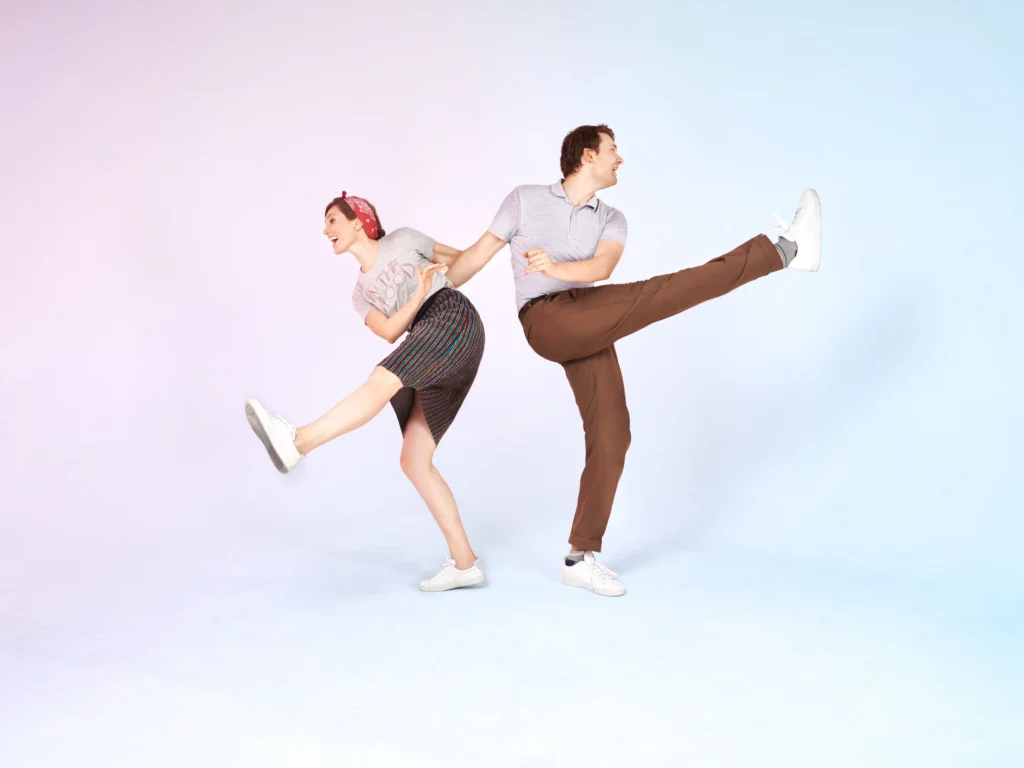
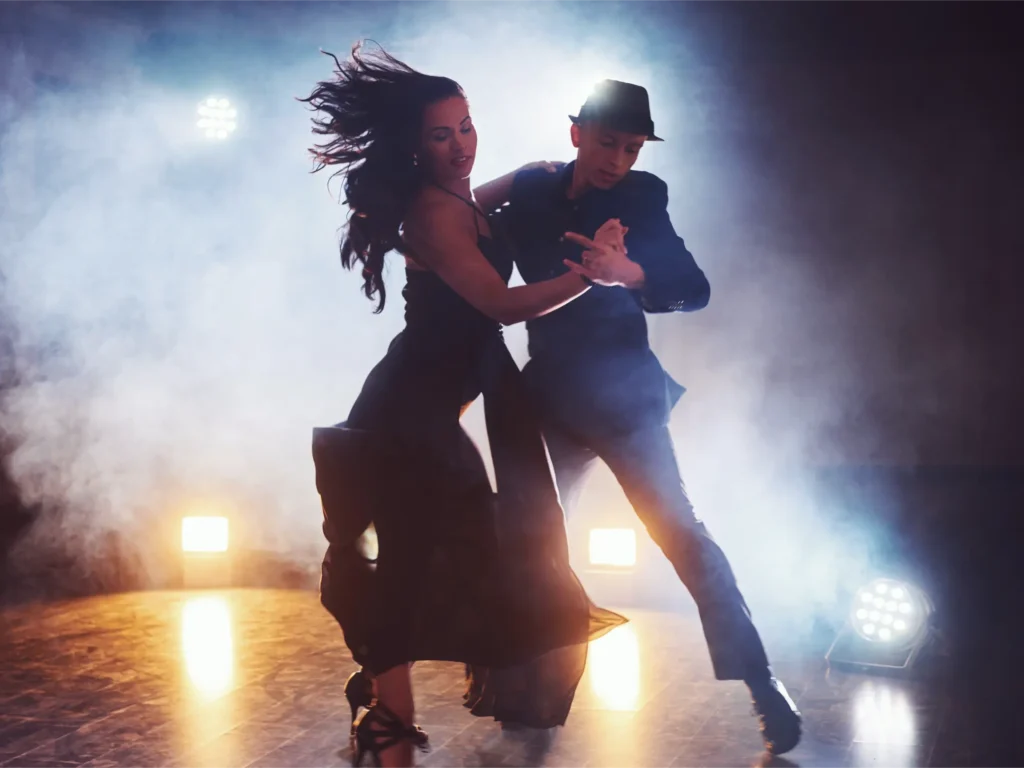
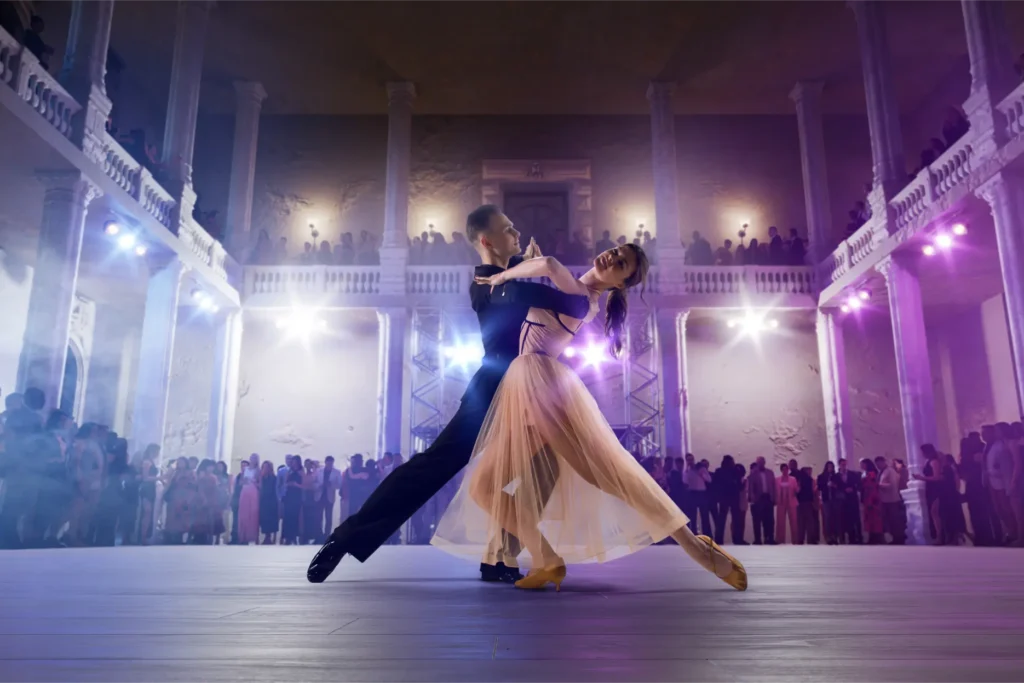
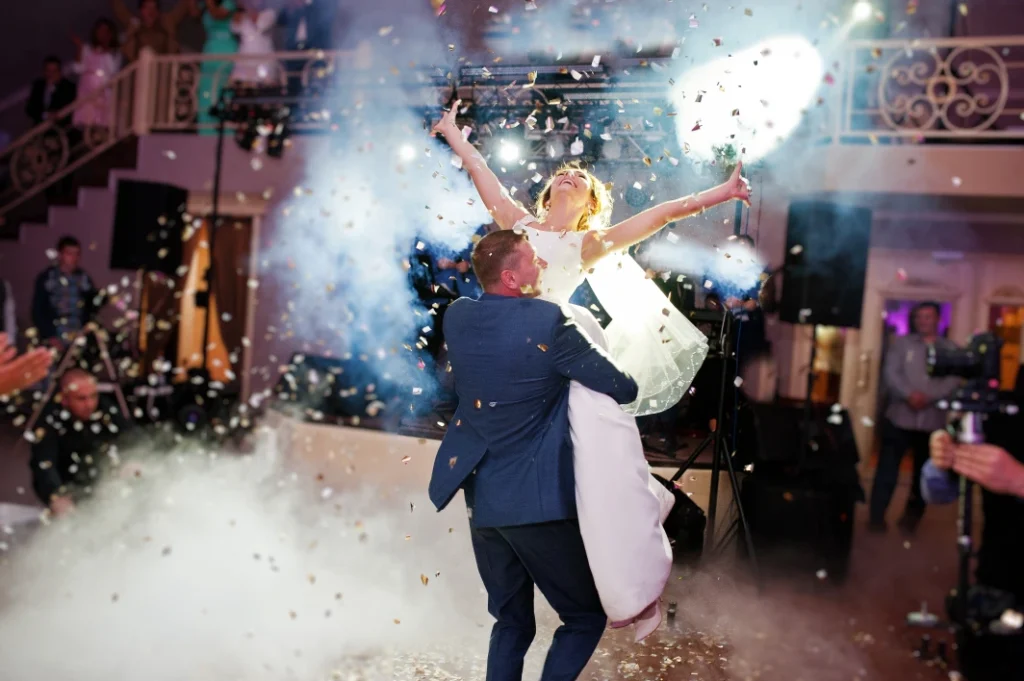
The first question you need to ask yourselves is: What is your vision for your first dance? Do you want a simple, elegant dance where you look comfortable and poised, gliding across the floor, or do you want to reenact the iconic lift from Dirty Dancing or a viral TikTok routine?
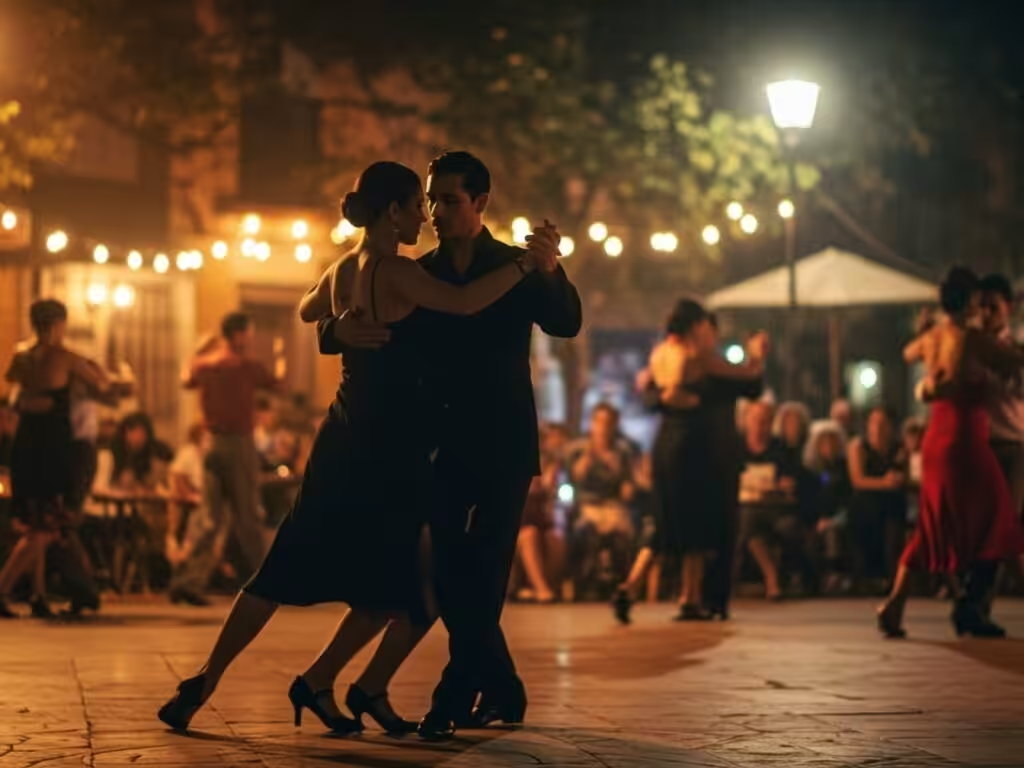
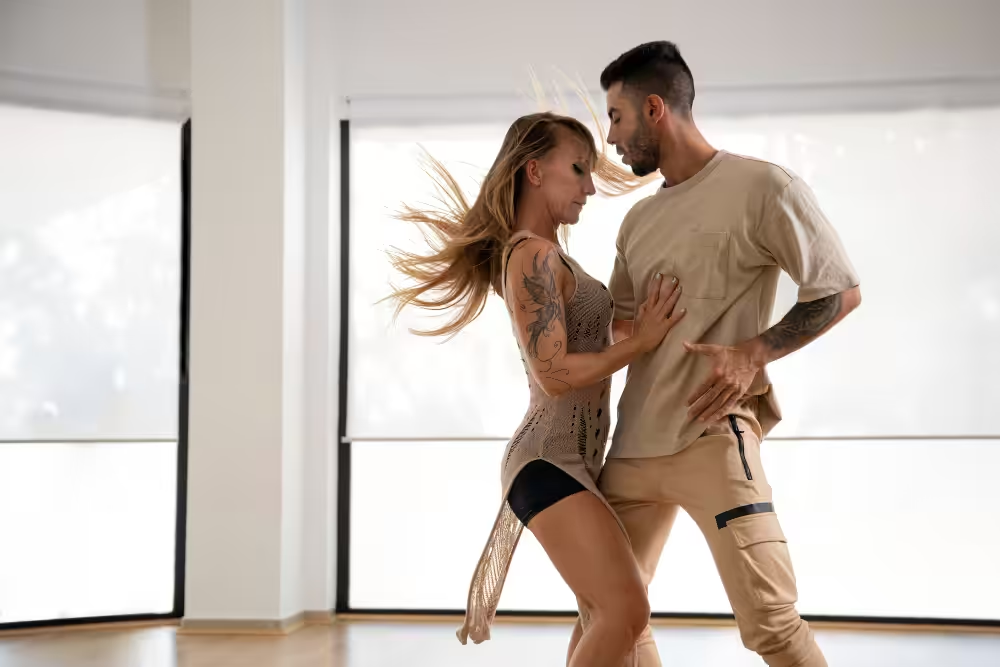
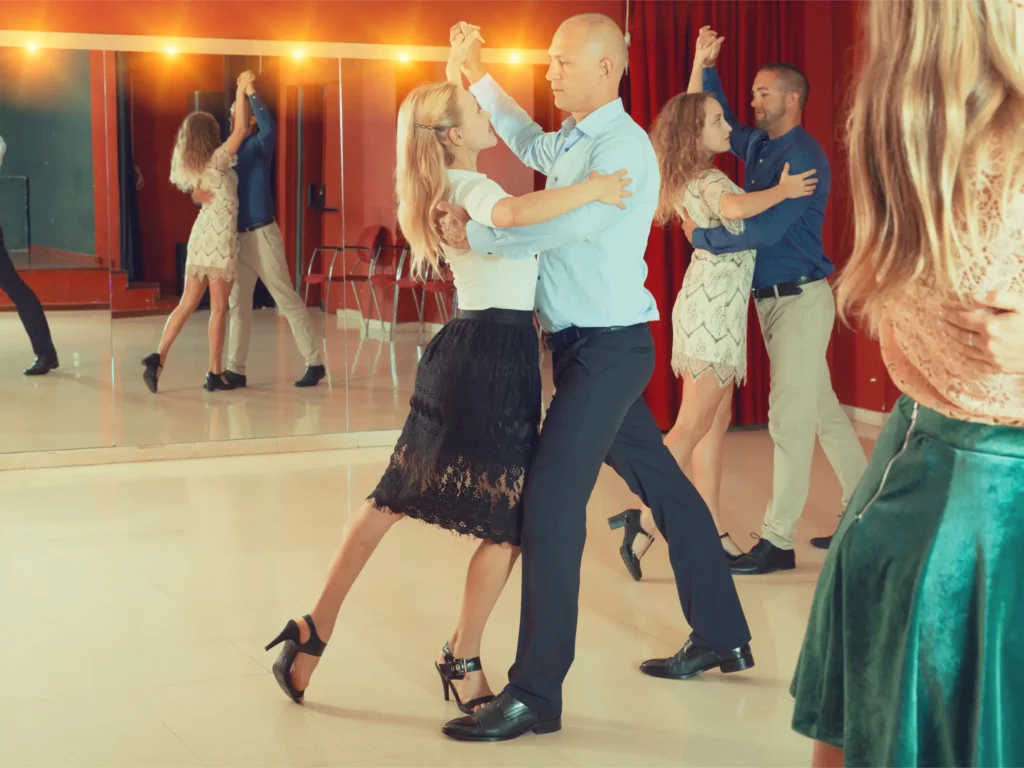
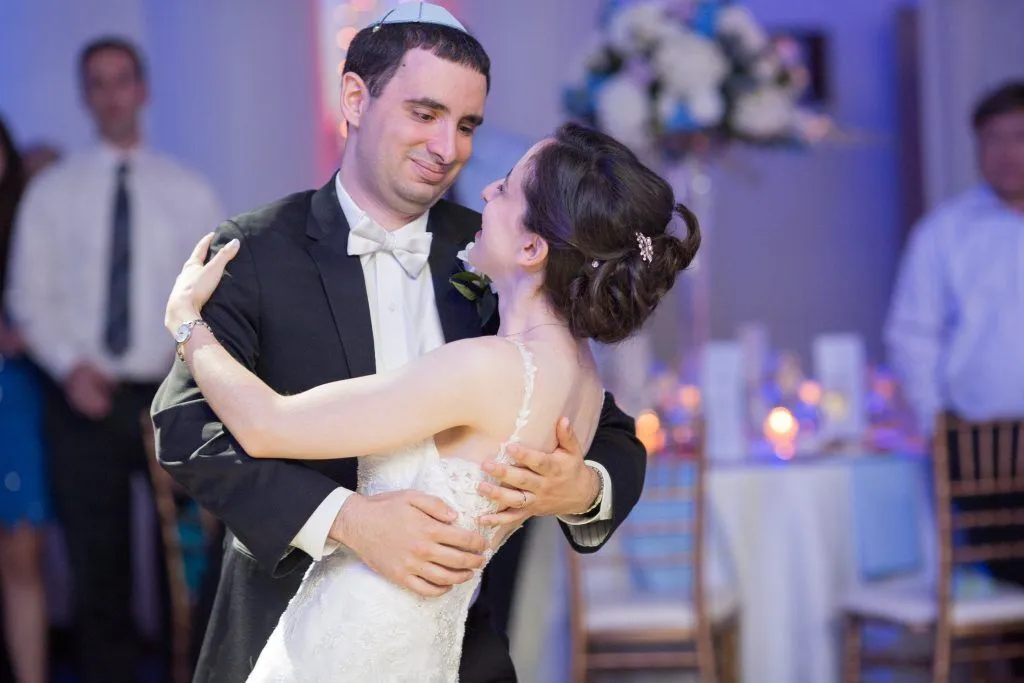
A simple, romantic dance focused on basic steps, a comfortable embrace, and a natural flow might only require a handful of lessons, perhaps spread over a month or two. This approach is ideal for couples who want to feel confident and avoid awkward shuffling without committing extensive time to complex moves.
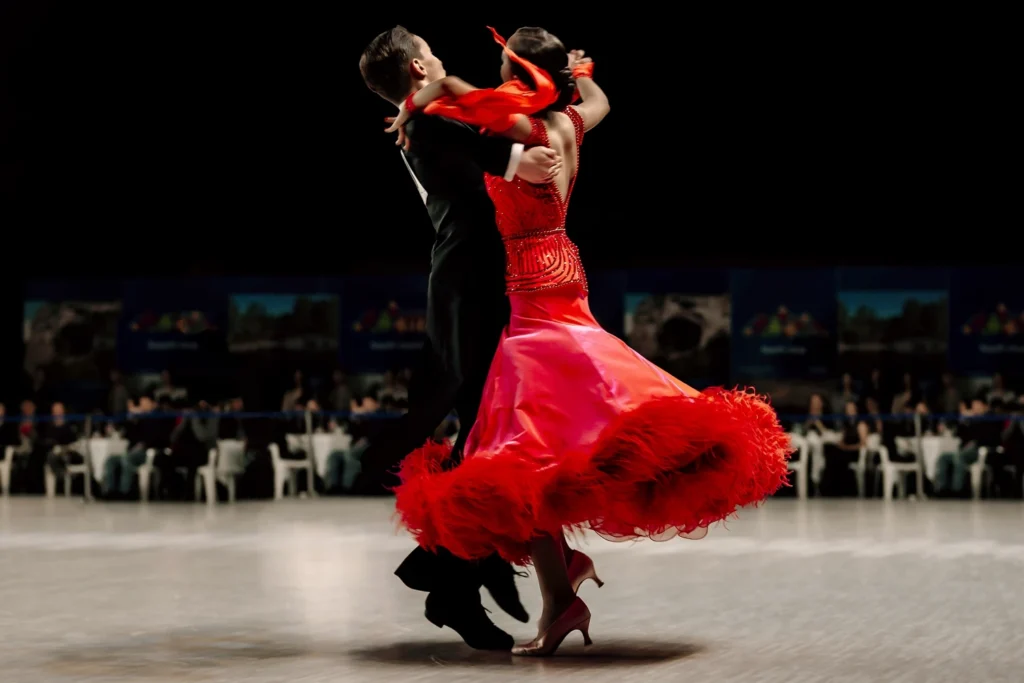
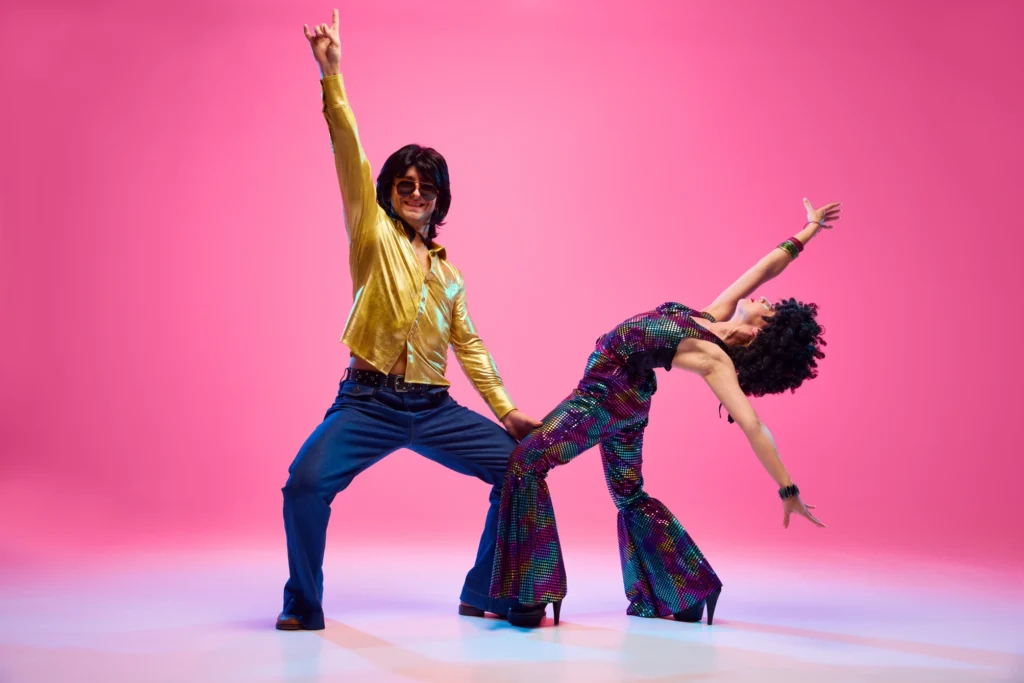
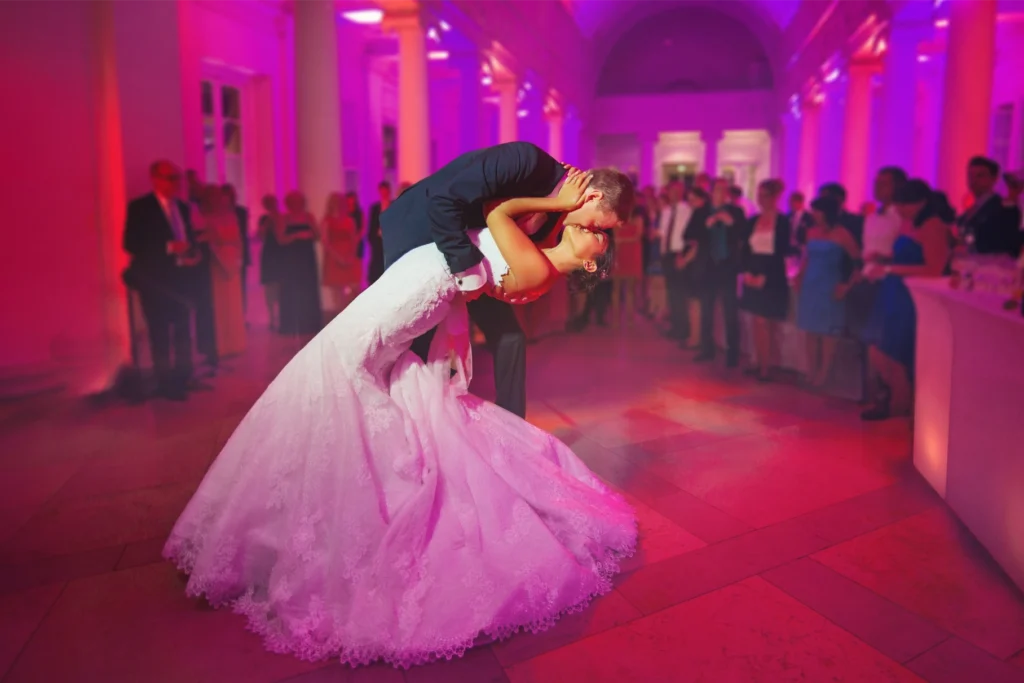
However, if your vision involves lifts, drops, intricate footwork, multiple turns, or a mashup of different dance styles, you are essentially aiming for a performance-level first dance. This level of complexity requires significantly more time for learning the steps, building the muscle memory, and ensuring both partners execute the movements safely and synchronously.
A routine requiring complex wedding dance choreography could necessitate three, six, or even nine months of dedicated lessons, especially if neither of you has a dance background. Be honest about the level of difficulty you are aiming for, as this will be the single biggest determinant of your lesson duration. Pushing yourselves to achieve a complex vision without allowing sufficient time often leads to stress, not perfection.
Aligning Your Lesson Schedule with Your Lifestyle
The wedding planning phase is often a whirlwind of appointments, decisions, and social events. Your time is a valuable commodity, and you must consider how dance lessons will realistically fit into your lives.
Assessing Availability and Commitment for Your Dance Studio Sessions
The second question is: Is your schedule relatively open or do you have other commitments that will make it difficult to get into the dance studio a few times a week?
If you both work demanding jobs, travel frequently, or have other major life events happening (like moving house or planning a bachelorette/bachelor party), finding consistent time for lessons and practice can be a challenge.
A couple with a flexible or lighter schedule might be able to attend two to three lessons per week and dedicate extra time to practice at home, thereby condensing the total duration of their training into a short window, perhaps three months.
Conversely, a couple with demanding professional lives and frequent travel may only manage one lesson per week or even one every other week. In this scenario, while the frequency is low, the total duration required to master the same choreography will stretch out considerably, potentially over six to twelve months. It is crucial to be realistic about your availability.
Scheduling lessons you constantly have to cancel or postpone due to work conflicts will only add to your stress and delay your progress. A slow and steady approach that respects your commitments is often far more effective than an intense schedule that burns you out.
Evaluating Your Comfort and Experience on the Dance Floor
Your current comfort level with dancing, even basic social dancing, is a significant factor in how quickly you will pick up new skills and gain confidence.
From Dance Floor Avoider to Ballroom Star: Understanding Your Starting Point
The third question to consider is: How comfortable are you on a dance floor? Will you get up and have a good time without really knowing how to dance or do you avoid the dance floor at all costs?
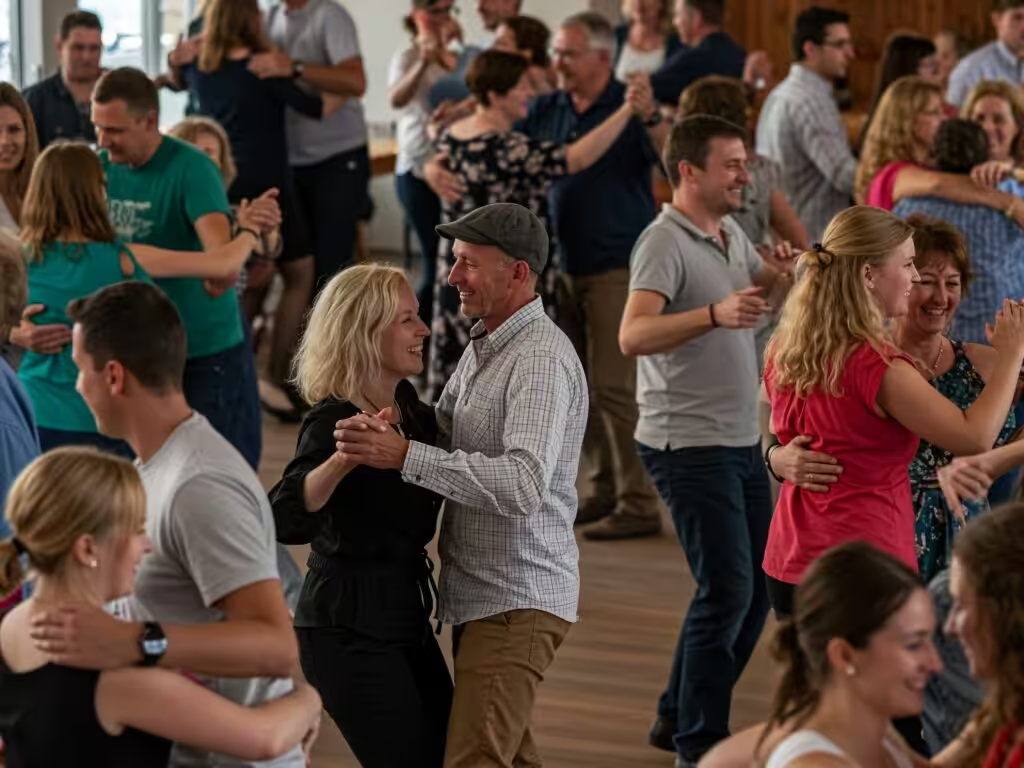
If one or both of you have a natural rhythm, some prior experience in a dance class (even years ago), or simply feel comfortable letting loose on a busy dance floor, you will likely absorb the instruction faster. Your muscle memory and spatial awareness will be more developed, allowing you to move beyond basic steps relatively quickly. You may only need a modest number of lessons to polish your routine.
However, if the thought of being the center of attention on a dance floor fills you with dread, and you typically avoid dancing altogether, your initial lessons will involve not just learning steps, but also building fundamental confidence, comfort, and basic coordination.
This foundational work is essential and takes time. For a couple starting from absolute zero, it’s advisable to start earlier—even a year out—and focus on the quality and consistency of practice rather than rushing the process.
This extended period allows for gradual skill acquisition and, most importantly, for the new movements to become second nature, ensuring you look relaxed and natural on your big day, rather than stiff and anxious. The time invested here is not just in choreography, but in performance readiness.
Determining the Financial Aspect of Your Dance Preparation
Every wedding decision eventually circles back to the budget, and dance lessons are no exception. The cost is directly tied to the frequency and duration of your lessons.
Budgeting for Time: The Economic Advantage of a Longer Timeline
The final question is: What is my budget? It might be more economical to dance once a week or even once every other week for 8 months instead of 2 or 3 times a week for a few months.
Dance lessons are typically priced per hour or as part of a package. While an intensive, short-term schedule (e.g., three lessons a week for eight weeks) gets the job done quickly, the immediate financial outlay is substantial.
For couples managing cash flow or who prefer to spread out their wedding expenses, a less frequent, long-term schedule is often the most economical approach in terms of monthly spending. Paying for one lesson every other week over eight months breaks down the total cost into manageable increments, making it less of a burden on your monthly wedding budget.
Furthermore, starting early—say, ten to twelve months before the wedding—allows you to take advantage of longer, potentially more cost-effective package deals and gives you ample time to save for the next block of lessons. Your budget, therefore, doesn’t just dictate how many lessons you take, but also when you start and how frequently you attend, ultimately stretching the total duration of your preparation.
Designing Your Perfect Practice Timeline
The ideal timeline for your first dance lessons is not a fixed number but a dynamic plan tailored to your specific answers to these four questions. A couple with a simple vision, open schedule, and some dance experience might only need two months, while a couple with a complex routine, demanding careers, and no dance experience could realistically need eight to twelve months.
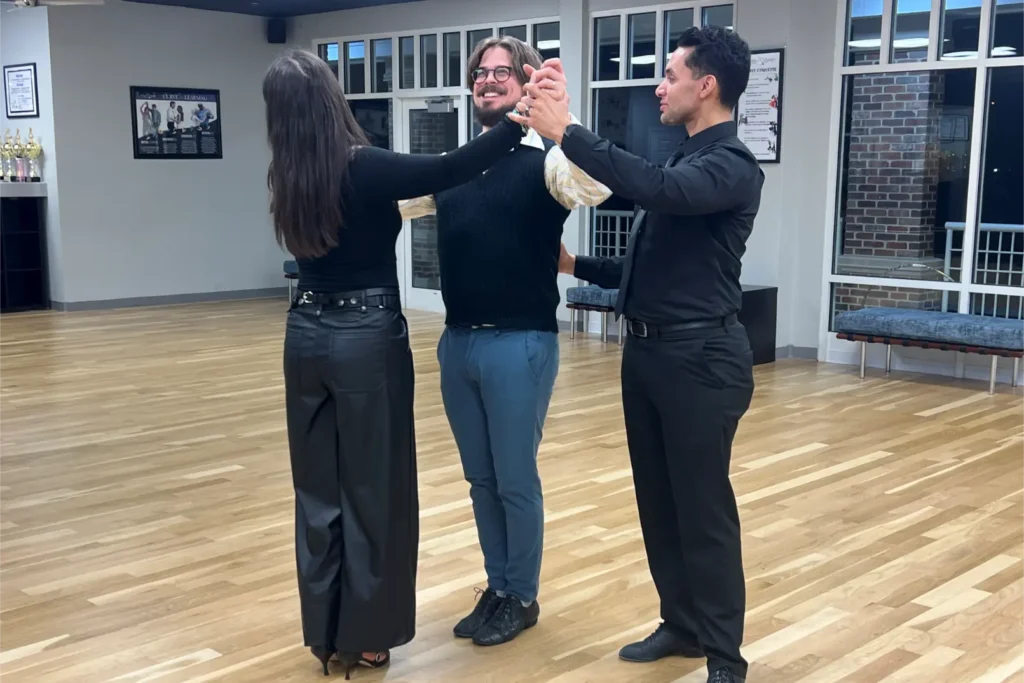
With these questions in mind, a consultation lesson will allow your instructors to design and develop a plan for your perfect first dance. This initial session is invaluable, as a professional instructor can accurately assess your current abilities, the complexity of your chosen dance style or song, and translate your vision into a concrete lesson plan with a projected timeline and cost estimate.
Trying the consultation lesson even a year before the wedding will ensure you have a plan and know exactly when you should ultimately get working on it. This proactive approach eliminates last-minute stress, allowing you to enjoy the process and ensuring your first moments on the dance floor as a married couple are truly unforgettable.
FAQs: Getting Ready for Your Wedding First Dance
How far out from the wedding should we book our first dance lessons?
Ideally, you should have your initial consultation lesson at least 6-12 months before your wedding. For couples with complex routines or zero dance experience, starting a year out provides a stress-free buffer. For simpler dances, 3-4 months is usually sufficient, provided you can commit to regular practice.
What should we bring to our consultation lesson?
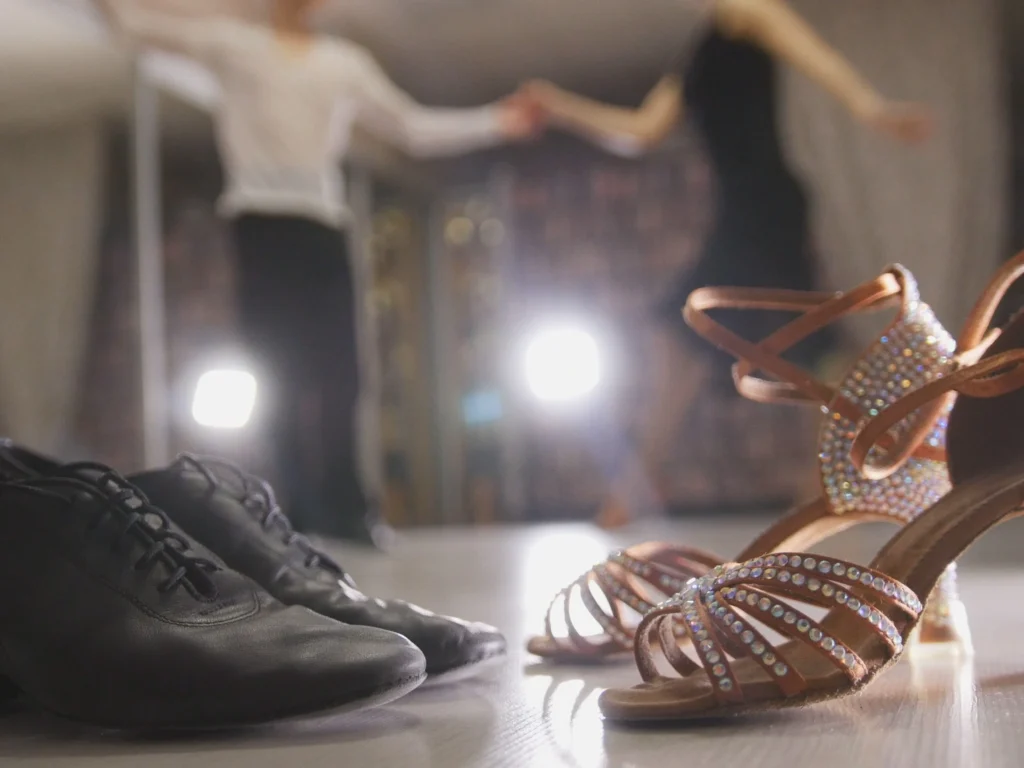
Bring the song you are considering (or a few options), an idea of the dress/suit you will be wearing (especially the shoe type and the fullness of the dress skirt), and be prepared to discuss your vision and your typical availability.
Is it too late to start lessons if our wedding is only a month away?
While it’s not ideal, it’s never too late! An instructor can focus on teaching you a simple, elegant sequence of steps that will look polished and natural. You may have to be content with a less complex routine, but you will still gain confidence and avoid awkward shuffling.
Should we wear our wedding shoes for practice?
As you get closer to the wedding date, absolutely. Practice in shoes that mimic the height and style of your actual wedding shoes. If the bride’s dress is long, it’s also helpful to simulate the movement of the skirt to avoid tripping during the wedding dance performance.