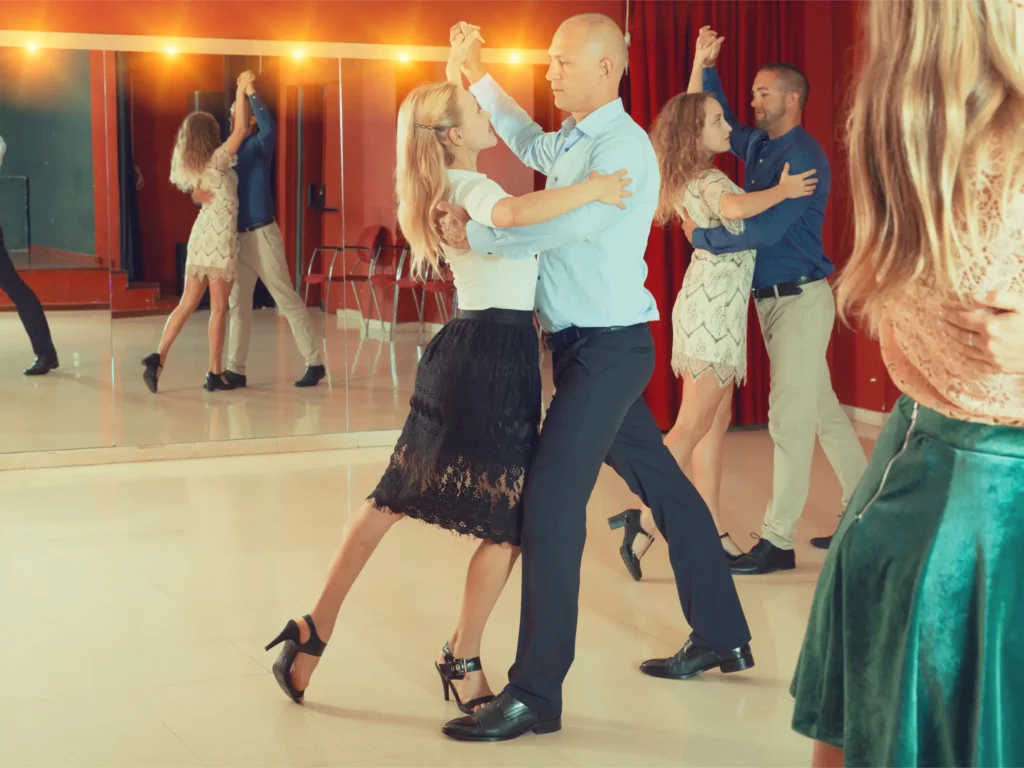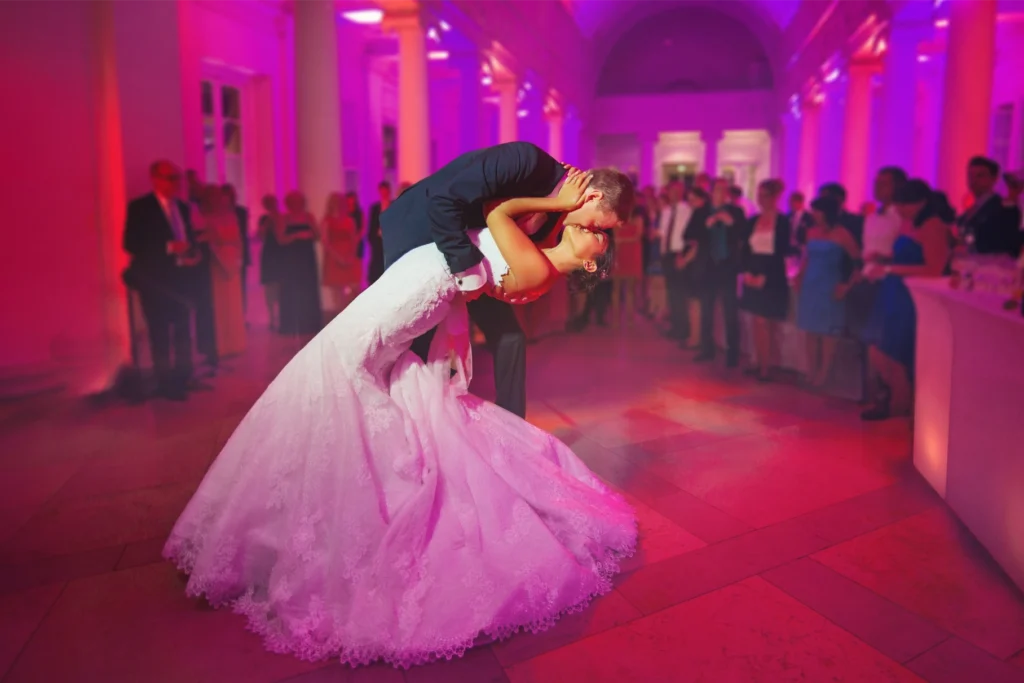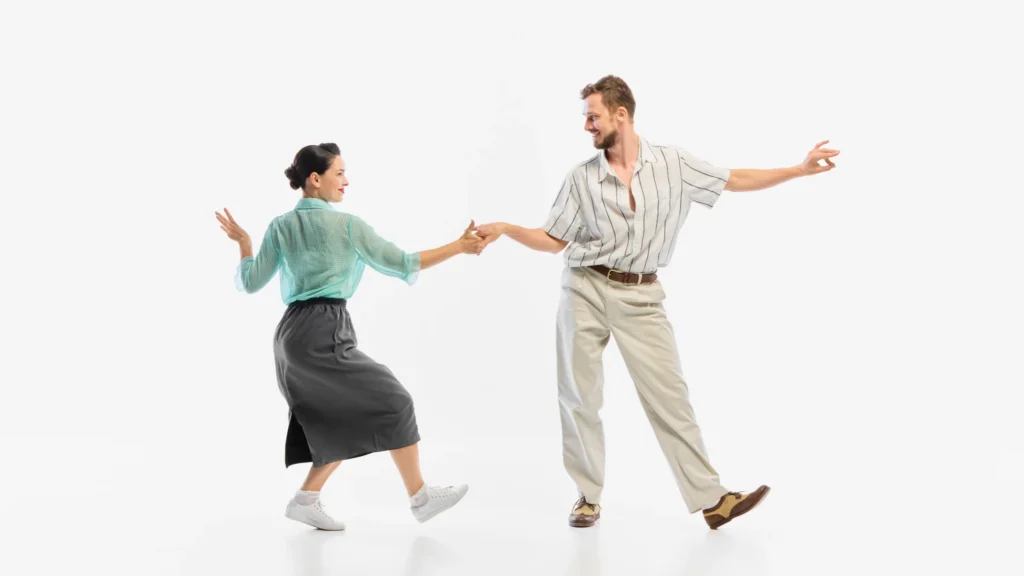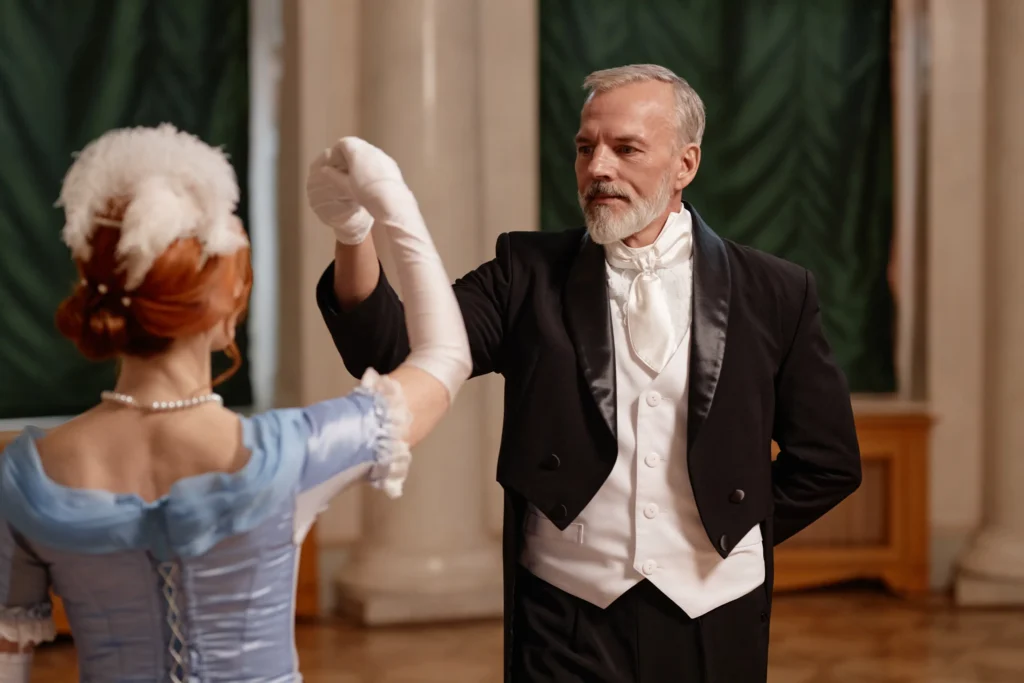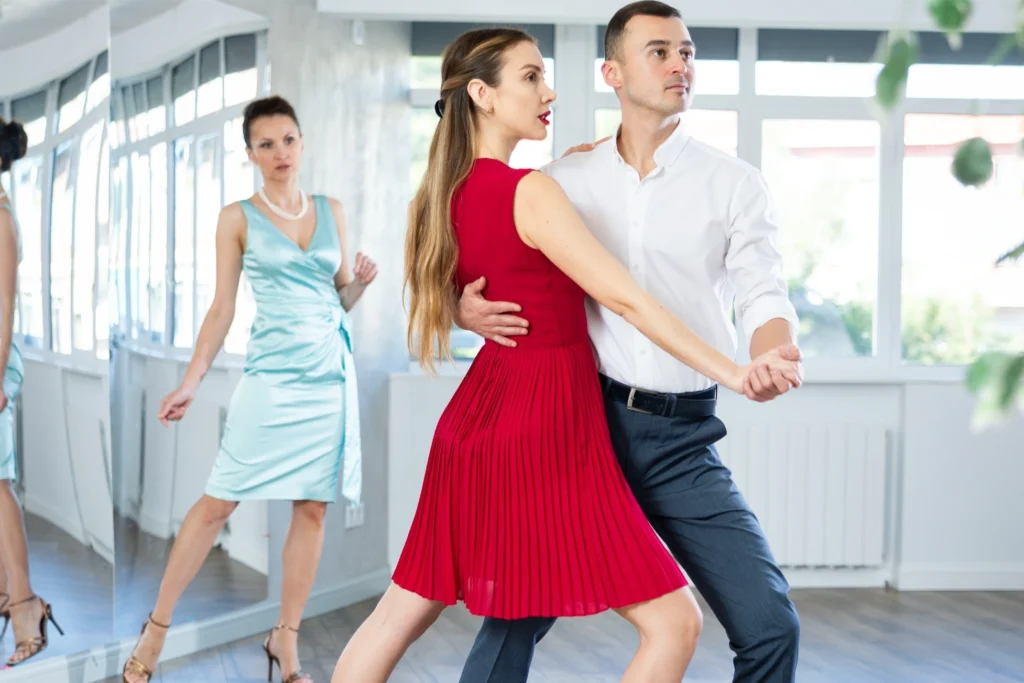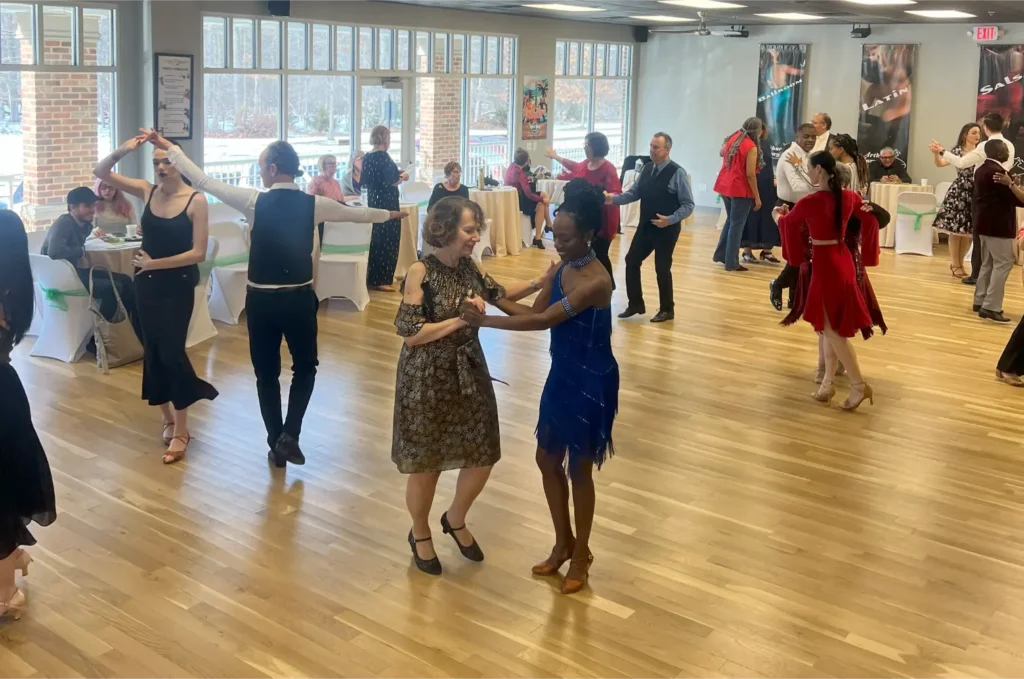
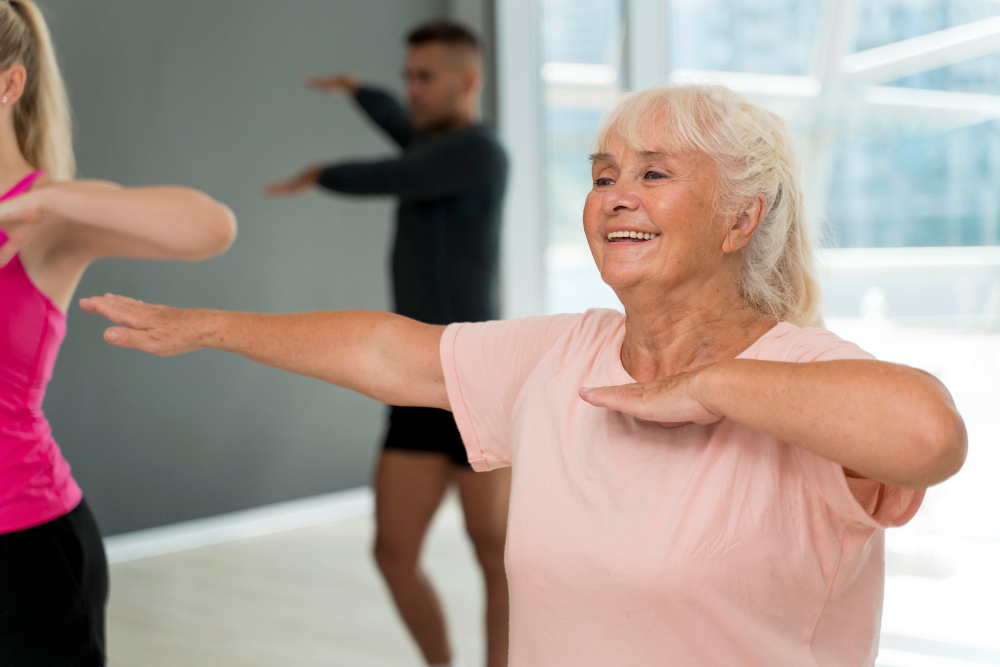
Yes, ballroom dancing is a good activity for seniors. It offers low-impact exercise, supports balance and coordination, keeps the mind engaged, and gives seniors a social way to stay active without putting too much stress on the body.
Key Takeaways
- Ballroom dancing works well for most seniors because the pace and intensity can be adjusted to match different fitness and mobility levels.
- Styles like waltz, foxtrot, and tango are strong starting points since they are structured, beginner-friendly, and easier to follow than faster dance styles.
- Regular classes can help with balance, coordination, and stamina, which supports day-to-day movement and overall independence.
- The mental side matters too because remembering steps, timing, and partner cues keeps the brain actively involved during every session.
- Social connection is one of the biggest benefits, especially for seniors who want a consistent activity that also helps them meet people and build routine.
- It is smart to start with a senior-friendly class and check with a doctor first if there are concerns about joints, balance, or heart health.
Benefits of Ballroom Dancing for Seniors
As we grow older, regular physical activity remains incredibly important. Health guidelines recommend at least 150 minutes of moderate activity per week, and ballroom dancing fits this goal naturally. It delivers movement without putting excessive stress on the body.
What makes ballroom dancing stand out is its adjustable intensity. You can move at a comfortable pace and still gain meaningful benefits.
Physical Benefits
Ballroom dancing supports cardiovascular health through steady and rhythmic movement. It helps raise the heart rate, improve circulation, and support overall endurance. Over time, this kind of activity contributes to better energy levels and heart function.
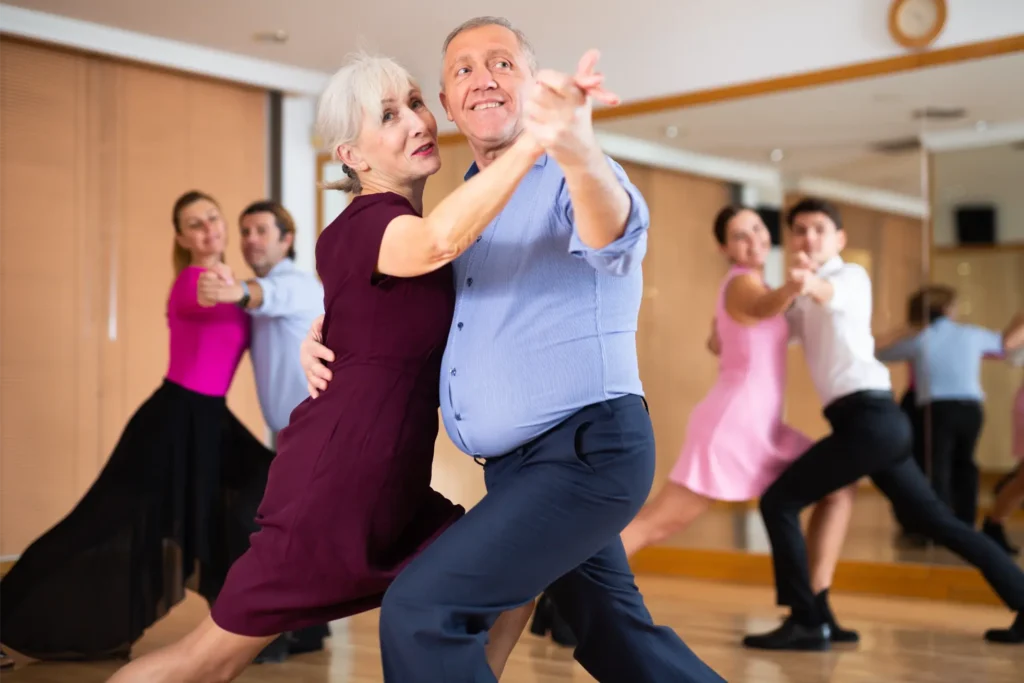
It also benefits muscles and joints. Dancing strengthens the legs, core, and upper body while keeping joints mobile. Regular practice improves balance and coordination, which also plays a role in reducing the risk of falls and maintaining independence.
Brain and Memory Benefits
Dancing is mentally engaging. You need to remember steps, follow patterns, and stay aware of timing, which keeps the brain active. Learning routines challenges memory in a way that feels natural and enjoyable.
Unlike linear cardio, ballroom dancing requires constant decision-making and partner awareness. You respond to cues, adjust your movements, and stay present. This level of mental involvement supports cognitive function and helps keep the mind sharp.
Social and Emotional Benefits
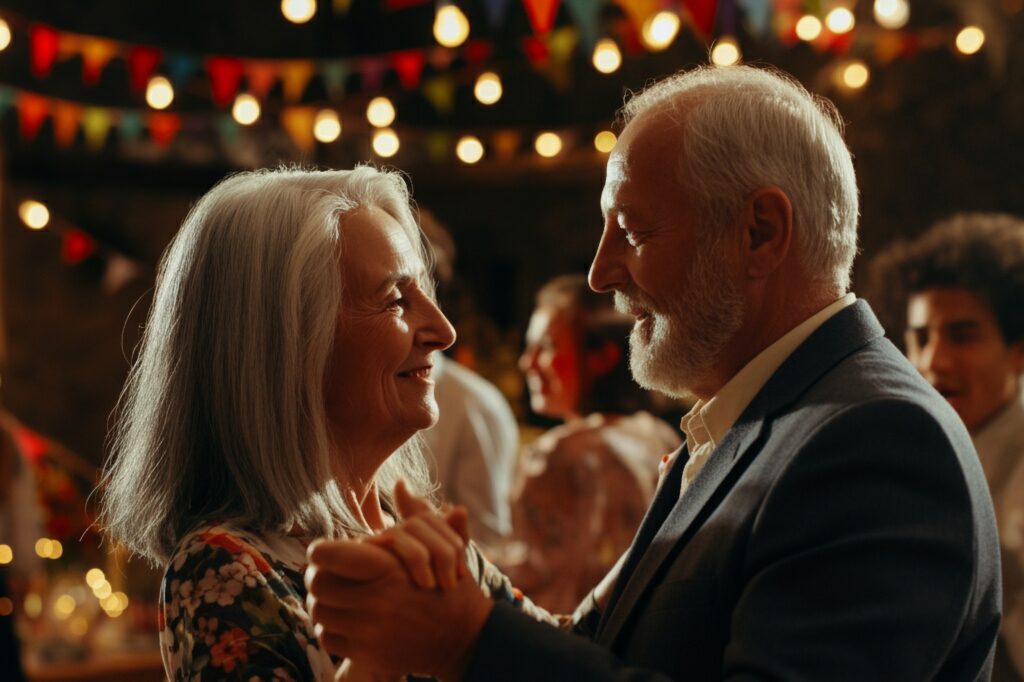
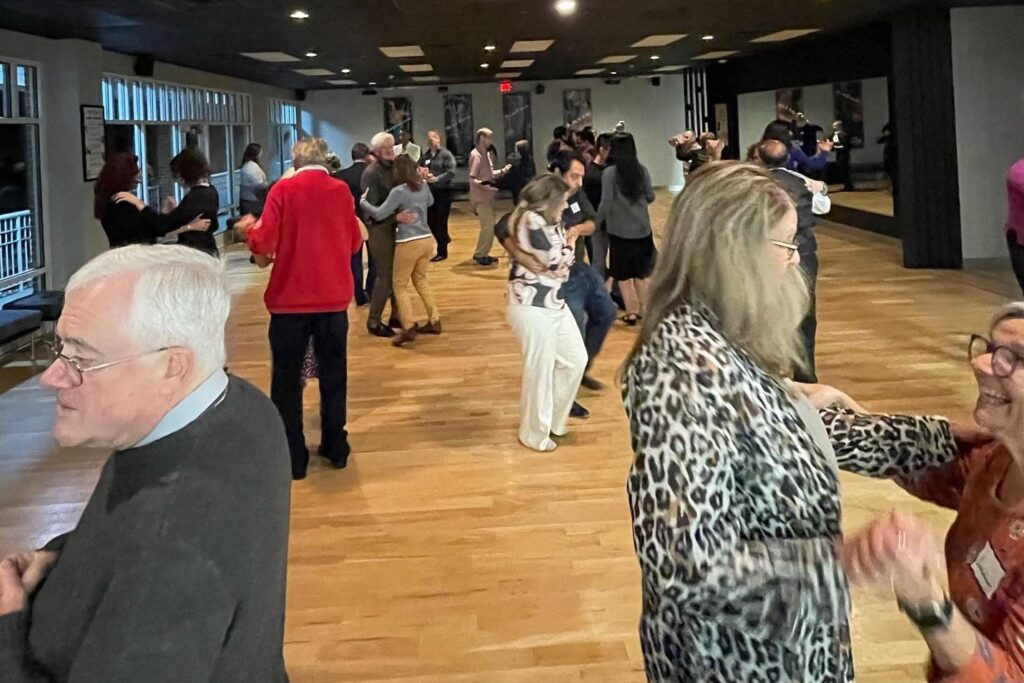
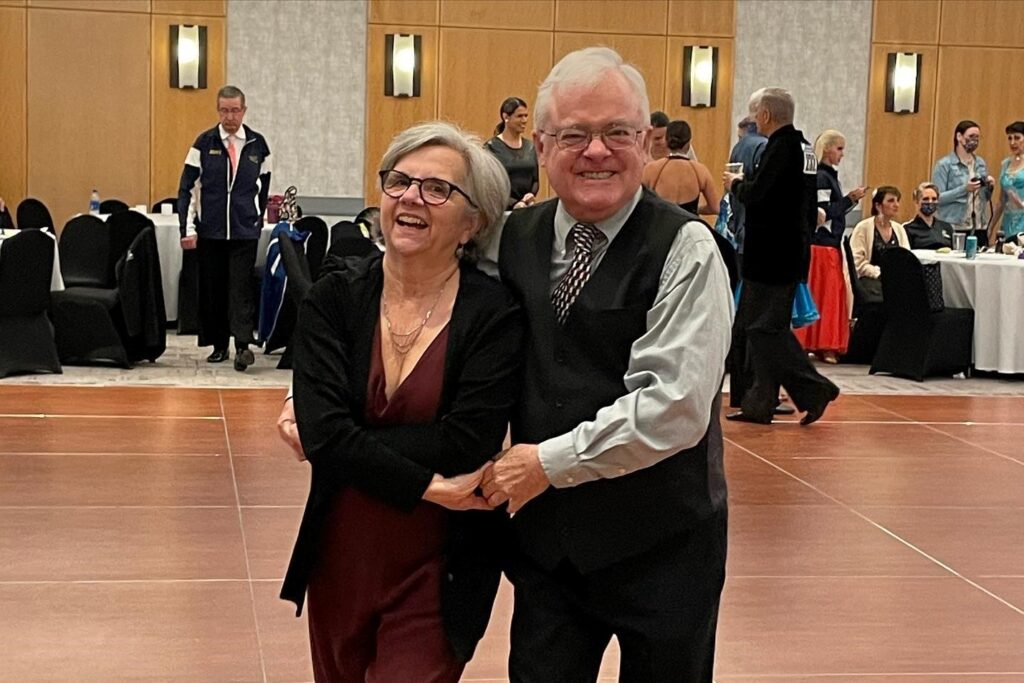
Ballroom dancing creates opportunities for social connection. Classes and dance events foster a sense of community and can help reduce feelings of isolation. So it’s not surprising that many seniors form lasting friendships through shared practice and progress.
There’s also a strong emotional impact. Dancing builds confidence and self-esteem, especially as skills improve. Partner dancing encourages trust and connection, while the shared experience creates meaningful emotional bonds and a sense of belonging.
Dance Styles That Work Well for Seniors
The table below highlights dance styles that work especially well for seniors.
| Dance Style | Intensity | Suitable for Seniors | Partner Required? |
| Ballroom (waltz, foxtrot, tango) | Low to moderate | Yes, easily adjustable | Yes |
| Line dancing | Low to moderate | Yes | No |
| Zumba Gold | Moderate | Yes, designed for seniors | No |
| Chair dancing | Low | Yes, ideal for limited mobility | No |
| Folk / square dance | Moderate | Yes, with modifications | Usually yes |
How to Start Ballroom Dancing as a Senior
We understand that starting ballroom dancing later in life can feel a little intimidating. You might wonder whether you’ll fit in, or how much your body can handle. Those concerns are normal, and they shouldn’t stop you. Ballroom dancing is flexible, welcoming, and easy to adjust to your pace.
Use the checklist below to get started with confidence.
- Pick the Right Style: Based on what we covered earlier, styles like waltz, foxtrot, and tango are great starting points. We recommend that you go with beginner-level ballroom classes that emphasize technique over speed. That combination makes learning more comfortable and enjoyable.
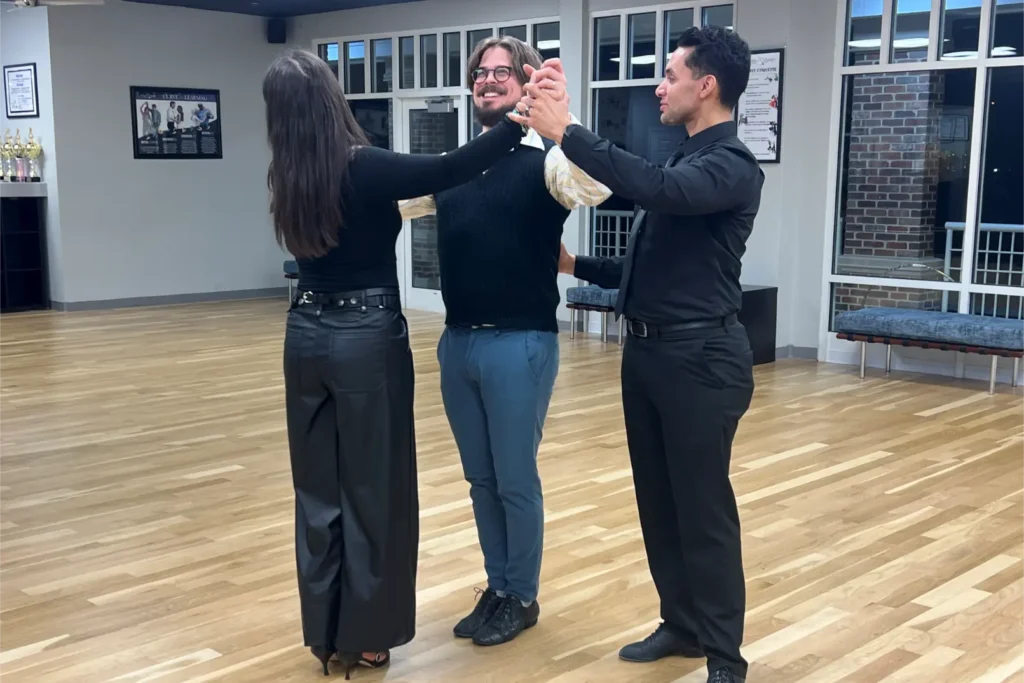
- Make Sure It’s a Senior-Friendly Class: Don’t hesitate to ask questions before joining. Reach out to the dance studio and ask directly if the class is suitable for seniors. A good instructor will welcome these questions and explain how they adapt movements and pacing for older adults.
- Follow Your Rhythm: There’s no need to rush. You don’t have to attend multiple classes a week to see results. Consistency matters more than intensity. Showing up regularly, even once or twice a week, is enough to gain physical and mental benefits. Listen to your body and move at a pace that feels right. Progress will come naturally with time.
Our recommendation: Before joining a ballroom dance class, it’s smart to check with your doctor, especially if you have joint issues, heart conditions, or balance concerns. A quick conversation can help you understand any limits and give you peace of mind.
Ballroom Dance Classes for Seniors in Princeton
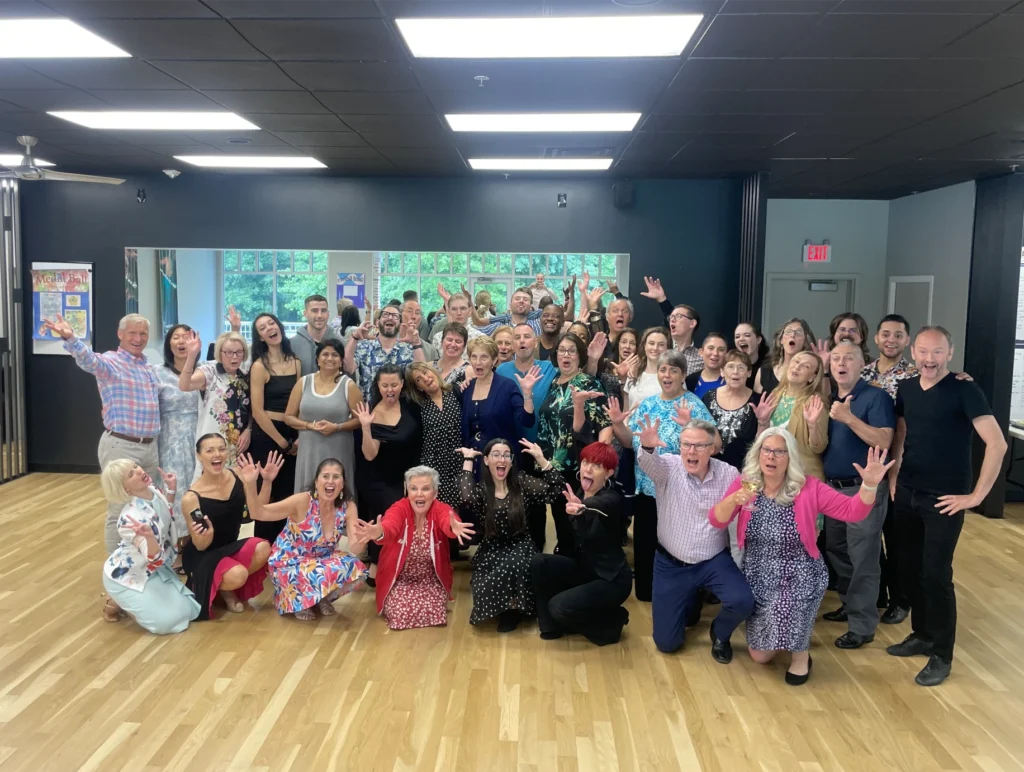
If you’re looking for ballroom dance classes for seniors in Princeton, visit Arthur Murray Dance Center. We offer classes that are senior-friendly, flexible, and tailored to different comfort levels. Just as important, you’ll be joining a welcoming and supportive community that truly enjoys dancing together.
If you have any questions, please call us at (609) 897-0100 or email dance@danceinnj.com.
For those who are ready to join, make sure to take advantage of our free intro class that is available for all new students. You can learn more about it by clicking here.
FAQ
Is ballroom dancing good exercise for seniors?
Yes. Ballroom dancing supports physical, cognitive, and social health at the same time. Physically, it improves cardiovascular health, circulation, balance, and joint mobility. Mentally, learning steps and responding to a partner keeps the brain active. Socially, it creates connection, routine, and motivation, which helps many seniors stay consistent.
Do I need a partner to start?
No. Many seniors begin without a partner. Dance studios often pair students during class, and some sessions focus on solo practice. Partner dancing has social and coordination benefits, but it’s not a requirement to get started.
What ballroom dances are easiest for beginners?
The most beginner-friendly ballroom dances are Waltz, Foxtrot, and Tango. These dances are commonly recommended because they are easy on the joints and simple to learn.
Can ballroom dancing help with balance?
Ballroom dancing could help with improving balance, coordination, and body awareness. Regular practice strengthens stabilizing muscles and trains controlled movement.
Should seniors talk to a doctor before starting?
Yes. It’s always a good idea to check with your doctor before starting any new physical activity, including ballroom dancing. This is especially important if you have joint concerns, heart conditions, or balance issues.