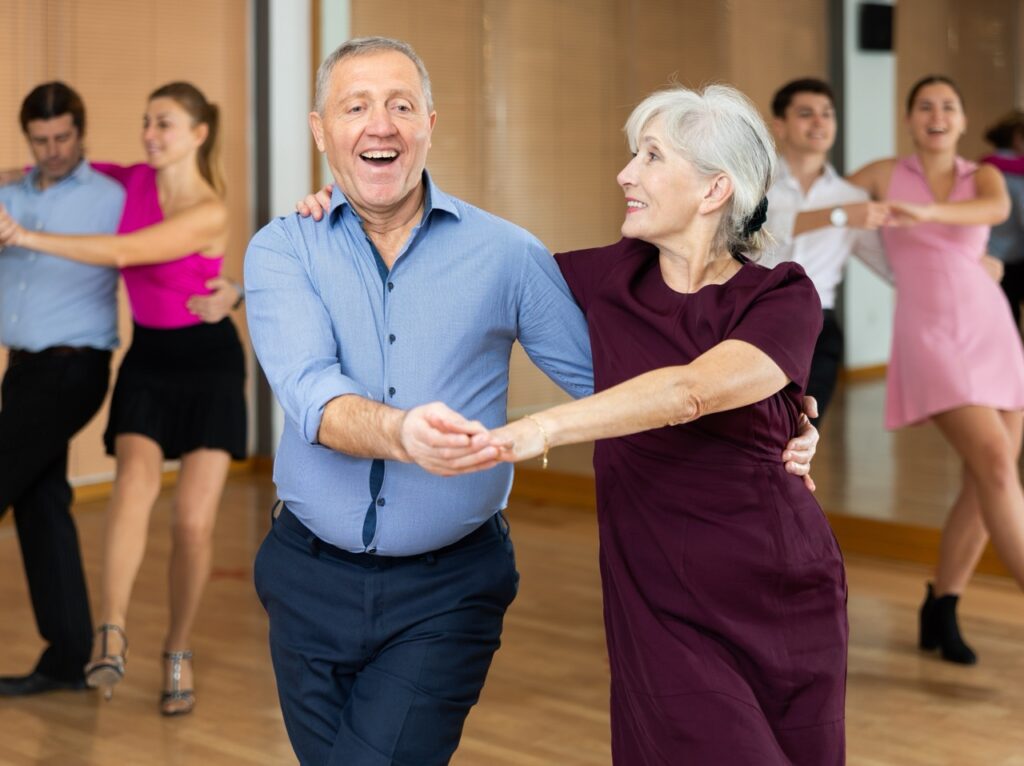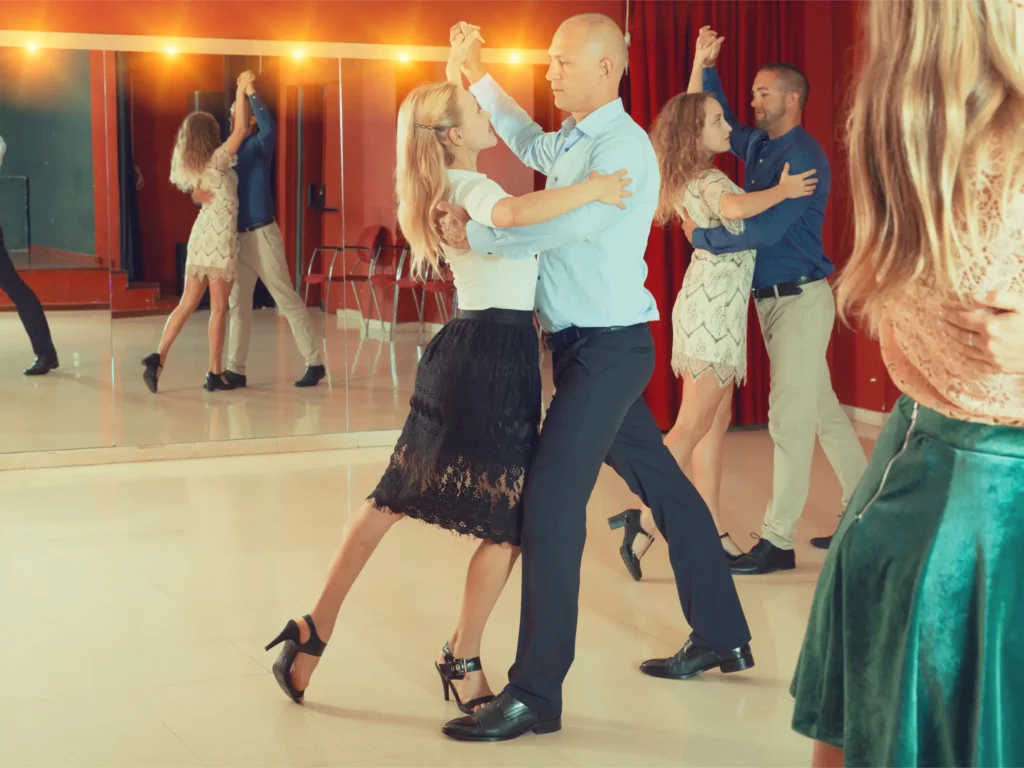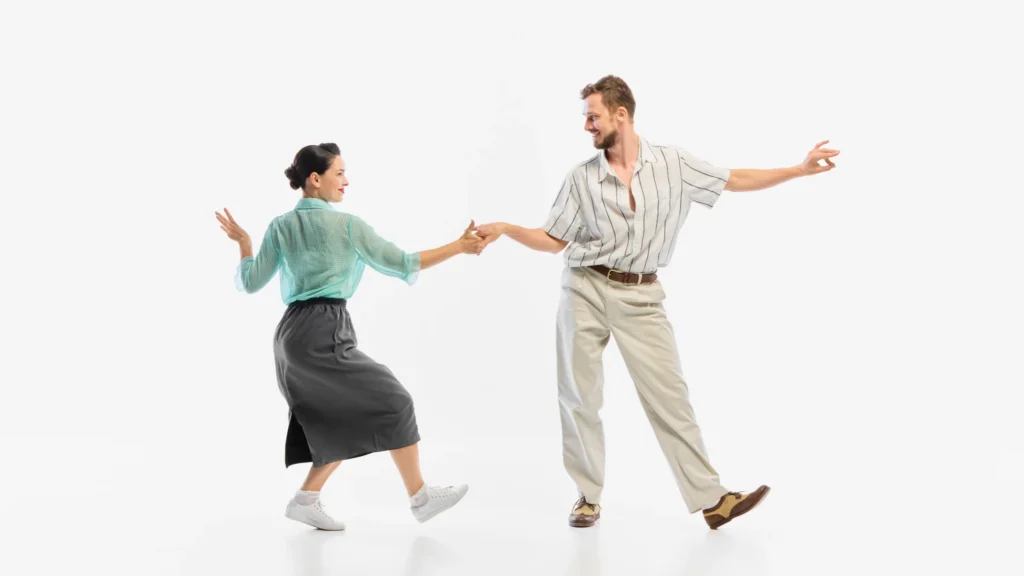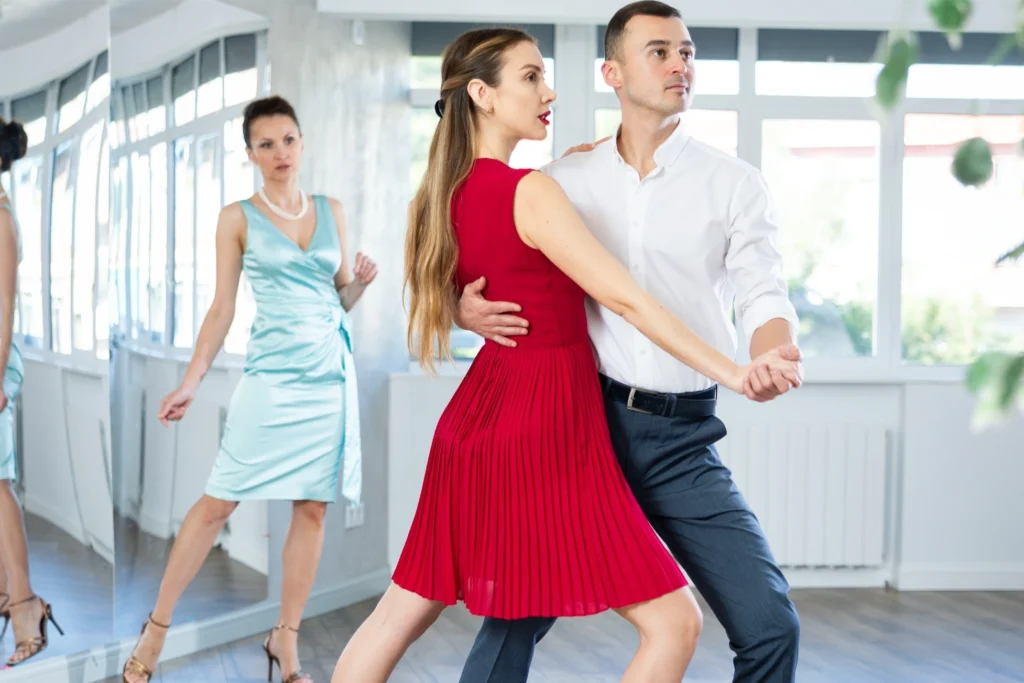
If you’re trying to get in shape, dancing probably sounds a lot more appealing than a treadmill. For anyone who dislikes running, gyms, or repetitive cardio, dance feels like a fun alternative—but can it actually move the needle?
It can. Dancing is a form of aerobic activity that raises your heart rate, uses large muscle groups, and burns energy when you do it consistently. Studies on structured dance programs have found small-to-moderate improvements in body composition over time. That doesn’t mean dance is a “hack,” but it can be a realistic part of an overall plan—especially for people who stick with it because they genuinely enjoy it.
Key Takeaways
- Dance can support body-composition goals when it becomes regular aerobic movement, not a once-in-a-while activity.
- In research settings, structured programs (scheduled sessions over weeks/months) led to measurable changes for adults who were overweight or obese.
- Consistency beats intensity: steady weekly participation is what drives most results.
- Many partner styles can reach moderate intensity—the “I can talk, but I’m breathing harder” zone—when you keep moving.
- Enjoyment matters because it improves adherence—people are more likely to keep doing what they look forward to.
Key Takeaways
- Dancing can support weight-loss efforts when practiced consistently as aerobic movement, not as an occasional activity.
- Structured dance programs in research led to measurable improvements in body composition for adults who are overweight or obese.
- Enjoyment plays a major role. People are more likely to stay active when movement feels fun and engaging.
- Ballroom and Latin styles can reach moderate aerobic intensity when practiced regularly.
- Consistency matters more than intensity; showing up week after week is what drives results.
What the Research Says
According to a meta-analysis published in PLOS One, dancing is a good exercise with important context.
The review analyzed 10 randomized controlled trials involving 646 adults, most of whom were middle-aged and living with overweight or obesity. Across these studies, participants followed structured dance programs (not casual dancing), typically three times per week for 40 to 90 minutes per session.
When researchers compared these dance programs to normal lifestyles, they found meaningful improvements in several body composition markers often associated with dancing for weight loss:
- Body mass decreased by about 1.9 kg
- Waist circumference dropped by nearly 3 cm
- Body fat percentage declined by just over 2%
- Fat mass was reduced by roughly 1.6 kg
These changes didn’t happen overnight. They were observed in programs that ran for weeks to months, reinforcing an important point: dance works best as sustainable movement.
Keep in mind that the studies focused on fitness-oriented, structured dance interventions, often designed specifically to improve health outcomes. Ballroom dancing wasn’t studied directly, and the findings apply primarily to adults who were overweight or obese, not necessarily to everyone. Still, the research makes a strong case that when dance is practiced regularly and with intention, it can be an effective and enjoyable way to support healthier body composition over time.
How Dancing Burns Energy (and Why It Works)
At its core, weight loss follows a simple principle: when you burn more energy than you consume, your body weight goes down. Maintain that caloric deficit consistently, and over time, it shows up in your body shape, measurements, and overall composition.
That’s where dancing comes in.
So, does dancing burn calories? Yes, and it does so in a way that feels less like “exercise” and more like something you want to keep doing. Here’s why dance can be effective:
- Rhythmic, full-body movement turns dance into a form of aerobic exercise, keeping your body in motion for extended periods.
- As the music and steps progress, your heart rate increases, which boosts overall energy expenditure.
- Dance naturally engages large muscle groups (legs, core, back, and arms) rather than isolating just one area.
- Higher-tempo dances increase intensity, helping you burn more energy without consciously “pushing harder.”
- Enjoyment leads to longer sessions, which means more total movement over time.
- Movement variability prevents stagnation and keeps energy demands higher than repetitive motions.
What Types of Dancing Burn the Most Energy?
Some dances have a faster pace and demand more movement, while others emphasize control, flow, and musicality. Both can support fitness, but they do so at different intensity levels. Here’s a simple breakdown.
Higher-Intensity Dances
These styles tend to feel more demanding because they involve quicker tempos, sharper directional changes, and sustained movement across the floor.
- Latin dance: Fast footwork, grounded movement, and expressive body action keep the whole body engaged.
- Swing: Bouncy rhythms, quick turns, and constant motion create a lively, athletic feel.
- Salsa: Continuous stepping patterns combined with spins and partner changes keep movement dynamic.
- Cha-cha: Sharp timing, quick weight transfers, and compact steps create a high-energy experience.
- Quickstep: Light, fast traveling steps and hopping actions make it one of the most physically demanding ballroom styles.
Moderate-Intensity Dances
These styles still qualify as moderate-intensity exercise, but they emphasize smoother movement, control, and sustained flow rather than speed.
- Rumba: Slow, deliberate steps with controlled body movement place more emphasis on balance and muscle engagement.
- Foxtrot: Long, gliding movements across the floor create steady, continuous motion without rapid changes.
- Waltz: Flowing rise-and-fall patterns produce a graceful rhythm that feels active but manageable.
It’s important to remember: intensity isn’t fixed. How challenging a dance feels depends on effort level, tempo, partner interaction, and how long you stay on the floor. It may seem that high-intensity is the best type of dance for exercise, but even smooth dances can become more demanding when danced with intention and consistency.
Can Ballroom Dancing Help With Weight Loss?
Ballroom dancing may not look like a traditional workout, but it can still play a meaningful role in supporting an active lifestyle.
For many adults, ballroom offers an accessible form of moderate physical activity that feels far less intimidating than gym-based cardio. That accessibility is a big reason it’s often considered one of the best types of dance for exercise, especially for people who value enjoyment as much as results.
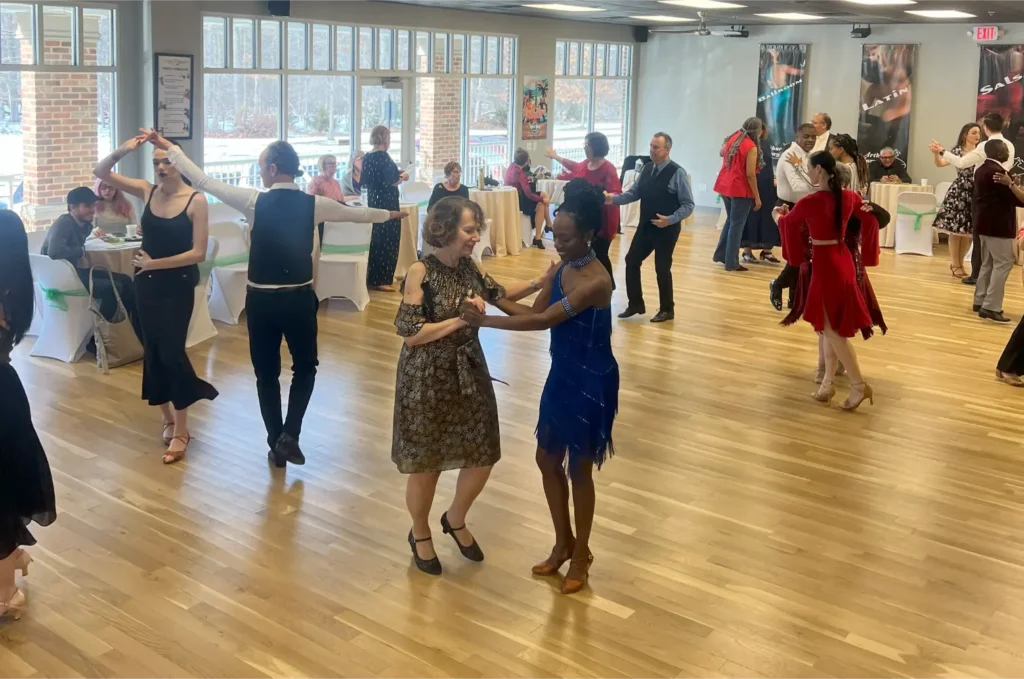
The ballroom also naturally increases weekly movement. Lessons, practice parties, and social dances add up, creating regular opportunities to move, stay active, and reinforce healthy habits.
For adults looking for a fun, supportive way to move more, ballroom dancing at a studio like Arthur Murray Princeton can make consistent activity much easier. New students can take advantage of a special offer and try the first class for free.
How Often Should You Dance to See Results?
In the studies reviewed, most participants followed dance programs three times per week, with sessions lasting 40 to 90 minutes. When done consistently, measurable changes in body composition appeared within 8-12 weeks, with stronger results after 12 weeks or more.
That timeline highlights an important point: results came from regular participation, not short bursts of intense effort. This is where consistency and adherence make the biggest difference.
For ballroom dancers, similar activity levels are realistic when they:
- Attend weekly lessons
- Participate in practice parties or social dances
- Dance outside of class, even casually
Can You Take Dance Classes More Often?
Absolutely, if your schedule and energy allow. For most beginners, three sessions per week is a good starting point. It gives your body time to adapt while minimizing excessive soreness or fatigue.
Once you feel comfortable with the movements and your endurance improves, adding extra classes or practice sessions can feel natural rather than overwhelming.
The key is how well you maintain the habit. Dancing regularly at a pace your body can handle is far more effective than doing too much too soon and burning out.
Why Dancing Works When Other Workouts Don’t
If you’ve tried popular workouts and found yourself drifting away because they felt more like a chore than something to look forward to, dance classes may be a better fit. Many people want good energy, a fun atmosphere, and a workout that doesn’t feel like a workout. That’s one of the underrated benefits of dancing exercise.
High Enjoyment
Dance taps into enjoyment first and effort second. The combination of movement, music, and creativity makes aerobic exercise feel engaging rather than repetitive, which helps people stay consistent without constantly battling motivation.
Social Support
Unlike solo workouts, dance happens in a shared space. Practicing with instructors, partners, or groups creates accountability and encouragement, which is one reason structured dance programs often see better long-term participation.
Lower Intimidation
Dance studios tend to feel more welcoming than fitness floors packed with machines. Beginners aren’t expected to be “in shape” already, making it easier to start without feeling out of place or judged.
Reduced Boredom
Dance is constantly changing. New steps, patterns, and combinations keep the experience fresh, helping prevent the mental fatigue that often comes with repetitive workouts.
Music-Driven Movement
Music naturally guides timing, pace, and flow. Instead of watching a clock or counting reps, movement follows rhythm, making effort feel smoother and more natural.
Suitable for Adults of Many Fitness Levels
Dance adapts easily. Movements can be scaled up or down, allowing beginners and more experienced dancers to share the same class while working at their own intensity. This flexibility makes dance approachable at nearly any fitness stage.
Who Is Dancing a Good Fit For?
When comparing dancing vs gym cardio, the biggest difference often comes down to how the experience feels, not just how much effort it requires.
Dancing can be a good fit for:
- Adults who dislike traditional cardio like running, cycling, or long treadmill sessions
- People seeking low-impact movement that’s easier on the joints while still keeping the body active
- Anyone who benefits from a social, structured environment, rather than working out alone
- Adults who want a fun, sustainable way to increase activity without it feeling like another obligation
For many people, social dancing (especially ballroom dance) adds an element of connection and enjoyment that makes regular movement feel natural. Instead of forcing exercise into your schedule, dancing often becomes something you look forward to doing.
Final Thoughts: Dance as a Sustainable Fitness Habit
Dancing can support weight-loss efforts through consistent aerobic movement. When people move regularly, enjoy the process, and stick with it over time, changes in body composition become far more realistic.
Ballroom dancing, in particular, offers an accessible and enjoyable entry point for adults who want to be more active without committing to traditional gym routines.
The benefits also extend well beyond fat loss. Regular dancing can support a better mood, improved mobility, and increased confidence, all of which reinforce long-term participation.
If you’re looking for a way to stay active that fits into real life, dancing is worth considering. Not as a quick fix, but as a long-term activity you can actually enjoy and sustain.
FAQ
Is ballroom dancing good for weight loss?
Ballroom dancing can support weight loss, especially when practiced consistently. The biggest advantage is sustainability. Some people will stick with dancing longer than traditional workouts, and that consistency is what supports long-term changes in body composition.
How many calories does dancing burn?
How much energy dancing uses depends on the style, tempo, effort level, and how long you dance. Faster-paced dances, longer sessions, and more active participation all increase energy expenditure. Rather than focusing on numbers, it’s more useful to think in terms of whether dancing keeps you moving long enough and often enough to help you burn more energy over time.
Is it okay to mix dancing with other forms of exercise?
Yes, mixing dancing with other forms of exercise is perfectly fine and often helpful. Dance can cover your aerobic activity, while strength training, mobility work, or light conditioning can support balance and resilience.
Does partner dancing change the workout compared to dancing solo?
Partner dancing can change the experience in subtle but meaningful ways. Dancing with a partner often involves more movement across the floor, continuous connection, and shared momentum, which can increase overall activity without feeling harder.
Do different ballroom styles feel more tiring than others?
Yes, different ballroom styles can feel noticeably different in terms of effort. Faster, traveling dances with quick footwork and frequent direction changes tend to feel more demanding, while smoother, slower dances emphasize control and flow. That said, effort level, tempo, and duration matter just as much as style, so even traditionally “slower” dances can feel challenging when danced with intention.