Wedding dances feel timeless, but most of today’s “standard” reception moments were shaped and reshaped over centuries. The first dance started as a formal way to open the celebration, then gradually became a personal spotlight on the couple.
Parent dances, group traditions, and modern surprises (like entrance routines and flash mobs) came later—often because weddings shifted from formal community ceremonies to highly personalized events. This guide walks through the real wedding dance history, what each tradition originally signaled, and why couples still use the dance floor to mark the start of their new chapter.
Key Takeaways
- The “first dance” began as a formal opener for the celebration and evolved into a personal couple’s moment.
- Parent dances aren’t equally old traditions—the father-daughter moment has deeper historical roots than the mother-son dance, which became common much later.
- Modern weddings added performance-style moments (grand entrance dances, mashups, flash mobs) as receptions became more personalized and entertainment-focused.
- Cultural group dances (like the Hora or money dance) function as community rituals, not just “extra dances.”
- Your timeline choices can be intentional: knowing what’s historic vs. modern helps you pick dances that match your family dynamics and the vibe you want.
The Symbolic Opening: The Origins of the Bride and Groom Dance at the Wedding
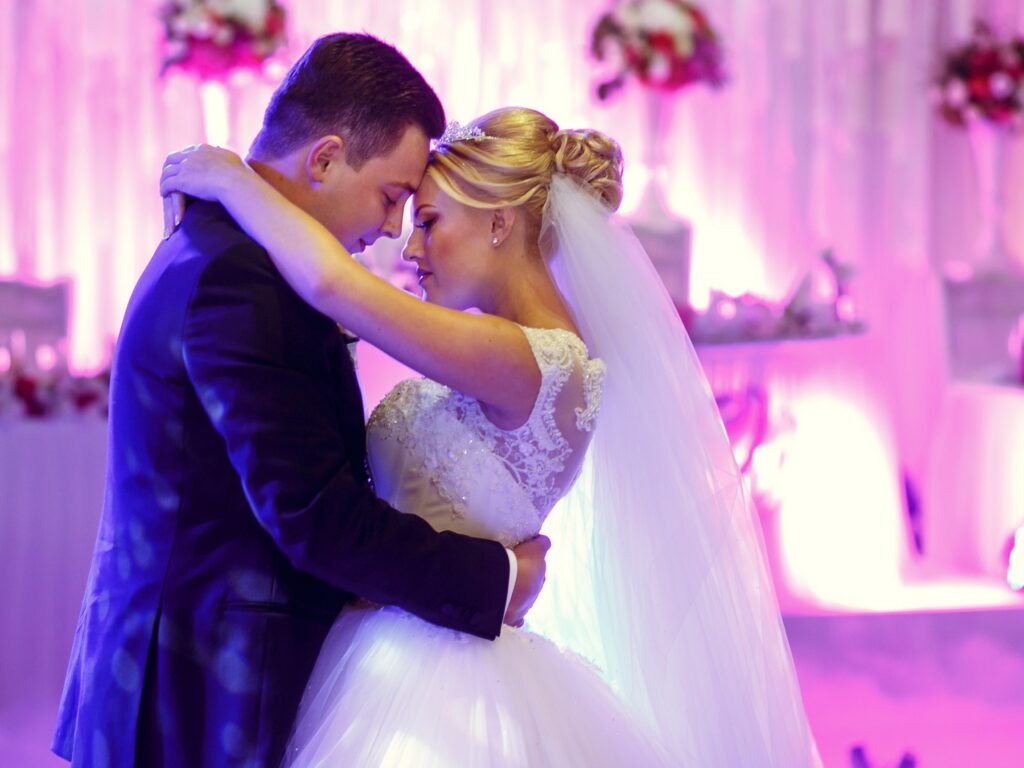
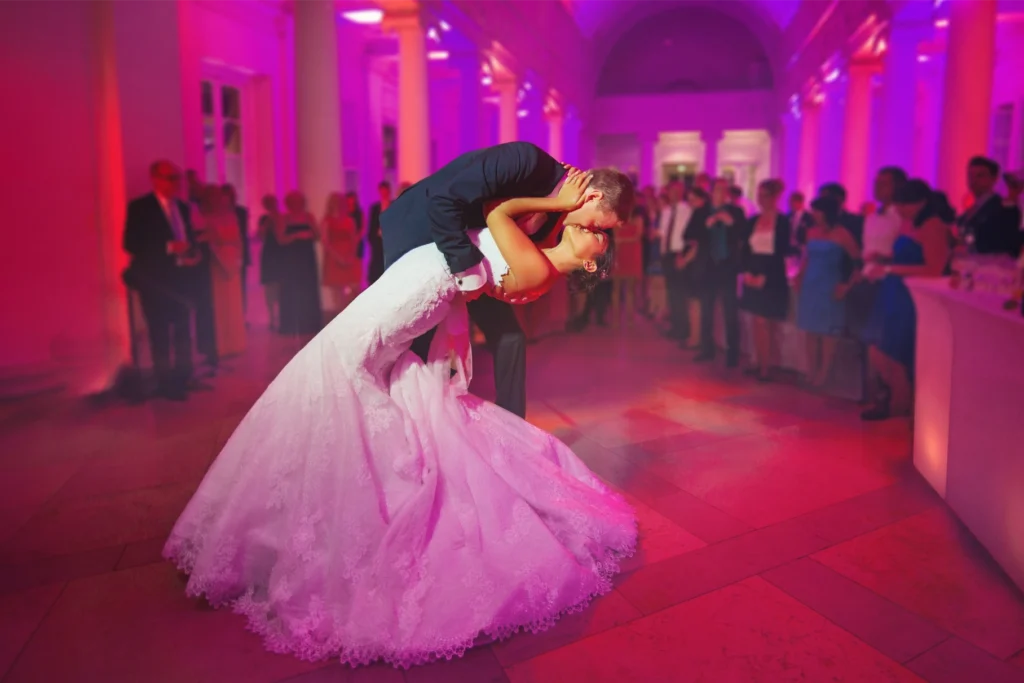
The custom of the newly married couple opening the dance floor, often referred to as the first dance, is arguably the most iconic dance of the entire celebration. Its origins are found not in simple romance, but in the elaborate social etiquette of European aristocracy.
The Royal Courtly Ball and the First Dance Tradition
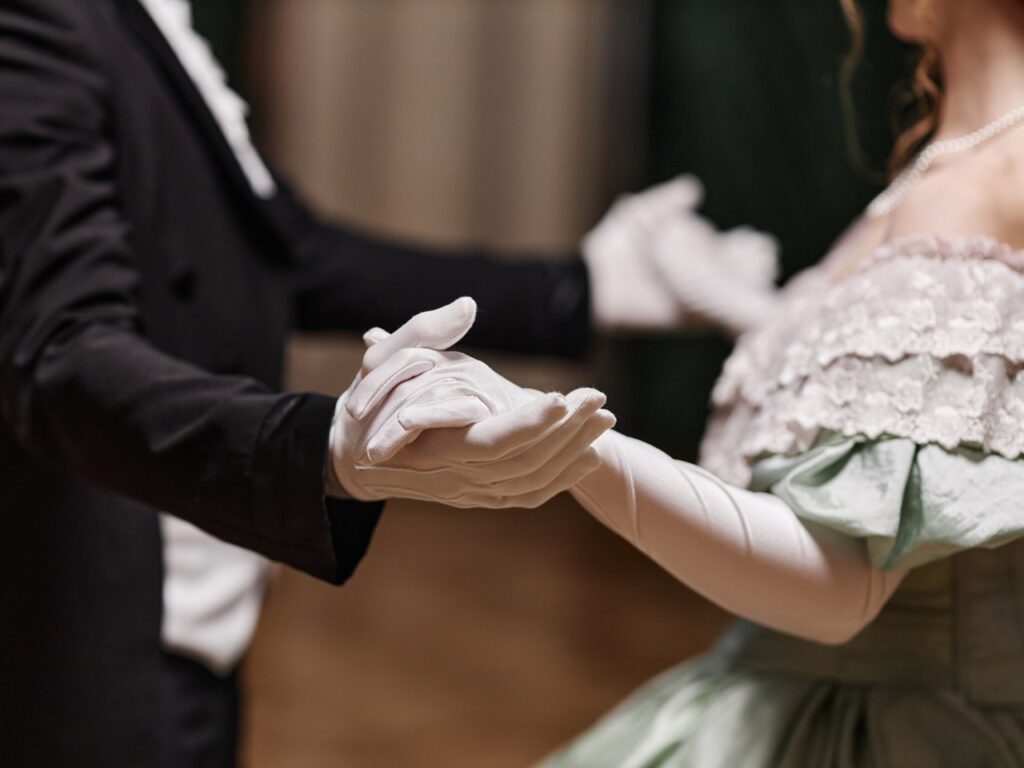
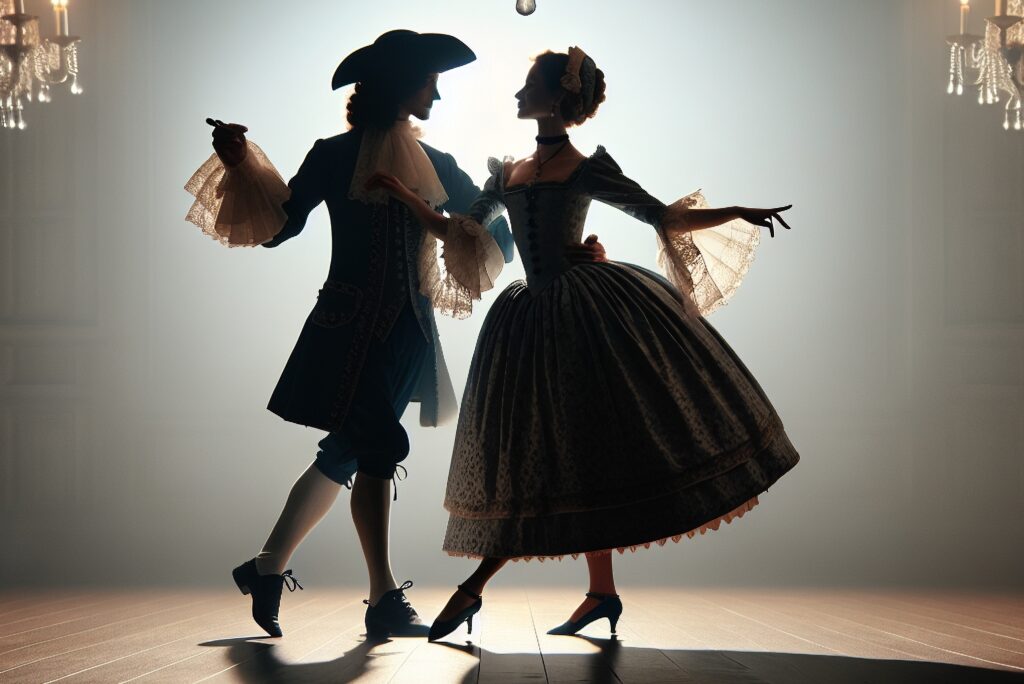
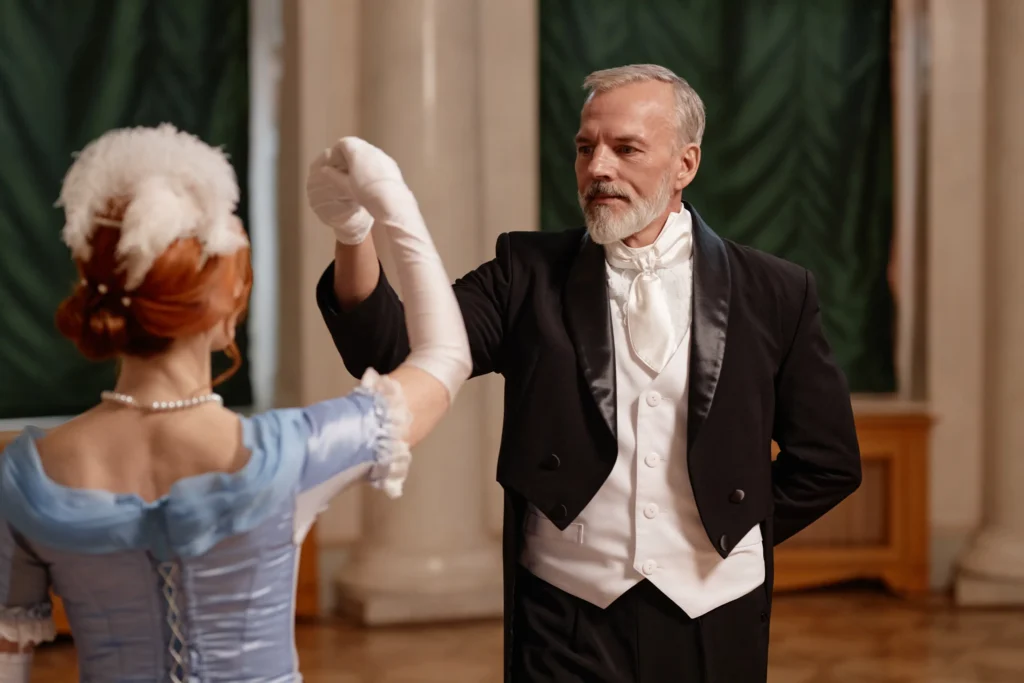
The tradition can be traced back to the 16th and 17th centuries, particularly in the grand ballrooms of European royalty and high society. Formal balls were the centerpiece of aristocratic social life, and it was customary for the guest of honor—or the most distinguished person present—to lead the first dance, signaling the start of the evening’s festivities. This was not a moment for the common folk; it was a show of status and refinement.
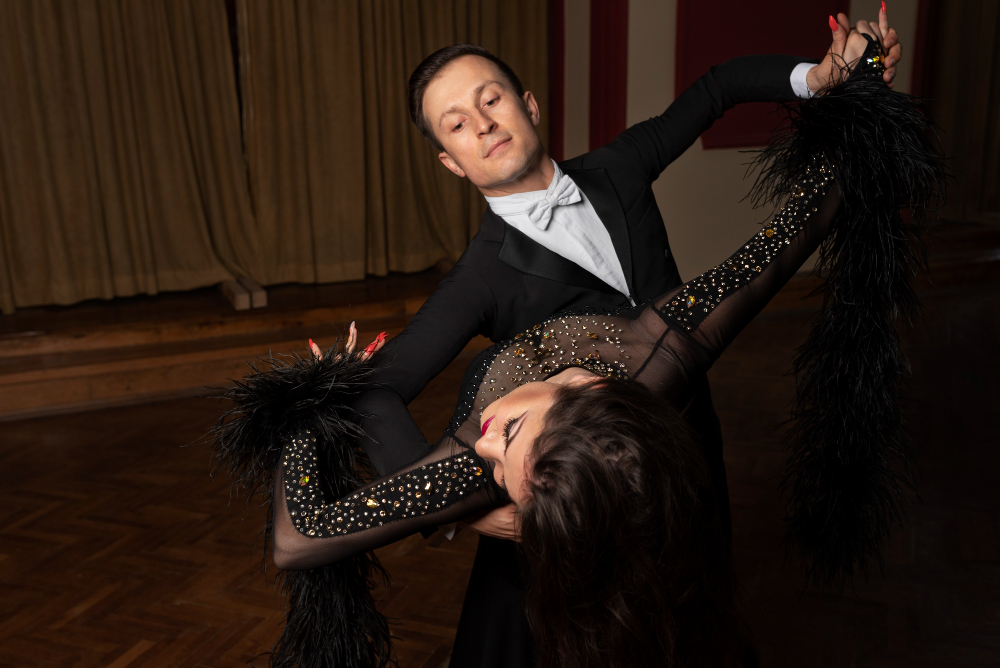
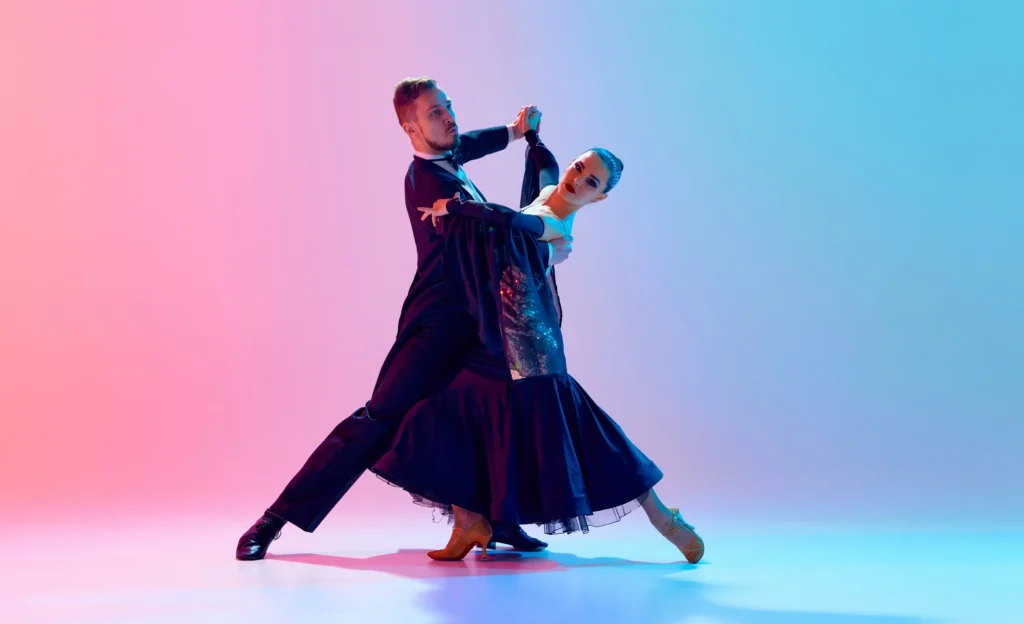
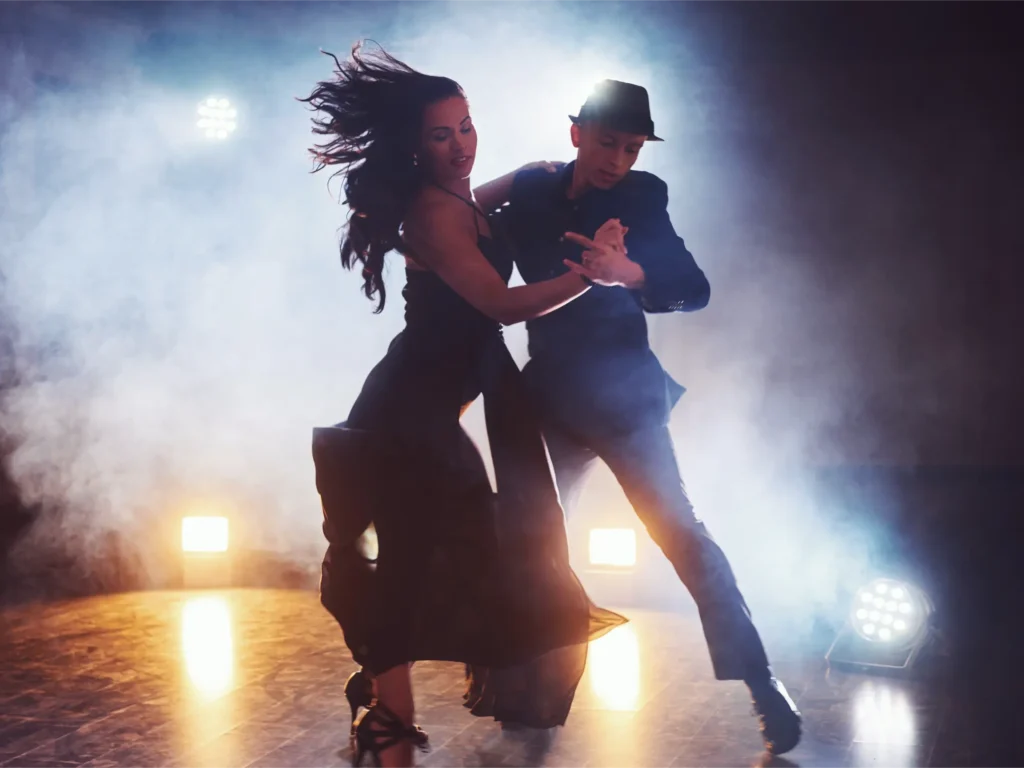
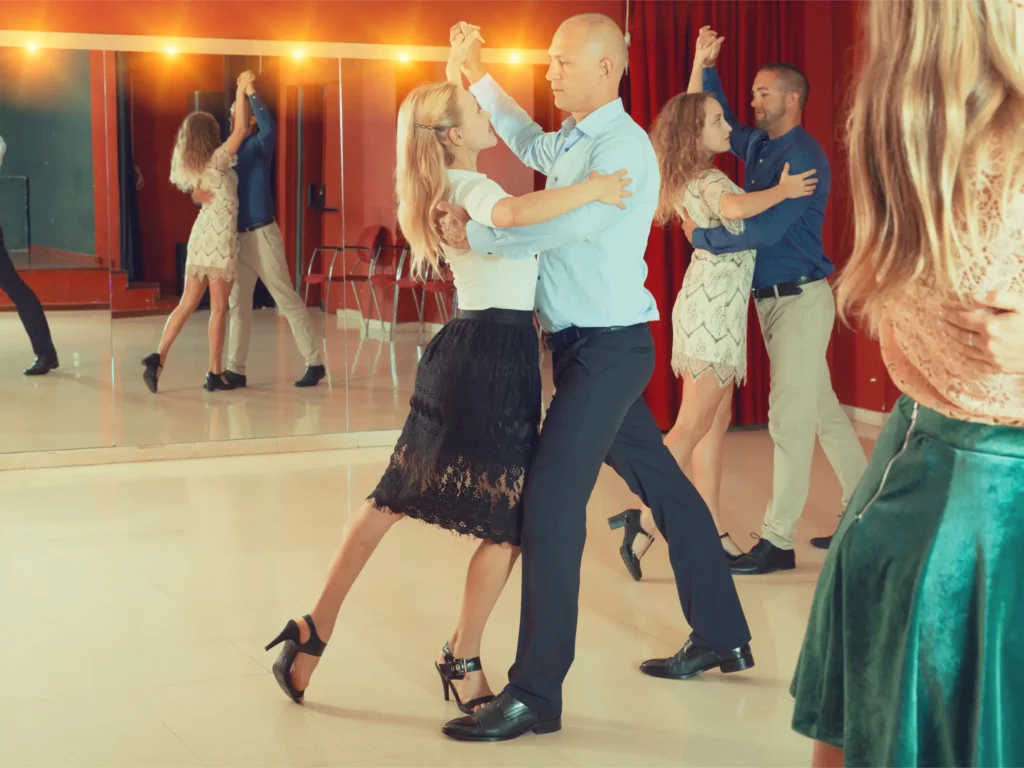
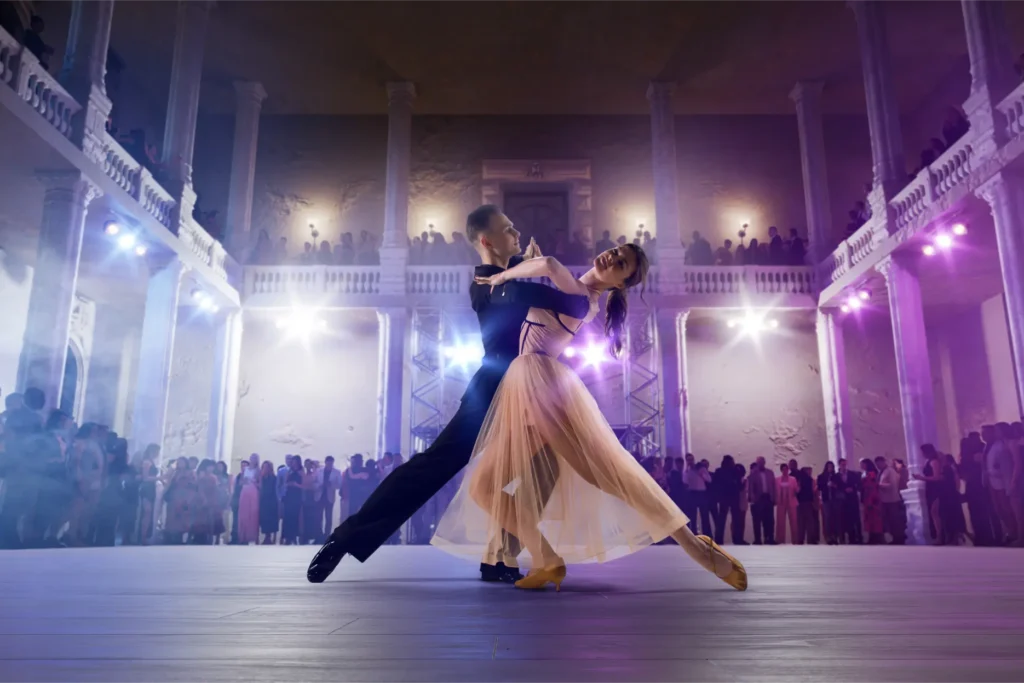
When a wedding was held, the newlyweds, as the guests of honor, naturally assumed this role. The dance was less about an intimate moment and more about a formal presentation of the new couple to society. Early dances were highly structured, such as the minuet or the polonaise. As the 19th century arrived, the romantic elegance of the waltz gained popularity, shifting the focus toward the intimacy and grace between partners, and cementing the idea of the new partnership. The waltz, with its close embrace and fluid movements, became the defining bride and groom wedding dance for generations.
The Modern Interpretation of the First Dance
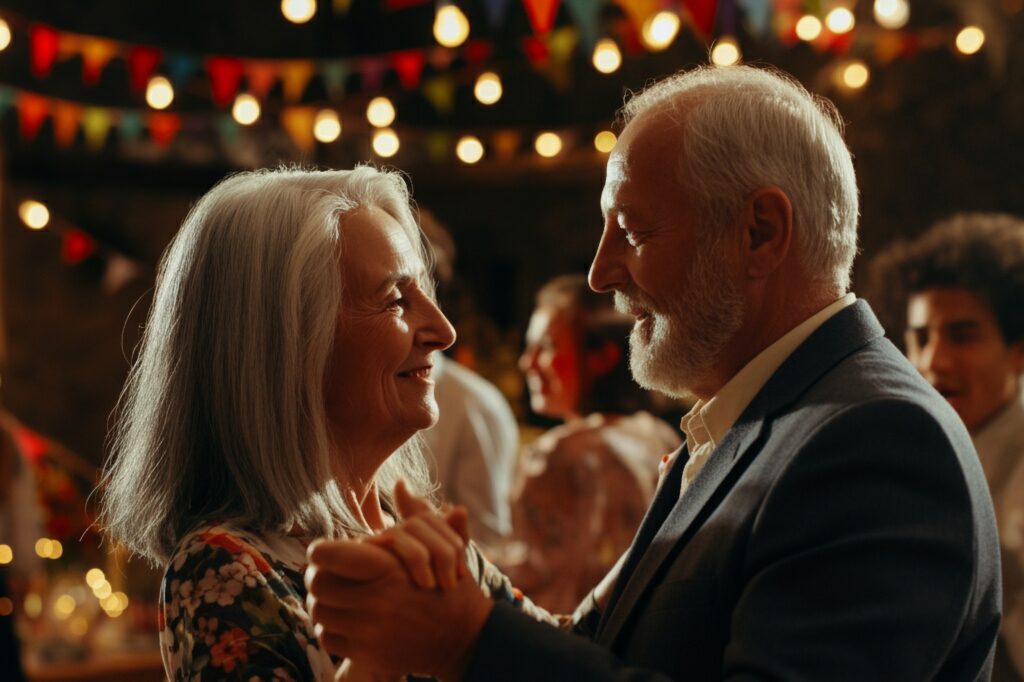
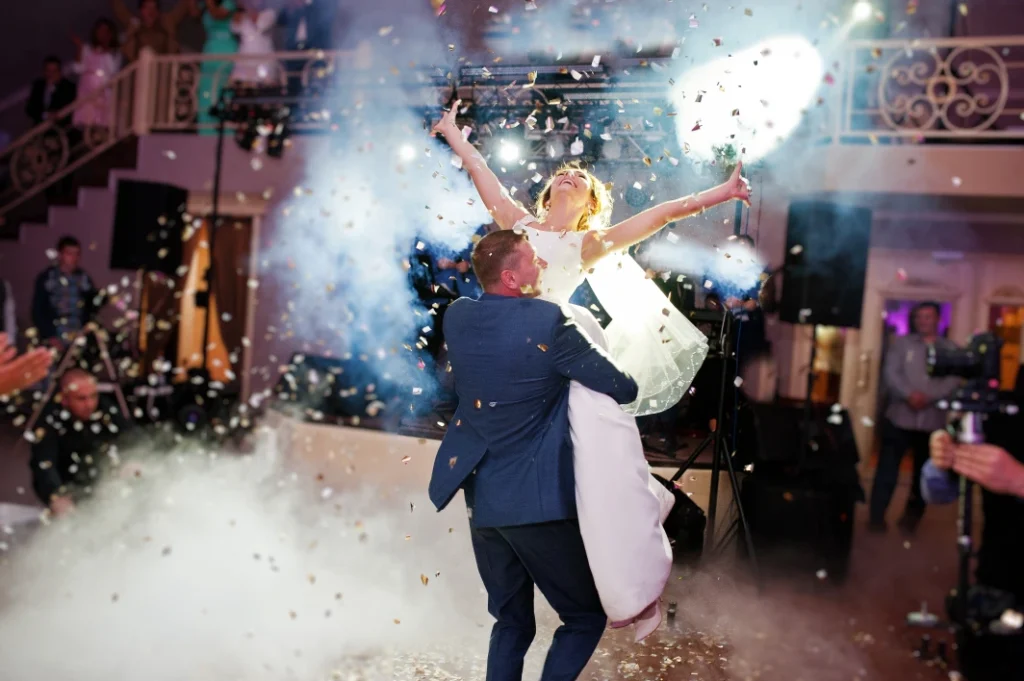
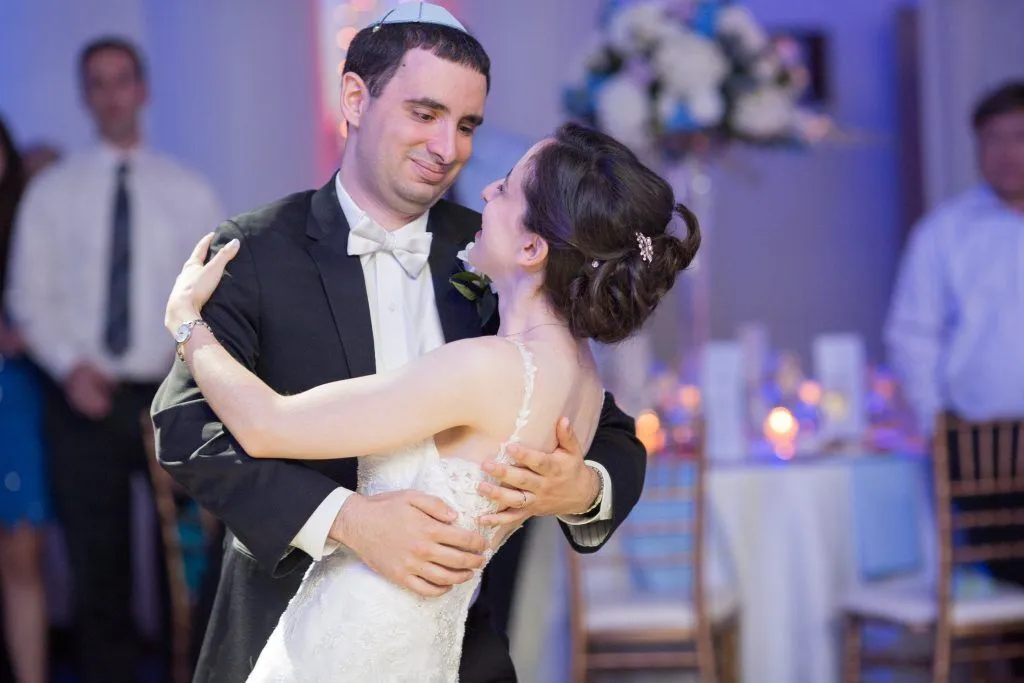
Today, the first dance is an intensely personal expression of the couple’s unique bond. The expectation is no longer a perfectly executed ballroom routine, though many couples opt for lessons to achieve just that. Instead, the focus is on a song that holds deep meaning for the pair, whether it’s a timeless classic or a contemporary chart-topper.
The significance, however, remains: it’s the couple’s first public act as husband and wife, a shared moment of unity and emotional expression. It’s a transition from the formality of the ceremony to the joyous celebration of the reception. Over the decades, the formality has given way to individuality. Couples now embrace everything from a simple, intimate sway to highly choreographed, multi-genre mashups that surprise and delight their guests. This transformation ensures that the wedding dance by the bride and groom is a true reflection of their personality and relationship.
The Rise of the Grand Entrance Dance
While not a formal “first dance,” the wedding party entrance dances have become a major feature of modern receptions. This recent trend involves the entire wedding party performing a choreographed, high-energy routine as they are introduced before the newlyweds’ grand entrance.
This practice is largely a phenomenon of the 21st century, propelled by viral videos on the internet. It serves as a fantastic icebreaker, injecting immediate excitement and personality into the reception. It shifts the atmosphere from formal to festive in an instant, often surprising guests who expect a traditional, simple walk-in. The goal is pure, infectious fun—a way for the couple to celebrate their new life by sharing an energetic performance with their closest friends.
The Sentimental Pillars: Parent-Child Dances and the Passage of Time
Following the first dance, the spotlight often turns to the intimate dances shared between the bride and her father, and the groom and his mother. These dances are highly charged with emotion, symbolizing the deep familial bonds that exist alongside the new marital one.
The History of the Father-Daughter Wedding Dance
The origin of the father-daughter dance is connected to older, more formal traditions surrounding the transfer of a woman from her family’s care to her husband’s.
Historically, the dance would commence with the father and bride, and midway through the song, the bride’s father would physically “hand her off” to her new husband. This literal transition symbolized the father’s acceptance of the groom as the new most important man in his daughter’s life, and the emotional, yet formal, relinquishing of his paternal role.
Today, while the underlying sentiment of love and transition remains, the “hand-off” is less common. The dance is a moment for the bride to express gratitude and love for her father, often to a song that reflects their shared history. It is a poignant tribute to the unwavering bond between parent and child, marking one of the final moments of her “unmarried” identity before fully embracing her new role as a wife.
The Emergence of the Mother-Son Wedding Dance
The mother-son dance is a newer addition to the standardized wedding reception lineup, often introduced to balance the emotional weight of the father-daughter moment. It gained popularity largely in the mid-to-late 20th century as wedding ceremonies evolved to be more equitable in acknowledging the parents of both the bride and groom.
The dance is a dedicated time for the groom to honor his mother for her guidance, support, and unconditional love throughout his life. Like the father-daughter dance, it’s an emotionally significant event, showcasing the enduring love between a mother and her son.
It serves as a public recognition of the mother’s foundational role in the groom’s life and her blessing for his marriage. While its history is shorter than the first dance, its cultural and emotional impact is just as profound, and it is a universally cherished moment in modern weddings.
Modern Twists and Cultural Flair on the Wedding Dance Floor
Contemporary weddings are increasingly characterized by personalization, and the dance floor is a canvas for unique and often surprising performances that reflect the couple’s background, humor, and relationship with their guests.
The Rise of the Flash Mob Dance Wedding Trend
The flash mob dance, where a seemingly spontaneous group performance erupts from the wedding guests or the bridal party, is a wholly modern phenomenon, popularized by the internet and a desire to create viral, unforgettable moments. This style of performance injects an element of surprise and theatricality into the reception.
It moves the focus momentarily away from the newlyweds and onto the community of family and friends who have come to celebrate. While it lacks the centuries-old traditional roots of the first dance, it serves a similar purpose in the modern context: to unify guests through a shared, joyous experience and to make a spectacular declaration that the party has officially started. It’s a powerful testament to the couple’s playful spirit and a fun way to involve their most energetic guests.
Cultural and Group Dances
Beyond the core trio of dances, many couples incorporate cultural traditions that involve larger groups.
- The Hora (Jewish Weddings): A lively circle dance where the couple and sometimes their parents are hoisted into the air on chairs, surrounded by dancing guests. It symbolizes the community’s joy and support for the newlyweds.
- The Money Dance/Dollar Dance (Various Cultures): Found in Polish, Filipino, and Latin American weddings, among others, this tradition involves guests paying a small sum of money to briefly dance with the bride and groom. While it can be controversial, its original intent was practical: to quickly raise funds for the couple’s honeymoon or new home, while allowing guests individual face time with the happy pair.
- The Bouquet and Garter Toss Dances: These traditions, though less about a formal dance, are often paired with a brief, high-energy song to rally all the single guests to the dance floor. The symbolic toss of the bride’s bouquet and the groom’s garter is said to predict the next person to marry.
The inclusion of cultural dances or group routines highlights a crucial truth: wedding dancing is not solely about the couple. It is about the community, the family, and the shared joy of witnessing a new union.
Conclusion: Dance as a Lasting Symbol of Love and Unity
From the formality of the 16th-century courtly waltz to the spontaneity of a viral flash mob dance, the traditions on the wedding dance floor have always been a mirror reflecting societal norms, values, and, most importantly, the enduring power of love. Each step, whether rehearsed or improvised, carries a weight of history and a burst of contemporary joy. The dances—the bride and groom dance at the wedding, the heartfelt parent-child moments, and the inclusive group celebrations—are the physical punctuation marks of the wedding day, signaling the transition from two individuals to one unified family. They are a universal language, spoken to the rhythm of a shared song, celebrating a future built on partnership and love.
FAQs
How long should the first dance last?
There is no set rule, but most first dances last between two and four minutes, which is typically the length of one song. Modern couples often choose to edit their song down to approximately 90 seconds to two minutes. This keeps the moment intimate without losing the attention of the guests, especially if they have opted for a complex choreography.
Is it necessary to have the father-daughter and mother-son dances?
No, none of the wedding dances are strictly required, but the parent dances are deeply cherished traditions. They are a wonderful way to honor the parents. If a traditional pairing is not possible or desired (due to a parent’s absence or a non-traditional family structure), couples often dance with a beloved family member or skip the tradition entirely. Your wedding is about celebrating your unique bond, so all decisions should be personal.
What is a ‘mash-up’ wedding dance?
A mash-up dance is a choreographed first dance that starts with a traditional, slow song and then abruptly transitions into a medley of fast-paced, upbeat songs of different genres. It is designed to be a surprise performance for the guests, showcasing the couple’s fun-loving personalities and diverse musical tastes. These are often the dances that are rehearsed in secret and shared widely online.
What is the significance of the couple being carried on chairs during the Hora?
The Hora, or “chair dance,” is a traditional Jewish folk dance. The couple is lifted on chairs as a sign of jubilation, symbolizing their royalty for the day, as they are the king and queen of the celebration. It is a moment of communal joy and support, where family and friends actively celebrate their union.
Would you like me to suggest a list of popular songs for each of these wedding dance categories, or would you prefer more details on the origins of specific cultural wedding dances?