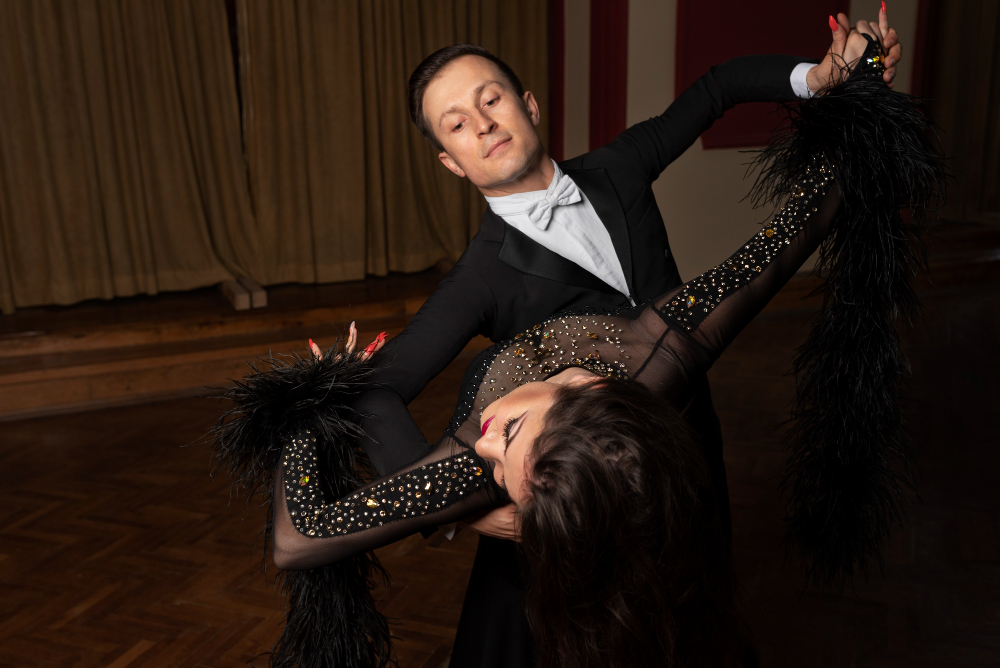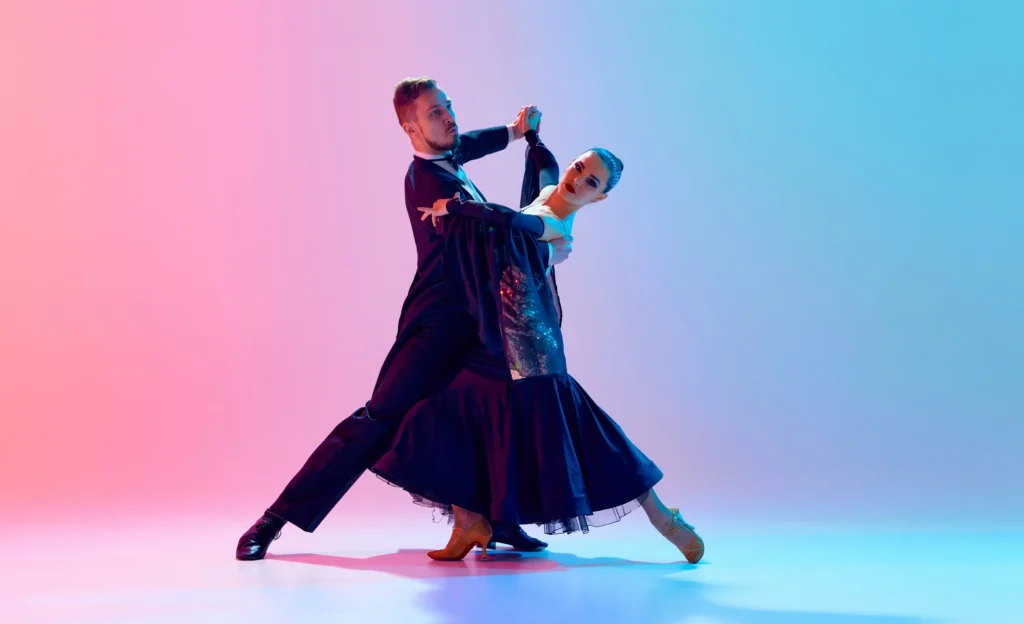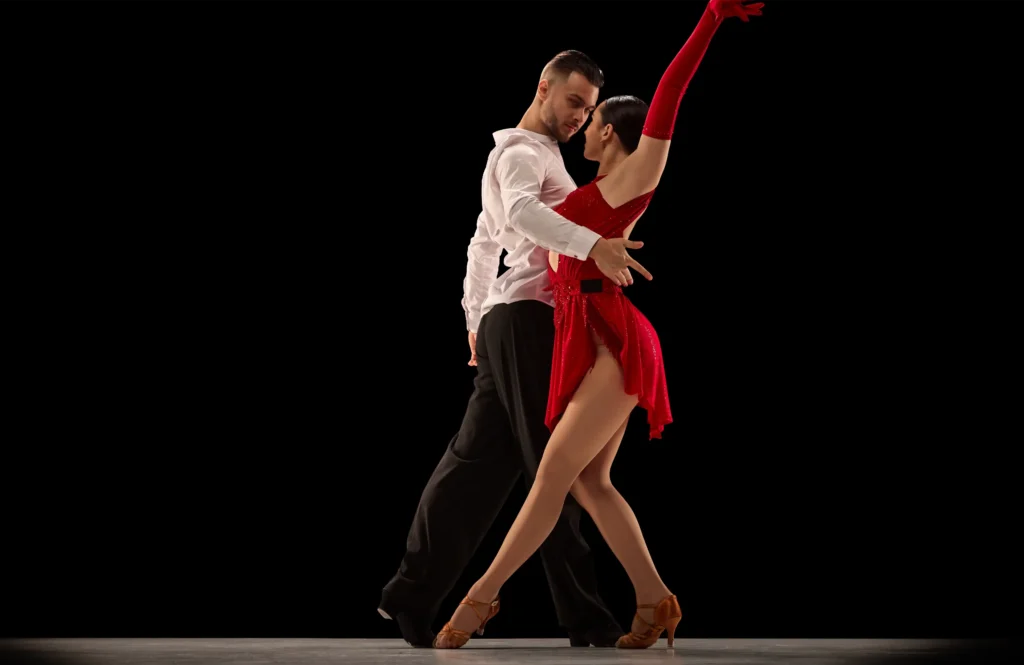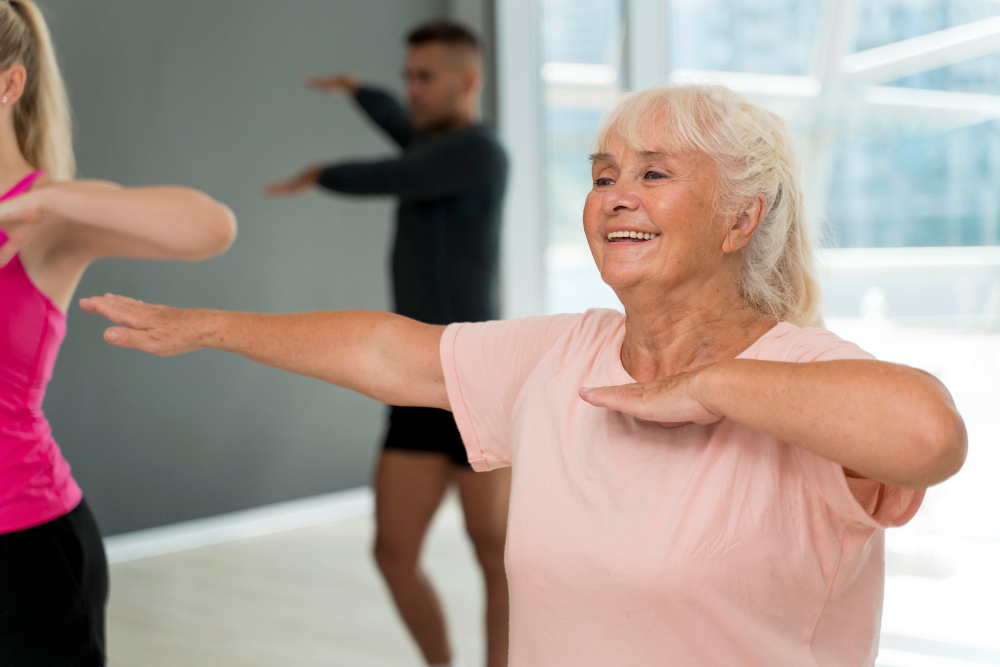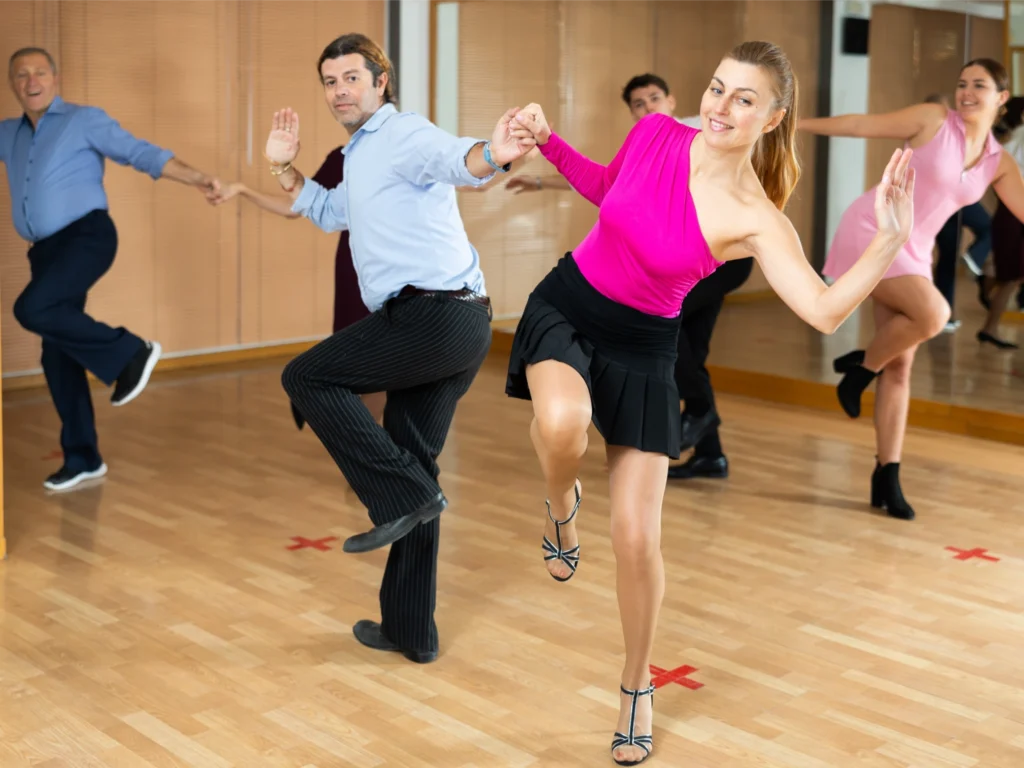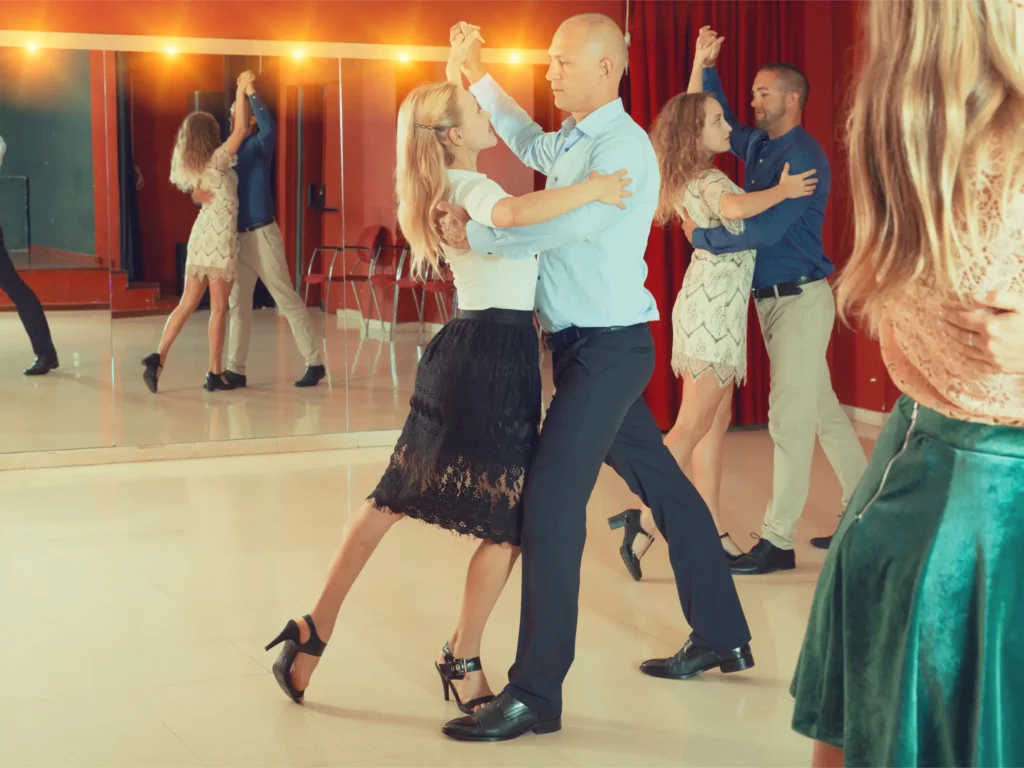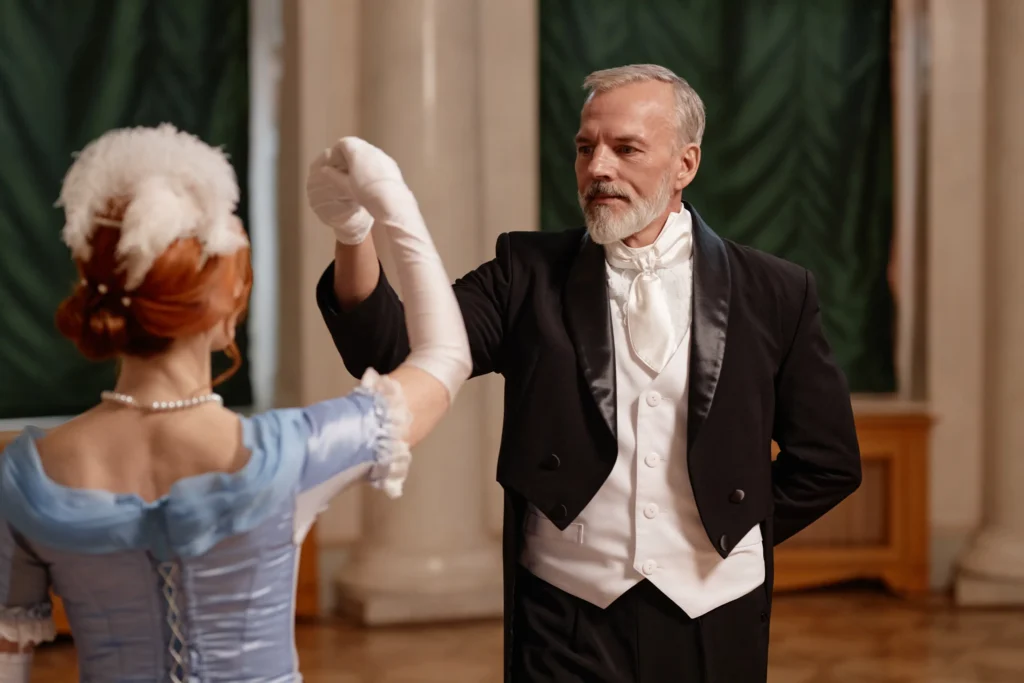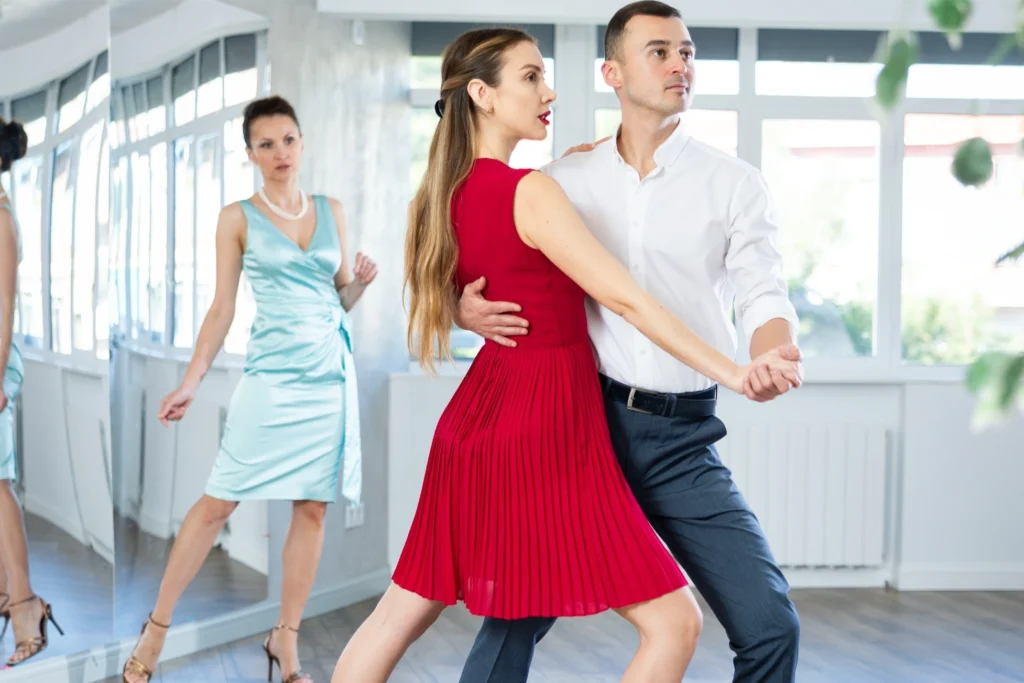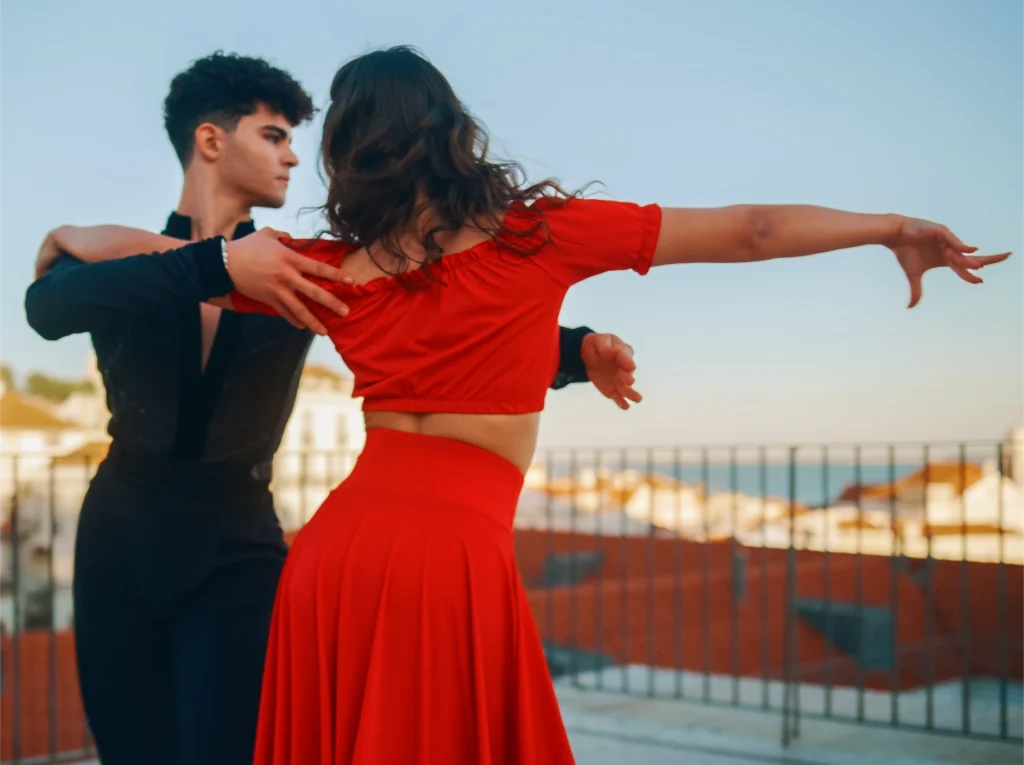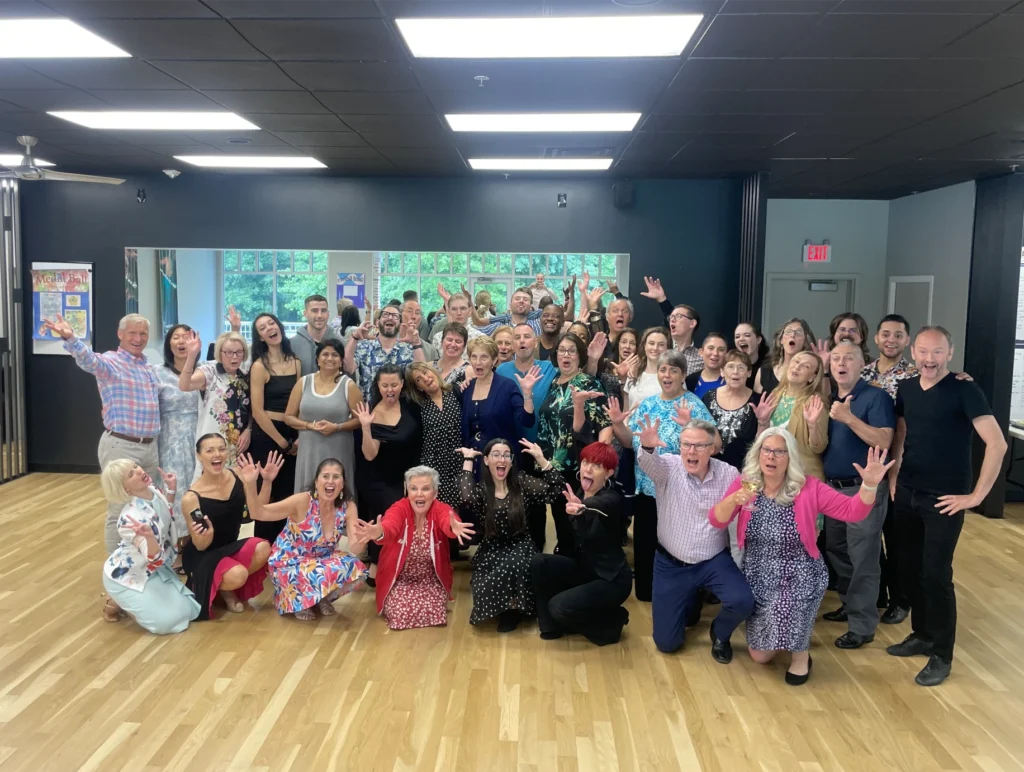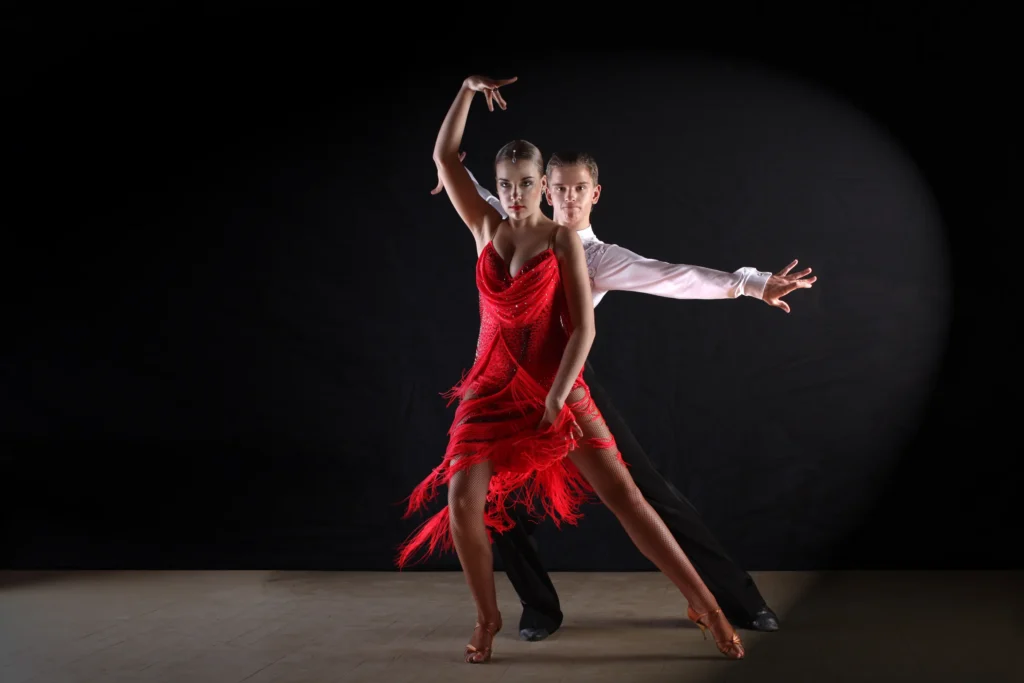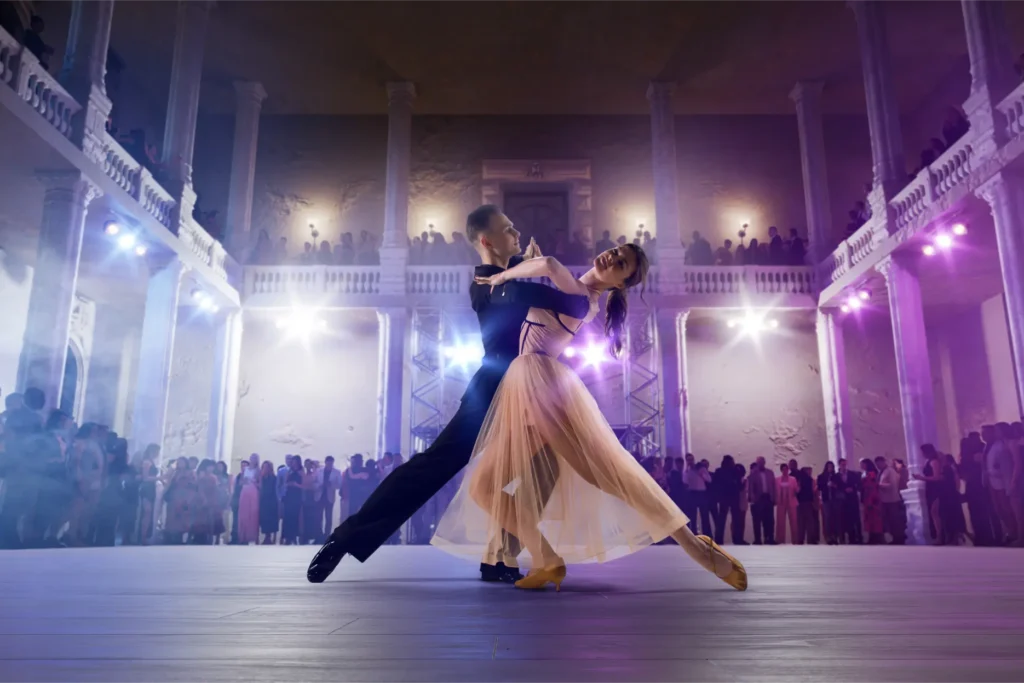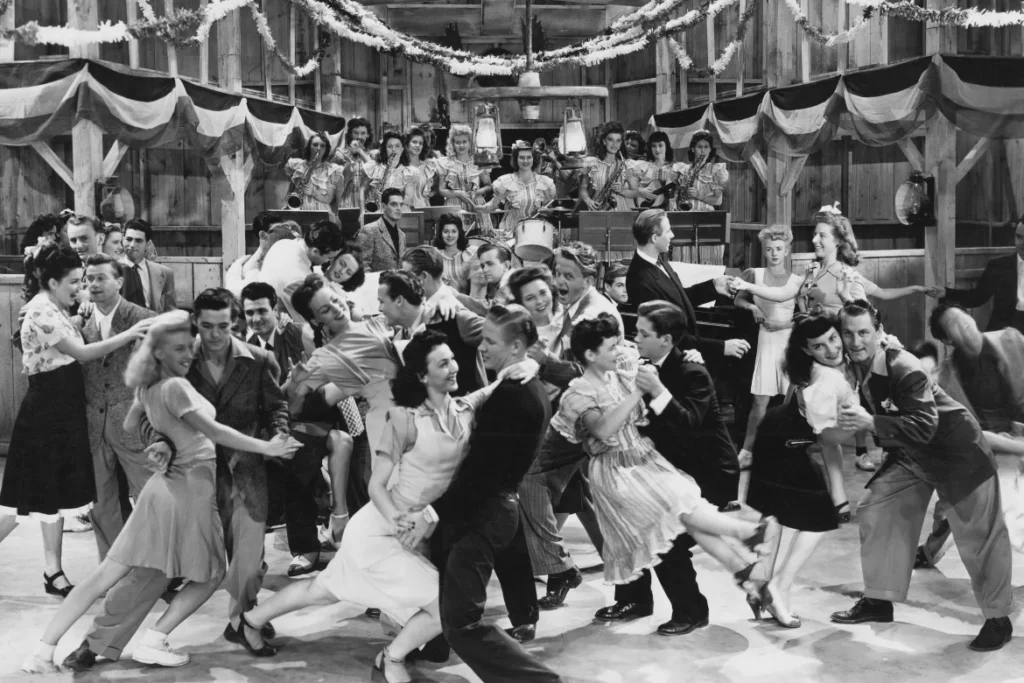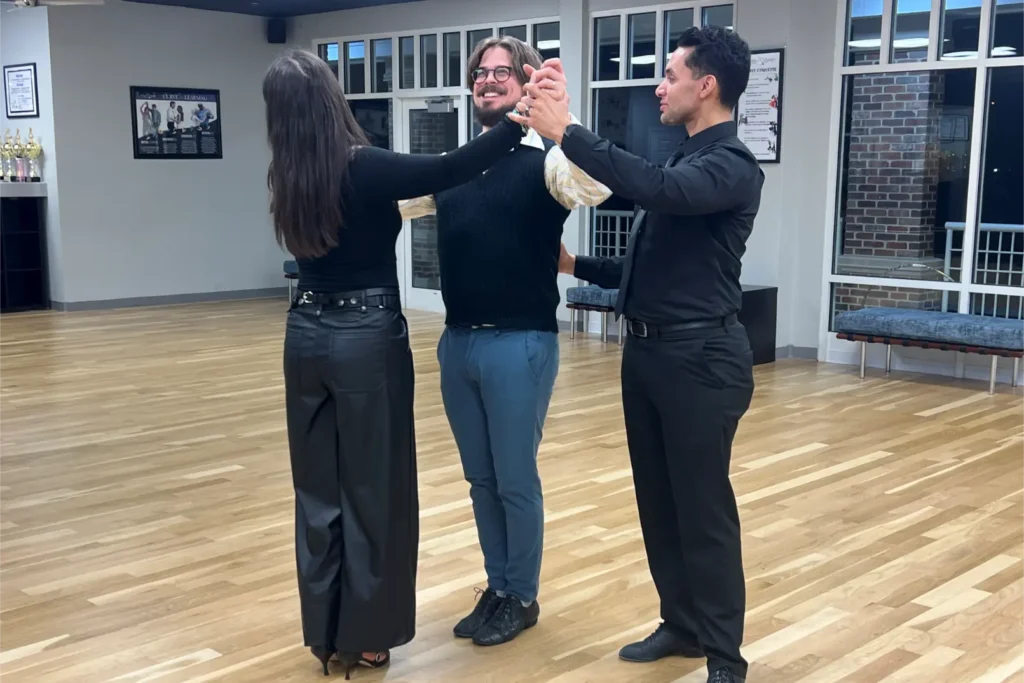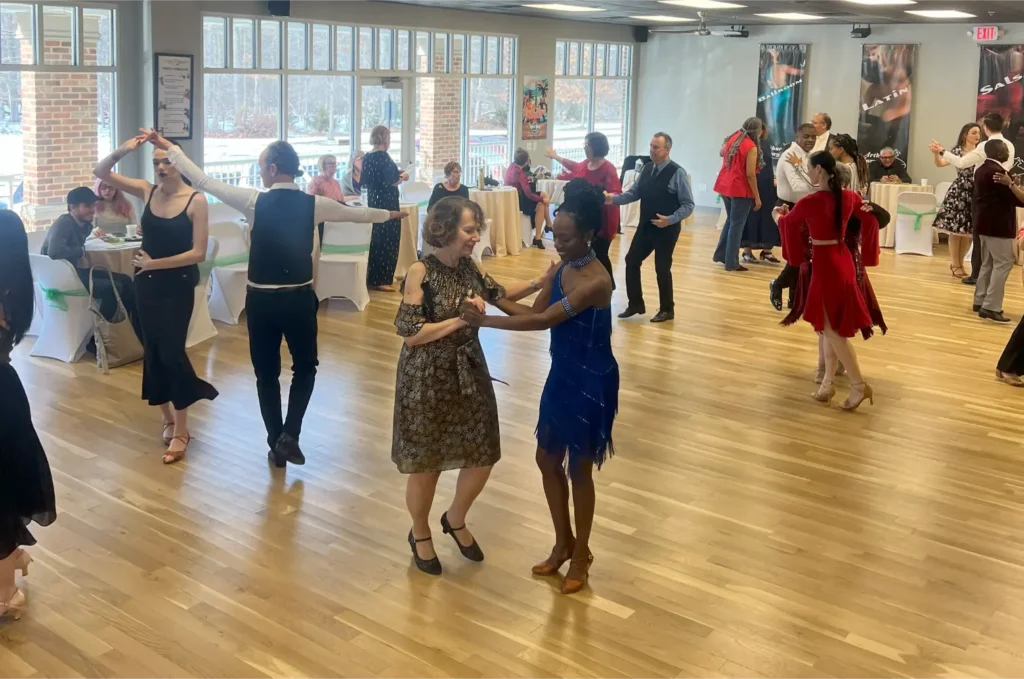
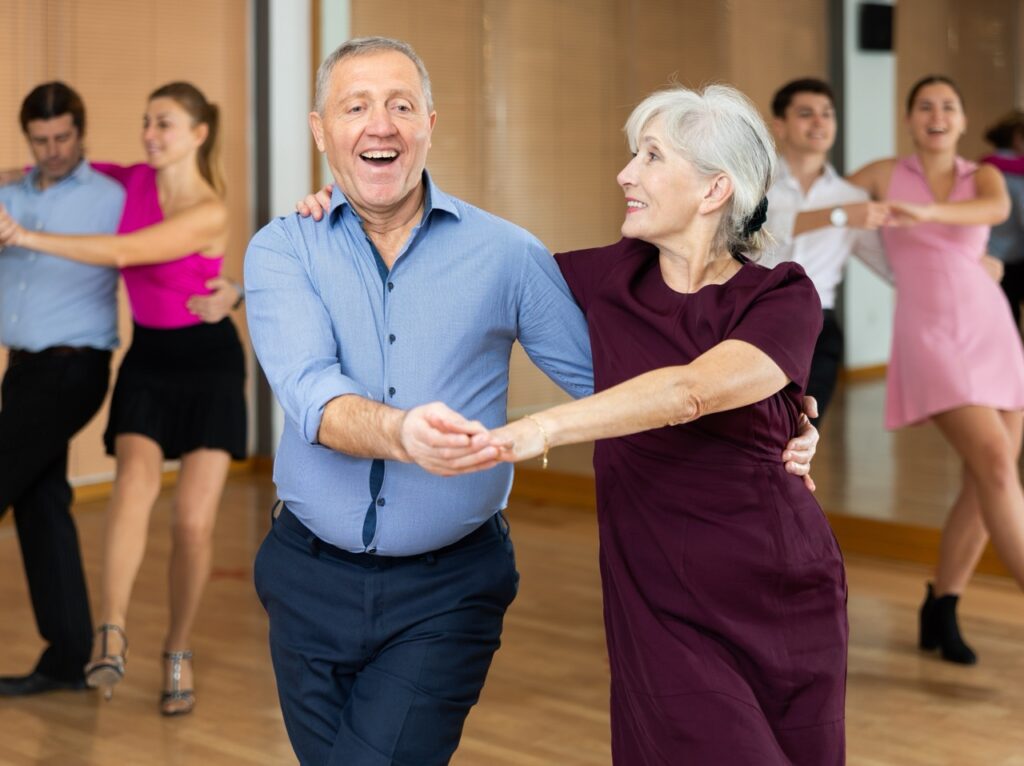
Cardio keeps your heart strong, but brain health is about something else: novelty, coordination, and attention. A ballroom lesson forces all three at once—remembering patterns, syncing to music, responding to a partner, and steering around other couples in real time. That’s why major health outlets (including Harvard Medical School’s coverage of research on dance and aging) often point to dancing as more mentally demanding than repetitive exercise. Below are five specific ways a single ballroom lesson loads your brain differently than a treadmill session—so you can choose movement that trains memory, balance, reaction time, and social connection at the same time.
Key Takeaways
- Ballroom is “thinking while moving”: you’re learning sequences, tracking timing, and adjusting mid-step—unlike steady, automatic treadmill pacing.
- It trains real-world coordination: cross-body actions, turns, and posture control challenge balance and spatial awareness in a way basic cardio doesn’t.
- It sharpens decision-making: leading/following and floor navigation create constant micro-decisions that keep attention engaged.
- Music adds a cognitive layer: matching rhythm and phrasing forces fast auditory-to-motor translation, not just “move until the timer ends.”
- The social component matters: partner communication and community participation make the habit easier to sustain—one of the biggest drivers of long-term health outcomes.
The Neurobiology of the “Dancing Brain”
When you step onto the dance floor, you aren’t just performing a physical act; you are initiating a full-scale neurological event. Unlike “closed-loop” exercises like cycling or running—where the movement is repetitive and predictable—ballroom dance is an “open-loop” activity.
It requires the brain to constantly reassess the environment, the partner, and the music. This constant recalibration is what builds “cognitive reserve,” a fancy term for your brain’s ability to improvise and find alternate ways of getting a job done when some of its primary hardware starts to wear down.
Maximizing Your Cognitive Benefits
The most profound impact of this activity is found in its cognitive benefits. The mental challenge of learning steps, patterns, and timing engages the brain, improving memory, alertness, and problem-solving skills, and potentially reducing the risk of cognitive decline as one ages.
This isn’t just about memorizing a sequence; it’s about the “online” processing of sensory information. Your brain has to take the sound of a trumpet (auditory), the feeling of a partner’s hand (tactile), and the sight of other couples (visual) and turn it into a perfectly timed step.
Strengthening the Hippocampus
The hippocampus is the region of the brain responsible for learning and memory, and it’s often the first area to show signs of atrophy as we age. Interestingly, research has shown that dancing can actually increase the volume of the hippocampus.
By challenging the brain to remember complex “amalgamations” (sequences of steps), you are effectively “watering” your brain cells with brain-derived neurotrophic factor (BDNF). This protein acts like fertilizer for neurons, helping them grow and form new connections.
Improving Proprioceptive Response
Proprioception is your “sixth sense”—the ability to know where your limbs are without looking at them. As we age, our proprioception often dulls, leading to balance issues.
A ballroom dance lesson forces you to regain this awareness. Whether you are executing a sharp “head flick” in a Tango or a soft “rise and fall” in a Waltz, you are training your cerebellum to maintain precise control over every muscle group. This translates to better balance and a significantly lower risk of falls in everyday life.
5 Specific Ways Dancing Reverses Mental Aging
To get the most out of your time on the floor, it helps to understand the specific “hacks” your brain uses during a lesson. Here are the five key pillars of the dancing brain.
1. The Power of “Split-Second” Decision Making
In a social dance setting, nothing is scripted. If you are leading, you must decide which move comes next based on the music and the space available on the floor. If you are following, you must interpret subtle physical cues to move in sync with your partner.
This constant “if-then” processing could help strengthen the prefrontal cortex, the seat of executive function. By practicing these split-second pivots, you’re training your brain to stay sharp and decisive in high-pressure situations outside the studio.
2. Cross-Body Coordination and Hemispheric Sync
Most people are dominant on one side of their body. Ballroom dancing forces you to break that dominance. Moves like the “Crossover Break” or “Natural Turns” require you to move your left arm and right foot in specific, often opposing, directions.
This forces the left and right hemispheres of your brain to talk to each other through the corpus callosum. This “cross-talk” is vital for maintaining high-level cognitive function and preventing the mental “slowing” that often accompanies aging.
3. Emotional Resilience and the Cortisol Drop
Chronic stress is a neurotoxin. High cortisol levels can literally kill brain cells in the memory centers. Dancing is a unique “stress-buster” because it combines physical exertion with the joy of music.
When you synchronize your movement to a beat you enjoy, your brain releases a cocktail of dopamine and endorphins. This shift not only makes you feel better in the moment but also lowers the physiological load of stress on your nervous system, allowing your brain to function in a “growth” state rather than a “survival” state.
4. Auditory-Motor Integration
When you hear a rhythm, your brain’s motor cortex actually starts firing before you even move. This is called “entrainment.” Learning to dance improves the efficiency of this connection.
By training your brain to translate a 4/4 time signature into a “Quick, Quick, Slow” rhythm, you are sharpening your auditory processing speed. This can actually help with hearing in crowded rooms—a common struggle as we get older—because your brain becomes better at filtering signal from noise.
5. Social Neurogenesis
Human beings are social animals, and isolation is one of the fastest ways to accelerate cognitive decline. A ballroom dance lesson provides a structured, safe way to interact with others.
This “social intelligence” requires you to read body language, practice empathy, and cooperate toward a shared goal. These interactions stimulate the production of new neurons (neurogenesis) and strengthen the social circuits of the brain, keeping you emotionally connected and mentally vibrant.
Mental benefits of dancing are one of many. Learn how seniors benefit from ballroom dancing.
The Long-Term Strategy for Mental Longevity
Think of ballroom dancing as a “pension plan” for your brain. You don’t see the full results in a single day, but the compounded interest of weekly lessons is staggering.
Overcoming the “Cognitive Plateau”
The biggest mistake people make in brain health is getting “too good” at a single hobby. Once a task becomes automatic, the brain stops growing. The beauty of ballroom is that there are dozens of styles—from the technical precision of International Standard to the rhythmic complexity of American Rhythm. Every time you switch from a Swing to a Bolero, you are forcing your brain out of its comfort zone and back into a state of active learning.
The Importance of Physical Touch
We often underestimate the power of physical touch in brain health. Partner dancing requires a physical “connection” or “frame.” This tactile feedback sends signals to the somatosensory cortex, which helps maintain a clear “body map” in the brain. This sense of touch also stimulates the vagus nerve, which helps regulate the nervous system and promotes a state of calm, focused alertness.
Developing Rhythmic Grit
There will be days when a new turn feels impossible or your feet won’t do what your brain asks. This “struggle” is actually the most important part of the process.
When you finally master a difficult step, the brain’s reward system releases a surge of dopamine. This reinforces the “neural pathway of success,” building a sense of self-efficacy and mental resilience that stays with you long after the music stops.
Conclusion: Dancing Toward a Brighter Future
By taking a ballroom dance lesson, you are engaging in a sophisticated form of neurological maintenance. You are challenging your memory, sharpening your spatial awareness, lowering your stress, and connecting with a community. You are teaching your brain that it is never too late to learn, to grow, and to move with grace. The music is playing; all you have to do is take the first step.
Frequently Asked Questions
Is it too late to start dancing if I’m already in my 60s or 70s?
Actually, this is the perfect time to start. Because the brain is “plastic” (capable of change) at any age, the cognitive demands of learning to dance can have an even more profound impact on older adults.
Which dance style is best for the brain?
While all styles are beneficial, the “fast” dances like Cha Cha, Jive, and Quickstep are excellent for processing speed, while “technical” dances like Waltz and Foxtrot are superior for balance and posture.