Singles dance lessons are dance classes designed for people who attend without a partner—you learn basics in private lessons or group classes, and in many group formats you rotate partners so everyone gets practice leading and following. They’re popular because they combine a real skill (ballroom, Latin, swing) with built-in social interaction that doesn’t feel like “networking” or “dating.” This guide explains what singles classes look like, what you’ll do in your first session, and how to choose the right format.
Key Takeaways
- What it is: partner dancing instruction for solo attendees (no partner required).
- How it works: private lessons (teacher is your partner) + group classes (often partner rotation) + practice parties.
- What you learn first: basic step, timing, posture/frame, and simple lead/follow signals.
- Why people like it: it’s social by design, but the “reason you’re there” is learning—not small talk.
- Best for beginners: start with a beginner group + occasional private lesson for faster progress.
- What to wear: comfortable clothes + smooth-soled shoes (avoid grippy rubber soles).
Dance Lessons for Singles: A New Way to Socialize and Thrive
The idea of showing up to a dance class alone may sound intimidating—but that’s the magic of singles-focused programs. They’re specifically designed for people attending solo, creating an environment that’s supportive, friendly, and inclusive.
You don’t need a partner. You don’t need experience. You don’t even need rhythm (that will come!). You just need a willingness to try, learn, and meet others doing the same.
From beginner-friendly introductions to advanced workshops and themed dance nights, these programs come in various forms, including private lessons, group classes, and social parties, allowing singles to engage in a style that fits their personality and comfort level.
The Benefits of Singles Dance Lessons Go Beyond the Dance Floor
Taking dance lessons as a single person isn’t just about learning to dance, it’s about transforming how you move through life, literally and figuratively. The benefits stretch far beyond the dance studio.
Boost Confidence Through Movement
For many singles, confidence is the key to improving social experiences, whether in dating, networking, or daily interactions. Dance encourages you to present yourself, hold your posture, and step into each movement with intention. That body language naturally carries into your social and professional life.
As you practice, you’ll notice your self-esteem growing—because when you can master a rumba, salsa, or foxtrot step in front of strangers, approaching someone at a party or event no longer feels so daunting.
Improve Your Physical Health
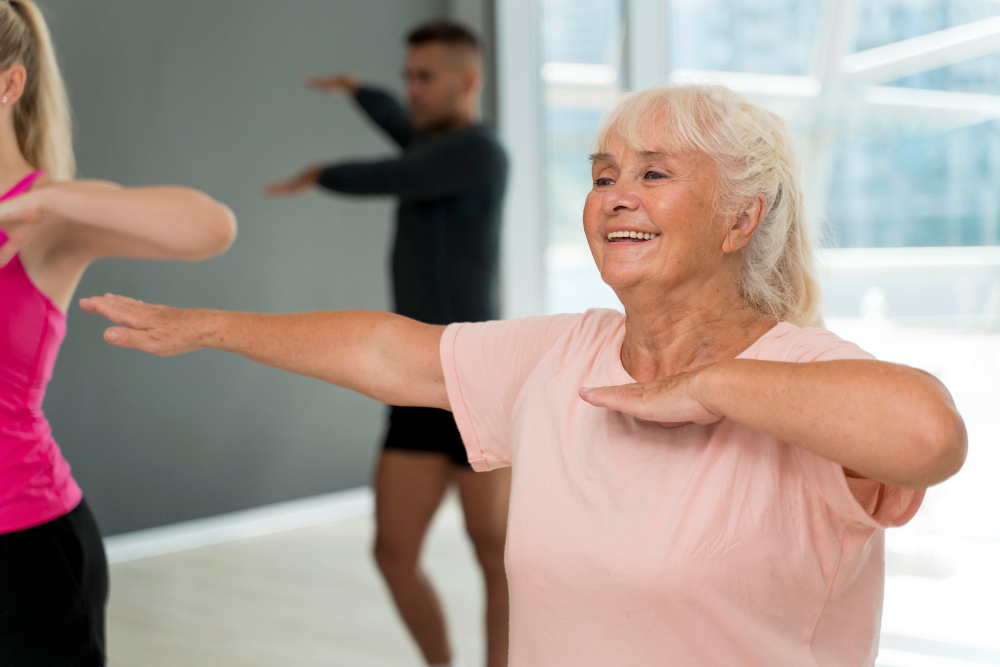
Dance is a low-impact, high-benefit way to stay physically active. It improves cardiovascular health, increases flexibility, strengthens muscles, and boosts coordination. It’s an effective workout that doesn’t feel like one because you’re focused on movement and enjoyment instead of reps and calorie counters.
For people who find the gym repetitive or unmotivating, dance offers an artistic, expressive way to stay fit and energized. Plus, dancing regularly has been shown to reduce stress and increase the release of endorphins, making it great for your emotional well-being too.
Expand Your Social Circle
Let’s be real—meeting people as an adult can be hard. Singles dance lessons offer a natural way to expand your social network with others who are also open to new experiences. In this environment, conversations start organically, connections are built through shared effort, and friendships are formed naturally over time.
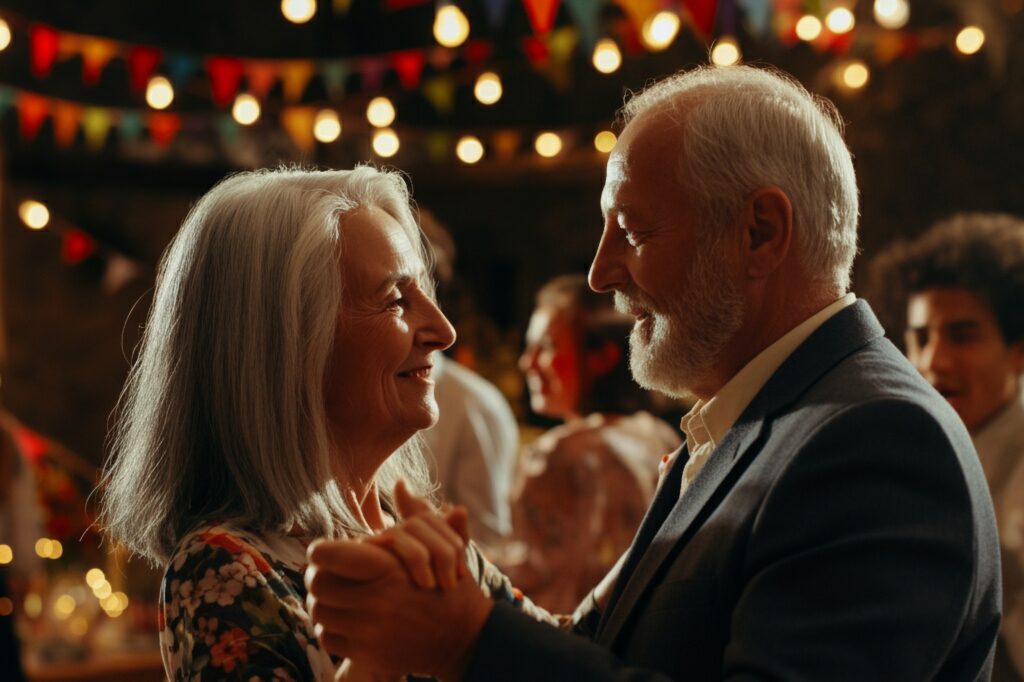
Many students report finding not only romantic partners but also lifelong friends, travel companions, and accountability buddies through dance programs. The dance floor becomes a place of shared joy, laughter, and connection.
The Structure of Singles Dance Lessons: What to Expect
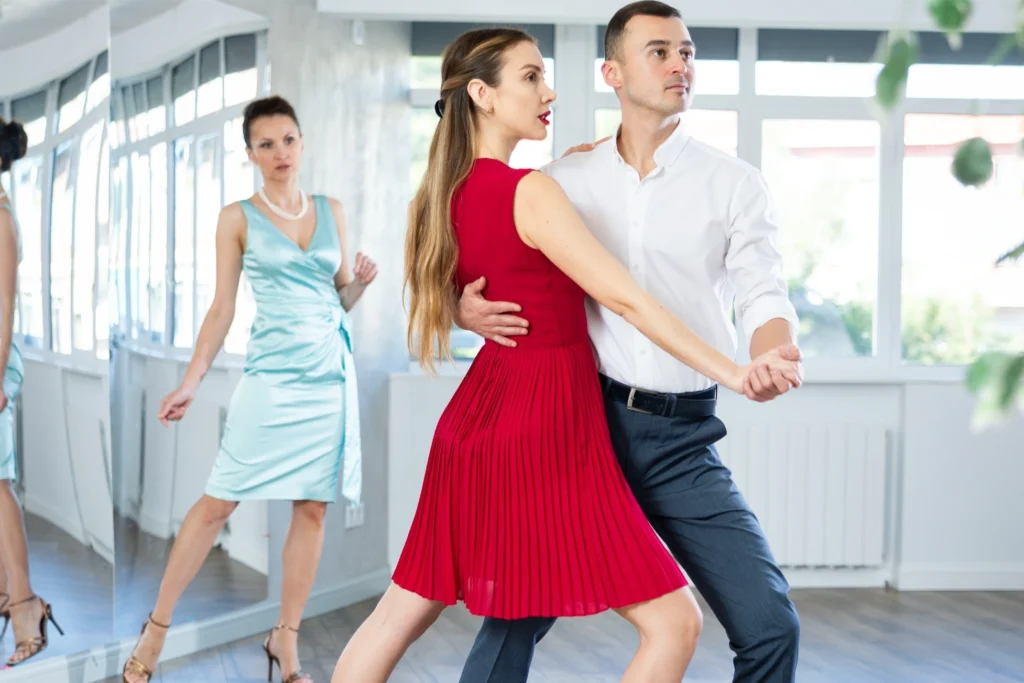
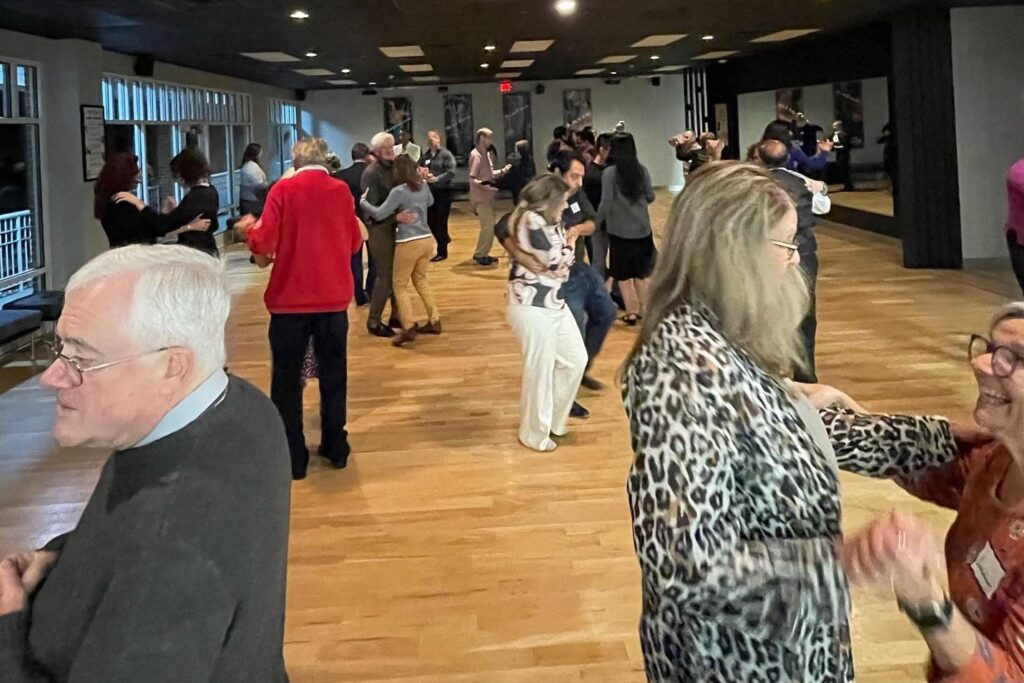
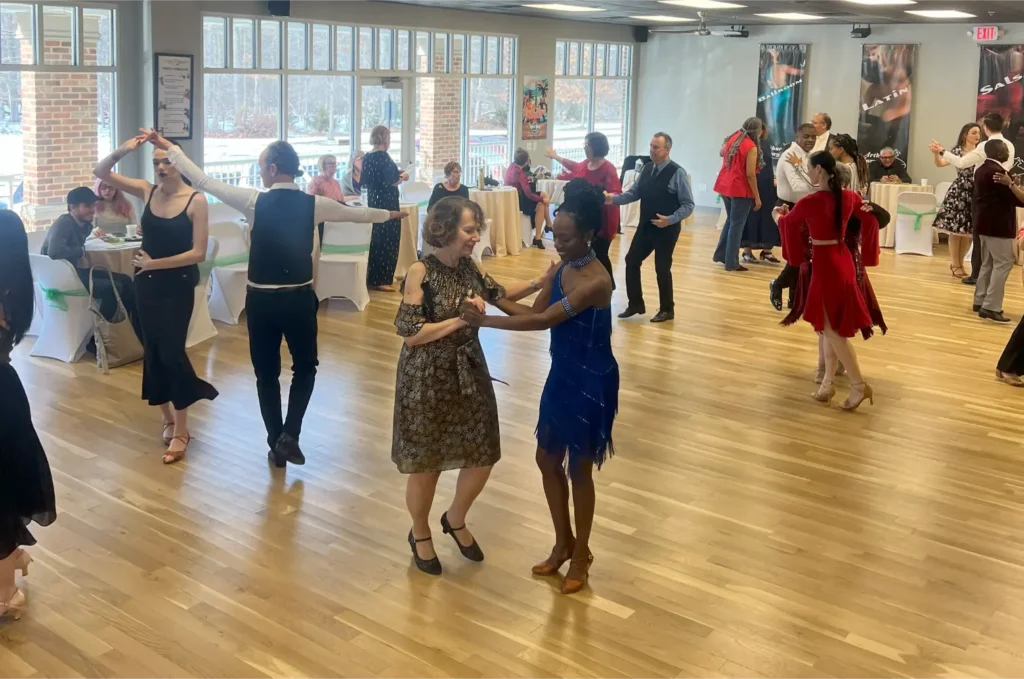
Most singles dance lessons follow a simple format: learn in a structured class, practice with guidance, then use the skills in a social setting. Studios typically offer a mix of private lessons, group classes with partner rotation, and practice parties, so you can build skill and confidence without needing a partner.
Private Lessons (Fastest Progress, Lowest Pressure)
- Who it’s best for: beginners, shy students, busy schedules, or anyone who wants faster improvement.
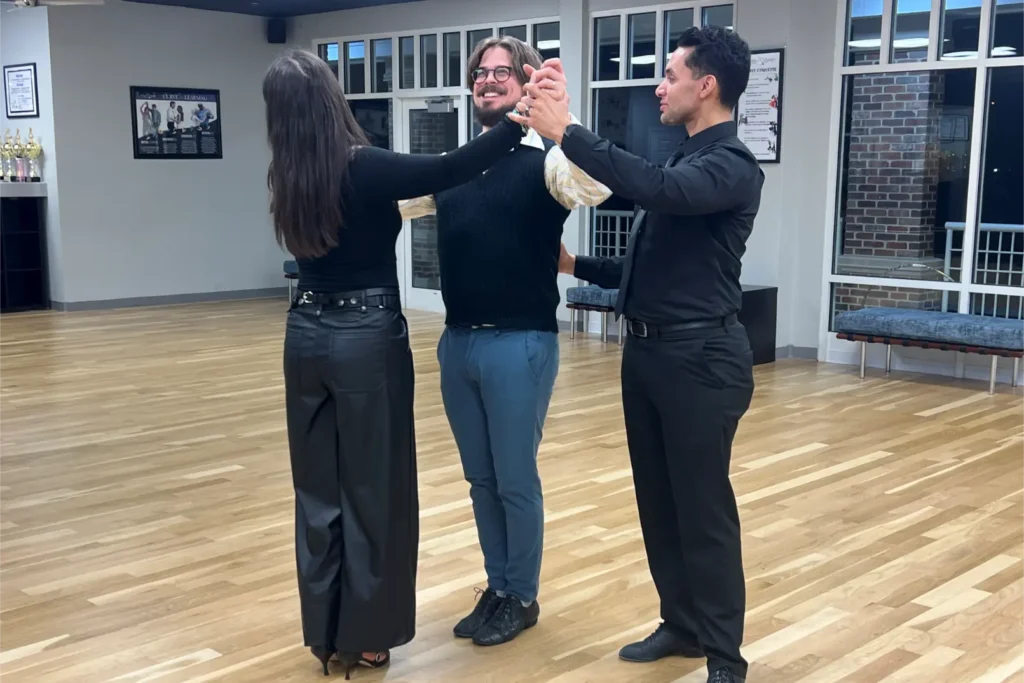
- How it works: your instructor becomes your partner and adjusts the lesson to your pace.
- What you’ll work on first: basic step, timing, posture/frame, and simple lead/follow cues.
- Why it helps: you get immediate corrections, so bad habits don’t stick.
Group Classes (Partner Rotation + Real Social Practice)
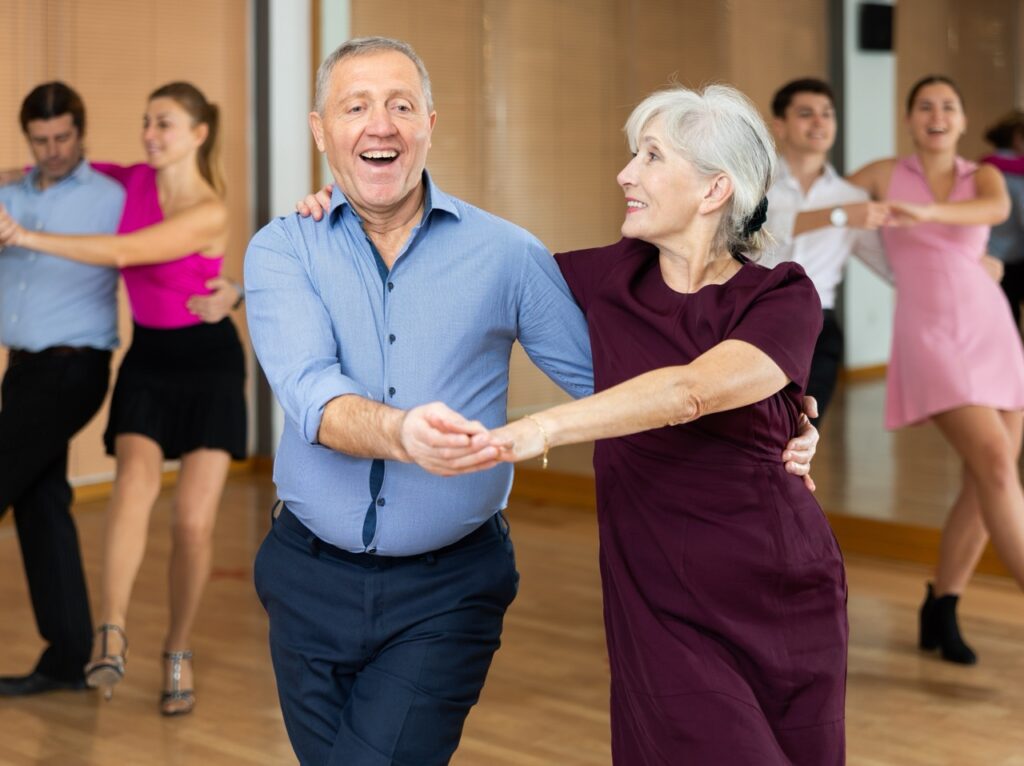
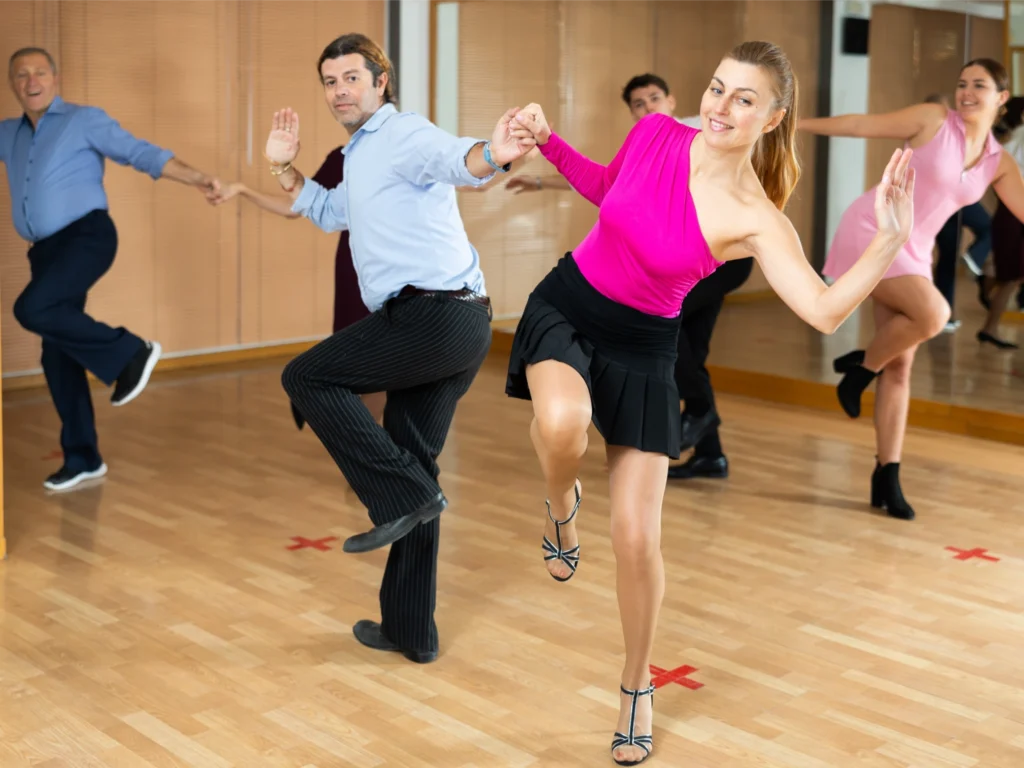
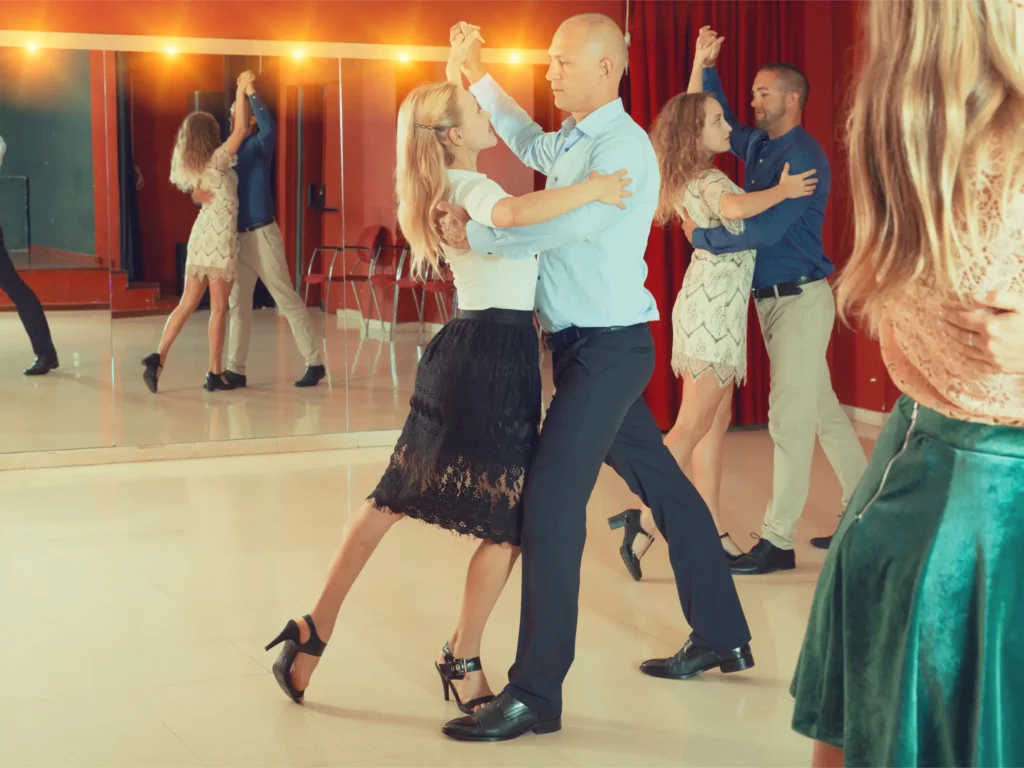
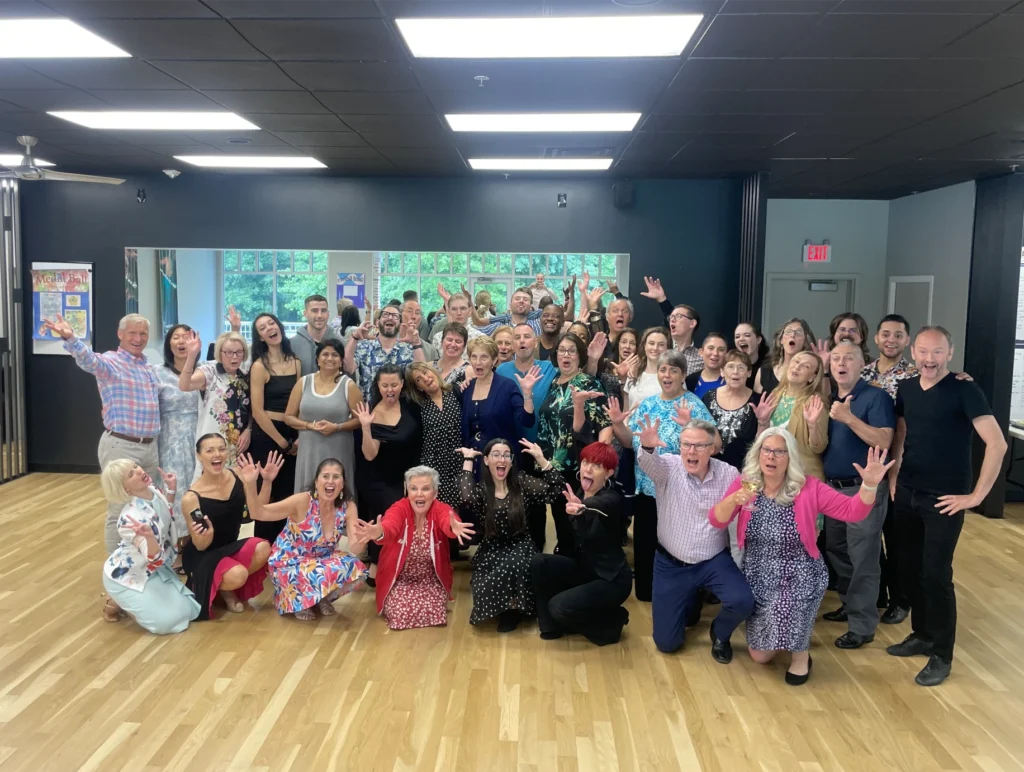
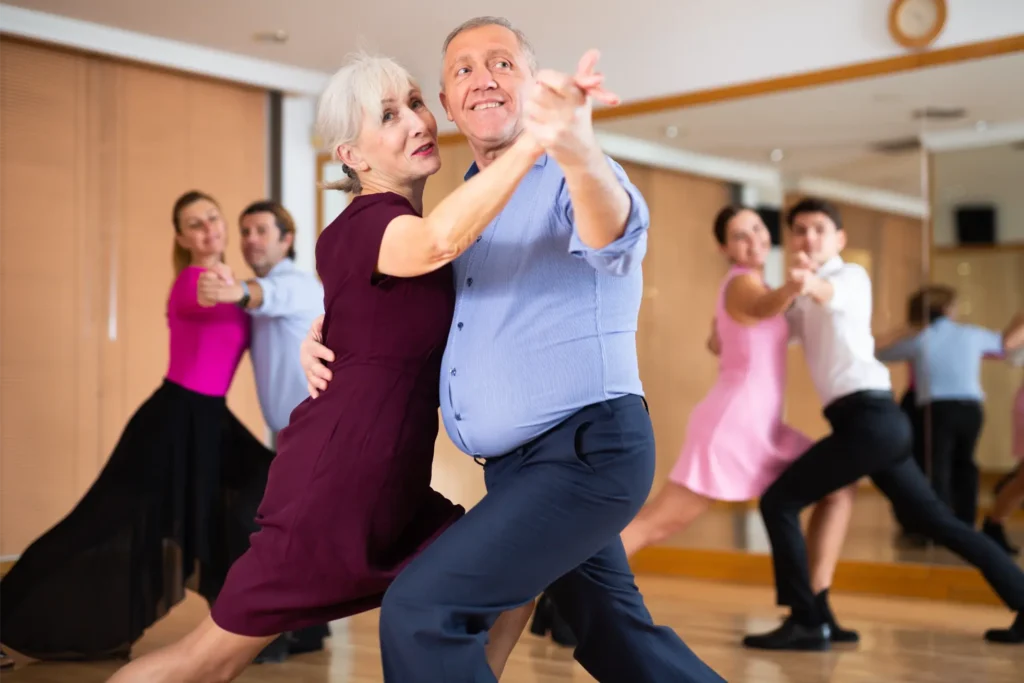
In most singles-focused group classes, you rotate partners every few minutes. That means you don’t get “stuck” dancing with one person, and you learn how to lead or follow with different styles—exactly like real social dancing.
- What you’ll do: learn a beginner pattern, repeat it with music, then add one small variation.
- What rotation teaches: comfort, adaptability, and confidence meeting new people naturally.
- If the numbers are uneven: instructors often step in, or rotations shift so everyone still gets turns.
Practice Parties (Where the Skill Becomes “Real”)
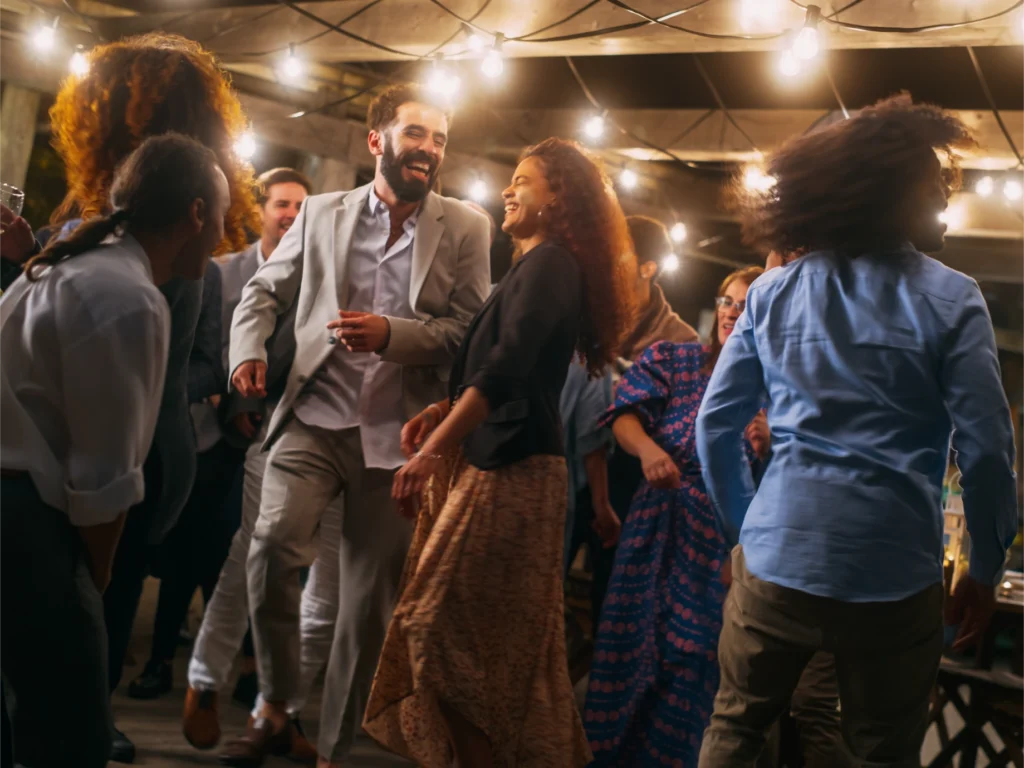
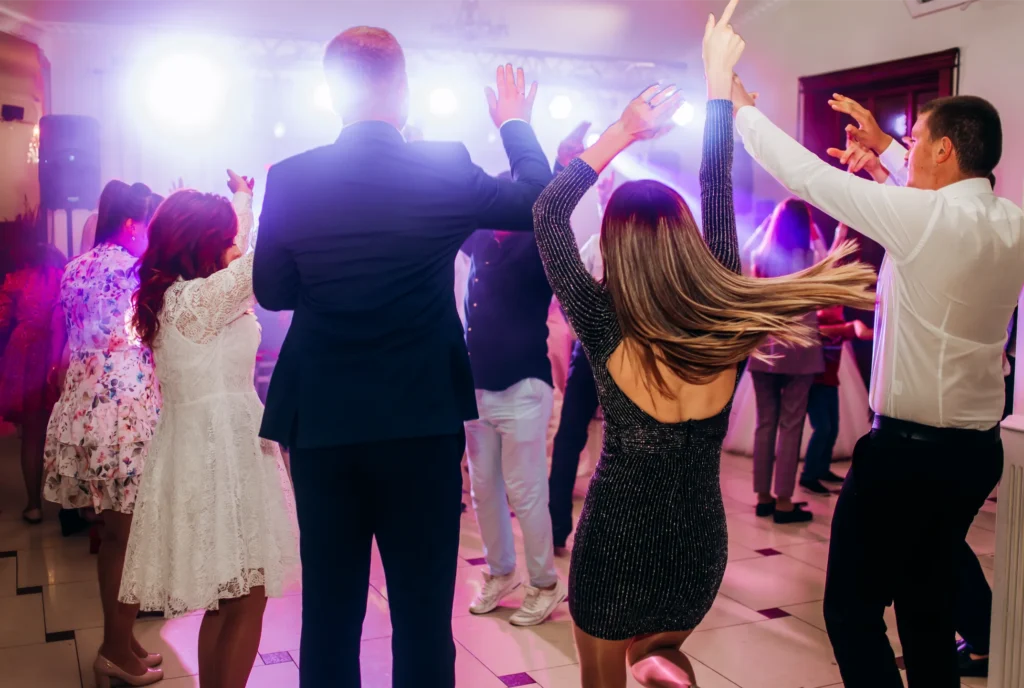
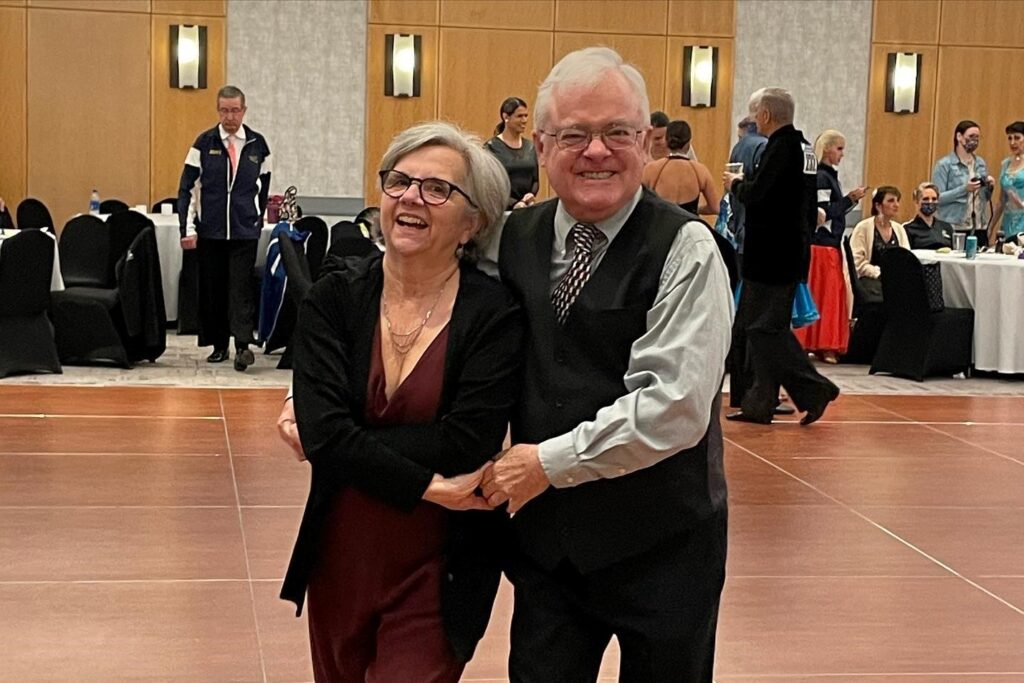
Practice parties are the bridge between “class” and “going out.” You dance to real music, in a real flow, with a friendly crowd—so your skills stop feeling rehearsed and start feeling natural.
- What to expect: a short warm-up lesson, then open dancing with classmates and instructors.
- Why it matters: you learn floorcraft, timing with different songs, and how to recover from mistakes.
- Best mindset: aim for comfort and connection, not perfection.
If you’re new, the quickest confidence boost usually comes from one beginner group class per week plus an occasional private lesson to clean up technique.
Dance Styles Popular Among Singles
One of the great things about singles dance programs is the range of styles you can try. You might start with a Latin dance and fall in love with ballroom or find your groove with swing after trying a few weeks of salsa.
Here are some of the most popular dances among singles:
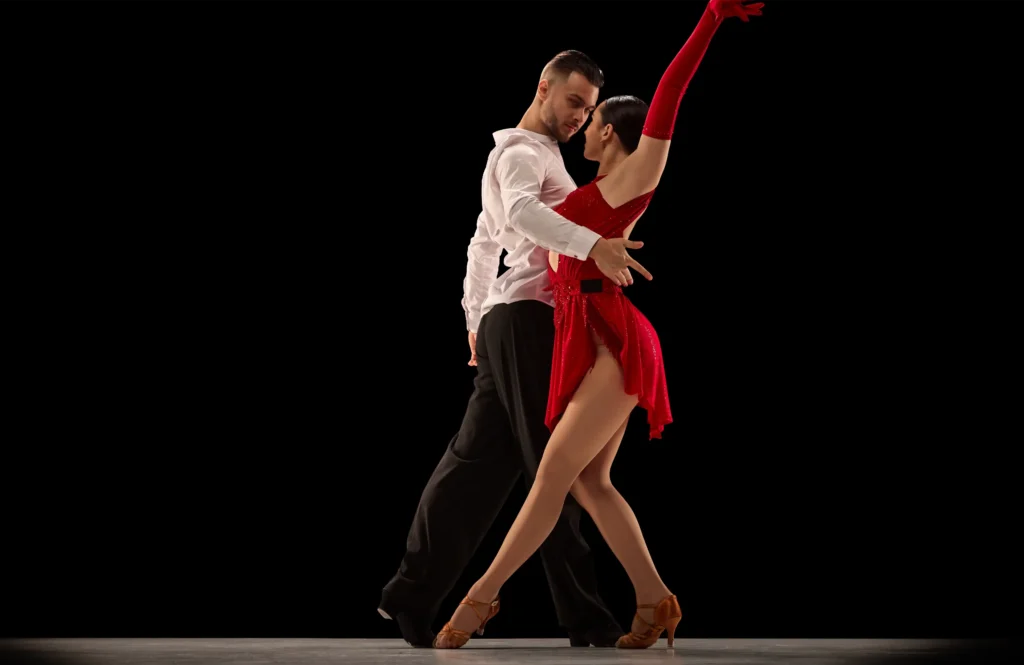
Salsa and Bachata
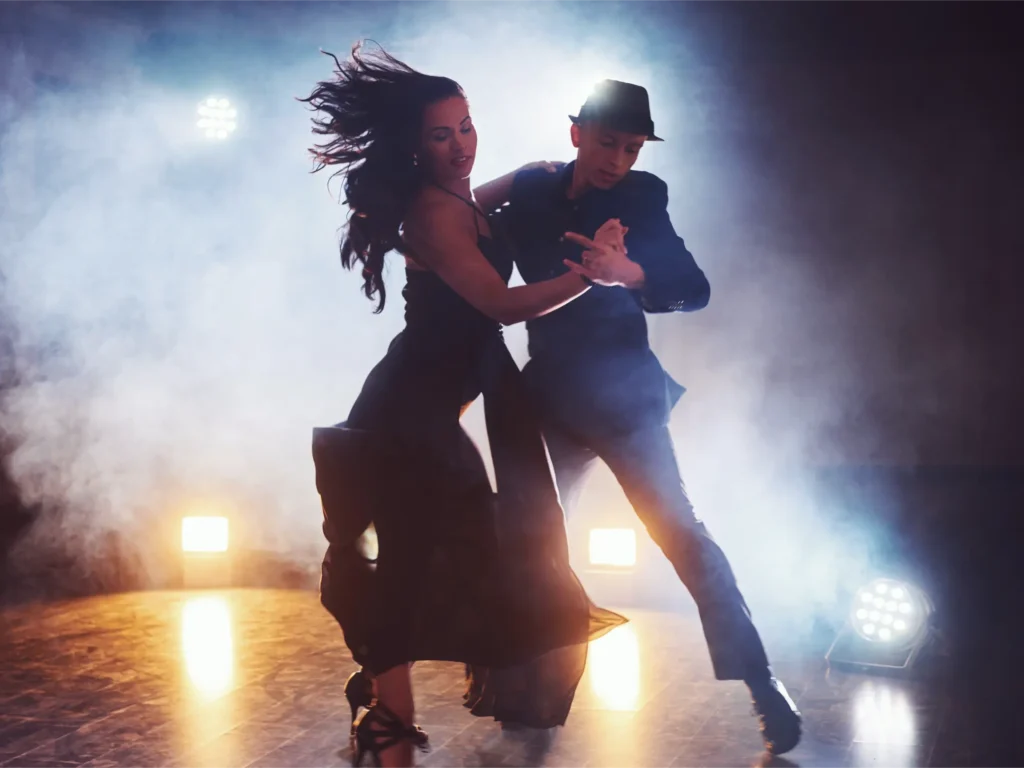
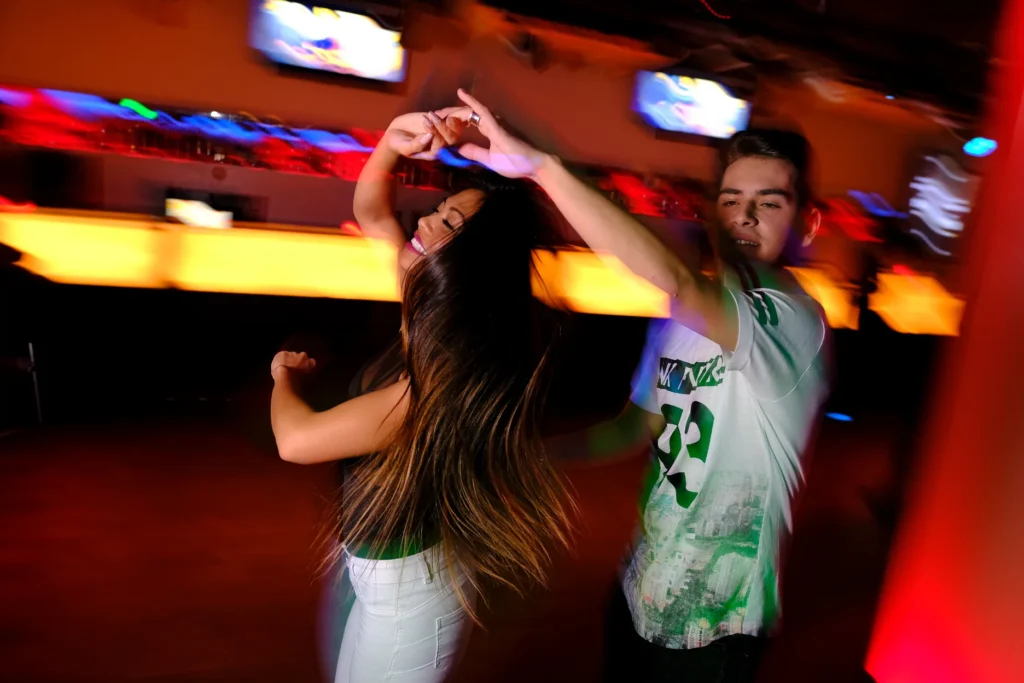
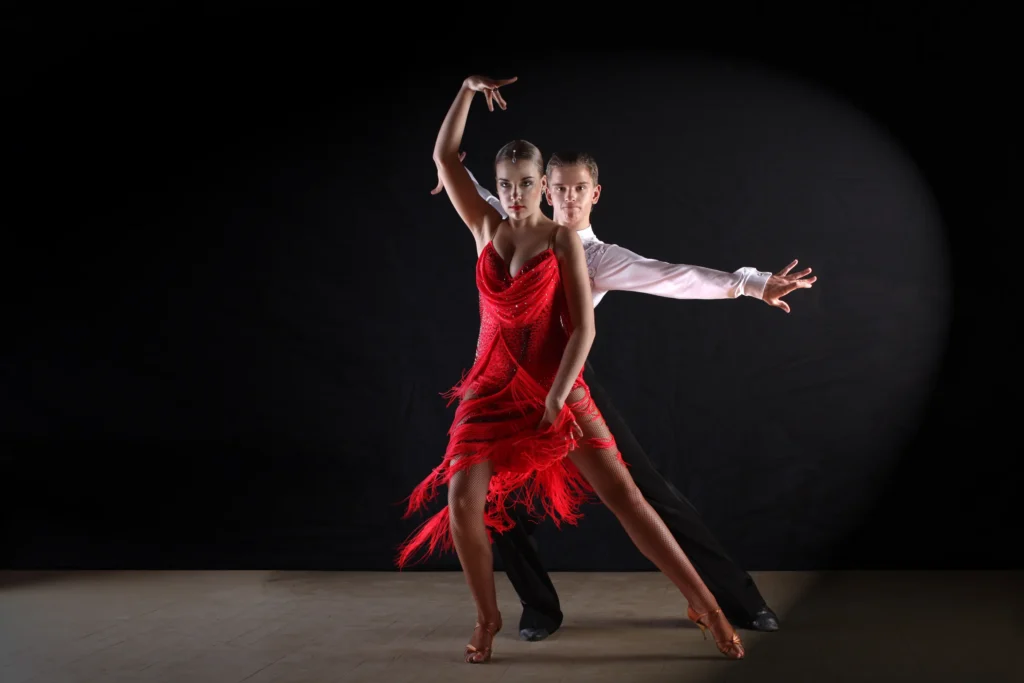
These Latin dances are sexy, high-energy, and incredibly social. The music is infectious, the rhythm is upbeat, and the movements are flirty and fun. These are great styles to start with if you enjoy lively atmospheres.
Swing and Lindy Hop
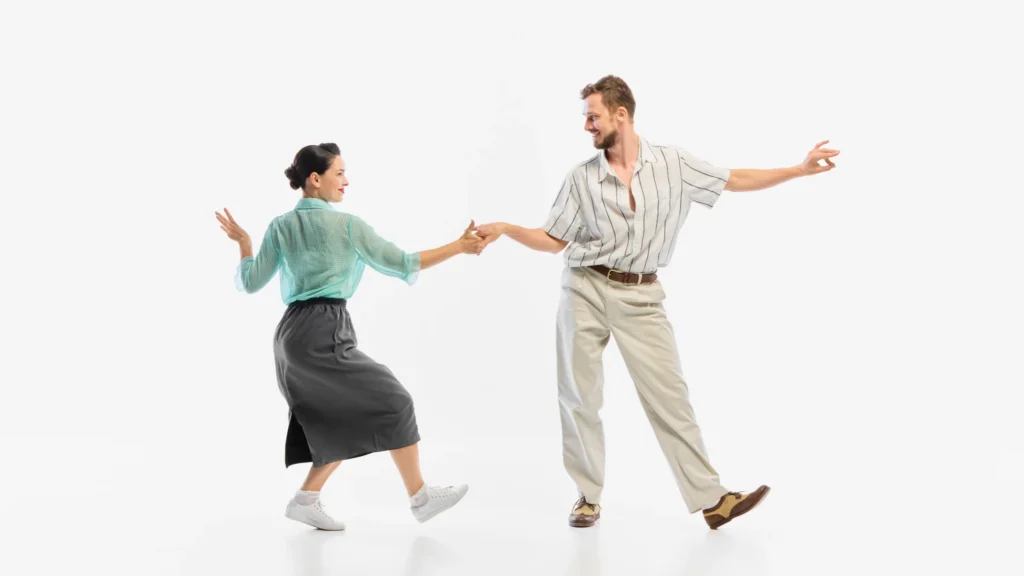
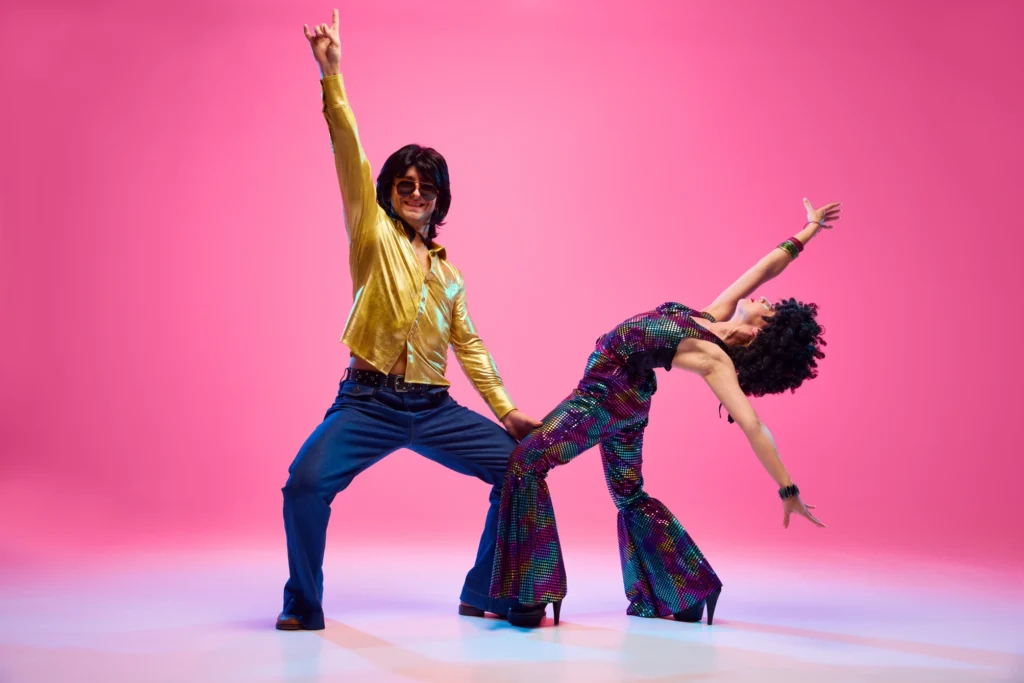
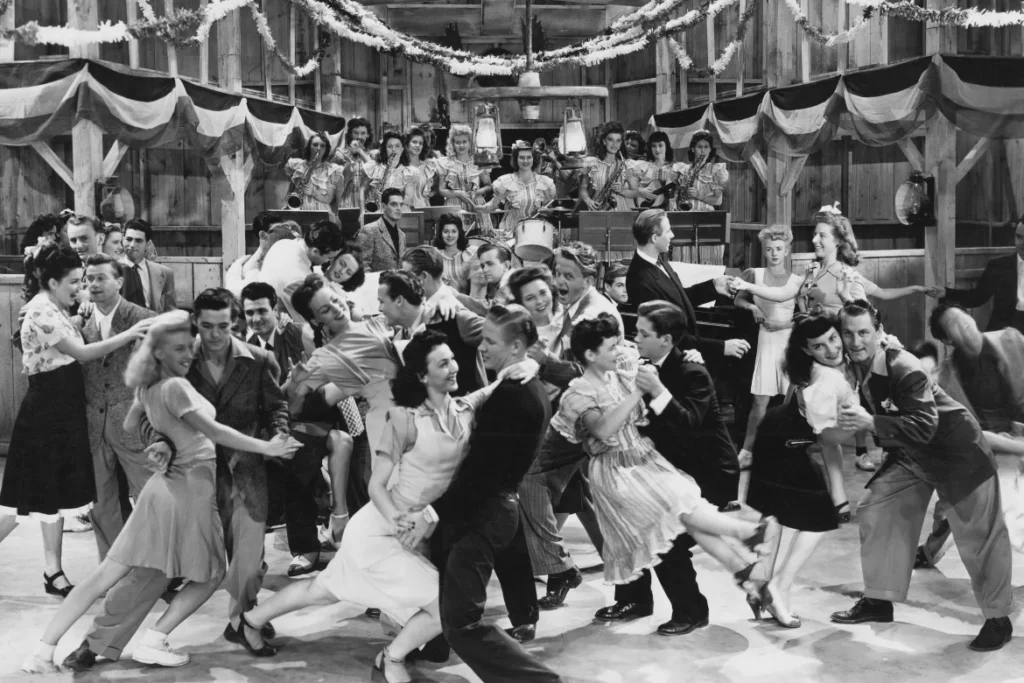
If you prefer something playful and vintage, swing dancing is full of bounce, improvisation, and style. It’s upbeat and joyful, with lots of opportunities for spontaneous expression.
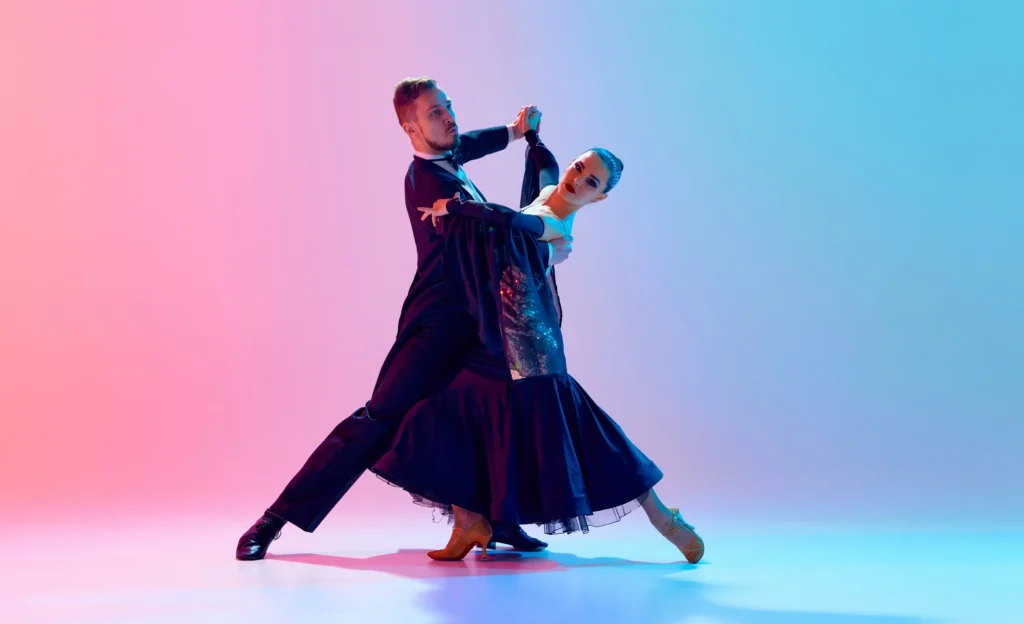
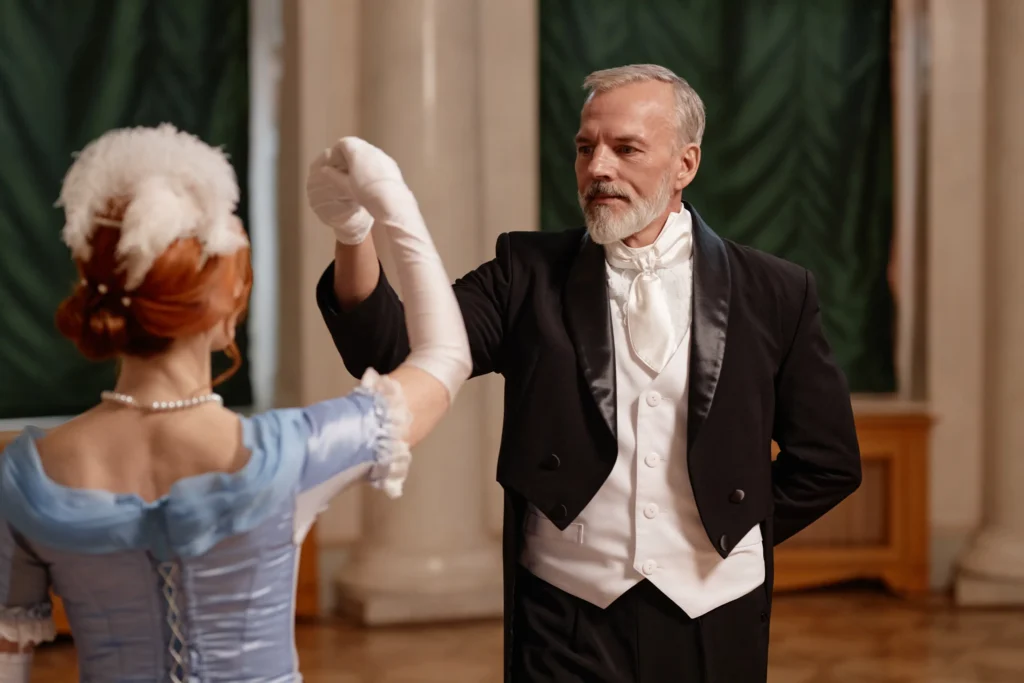
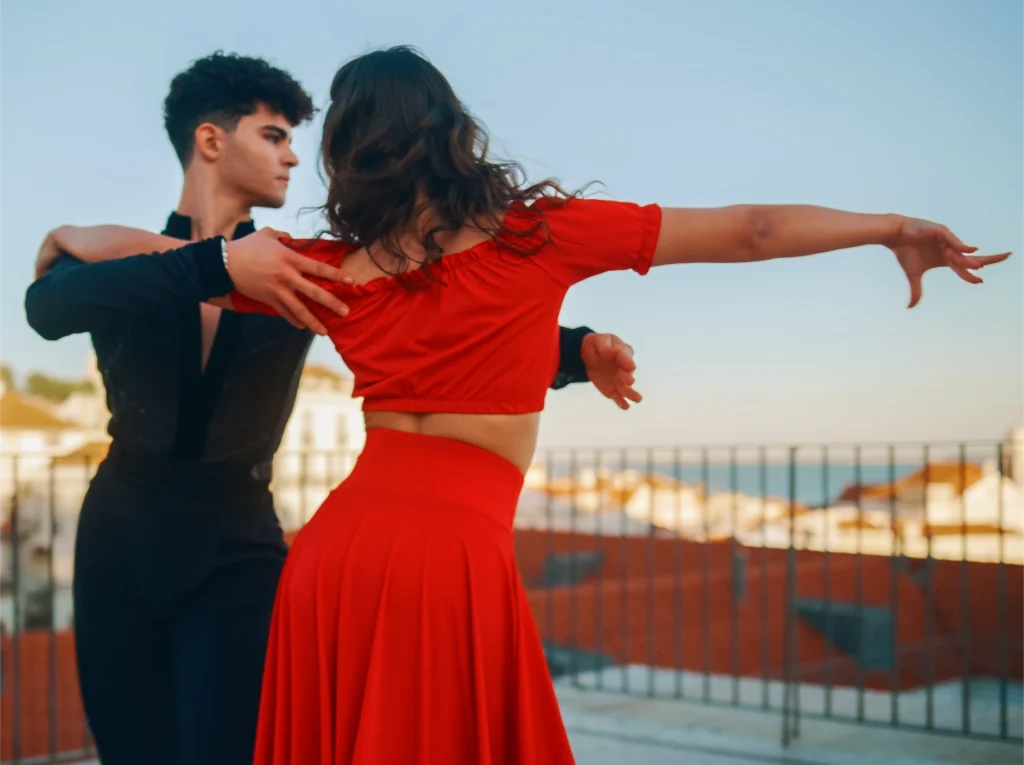
Ballroom Styles: Waltz, Tango, Foxtrot
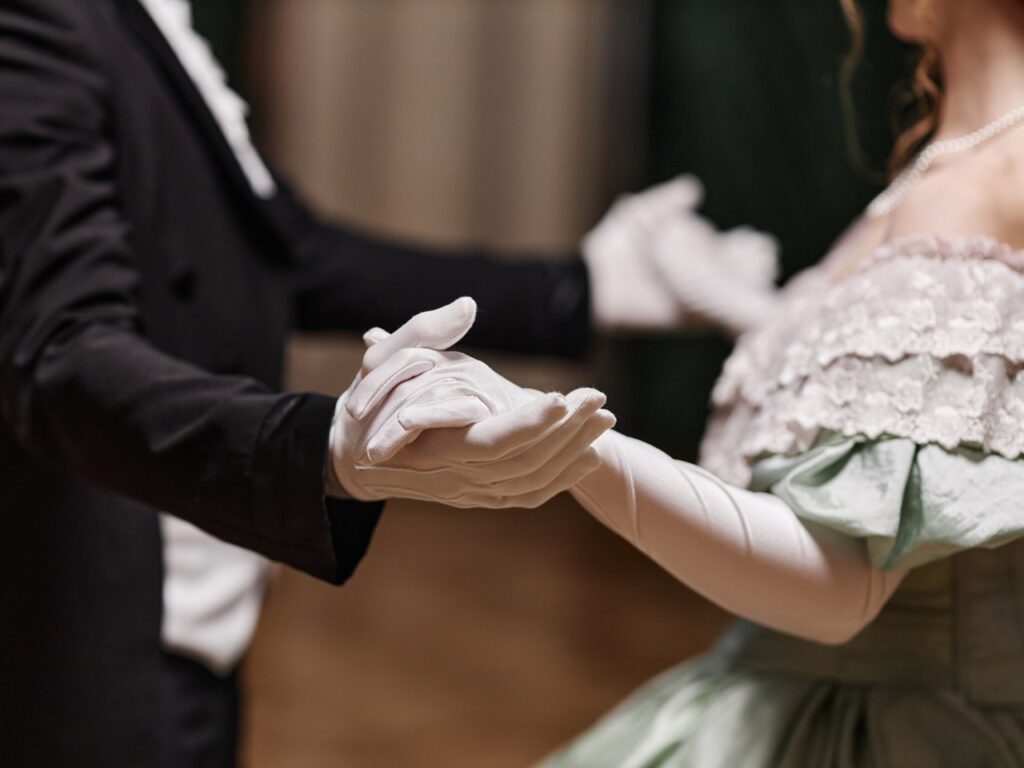
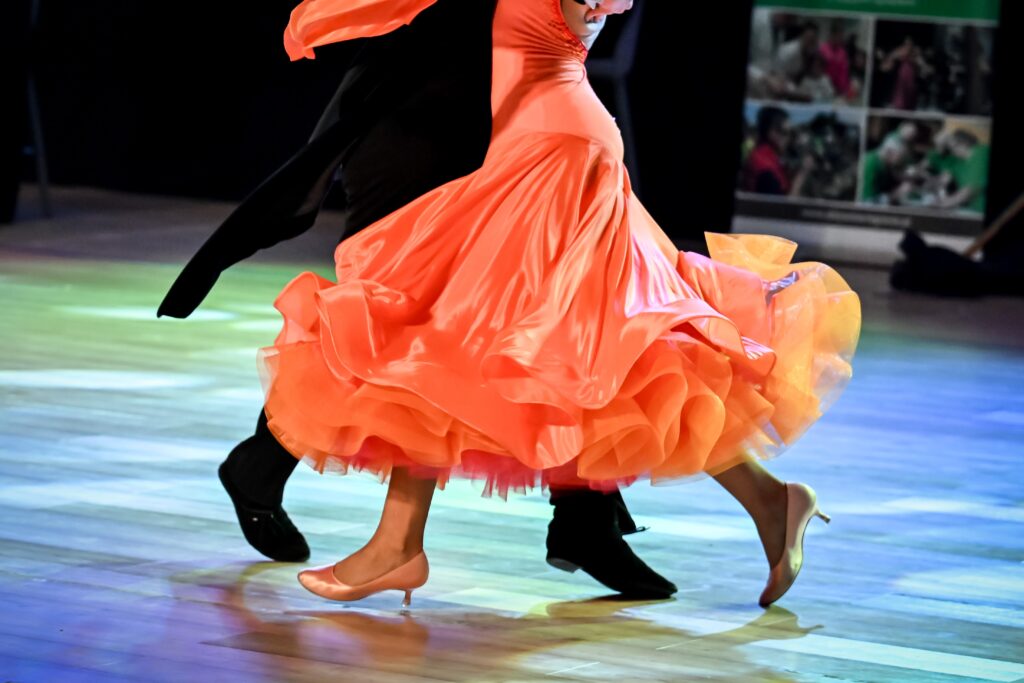
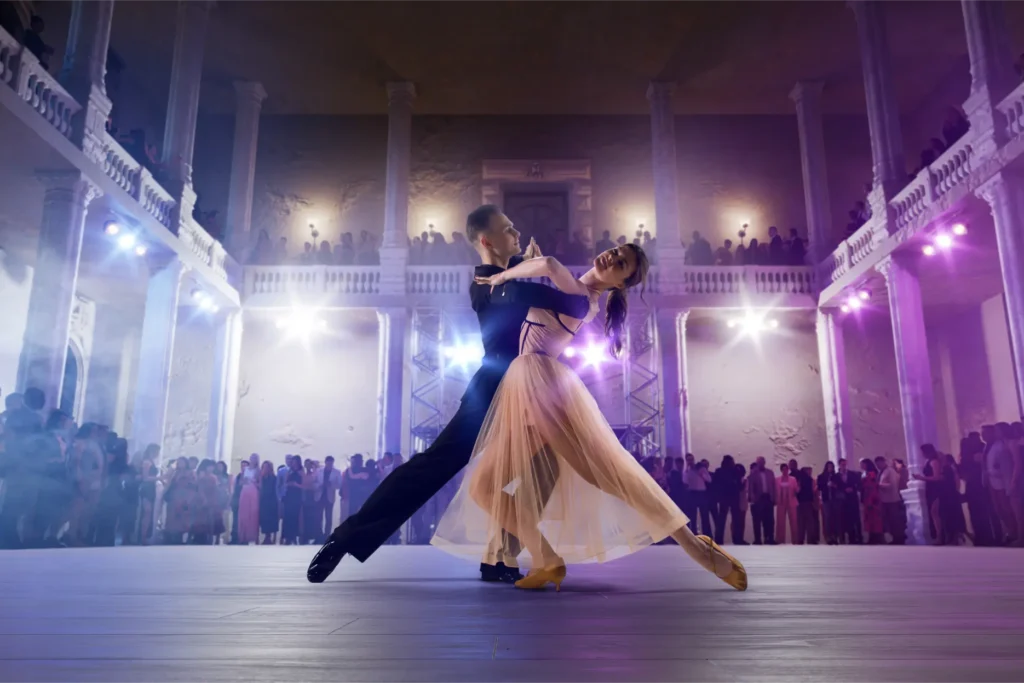
These elegant and flowing dances build grace and poise. They’re often slower-paced and ideal for anyone who appreciates classic sophistication. They also provide excellent training in body awareness and musicality.
Country Western and Line Dancing
Popular in many parts of the U.S., these dances are especially welcoming to beginners and don’t always require a partner. They’re casual, repetitive, and highly community-oriented.
Why Dance Lessons Are Perfect for Today’s Singles
Dance is a timeless form of expression—and in an era when many singles are tired of digital-only connection, it offers a refreshing, real-world alternative. It lets you be present, expressive, and seen.
Here’s why so many singles are trading screen time for dance time:
Natural Interaction Without Pressure
Dancing gives you a reason to interact with someone without needing an introduction or pretense. You’re there to dance, learn, and enjoy—so conversations and connections flow naturally.
Shared Experience Builds Trust
Dancing with someone is a form of nonverbal communication. When two people move in sync, trust and chemistry build. Sharing this kind of experience helps break down social walls more quickly than traditional social settings.
Every Class Is a Chance to Grow
Every lesson gives you a new skill, a boost of confidence, and a chance to meet someone. And because it’s active and fun, it doesn’t feel like you’re “trying” to meet someone—you’re simply enjoying yourself and letting things happen naturally.
Conclusion: Dance Alone, Connect Together
Singles dance lessons are about so much more than steps and spins—they’re about self-expression, joy, connection, and personal transformation. Whether you’re looking to find your rhythm, meet new people, or simply break up your routine, dance lessons offer a doorway into a richer, more connected life.
With options like private lessons for personal growth, group classes for fun and friendship, and social parties to dance the night away, there’s something for every personality and comfort level. No partner? No experience? No problem. The dance floor is waiting—just bring yourself and a willingness to move.
You don’t need a special reason to start. You only need to take the first step.
FAQs
Do I need a partner to attend singles dance lessons?
Not at all! Singles dance lessons are specifically structured for solo attendees. Partners are rotated regularly during group classes, so you’ll get to dance with a variety of people.
Which format is best for beginners: private or group lessons?
Private lessons are great for focused, personalized learning, while group classes are perfect for meeting others and building confidence socially. Most people benefit from a mix of both.
What should I wear to class or a dance party?
Comfortable, breathable clothes are key. Shoes should have smooth soles—dance shoes or even dress shoes are ideal. Avoid sneakers with rubber soles or open-toed sandals.
Are social dance parties only for advanced dancers?
Not at all! Social parties welcome all levels, and they’re one of the best ways to practice, meet people, and get more comfortable on the floor. Everyone is there to enjoy and learn.
I’m not very coordinated—can I still dance?
Yes! Coordination improves with practice. Most people who think they have “two left feet” just need the right instruction and encouragement. Dance is about progress, not perfection.