The Spanish bolero was originally a theatrical solo performance in 3/4 time, yet almost every modern student learns it as a 4/4 partner dance. This is a total rhythmic contradiction that often leaves beginners tripping over their own feet. If you’ve ever felt “stuck” trying to find the weightless glide of the dance or confused by why it feels like a Rumba with a Waltz’s soul, you’re actually battling 200 years of technical evolution.
In this article, you’ll discover how the 1883 Cuban revolution led by Pepe Sánchez transformed the bolero by replacing castanets with a soulful 4/4 rhythm. You’ll also learn the biomechanics behind the dancer’s signature “rise and fall” and how to distinguish a social slow dance from a competitive masterpiece.
Key Takeaways
- The Bolero dance began in late-18th-century Spain as a theatrical solo performance in 3/4 time, often accompanied by castanets and classical Spanish styling.
- In 1883, José “Pepe” Sánchez helped transform bolero in Cuba by introducing a slower 4/4 rhythm, turning it into a deeply romantic partner dance tied to the trova music tradition.
- As the dance spread across Latin America and later to the United States, it evolved into a ballroom style that blends elements of Rumba and Waltz.
- Modern ballroom Bolero is known for its signature “rise and fall” technique combined with Latin hip motion, creating a smooth, floating movement across the floor.
- While Bolero shares similar footwork with Rumba, it emphasizes romance, sweeping motion, and lyrical expression rather than playful or grounded action.
The Spanish Origins of the Bolero Dance
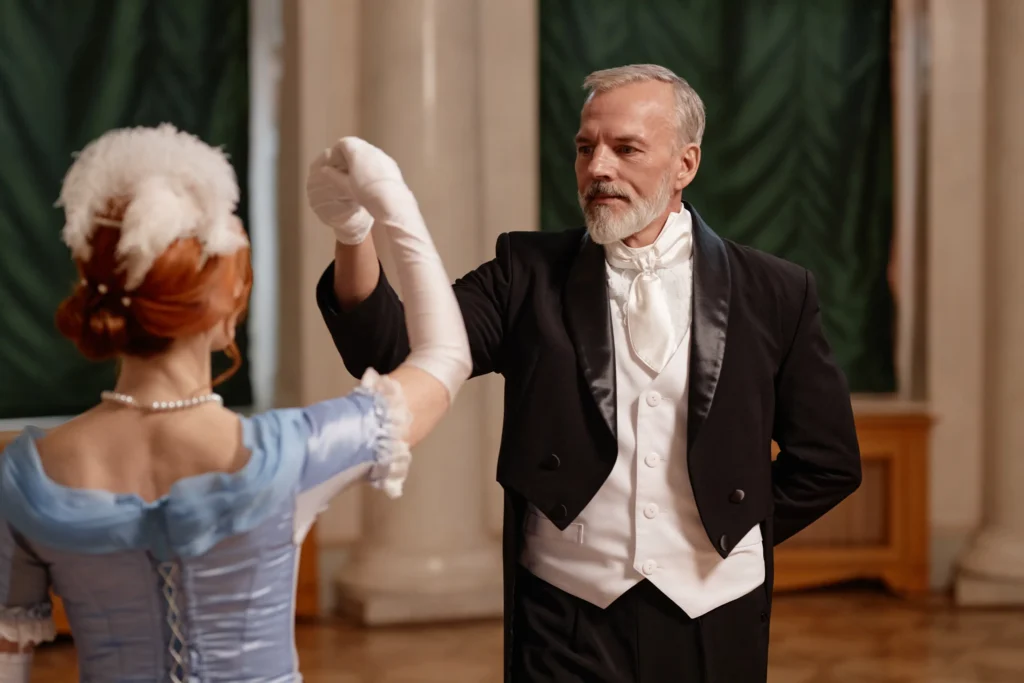
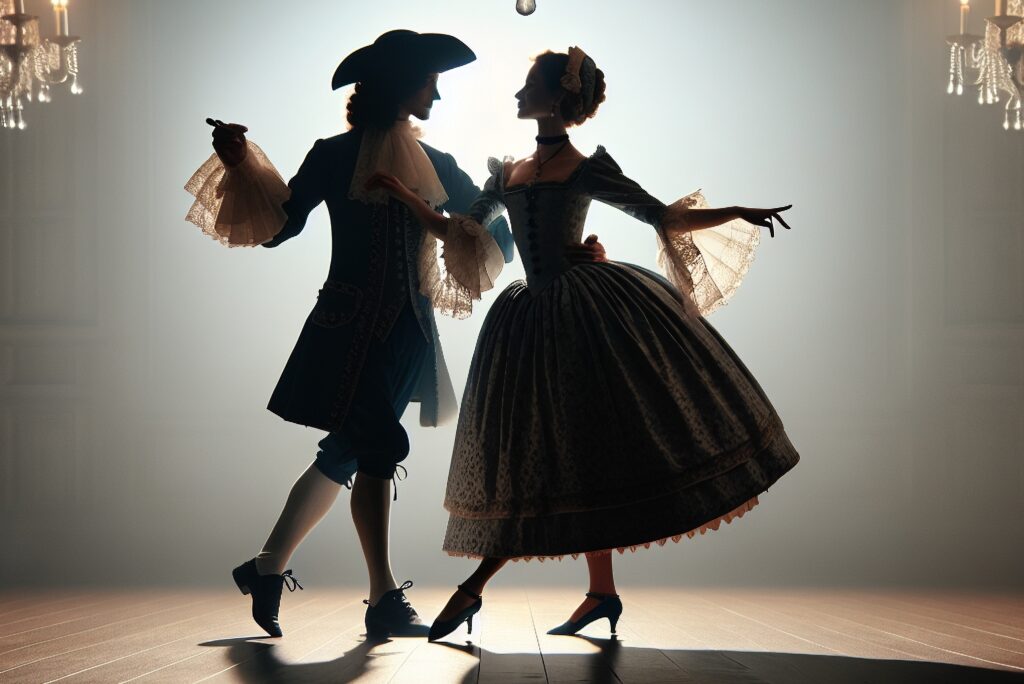
To trace the lineage of this tradition, we must look back to Spain in the late 1700s. During this era, the Spanish cultural identity was asserting itself against French influence, leading to a revival of traditional arts. The Spanish bolero emerged as a courtly dance, blending the elegance of classical ballet with the earthy, rhythmic fire of traditional Spanish folk styles. Originally, to dance a bolero in the Spanish tradition meant performing to a 3/4 time signature, accompanied by the sharp, rhythmic clatter of castanets and the melodic strumming of the Spanish guitar.
The Influence of Sebastián Cerezo
Many historians point to the legendary dancer Sebastián Cerezo as the man who formalized the Spanish bolero around 1780. Before his influence, the movements were largely improvisational and regional. Cerezo brought a level of technical discipline to the form, incorporating the majismo style—a celebration of Spanish working-class swagger elevated to high art. Under his influence, the movements became more vertical, emphasizing the “rise and fall” that would much later become a hallmark of American ballroom styles, though in a much more rigid and classical context.
The Transition from Folk to Fine Art
As the 18th century gave way to the 19th, the Spanish bolero migrated from the town square to the grand stages of the world’s most prestigious opera houses. Composers like Frédéric Chopin and Maurice Ravel eventually immortalized the rhythm in their compositions, though Ravel’s famous Boléro actually utilizes a 3/4 ostinato that differs significantly from the later Latin American iteration. In this European context, the dance was a solo or ensemble performance of intricate footwork and arm styling, far removed from the close-embrace partner dance we recognize today.
The Role of Castanets and Rhythm
One cannot discuss the Spanish origins without mentioning the specific rhythmic structure. The 3/4 meter was often accented by a triplet on the second beat, creating a distinctive “rolling” feel. This technical complexity required dancers to have immense coordination, as they were often playing their own percussion while maintaining the upright, aristocratic posture of the Spanish court. This early period established the “aristocratic” soul of the dance—an element of dignity that has never truly left the genre, regardless of how much the music changed.
The Cuban Revolution: A Change in Time and Temperament
While Spain provided the name and the initial spark of elegance, it was Cuba that gave the bolero its modern heart. In the mid-to-late 19th century, the Spanish bolero arrived in Cuba, where it underwent a radical transformation. The 3/4 time signature of the Spanish courts met the African-influenced syncopation of the Caribbean, resulting in a shift to a 2/4 or 4/4 time signature. This transition was revolutionary, as it allowed for a slower, more languid tempo that prioritized romantic lyrics and a deeper, more intimate connection between partners.
Pepe Sánchez and the Birth of the Bolero-Trova
The “father” of the Cuban bolero is widely considered to be José “Pepe” Sánchez. A tailor by trade but a musician by heart, Sánchez composed “Tristezas” in 1883, which is generally cited as the first true Cuban bolero. Unlike the theatrical Spanish version, this was music for the people—specifically, for the trova (troubadour) tradition. These were songs of unrequited love, jealousy, and poetic devotion. The focus shifted from the feet to the feeling, creating a musical landscape that demanded a new way of moving.
The Emotional Core of Bolero Dancing
As the music slowed down, the physical expression changed to match the simmering tension of the lyrics. In this era, bolero dancing became a social ritual of courtship. Partners moved in a closer embrace than ever before, using subtle weight shifts and slow, deliberate steps to navigate the dance floor. The Caribbean influence introduced a soft “Cuban motion”—a rhythmic swaying of the hips caused by the alternate bending and straightening of the knees. This added a layer of sensuality that was absent from the more rigid Spanish version, turning the dance into a whispered conversation between two people.
The Golden Age of Mexican and Cuban Cinema
By the 1940s and 50s, the Cuban bolero had spread across Latin America, finding a secondary home in Mexico. The rise of the “Trio” music style, characterized by three-part harmonies and the intricate lead guitar work of the requinto, made the bolero the dominant romantic soundtrack of the Spanish-speaking world. Films of this era often featured long, cinematic sequences of couples dancing in dimly lit cabarets. This media exposure standardized the “look” of the dance—a combination of sharp, sophisticated attire and a movement style that was as smooth as the velvet voices of singers like Lucho Gatica or the Trío Los Panchos.
The American Ballroom Evolution: The “Dance of Love”
The third major stage in the evolution of this dance occurred when it was imported into the United States and integrated into the competitive ballroom circuit. In the mid-20th century, dance masters looked at the various Latin styles and sought to categorize them for teaching and competition. The bolero was placed in the “American Smooth” or “American Rhythm” categories, depending on the specific curriculum, and it was refined into a highly technical, expressive art form that combined elements of Rumba, Waltz, and Tango.
The Technical Requirements of the Modern Bolero Dancer
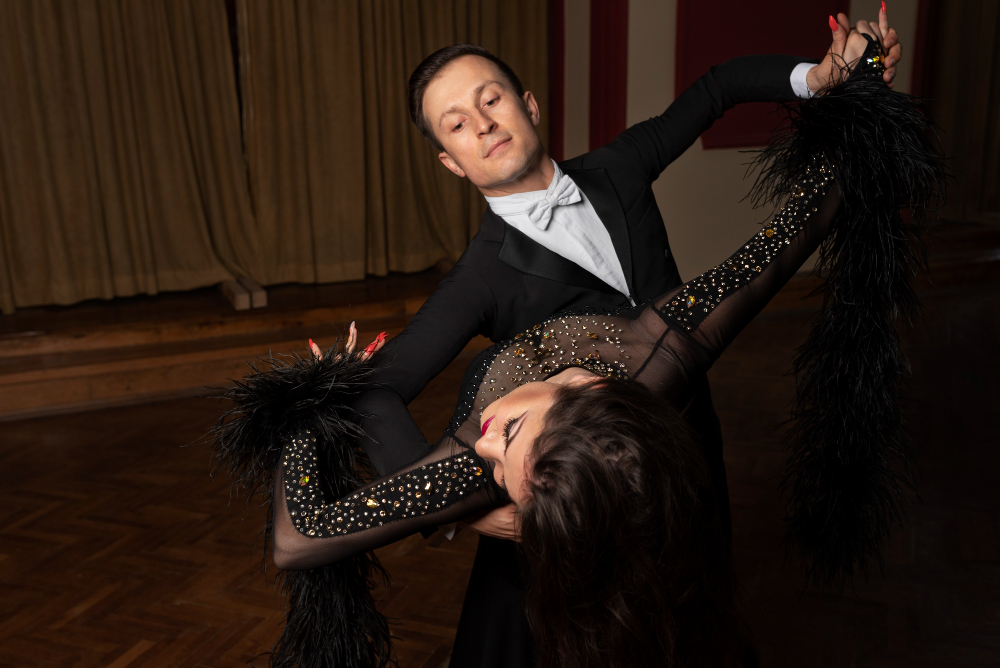
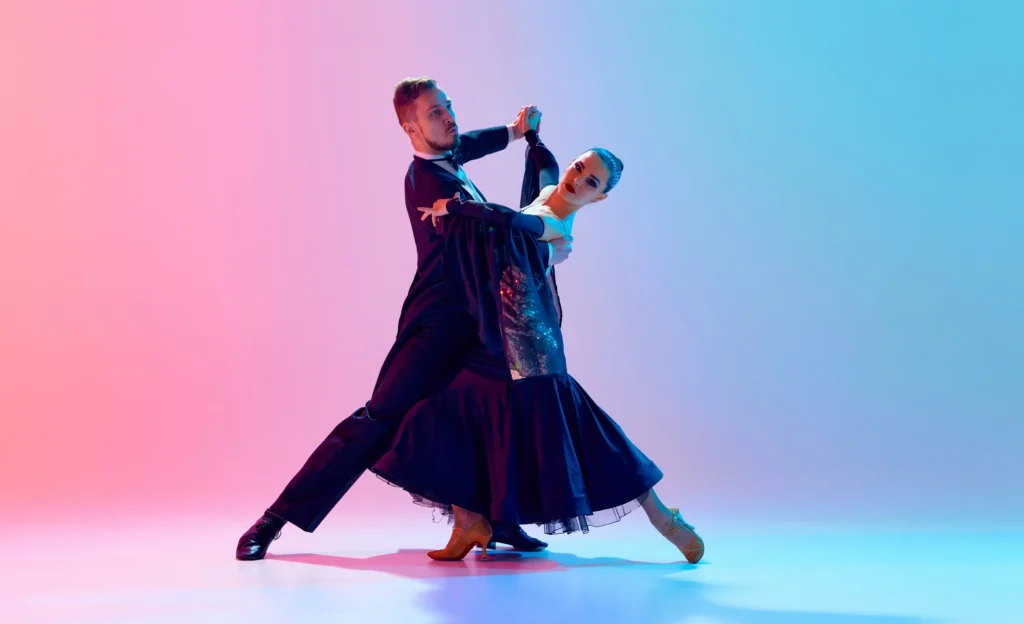
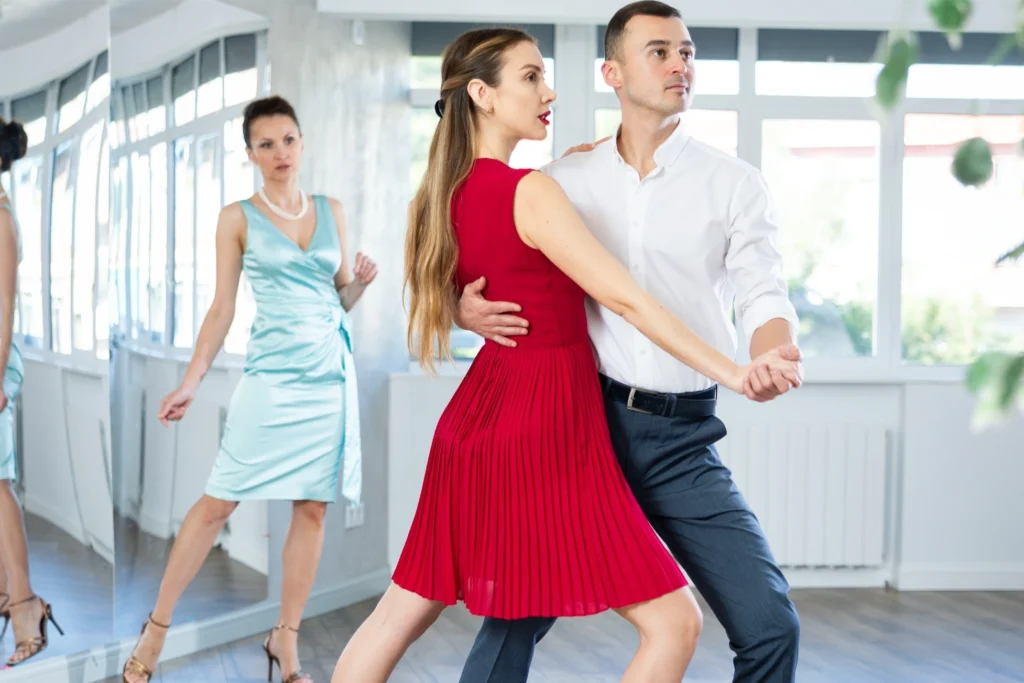
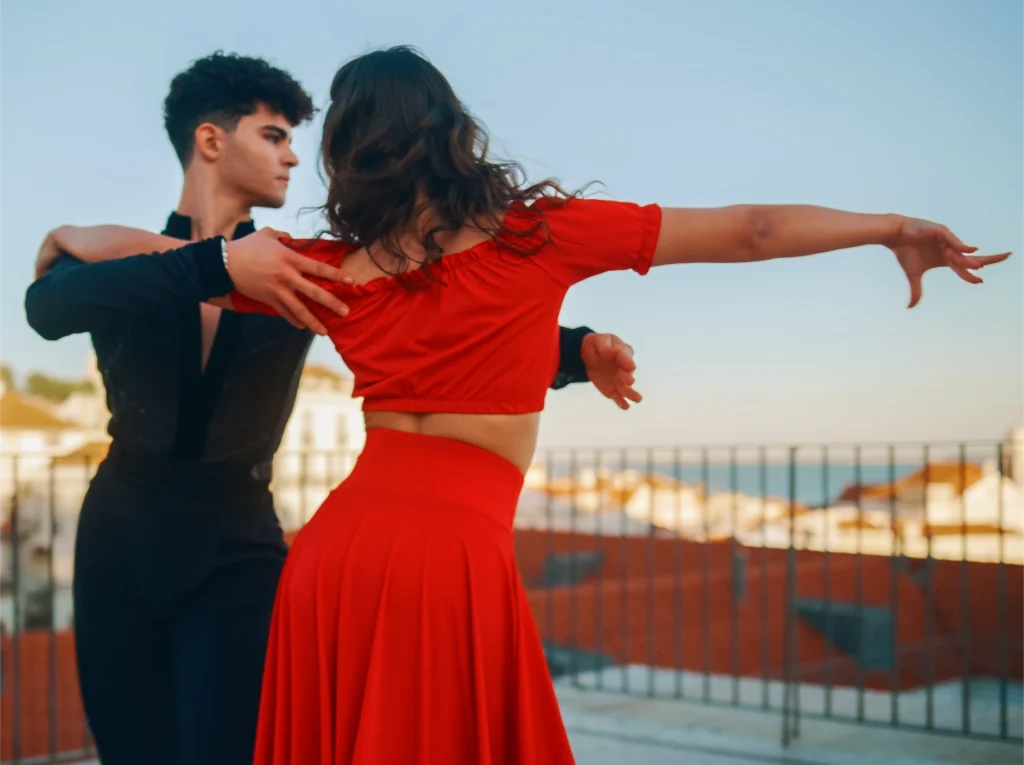
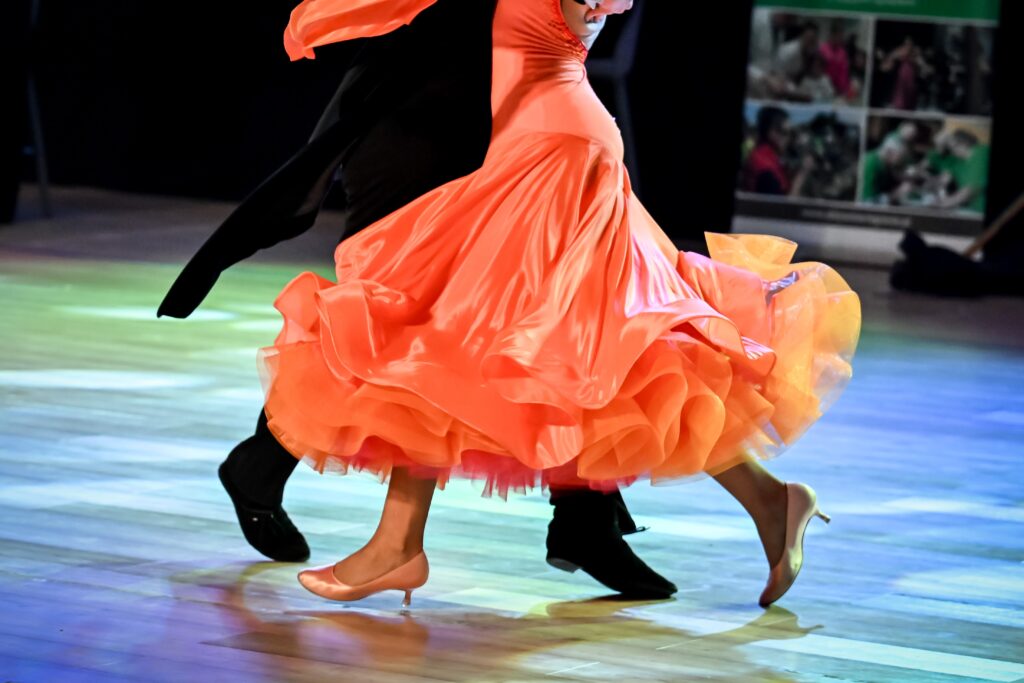
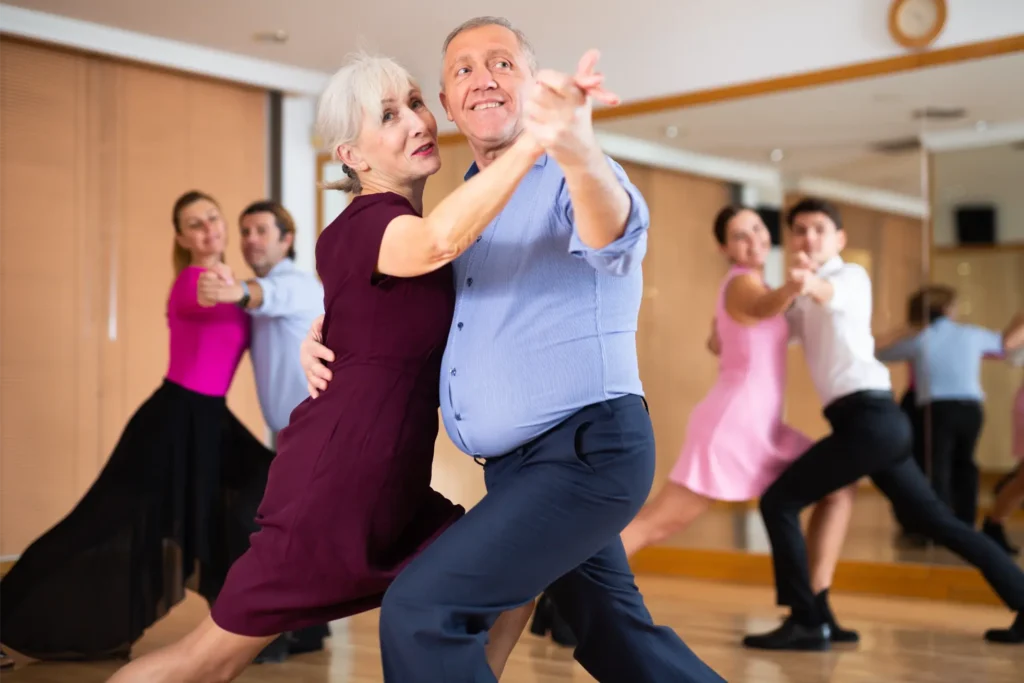
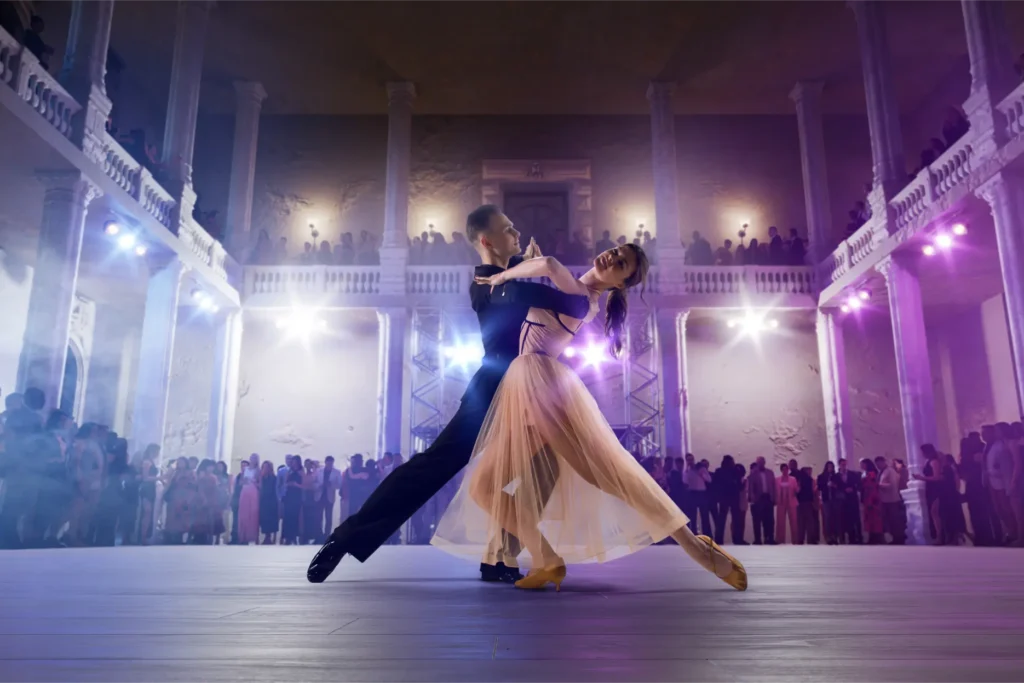
In the contemporary ballroom world, the bolero dancer must master a unique blend of mechanics. While the Rumba is earthy and the Waltz is airy, the Bolero is a hybrid of both. It utilizes the “rise and fall” action usually reserved for ballroom dances like the Waltz, but it maintains the Latin hip action and the 4/4 timing of the Rumba. This makes it one of the most difficult dances to master. A dancer must be able to stretch their body to the limit, creating long, beautiful lines while maintaining a slow, controlled tempo that leaves no room for error.
The “Slow-Quick-Quick” Rhythm
The modern competitive version is typically danced to a “Slow-Quick-Quick” rhythm. The “Slow” step is often taken with a slight “drop” into the knee, followed by a powerful “rise” on the “Quick-Quick” steps. This creates a breathing, wave-like motion on the dance floor. Because the music is so slow—typically between 96 and 104 beats per minute—the dancers must possess incredible balance and core strength. The goal is to make the movement look effortless, as if the couple is floating through a sea of romantic tension.
Bolero vs Rumba
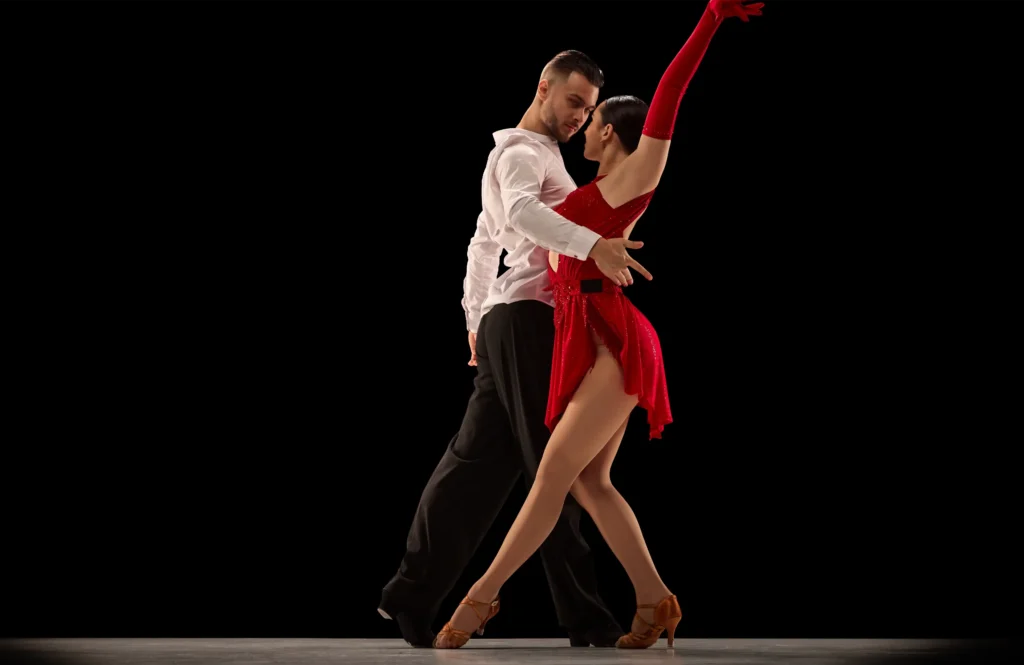
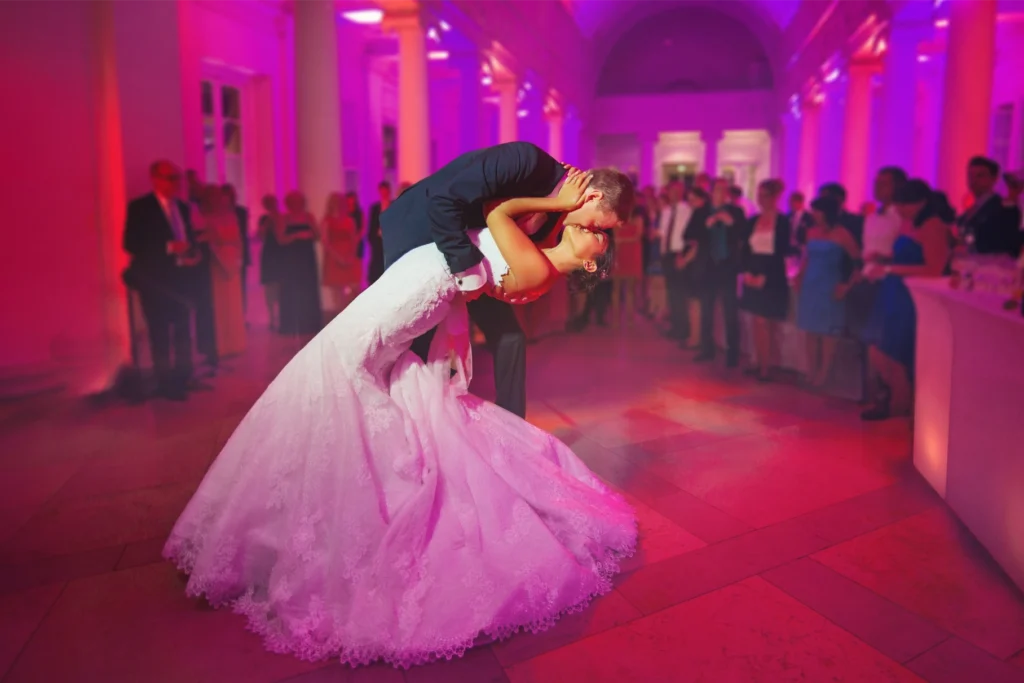
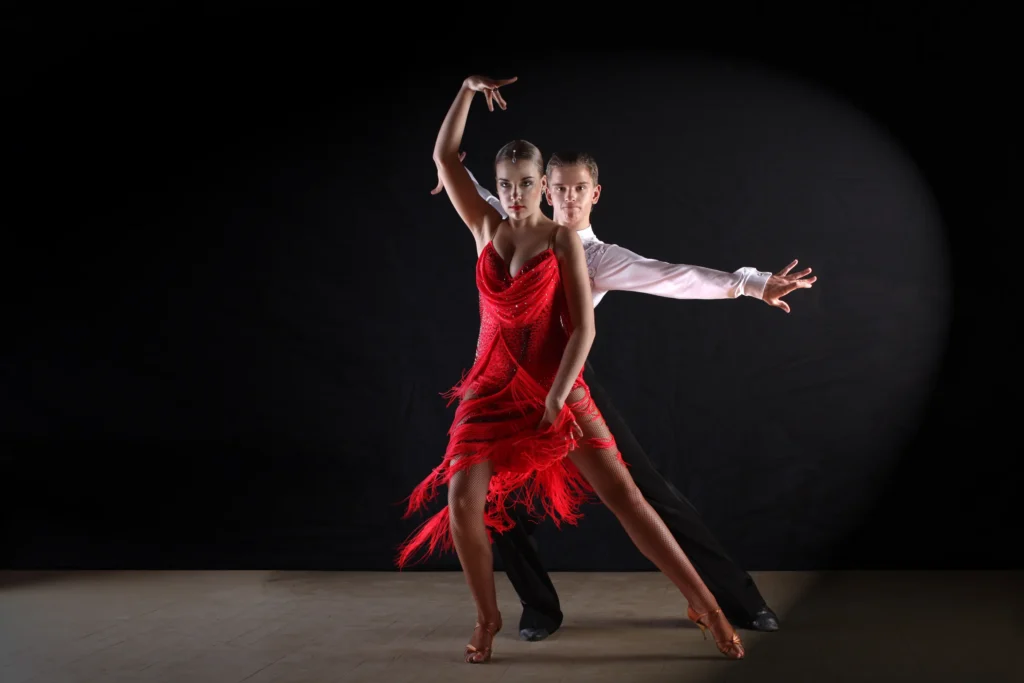
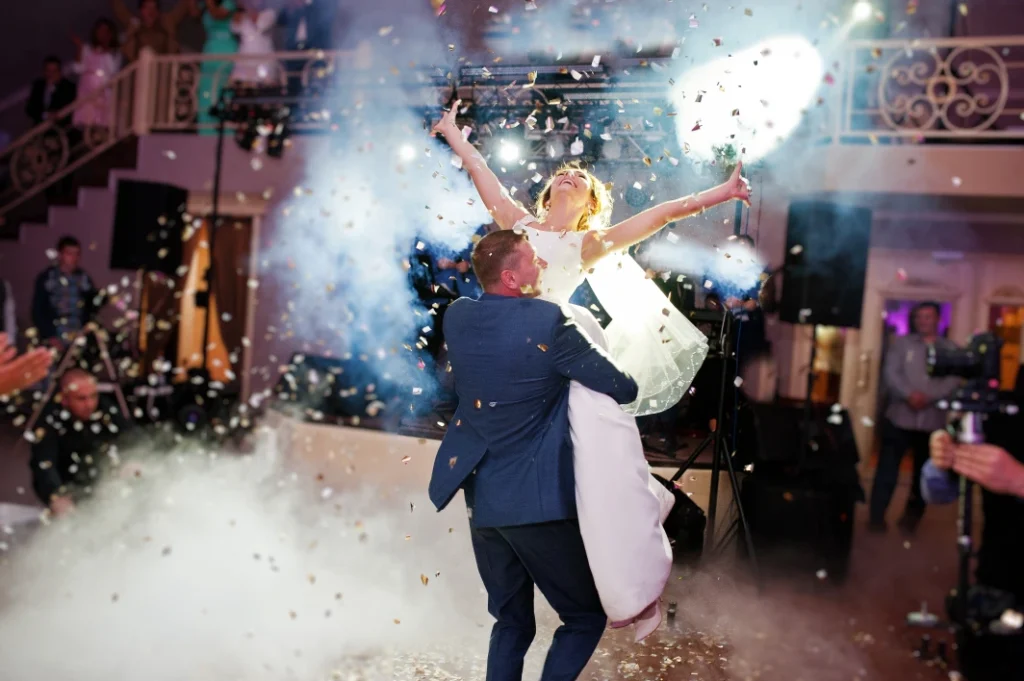
Many beginners often confuse the bolero with the rumba because they share similar footwork patterns. However, the distinction lies in the “action.” Where rumba is a staccato, grounded dance focused on the “tease and play” of courtship, the bolero is a sweeping, sentimental dance focused on the “romance and longing.” The incorporation of the “rise” (straightening the legs and rising onto the balls of the feet) gives it a dreamlike quality that rumba lacks. It is this specific technical evolution that has allowed the bolero to remain a favorite for wedding “first dances” and high-level competitions alike.
The Enduring Legacy of the Bolero
The evolution of the bolero is a testament to the power of cultural fusion. It began as a formal Spanish tradition, was reborn through the soulful lens of Cuban romanticism, and was finally polished into a gemstone of technical brilliance by the global ballroom community. Today, it remains the ultimate expression of intimacy on the dance floor. It is a dance that requires footwork, a willingness to be vulnerable, and to respect the silence between the notes. Whether it is performed in a rustic courtyard in Santiago or under the bright lights of a professional stage, the bolero continues to be the heartbeat of romance, proving that while rhythms may change, the language of love remains universal.
FAQs
What is the main difference between Spanish and Cuban Bolero?
The primary difference is the time signature and the character of the movement. The Spanish version is in 3/4 time, often involving castanets and classical ballet-influenced steps. The Cuban version is in 4/4 time, is much slower, and focuses on a romantic, close-partner embrace with a focus on lyrical expression.
Is the bolero considered a difficult dance to learn?
Yes, it is often considered one of the most challenging Latin ballroom dances. This is due to the slow tempo, which requires excellent balance, and the “rise and fall” technique, which must be executed seamlessly while maintaining Latin hip motion.
What kind of music is best for a bolero?
For traditional styles, look for Cuban trova or Mexican trios like Los Panchos. For ballroom competition style, modern artists often record “Ballroom Bolero” tracks, which have a very clear, accented first beat and a lush, orchestral sound.
Can I dance the bolero to modern pop music?
Absolutely. Many slow, contemporary ballads in 4/4 time are suitable for the bolero. Any song that has a romantic feel and a slow, steady pulse can technically serve as a canvas for this beautiful dance style.