
Ballroom Samba vs. Brazilian Samba: Key Differences Explained

The main difference between Ballroom Samba and Brazilian Samba is how they’re danced. Brazilian Samba, especially Samba no Pé, is usually a solo dance with fast footwork, hip movements, and room for improvisation. Ballroom Samba is a partner dance with structured steps, coordinated movements, and a distinctive bouncing action. Both styles have roots in Brazil, […]
How Social Dance Etiquette Helps Boys Become Good Men
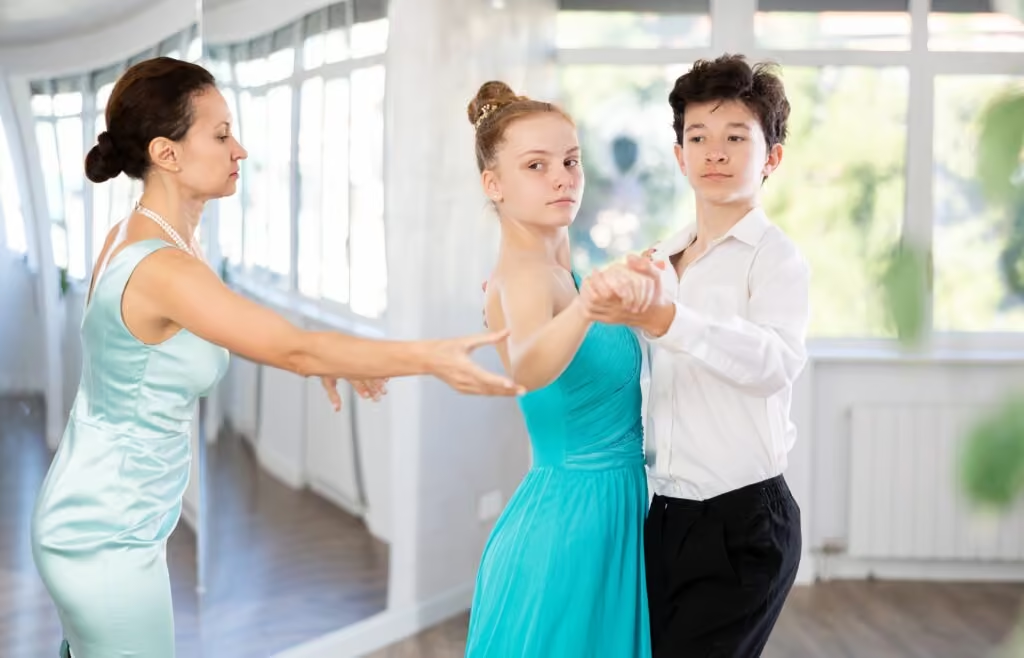
Learning social dance etiquette can teach boys a lot about how to treat others. When they ask someone to dance, they practice being polite and accepting the answer, even if it’s no. On the dance floor, they learn to respect personal space, pay attention to their partner, and stay calm when they make mistakes. Over […]
Country Western Dancing: History, Styles, and Steps
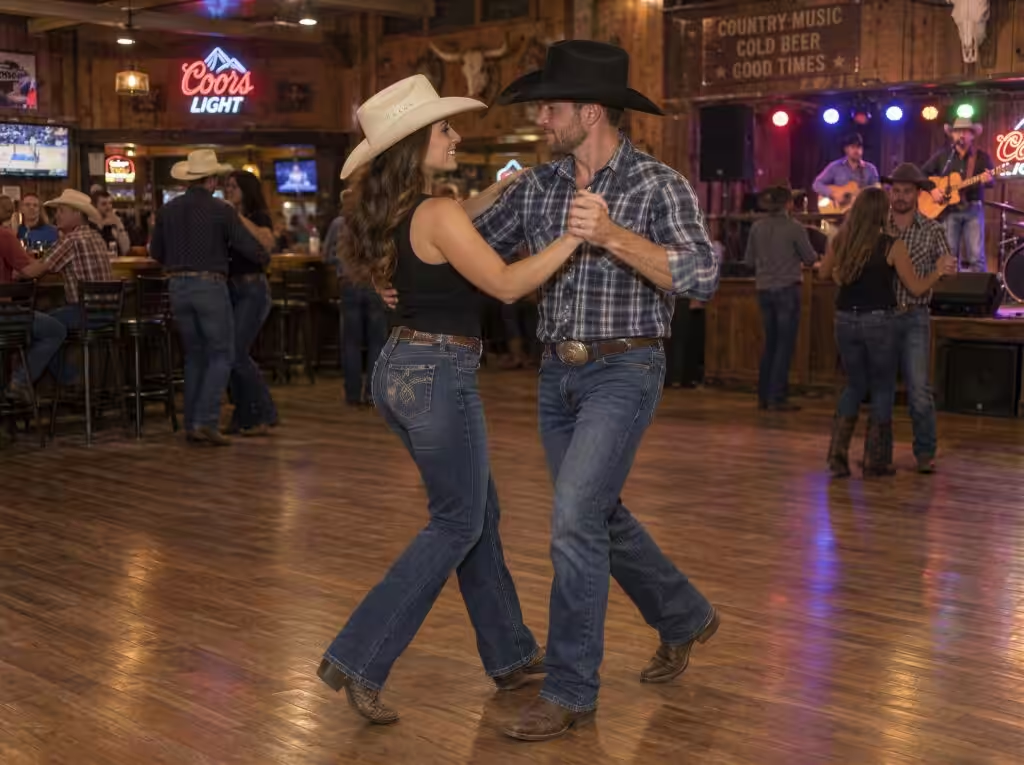
Country Western dancing is a group of American social dances that includes the two-step, line dancing, country swing, and waltz. These styles have roots in European folk dances and American frontier traditions, with different steps, rhythms, and partner movements. Key Takeaways History and Origins of Country Western Dancing Country Western dancing developed from European folk […]
Argentine vs Ballroom Tango: History, Technique, and Style
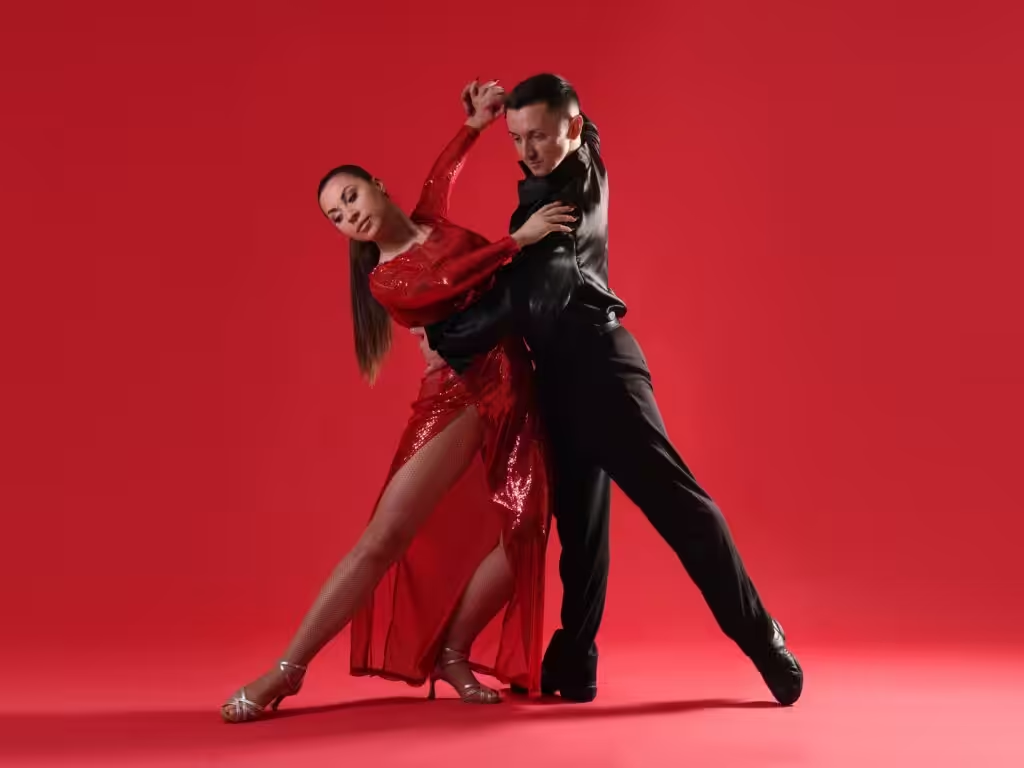
The main difference between Argentine tango and Ballroom tango is how dancers move and connect. Argentine tango uses a close embrace and improvised steps, while Ballroom tango follows set patterns with a more structured frame and sharp movements. Key Takeaways Argentine Tango vs Ballroom Tango: Side-by-Side Comparison Here’s a quick comparison of the main differences […]
What Does Social Dancing Mean?
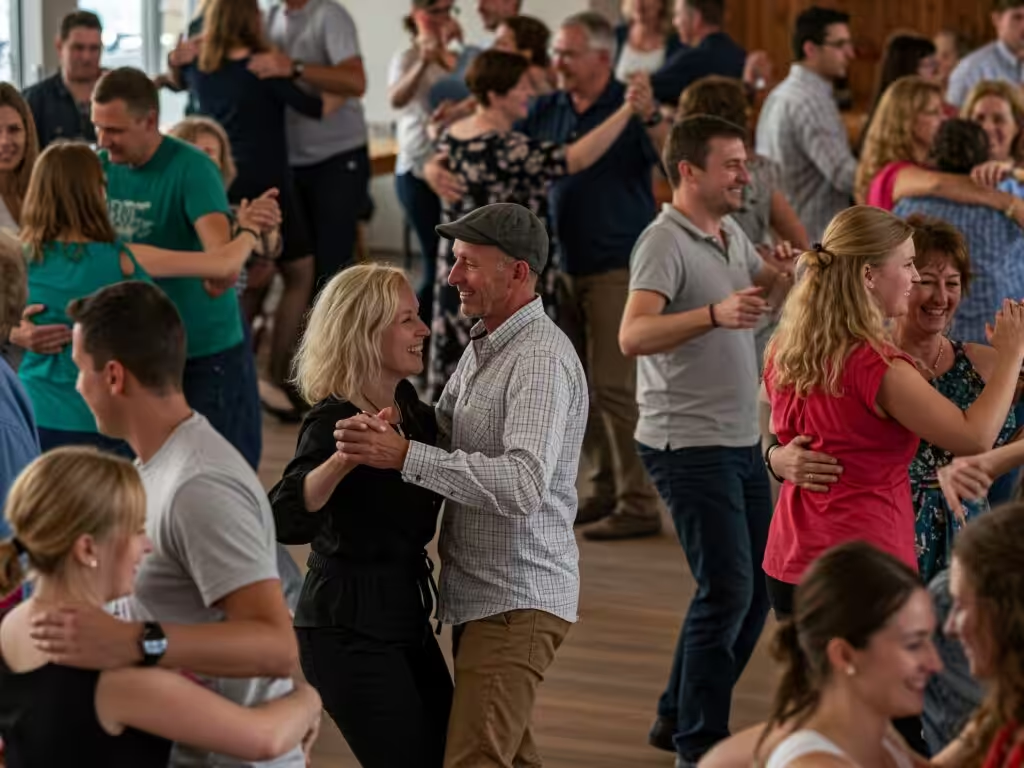
Social dancing means dancing with a partner for fun and connection rather than for a rehearsed performance or competition. Instead of memorizing a complete routine, partners use lead-and-follow communication to decide what happens as the dance unfolds. That flexibility makes social dancing suitable for dance clubs, parties, weddings, community events, and other casual settings. Salsa, […]
What Is Milonga Dance: History, Music, and Movement
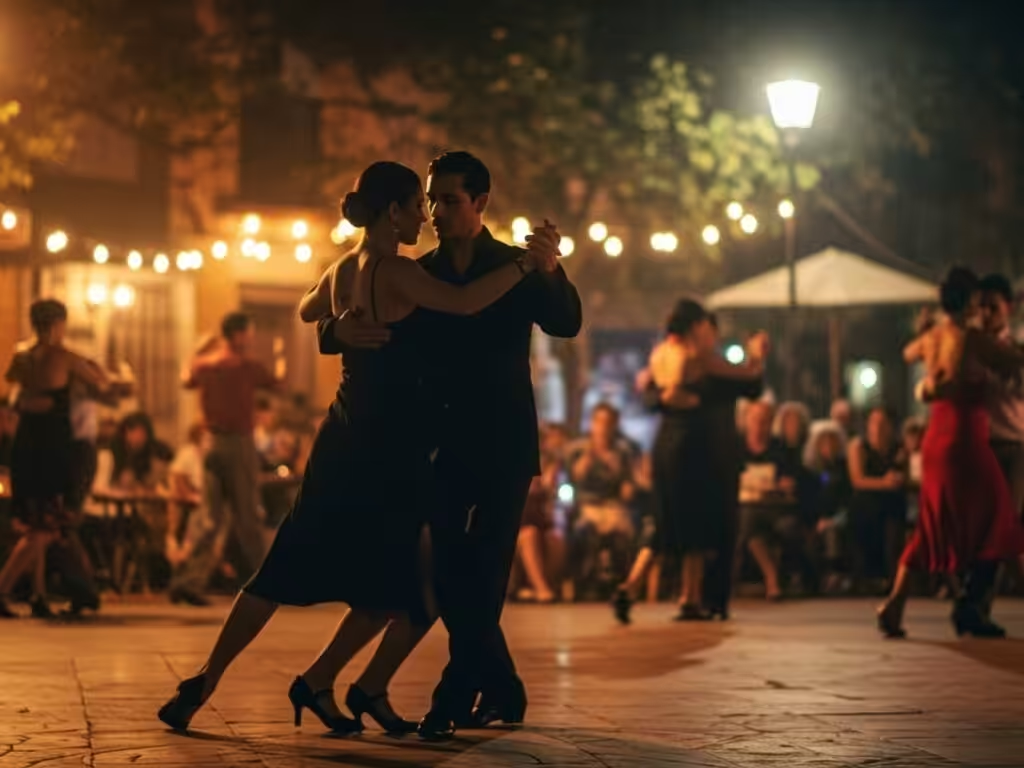
Milonga is a fast-paced partner dance closely related to Argentine tango, with roots in Argentina and Uruguay. It is typically danced with quicker, more continuous steps and a lively rhythm. Takeaways What Is the History of Milonga Dance? Milonga developed in the Río de la Plata region of Argentina and Uruguay during the 19th century. […]
Ballroom and Latin Dance Shoes: Everything You Need to Know

Ballroom and Latin dance shoes are built for different styles of movement. Ballroom shoes help dancers glide across the floor with stability, while Latin shoes allow for greater flexibility, balance, and precise footwork. Choosing the right pair makes dancing more comfortable and helps you move with better control. Key Takeaways Ballroom Dance Shoes for Smooth […]
East Coast Swing vs West Coast Swing: What’s the Difference?
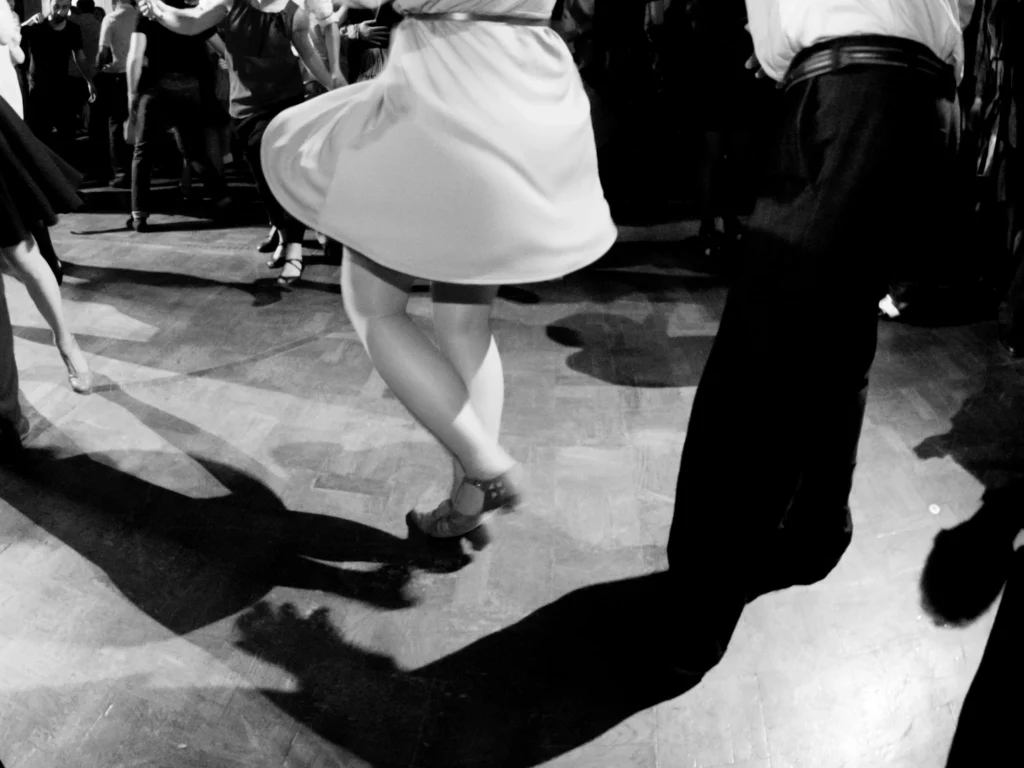
The biggest difference between East Coast Swing and West Coast Swing is how they move across the floor and the music they complement. East Coast Swing is energetic and circular, while West Coast Swing is smooth, linear, and adaptable to everything from blues to pop. Key Takeaways East Coast Swing vs West Coast Swing: What’s […]
Lindy Hop vs Swing: What’s the Difference?
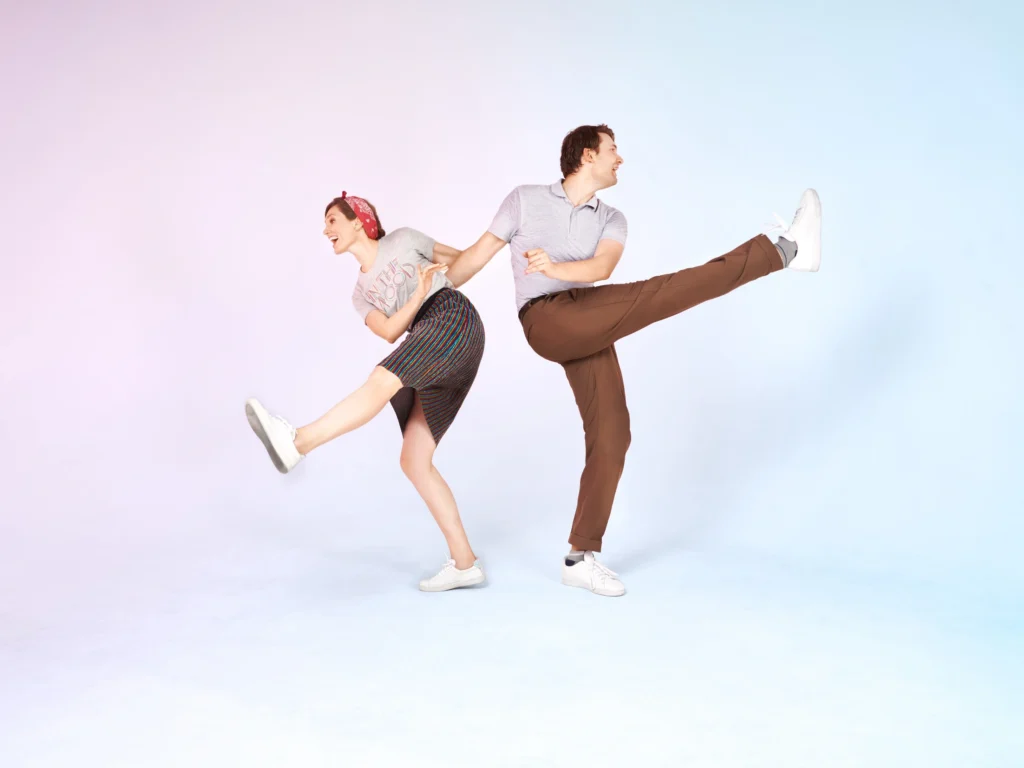
Lindy Hop is one style of Swing dance, while Swing refers to a broader family of dances that includes Lindy Hop, East Coast Swing, West Coast Swing, and others. Although these styles share common roots, they differ in their rhythm, footwork, and overall style. Key Takeaways Lindy Hop vs Swing – What is the Difference? […]
Quickstep Dance History: From Foxtrot to Ballroom Standard
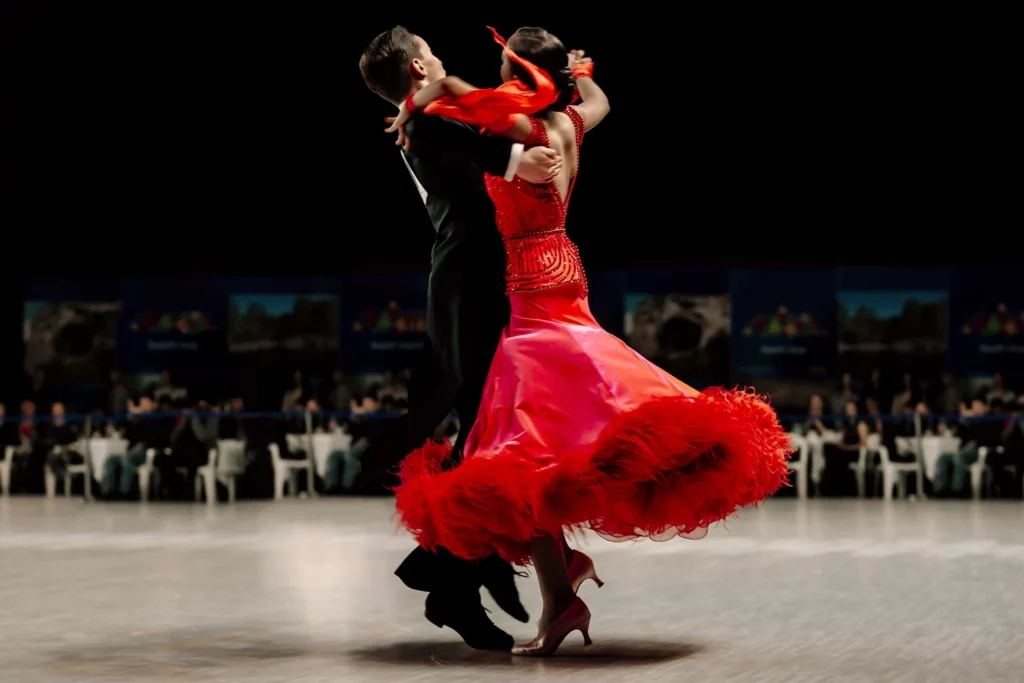
Quickstep is a fast-paced ballroom dance that developed in the 1920s from the Foxtrot, Charleston, Peabody, and other popular social dances. Today, it is known for its quick footwork, light hops, and smooth movement. It is one of the most energetic styles in ballroom dancing. Key Takeaways The History of Quickstep The history of Quickstep […]