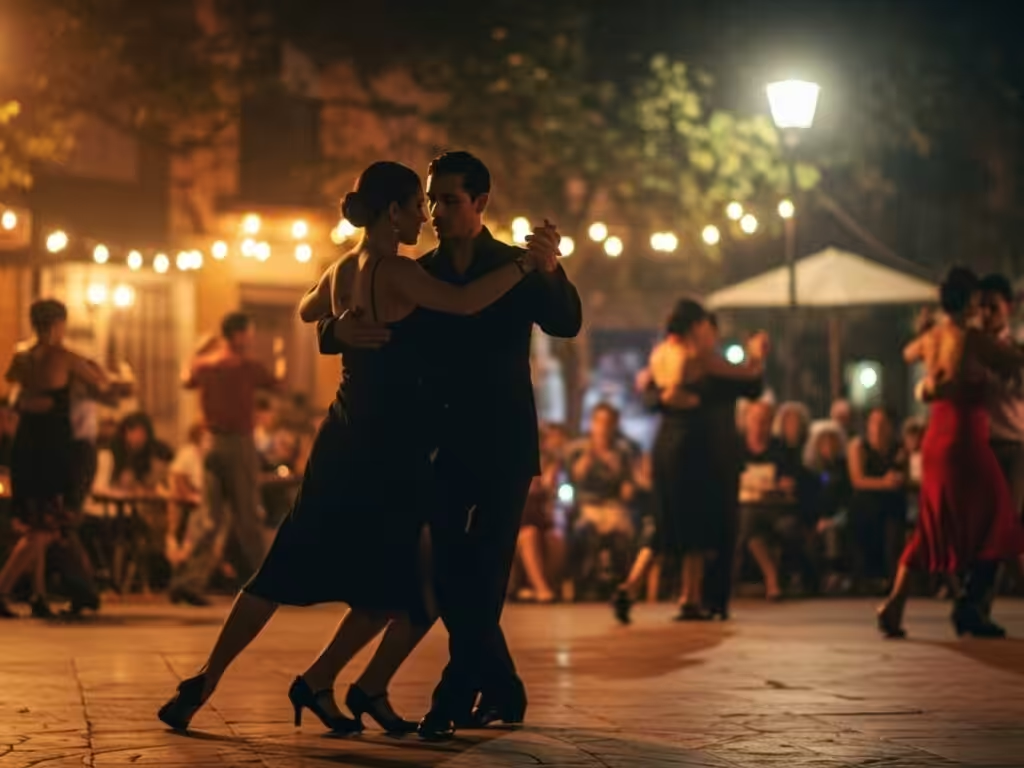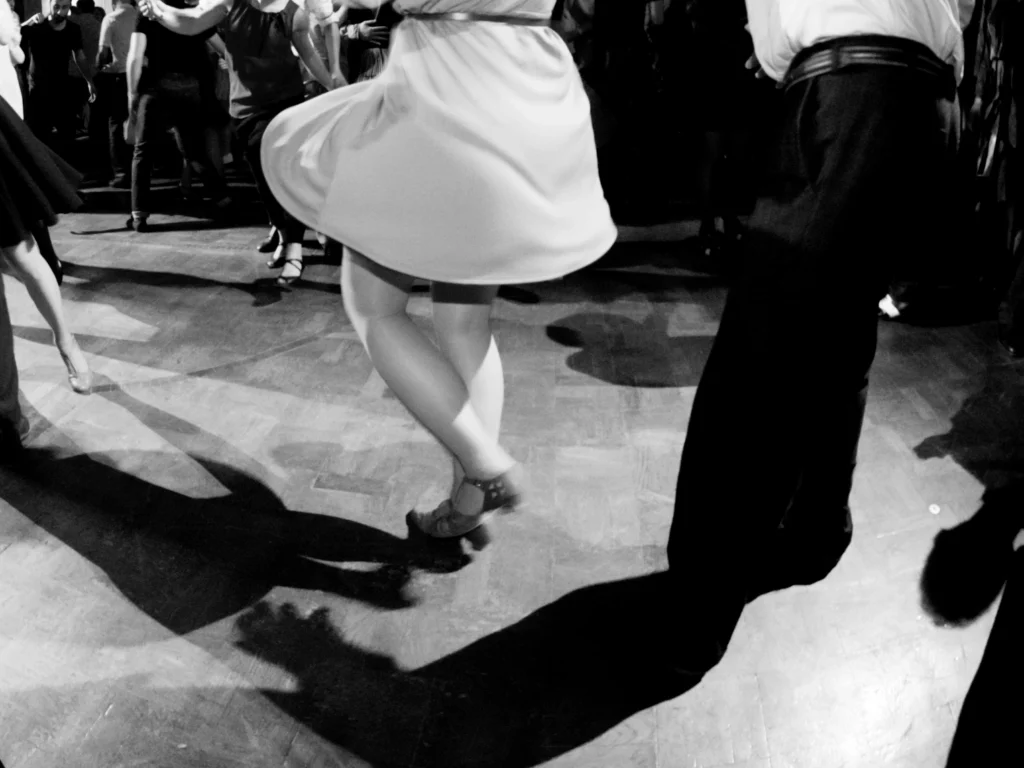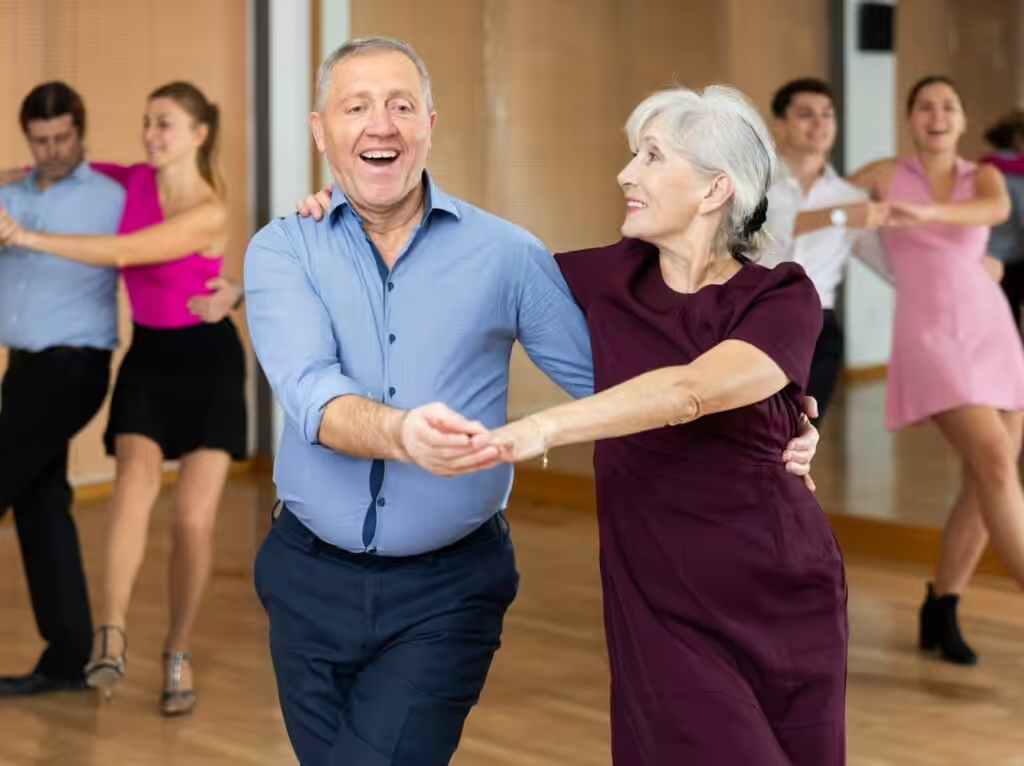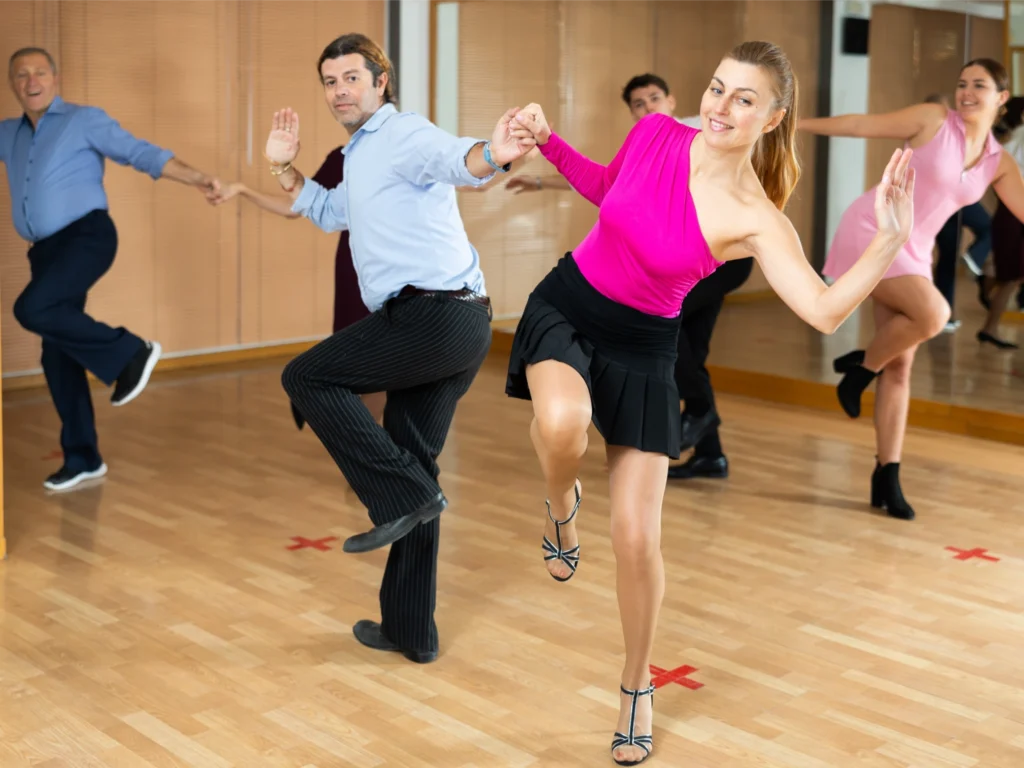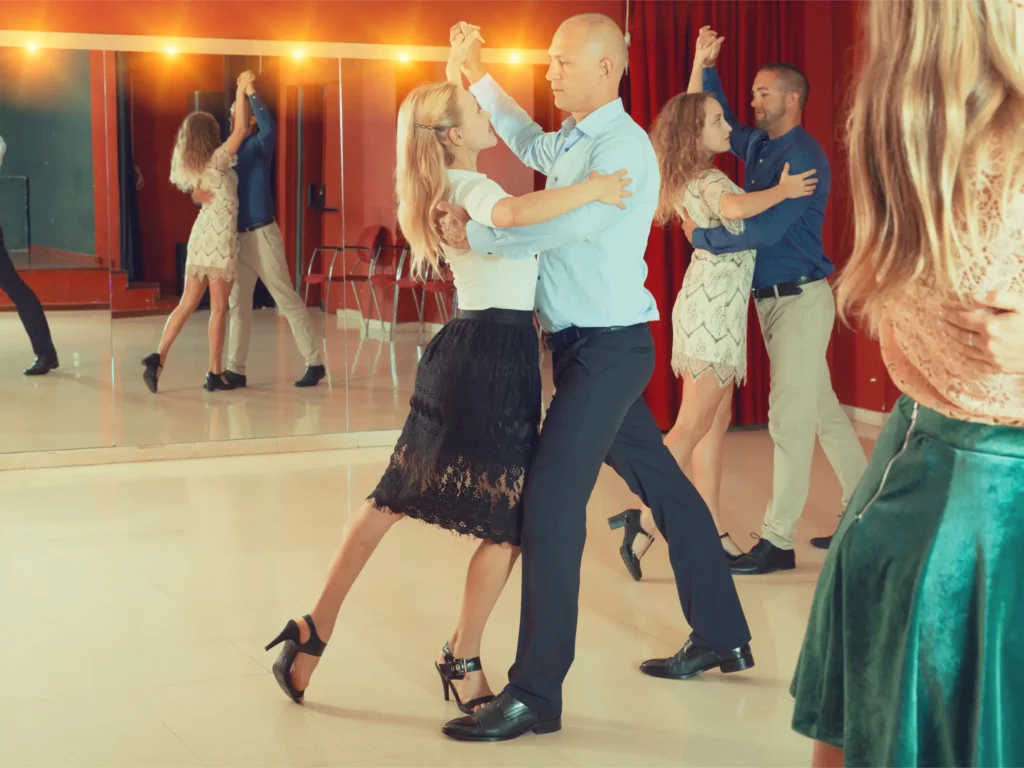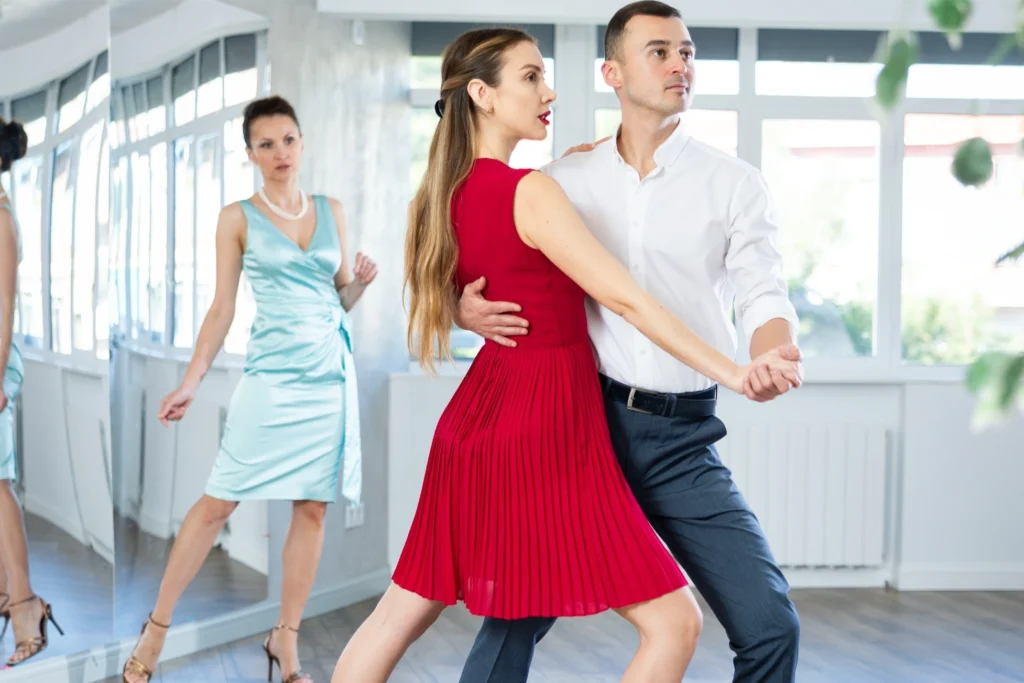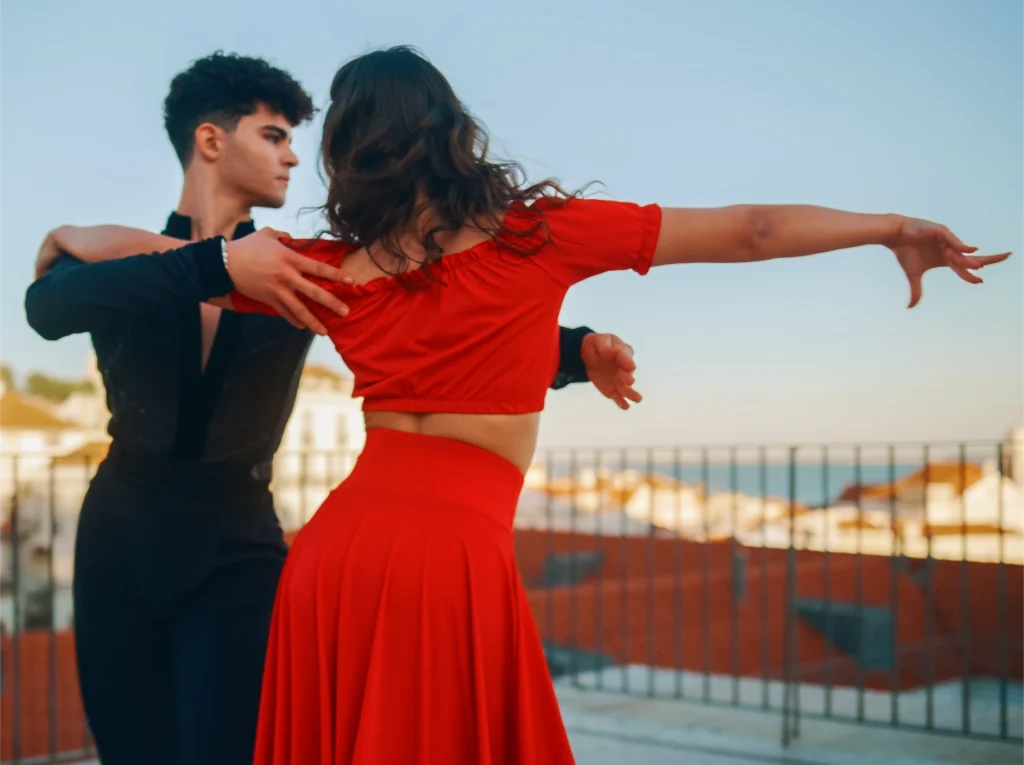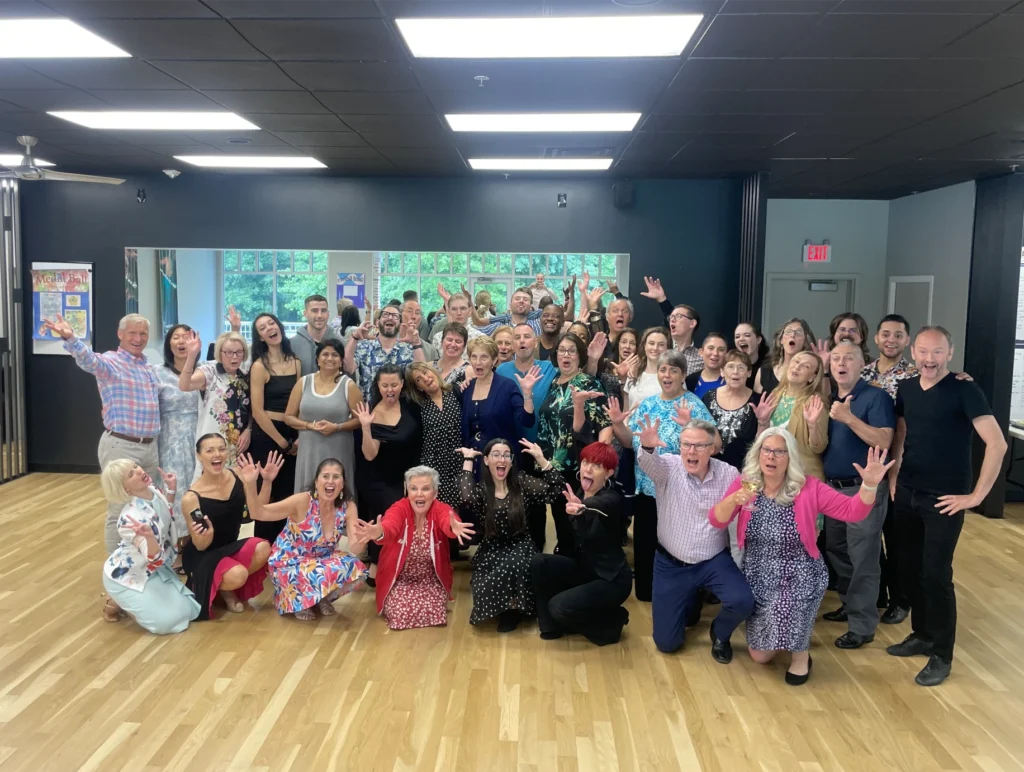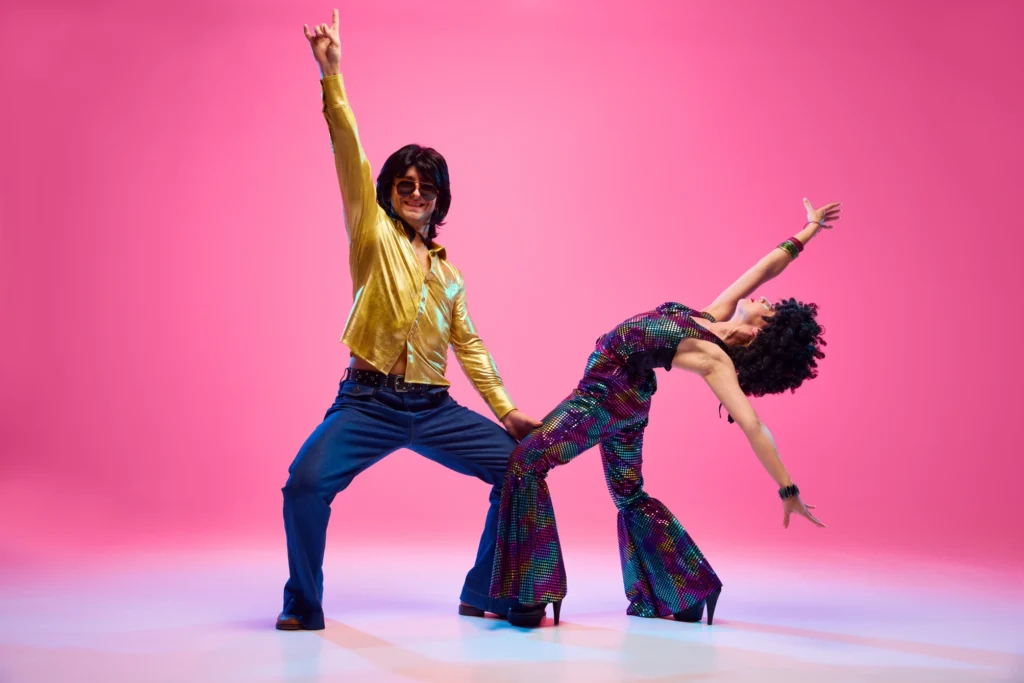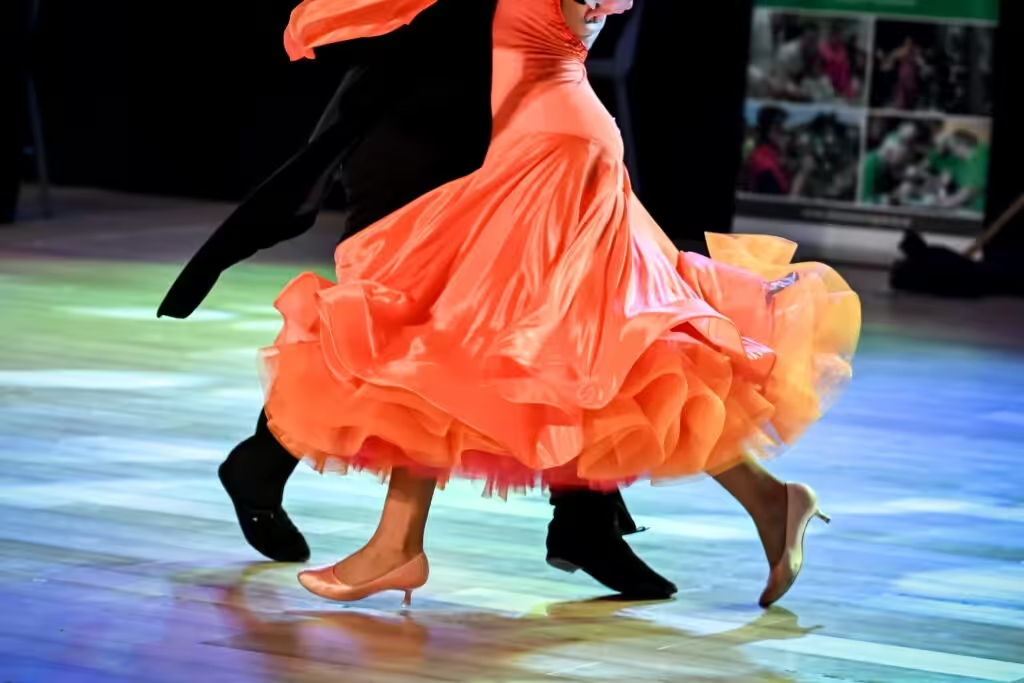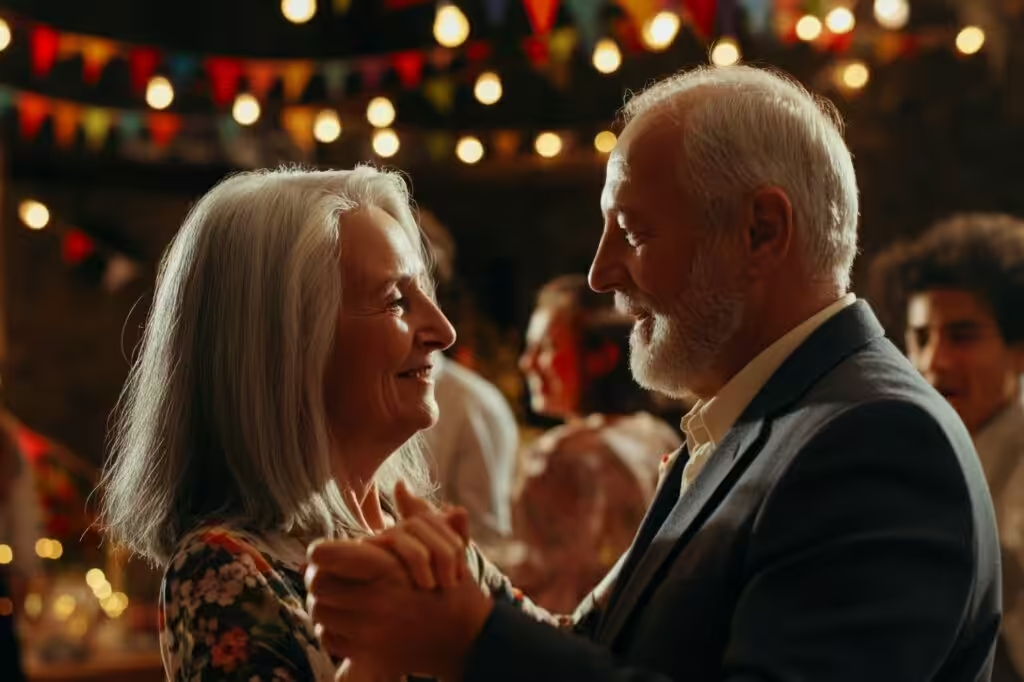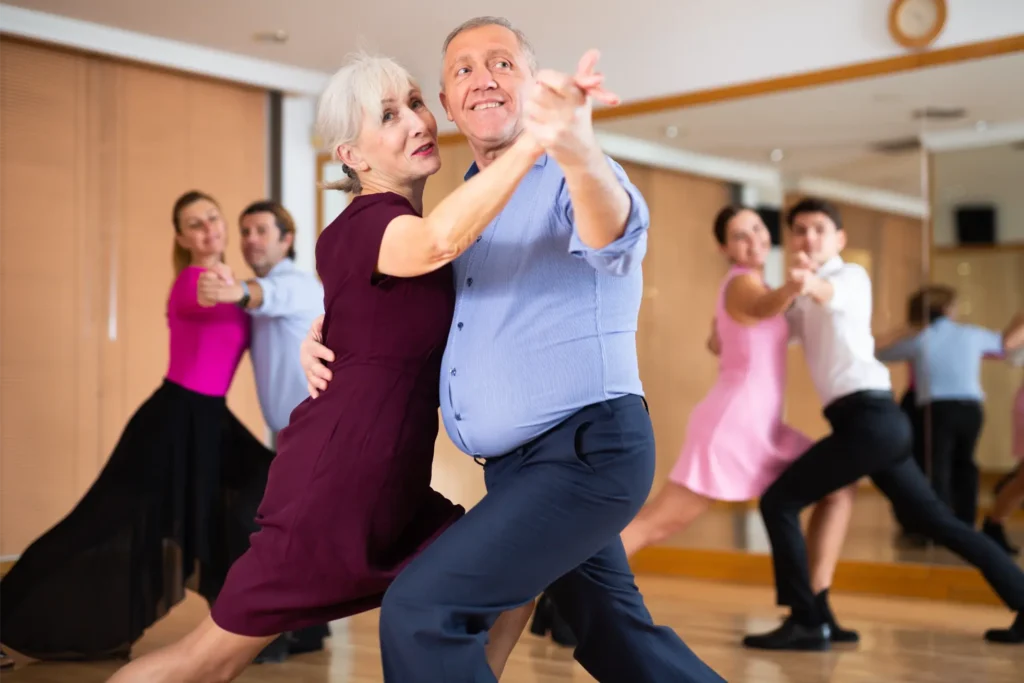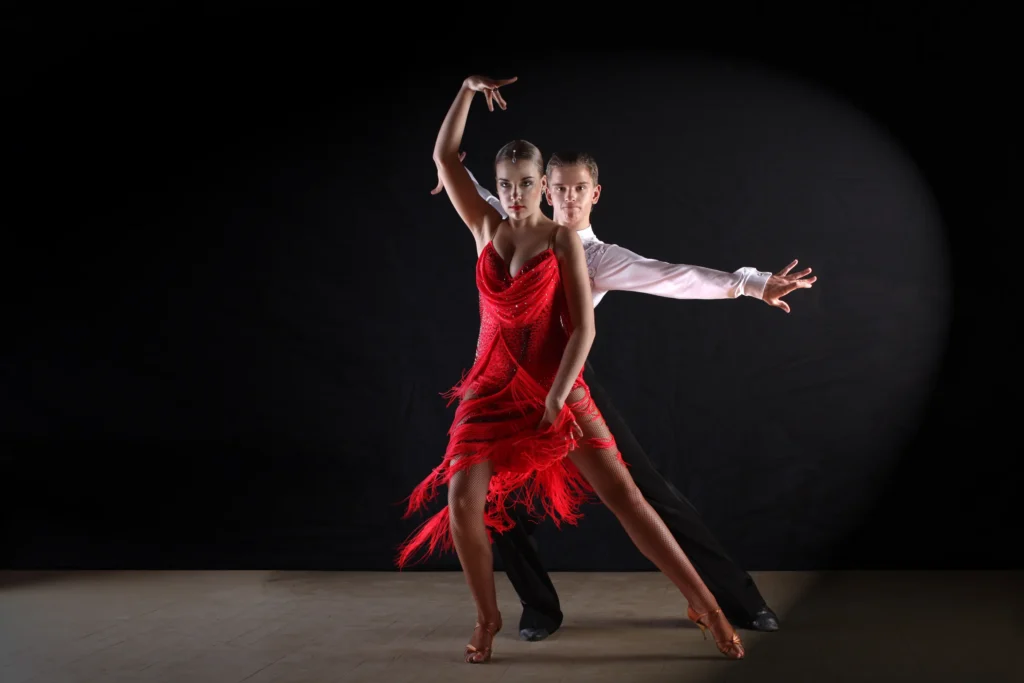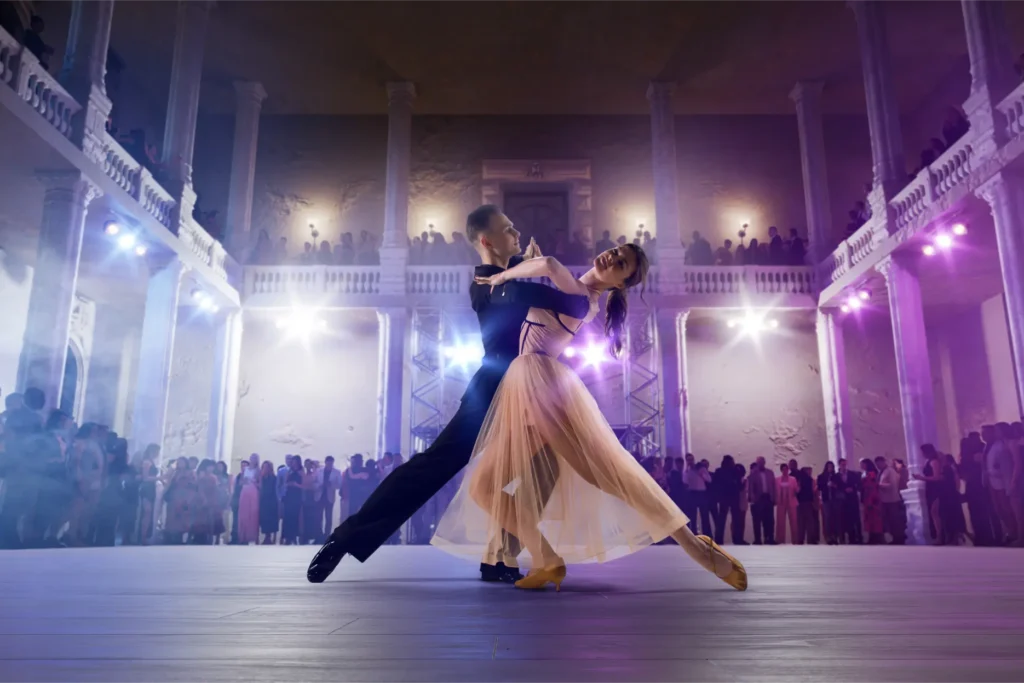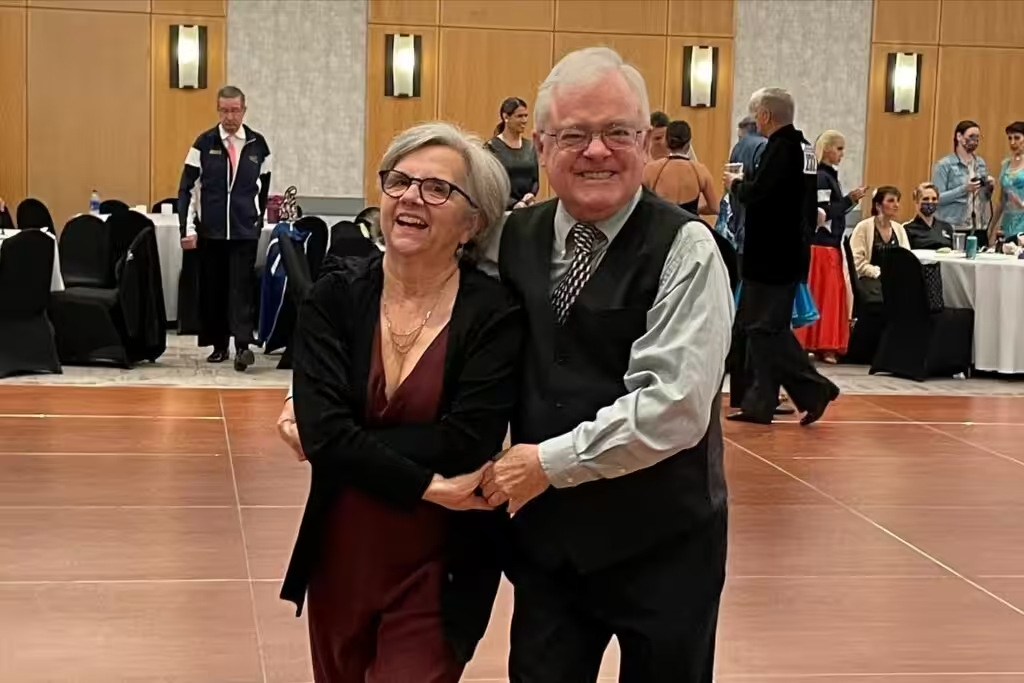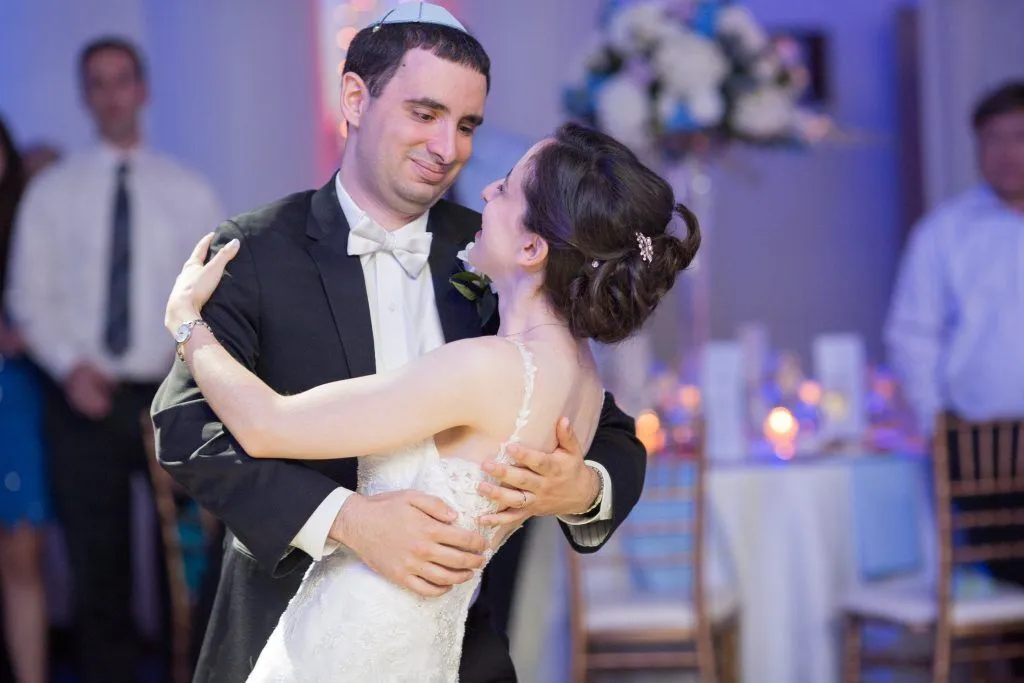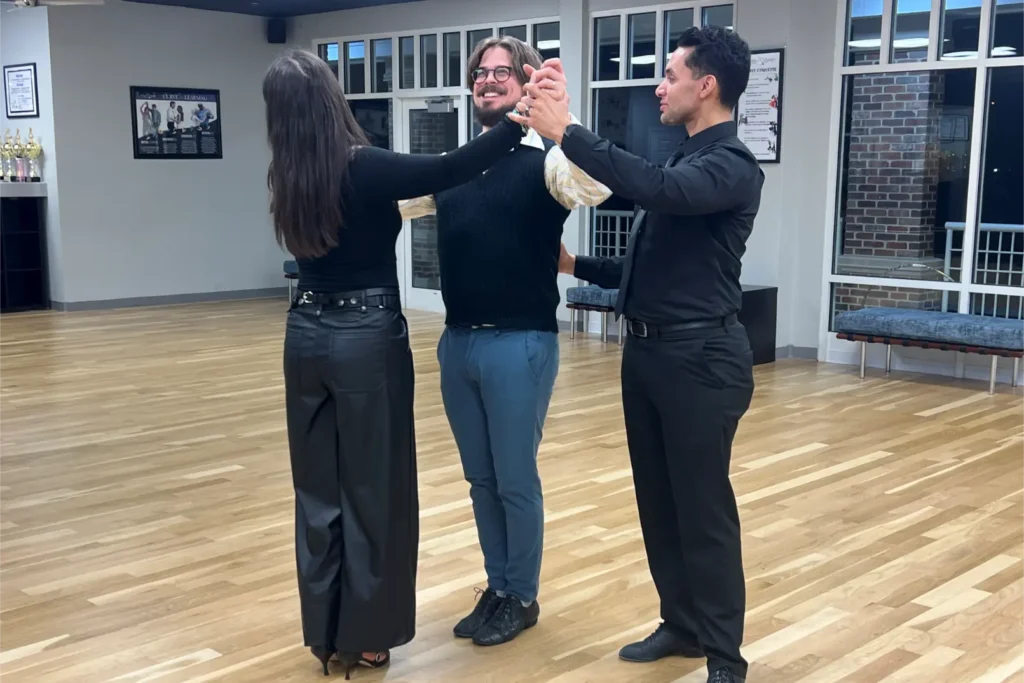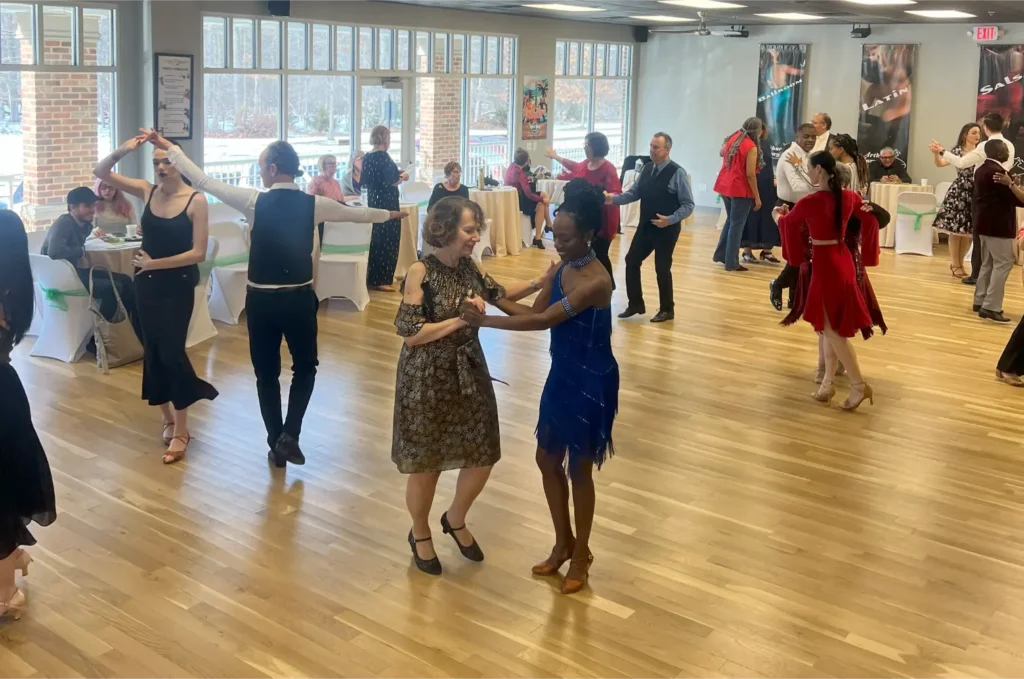
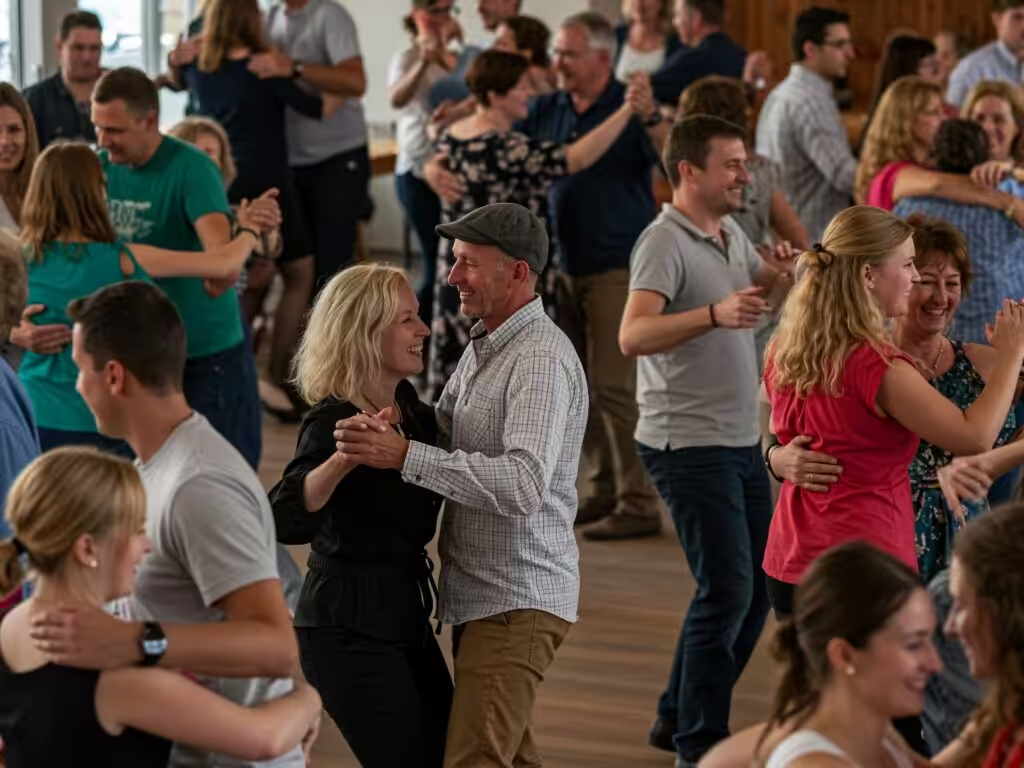
Social dancing means dancing with a partner for fun and connection rather than for a rehearsed performance or competition. Instead of memorizing a complete routine, partners use lead-and-follow communication to decide what happens as the dance unfolds.
That flexibility makes social dancing suitable for dance clubs, parties, weddings, community events, and other casual settings. Salsa, swing, ballroom, and many other partner dances can all be danced socially.
Key Takeaways
- Improvisation helps dancers adjust their steps, turns, and patterns to the music, their partner, and the available space.
- Floor etiquette varies by dance, with traveling styles such as Waltz moving along a line of dance while Salsa and Swing generally stay within a smaller area.
- Social dance styles include Salsa, Bachata, Merengue, Swing, Zouk, and Kizomba, each with distinct music and movement.
- Good dance etiquette includes asking partners respectfully, maintaining personal hygiene, respecting personal space, and handling mistakes politely.
- When choosing your first style, consider the music you enjoy and which social dance events are available in your area.
What Is Social Dancing?
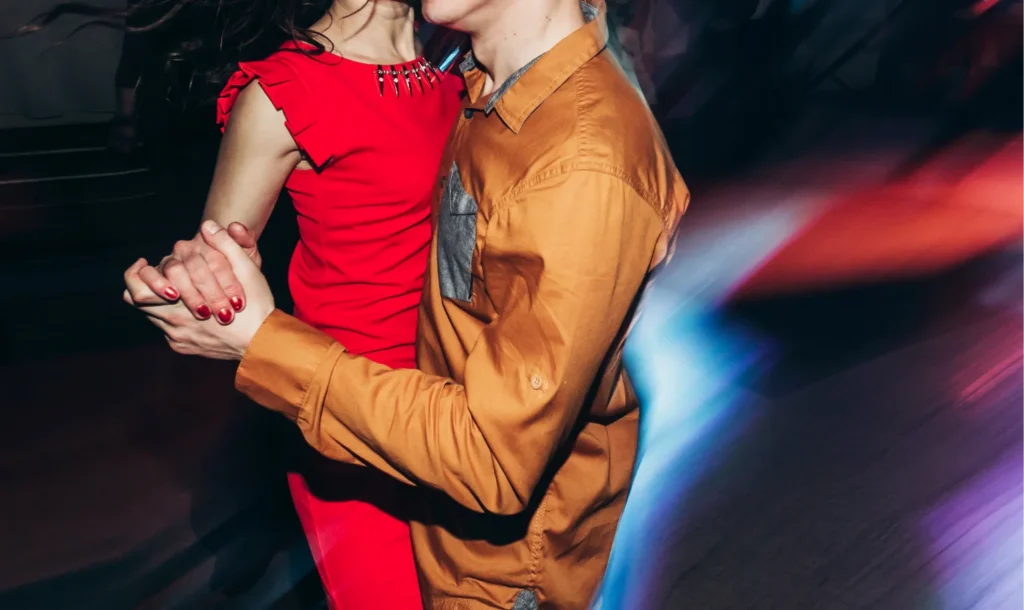
Social dancing is partner dancing done for recreation and connection rather than competition or performance. Partners dance to the music and respond to each other in real time instead of following a fully rehearsed routine.
What Is the Purpose of Social Dancing?
The main purpose is to enjoy dancing with other people. There are no judges or scores, so the focus stays on your partner, the music, and the experience of dancing together.
How Do Lead and Follow Work in Social Dancing?
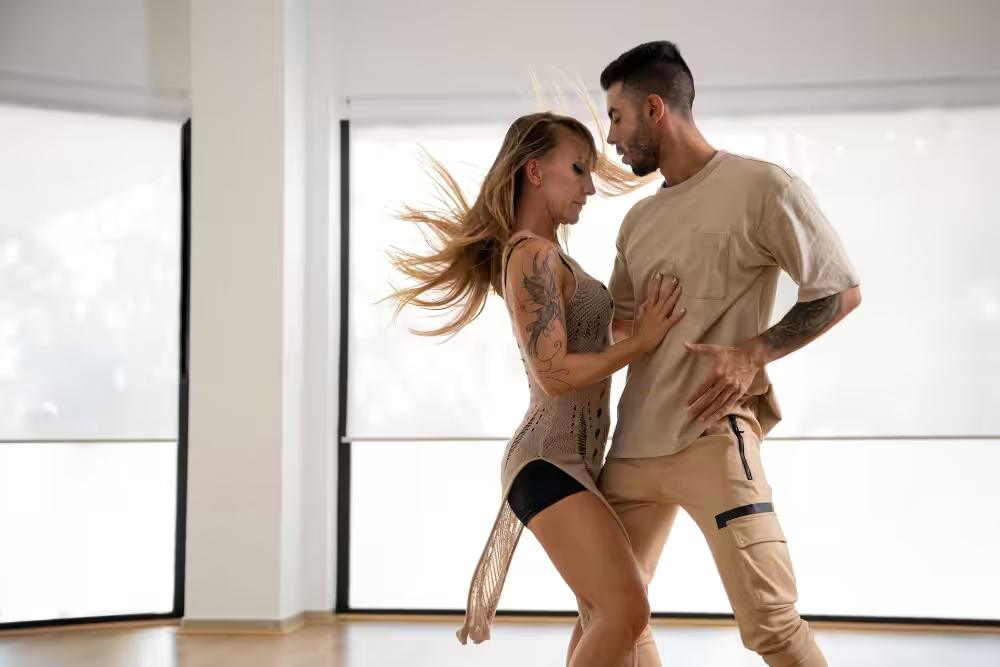
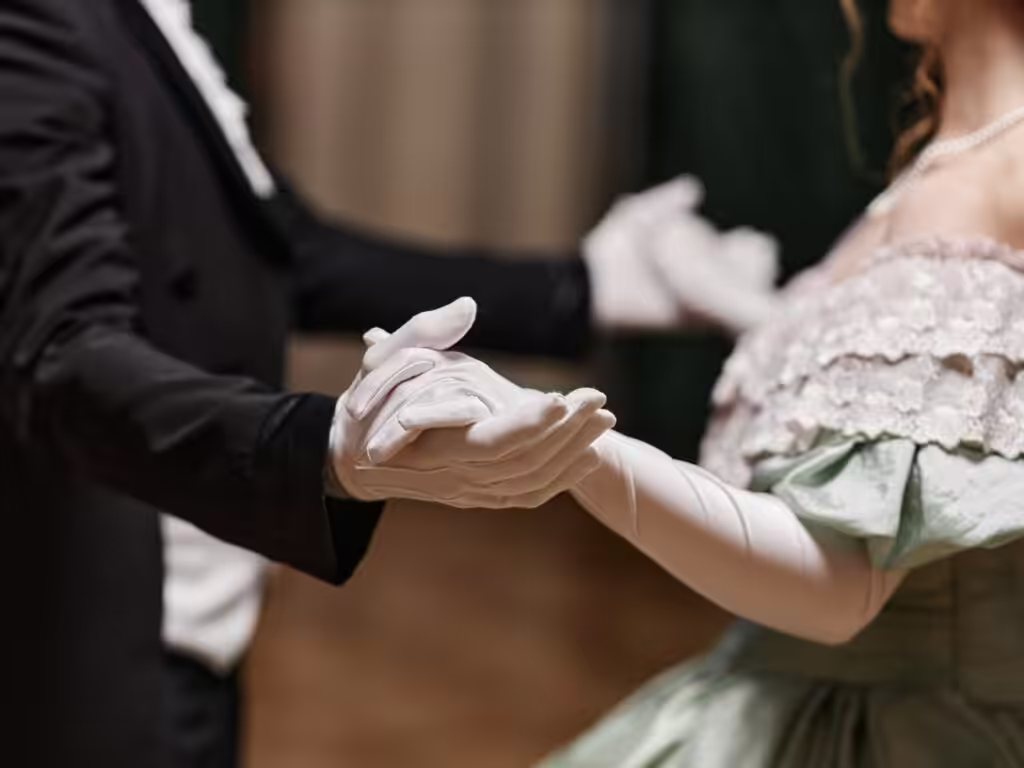
One partner leads by using changes in direction, body position, and frame to suggest a movement. The other partner follows those physical cues and responds as the dance continues.
Do You Need a Partner or Dance Experience?
You do not always need to bring a partner to a social dance. Many events encourage dancers to change partners, and people with different levels of experience can participate.
What Are the Characteristics of Social Dancing?
The main characteristics of social dancing are improvisation, partner communication, floor etiquette, and musicality. Rather than performing a fixed routine, dancers adjust their movements to their partner, the music, and the space around them.
Social Dancing Uses Improvisation
Social dancers choose steps, turns, and patterns in real time. They can adjust what they do based on the music, their partner, and how much space is available on the floor.
Follow Floor Etiquette
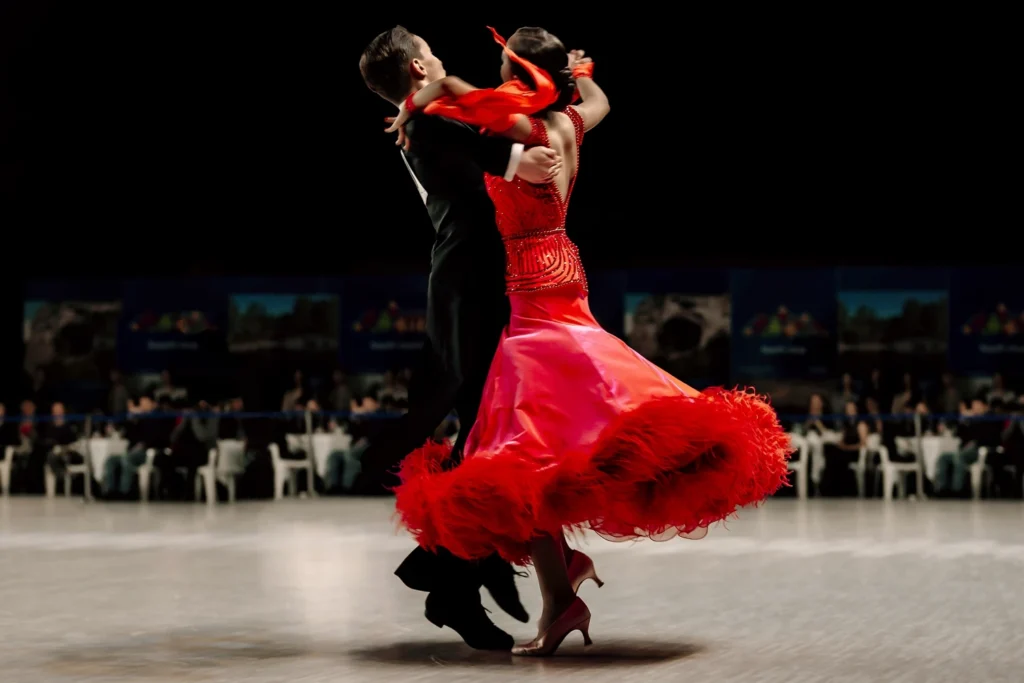
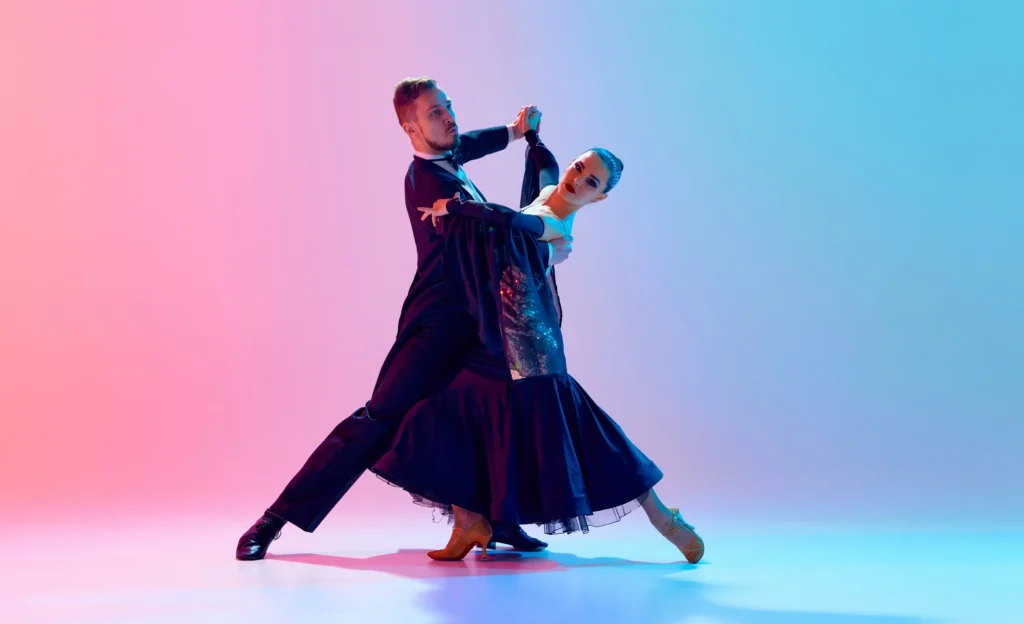
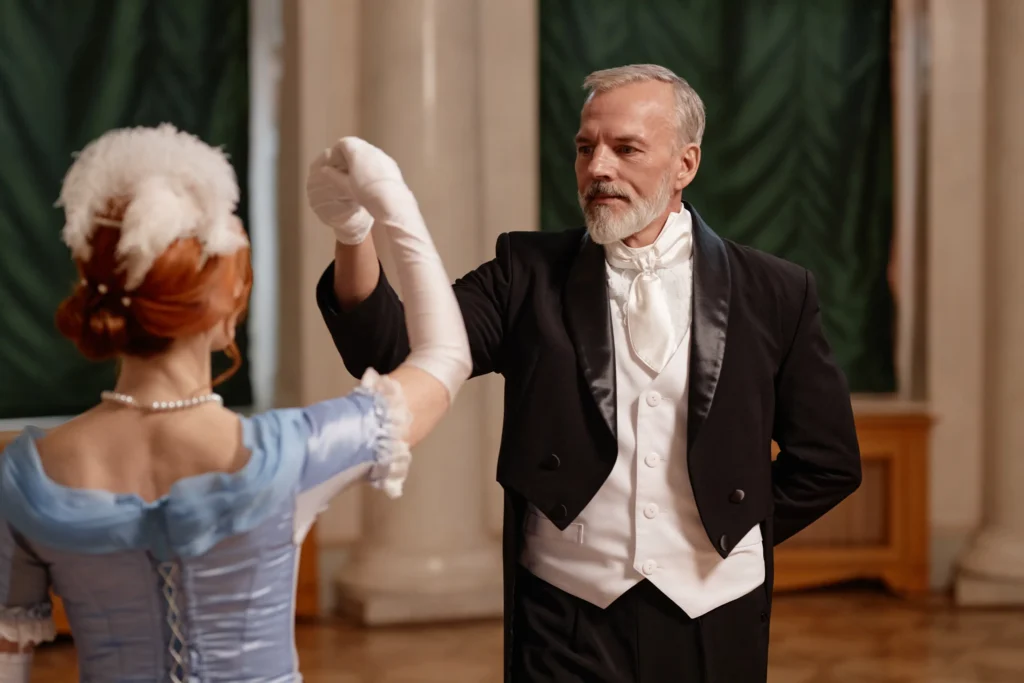
Dancers follow floor etiquette to share the space safely. Traveling dances such as waltz generally move counterclockwise around the floor along the line of dance, while dances such as salsa and swing typically use a smaller area.
Respond to the Music
Social dancers use the song’s rhythm and phrasing to guide their movement. They can vary patterns, timing, and movement choices, so different couples may interpret the same song differently.
What Are the Most Popular Social Dances?
Popular social dances include Salsa, Bachata, Merengue, Swing, Zouk, and Kizomba. Each has its own music, movement, and cultural roots, but all can use partner interaction and lead-and-follow communication in social settings.
Latin and Afro-Caribbean Dances
Latin social dances are renowned for their infectious rhythms, energetic hip action, and vibrant party atmosphere:
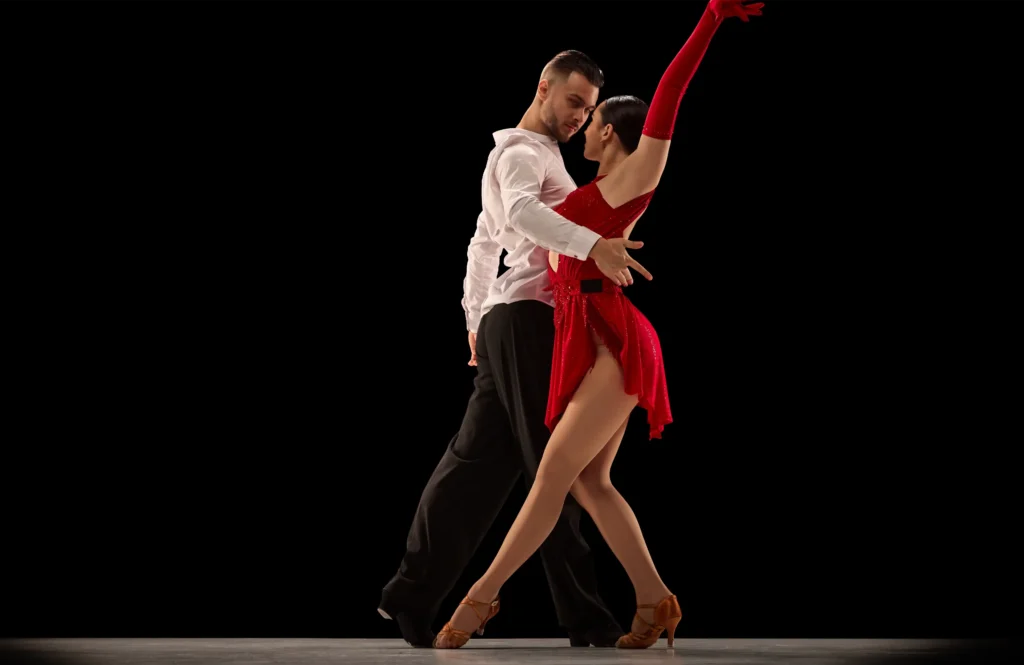
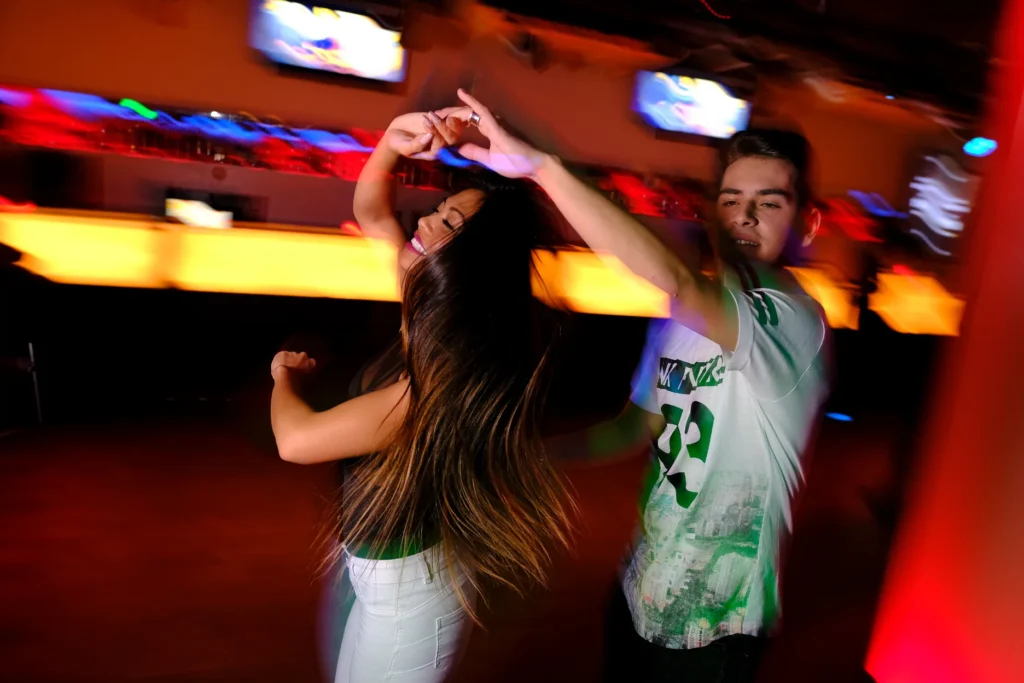
- Salsa: A fast, playful dance featuring intricate turn patterns and dynamic footwork, hugely popular across North and South America.
- Bachata: Originating in the Dominican Republic, characterized by smooth hip motions and romantic guitar melodies.
- Merengue: An accessible, march-like 2/4 rhythm that serves as an easy entry point for absolute beginners.
Check out our guide for Latin dance styles.
Swing Dances
Rooted in early 20th-century American music, swing dances bring high energy and athleticism to the floor:
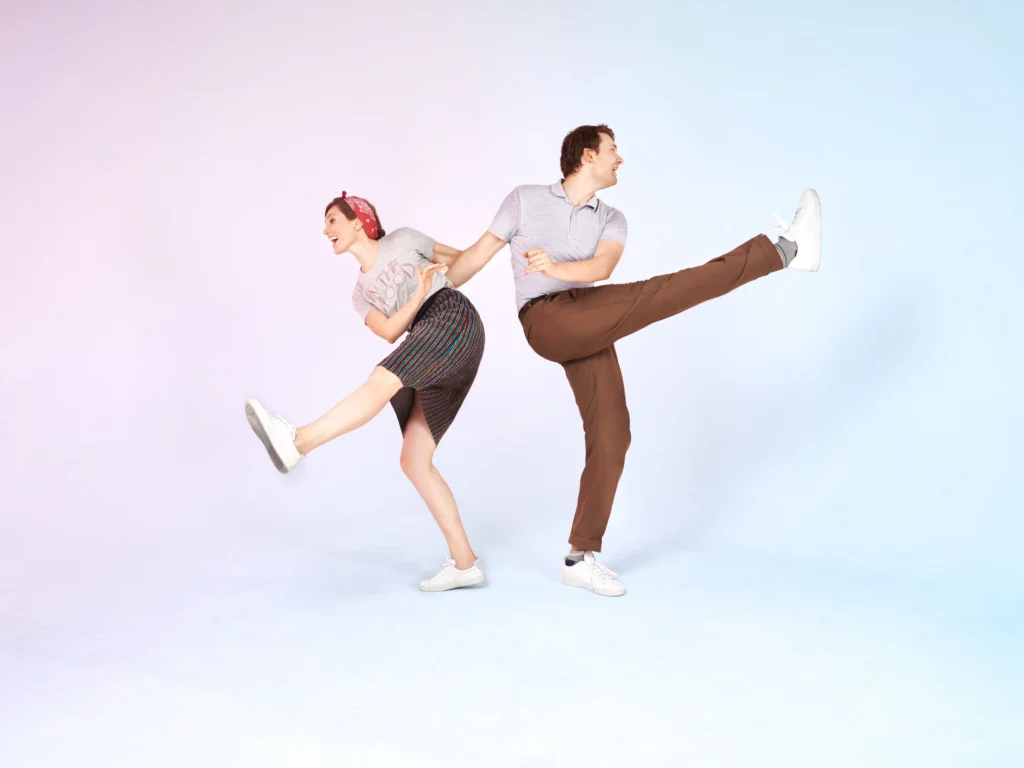
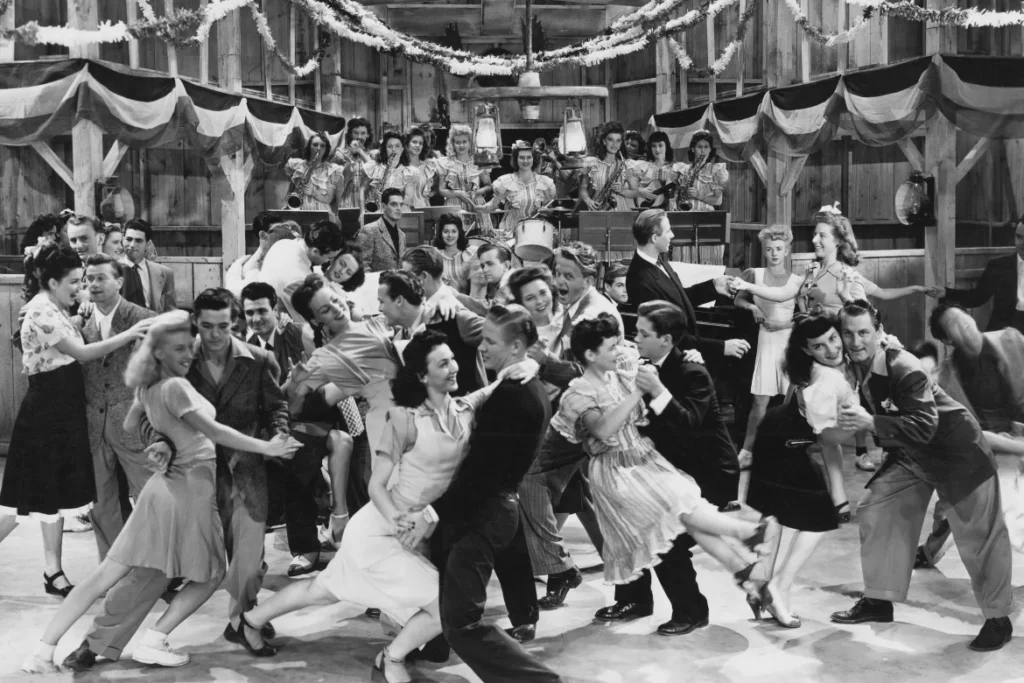
- Lindy Hop: The original swing dance from 1930s Harlem, incorporating energetic triple steps and acrobatic lifts in performance settings.
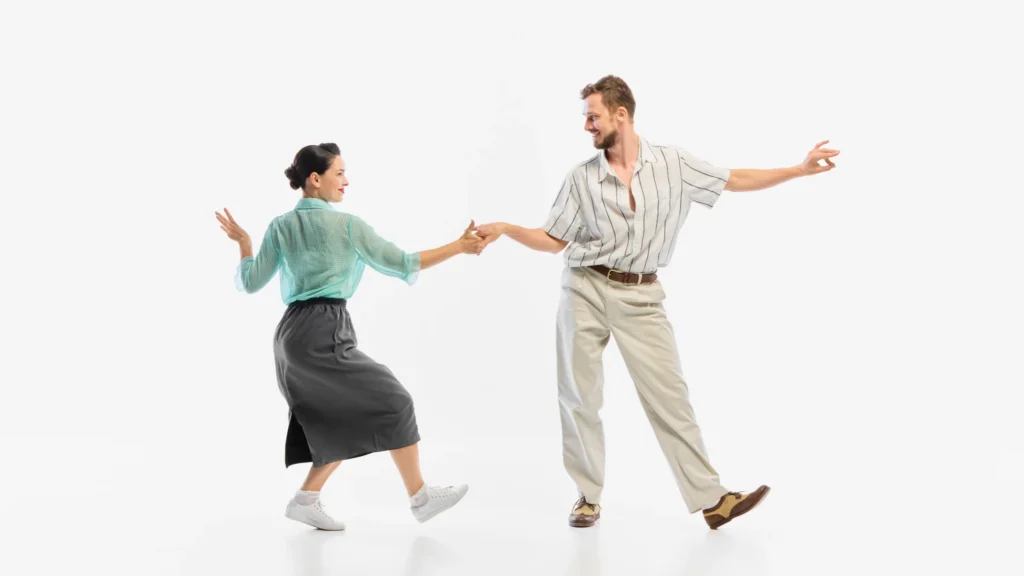
- West Coast Swing: A smooth, linear swing style danced to contemporary pop, R&B, and blues music.
- East Coast Swing: A rotational, bouncy dance ideal for classic rock-and-roll and fast big band jazz tracks.
Learn more about Swing dancing.
Modern and Fusion Dances
In recent decades, new partner styles have emerged by adapting traditional lead-and-follow mechanics to modern pop, electronic, and urban music tracks:
- Brazilian Zouk: Known for its fluid body waves, flowing hair movement, and off-axis head turns set to modern pop beats.
- Kizomba: A smooth, grounded partner dance from Angola featuring deep torso connection and rhythmic hip movements.
- Sensual Bachata: A contemporary evolution focusing on body waves, circular isolations, and close embrace connection.
What Is Proper Social Dancing Etiquette?
Social dancing etiquette includes asking respectfully, respecting personal space, maintaining good hygiene, and handling mistakes politely. Specific customs vary by dance style and venue, but the goal is to make dancing comfortable for both partners.
How Do You Ask Someone to Dance?
A simple “Would you like to dance?” works at most social events. Some traditional tango events use the cabeceo, where dancers invite each other through eye contact and a nod.
What Should You Know About Dance Partner Hygiene?
Good personal hygiene matters when dancing in close proximity. Fresh breath, clean clothing, and avoiding excessive fragrance can help keep partners comfortable. Some dancers also bring an extra shirt or small towel to longer events.
What Happens If You Make a Mistake?
Mistakes are normal during improvised partner dancing. If you miss a cue or accidentally step on your partner’s foot, acknowledge it briefly when needed and continue dancing rather than stopping to analyze the mistake.
What Is a Social Dance Event Like?
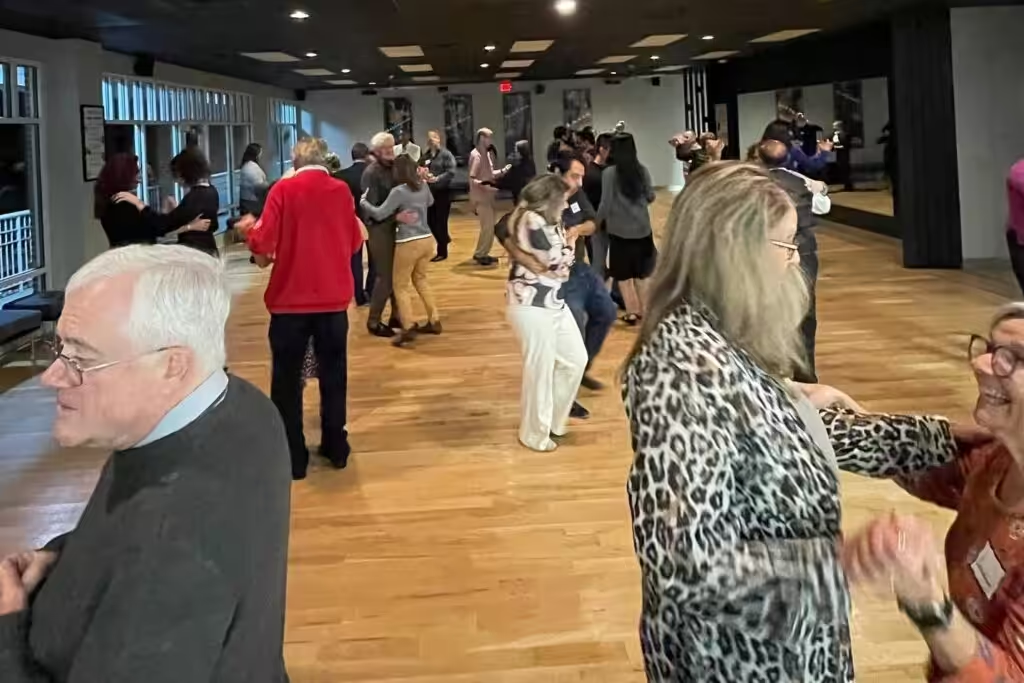
A social dance event gives people a chance to practice partner dancing outside of lessons or performances. The format varies by venue, but events often combine open dancing with opportunities to change partners, take breaks, and meet other dancers.
Some events begin with a beginner lesson before the main social starts. A DJ or live band then provides the music while dancers join and leave the floor, switch partners, and take breaks throughout the event.
Are Social Dance Events Beginner-Friendly?
Beginners can attend social dance events, even with limited experience. Knowing a few basic steps and how to lead or follow them gives you enough to start practicing with different partners.
Which Social Dance Should You Learn First?
Start with a dance that matches the music you enjoy and the social events available near you. West Coast Swing works with many pop, blues, and R&B songs, while Lindy Hop is closely associated with swing and jazz. Salsa and Bachata are good options if you enjoy Latin music.
Ready to Start Social Dancing?
Social dancing gives you a way to enjoy music, practice partner skills, and meet other dancers without preparing a choreographed routine. Once you understand basic lead-and-follow communication and floor etiquette, you have the foundation to participate.
Choose a style that interests you, learn a few basic steps, and look for a beginner class or social dance event where you can put them into practice.
FAQs
Do I need to bring a partner to attend a social dance event?
No! The vast majority of participants arrive solo. Social dance culture thrives on rotating partners throughout the night, making it very easy to meet people and dance continuously without bringing a date.
What should I wear to my first social dance class?
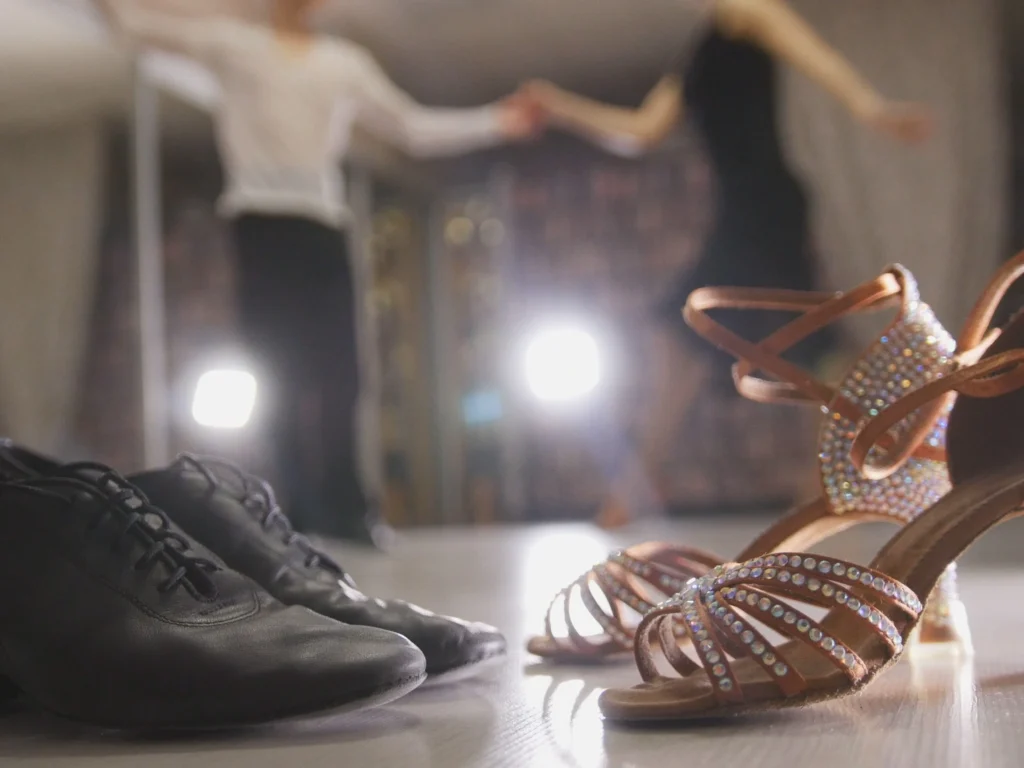
Wear comfortable, breathable clothing that allows you to stretch and move freely. For footwear, choose smooth-soled shoes like leather or worn sneakers that allow you to pivot easily on hardwood floors without sticking.
How long does it take to become comfortable social dancing?
Most beginners feel comfortable dancing basic patterns after 4 to 8 weeks of consistent weekly classes and practice nights. Focus on mastering simple lead-and-follow mechanics rather than complex choreography.
Is social dancing different from ballroom dancing?
Yes. While many ballroom styles (like Waltz or Cha-Cha) can be danced socially, traditional ballroom often emphasizes standardized syllabi, strict posture, and competitive performance, whereas social dancing focuses primarily on casual connection, street styles, and real-time improvisation.