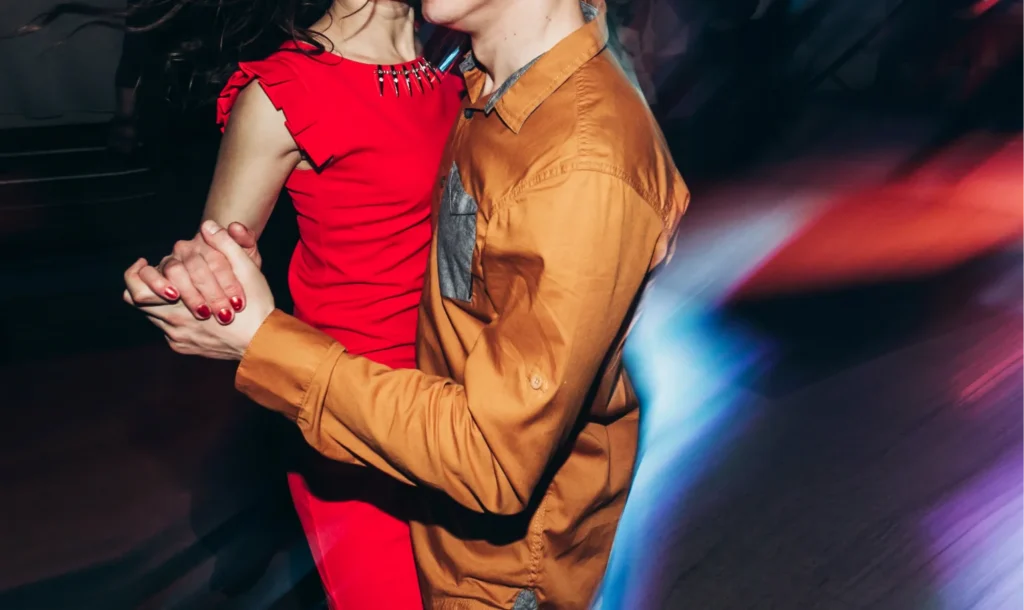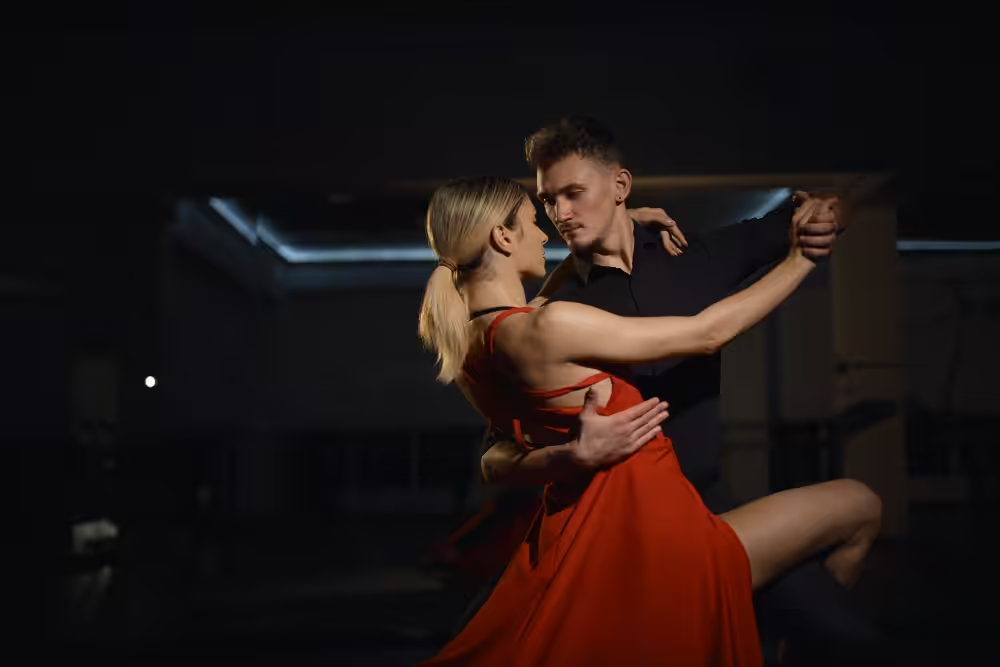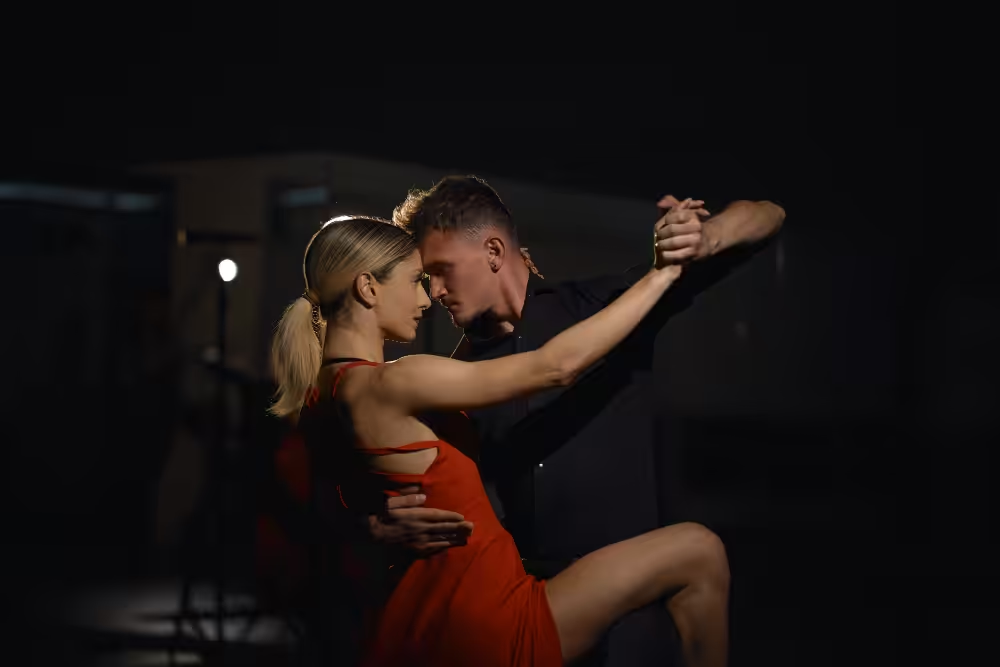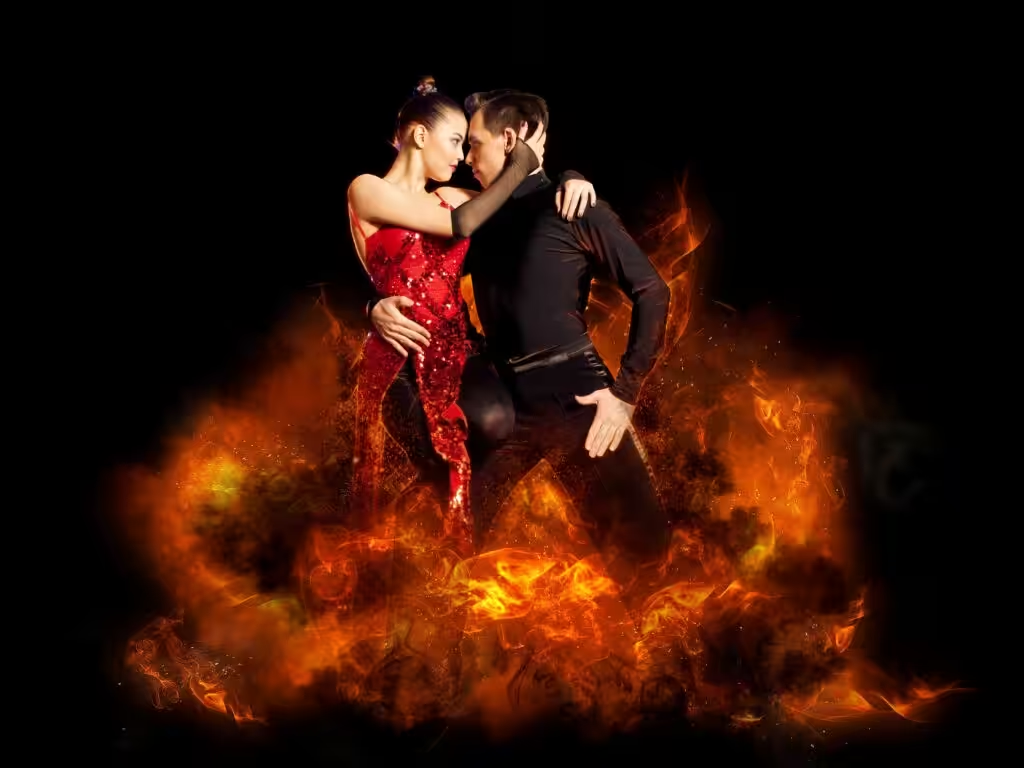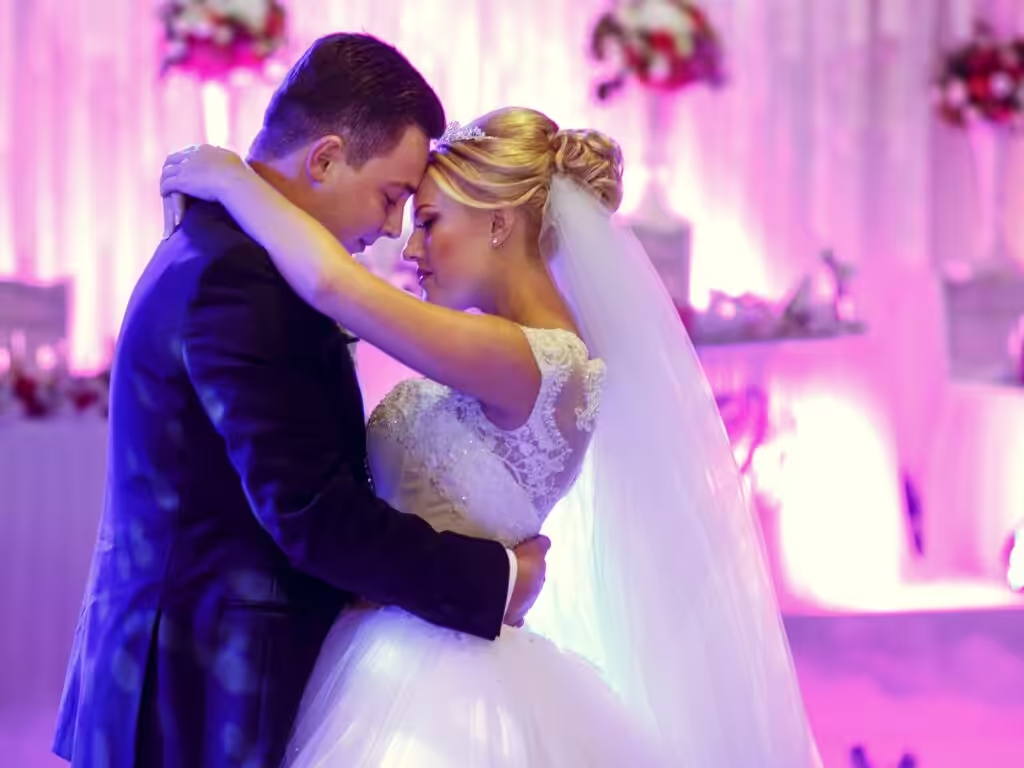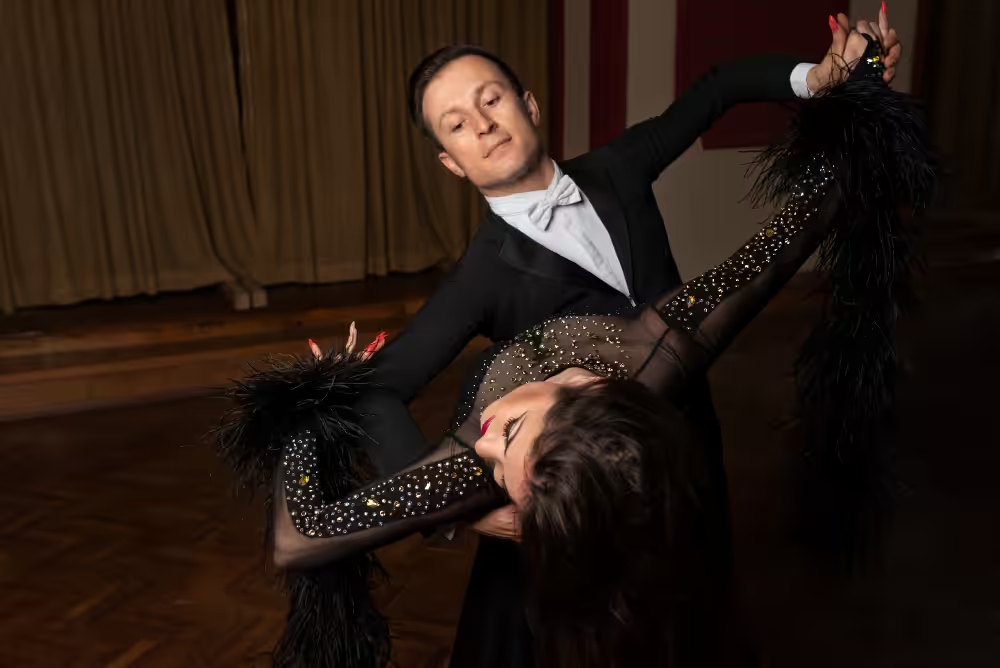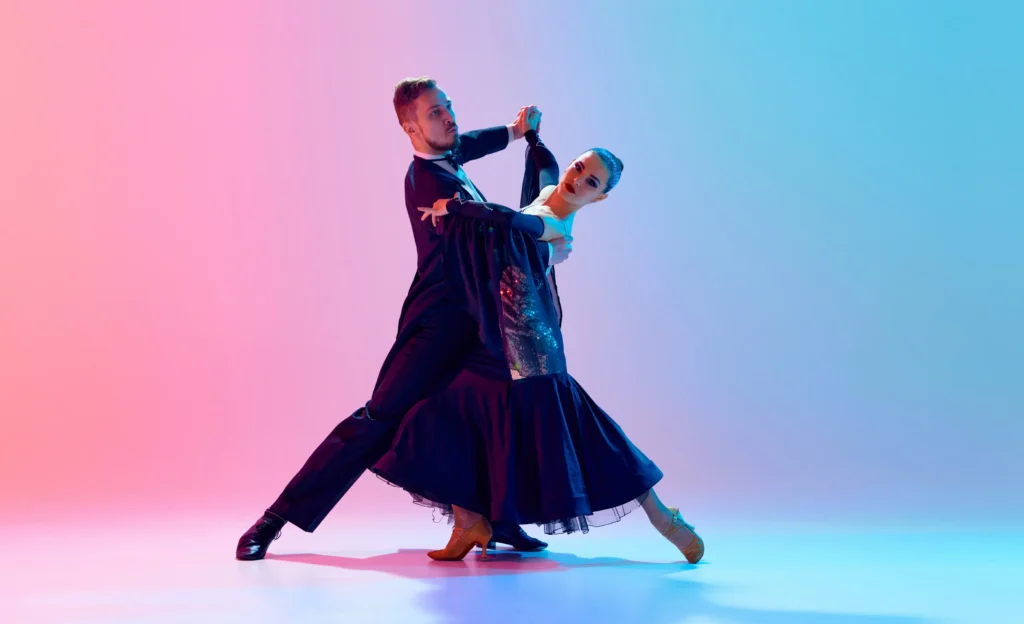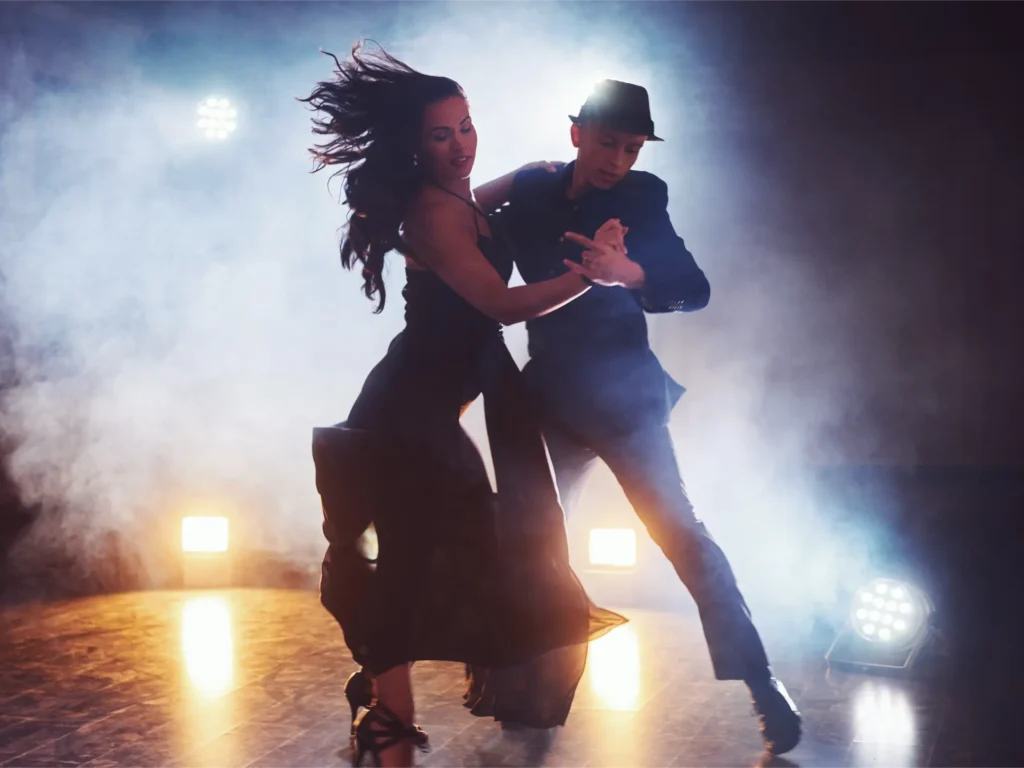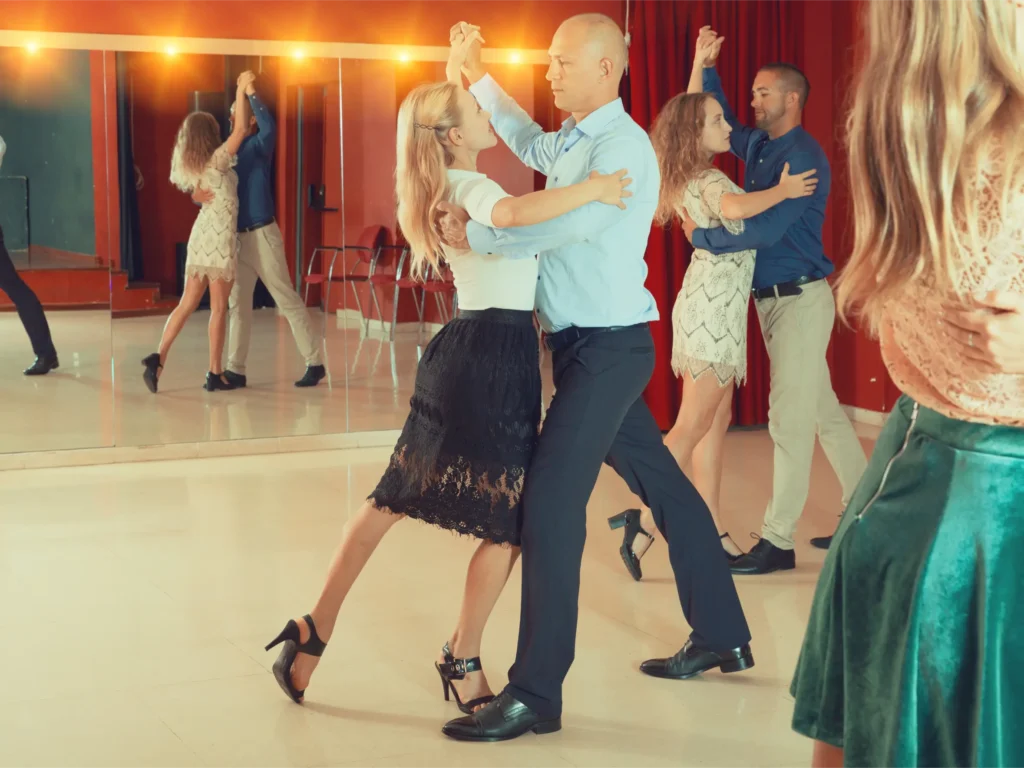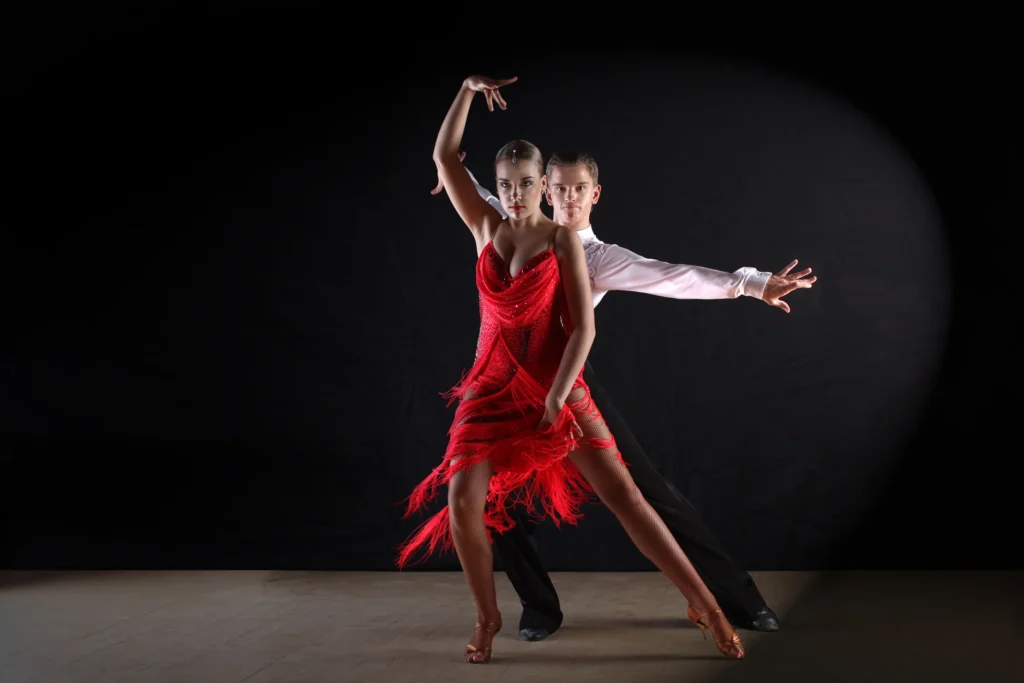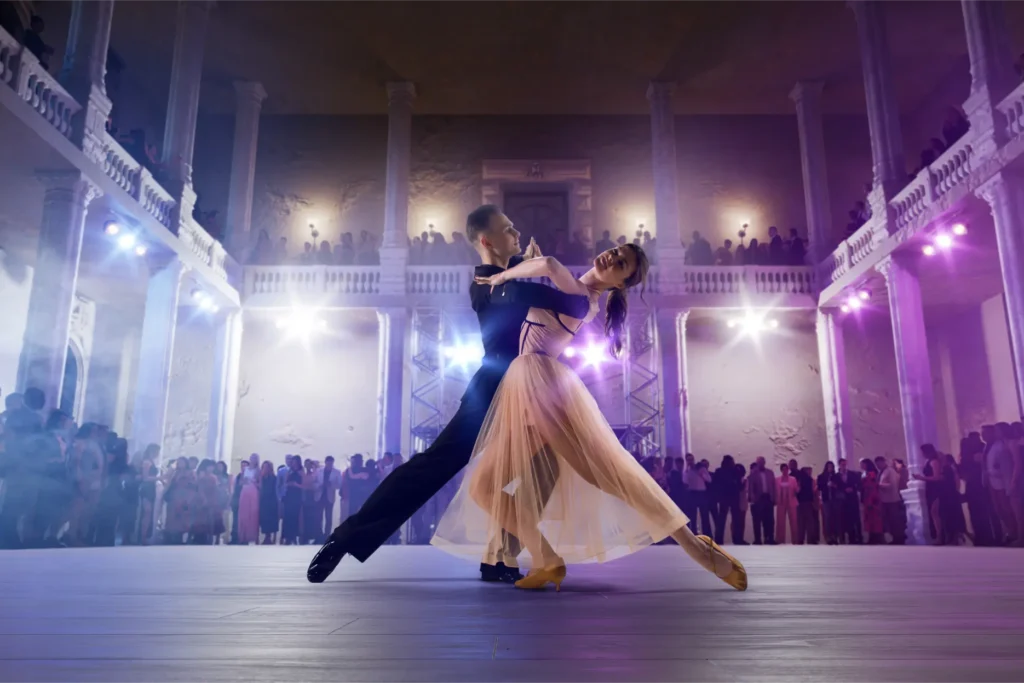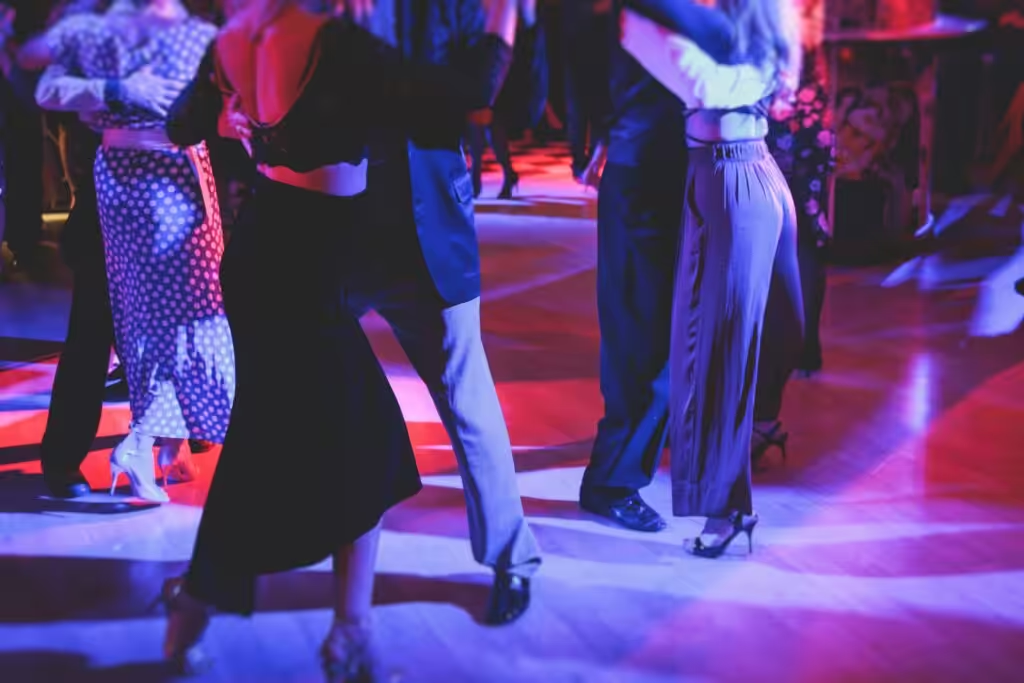
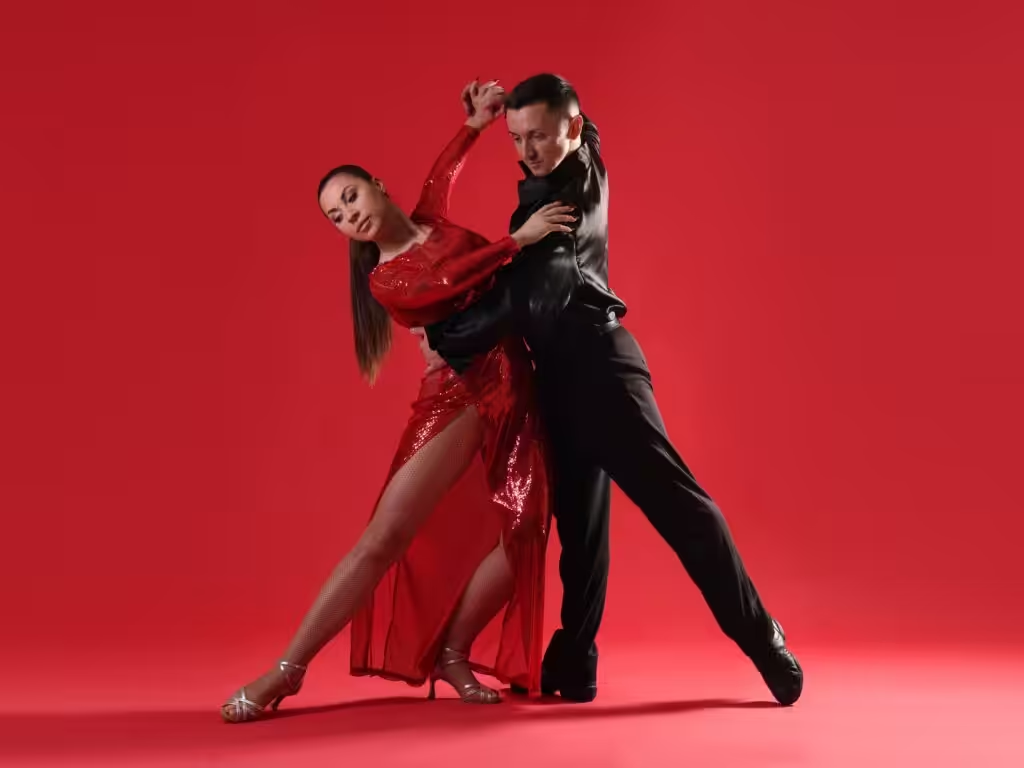
The main difference between Argentine tango and Ballroom tango is how dancers move and connect. Argentine tango uses a close embrace and improvised steps, while Ballroom tango follows set patterns with a more structured frame and sharp movements.
Key Takeaways
- Argentine tango developed in the intimate social clubs and milongas of Buenos Aires, whereas Ballroom tango was standardized in Europe and America for international dance competitions and formal ballrooms.
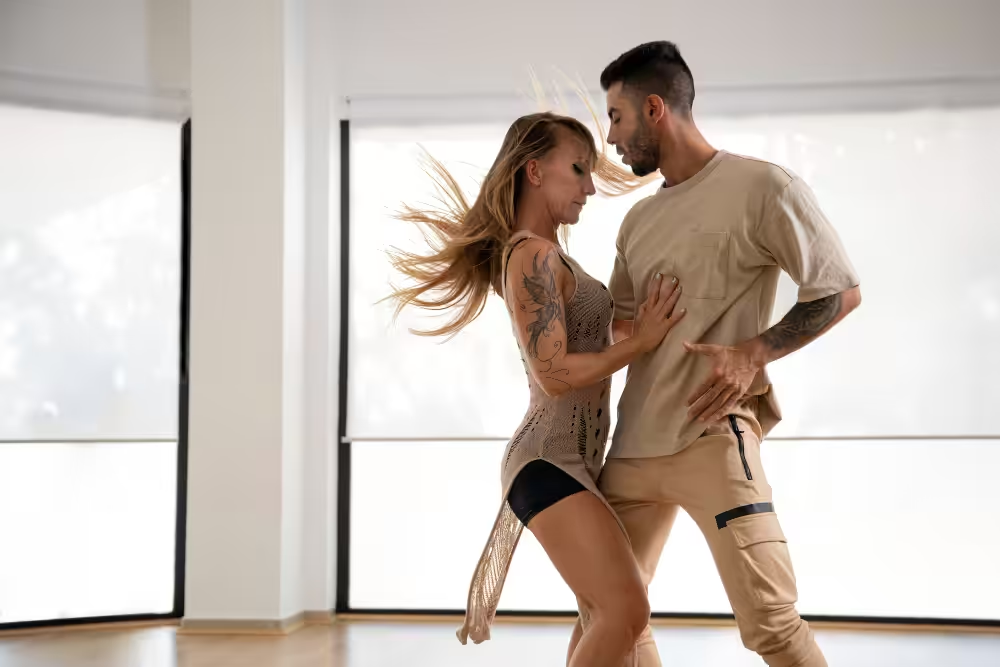
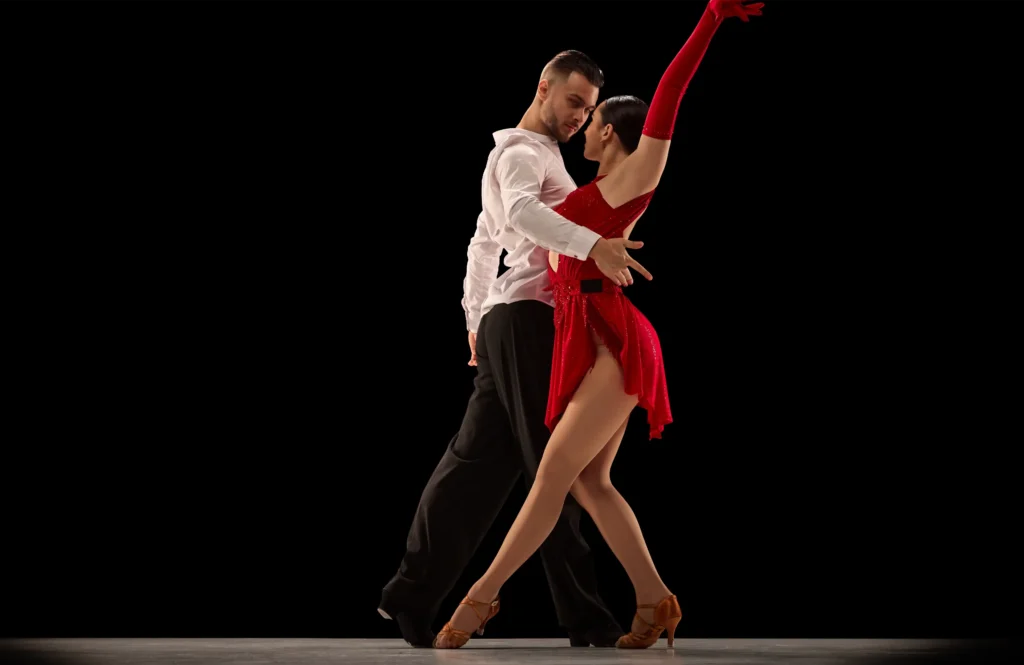
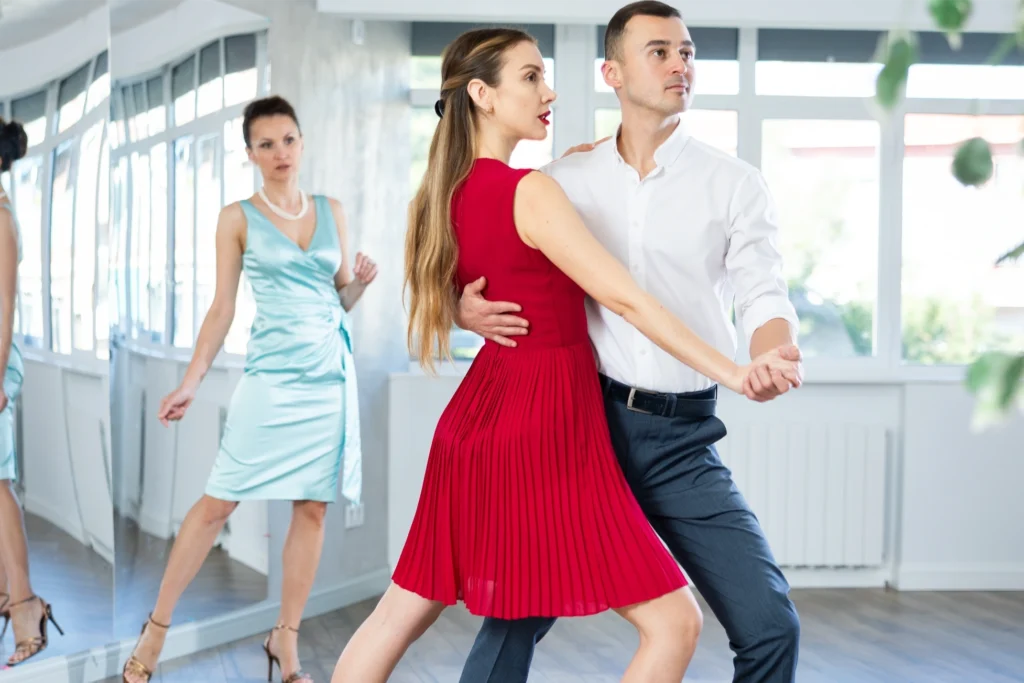
- Argentine tango features a close, chest-to-chest embrace focused on connection and heart-to-heart dialogue, while Ballroom tango utilizes an open, arched upper body framed for dramatic visual presentation.
- Argentine tango relies entirely on lead-and-follow improvisation with no fixed sequence of steps; Ballroom tango follows strictly choreographed syllabus patterns and standardized routines.
- Dancers in Argentine tango maintain a relaxed, grounded posture with flexible knees and subtle weight shifts, while Ballroom tango dancers emphasize rigid frame alignment, sharp head snaps, and stylized staccato footwork.
- Argentine tango is danced socially to classical tango orchestras with delicate rhythm shifts, whereas Ballroom tango is performed to heavily accented, regular 2/4 beats designed for large dance floors.
Argentine Tango vs Ballroom Tango: Side-by-Side Comparison
Here’s a quick comparison of the main differences between Argentine tango and Ballroom tango.
| Aspect | Argentine Tango | Ballroom Tango |
| Origin | Buenos Aires and Montevideo, late 1800s | Europe, early 1900s |
| Main purpose | Social dancing and improvisation | Social dancing, performances, and competitions |
| Partner connection | Close, flexible embrace | Wider, structured frame |
| Posture | Relaxed, with partners often leaning slightly toward each other | Upright, with an offset body position |
| Footwork | Smooth, grounded steps with pivots and turns | Sharp, strong steps with quick direction changes |
| Dance patterns | Improvised based on music and space | Established step patterns |
| Music | Traditional tango with pauses and rhythmic changes | Steady rhythm with strong, clear accents |
| Movement style | Compact, smooth, and flexible | Sharp, dramatic, and structured |
| Best suited for | Dancers who enjoy improvisation and close partner connection | Dancers who enjoy structured lessons and precise movements |
History and Origins
Argentine tango began as a social dance in Buenos Aires and Montevideo in the late 1800s, while Ballroom tango developed in Europe in the early 1900s with more structured steps and movements.
Argentine Tango Origin
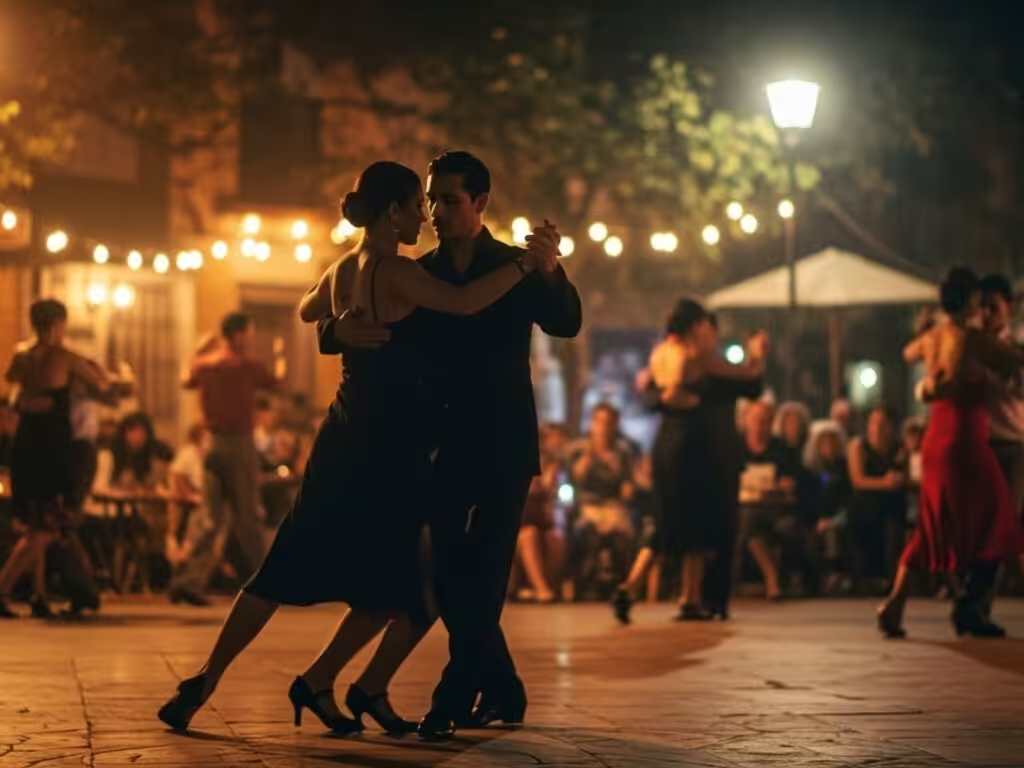
Argentine tango developed in the late 1800s, particularly during the 1880s and 1890s, in the crowded neighborhoods and dance halls of Buenos Aires and Montevideo. Immigrants and local communities helped shape the dance through social gatherings.
Limited dance space encouraged couples to use small steps and close embraces, which remain important parts of Argentine tango today.
Ballroom Tango Origin
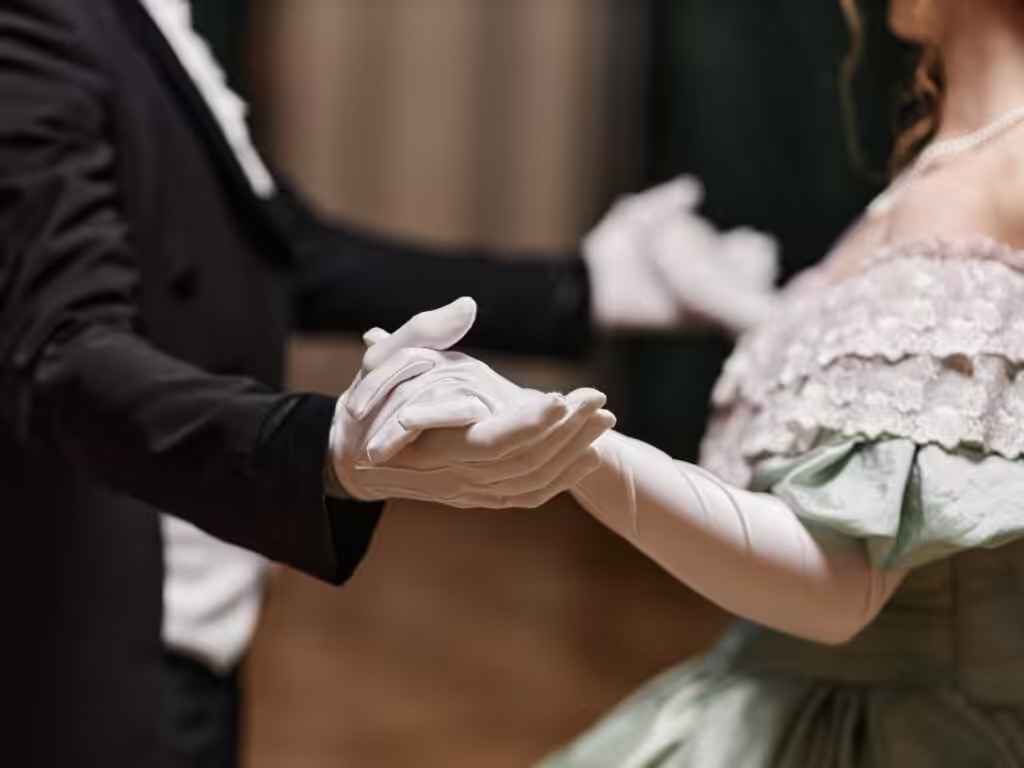
Ballroom tango developed after tango reached Europe in the early 1900s. Dance teachers in Paris and London began standardizing its steps, posture, and movements for formal instruction.
Over time, ballroom tango developed into different styles, including International Standard and American Style Tango, which are taught in dance studios and performed in competitions.
How Social Dancing and Competitions Shaped Each Tango Style
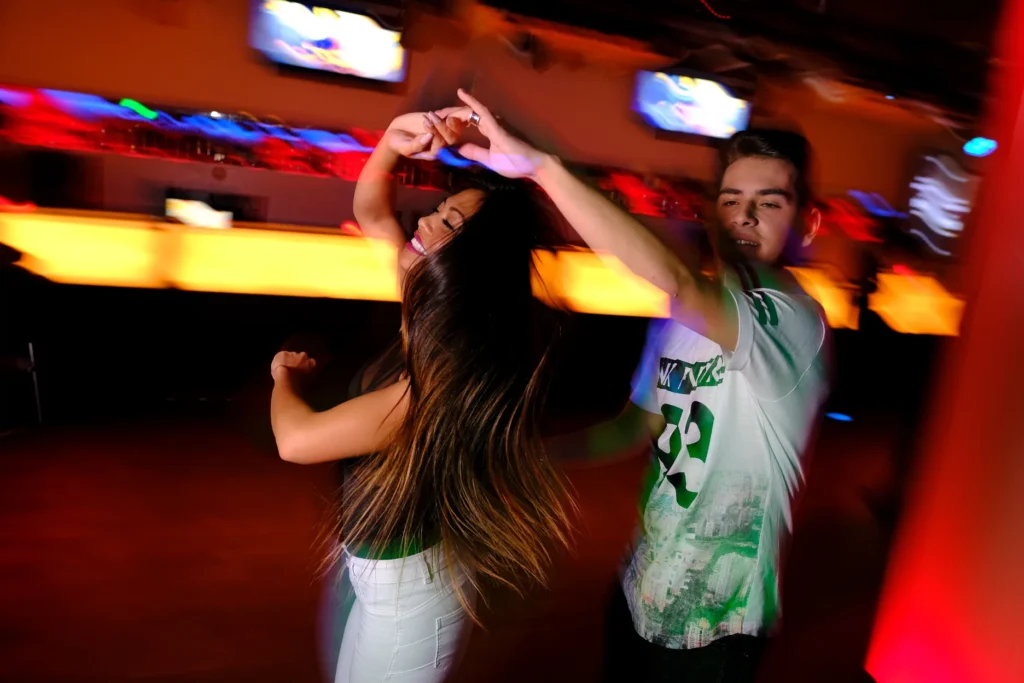
Argentine tango developed as a social dance performed at milongas, where couples adjust their steps to the music and other dancers around them.
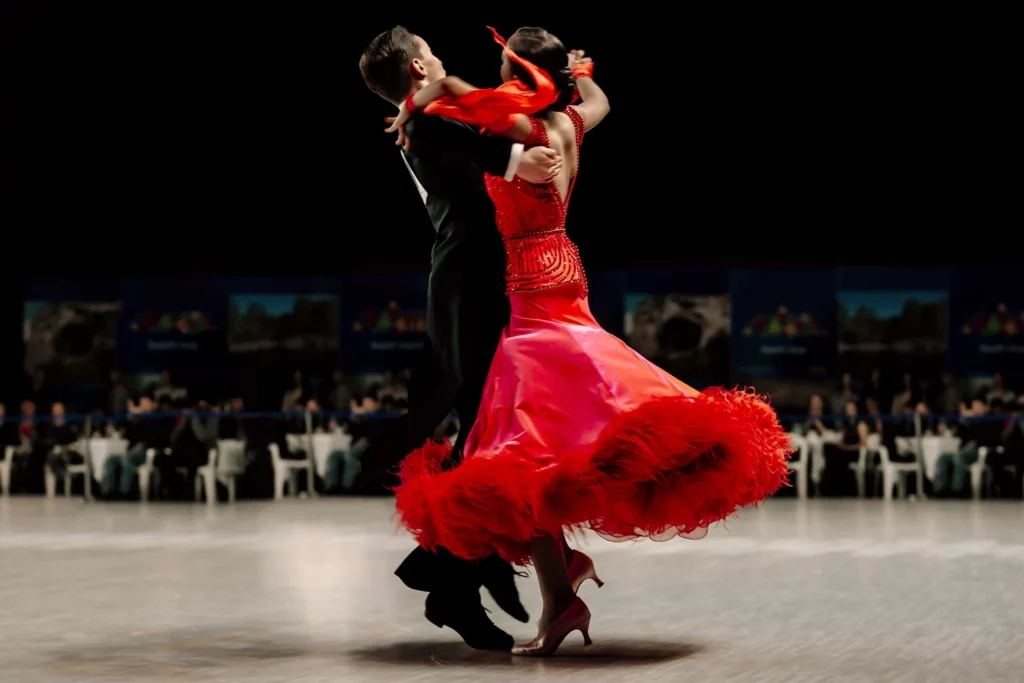
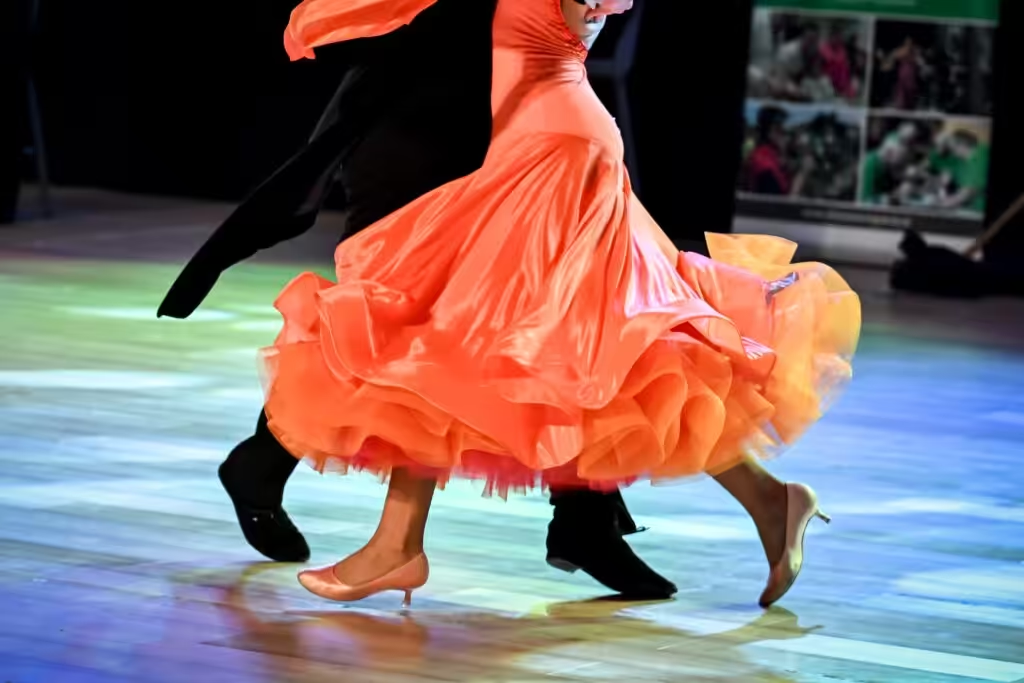
Ballroom tango became more structured as it grew in dance schools and competitions. It uses a defined frame, larger movements, and recognizable step patterns suited to ballroom floors.
Key Differences Between Argentine Tango and Ballroom Tango
Argentine tango and Ballroom tango differ in their embrace, footwork, and dance patterns. Argentine tango focuses on close partner connection and improvised movements, while Ballroom tango uses a structured frame, sharper movements, and more defined steps.
Embrace and Partner Connection
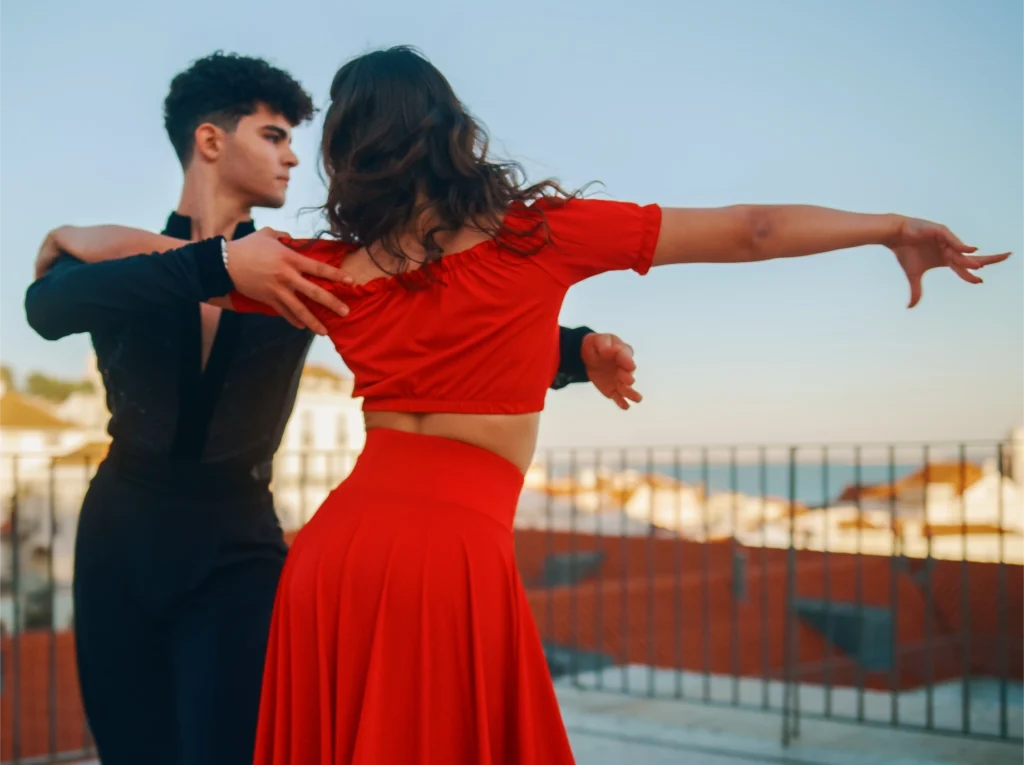
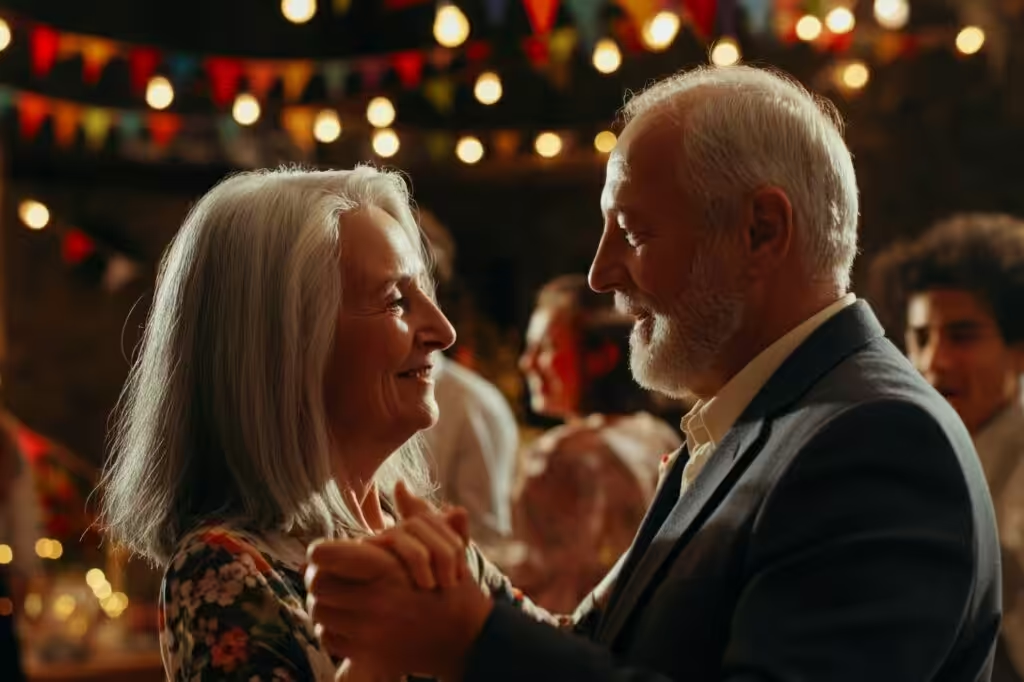
Argentine tango uses a close, flexible embrace where partners may connect through the chest or upper body. Dancers can adjust their embrace to perform different steps and turns.
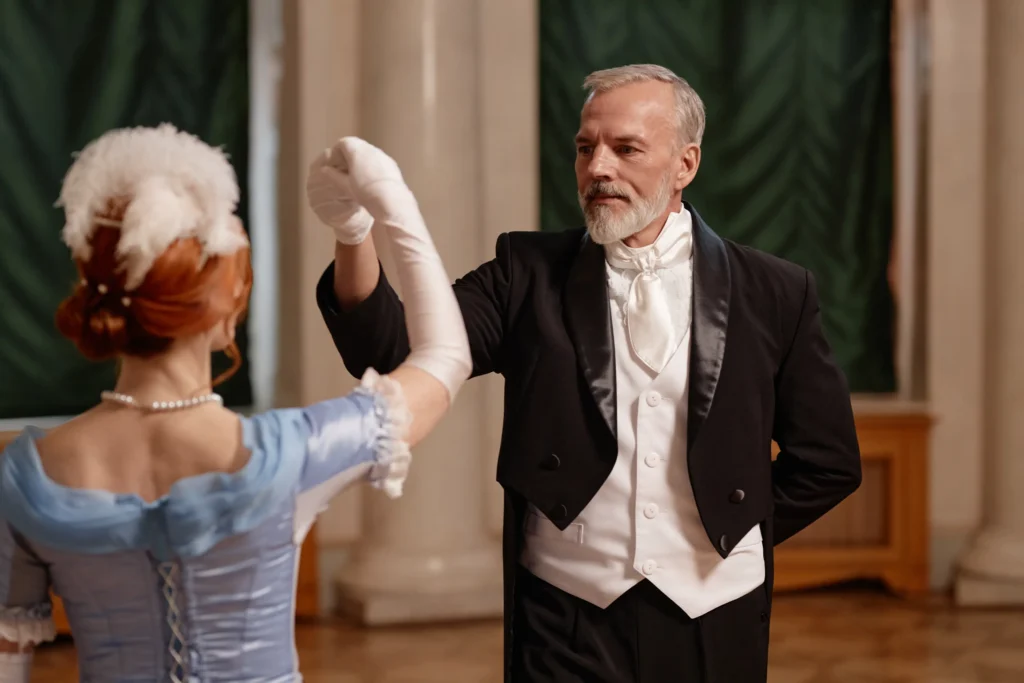
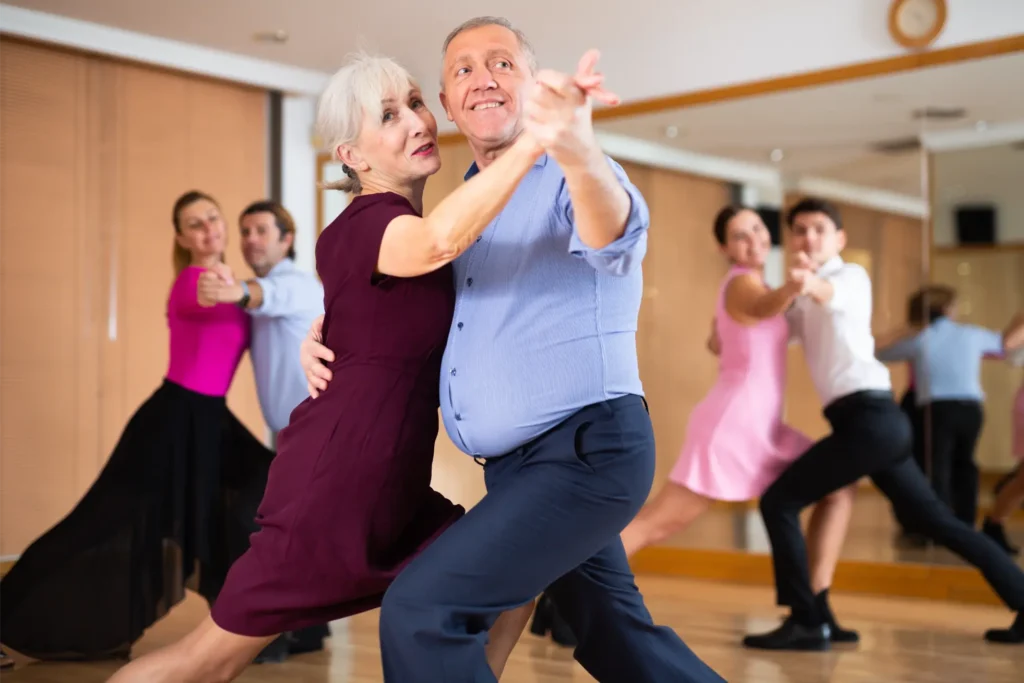
Ballroom tango uses a wider, more structured frame. Partners maintain an offset body position with their upper bodies held in a set posture throughout the dance.
Footwork and Movement
Ballroom tango features sharp, staccato movements, with strong walking steps, quick changes of direction, and sudden head turns. Dancers often use heel leads when stepping forward.
Argentine tango uses smooth, grounded steps and frequent changes in direction. It also includes movements such as ochos (figure-eight turns), ganchos (leg hooks), and paradas (stops).
Improvisation and Dance Patterns
Argentine tango is mainly an improvised social dance. Partners choose their steps as they move, based on the music and available space. It is commonly danced at social gatherings called milongas.
Ballroom tango uses established step patterns that dancers learn and practice. These patterns can be combined in different ways for social dancing, performances, and competitions.
Music, Energy, and Choosing the Right Style for You
Argentine tango and Ballroom tango use different music, rhythms, and movements. Argentine tango gives dancers more freedom to respond to the music, while Ballroom tango follows a steady beat with sharper, more structured movements.
Music and Rhythm
Argentine tango music features changes in tempo, pauses, and shifts in mood. Traditional tango orchestras often use the bandoneón, an instrument similar to an accordion. Dancers can slow down, pause, or change their steps to match the music.
Ballroom tango music has a strong, steady beat with clear accents. Dancers use quick and slow steps, sharp movements, and sudden stops to match the rhythm.
Which Tango Style Should You Learn?
Ballroom tango may be a better fit if you enjoy learning set step patterns, practicing precise movements, or taking part in dance competitions. It also works well for dancers who prefer structured lessons.
Argentine tango may appeal to you if you enjoy improvisation, close partner connection, and social dancing. It gives you more freedom to choose your steps and respond to the music as you dance.
Final Thoughts: Argentine Tango vs Ballroom Tango
Both tango styles offer different ways to enjoy dancing. Argentine tango focuses on close partner connection and improvisation, while Ballroom tango uses structured steps, sharp movements, and a defined frame. The best choice depends on your interests and dance goals.
Want to try both? At Arthur Murray Dance Studio in Princeton, you can learn Argentine tango and Ballroom tango with guidance from experienced dance instructors. New students can also enjoy their first dance lesson for free.
FAQs
Is Argentine tango harder to learn than Ballroom tango?
Neither style is inherently harder, but they present different challenges. Argentine tango requires a deep mastery of subtle body mechanics, weight transfers, and active listening because every step is completely improvised. Ballroom tango requires physical conditioning, strong core alignment, precise foot placement, and strict adherence to standardized choreography patterns.
Can I wear the same shoes for both Argentine and Ballroom tango?
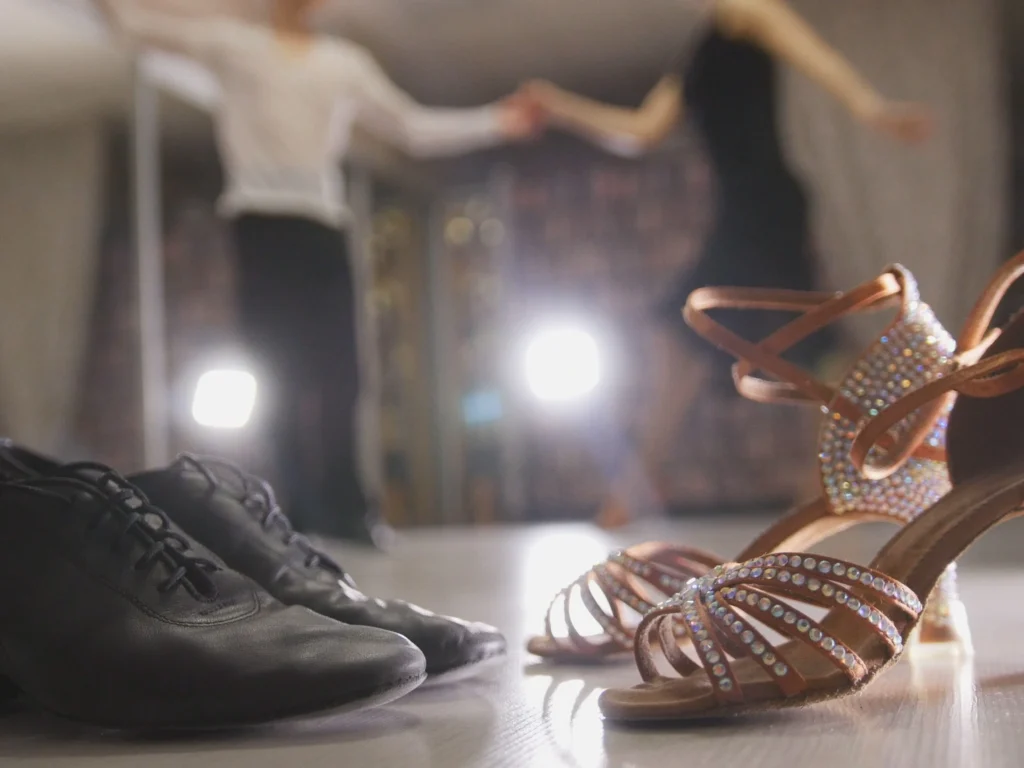
While both styles require specialized dance shoes, their designs vary. Argentine tango shoes for women generally feature higher, centered heels designed for pivoting smoothly on soft wooden floors, while men’s shoes have flexible leather soles for sliding. Ballroom tango shoes prioritize firm heel support and suede soles engineered specifically for traction on polished competition floors.
Do I need a permanent partner to learn either dance style?
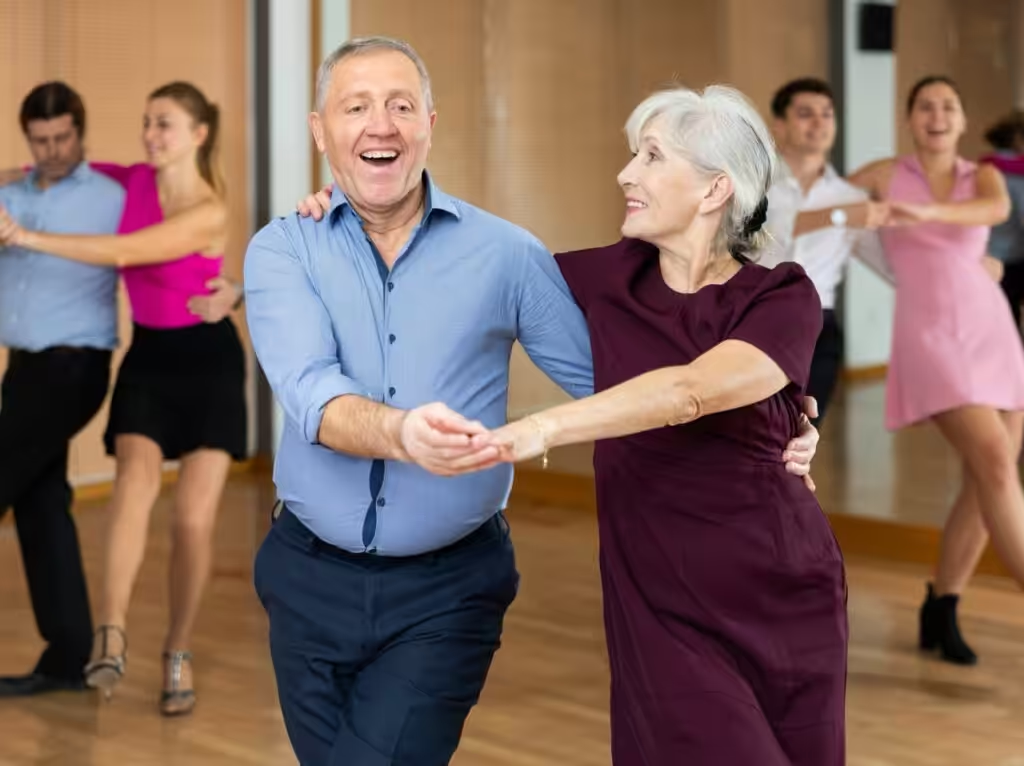
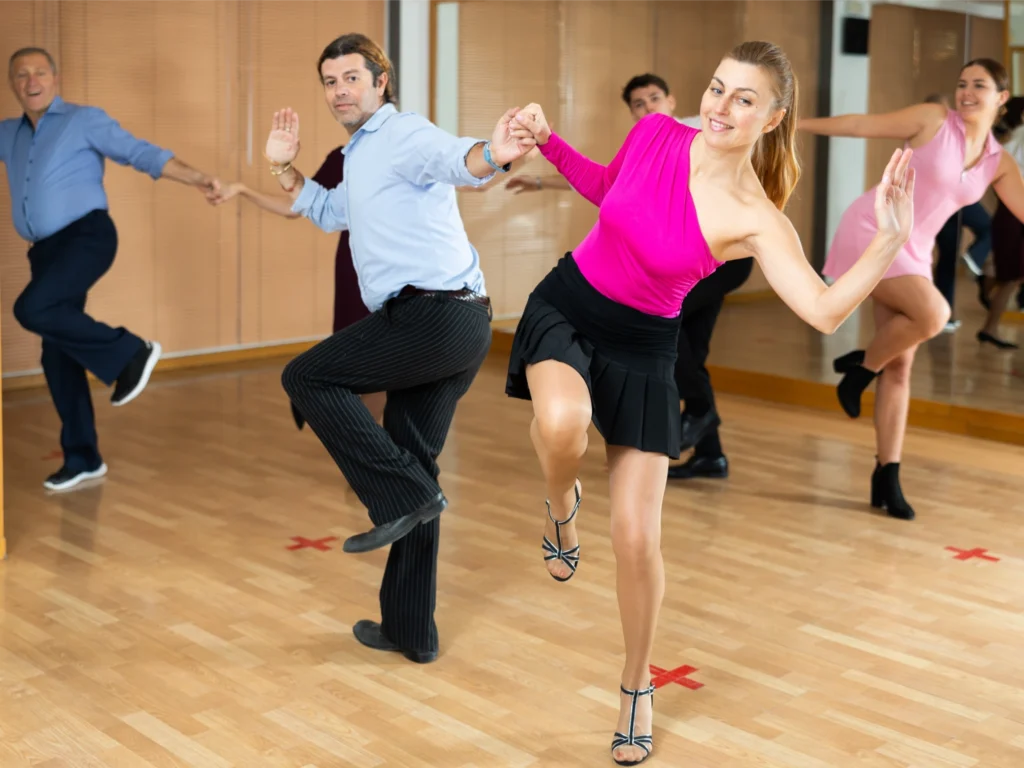
No, you do not need a partner to start learning either style. In Argentine tango studio classes and social milongas, partners rotate constantly to help dancers improve their lead and follow responsiveness with different body types. Ballroom tango studios also offer individual instruction and partner rotation in group classes.
How does the music differ between Argentine tango and Ballroom tango?
Argentine tango uses classical acoustic music composed by legendary tango orchestras, featuring complex rhythmic variations, pauses, and melodic solos. Ballroom tango uses rhythmic, tempo-regulated music with heavy drum accents and a steady 2/4 beat designed to keep competitive dancers strictly on tempo.
Which style is better if I want to dance at social events?
Argentine tango is widely considered the superior choice for purely social dancing worldwide. Local milongas exist in nearly every major city across the globe, offering inclusive social environments where dancers gather specifically to improvise, socialise, and connect without requiring formal choreography or pre-planned routines.