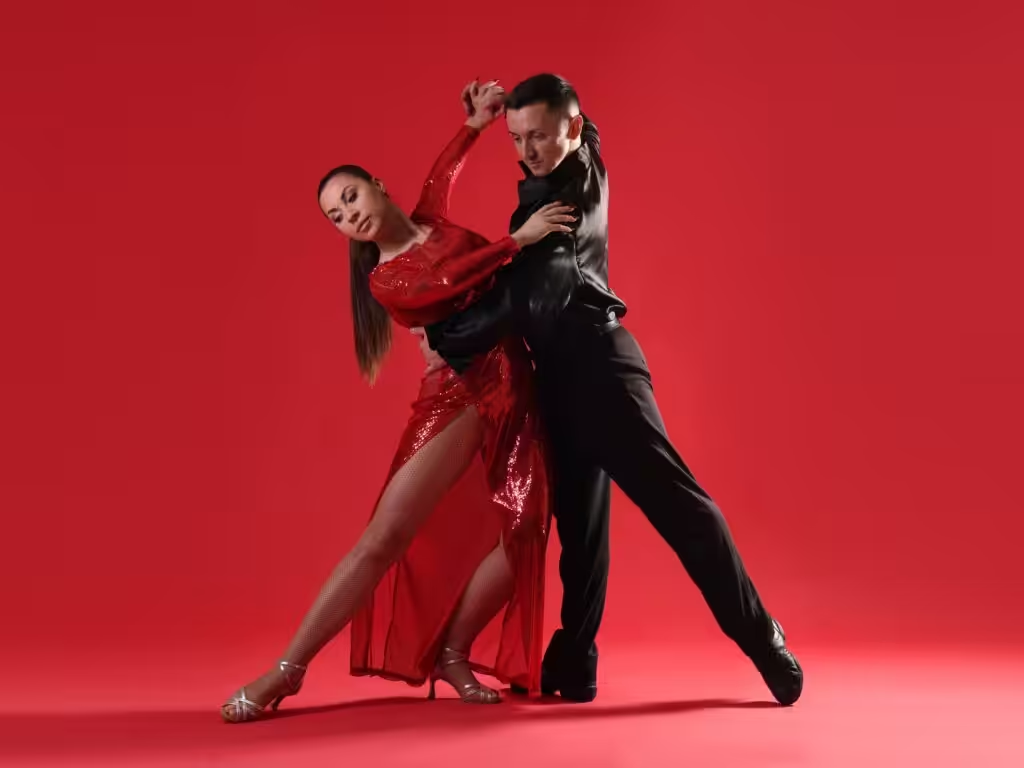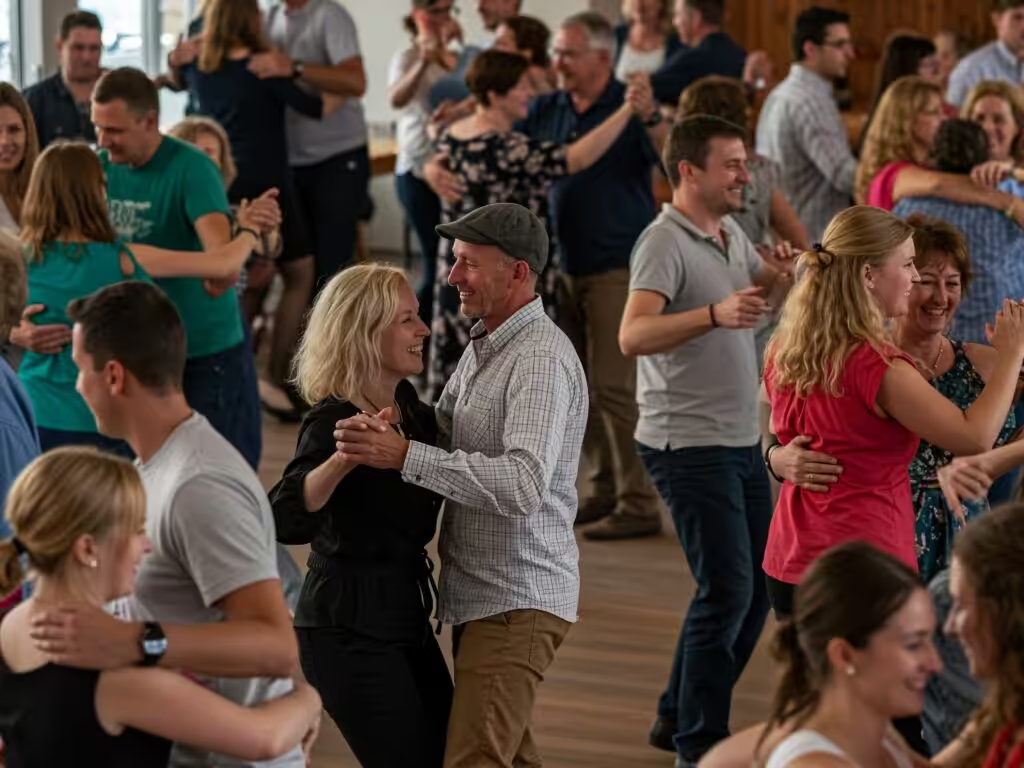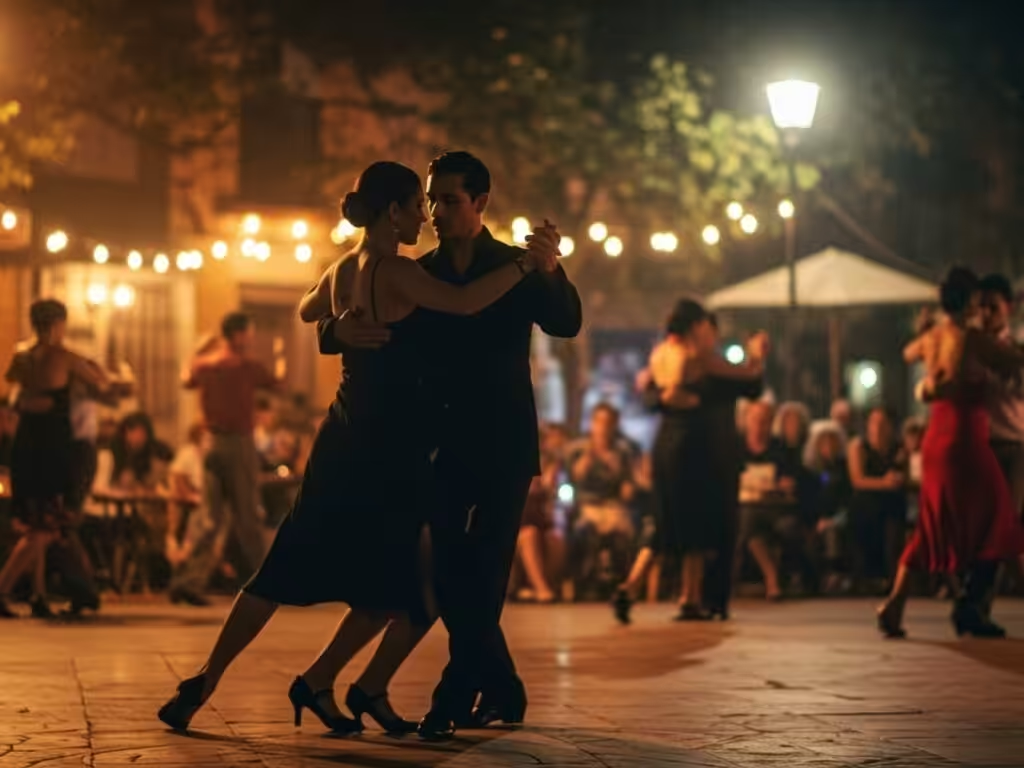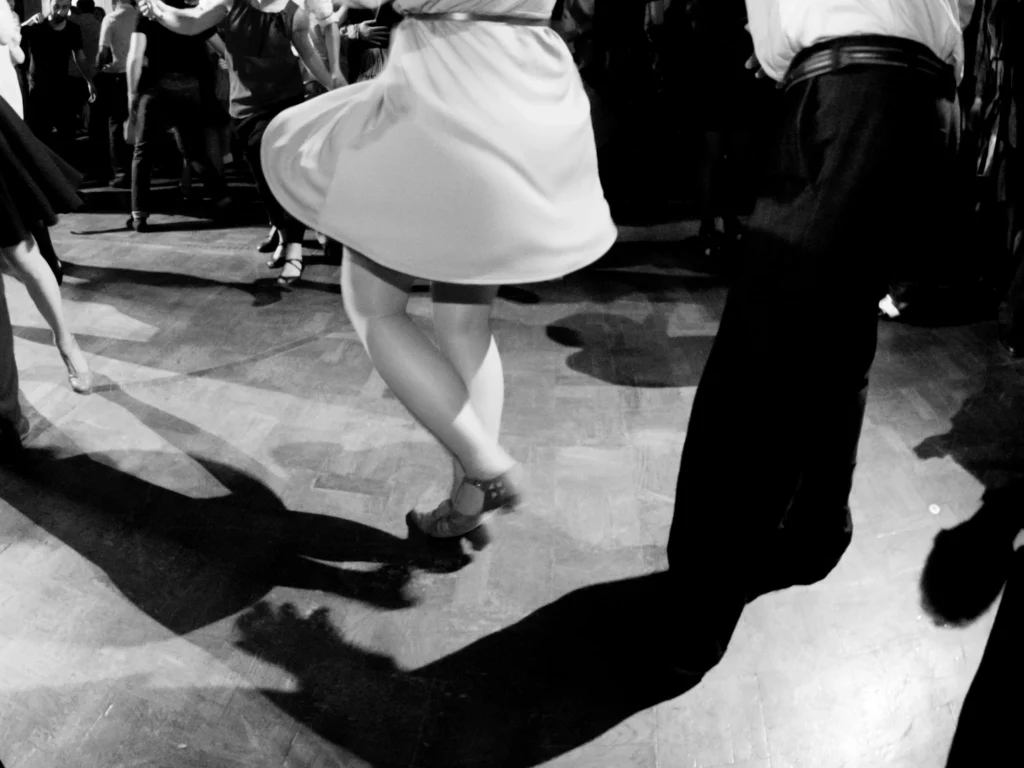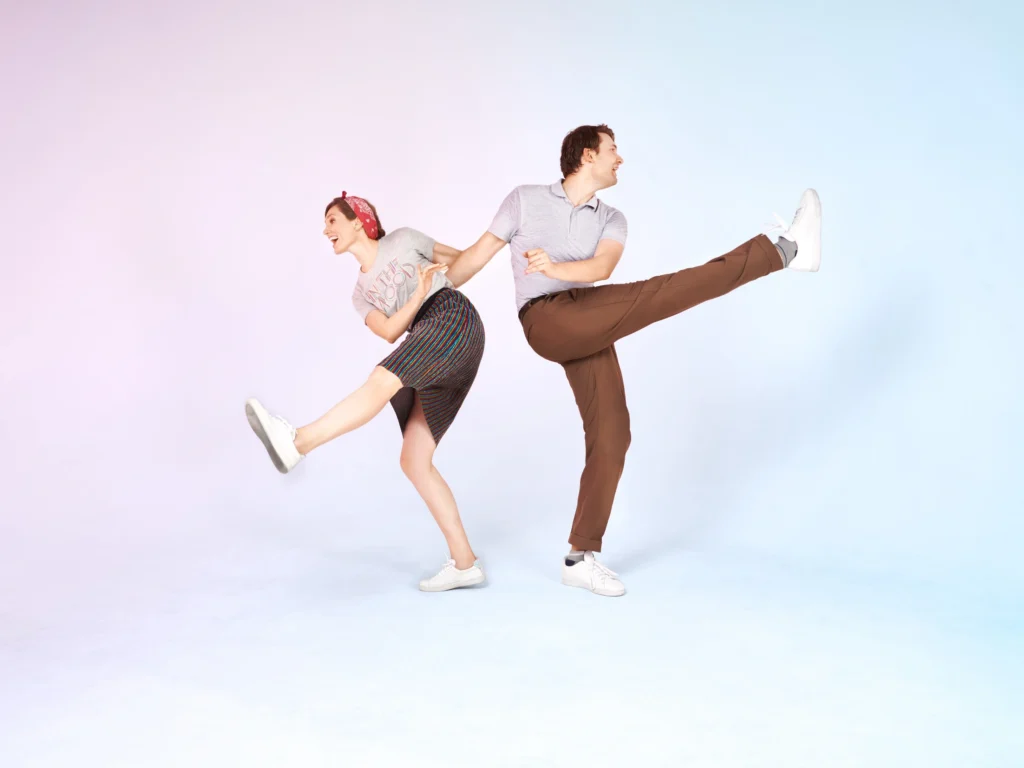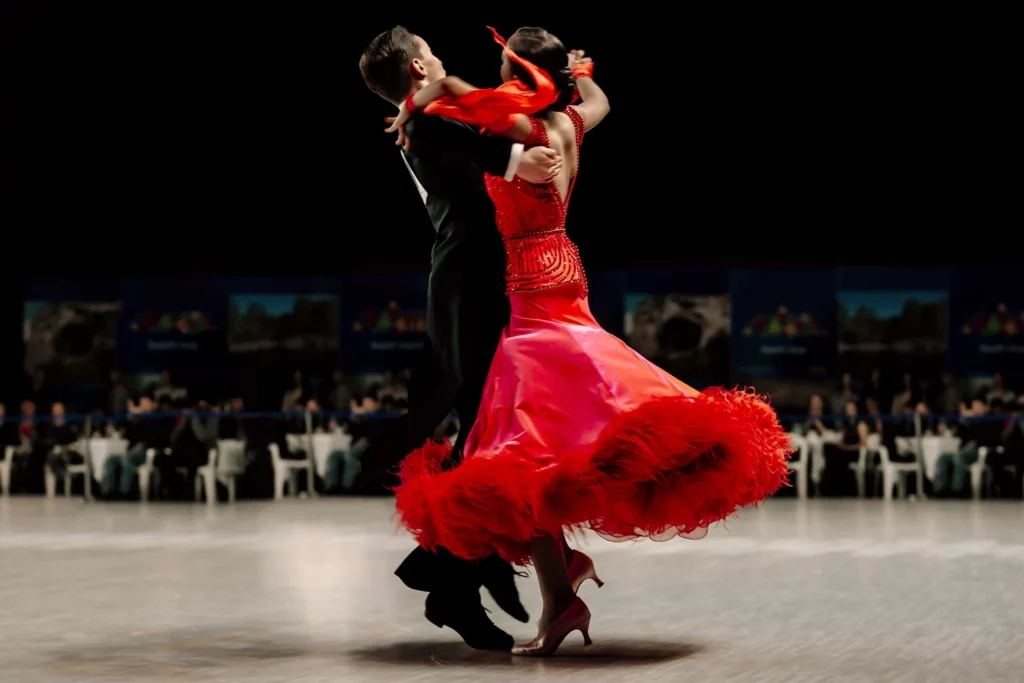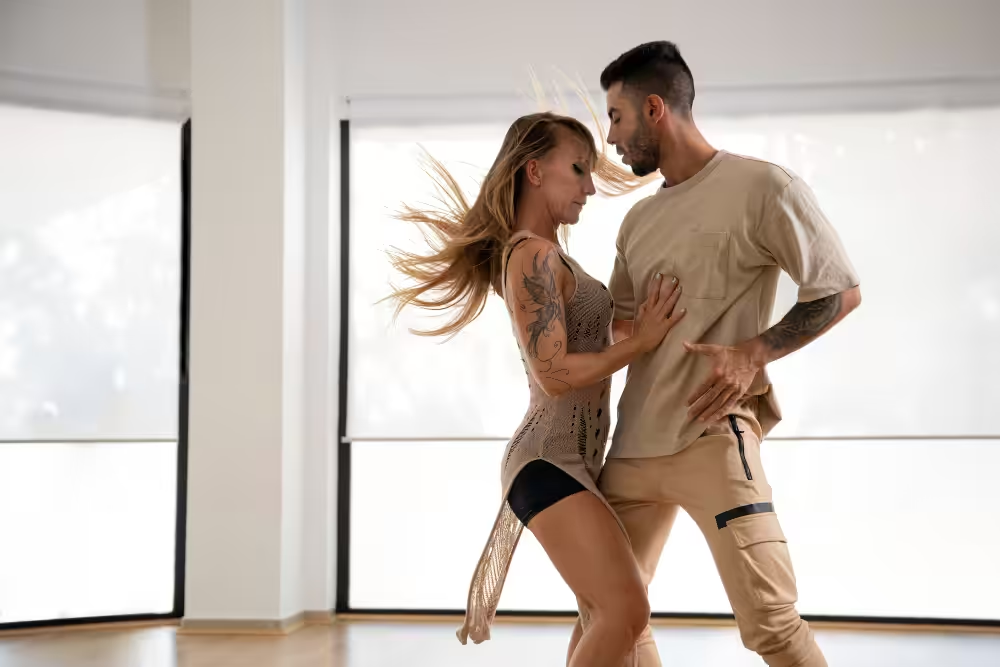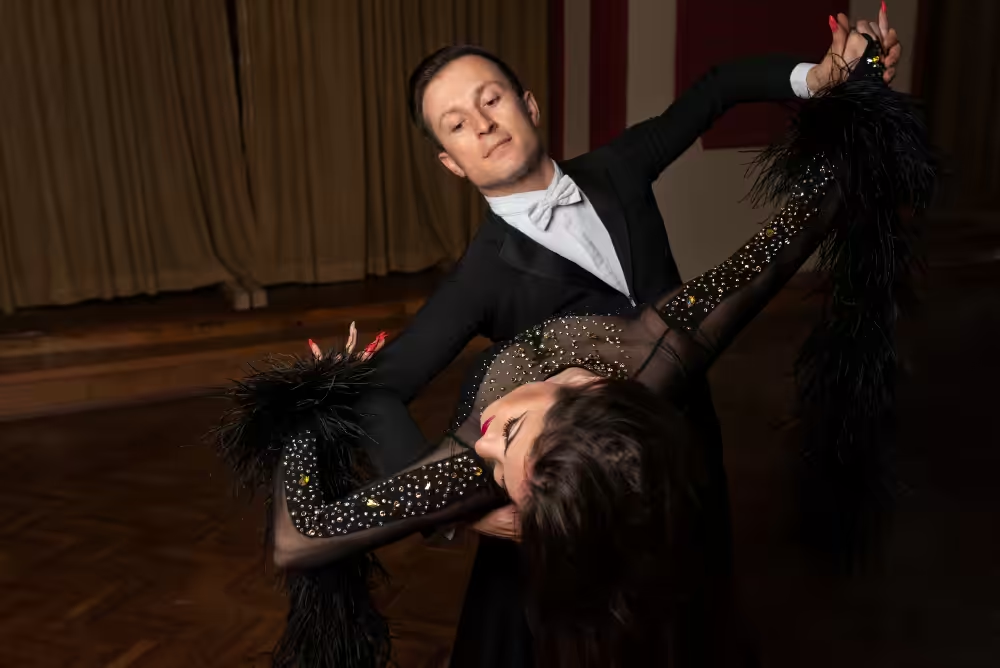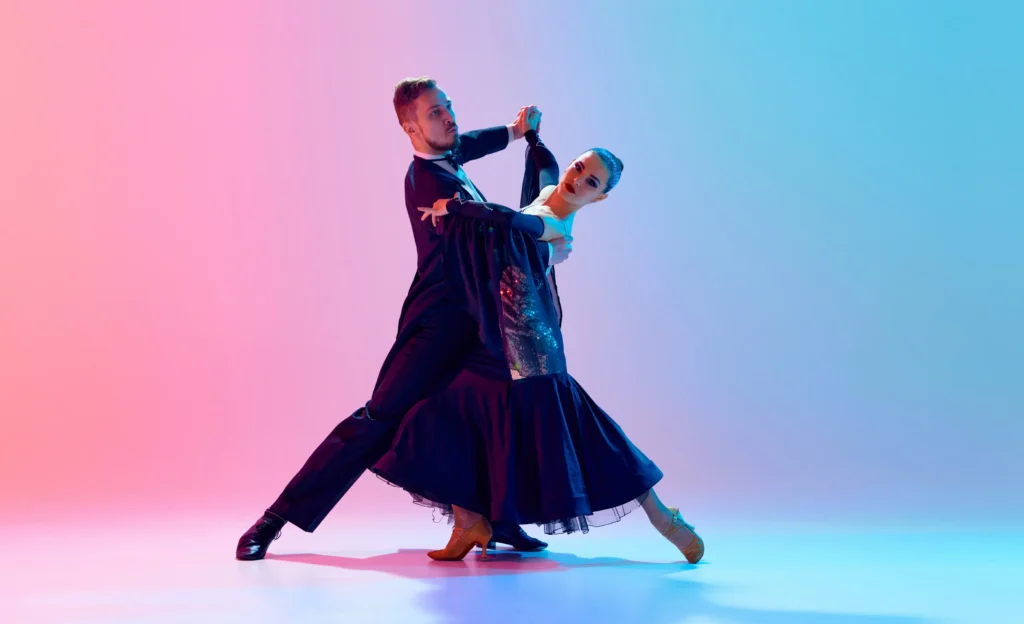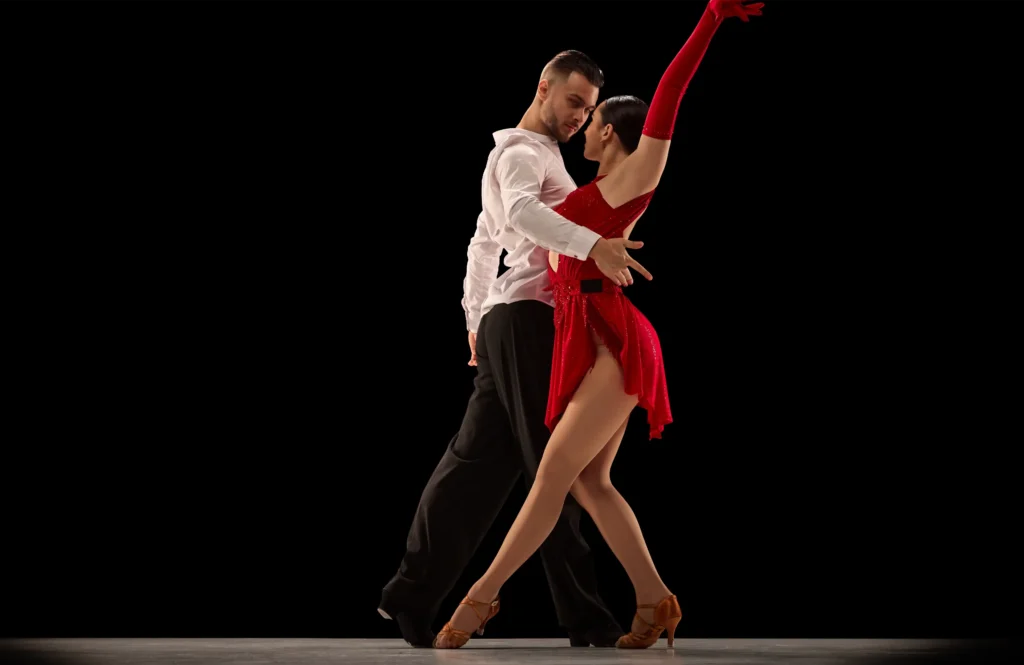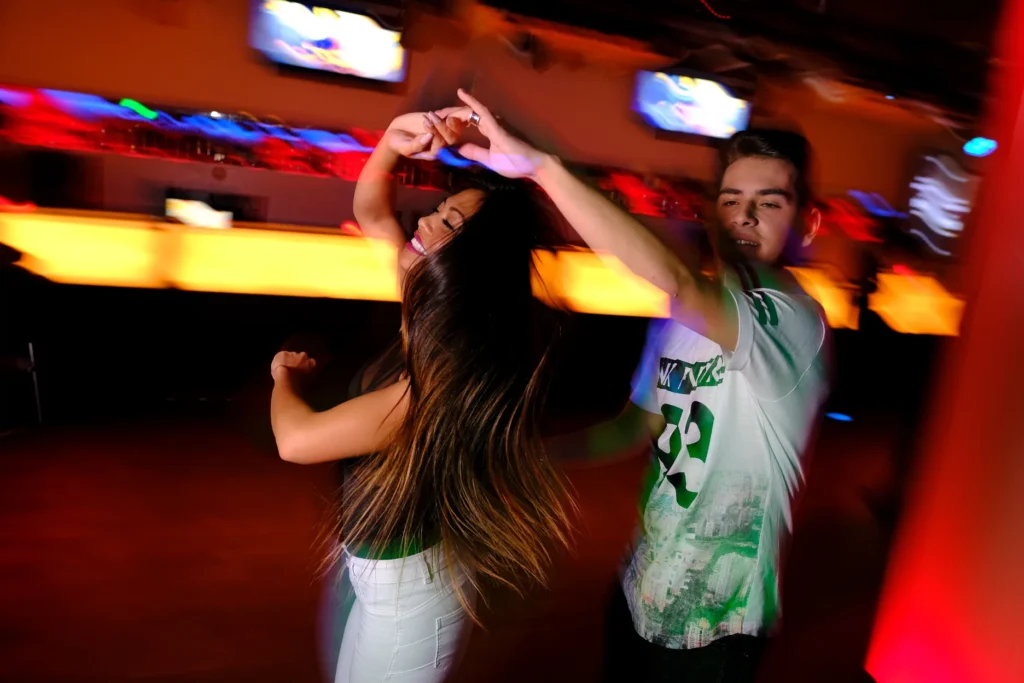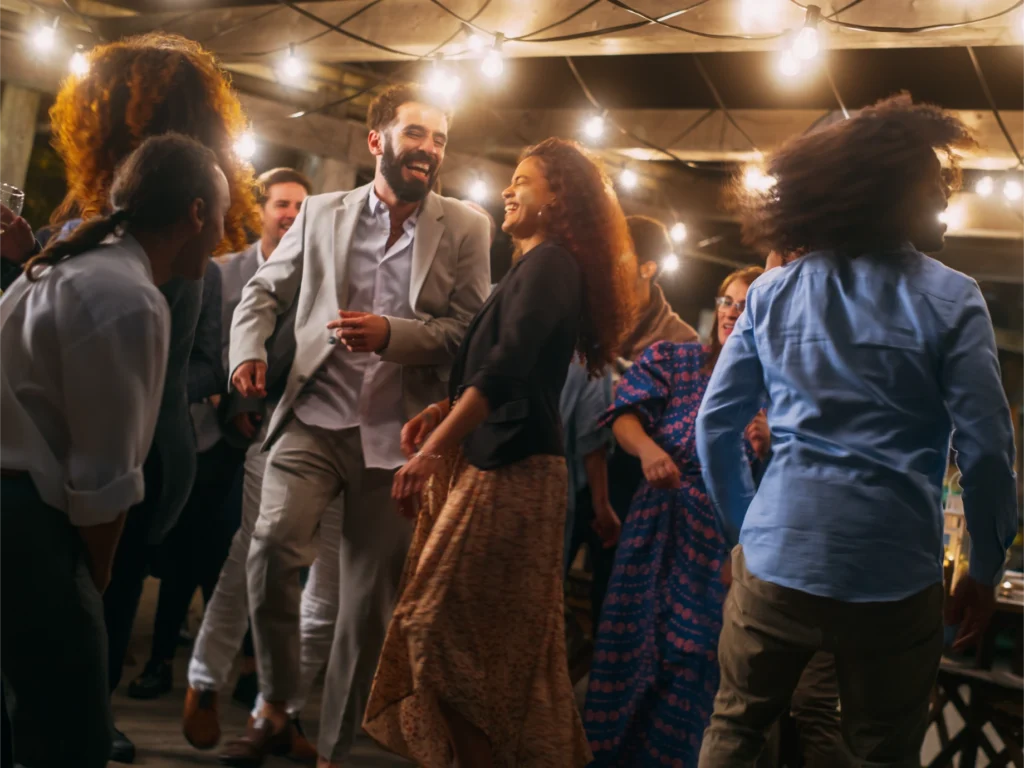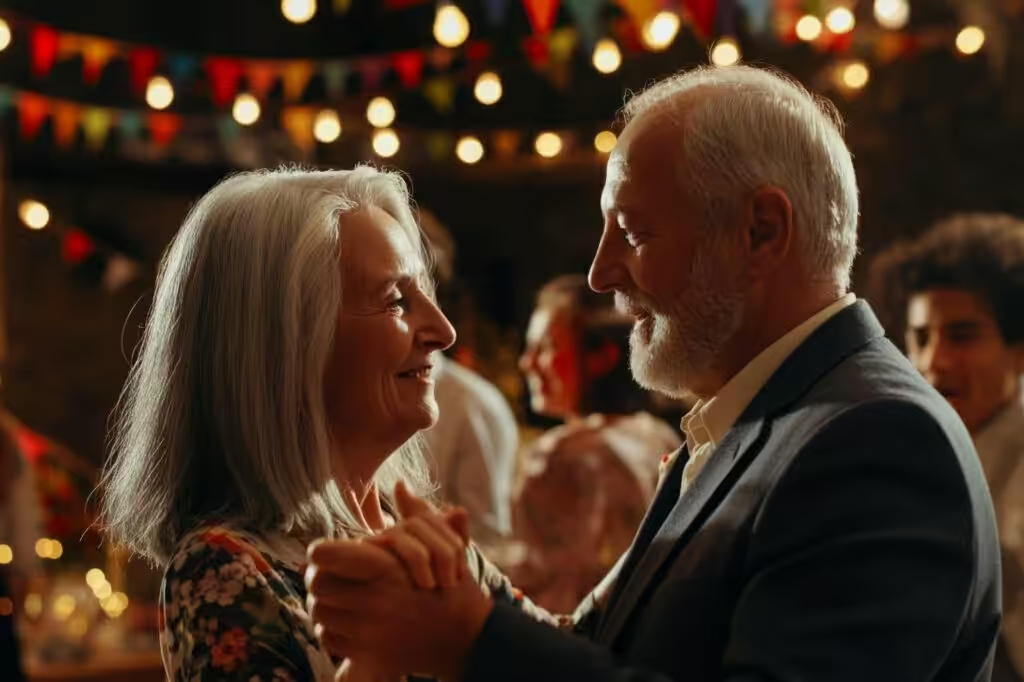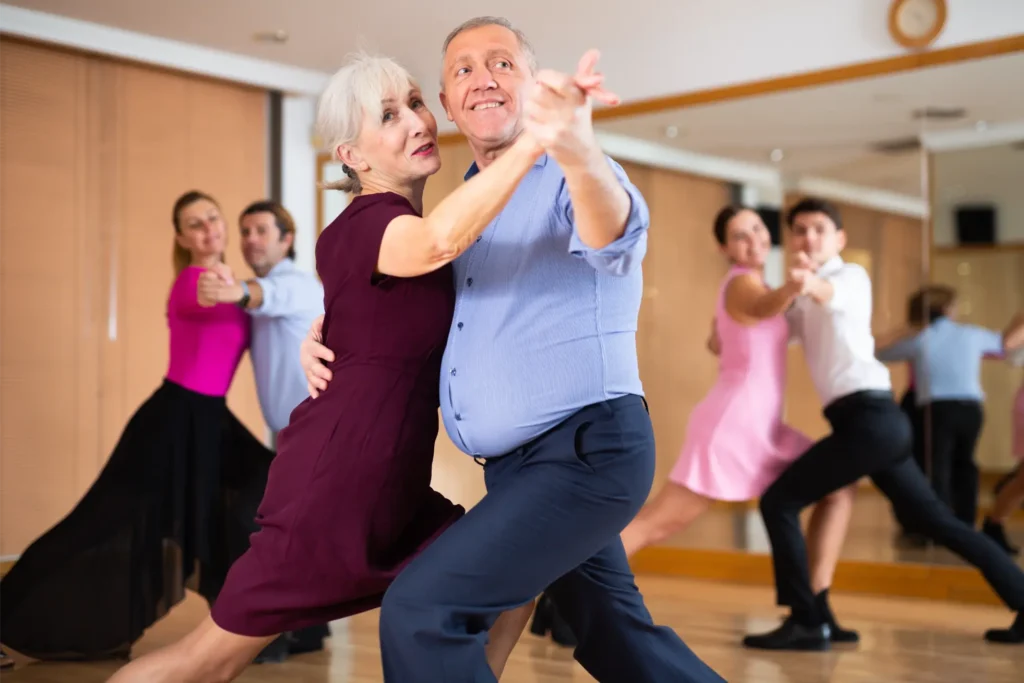
Country Western dancing is a group of American social dances that includes the two-step, line dancing, country swing, and waltz. These styles have roots in European folk dances and American frontier traditions, with different steps, rhythms, and partner movements.
Key Takeaways
- Country western dancing traces its ancestry back to European folk dances, African rhythms, and frontier social gatherings.
- From partner progressive dances like the two-step to energetic solo line dances, there is a style for every music lover.
- Progressive partner dances move counterclockwise around the room along a designated line of dance.
- Anyone can learn the basic steps with proper guidance, comfortable footwear, and regular social practice.
- Local dance halls and country bars offer welcoming spaces to build social connections while staying active.
History and Origins of Country Western Dancing
Country Western dancing developed from European folk dances brought to America by early settlers. Over time, these dances changed as people adapted them to country music and social gatherings across the American West.
How Country Western Dancing Began
Country Western dancing has roots in the 1700s and 1800s, when European settlers brought dances such as Irish reels, quadrilles, polkas, and clog dancing to America.
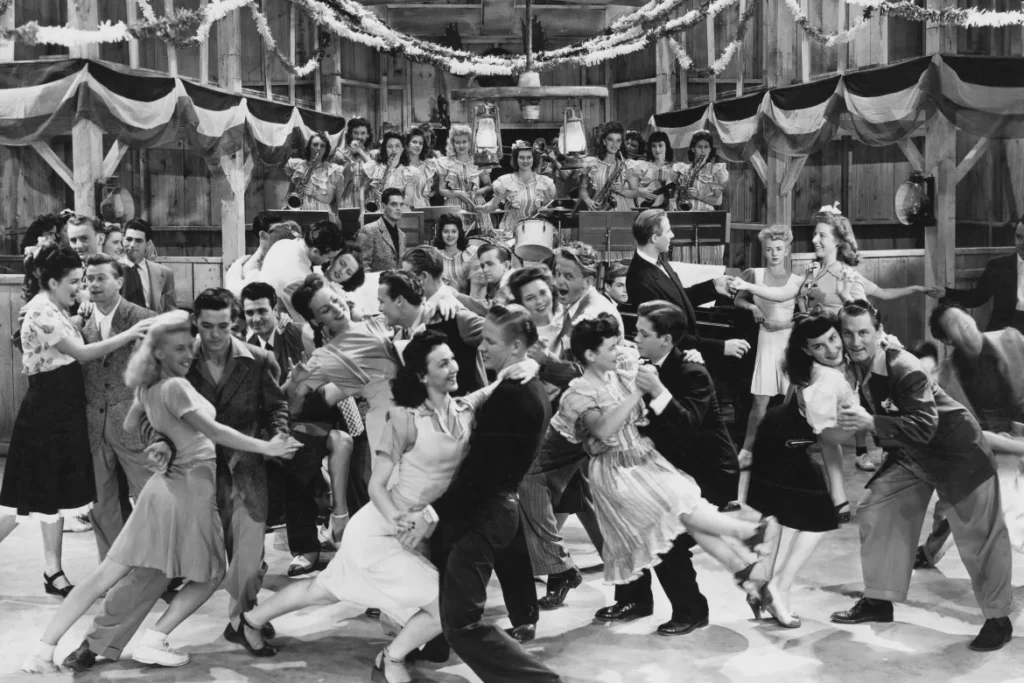
These dances became popular at barn dances and community gatherings. Settlers adapted the steps to local music played on fiddles, banjos, and guitars.
By the early 1900s, radio broadcasts and traveling music shows helped spread country music and dancing across the United States.
How Country Music Influenced Western Dancing
The rise of Western swing in the 1930s brought new rhythms and movements to Country Western dancing. Musicians such as Bob Wills mixed country fiddle music with jazz and swing, inspiring dancers to add spins, turns, and faster footwork.
During the 1940s and 1950s, honky-tonk music became popular. Its steady beats worked well with partner dances such as the two-step.
As country music changed over the following decades, dancers continued to adapt their steps to new songs and rhythms.
The Role of Saloons and Honky-Tonks in Country Dancing
Saloons and honky-tonks became popular places for Country Western dancing, especially in rural communities and towns across the American West.
These venues brought people together for live music, partner dancing, and social gatherings. Experienced dancers often shared steps with beginners, helping country dancing become a lasting social tradition.
Most Popular Country Western Dance Styles
The most popular Country Western dance styles include the two-step, line dancing, country waltz, and nightclub two-step. Some are partner dances that move around the floor, while others use set steps that groups perform together.
Country Western Two-Step
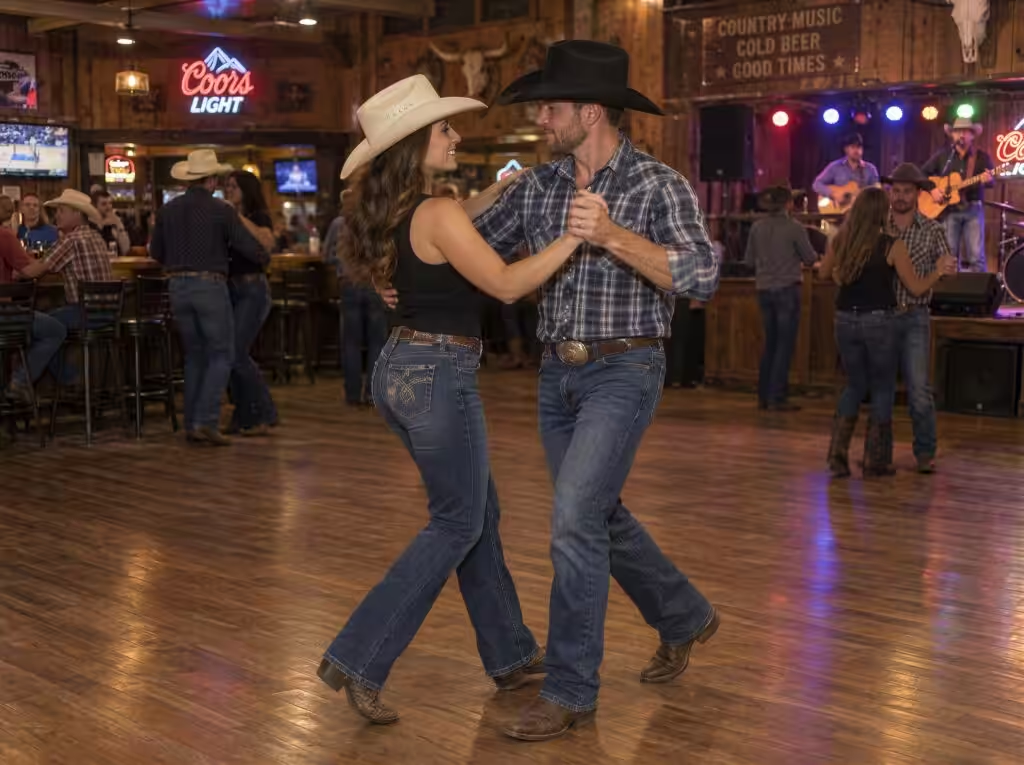
The Country Western two-step is one of the most popular partner dances in country dance halls. It follows a quick-quick-slow-slow rhythm, usually danced to country music in 4/4 time.
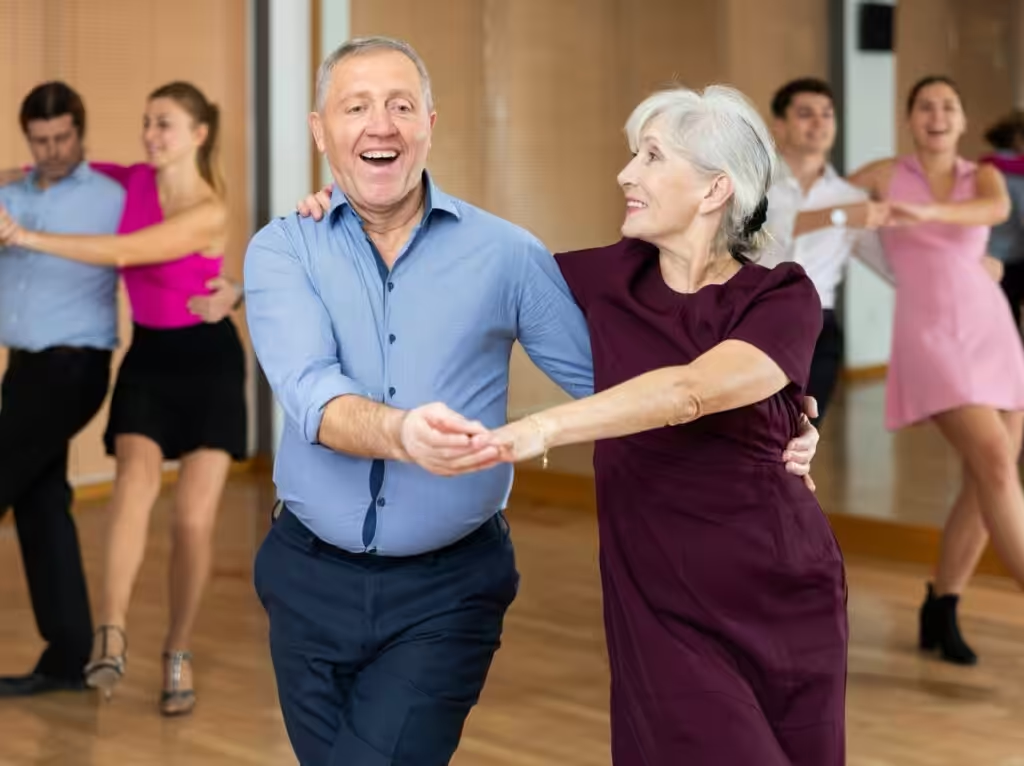
Couples move counterclockwise around the dance floor, following a path called the line of dance. The leader guides their partner through turns and other patterns while keeping the steps smooth.
Country Line Dancing
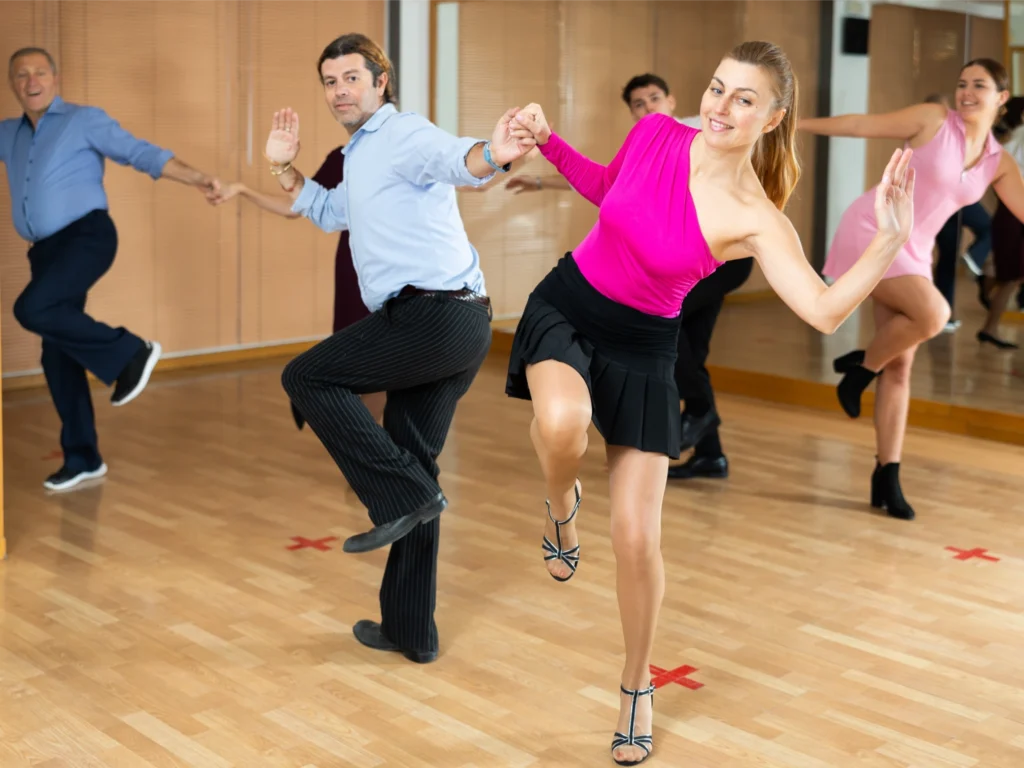
Country line dancing is a group dance where people stand in rows and perform the same steps together. You don’t need a partner, and everyone follows a repeating pattern.
Beginner routines often use 16 or 32 counts, while more advanced dances may have 64 counts or more. Common movements include grapevines, heel taps, kicks, and turns.
Other Types of Country Western Dancing
Several other Country Western dance styles are popular at dance halls and social events:
- Nightclub Two-Step: A romantic, fluid dance performed to slow country ballads, characterized by rock-steps and gliding side movements. Learn more about Nightclub Two-Step.
- Country Waltz: Danced in 3/4 time, this sweeping partner dance brings dramatic turns and graceful rise-and-fall action to slower tempo songs.
- Country Cha-Cha: A rhythmic, Cuban-inspired dance adapted to medium-tempo country tracks, featuring crisp triple steps and hip action.
- Polka and Triple Two-Step: Upbeat, energetic styles designed for fast-paced music, emphasizing continuous rotation and lively footwork.
Dancing Tips for Beginners
Learning Country Western dancing starts with good posture, basic steps, and proper dance floor etiquette. These tips will help you move comfortably with a partner and avoid common mistakes at social dances.
Maintain Good Posture and Partner Connection
A strong connection between partners is essential for effortless leading and following. Good posture starts with standing tall, engaging the core muscles, and keeping shoulders relaxed and down away from the ears.
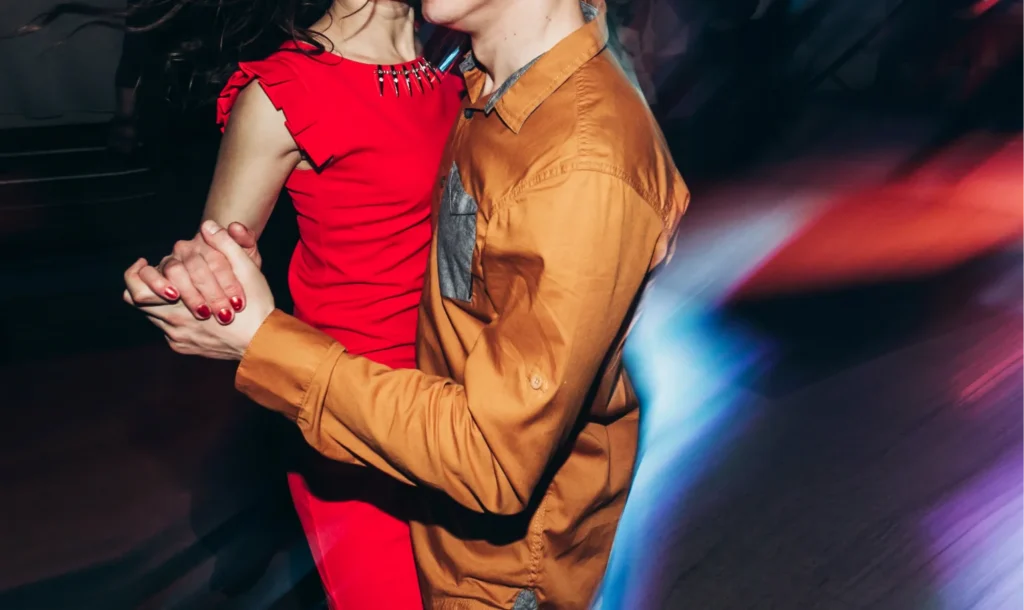
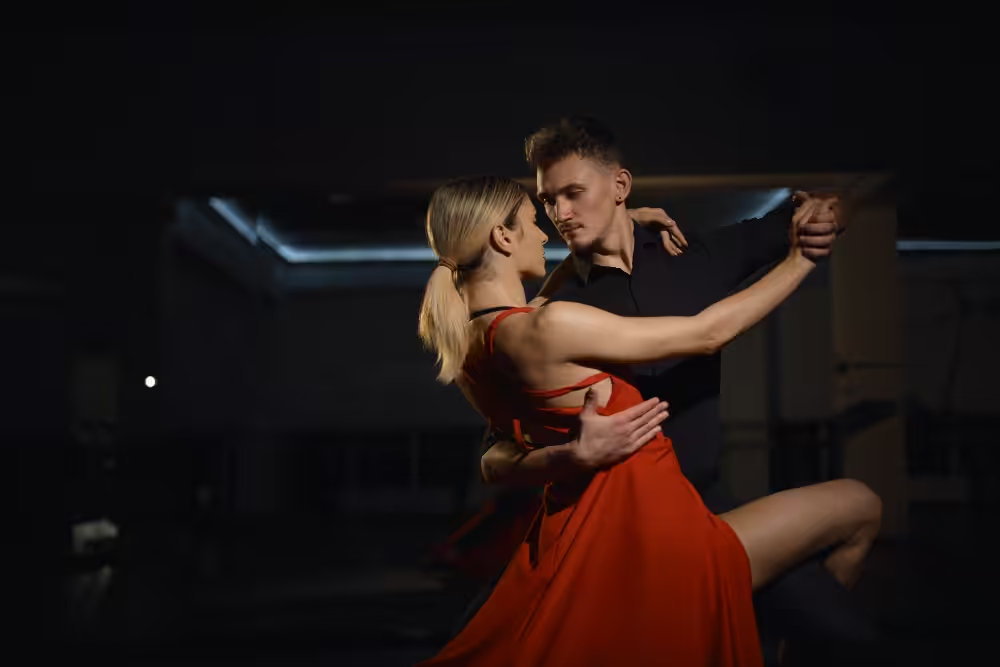
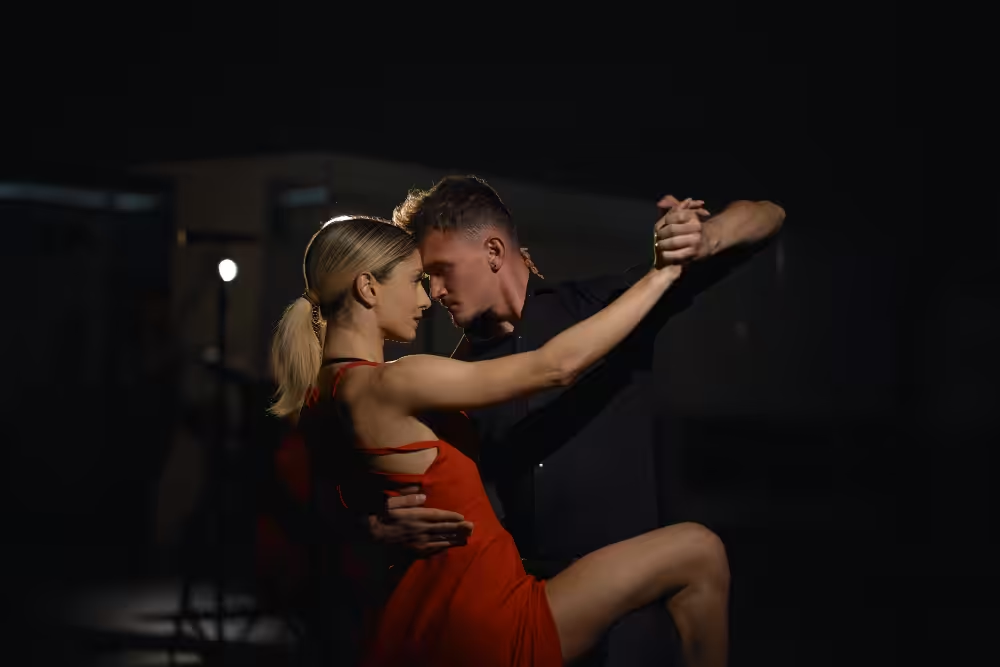
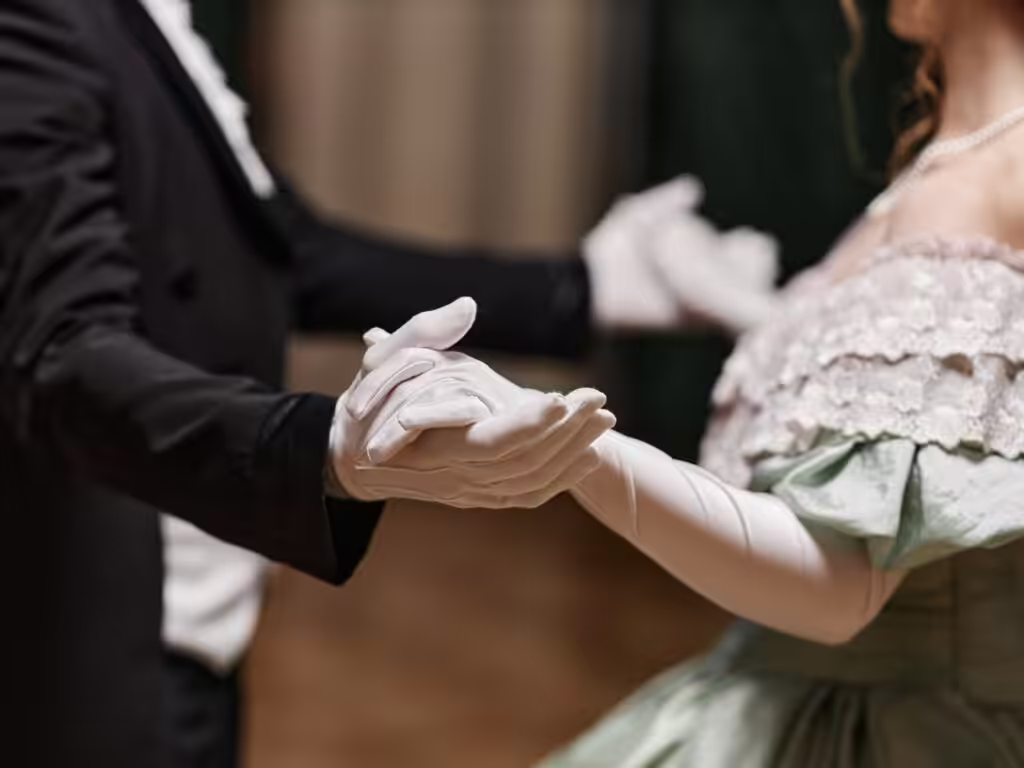
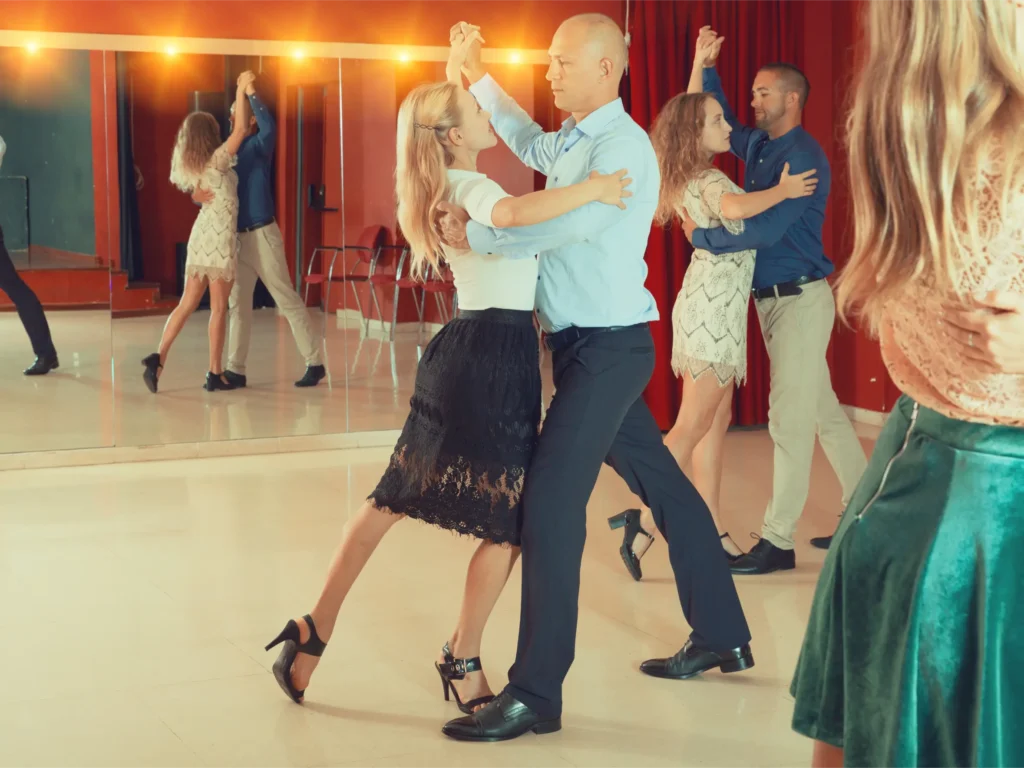
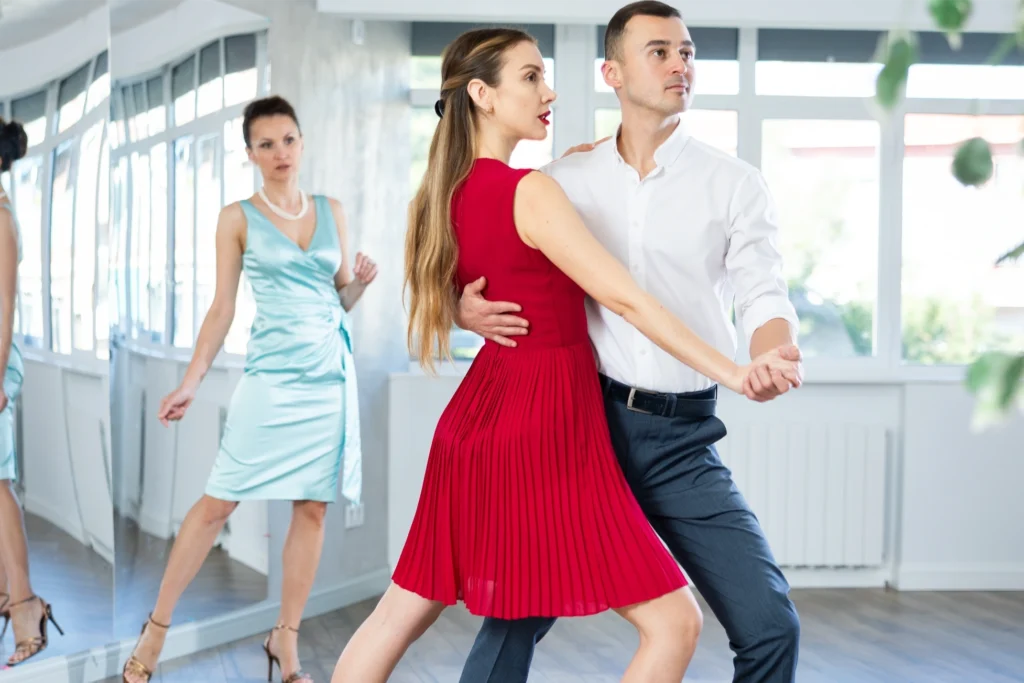
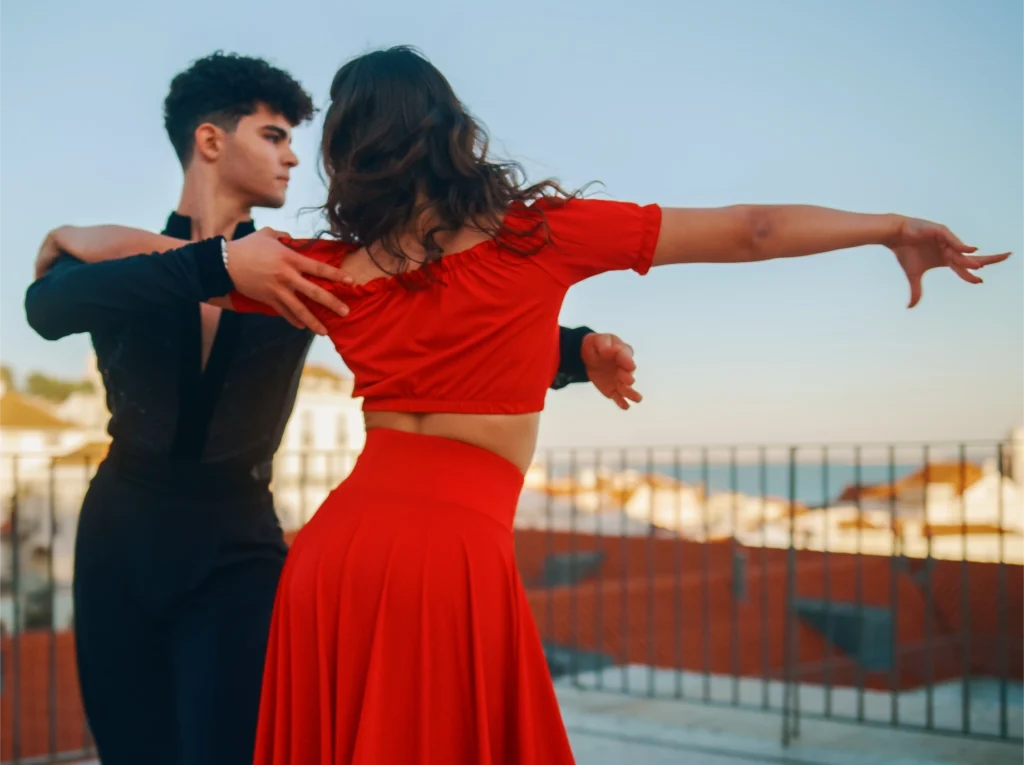
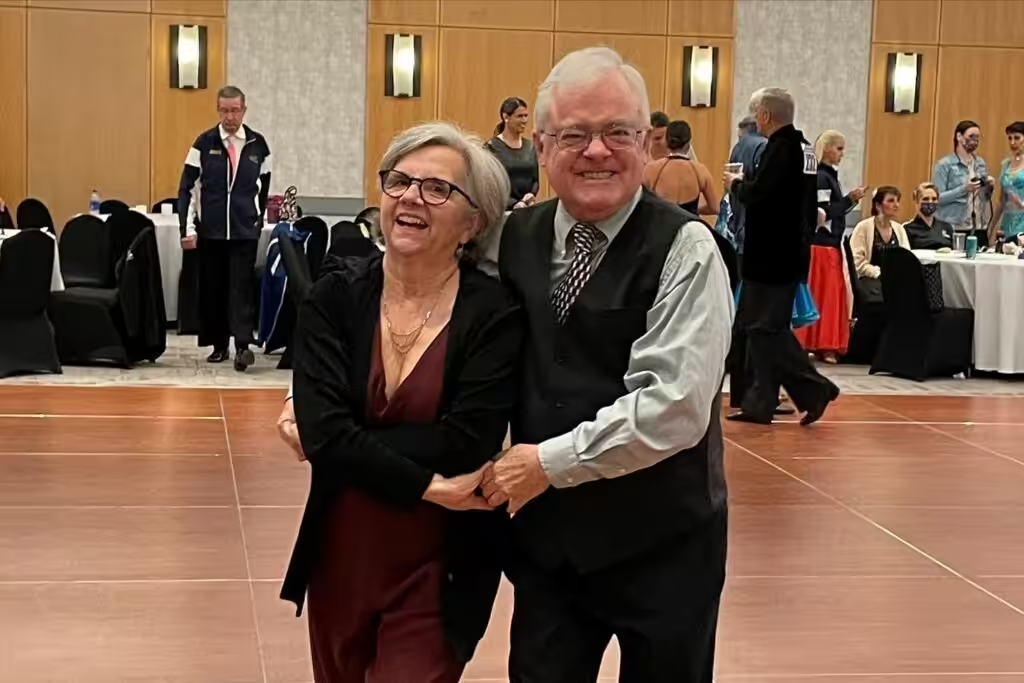
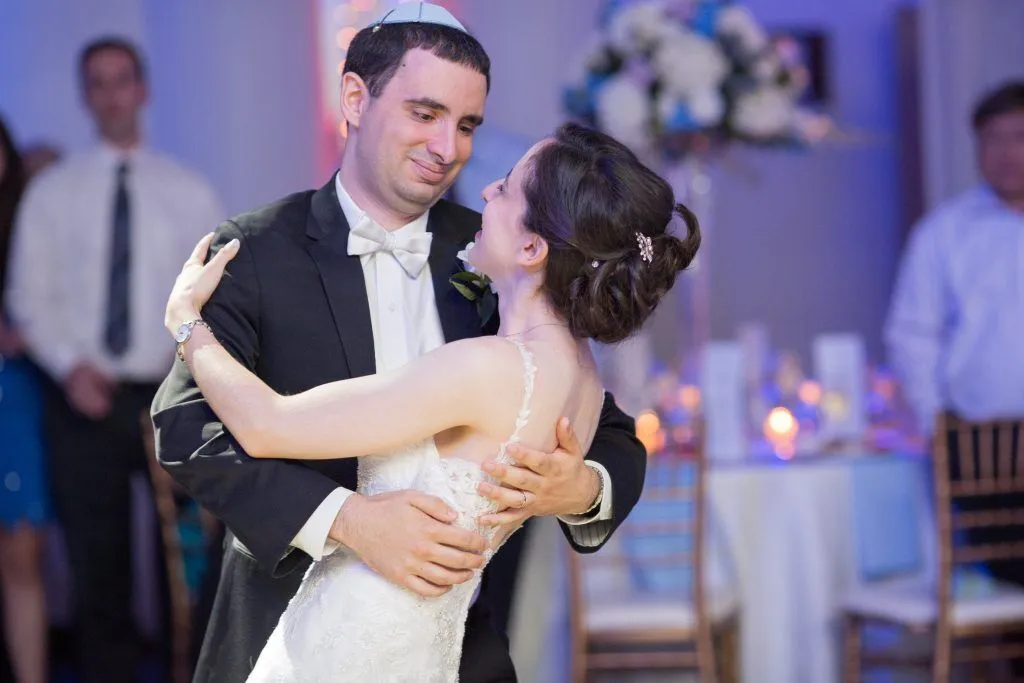
In a closed partner position, the leader’s right hand rests gently below the follower’s left shoulder blade, while the follower’s left arm rests lightly along the leader’s right arm and shoulder. The non-dominant hands join at roughly chest height. This comfortable frame creates a solid connection, allowing subtle bodily cues from the leader to transfer clearly to the follower without pushing or pulling.
Floor Etiquette and Navigating the Line of Dance
Dance floor traffic follows structured rules to ensure safety and fun for everyone sharing the space:
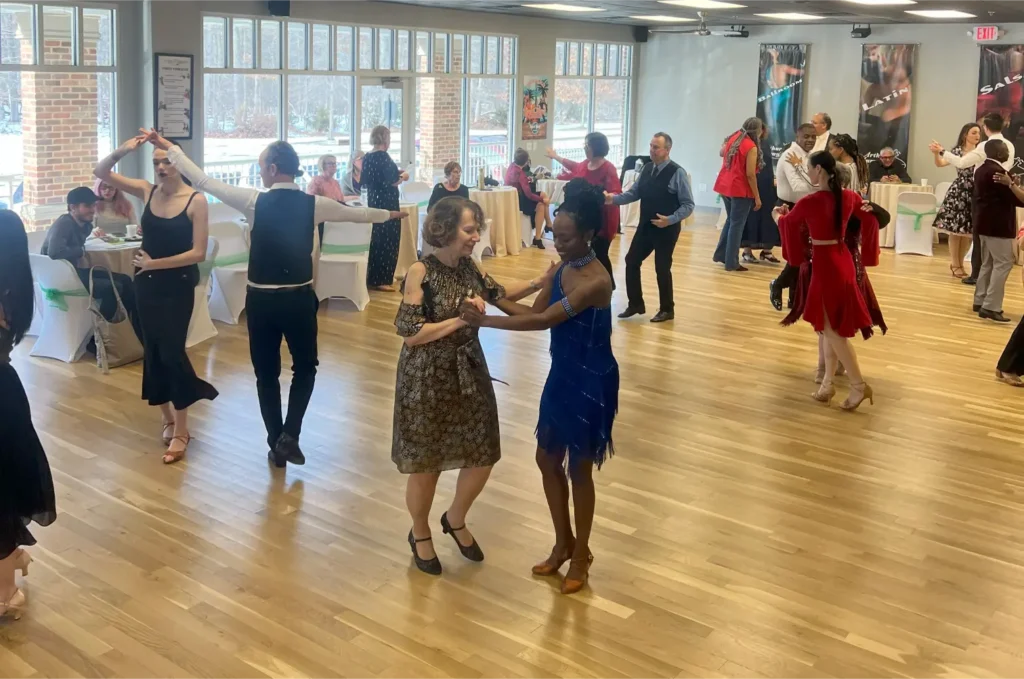
- The Fast Lane: The outermost edge of the dance floor is reserved for fast-moving progressive partner dances like the two-step and country waltz.
- The Slow Lane: The inner lane, just inside the fast lane, is designated for slower progressive dances or less experienced dancers working on basic movement.
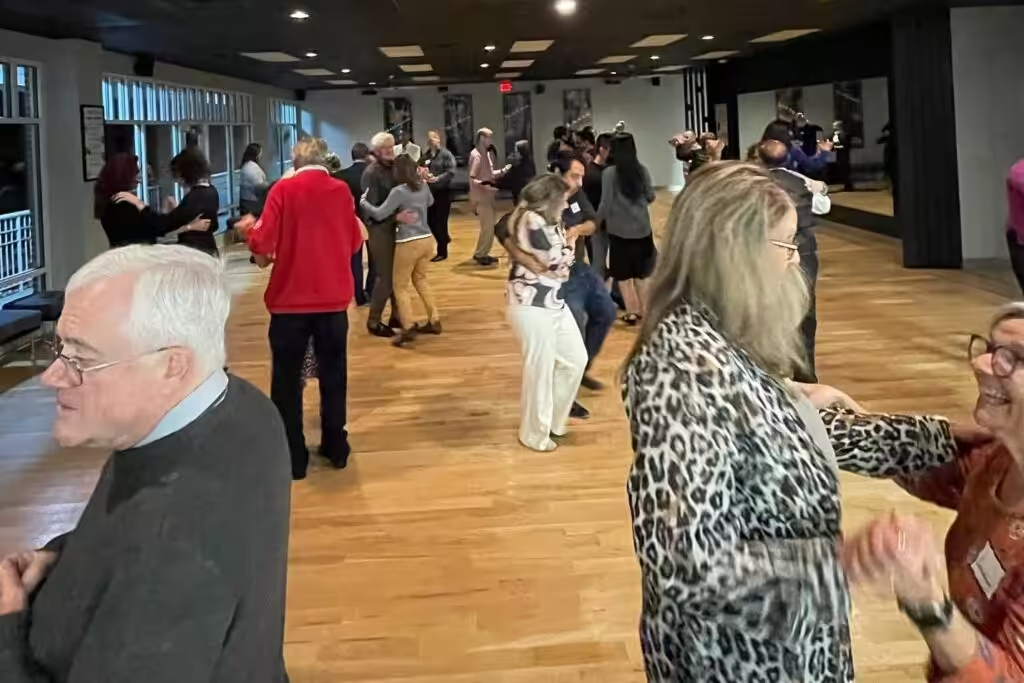
- The Center Floor: The static center of the dance floor is reserved for non-progressive dancing, including line dancers and swing dancers.
- Yield to Traffic: Followers and leaders entering the floor must yield to active dancers traveling down the line of dance.
Respecting these guidelines prevents collisions and keeps the energy moving smoothly around the room.
Essential Footwear and Attire Choice
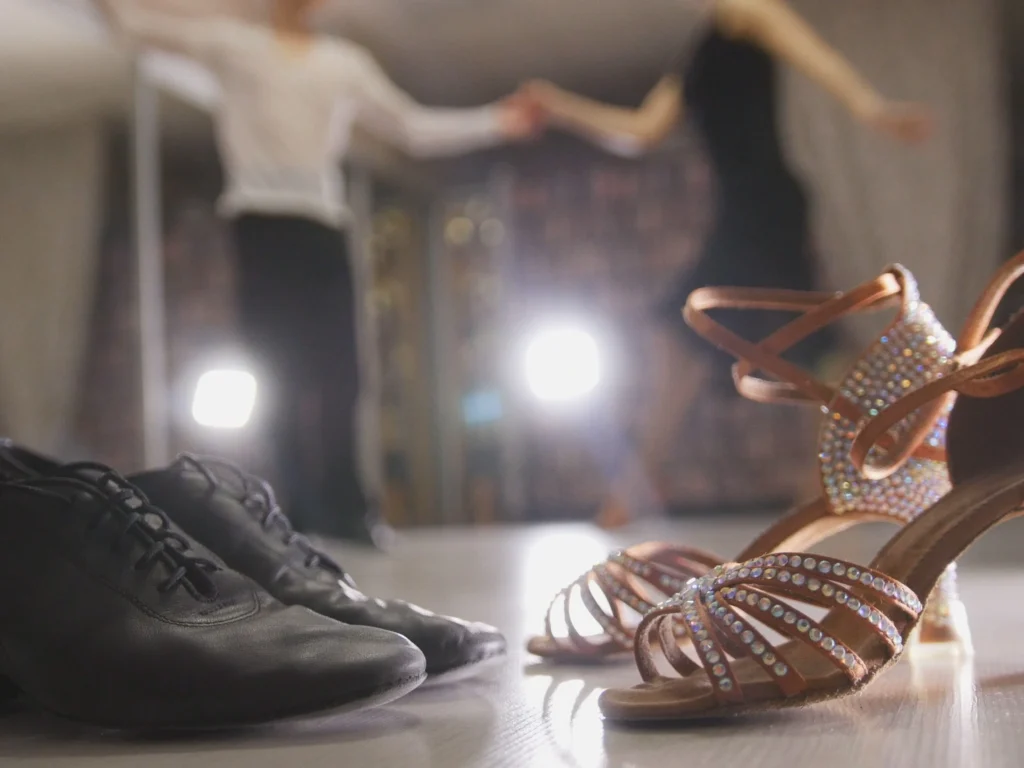
Having the right footwear makes a significant difference in movement quality. Leather-soled cowboy boots or smooth-bottomed dance shoes allow dancers to slide and pivot effortlessly across wooden floors without gripping or causing knee strain. Rubber-soled athletic shoes should generally be avoided, as their traction can impede turns and lead to joint discomfort over time. Clothing should be comfortable and allow for full freedom of movement in the arms and legs.
Final Thoughts
Country Western dancing offers a fun way to enjoy country music, meet new people, and stay active. Whether you prefer the country two-step, partner dancing, or line dancing, learning the basic steps can help you feel more comfortable at social events.
Ready to give it a try? Visit Arthur Murray Dance Studio in Princeton. New students can enjoy their first dance lesson for free.
Frequently Asked Questions (FAQs)
Do I need a partner to take country dance lessons?
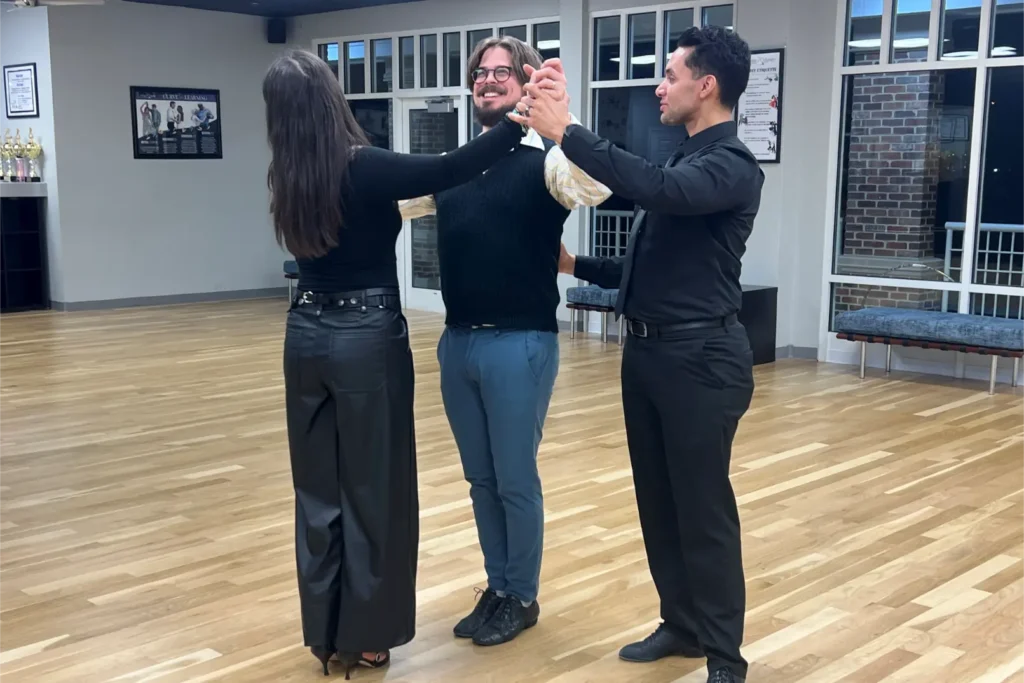
No! Most country dance classes and social events operate on a rotation system where participants frequently switch partners throughout the lesson. This practice helps you build strong adaptability as a leader or follower while making new friends in the local dance community.
What is the difference between two-step and line dancing?
The two-step is a progressive partner dance where two people travel together counterclockwise around the perimeter of the room in a closed or open hold. Line dancing is an individual group dance where participants line up in rows to perform synchronized, choreographed routines without touching a partner.
Can beginners learn to dance quickly?
Yes! The basic step sequences for most country dances are designed to be intuitive and rhythmic. With a single introductory class and a couple of hours of social practice, most beginners can comfortably navigate the floor during basic songs.
What kind of boots are best for country dancing?
Boots with smooth leather soles and a comfortable walking heel are ideal for country dancing. The leather sole allows your feet to glide and turn smoothly across hardwood floors without sticking or putting unnecessary twist on your knees and ankles.