
If you are a complete beginner and want a clear Ballroom vs Latin dancing comparison, we got you. Dance terminology can feel complicated sometimes. Not because it is designed that way, but because of how people explain it.
That is exactly why we are breaking it down in a simple way. In just 3 minutes, you will understand the difference and know which style fits you best, whether you are choosing a new hobby, preparing for your wedding, or stepping into the world of dance for the first time.
Quick Answer
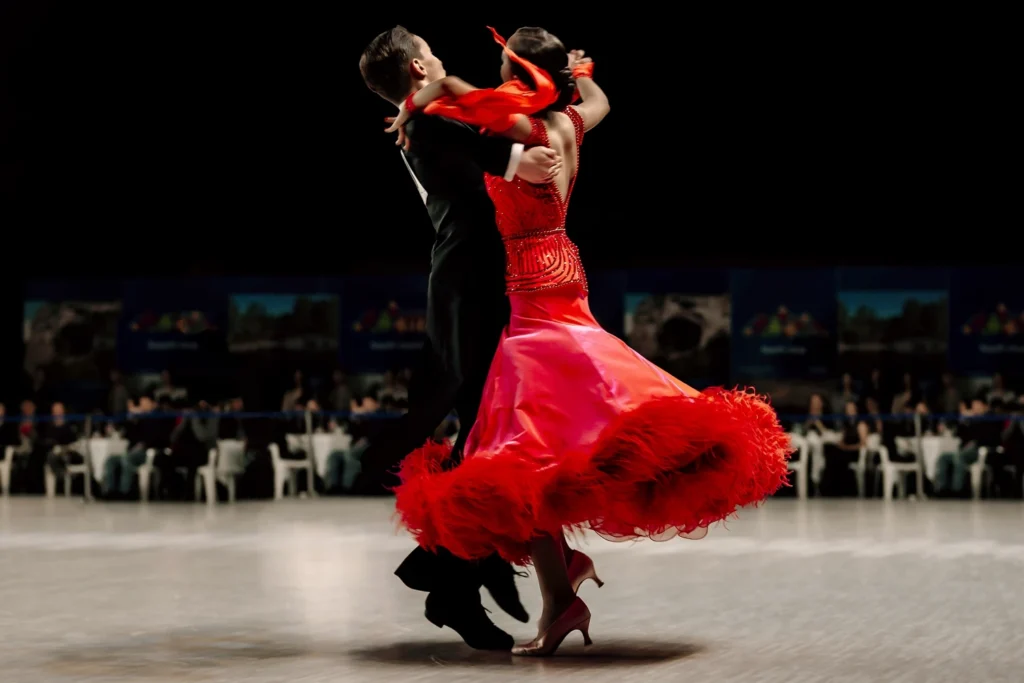
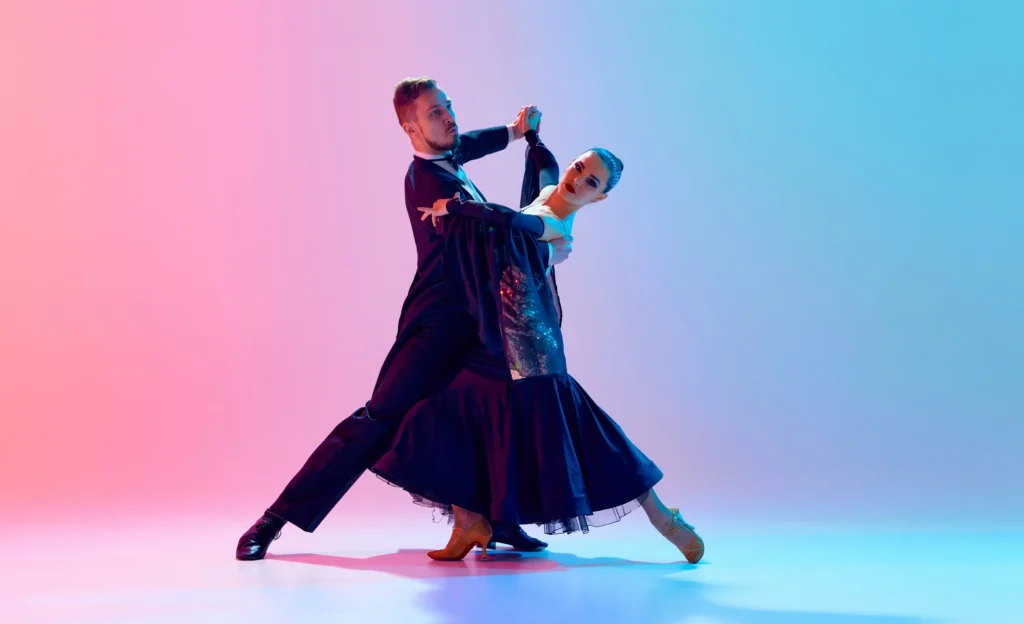
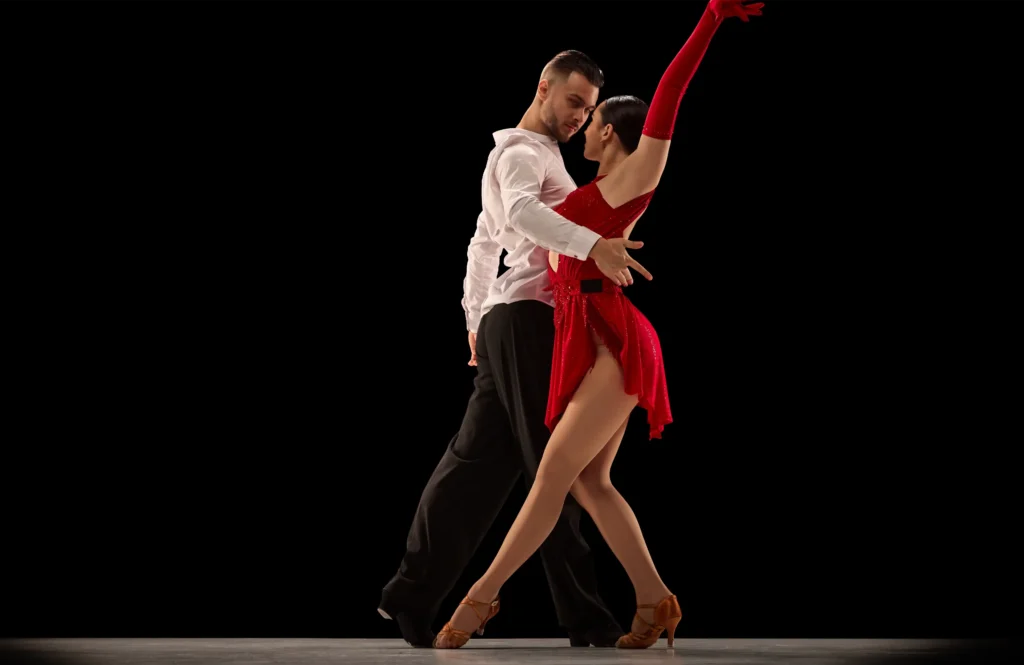
- The main difference between Ballroom and Latin dance is how they move and feel. The Ballroom is smooth, traveling, Latin is grounded, rhythmic, and more expressive.
- There are two main style systems in Ballroom dancing: International and American.
- The list of International Ballroom (Standard) dances includes: Waltz, Tango, Viennese Waltz, Foxtrot, and Quickstep.
- The list of International Latin dances includes: Cha Cha, Rumba, Samba, Jive, and Paso Doble.
- The American Smooth dances include: Waltz, Tango, Foxtrot, and Viennese Waltz.
- The American Rhythm dances include: Cha Cha, Rumba, East Coast Swing, Bolero, and Mambo.
Ballroom vs Latin – Key Differences
It’s easy to see how much Ballroom and Latin dancing are different when you have both side by side.
| Category | Ballroom Dancing | Latin Dancing |
| Music / Tempo | Smooth, flowing, often slower to moderate tempo. It feels romantic, classic, cinematic. | Rhythmic, punchy, often faster. Strong beats with playful or dramatic energy. |
| Body action | Rise and fall through the legs and feet. Movement glides across the floor with a lifted posture. | Grounded movement with pronounced hip action. Knees stay more flexed. |
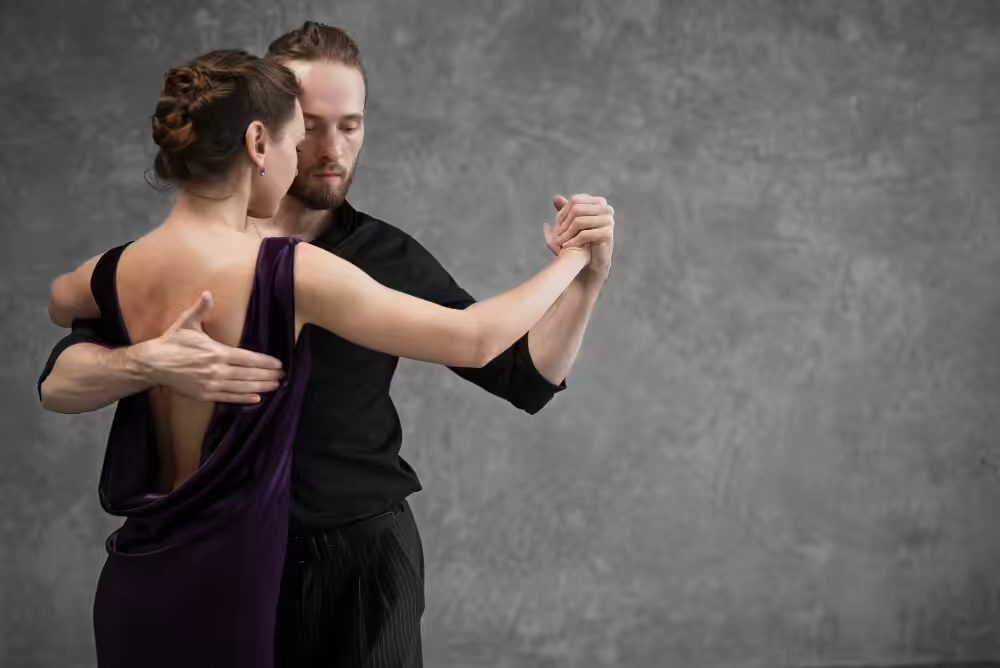
| Hold | Mostly danced in a closed frame. Partners maintain a strong body connection. | More open positions. Frequent separation, turns, and expressive arm styling. |
| Movement pattern | Couples move around the entire dance floor in a counterclockwise direction. | More compact and spot-oriented. Dances can stay in one area with sharp directional changes. |
| Vibe | Elegant, refined, graceful. | Energetic, bold, expressive. |
| Best for | Weddings, formal events, structured social dances, and beginners who like guidance and flow. | Social parties, fitness, confidence building, and dancers who love rhythm and expression. |
What Dances Are Considered Ballroom vs Latin
In the world of ballroom dancing, there are two main style systems:
Both systems divide their dances into Ballroom and Latin categories, but the names and structure differ slightly.
International Style separates dances into two divisions:
- Standard (Ballroom dance): Waltz, Tango, Viennese Waltz, Foxtrot, Quickstep
- Latin dance: Cha Cha Cha, Samba, Rumba, Paso doble, Jive
In American Style, the structure is similar. However, instead of Standard, it is called Smooth, and instead of Latin, it is called Rhythm.
Here is a breakdown of American Style:
- Smooth dances: Waltz, Tango, Foxtrot, Viennese Waltz
- Rhythm dances: Cha Cha Cha, Rumba, East Coast Swing, Bolero, Mambo
Keep This in Mind
Some studios may teach social versions and or American style categories, depending on their curriculum. At Arthur Murray Dance Center, students often experience both structured ballroom technique and practical social dancing, so you are prepared for real-world events, weddings, and parties.

Which Should You Learn First?
Now that you know the difference between Ballroom and Latin dancing, here is what that difference means in practice
Choose a Ballroom If You Want…
- A beautiful wedding first dance
- More elegance and polished movement
- Strong posture and structured frame
The Ballroom is great for beginners because it gives a great foundation. The structure will help you to feel secure, especially if you like knowing exactly where you are going next.
Choose Latin If You Want…
- Higher energy and faster-paced music
- Stronger rhythm and musicality
- Expressive movement and personality
- A fun, social, or club-style vibe
Latin is dynamic and playful. If you love to show a little attitude, you are going to find this style much more suitable for you.
What It Actually Feels Like to Learn Each Style
Another thing to consider before choosing a dance style is how it actually feels in your body. You will notice the difference right away. And what feels challenging at first often becomes one of the biggest benefits later.
In Ballroom:
- You overthink your arms and frame
- Turning together feels complicated at first
- You may feel robotic before you feel smooth
In Latin:
- Your hips do not want to cooperate
- Timing feels slightly behind the music
- Styling can feel exaggerated before it feels natural
However, all of that is temporary. What lasts are the benefits that start showing up once your body adapts.
As you stay consistent, Ballroom dancing builds smoother momentum, stronger posture, and effortless movement across the floor. That upright frame does not just help you dance better, it also changes how you walk into a room. You stand taller and naturally project confidence at weddings, parties, and formal events.
At the same time, Latin dancing sharpens your balance, coordination, and reaction to music. You become quicker, more expressive, and more comfortable being seen. Instead of worrying about the steps, you start enjoying the spotlight. People notice the energy, the rhythm, and the ease in your movement, and that kind of presence translates far beyond the dance floor.
Learn how to dance Zouk as a beginner.

The Real Reason People Confuse Ballroom and Latin
A lot of the confusion comes from how the word “Ballroom” is used in different situations. So even if you understand the difference now, once you join a dance studio, you may still hear people mixing them up. Here is why, and what they usually mean:
- Ballroom as a general term: In everyday conversation, “Ballroom” often means partner dancing as a whole. Someone might say, “I take Ballroom lessons,” even if they are learning Cha Cha or Rumba, which technically fall under Latin.
- Competitions group them together: You might see an event called “The Spring Ballroom Classic” and expect only Waltz and Foxtrot. Then you check the schedule and find International Standard in the morning and Latin in the afternoon. It is one event with multiple categories under the same title.
- Social vs Competitive Terminology: At a studio, a class labeled “Beginner Ballroom” might include Waltz, Rumba, Swing, and Cha Cha. In competition, you cannot register for “Ballroom” alone. You must choose International Standard, International Latin, American Smooth, or American Rhythm.
Ready for Your First Lesson
Now you know the real differences between Ballroom and Latin, how they feel, how they move, and what they offer. The best way to decide is not by overthinking it, but by experiencing both. Try one Ballroom lesson and one Latin lesson, and see what truly clicks for you. At Arthur Murray Dance Center, that first step might just lead to a whole new level of confidence on and off the dance floor.
FAQ
Is Latin dance part of the Ballroom?
Yes, in competitive terms, Ballroom events usually include two divisions, Standard and Latin. They are separate categories with different techniques, but they exist under the same competitive structure.
Is salsa Ballroom or Latin?
Salsa is primarily a Latin social dance. You will see it at clubs, parties, and Latin nights, but not in the competitive Ballroom. Many Ballroom studios still teach salsa in a structured way, but technically, it sits outside the main International Standard and Latin competitive categories.
Which is easier for beginners, Ballroom or Latin?
Ballroom often feels easier at first because of its clear frame, posture, and structured patterns. Many beginners appreciate the predictability. Latin can feel more natural if you already connect easily with rhythm and expressive movement. The timing can be trickier in the beginning, but some students love the energy right away.
Which is better for a wedding first dance?
For most couples, the Ballroom is the usual choice. In most cases, Waltz or Foxtrot. However, some couples choose Rumba for a more intimate and expressive vibe. The best choice will depend on your song and the mood you want to create.
Do I need a partner to learn Ballroom or Latin?
No, you do not need a partner to start. Many students begin solo. Studios rotate partners during lessons or instructors partner with students. You can build strong fundamentals on your own.
How many lessons until I can dance socially?
Most beginners feel comfortable dancing basic patterns socially after about 5 to 10 lessons. You will not know everything, but you will know enough to step onto a social dance floor with confidence.