
Did you know that the average wedding guest’s “formality threshold” typically expires about 20 minutes after they sit down for dinner? If you mistime your spotlights or drag out the parent tributes, you risk a “energy dip” that can take hours for a DJ to recover. In this article, you’ll discover the logistical pros and cons of the “pre-dinner blitz” versus the “split-dance” method, how to strategically use fun wedding reception dances to act as guest magnets, and a definitive blueprint for a wedding dance order that keeps your dance floor packed until the final song. Here is what professional studio insights and modern reception data reveal about the perfect order of dances at wedding celebrations.
Key Takeaways
- The First Dance sets the stage: Whether it happens immediately upon entry or after dinner, it’s the official “start” of the reception festivities.
- Parent dances are the emotional anchor: These moments—typically the father-daughter and mother-son dances—honor your roots before the party begins.
- Timing is everything: You can choose to get all formalities out of the way early or space them out to keep guests engaged throughout the meal.
- Flexibility is your friend: There is no “wrong” way to celebrate; the best schedule is the one that allows you to feel present and relaxed.
- Energy management: Use group dances and “icebreakers” to transition from formal observation to a packed dance floor.
Why Your Wedding Dance Order Matters?
When you start looking at the timeline of your reception, the dancing usually serves as the bridge between the formalities of the ceremony and the “party” phase of the night. The standard sequence usually begins with the newlyweds’ first dance, followed by the father-daughter and mother-son dances, and finally opening the floor to all guests. However, within that structure, there is a lot of room for customization.
These dances usually occur immediately after the grand entrance, before dinner, or right after dinner to kick off the party. Each choice has a different psychological effect on your guests. If you dance immediately upon entering, you capture everyone’s attention while they are still standing and full of “arrival energy.” If you wait until after dinner, you give guests a chance to refuel and settle in before the big show.
The Grand Entrance and First Dance
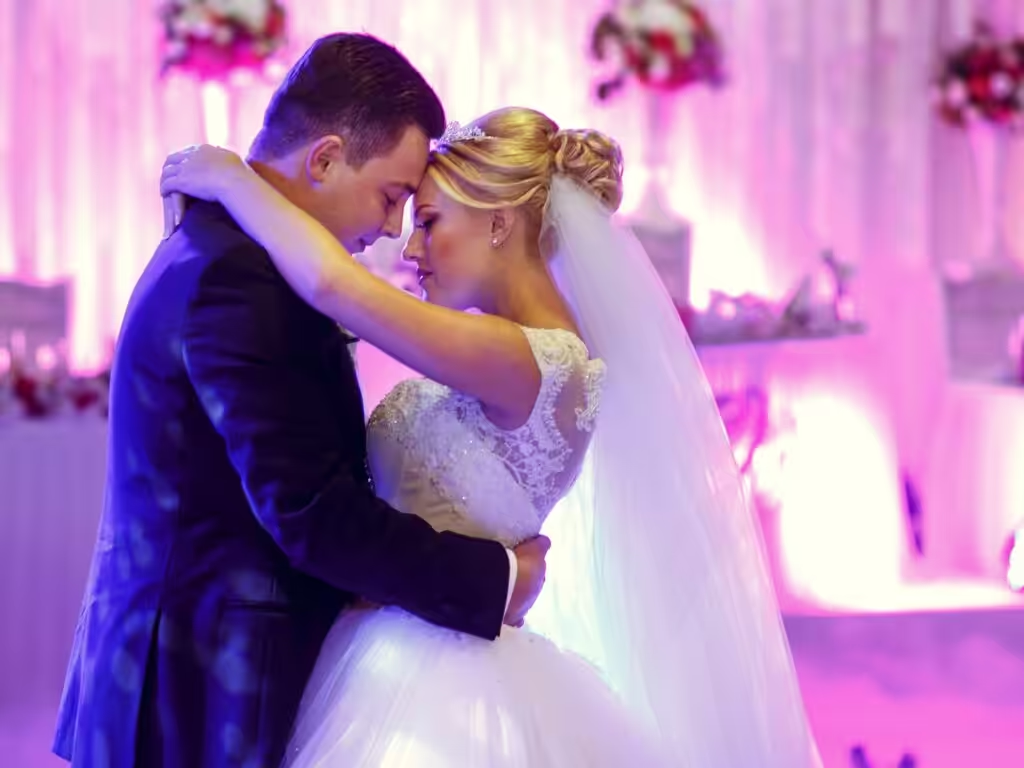
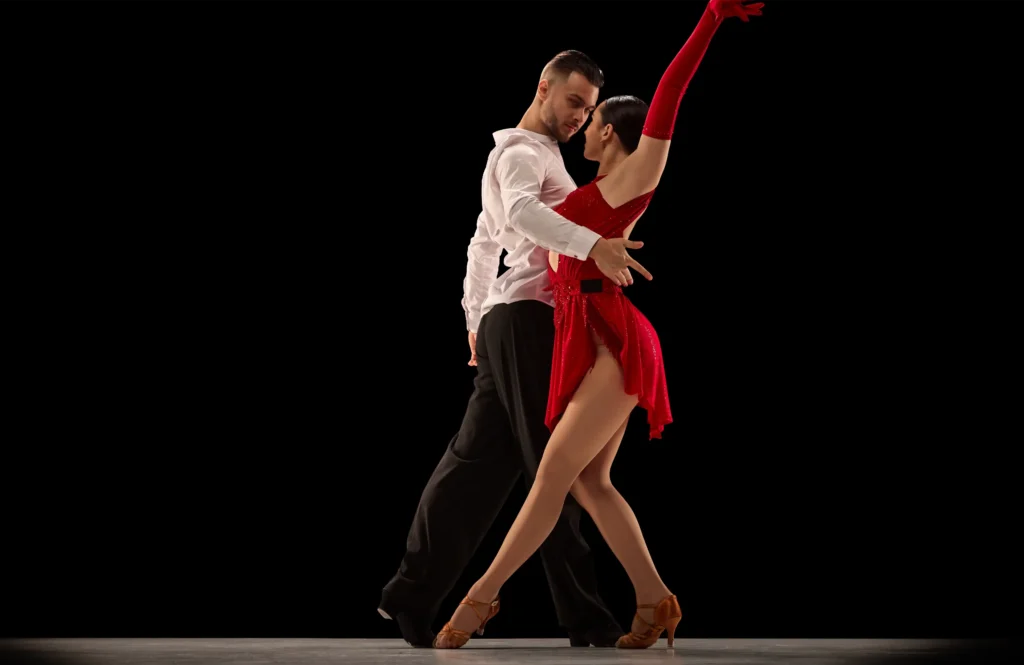
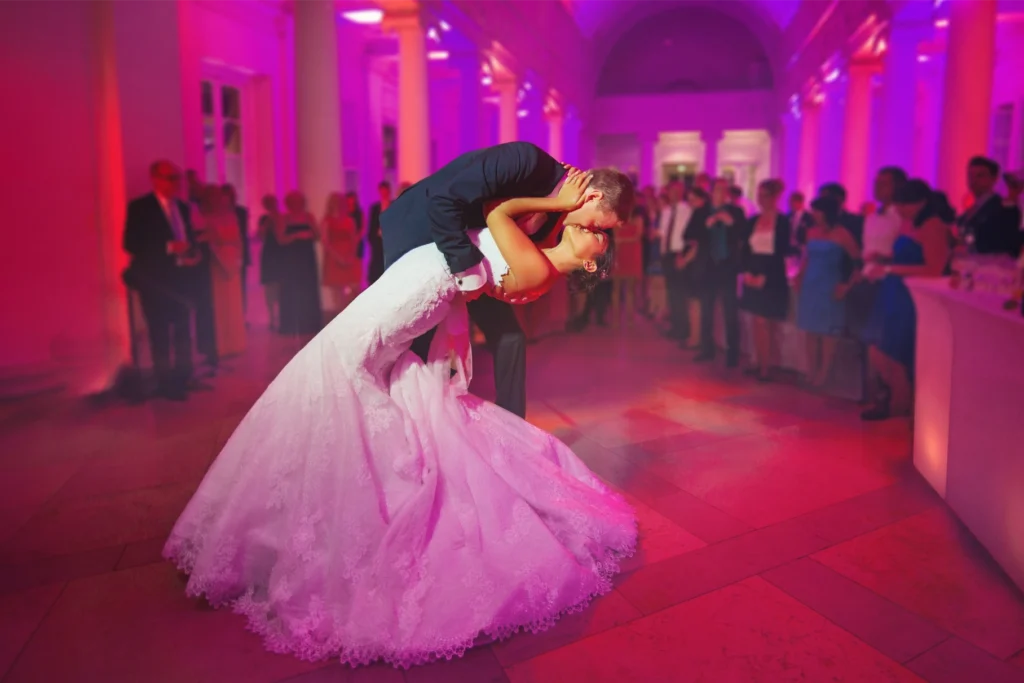
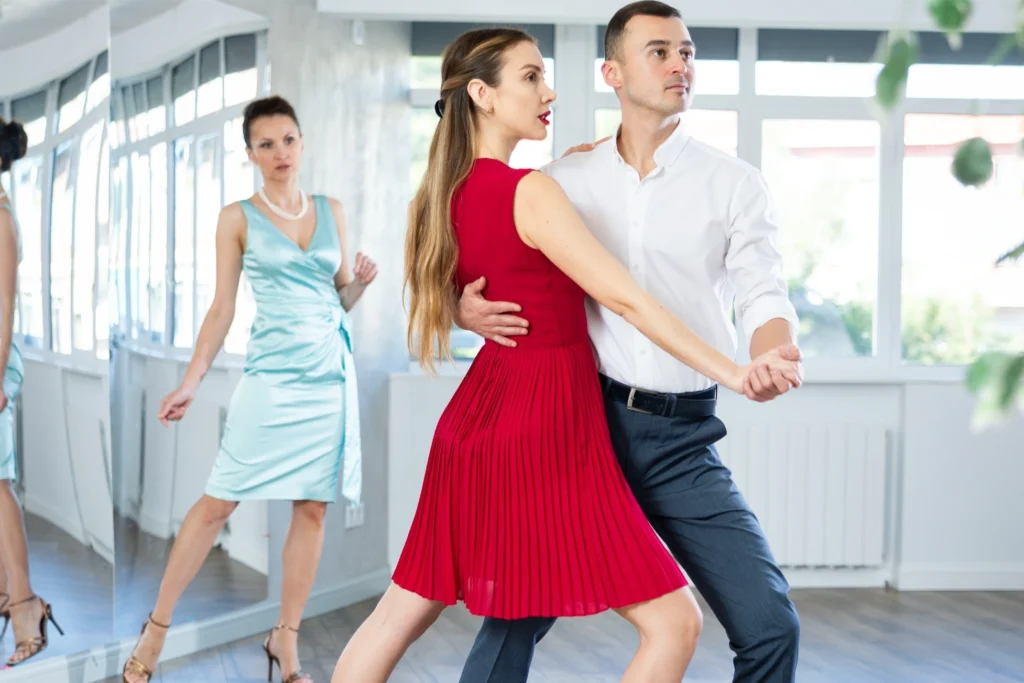
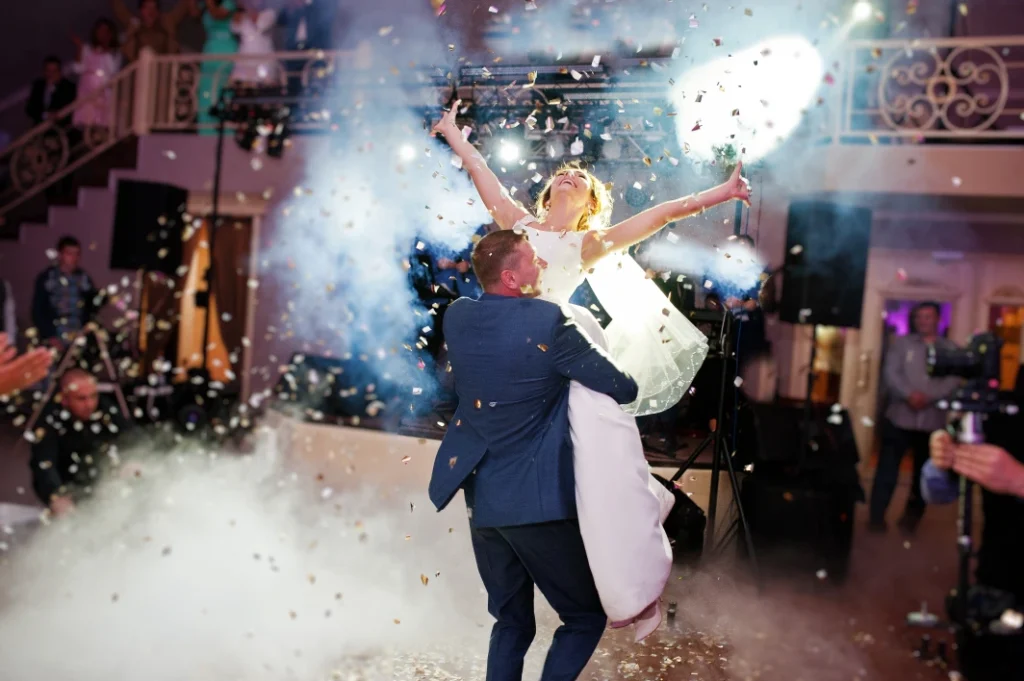
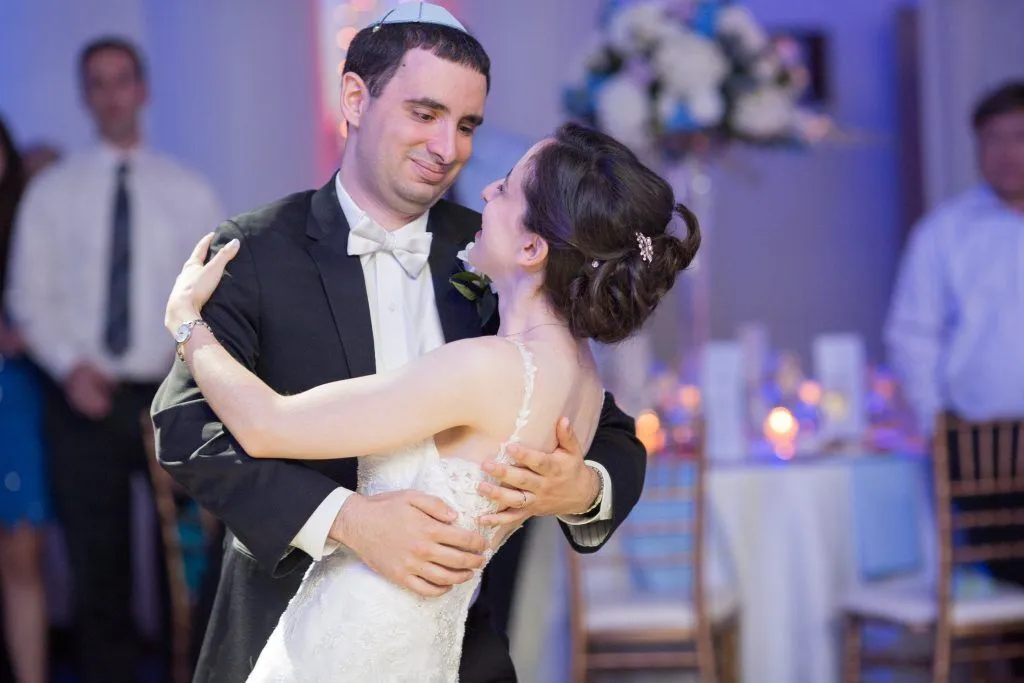
The couple’s first dance happens shortly after entering, setting the tone for the night. This is often the most anticipated moment of the reception. From a logistical standpoint, doing the first dance right after the grand entrance is highly efficient. Your photographer is already in position, your guests are already looking at you, and the “nerves” associated with the performance can be cleared early. This allows the couple to enjoy their dinner without a looming “performance” hanging over their heads.
Honoring Family: The Parent Dances
Parent dances are frequently the father-daughter dance followed by the mother-son dance. These are deeply sentimental moments that allow the couple to acknowledge the people who helped them get to this milestone. Traditionally, the father-daughter dance happens first, followed by the mother-son dance. Some couples choose to combine these into one song to save time, while others give each their own spotlight. Regardless of the choice, these dances serve as the emotional conclusion to the formal part of the evening.
The Transition: Opening the Dance Floor
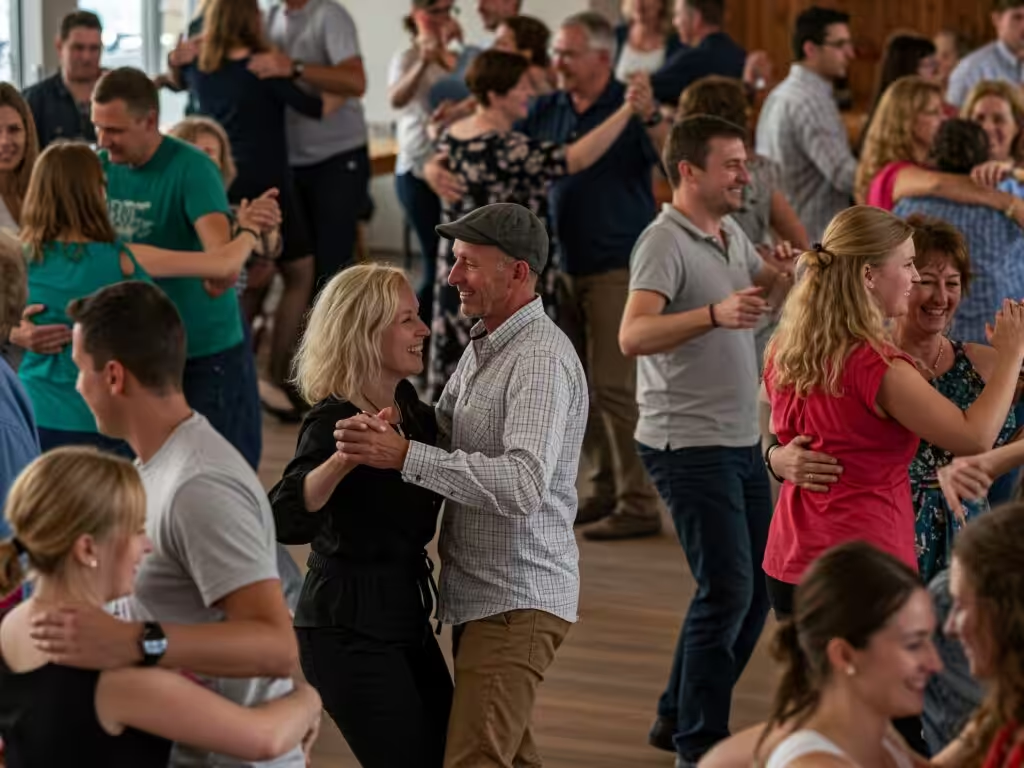
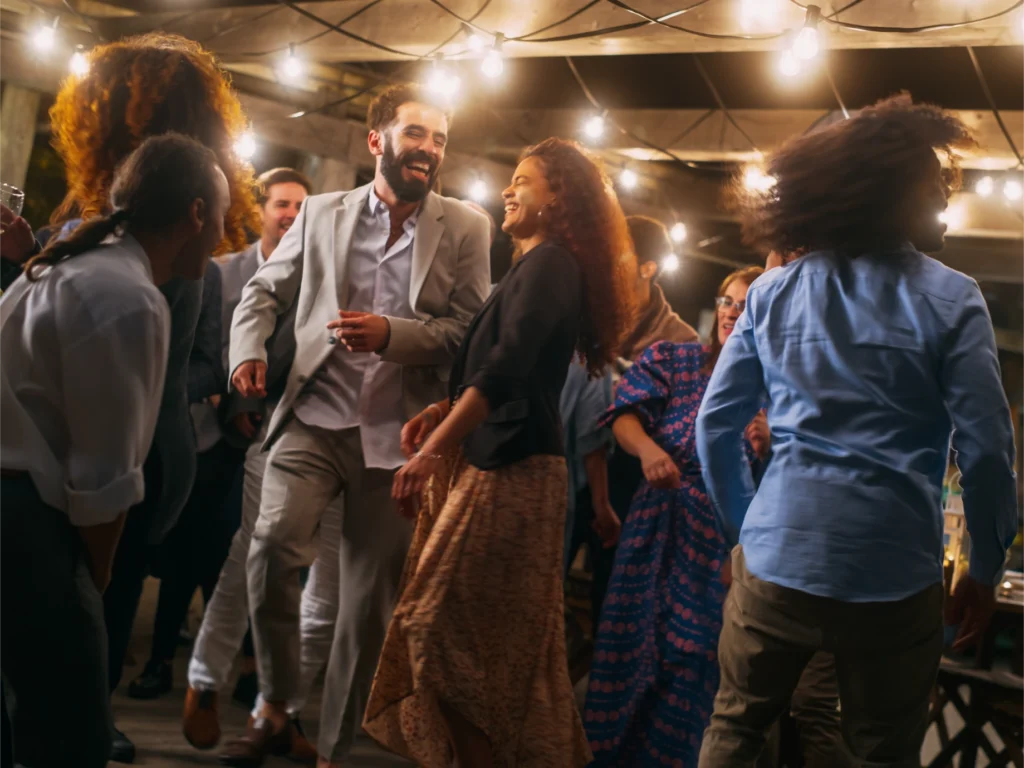
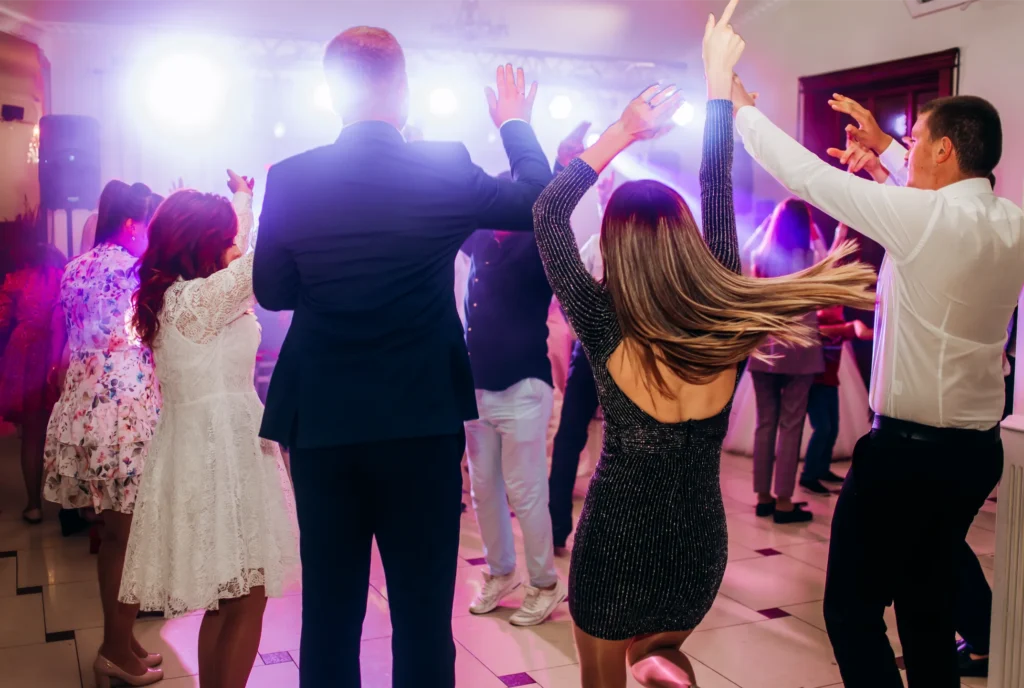
Once the formal dances are complete, it is time to shift the focus from the couple to the community. This is the moment for opening the dance floor. Parents or the wedding party may join in before inviting all guests. A great DJ or band leader will use this transition to play a “cross-generational” hit—think Earth, Wind & Fire or a classic Motown track—that encourages everyone from your flower girl to your grandmother to get on their feet.
Traditional Versus Non-Traditional Wedding Dance Order
The debate between following the “standard” rules and forging your own path is one every couple faces. A traditional flow offers a sense of comfort and expectation; guests know what to look for and when to look for it. A non-traditional flow, however, can make the wedding feel more modern, streamlined, and reflective of your specific social style.
The Classic Approach: Sticking to Custom
In a traditional setting, the formalities are grouped together. You enter, you dance, you eat, you do the parent dances, and then you party. The benefit here is clarity. Everyone knows that once the parent dances are over, the “real” dancing begins. This structure works well for larger weddings where a sense of order helps manage a big crowd. It allows older guests to see the main events before they might choose to depart after dinner.
The Modern Twist: The Pre-Dinner Blitz
In an alternative scheduling model, specifically a pre-dinner approach, all dances are completed right after the entrance to get them out of the way. This is becoming increasingly popular for couples who want to maximize their time on the dance floor later in the night. By finishing the first dance and the parent dances before the first course is even served, you create a seamless block of “open dancing” later that isn’t interrupted by formalities. It keeps the momentum high and the “program” short.
An even more modern approach is a surprise wedding dance. Here’s the guide on how to do it.
The Post-Dinner Transition
Conversely, some prefer a post-dinner schedule. In this scenario, all formal dances are held after dinner to transition smoothly into the party, according to a recent Brides article. This can be a great way to “wake up” the room after a heavy meal. It signals that the seated portion of the evening is officially over and it’s time to burn off those calories. It’s a definitive “curtain call” for the formal events before the DJ cranks up the volume.
Selecting the Right Wedding Reception Dances
Beyond the “Big Three” (First Dance, Father-Daughter, Mother-Son), there are several other options to consider to make your night unique. The variety of dances you choose should reflect the cultural background of your families and the general atmosphere you want to cultivate.
The Optional Anniversary Dance
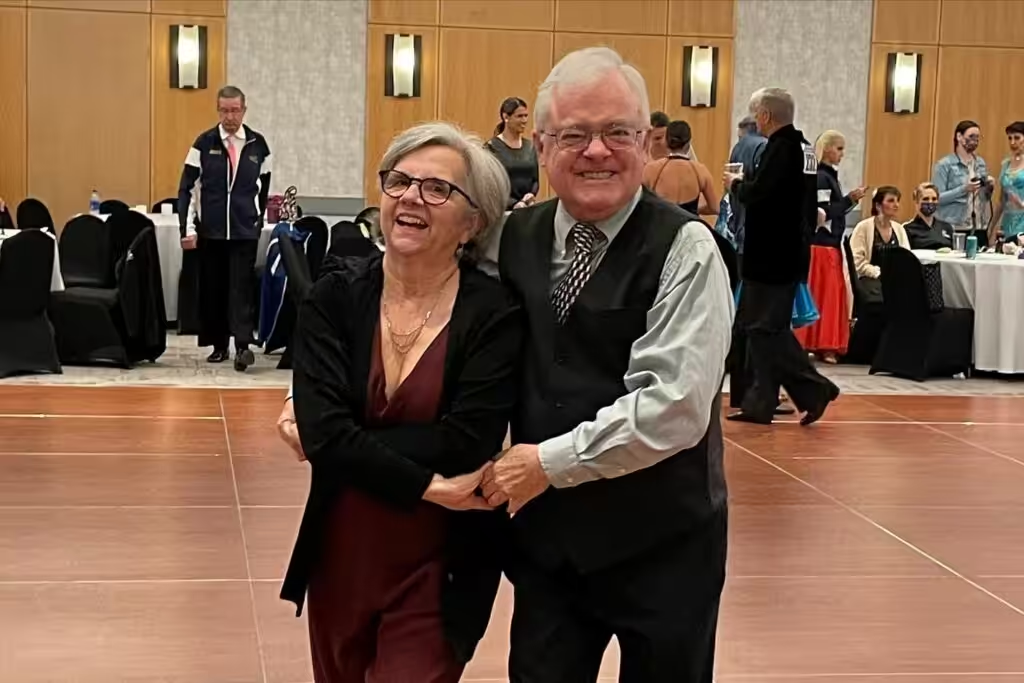
For a touch of sweetness later in the night, consider the optional anniversary dance. This is a “bouquet dance” where all married couples dance, with the longest-married couple winning, often held later in the evening. The DJ will ask couples to leave the floor based on how long they’ve been married (e.g., “If you’ve been married less than five hours, please leave the floor… now five years…”). It’s a beautiful way to honor the longevity of marriage and often results in a touching moment where the newlyweds are left on the floor with the couple who has been married the longest.
Incorporating Fun Wedding Reception Dances
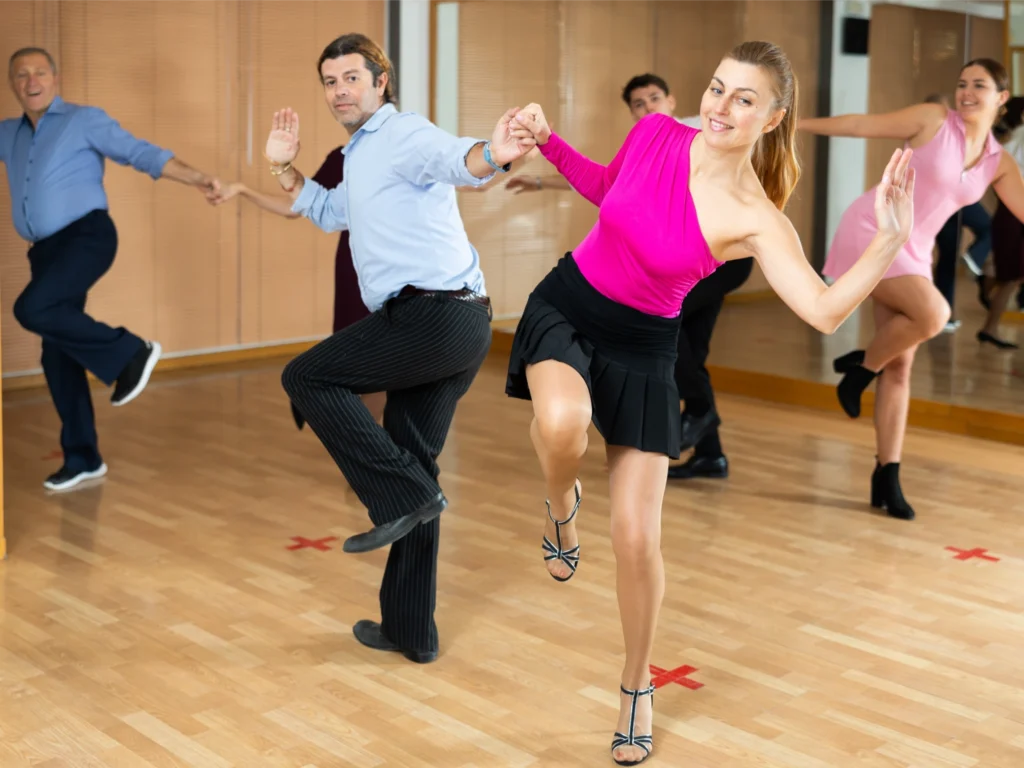
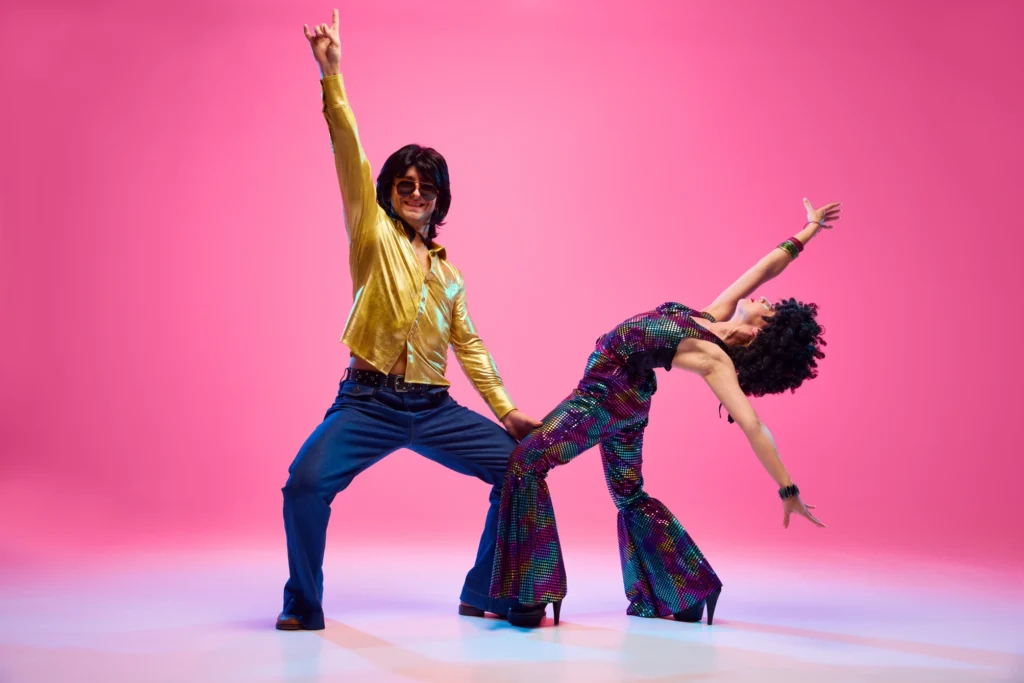
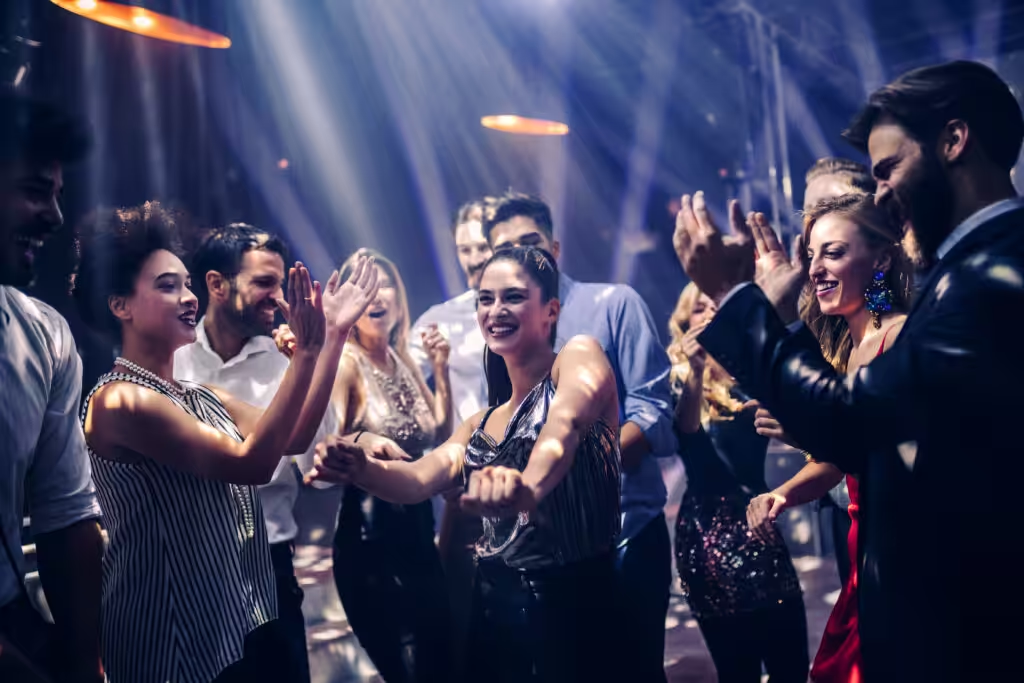
If you want to ensure the energy never dips, you might want to plan for specific fun wedding reception dances. These are the “icebreaker” moments—the Hora, the Money Dance (or Dollar Dance), or even choreographed group numbers. These dances are designed to be inclusive and interactive. They break the “performance” barrier and get people involved. For example, a Money Dance allows guests to have a few seconds of one-on-one time with the couple, while a well-timed group dance like the “Wobble” or “Cupid Shuffle” can act as a magnet for those who are shy about their freestyle moves.
The Final Dance: A Lasting Memory
Don’t forget the final dance of the evening. This is the final song of the night, which can be a lively group dance or a private last dance for just the couple. A group finale—like “Piano Man” or “Don’t Stop Believin'”—creates a sense of unity and a “big finish.” Alternatively, a private last dance, where the guests are ushered outside for a sparkler send-off while the couple dances alone in the empty ballroom, provides a quiet, cinematic moment of reflection before the night ends.
Perfecting the Flow: When to Hit the Floor
If you aren’t sure which schedule works for you, consider the “Split Dances” method. This involves doing the first dance after the entrance, with parent dances occurring later, perhaps after dessert, says a popular WeddingWire forum. This “tasting menu” of dancing keeps the evening moving. It provides a little bit of entertainment between courses, ensuring that guests never feel like they’ve been sitting for too long.
When deciding on your timing, think about your catering. If you have a multi-course, plated meal, you have natural “gaps” while tables are being cleared. These are perfect moments for a 3-minute parent dance. If you are having a buffet, it is often better to finish the formal dances before the buffet opens, as people will be moving around at different times and you may lose your “captive audience.”
Ultimately, the goal is to create a night that feels like you. If you hate being the center of attention, keep the formal dances short (2 minutes or less) and invite others to join you halfway through. If you love the spotlight, go for a choreographed routine. Your wedding is a celebration of your story, and the way you move through the room is the way you tell it.
The New Rules of the Floor: Balancing Heritage and High Energy
Determining how the dances at your wedding should happen is a blend of logistical planning and personal expression. Whether you stick to a traditional timeline or opt for a modern, split-up schedule, the key is consistency and communication with your vendors. Ensure your DJ, photographer, and coordinator are all on the same page regarding the sequence. By thoughtfully planning the “highlights,” you ensure that the transitions are smooth, the energy is high, and the memories—both sentimental and silly—last a lifetime. Now, get out there and break in those dancing shoes!
FAQs
How long should each dance last?
Most guests’ attention spans start to wander after about two to three minutes. Even if your favorite song is five minutes long, it is usually a good idea to have your DJ fade it out or edit it down to keep the momentum going.
Can we skip the parent dances?
Absolutely. If the tradition doesn’t resonate with you, or if family dynamics make it uncomfortable, you can skip them entirely or replace them with a “family dance” where everyone is invited to the floor at once.
What if we aren’t “dancers”?
You don’t need a Broadway routine! A simple “middle school sway” is perfectly fine. The moment is about the connection, not the footwork. If you’re nervous, ask your wedding party to join you after the first minute of your first dance.
When is the best time for the “Money Dance”?
Usually, the Money Dance happens after dinner but before the cake cutting. It’s a great transition piece that keeps people engaged while the staff prepares the dessert station.
Should we have a private last dance?
If you want a moment of peace to soak in the day before it’s over, a private last dance is highly recommended. It’s often one of the most cherished memories for couples who feel the day went by in a blur.