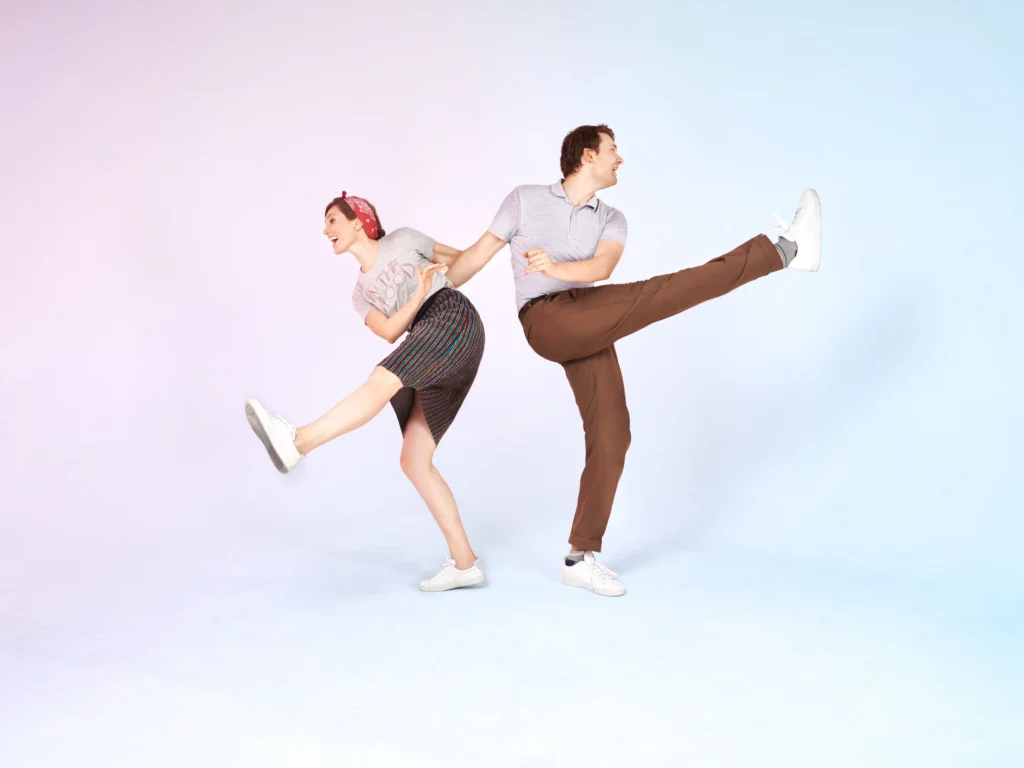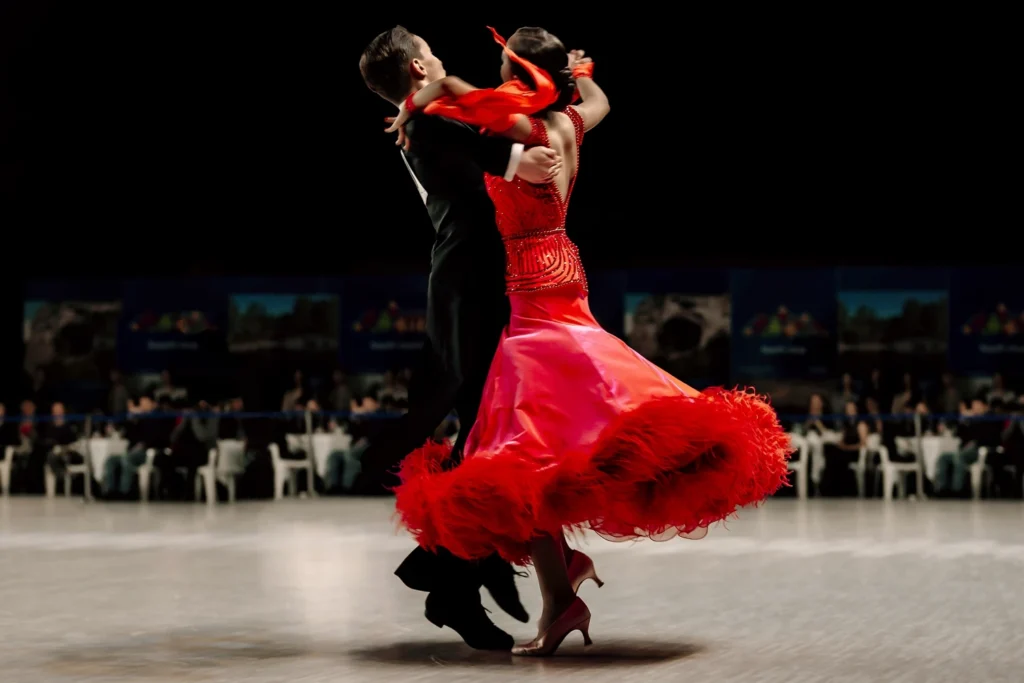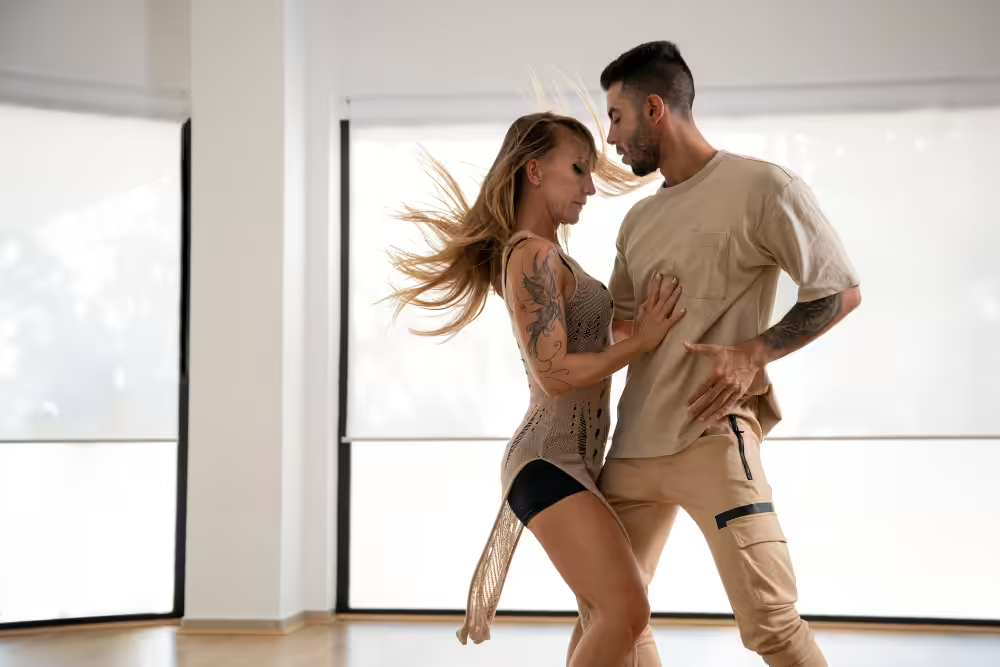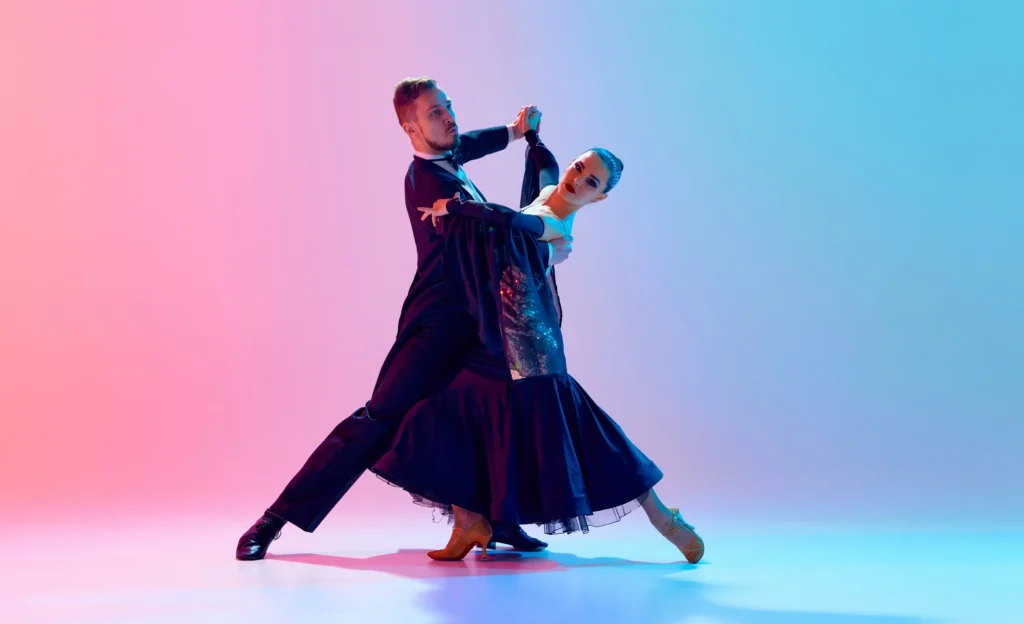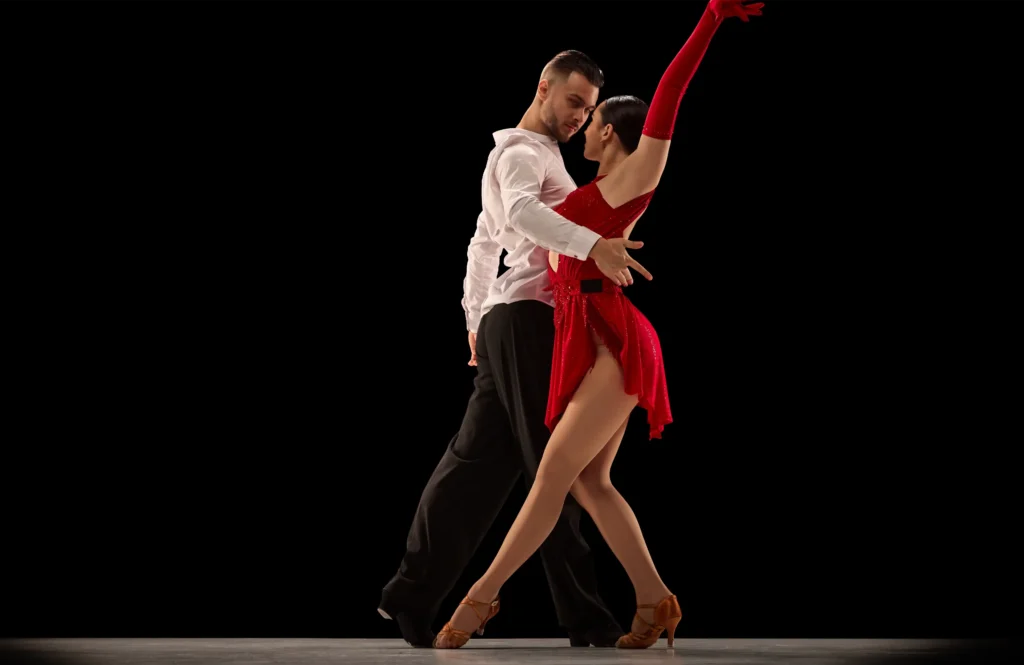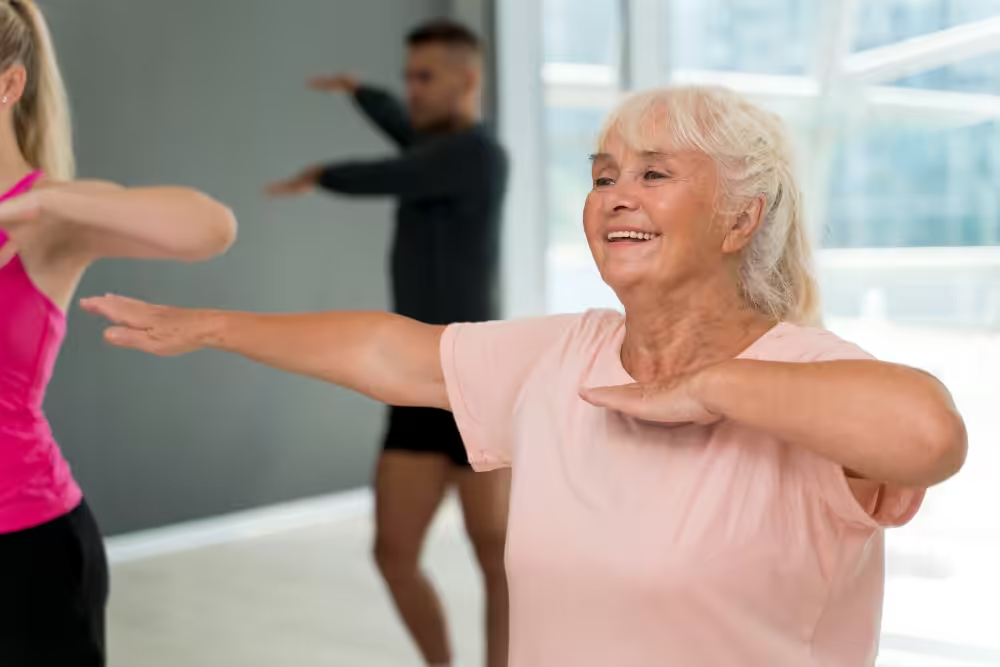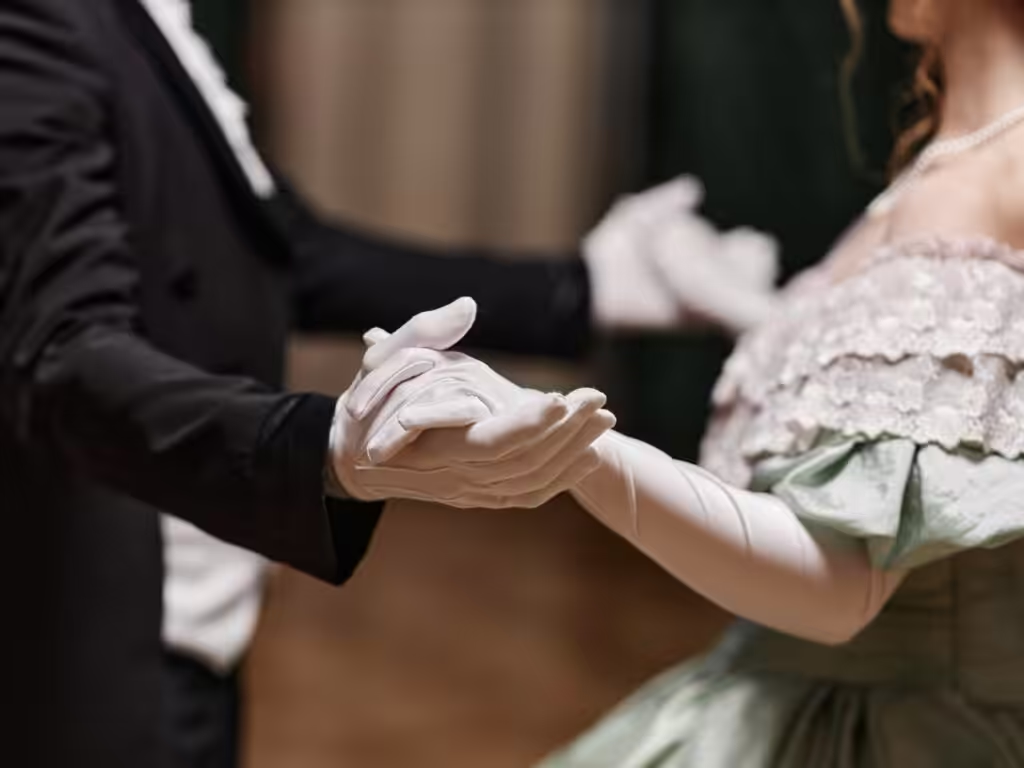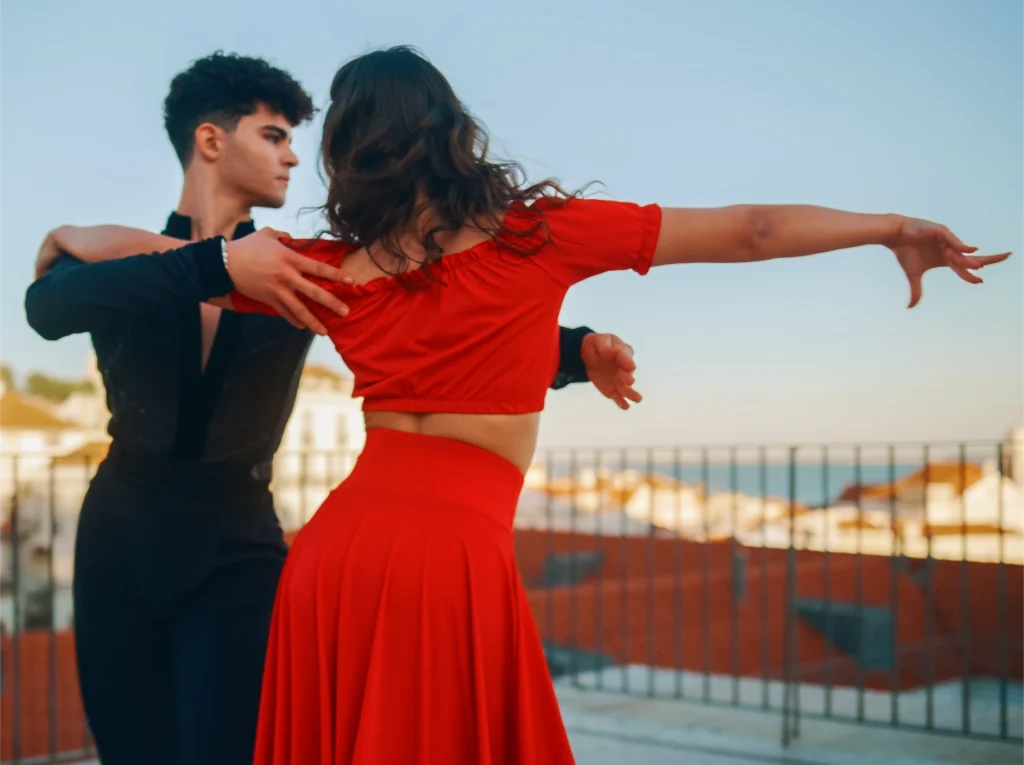
The brain processes dance movement in some of the same areas affected early by Alzheimer’s disease. That is why someone may forget a recent conversation but still remember dance steps learned years ago. In this article, you’ll learn how partner dancing helps the brain build new pathways, reduces fall risk through multi-directional movement, and uses rhythm to calm late-afternoon agitation.
Key Takeaways
- Dancing functions as a form of mental multitasking, forcing the brain to engage multiple domains at once to build and preserve vital neural pathways.
- The aerobic nature of ballroom dance promotes the growth of new neurons, which helps reduce physical atrophy within the hippocampus.
- Moving intentionally to a rhythm significantly improves balance, gait, and spatial awareness, directly lowering the risk of accidental falls.
- The shared environment of a dance class provides critical social interaction, meeting the fundamental human need for touch, community, and bonding.
The Neurological Impact of Partner Dancing on Dementia
To understand why ballroom dance is so uniquely effective for those navigating memory loss, we have to look beneath the surface at what is happening inside the brain. Unlike repetitive physical exercises like walking on a treadmill or riding a stationary bike, partner dancing is an intricate puzzle that requires continuous cognitive processing.
When a individual steps onto the floor, they are not just moving their feet; they are actively deciphering a complex, multi-layered sensory environment.
This level of mental exertion acts as a protective shield for cognitive health. By demanding focus, spatial adaptation, and a deep connection to sound, partner dancing challenges the central nervous system in a way few other activities can match.
Neurological Stimulation Through Multitasking
Dancing activates multiple brain systems at once. This kind of mental multitasking helps the brain form new neural pathways and support cognitive function.
When a person dances, the rational brain must plan the next step, the kinesthetic system must execute the physical movement, the musical center must interpret the rhythm, and the emotional domain connects with the partner.
This sweeping activation across different regions of the brain essentially creates a detour around damaged areas, allowing cognitive processing to continue through alternative neural networks.
Emotional and Behavioral Benefits of Music and Movement
Alzheimer’s disease frequently brings about distressing behavioral symptoms, including severe anxiety, deep depression, and late-afternoon agitation often referred to as “sundowning.”
Traditional communication methods often fail as language skills deteriorate, leaving individuals feeling trapped and frustrated.
Music and movement bypass these cognitive roadblocks entirely, tapping directly into the emotional core of the brain, which often remains remarkably intact even in advanced stages of the condition.
Better Mood & Emotional Awakenings
Music and movement act as emotional anchors. Dancing can trigger the release of endorphins and dopamine, helping reduce stress, ease agitation, and bring joy to patients who may struggle to communicate verbally.
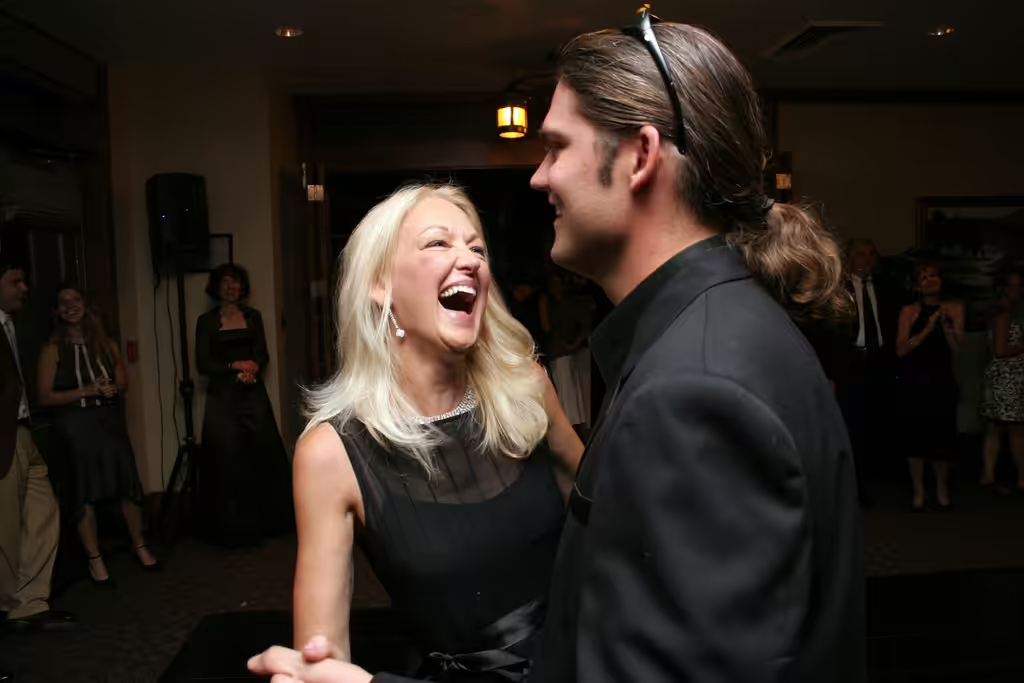
When a familiar melody from an individual’s youth plays, it can cut through the fog of cognitive decline, unlocking emotional memories that were thought to be lost forever. It is common to see someone who has been non-verbal or deeply withdrawn for weeks suddenly smile, look their partner in the eye, and begin singing along with the lyrics while moving perfectly in time to the music.
Reducing Anxiety and Behavioral Expression
For many individuals, behavioral issues like agitation or pacing are actually expressions of unmet needs or overwhelming confusion caused by their environment. Ballroom dance provides a structured, predictable, and comforting alternative.
The repetitive nature of a waltz or a foxtrot step gives the mind a safe rhythm to latch onto, channeling restless energy into purposeful, coordinated physical expression. This physical release dramatically lowers circulating stress hormones, resulting in hours of calm, improved sleep patterns, and relaxed behavior long after the music stops playing.
Physical Benefits: Restoring Balance and Preventing Falls
While the cognitive and psychological shifts are remarkable, the physical transformations brought about by ballroom dance are equally critical for maintaining independence. As dementia progresses, it progressively alters a person’s motor control, spatial orientation, and gait.
This decline creates a severe safety hazard, making accidental falls one of the leading causes of hospitalization for seniors living with memory impairment. Ballroom dancing approaches physical rehabilitation from a holistic angle, transforming rigid physical therapy exercises into an organic, enjoyable social activity.
Improved Balance & Motor Skills
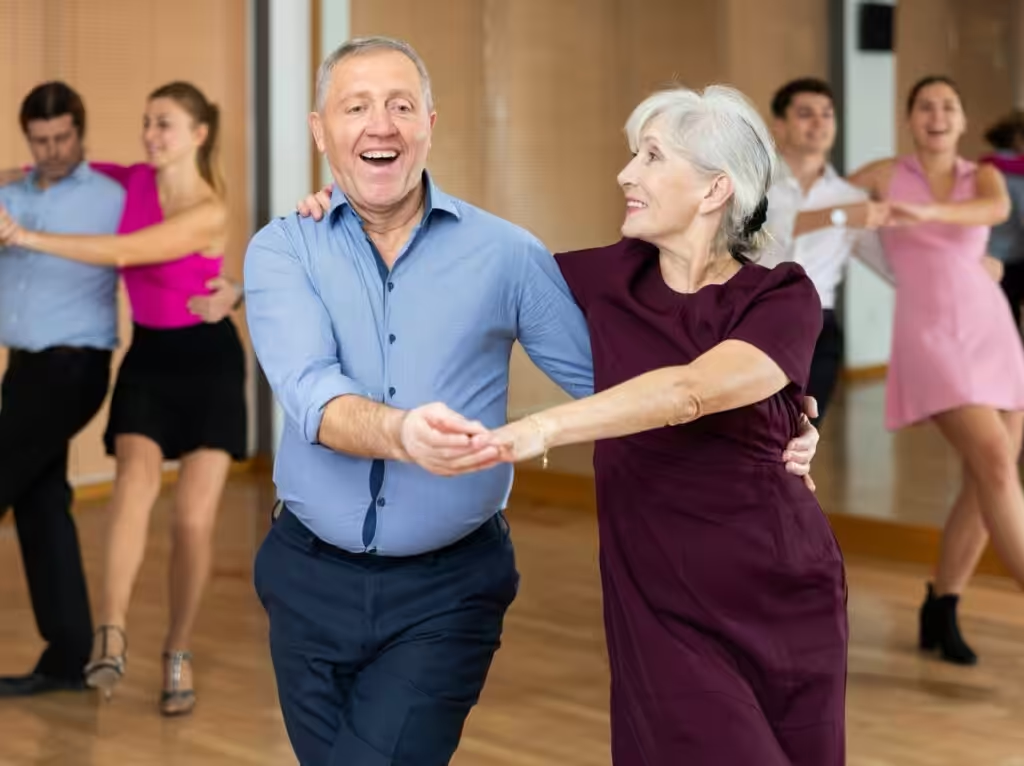
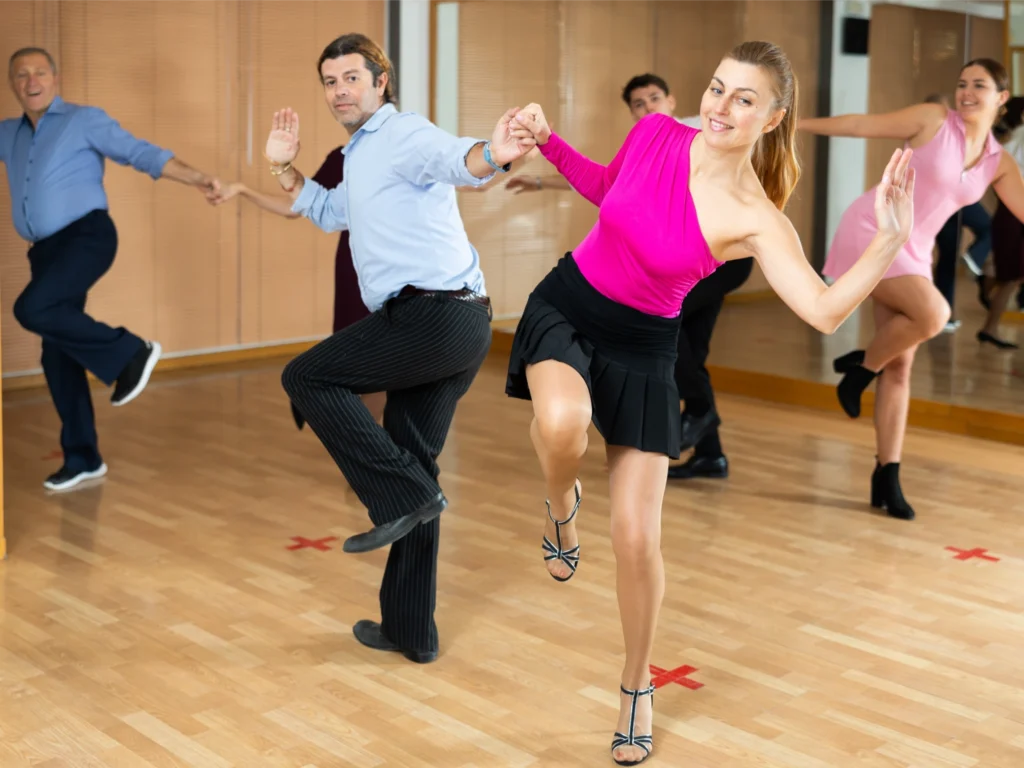
The physical demands of ballroom dance, like stepping in rhythm and moving in different directions, help improve balance, spatial recognition, and gait, reducing the risk of falls.
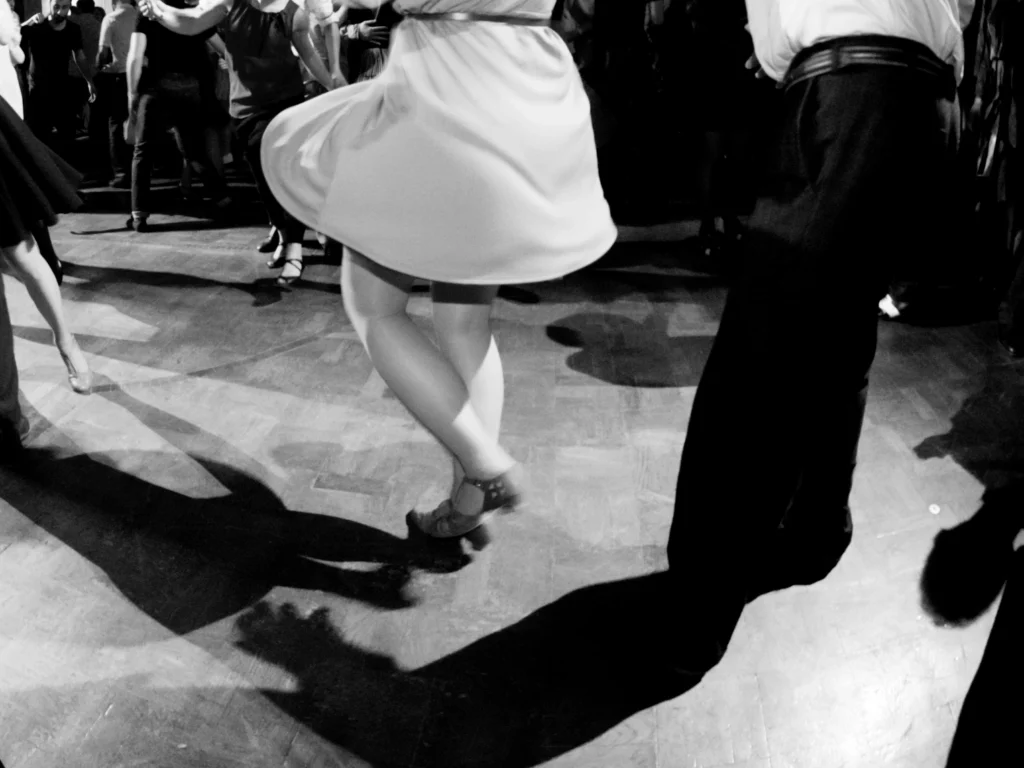
Unlike walking forward in a straight line, ballroom styles demand that dancers move backward, rotate, step sideways, and shift their weight fluidly from one foot to another. This multi-directional movement strengthens core stabilizer muscles, sharpens proprioception (the brain’s internal awareness of where the body is in space), and trains the musculoskeletal system to react quickly to unexpected shifts in balance.
Enhancing Muscle Memory and Motor Patterns
One of the fascinating elements of human biology is that muscle memory and procedural memory are stored in different areas of the brain than declarative memories (like names, dates, and facts). While an individual might struggle to remember what they ate for breakfast, the procedural memory of how to dance a basic box step can remain deeply ingrained in the cerebellum.
By tapping into these intact procedural pathways, ballroom dance helps individuals maintain fluid motor patterns, which translates directly into greater ease when performing everyday physical tasks like standing up from a chair or navigating stairs.
Social Engagement and the Importance of Human Connection
One of the most heartbreaking aspects of any neurodegenerative condition is the profound sense of isolation it can bring. As conversation becomes difficult, individuals often pull back from social circles out of frustration or embarrassment, and friends may stop visiting because they do not know how to interact.
Ballroom dancing provides a natural antidote to this isolation, creating an inclusive space where verbal language is no longer a requirement for deep, meaningful communication.
Breaking the Cycle of Social Isolation
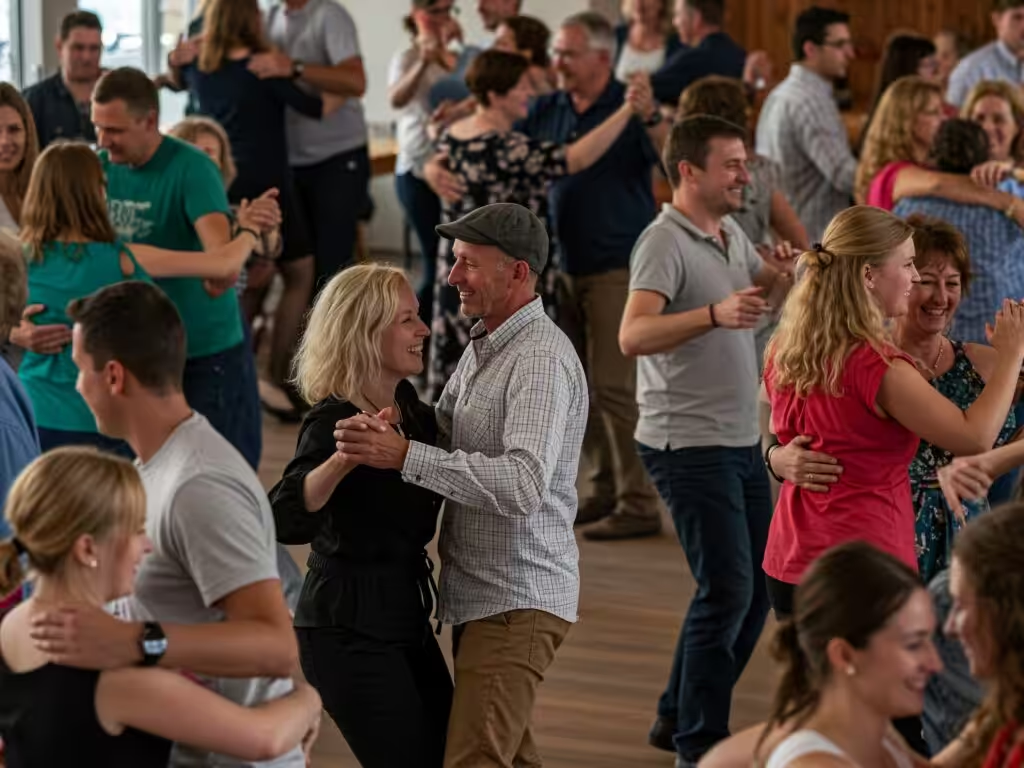
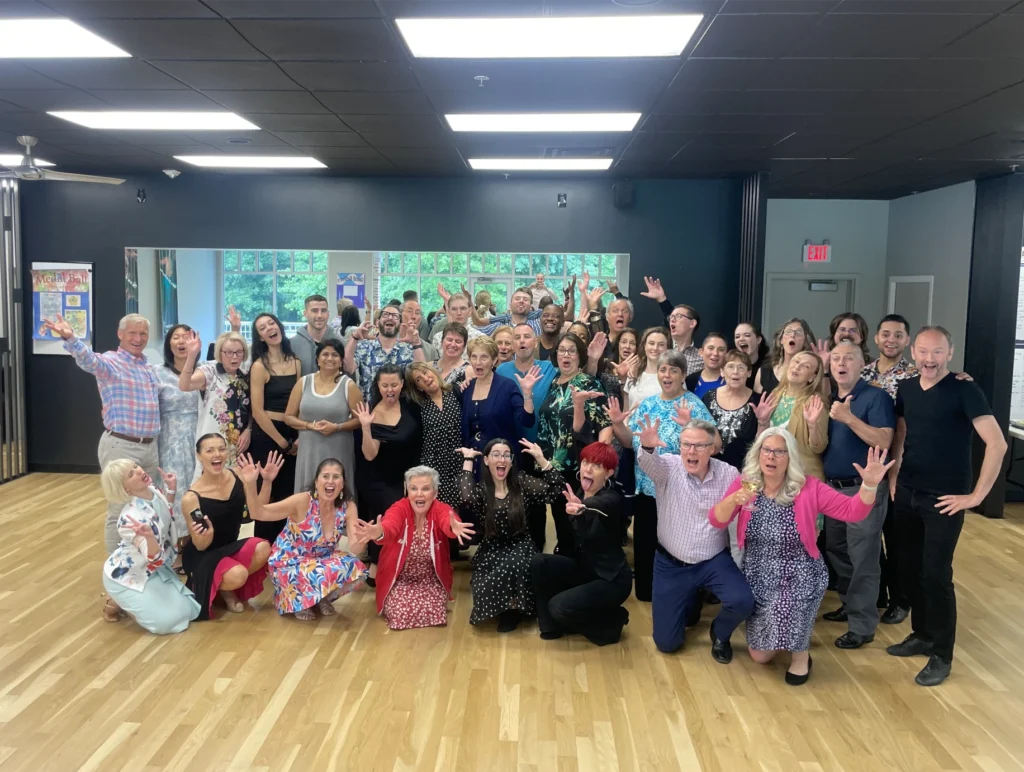
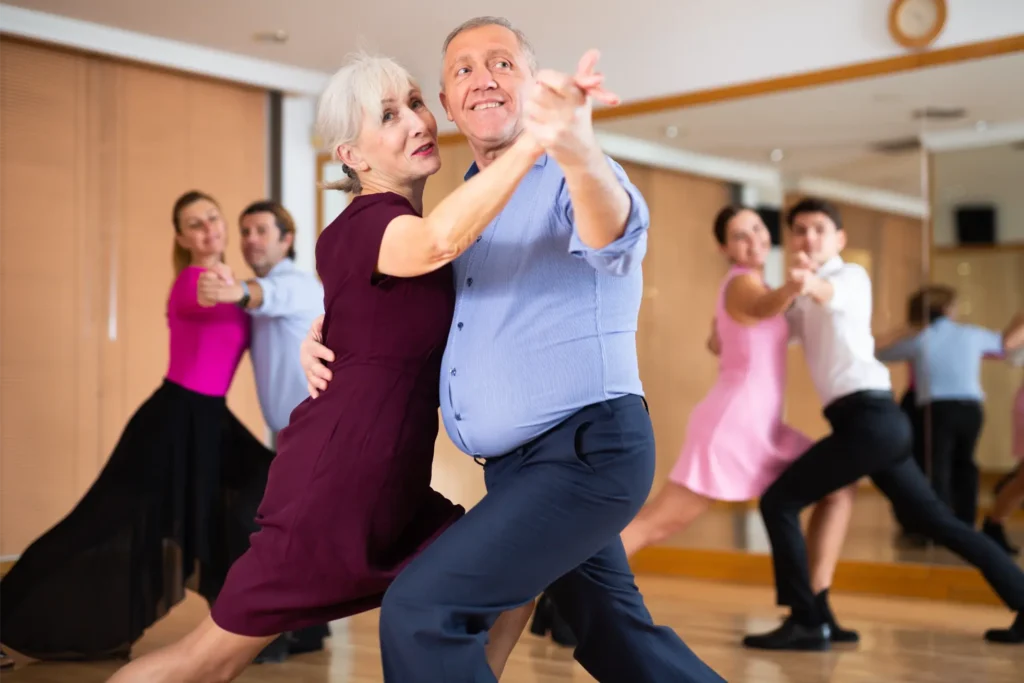
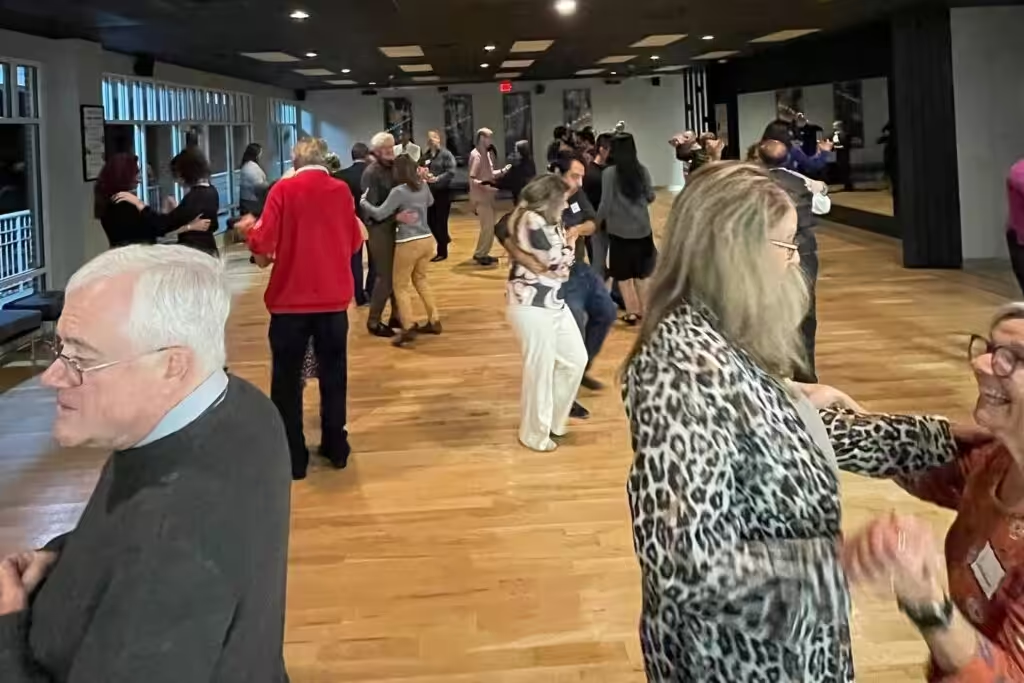
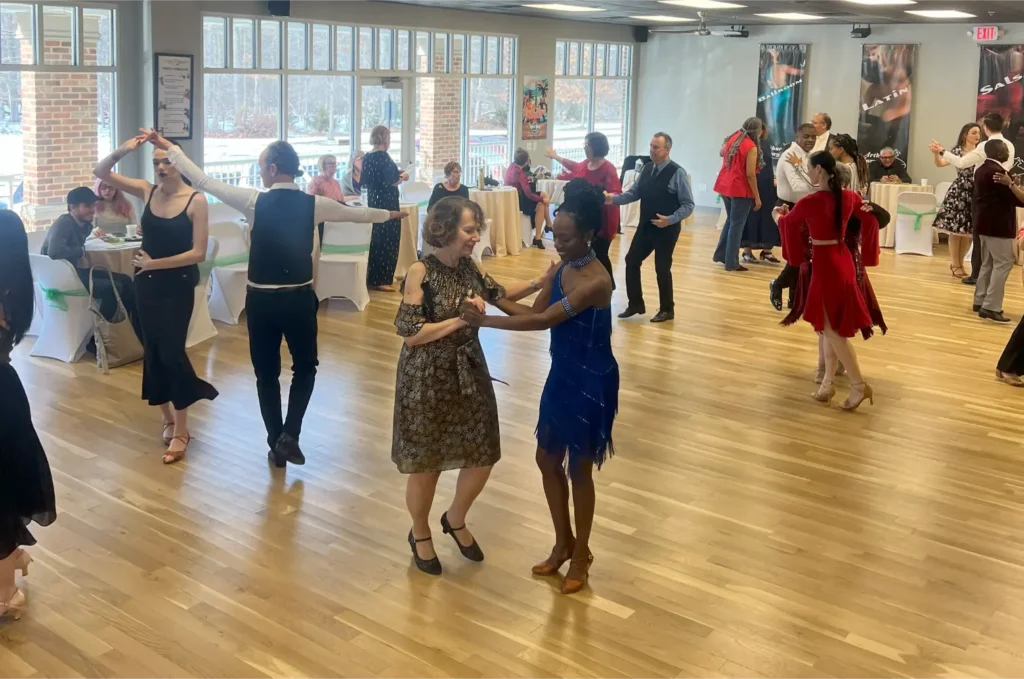
Participating in a group class or dancing with a partner combats the social isolation that often accompanies memory loss, fulfilling fundamental needs for human connection and bonding.
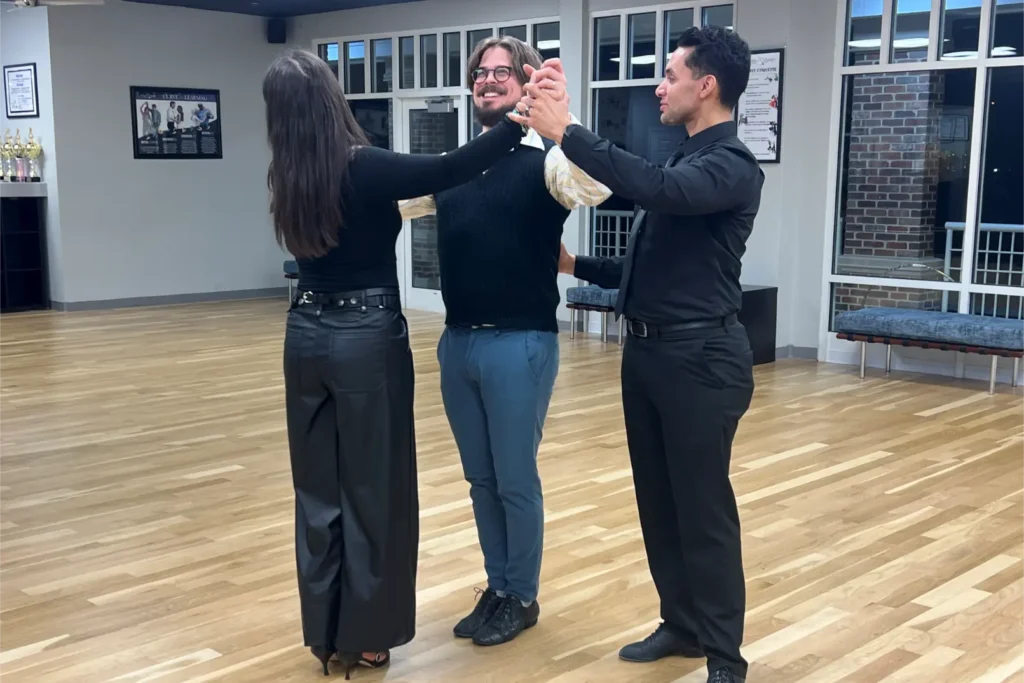
In a dance studio environment, individuals are not viewed through the lens of a clinical diagnosis; they are simply dancers. The shared laughter, the mutual effort to learn a step, and the supportive community atmosphere help individuals feel seen, valued, and anchored to the world around them.
The Therapeutic Power of Touch
Human beings have an essential biological need for physical touch, a need that is often neglected in senior care environments where most touch becomes clinical or task-oriented.
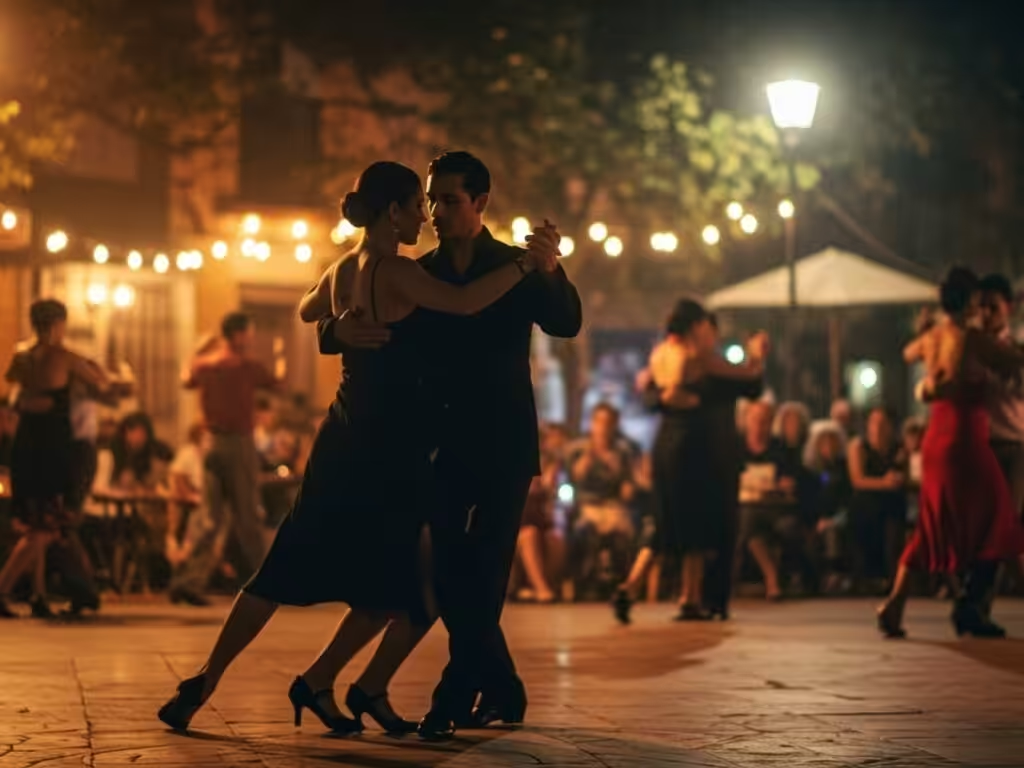
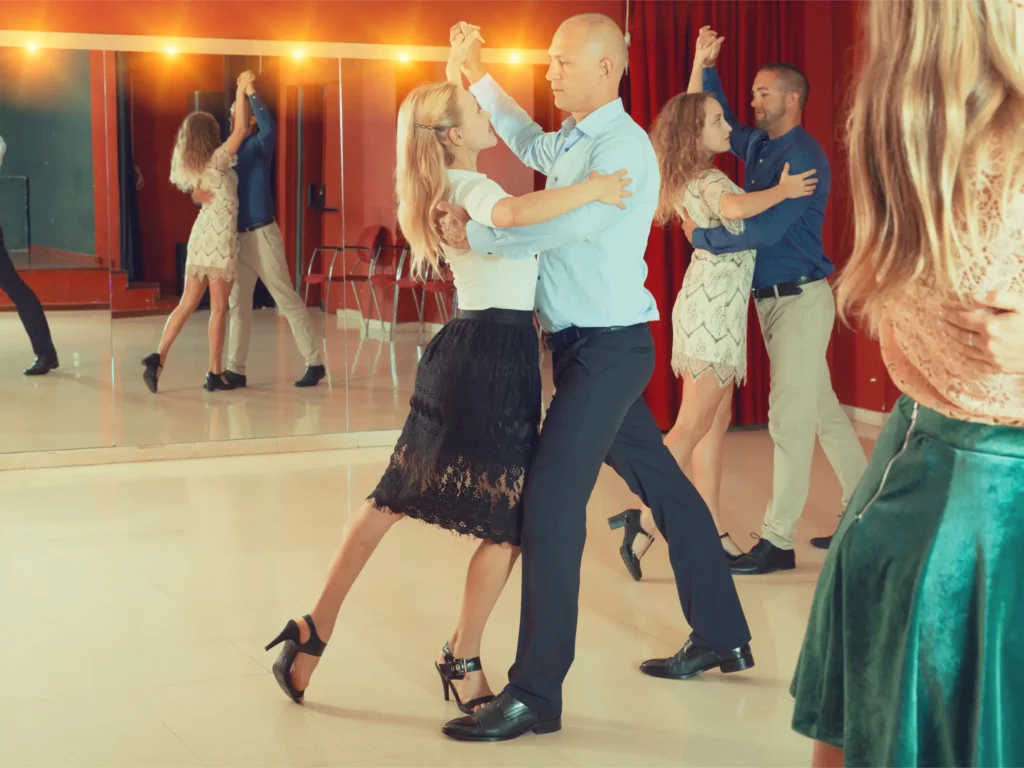
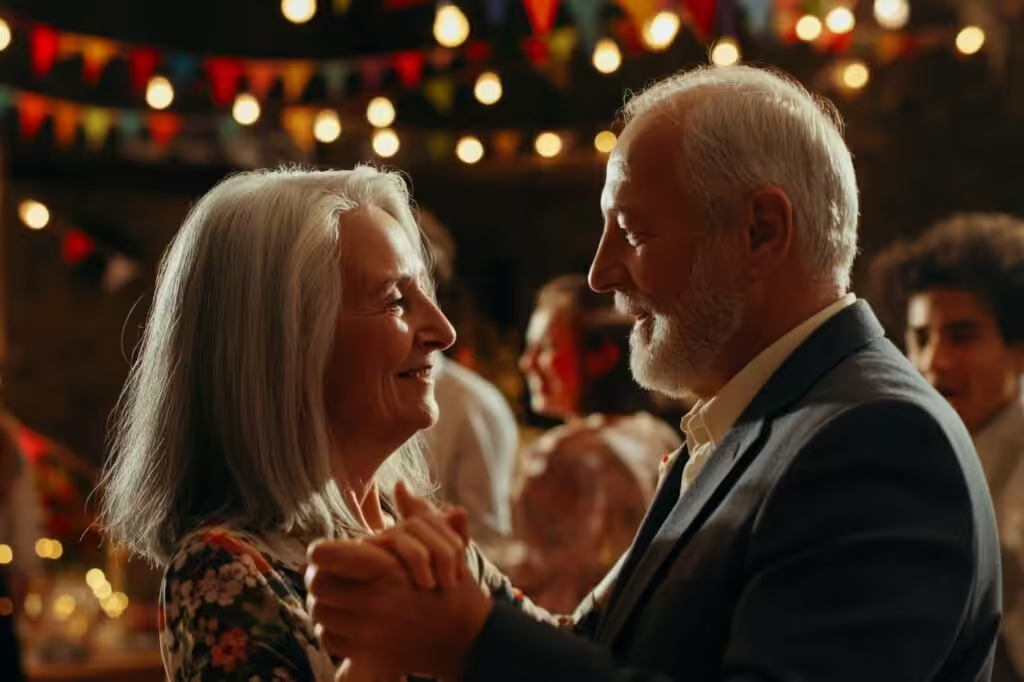
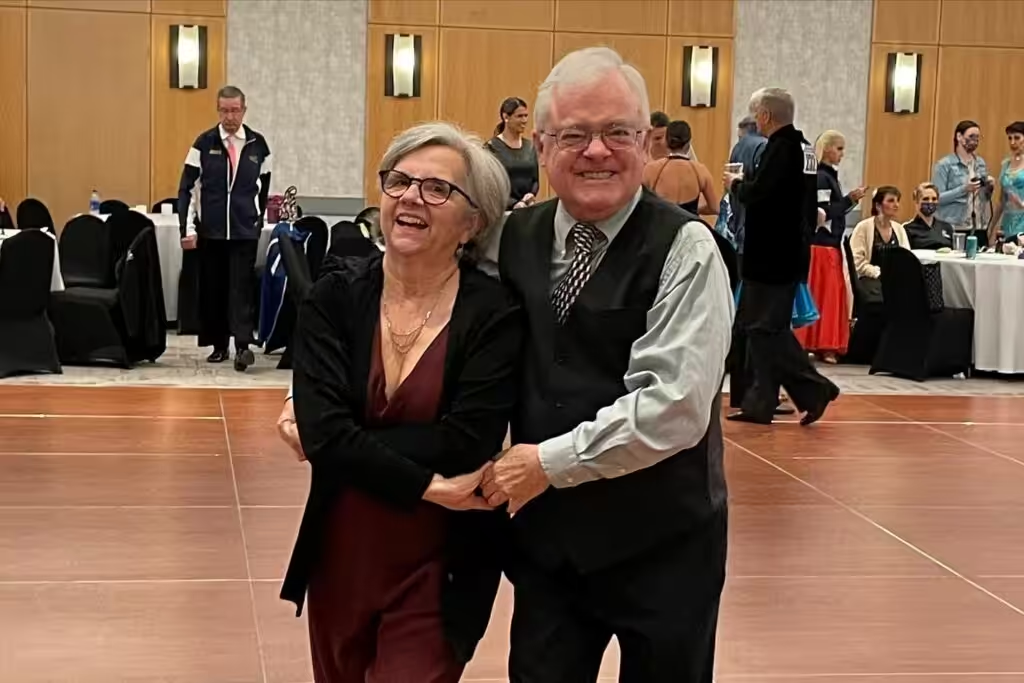
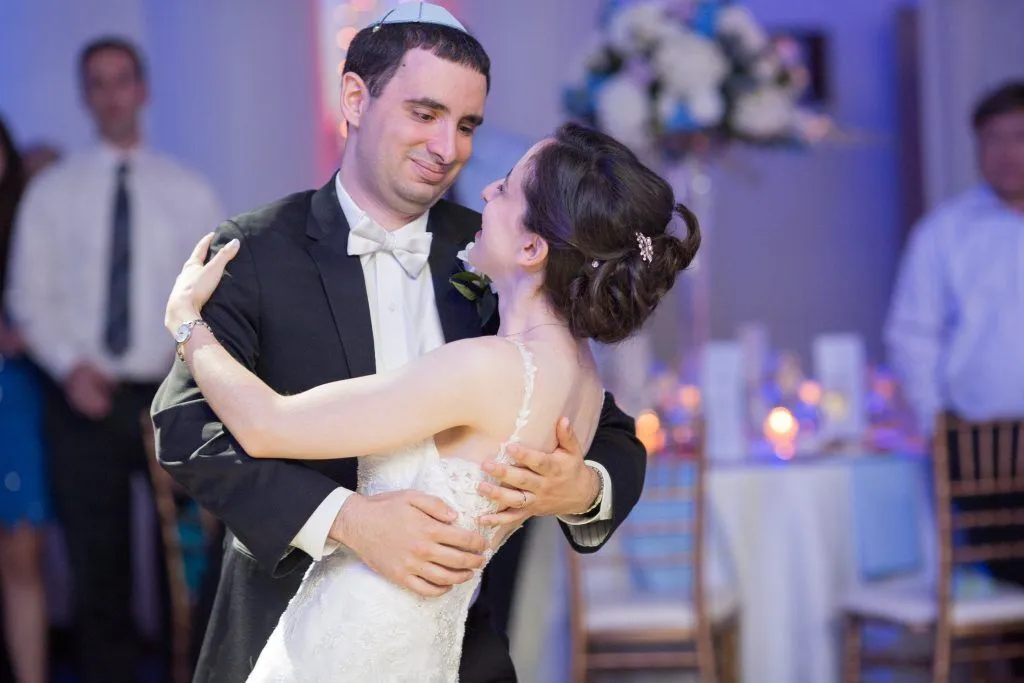
Ballroom dancing inherently requires a physical frame—a hand held, a reassuring arm placed on a shoulder, or a gentle guidance through space. This safe, respectful, and affectionate physical connection could stimulate the release of oxytocin, the hormone responsible for feelings of trust, safety, and emotional bonding, bringing immense comfort to someone who may otherwise feel disconnected from the human experience.
Keeping the Dance Alive
As we honor Alzheimer’s Awareness Month, it is vital to expand our perspective on what dementia care can look like. While medicine works to manage cellular symptoms, holistic interventions like ballroom dance address the whole person—mind, body, and spirit. It reminds us that behind the clinical diagnoses and the memory challenges, there is a vibrant human being capable of experiencing joy, expressing grace, and connecting deeply with others through the universal language of rhythm.
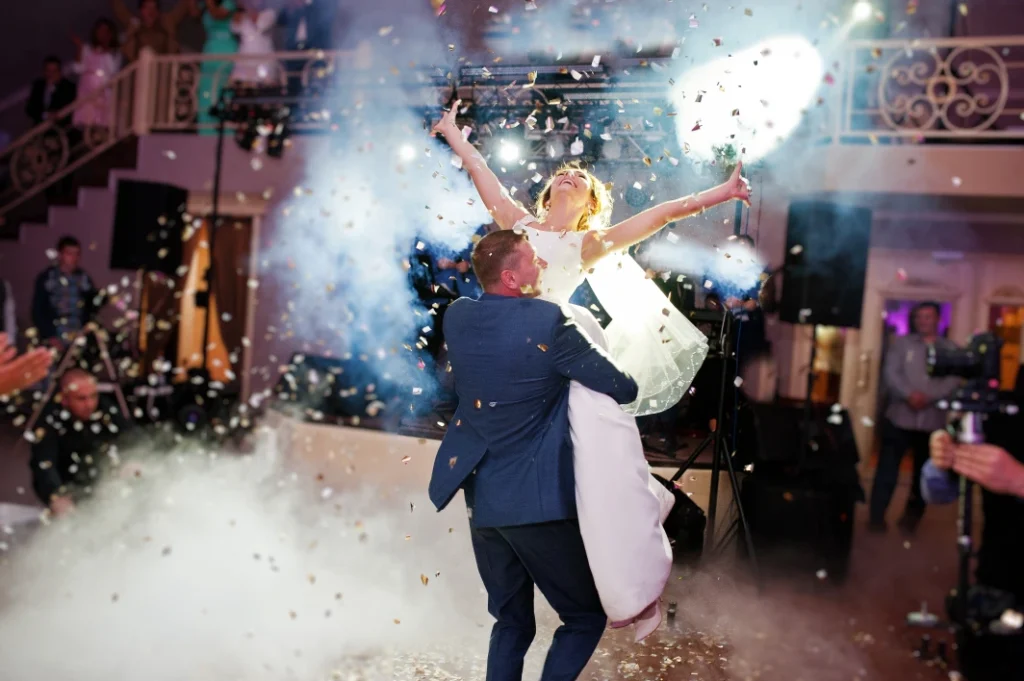
By integrating dance into care routines, families and care partners can transform difficult afternoons into moments of genuine celebration. We do not need professional dance skills or perfect choreography to make an impact. All it takes is a familiar song, an open space, an extended hand, and the willingness to step onto the floor together.
FAQ
Can someone in the late stages of Alzheimer’s still participate in ballroom dancing?
Yes, absolutely. While an individual in the advanced stages of the condition may not be able to learn complex, new choreography, they can still benefit immensely from modified movement. For those with advanced decline, simply standing together, holding hands, and gently swaying to a familiar rhythm can spark emotional awakenings, lower anxiety, and provide comfort through physical touch. If standing is no longer safe or comfortable, seated dancing—where partners hold hands and move their arms and upper bodies to the music—offers an excellent, accessible alternative.
Do caregivers need professional dance training to use this approach at home?
Not at all. The therapeutic value of dance does not come from technical perfection or flawless footwork; it comes from the rhythm, the physical movement, and the emotional connection. Caregivers can easily bring this practice home by playing music from the individual’s adolescent or young adult years, holding them gently in a comfortable embrace, and moving casually together across the living room floor. The goal is simply to share a joyful, stress-free experience.