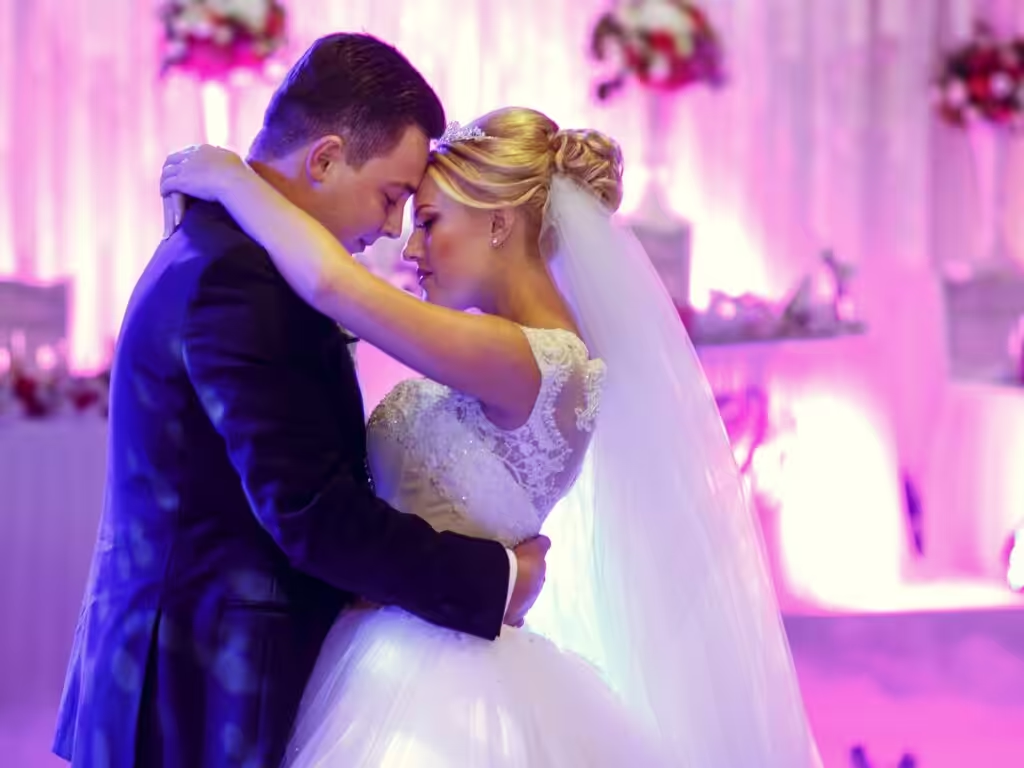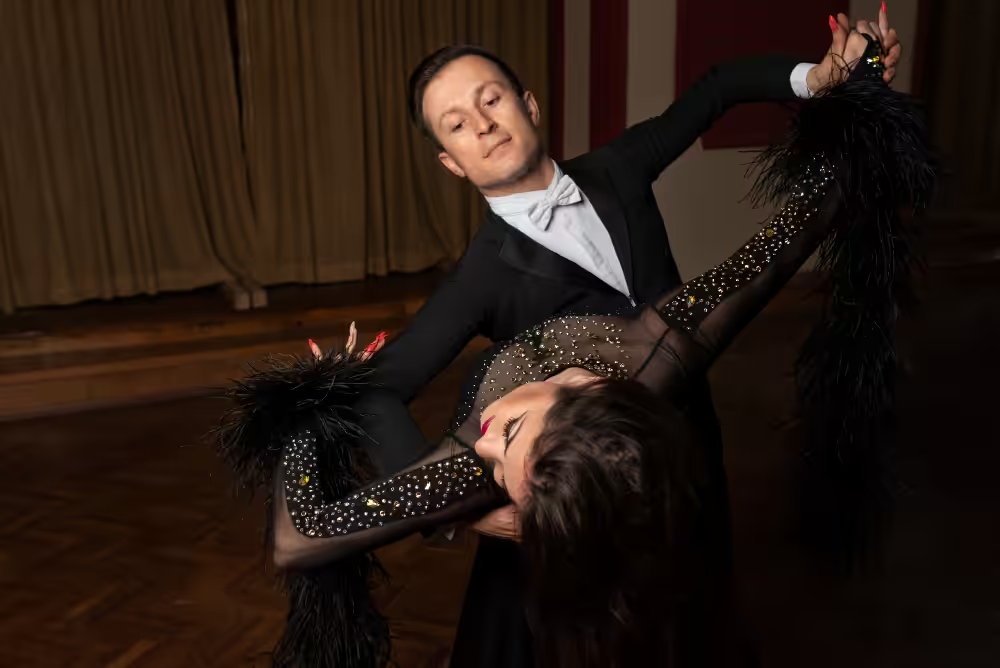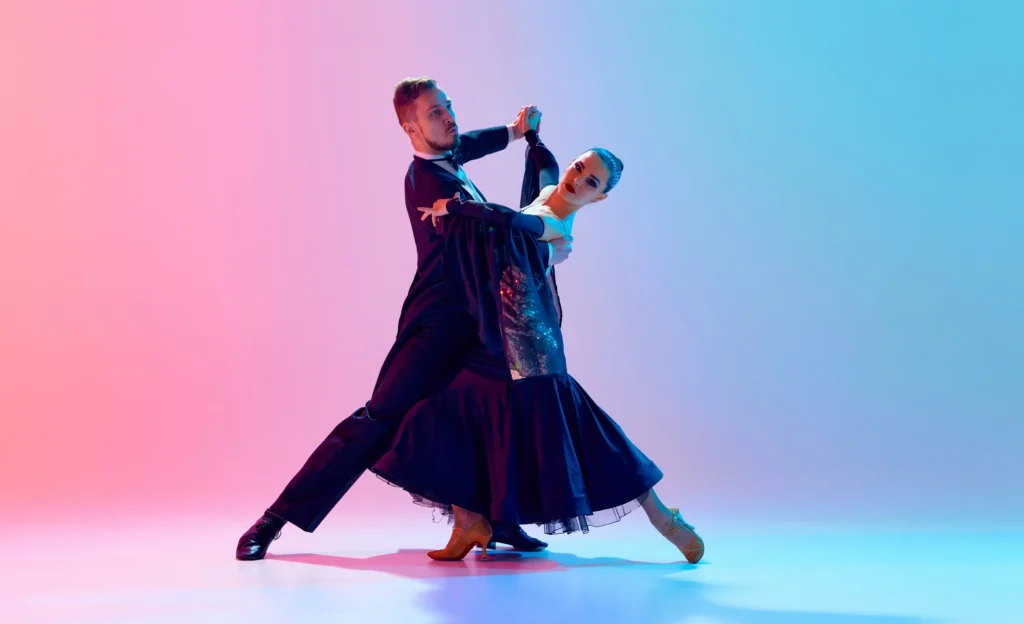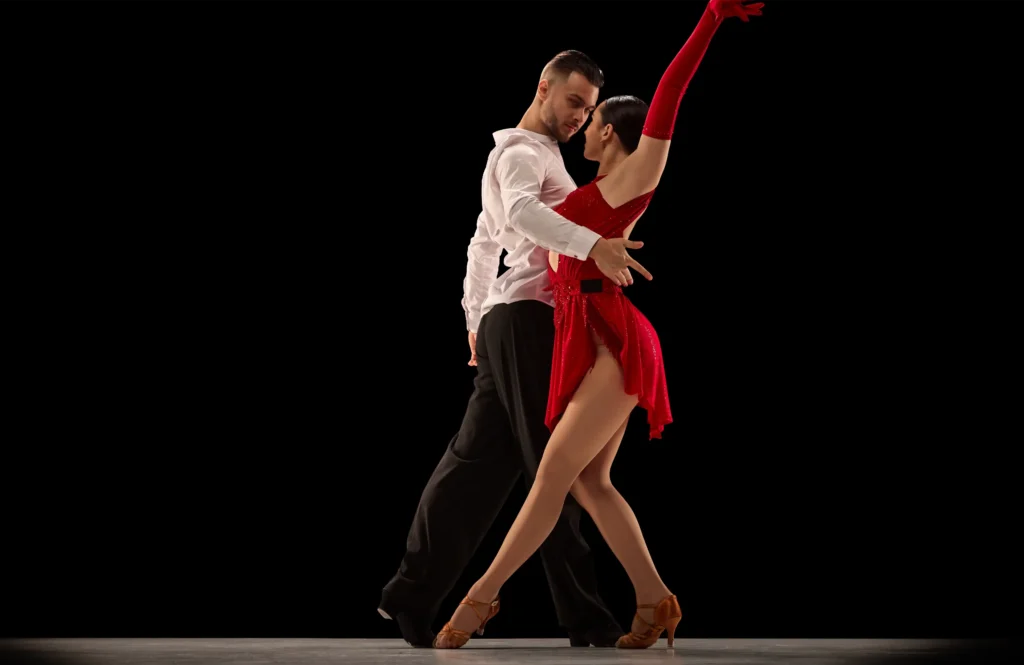
Most wedding receptions hit a quiet stretch right after dinner, when guests start losing energy and the dance floor clears out. A wedding party surprise dance is one of the easiest ways to bring the room back to life and create a moment guests will talk about long after the night ends. In this guide, you’ll learn how to plan a fun entrance, choose music that keeps the crowd engaged, and build a simple routine that makes your bridal party look polished, even with zero dance experience.
Key Takeaways
- Surprise dances are a fantastic way to bridge the gap between the formal dinner and the high-energy party.
- Success lies in the “element of surprise,” requiring careful timing and music selection.
- Coordination is vital, ensuring that every participant feels comfortable with the choreography.
- The performance serves as a unique bonding experience for your closest friends and family.
- Technology and social media have made these performances a staple of modern “viral” wedding culture.
The Rising Popularity of Bridal Party Dances
Gone are the days when a simple DJ set was enough to keep the crowd engaged. Today, the bridal party dances have become a highly anticipated highlight of the evening.
These performances allow the couple’s inner circle—their siblings, best friends, and cousins—to show a side of themselves that guests rarely see. It’s a transition from the solemnity of the “I do’s” to the uninhibited joy of the reception.
Why Performance Matters
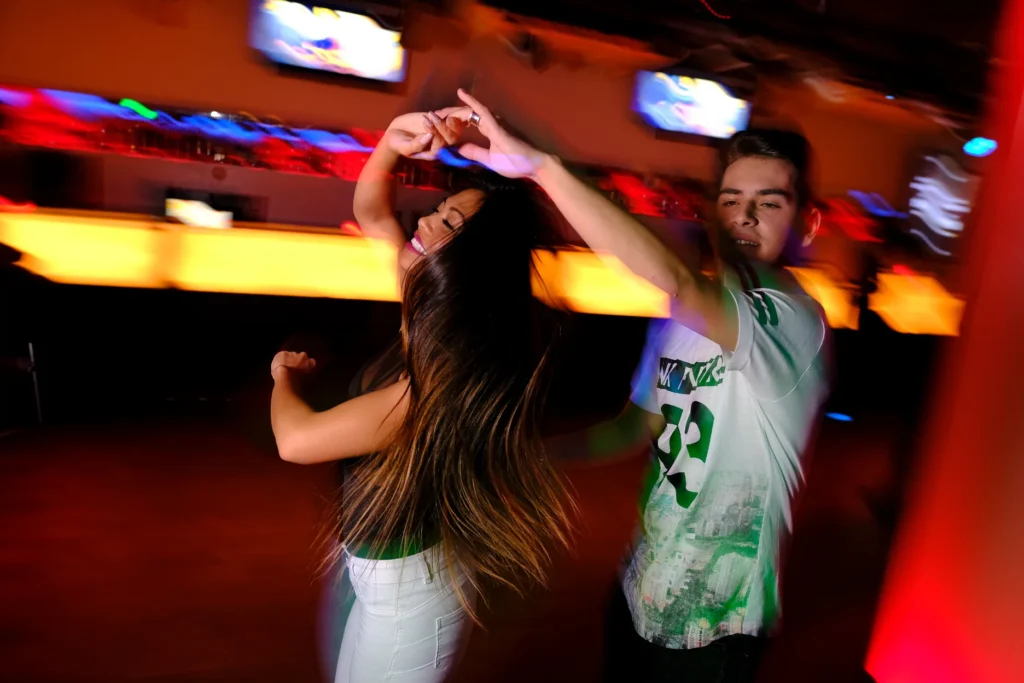
A surprise dance acts as a catalyst for the reception. Often, after a long ceremony and a multi-course meal, guests can feel a bit sluggish. A sudden burst of movement and music acts like a shot of adrenaline for the room. It signals to everyone that it is officially time to let loose.
Creating Lasting Memories
Beyond the immediate entertainment value, these dances create lifelong memories. Long after the flowers have faded and the cake has been eaten, guests will still be talking about the time the groom’s best man did a backflip or the bridesmaids performed a perfect 90s pop medley. For the participants, the weeks of secret rehearsals lead to a shared sense of accomplishment that strengthens their bond with the couple.
If you’re planning your reception timeline, be sure to check out our blog post on the perfect order of dances at wedding celebrations.
Mastering the Wedding Party Entrance Dance
The timing of your surprise is everything. While some groups choose to perform mid-way through the reception, many find that the best moment to strike is during the Wedding party entrance dance sequence. This is the moment when the energy is already building as the DJ introduces the wedding party. Instead of just walking in and waving, a sudden transition into a choreographed number catches the audience completely off guard.
Setting the Stage
The logistics of an entrance dance require coordination with your venue and your DJ. You need enough floor space to move, and the sound system needs to be primed for a sudden shift in volume and tempo. If you are entering from a narrow hallway or a set of stairs, the choreography needs to account for those spatial limitations to ensure the “wow” factor isn’t lost to a cluttered floor.
Song Selection Strategies
Choosing the right track is a balancing act. You want something that is universally recognizable but also reflects the personality of the group. Often, a “bait and switch” works best: start with a traditional, slow song that sounds like a standard processional, then have the DJ “scratch” the record into a modern hip-hop track or a classic disco anthem.
Engaging the Guests
The goal of an entrance-style dance is to invite the guests into the party. While the bridal party is performing, they should be making eye contact with the tables, smiling, and perhaps even pulling a few guests toward the dance floor by the end of the song. It turns a “spectator” moment into an “inclusive” moment.
The Art of the Choreographed Wedding Party Dance
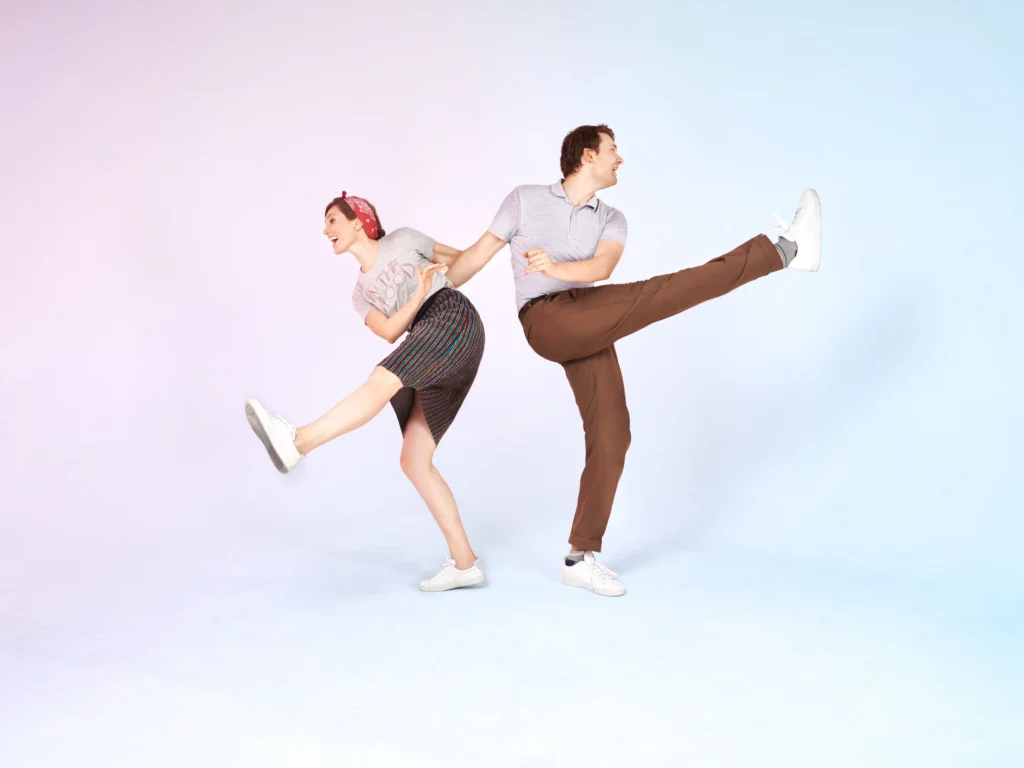
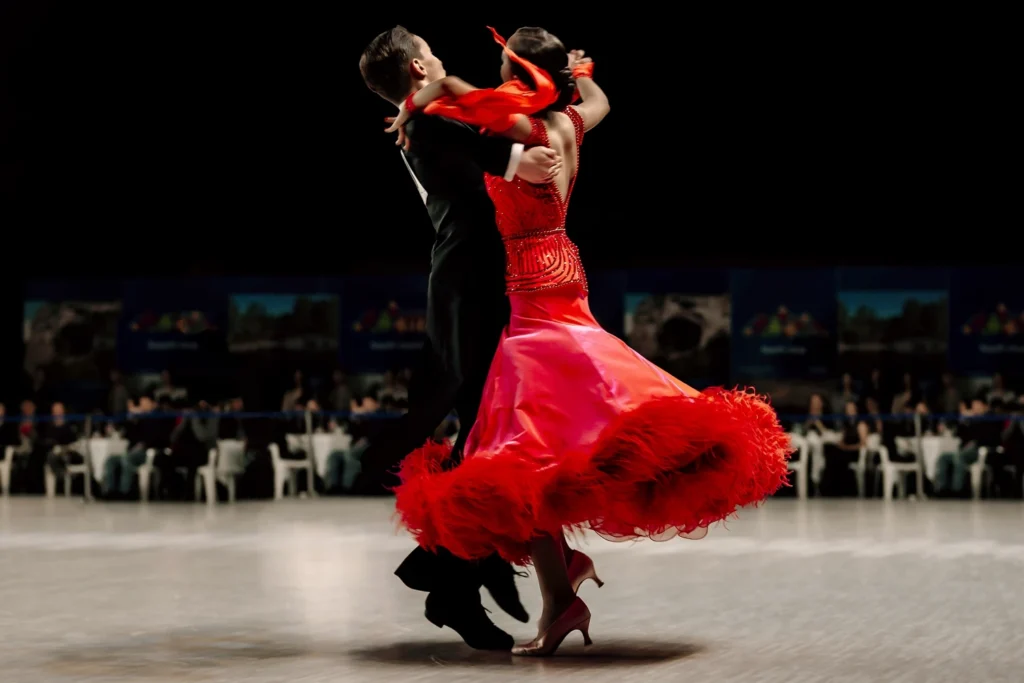
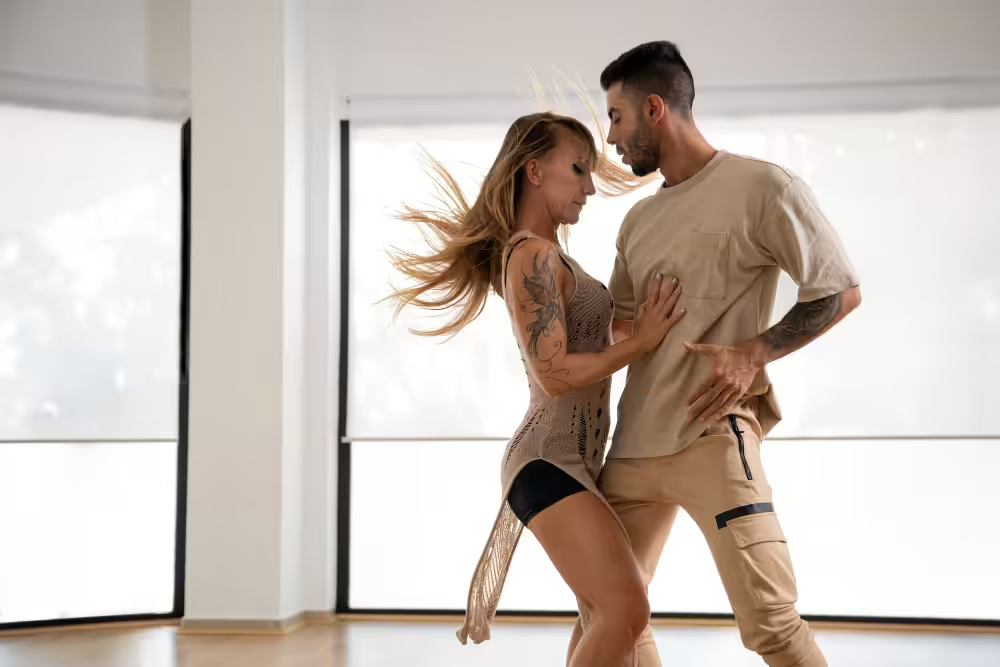
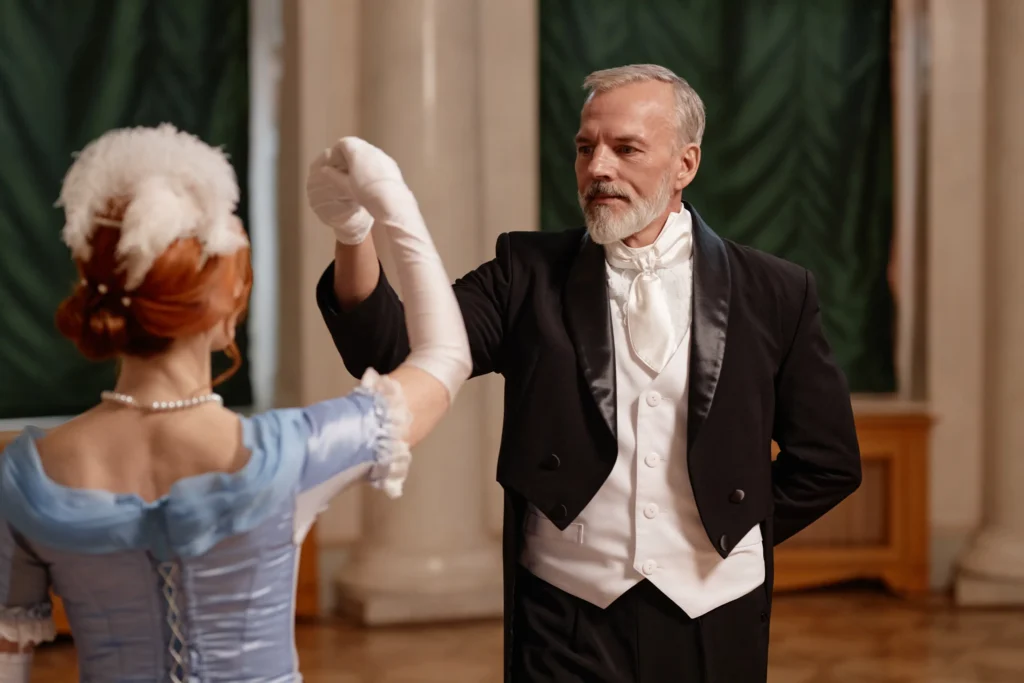
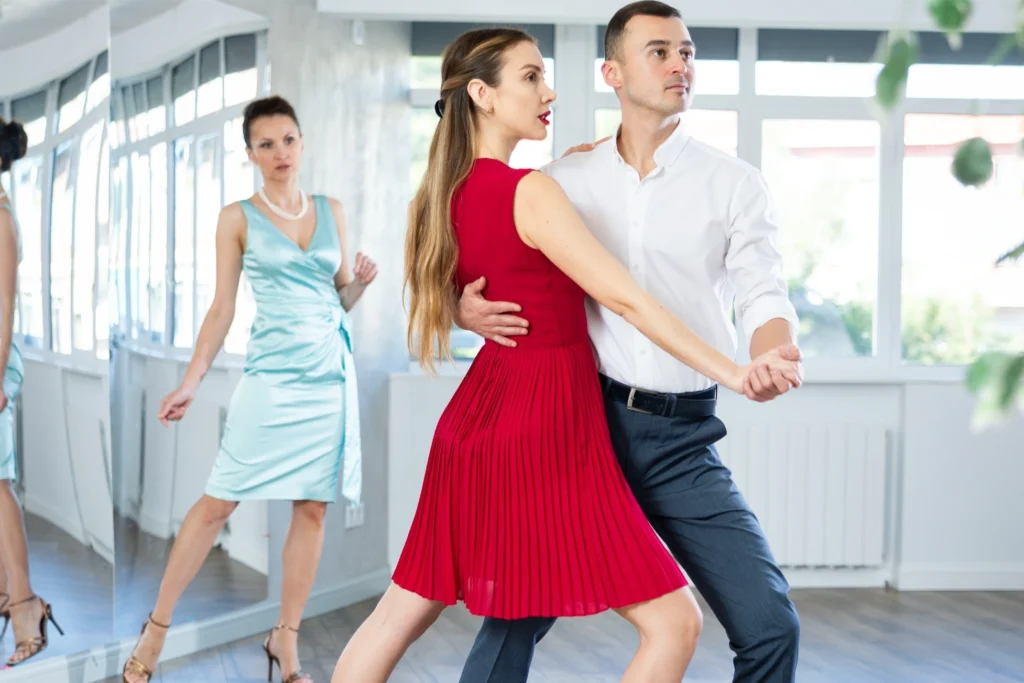
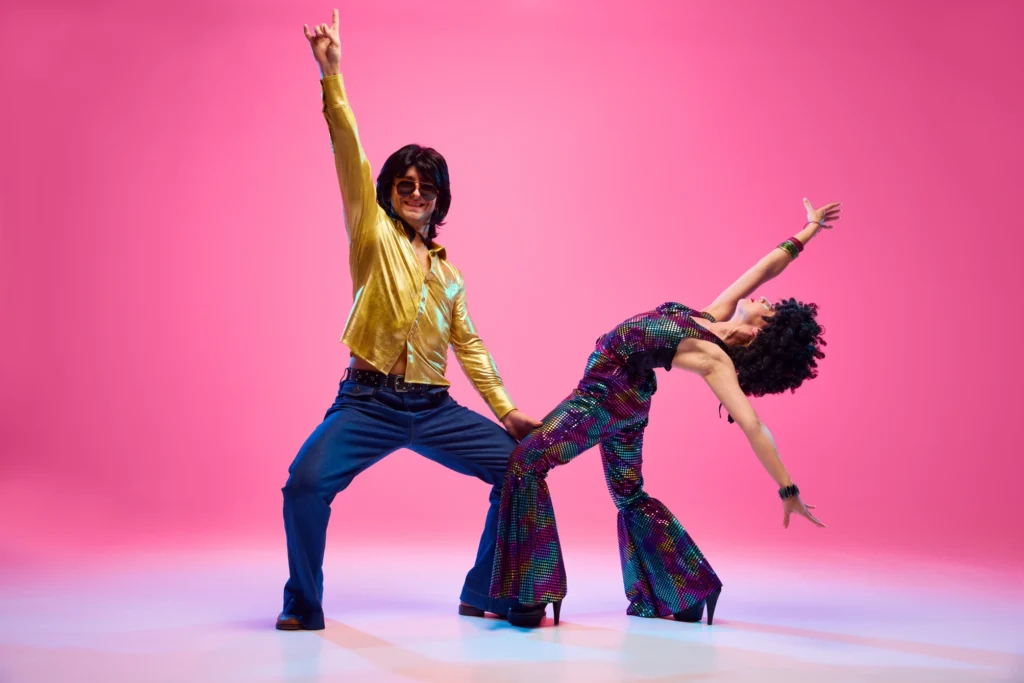
Not everyone in your bridal party will be a professional dancer. In fact, most probably aren’t. This is why a Choreographed wedding party dance needs to be designed with inclusivity in mind. The best routines are those that look impressive because of their synchronization, not necessarily because of their technical difficulty. Simple, repetitive movements executed in perfect unison often look much better than complex moves that leave half the group looking confused.
Finding the Right Instructor
Many couples choose to hire a professional choreographer who specializes in wedding routines. These experts know how to work with “non-dancers” and can create a sequence that highlights the group’s strengths while hiding any lack of rhythm. If a professional isn’t in the budget, YouTube tutorials or a talented friend can serve as a great alternative.
Practice Makes Perfect
Consistency is the key to confidence. Scheduling at least three to five rehearsal sessions is usually necessary to get everyone on the same page. These rehearsals shouldn’t just be about the steps; they should be about the “vibe.” Encouraging the group to add their own flair—funny facial expressions or small improvised gestures—makes the performance feel more authentic and less like a mandatory recital.
Costume Changes and Props
To take a choreographed routine to the next level, consider minor costume additions. This could be as simple as everyone putting on sunglasses, donning matching hats, or the bridesmaids grabbing colorful boas. Props add a visual layer that compensates for simple footwork and makes the performance feel like a produced “show.”
Executing the Bridesmaids and Groomsmen Dance Routine
The most common structure for a surprise performance is the bridesmaids and groomsmen dance routine, which often takes the form of a friendly “battle” or a collaborative mashup. This format is particularly effective because it allows for a narrative—the women perform a section, the men “challenge” them with their own moves, and then they all come together for a grand finale.
The “Battle” Format
A mock dance battle is a guaranteed crowd-pleaser. The bridesmaids might start with a fierce, stylized routine to a Beyoncé track, followed by the groomsmen responding with something humorous or surprisingly athletic. This back-and-forth builds tension and excitement, leading to a climax where the entire group converges to dance in unison. It’s a visual representation of two groups of friends becoming one big family.
Balancing Humor and Skill
The best routines find a middle ground between being genuinely impressive and being funny. If the dance is too serious, it can feel out of place at a celebratory wedding. If it’s too much of a joke, it might lose the “wow” factor. Usually, having the groomsmen do something slightly “campy” while the bridesmaids focus on sharp, clean movements creates a great dynamic that keeps the audience laughing and cheering.
Incorporating the Couple
While the bridal party often leads the charge, the bride and groom should ideally have a “star moment.” Perhaps the party forms a tunnel for the couple to dance through, or the couple joins in for the final 30 seconds of the song to lead the group. This centers the performance back on the newlyweds and ensures they remain the focal point of the celebration.
Mic Drop: Why the Final Bow is Just the Beginning
Integrating a surprise dance into your wedding is a bold move that pays off in pure joy. It is an opportunity to break away from the script and show your guests that your wedding is, above all else, a celebration of life and love. Whether it’s a high-energy entrance or a mid-reception “flash mob,” the effort put into rehearsing and performing will be felt by everyone in the room. It transforms the reception from a standard party into an unforgettable event, leaving your guests with a sense of wonder and a lot of great footage for their social media feeds. Most importantly, it gives you and your closest friends a chance to laugh, bond, and kick off your new chapter with a literal bang.
FAQs
How long should a surprise wedding dance last?
The sweet spot is typically between three and five minutes. Anything shorter feels like it ended too soon, while anything longer can start to lose the audience’s attention. A mashup of three different songs, each lasting about a minute, is a perfect formula.
What if some members of the bridal party are shy?
Participation should never be forced. If a bridesmaid or groomsman is truly uncomfortable, let them play a “background” role—perhaps they hold a prop, throw confetti, or join in only for the final, simplest chorus. The goal is for everyone to have fun, not to feel anxious.
When is the best time to start practicing?
Starting two to three months before the wedding is ideal. This allows for enough time to learn the steps without the pressure of the “final countdown.” If your bridal party lives in different cities, you can send out a video of the choreography for them to learn individually before a group rehearsal right before the wedding day.
Do we need special shoes for the dance?
Comfort is crucial. If the bridesmaids are wearing high heels, they may want to switch into matching sneakers or flats for the performance to avoid any trips or twisted ankles. Groomsmen should ensure their suit jackets aren’t too restrictive for arm movements.
Should we tell the photographer and videographer?
Absolutely! This is one of the most important logistical steps. Your media team needs to know exactly when the music will change so they can be in position to capture the reactions of the guests and the full choreography of the group. Give them a “cue” so they aren’t caught off guard.