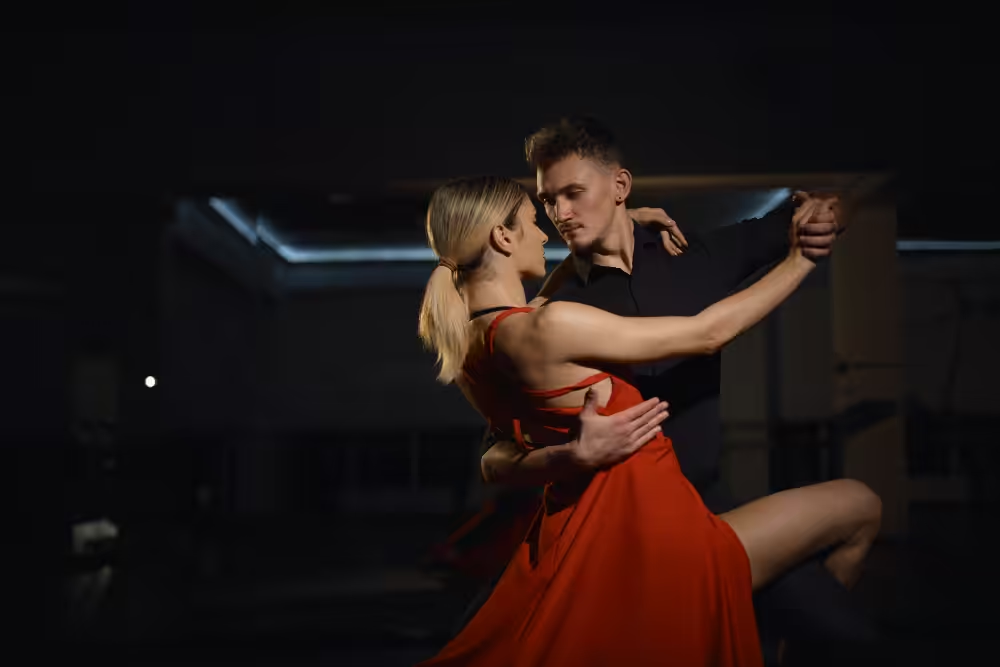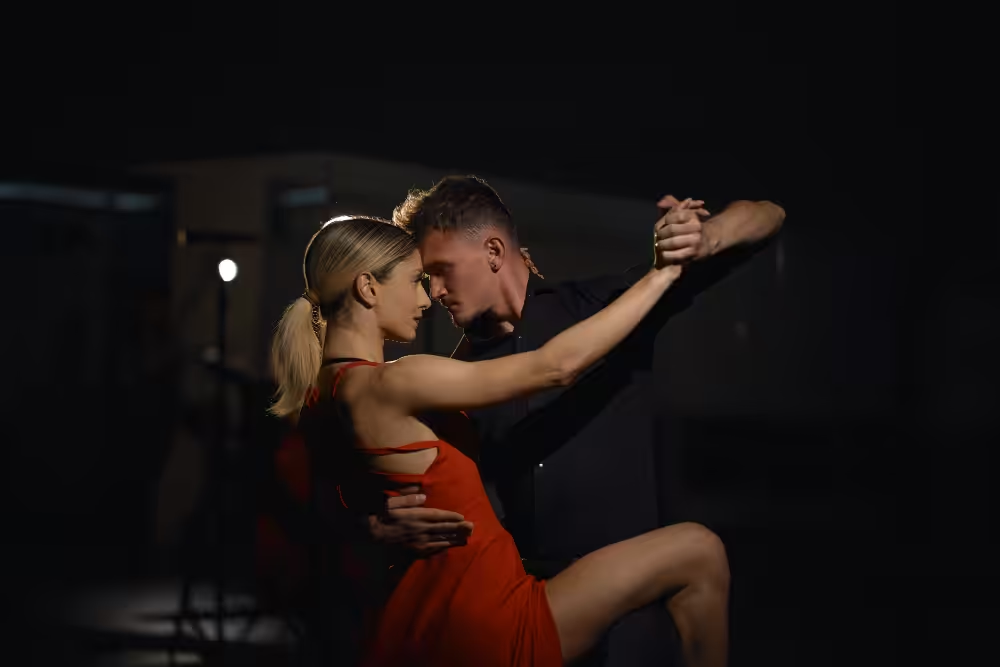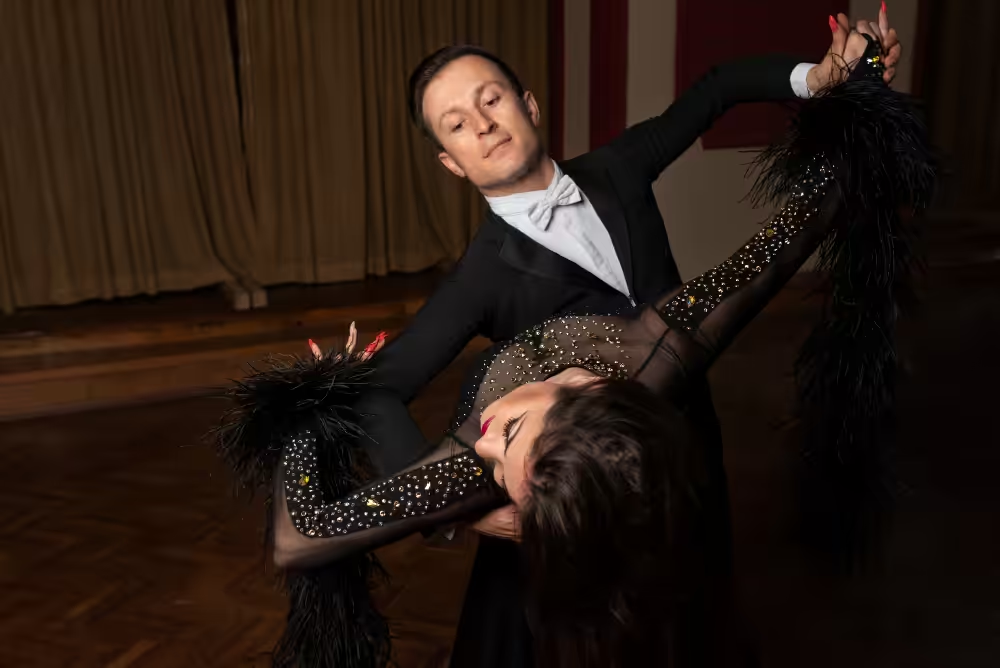
Ballroom and Latin dance shoes are built for different styles of movement. Ballroom shoes help dancers glide across the floor with stability, while Latin shoes allow for greater flexibility, balance, and precise footwork. Choosing the right pair makes dancing more comfortable and helps you move with better control.
Key Takeaways
- Suede Soles Offer Precision Control: Specialized dance footwear utilizes brushed suede outsoles to provide the optimal balance between grip and glide on wooden floors.
- Shank Flexibility Matters: The internal support structure, or shank, varies dramatically between smooth and rhythm styles to accommodate specific foot articulations.
- Heel Structure Enhances Balance: Heel heights and shapes are engineered to align the dancer’s posture properly, depending on whether weight belongs on the heel or the ball of the foot.
- Fit Should Be Snug: Dance footwear must fit tightly without causing pain, ensuring the foot does not slip inside the shoe during complex, high-speed patterns.
- Maintenance Prolongs Longevity: Regular brushing of the suede soles and using shoe trees protects your investment and ensures consistent performance over time.
Ballroom Dance Shoes for Smooth and Standard Dances
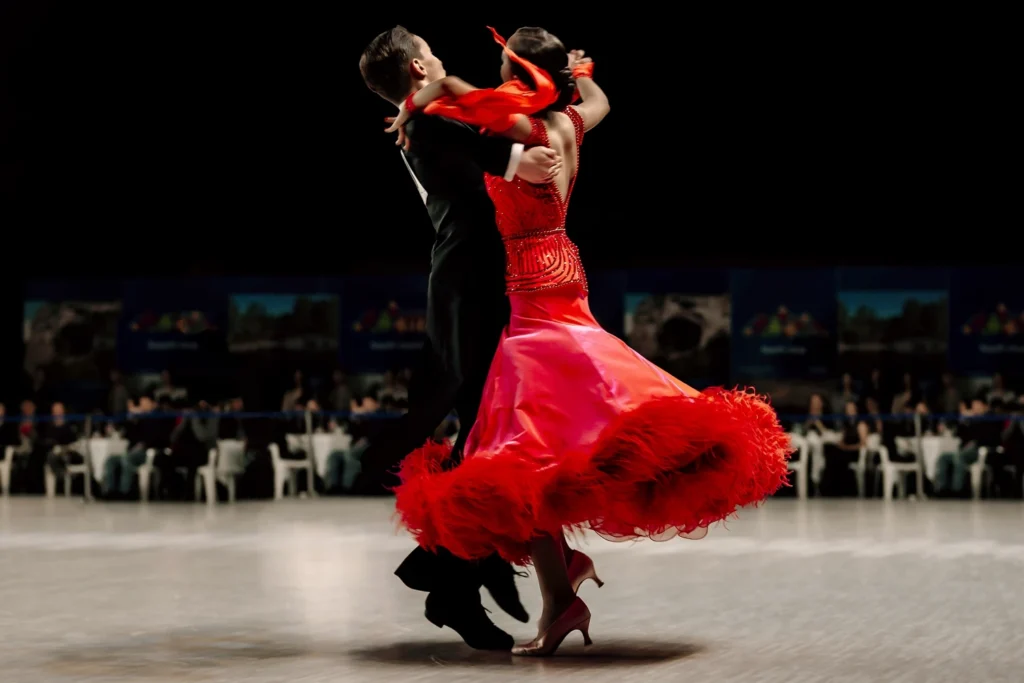
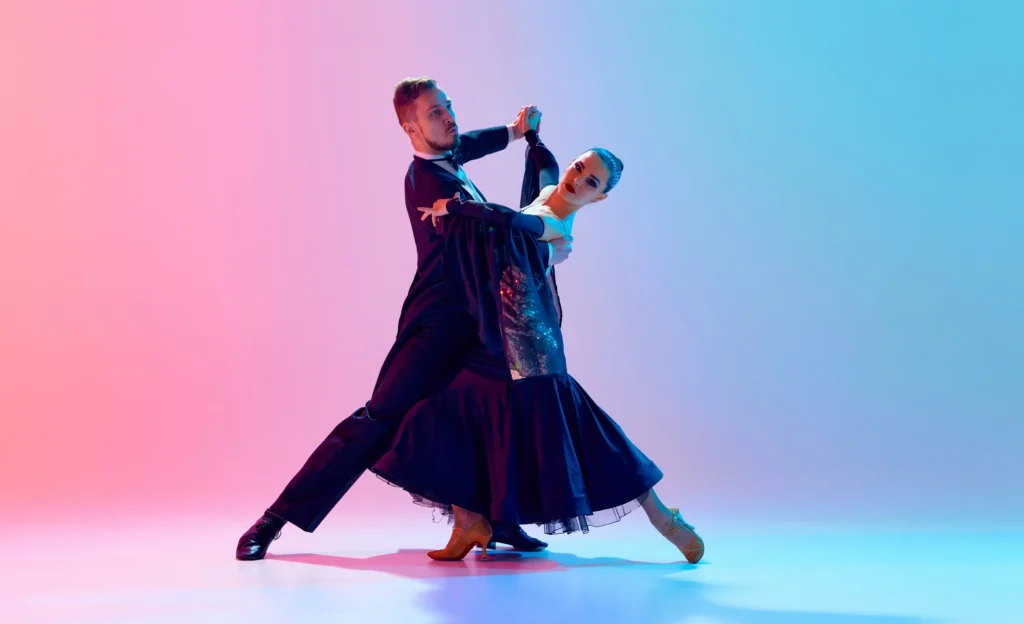
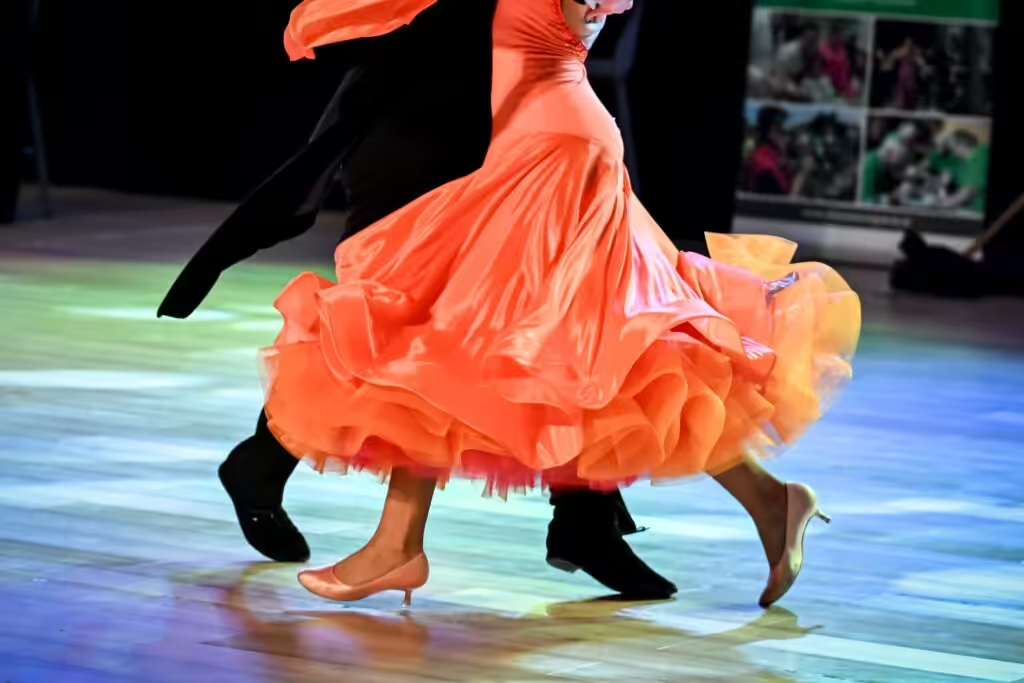
Ballroom dance shoes for Smooth and Standard dances are designed for gliding movements, heel leads, and long, continuous steps. They typically feature suede soles, a supportive structure, and a heel that provides stability without limiting movement.
Unlike street shoes, ballroom shoes help dancers move smoothly across the floor while maintaining balance during rise and fall. This design supports dances like the Waltz, Foxtrot, Tango, and Quickstep.
Ballroom Dance Shoes for Women
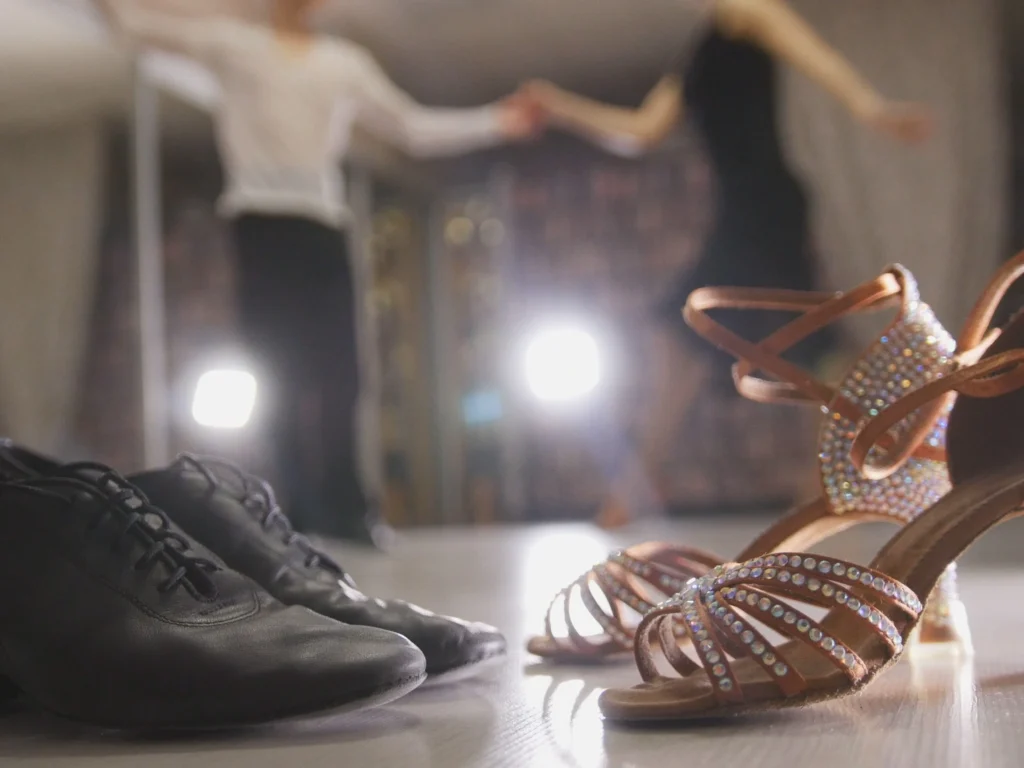
Women’s ballroom shoes are typically closed-toe pumps with a flared heel between 2 and 2.5 inches. The closed-toe design creates a polished look while protecting the toes during partner dancing.
These shoes also include a supportive shank that helps maintain stability through long, flowing movements. The combination of structure and flexibility makes them well suited for Smooth and Standard dances.
Ballroom Dance Shoes for Men
Men’s ballroom shoes are usually Oxford-style shoes made from soft leather or patent leather. They feature a low heel, typically around one inch, to support heel leads and even weight distribution.
The sole provides enough flexibility for natural foot movement while maintaining the stability needed for dances that travel across the floor.
Patent Leather vs. Calfskin Ballroom Shoes
The best material depends on how you plan to use your shoes.
- Patent leather has a glossy finish that is popular for competitions and formal performances.
- Calfskin leather has a softer, matte finish that becomes more comfortable as it breaks in. It’s a popular choice for lessons, practice, and social dancing.
Many dancers own both styles, using calfskin for regular practice and patent leather for performances or competitions.
Latin Dance Shoes for Rhythm and Latin Dances
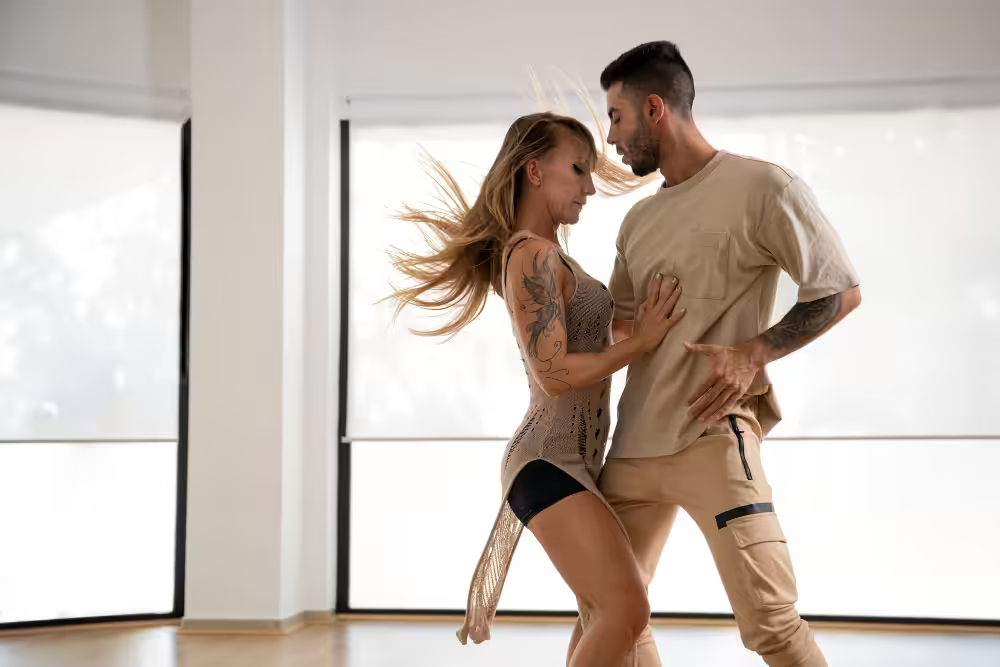
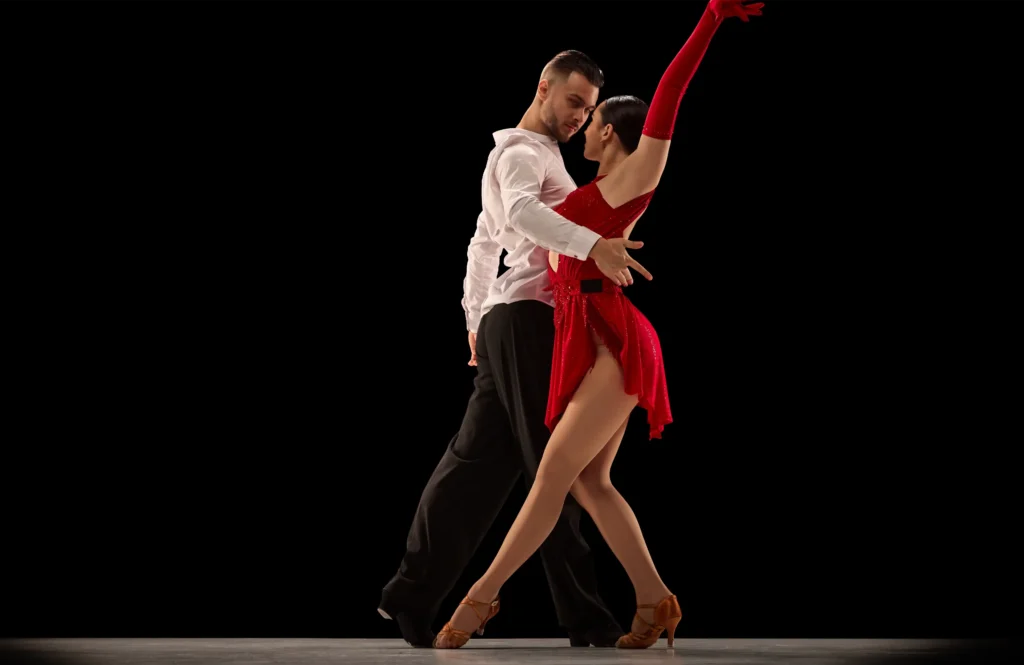
Latin dance shoes are designed for flexibility, quick weight changes, and movement on the balls of the feet. They are lighter and more flexible than ballroom shoes, which makes them ideal for dances like the Cha-Cha, Rumba, Samba, Paso Doble, and East Coast Swing.
Unlike ballroom shoes, Latin shoes allow dancers to point their toes, flex their feet, and perform faster turns with greater control. Most styles also position the dancer’s weight slightly forward to support Latin technique.
Latin Dance Shoes for Women
Women’s Latin dance shoes typically feature an open-toe, strappy design with heels ranging from 2.5 to 3 inches. The open front allows greater foot flexibility, while ankle straps help keep the shoe secure during turns and quick directional changes.
These shoes use a soft suede sole and a flexible shank, allowing dancers to fully extend their feet and create clean lines throughout each movement.
Latin Dance Shoes for Men
Men’s Latin dance shoes are designed with a raised Cuban heel, usually around 1.5 inches, to encourage proper weight placement over the balls of the feet. This design supports the hip action and footwork used in many Latin dances.
Most men’s Latin shoes also feature soft leather construction and a split suede sole, which gives the foot greater flexibility for turns, toe points, and expressive movement.
Practice Shoes for Ballroom and Latin Dancing
Practice shoes offer a balance of comfort and performance for dancers who train regularly. They combine the flexibility of dance shoes with additional support, making them a practical choice for lessons, rehearsals, and social dancing.
Many practice shoes feature soft leather or mesh uppers, suede split soles, and moderate heel heights. They reduce foot fatigue during long practice sessions while still providing the control needed for ballroom and Latin techniques.
Do You Need Special Shoes for Swing or Argentine Tango?
Some dance styles perform best with specialized shoes, but you don’t always need a separate pair. Many social dancers use ballroom or Latin shoes, while experienced dancers often choose footwear designed specifically for their preferred style.
Swing Dance Shoes
The best swing shoes depend on the type of swing you dance.
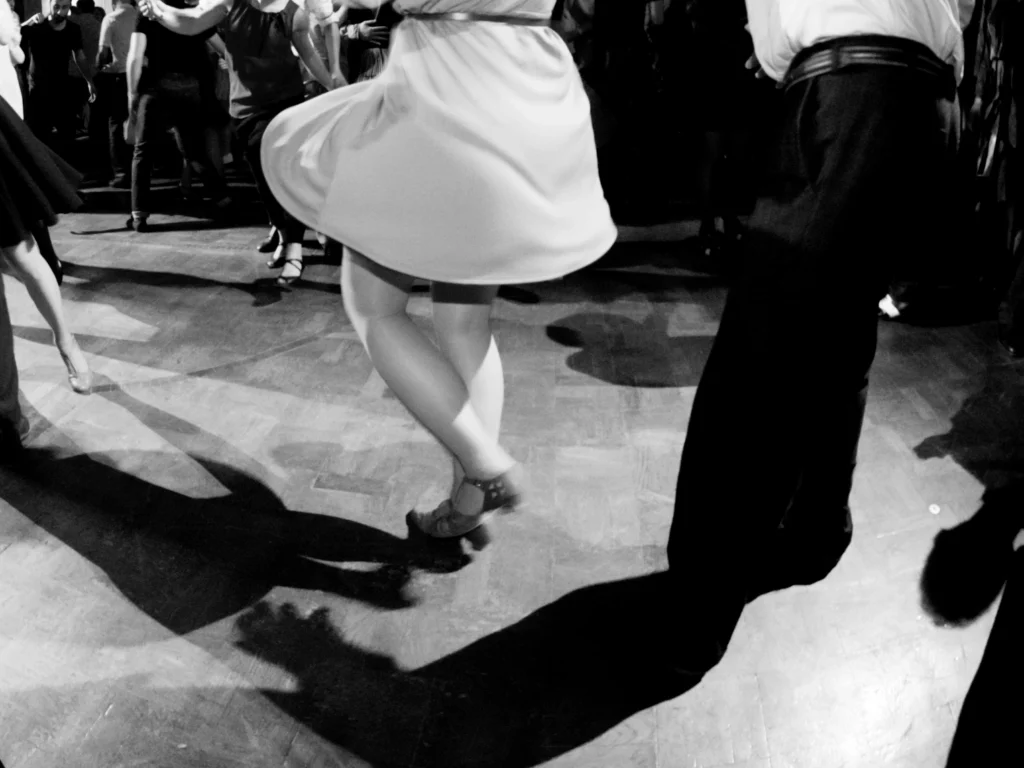
- East Coast Swing and West Coast Swing dancers often wear ballroom or Latin shoes with suede soles for smooth turns and controlled movement.
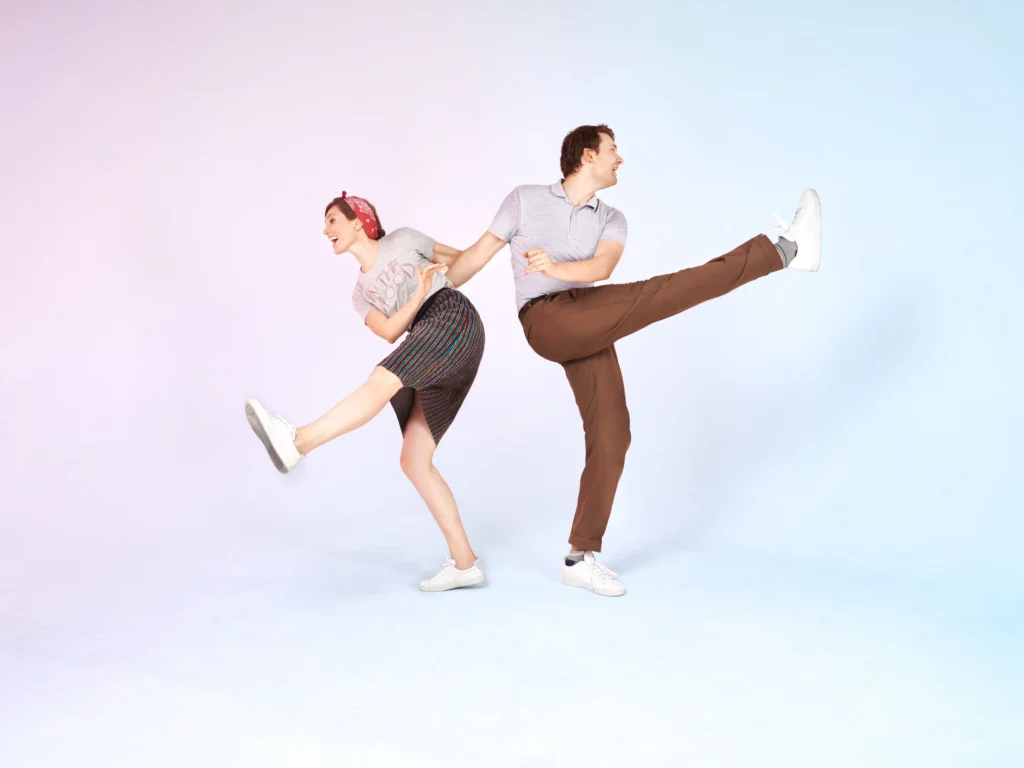
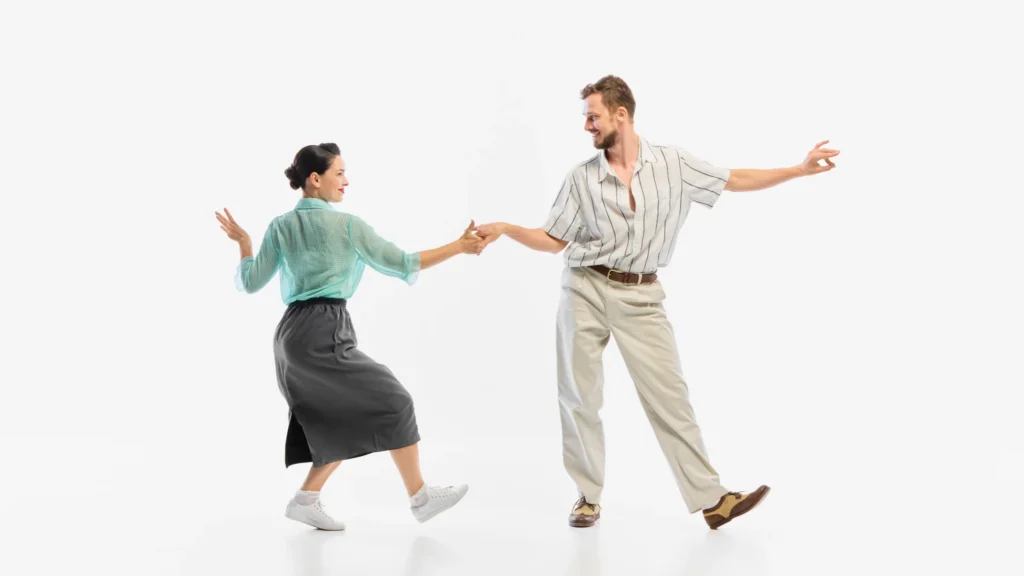
- Lindy Hop dancers frequently choose flat leather shoes or sneakers with dance soles to handle faster footwork and higher-impact movements.
Comfort, flexibility, and the right amount of traction are more important than a specific shoe style, especially if you attend long social dances.
Argentine Tango Dance Shoes
Argentine Tango shoes are designed for balance, pivots, and close partner work. They typically use smooth leather soles instead of suede, allowing dancers to pivot easily on a variety of dance floors.
Women’s tango shoes often feature a supportive heel and secure fit for backward walking, while men’s styles prioritize flexibility and stability without sacrificing control.
How to Choose the Right Ballroom or Latin Dance Shoes
The best dance shoes depend on the styles you dance most often.
- Choose ballroom shoes if you primarily dance Waltz, Foxtrot, Tango, Viennese Waltz, or Quickstep.
- Choose Latin shoes if you focus on Cha-Cha, Rumba, Samba, Paso Doble, or Jive.
- Choose practice shoes if you take regular lessons or dance multiple styles.
- Consider specialized shoes if you primarily dance Lindy Hop, West Coast Swing, or Argentine Tango.
As your dancing progresses, you may find that different styles call for different shoes. Starting with a well-fitting pair that matches your primary dance style gives you the best combination of comfort, support, and performance.
Frequently Asked Questions
How tightly should my new dance shoes fit when I first buy them?
Dance shoes should fit very snugly, akin to a second skin, with no gaps around the sides or heel. Leather and satin naturally stretch and mold to the shape of your feet within the first few hours of dancing, so purchasing a pair that feels slightly tight initially ensures they won’t become dangerously loose later.
Can I wear my specialized suede-soled dance shoes outside on the street?
No, you should never wear suede-soled dance shoes outdoors. Street surfaces contain moisture, dirt, small rocks, and oils that will instantly ruin the delicate brushed texture of the suede, rendering them unusable on the ballroom floor. Always change into your dance footwear after arriving at the studio.
How do I properly maintain and clean the suede soles of my dance shoes?
To maintain your shoes, regularly use a specialized metal wire dance shoe brush to scrape away the dirt, wax, and floor debris that accumulates on the soles. Brushing the soles from toe to arch restores the rough, napped texture of the suede, ensuring you maintain the perfect amount of traction.
What is the typical lifespan of a pair of high-quality ballroom shoes?
The lifespan depends entirely on your frequency of use and the intensity of your dancing. For a social dancer practicing once or twice a week, a well-maintained pair can easily last one to two years. For competitive dancers training daily, shoes may need to be replaced or professionally re-soled every four to six months.