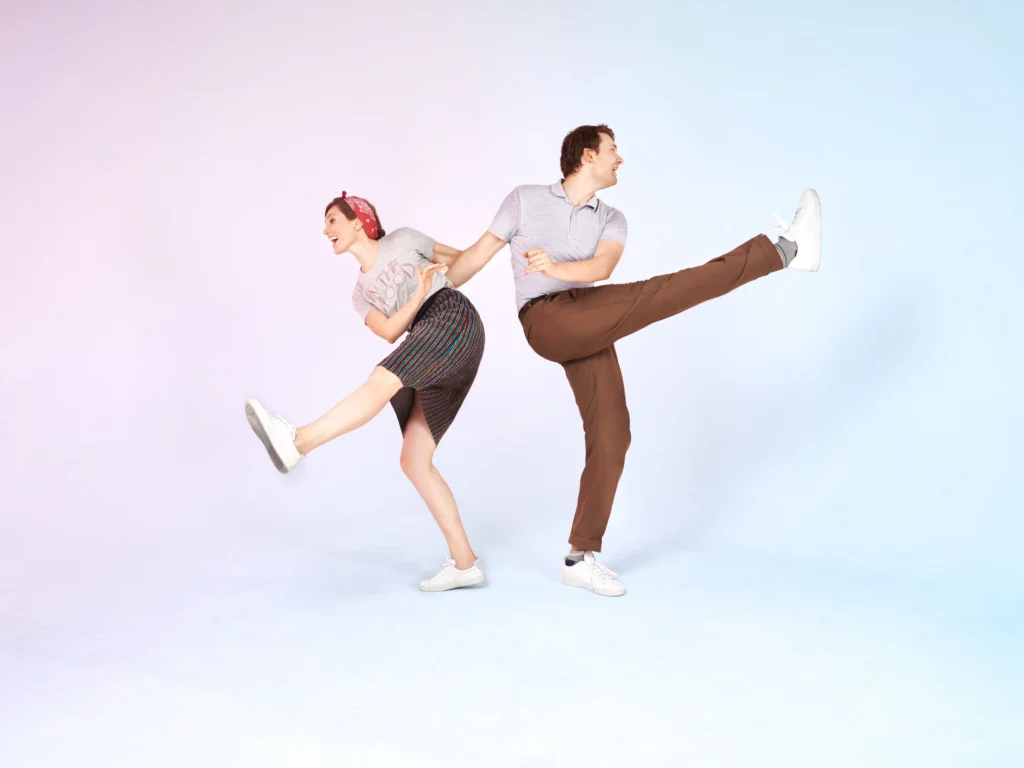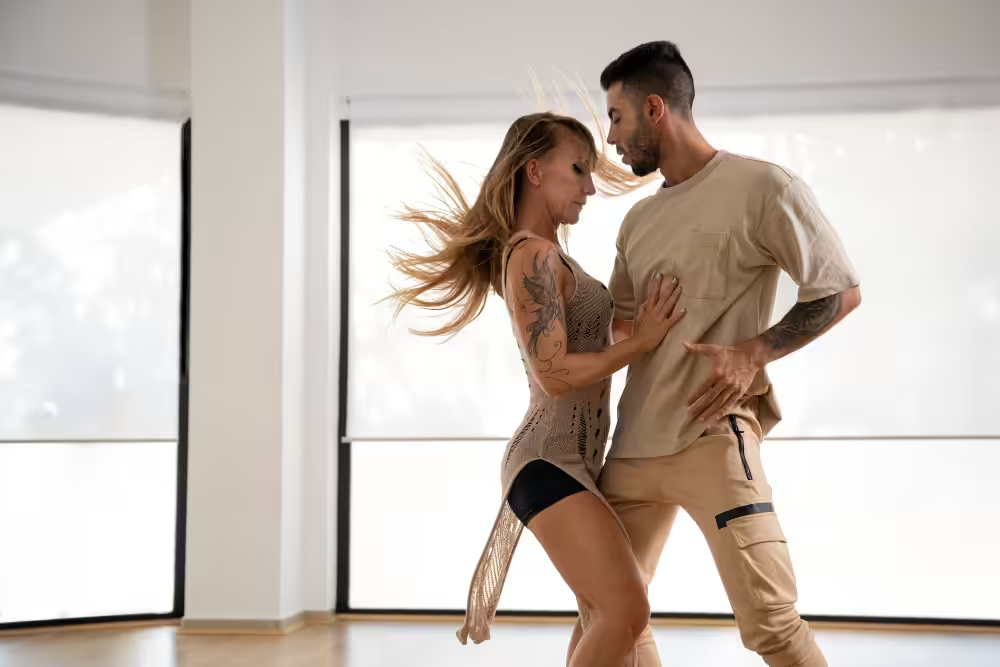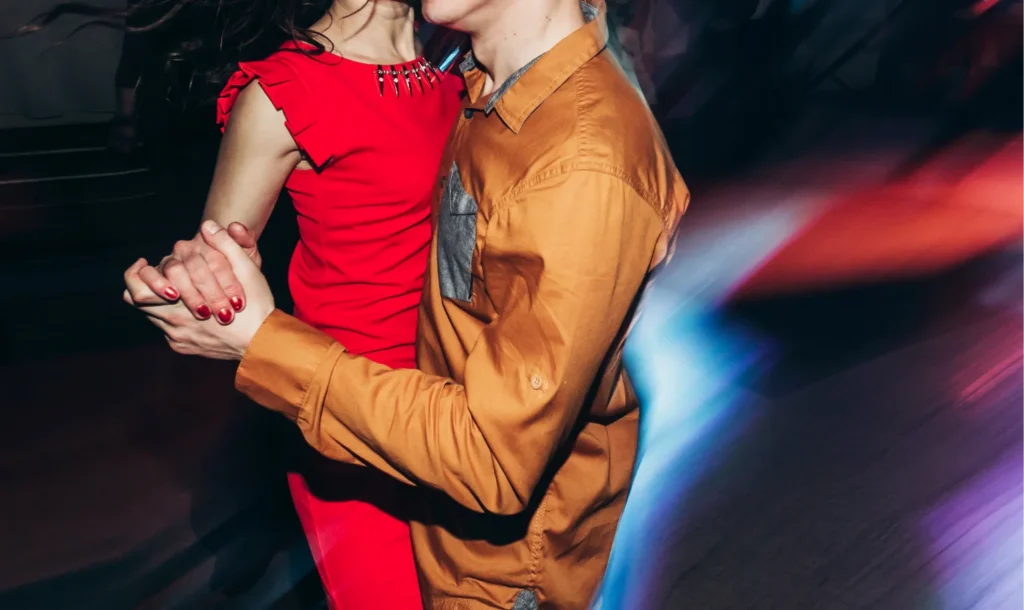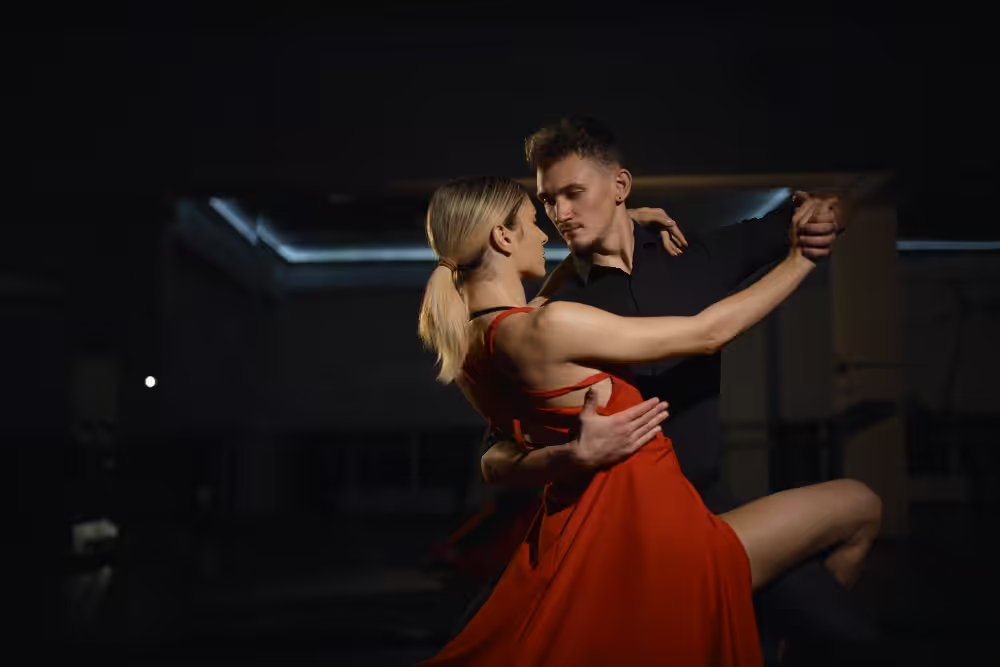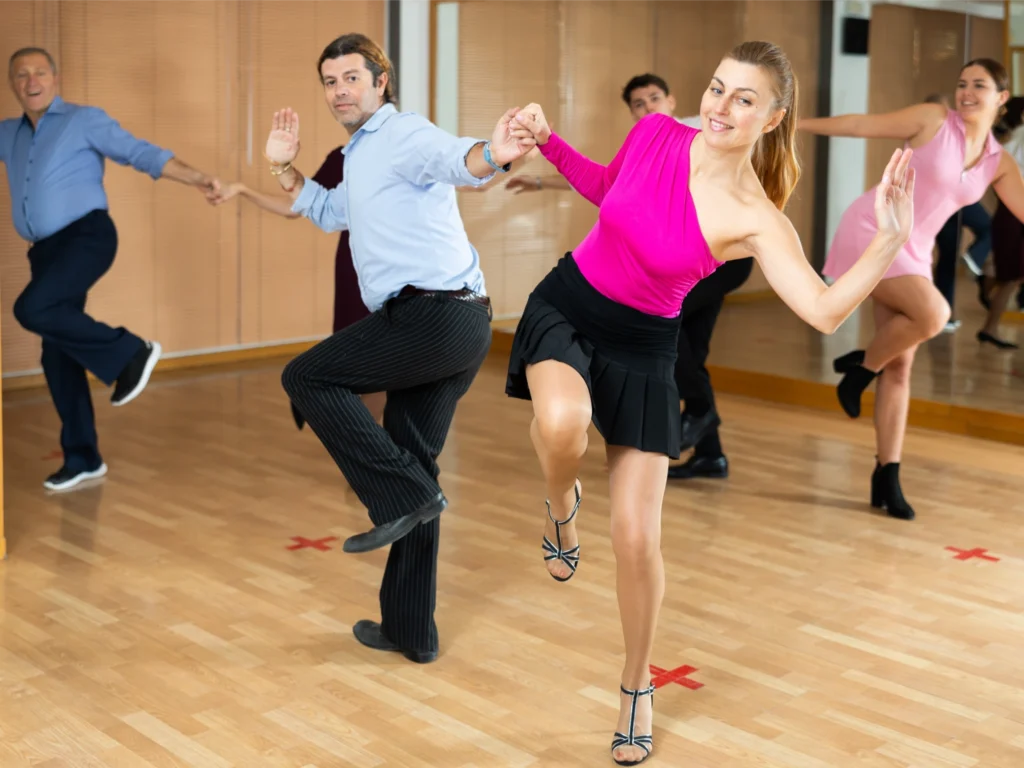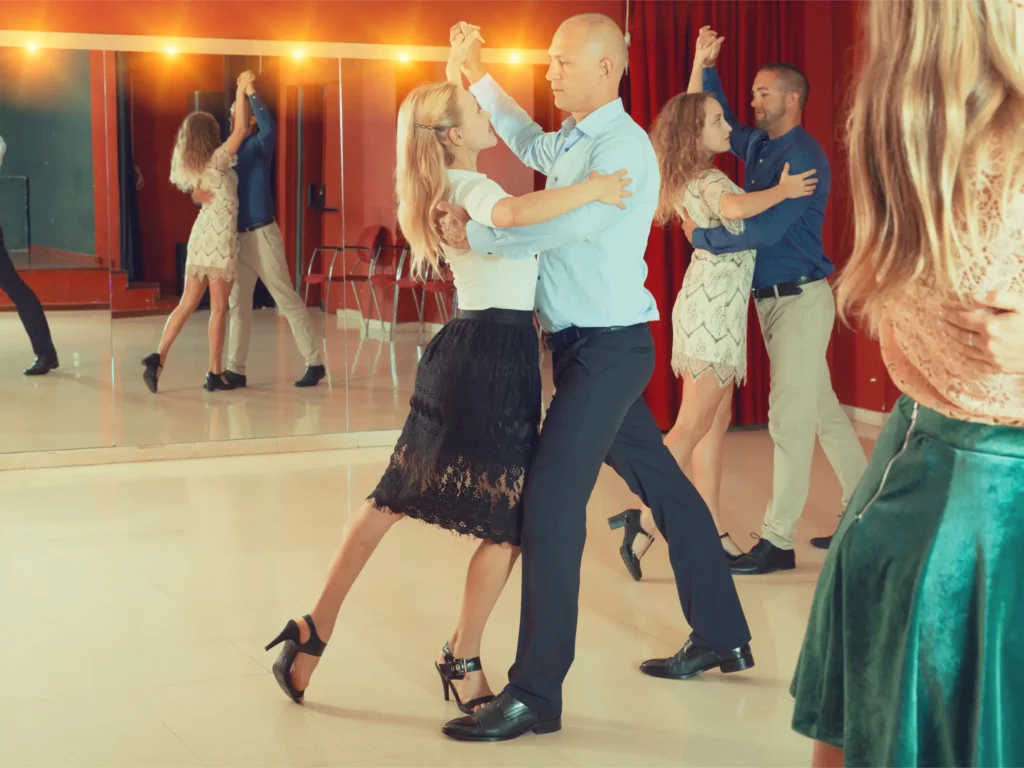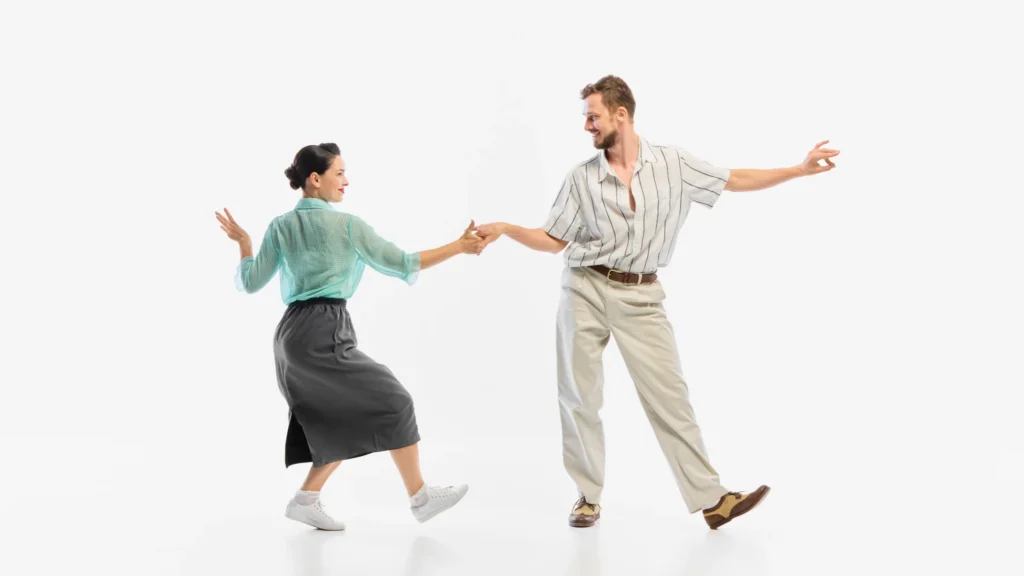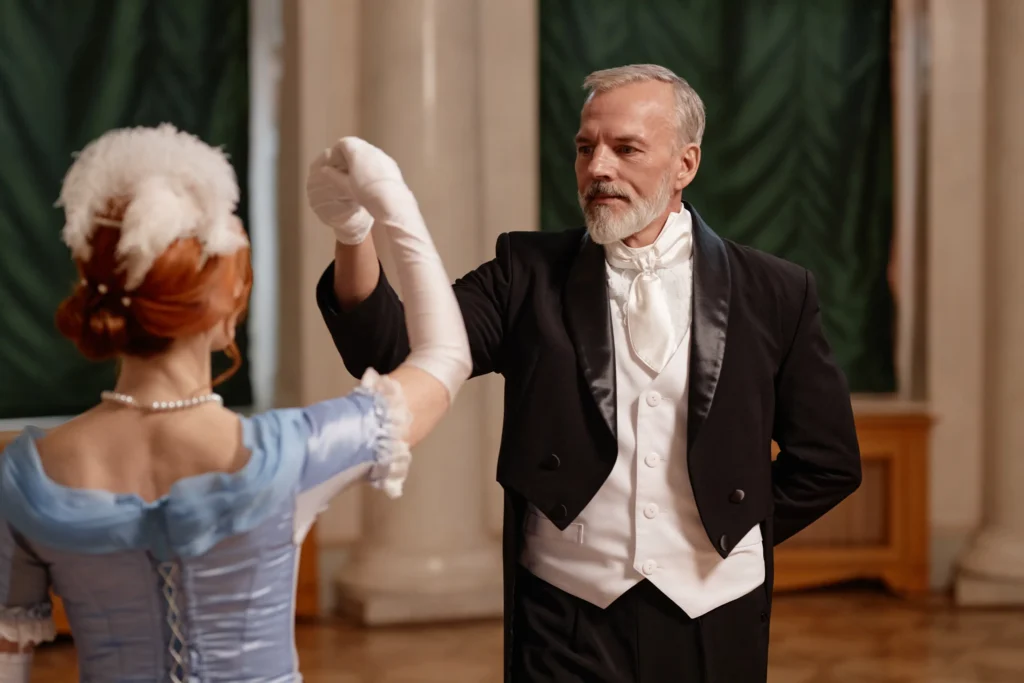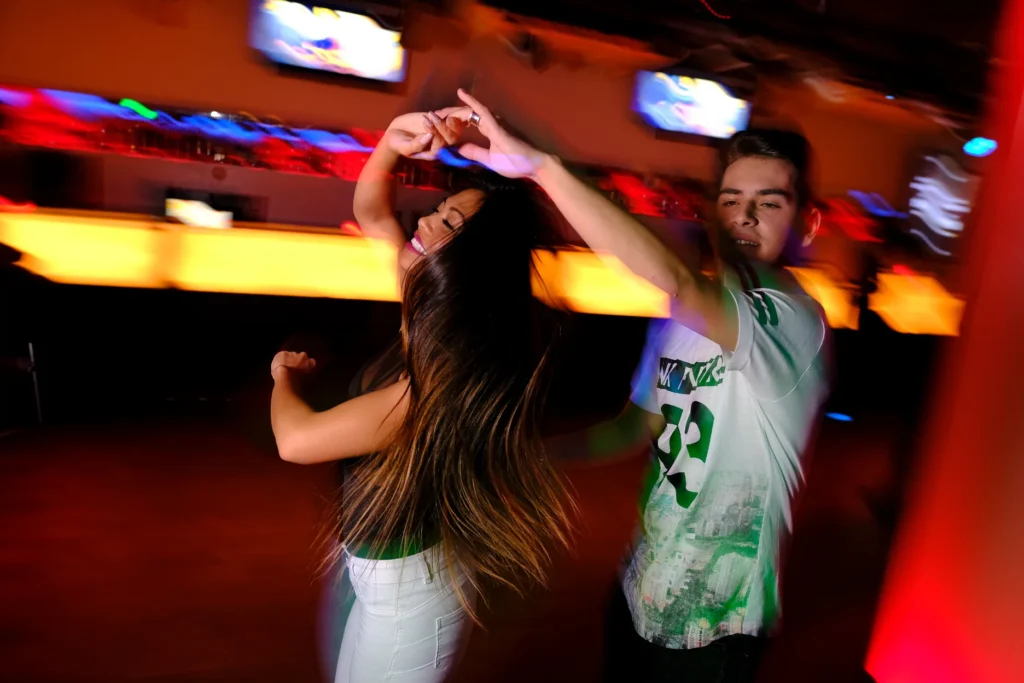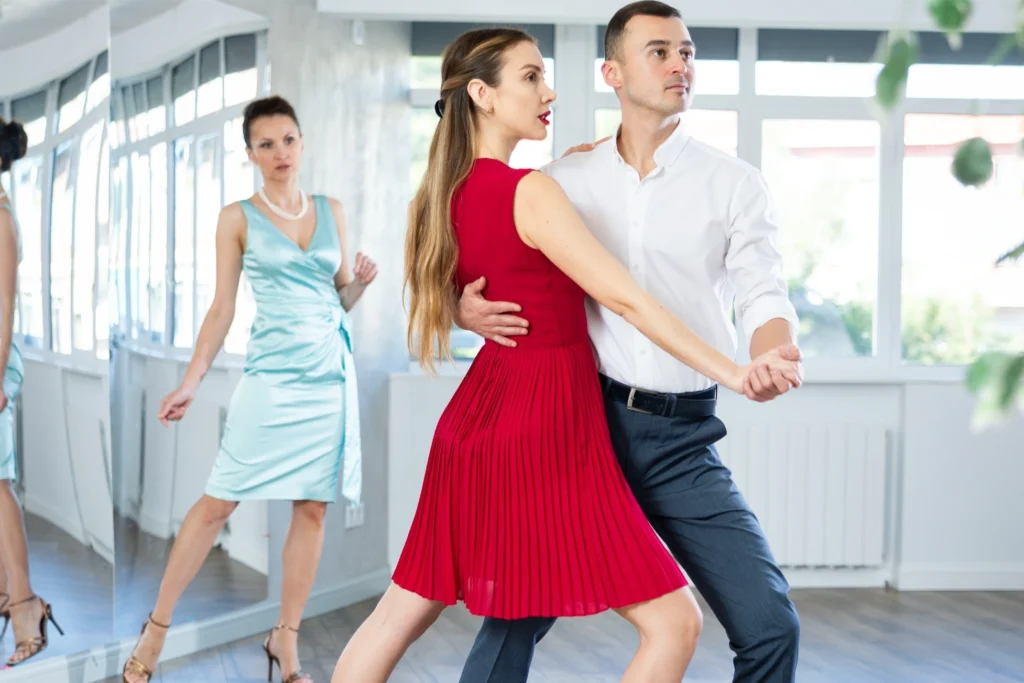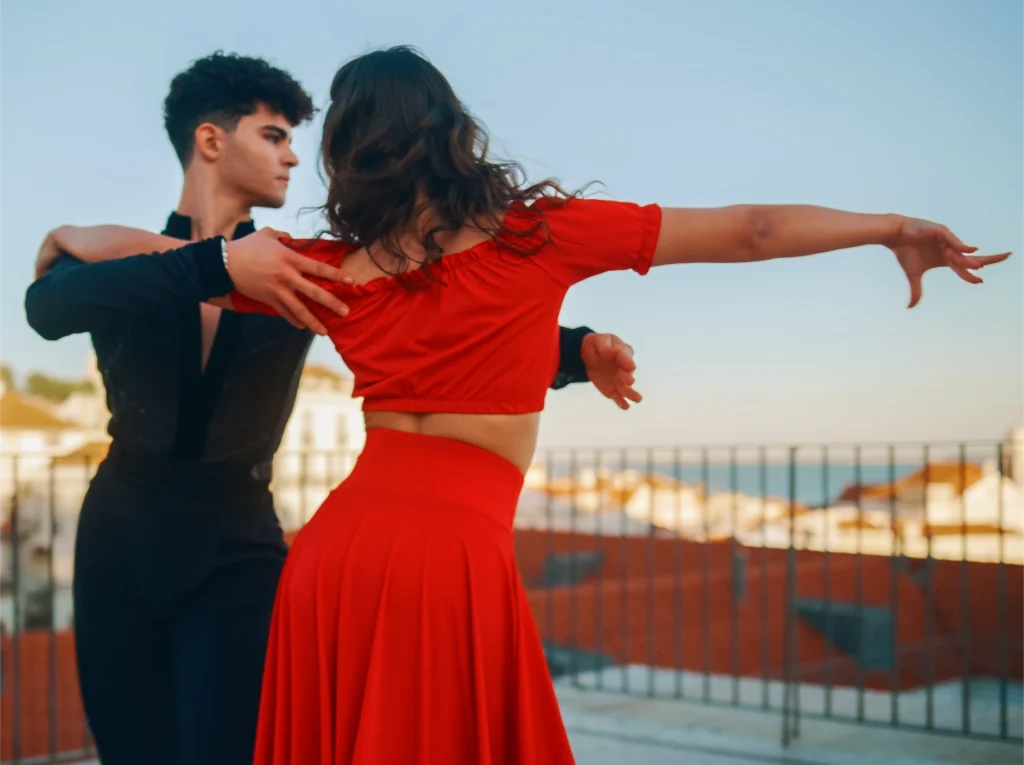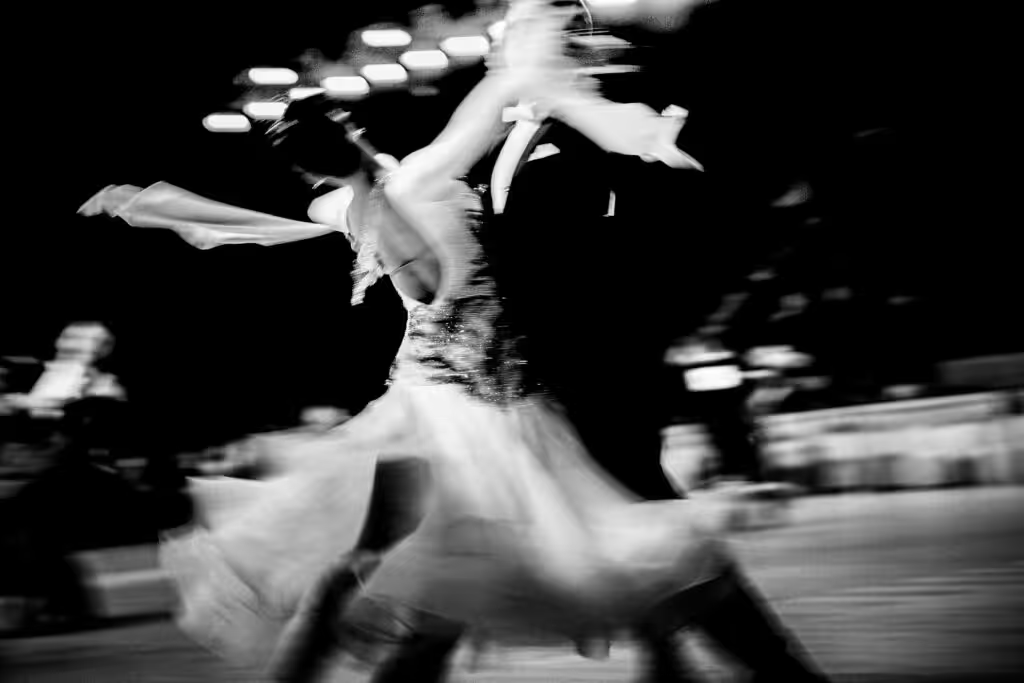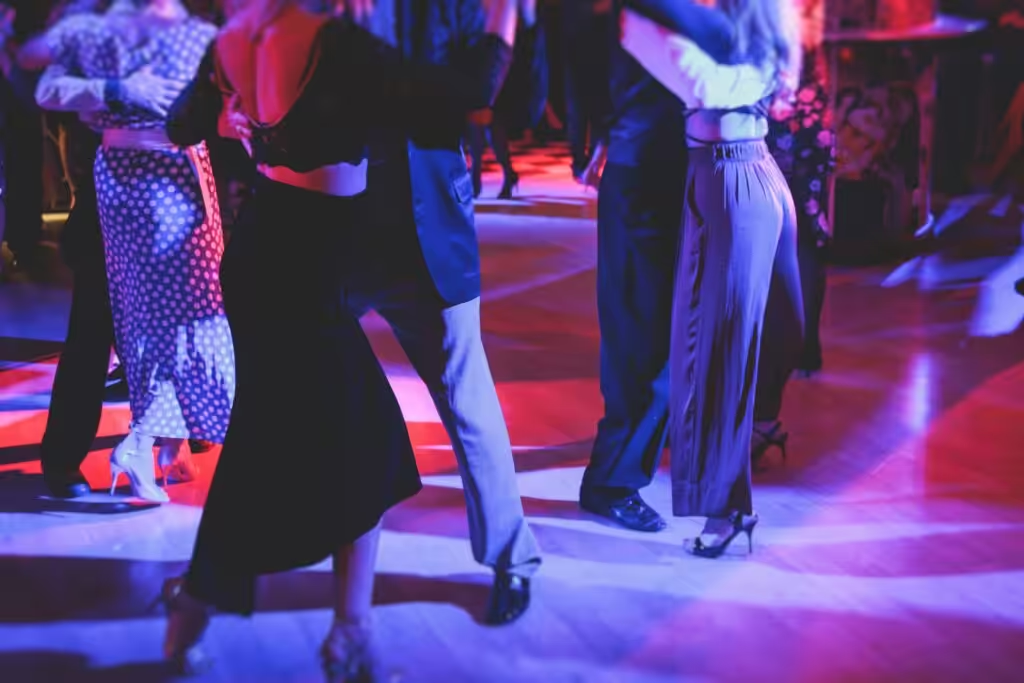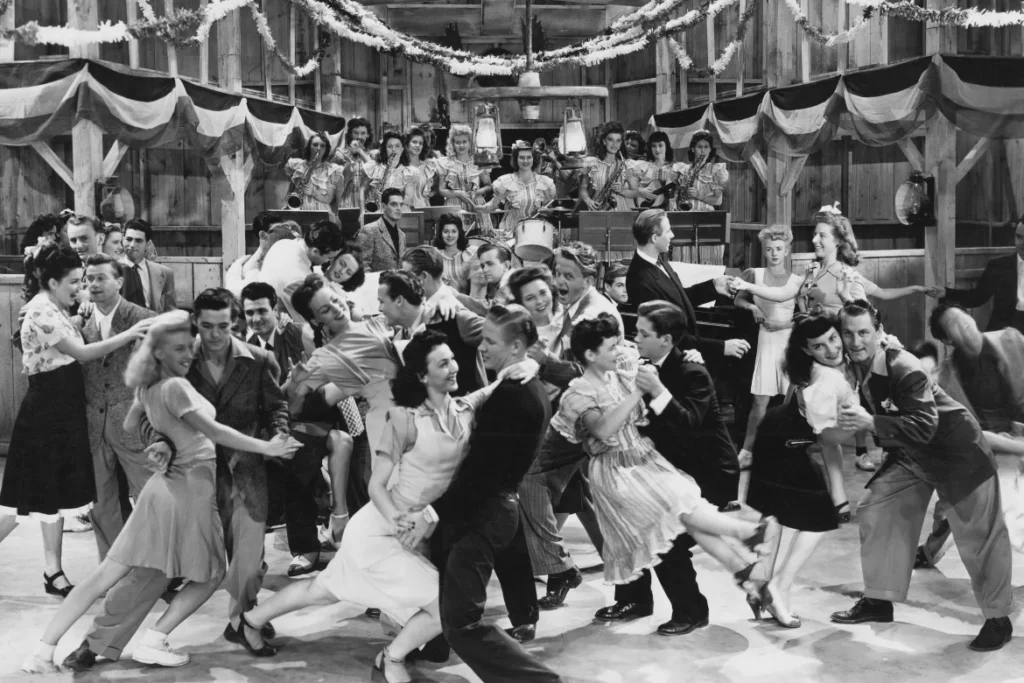
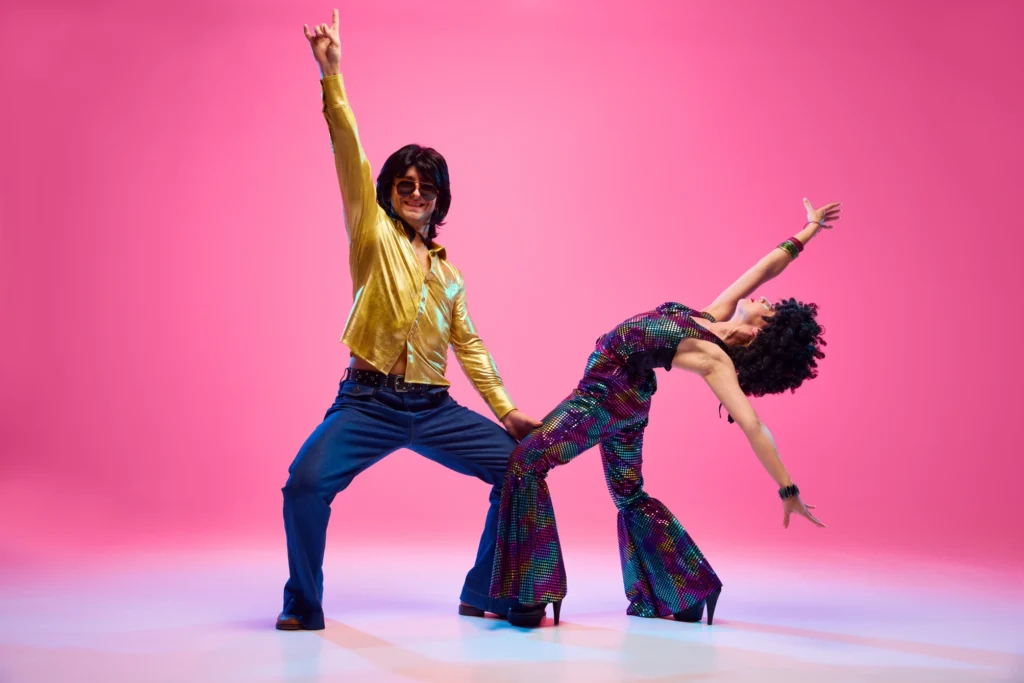
The Hustle is a fast partner dance known for spins, turns, and an “and-1, 2, 3” count. It grew out of New York City’s 1970s disco clubs and became one of the era’s most recognizable dances.
Key Takeaways
- The Hustle has no single known creator and developed among Puerto Rican teenagers in the South Bronx.
- Mambo, salsa, and swing helped shape the dance as Hustle evolved through clubs and social dancing.
- Saturday Night Fever brought an already popular Hustle to a much larger audience in 1977.
- Hustle includes several styles, such as Latin/Spanish Hustle, New York Hustle, Tango Hustle, and Detroit Hustle.
- Hustle can be danced to more than disco, including pop, R&B, and dance music with a suitable beat.
Where the Hustle Came From
The Hustle does not have a single known creator. It developed in the early 1970s among Puerto Rican teenagers in New York City’s South Bronx, where dancers began combining partner work with the music and movement they heard in local clubs.
Early versions were known as the Spanish Hustle or Latin Hustle. Dancers experimented with turns, hand changes, and quick footwork, so the dance continued to change as more people picked it up.
Willie Estrada and members of the Imperial Bachelors were among the early dancers associated with the Hustle’s development. From the South Bronx, the dance spread to other New York clubs and eventually became closely tied to the growing disco scene.
How the Hustle Evolved
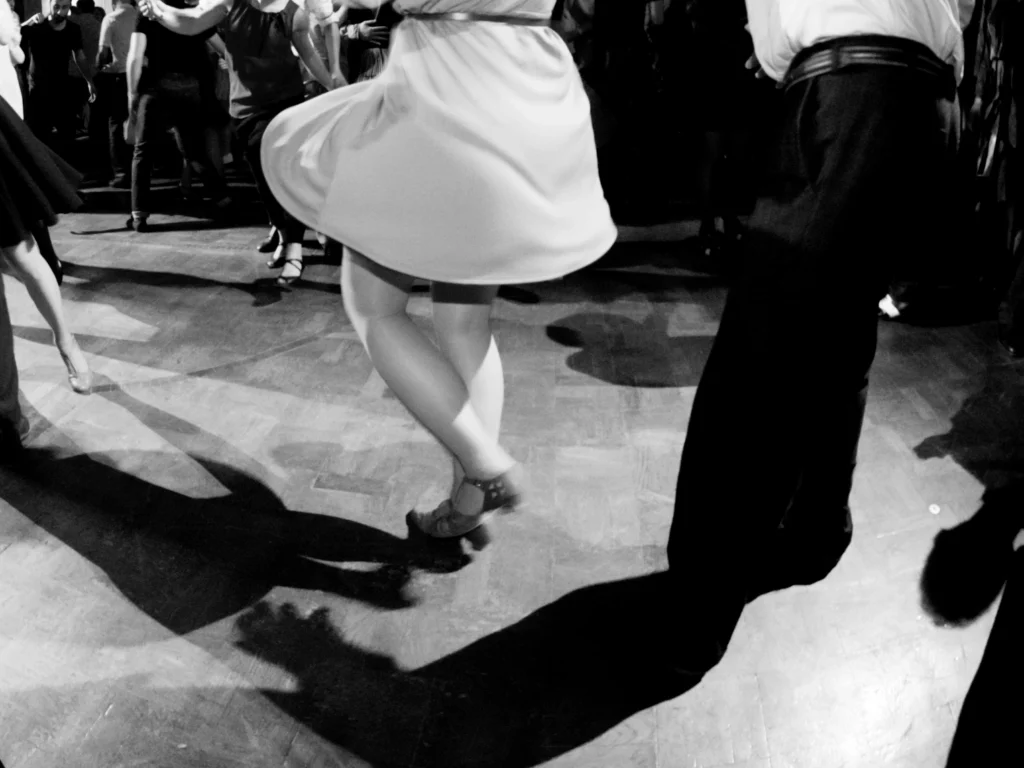
As the Hustle spread through New York, dancers brought in moves and rhythms from mambo, salsa, and swing. Turns, hand changes, and partner patterns became an important part of the dance.
Dancers also added their own improvised variations. These changes helped different forms of the Hustle develop as the dance moved beyond its early South Bronx roots.
How Saturday Night Fever Took It Mainstream
By 1977, the Hustle was already popular in clubs and dance studios. The release of Saturday Night Fever brought the dance to a much larger audience and helped make it a symbol of the disco era.
The film showed both line and partner forms of the Hustle. Its final partner dance features the Tango Hustle, choreographed by dancer and choreographer Deney Terrio.
How the Hustle Is Danced
The Hustle uses an “and-1, 2, 3” count over 4/4 music. The back step comes at the start of the count, which is the reverse of the basic timing used in swing.
The dance developed from an earlier six-count pattern, but dancers later shortened the timing into the three-count rhythm commonly used today.
Here is a simple look at the basic Hustle dance steps:
| Count | Leader | Follower |
| and | Step back with left foot | Step back with right foot |
| 1 | Replace weight onto right foot | Replace weight onto left foot |
| 2 | Step forward with left foot | Step forward with right foot |
| 3 | Step forward with right foot | Step forward with left foot |
From this basic pattern, partners can move into turns, spins, and changing hand positions. The exact foot placement can vary by Hustle style and how the pattern is led.
Types of Hustle
Hustle has developed into several forms, including Latin or Spanish Hustle, New York Hustle, Tango Hustle, and Detroit Hustle. The names reflect different periods, places, and approaches to the dance.
Latin/Spanish Hustle
Latin Hustle, also called Spanish Hustle, grew out of the early Hustle scene in New York City. It combines quick footwork with turns, hand changes, and a strong partner connection. Mambo and salsa influences can be seen in many of its movements.
New York Hustle
New York Hustle is a partner dance, not simply a line dance. Partners use a repeating basic rhythm as they move through turns, spins, and changing hand positions.
Today, the term is often used for the three-count partner Hustle taught and danced socially.
Tango Hustle
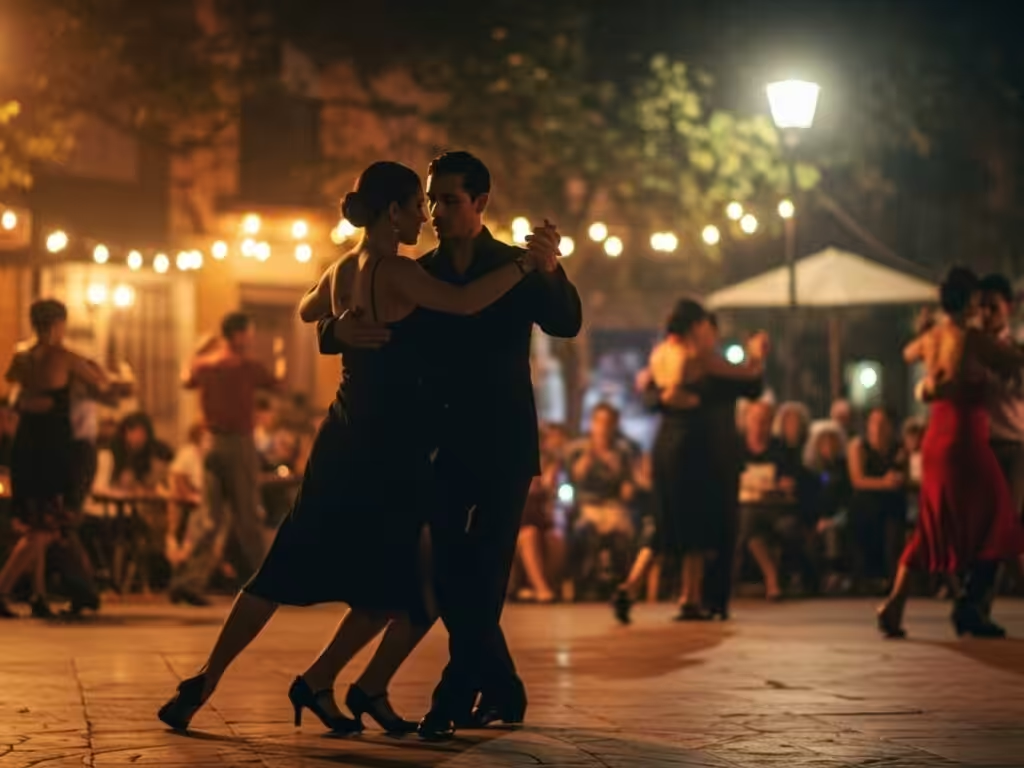
Tango Hustle combines Hustle timing and partner patterns with elements inspired by tango. It became especially visible during the disco era and appears in the final partner dance in Saturday Night Fever.
The style uses dramatic positions and partner movements while keeping the energy associated with Hustle.
Detroit Hustle
Detroit developed its own Hustle tradition as the dance spread beyond New York. Hustling became a major part of the city’s social dance culture, with dancers developing local steps, routines, and partner variations.
The term “Detroit Hustle” can refer to different local forms, including partner dancing and synchronized group routines. Hustle remains popular at Detroit parties, classes, and community events.
Discofox: Hustle’s European Cousin
In Europe, Discofox developed during the 1970s and shares several features with Hustle. It is a partner dance with turns, hand changes, and patterns that can be danced to disco as well as modern pop music.
Discofox became especially popular in countries such as Germany, Austria, and Switzerland. Although it has its own techniques and traditions, its timing and partner patterns make it a close European relative of Hustle.
You may find these also interesting:
What Music Is the Hustle Danced To?
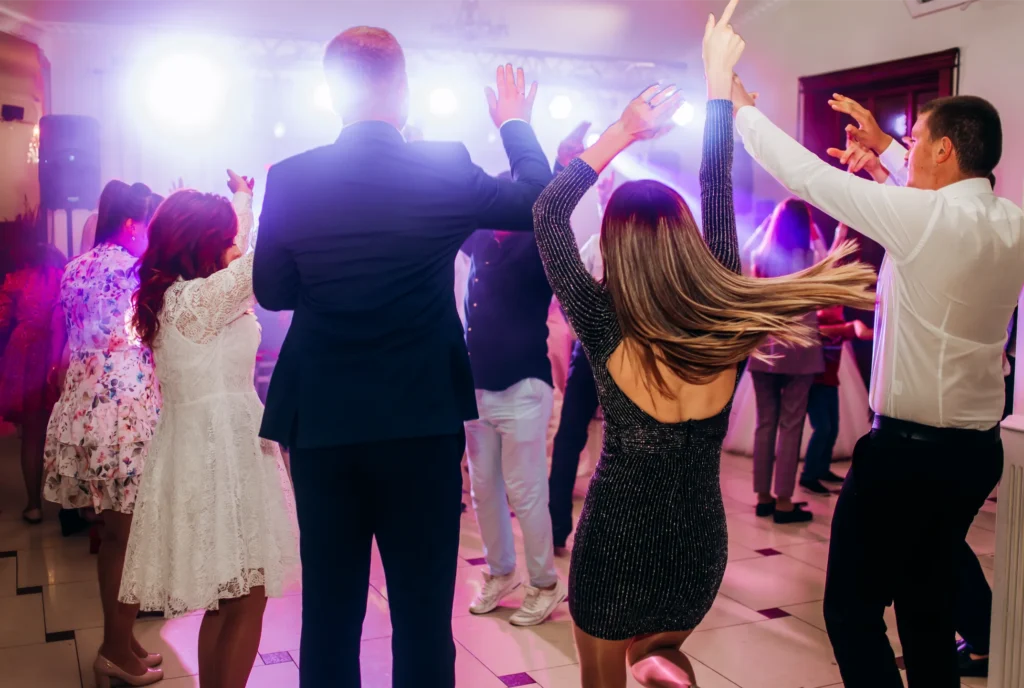
The Hustle was originally danced to disco music with a steady beat. Today, dancers also use pop, R&B, and dance tracks with a similar rhythm, so the dance works with music from well beyond the 1970s.
Popular songs for dancing the Hustle include:
- “The Hustle” by Van McCoy and the Soul City Symphony
- “Stayin’ Alive” by the Bee Gees
- “I Will Survive” by Gloria Gaynor
- “Last Dance” by Donna Summer
- “Believe” by Cher
Van McCoy’s “The Hustle” has the strongest connection to the dance. Released in 1975, the disco hit reached No. 1 in the U.S. and helped introduce the Hustle to an even wider audience.
Is the Hustle Still Danced Today?
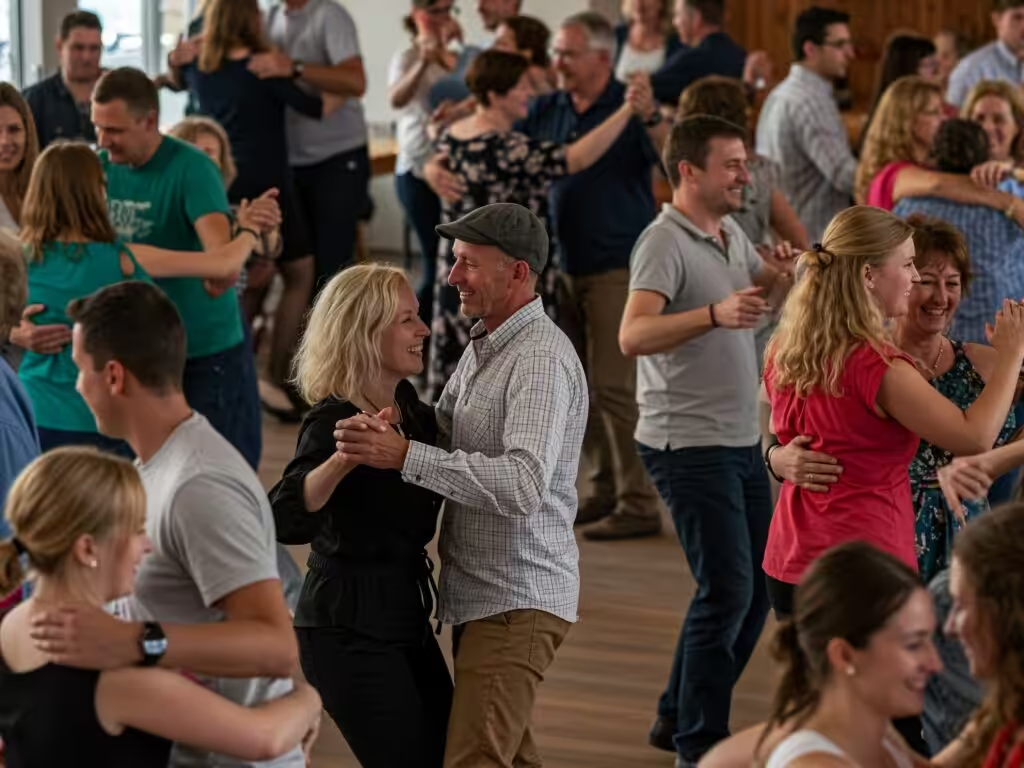
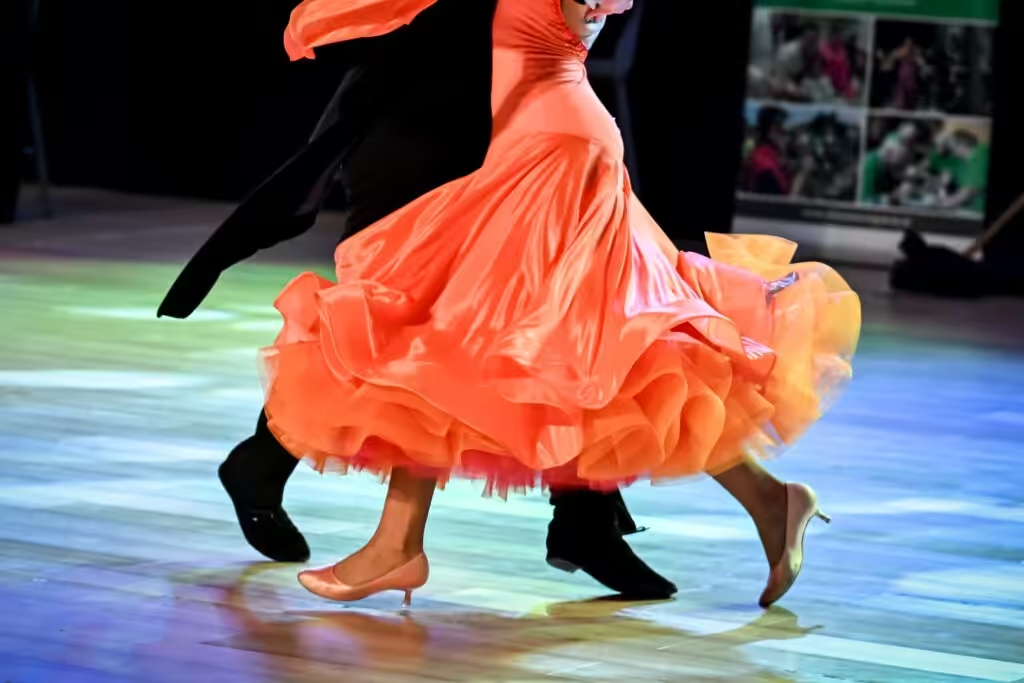
Yes. The Hustle is still taught in dance studios and danced at social events, festivals, and competitions. Dancers continue to practice both classic patterns and newer variations, keeping the dance active decades after the disco era.
The International Latin Hustle Festival brings dancers together for workshops, social dancing, performances, and competitions. Its program includes dedicated Latin Hustle events and championship divisions.
Hustle has also had a place at House Dance International in New York City, where it has appeared as a two-person competition category alongside house, vogue, waacking, and other club dance styles.
These events show that Hustle has an active social and competitive scene, with dancers continuing to learn, perform, and develop the style today.
Final Thoughts: What Is the Hustle Dance?
The Hustle is a fast-paced partner dance that grew from New York City’s 1970s dance scene and remains popular today. Its turns, spins, and upbeat rhythm make it a fun choice for social dancing with a partner.
Ready to learn the Hustle? Arthur Murray Dance Center offers dance lessons that cover the basic steps, timing, and partner patterns you need to get started. Contact us to schedule your first lesson or claim your free first class.
FAQ
Is the Hustle a Latin dance?
Not formally. The Hustle was developed by Latino dancers in New York City and has influences from dances such as mambo and salsa. However, it is generally classified as a social or nightclub partner dance rather than one of the formal International Latin ballroom dances.
Learn more about the different categories in our types of ballroom dances guide.
Is the Hustle the same as the Electric Slide?
No. The Hustle and the Electric Slide are separate dances. The Hustle includes partner forms, while the Electric Slide is a four-wall line dance commonly danced in groups. Choreographer Ric Silver is generally credited with creating the Electric Slide in 1976, although accounts of its early history differ.
Can beginners learn the Hustle?
Yes. The Hustle is beginner-friendly, and new dancers can start with its basic timing and footwork before learning turns and partner patterns. If you are looking for a dance studio in Princeton where you can learn Hustle dance, visit Arthur Murray Dance Center.