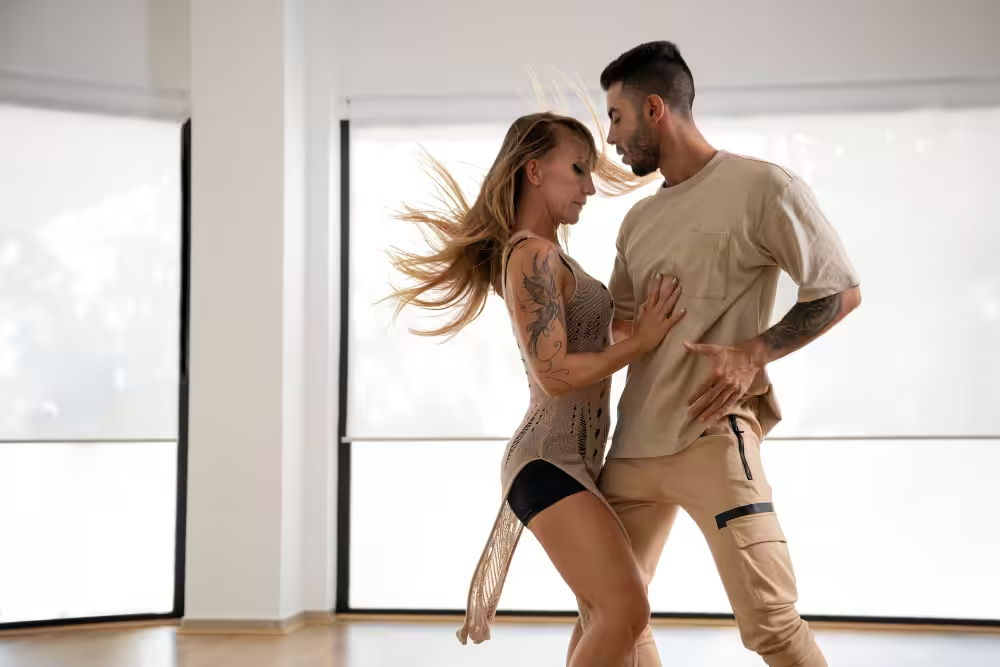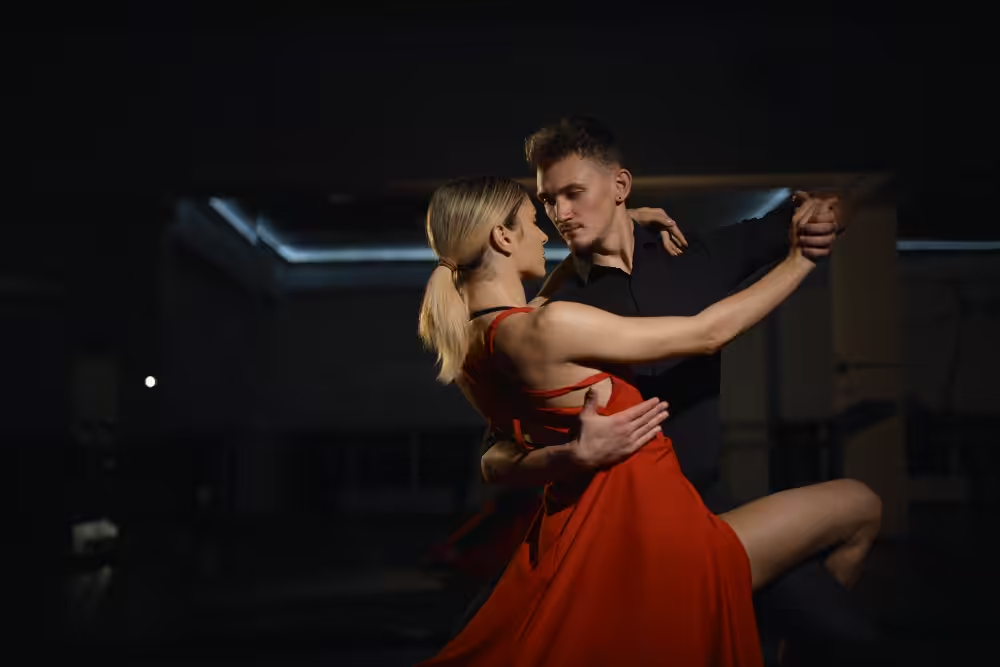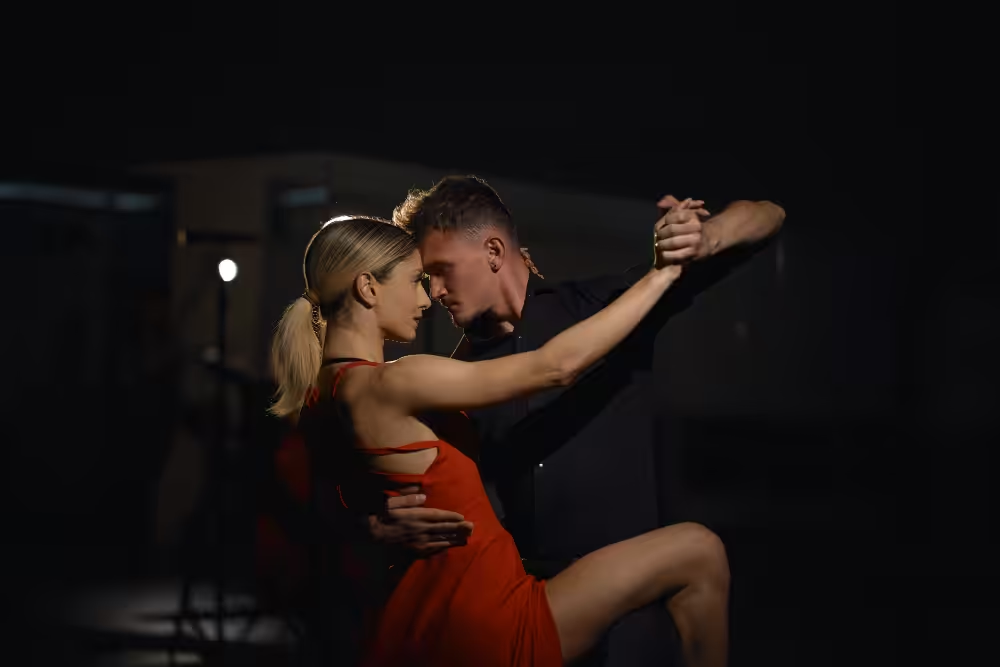
The biggest difference between East Coast Swing and West Coast Swing is how they move across the floor and the music they complement. East Coast Swing is energetic and circular, while West Coast Swing is smooth, linear, and adaptable to everything from blues to pop.
Key Takeaways
- East Coast Swing is characterized by its energetic, bouncy, and circular movements, typically danced to big band, rock and roll, and upbeat blues.
- West Coast Swing is a highly adaptable, smooth, and linear dance that can be performed to a wide variety of contemporary genres, including pop, R&B, and hip-hop.
- East Coast rotates around a central point, while West Coast is strictly danced within an imaginary straight line.
- Beginners often find East Coast Swing easier to pick up due to its forgiving nature and straightforward six-count basics.
- West Coast Swing requires a deeper understanding of elasticity and connection, offering profound opportunities for improvisation and individual expression for both the leader and the follower.
East Coast Swing vs West Coast Swing: What’s the Difference?
The biggest difference between East Coast Swing and West Coast Swing is their movement, music, and style.
| Aspect | East Coast Swing | West Coast Swing |
| Movement | Circular, rotational patterns | Linear, slotted movement |
| Music | Big Band, rockabilly, jump blues, early rock and roll | Blues, R&B, pop, hip-hop, contemporary music |
| Tempo | Fast, typically 130 to 180 BPM | Moderate to slow, typically 90 to 120 BPM |
| Basic Timing | Primarily six-count | Six-count and eight-count patterns |
| Difficulty | Easier for beginners | More technical with a steeper learning curve |
| Connection | Structured frame with energetic momentum | Elastic connection with stretch and compression |
| Style | Upbeat, bouncy, energetic | Smooth, controlled, expressive |
| Social Scene | Vintage-inspired dances and swing events | Modern social dances and competitions |
| Best For | Dancers who enjoy fast-paced music and simple patterns | Dancers who want versatility, musicality, and creative expression |
Origins of East Coast Swing and West Coast Swing
Both East Coast Swing and West Coast Swing evolved from Lindy Hop, but they took different paths as swing dancing spread across the United States. East Coast Swing became a simplified ballroom dance for social settings, while West Coast Swing adapted to narrower dance floors and changing music styles.
Both East Coast Swing and West Coast Swing evolved from Lindy Hop, but they developed in different directions. East Coast Swing was simplified into an easy-to-learn ballroom style, while West Coast Swing evolved into a slotted dance that adapted to changing music and social dance culture.
Next, learn the difference between Lindy Hop and Swing Dance.
Movement Differences in East Coast Swing and West Coast Swing
The most noticeable difference is how the dancers move across the floor. East Coast Swing follows a circular pattern, while West Coast Swing stays within a straight line known as a slot.
In East Coast Swing, partners travel around one another in continuous rotational movement. This creates the lively spins and energetic feel that define the dance.
West Coast Swing keeps the follower moving back and forth along an imaginary slot. The leader steps out of the way to guide the follower through the pattern before redirecting them. This approach uses floor space efficiently and creates the smooth, elastic look that distinguishes West Coast Swing.
Music and Tempo Differences
Music is one of the biggest factors when choosing between these two styles. East Coast Swing is designed for faster swing music, while West Coast Swing works with a much wider range of modern genres.
East Coast Swing is commonly danced to Big Band, jump blues, rockabilly, and early rock and roll. Songs typically range from 130 to 180 beats per minute, which gives the dance its upbeat, bouncy character.
West Coast Swing is usually danced between 90 and 120 beats per minute. Its slower tempo complements blues, R&B, pop, hip-hop, and contemporary music. The extra time between steps gives dancers more opportunities to interpret the music and personalize their movement.
Is East Coast Swing or West Coast Swing Easier to Learn?
For most beginners, East Coast Swing is easier to learn. It uses a simple six-count basic step, while West Coast Swing combines six-count and eight-count patterns that require more precision.
East Coast Swing starts with a rock step followed by two triple steps. The rhythm is straightforward and forgiving, which helps new dancers build confidence quickly.
West Coast Swing introduces additional timing patterns and techniques like anchoring and rolling through the foot. These skills take more practice, but they also give experienced dancers greater flexibility and musical expression.
Difference in Connection Between Partners
East Coast Swing relies on a structured frame and momentum, while West Coast Swing emphasizes stretch, compression, and responsiveness.
In East Coast Swing, partners maintain a consistent frame as they move through turns and circular patterns. The lead is clear and direct, which supports the dance’s faster tempo.
West Coast Swing creates connection through controlled stretch and compression between partners. This approach gives followers more freedom to interpret the music, while leaders provide direction without restricting individual expression.
Social Dance Culture
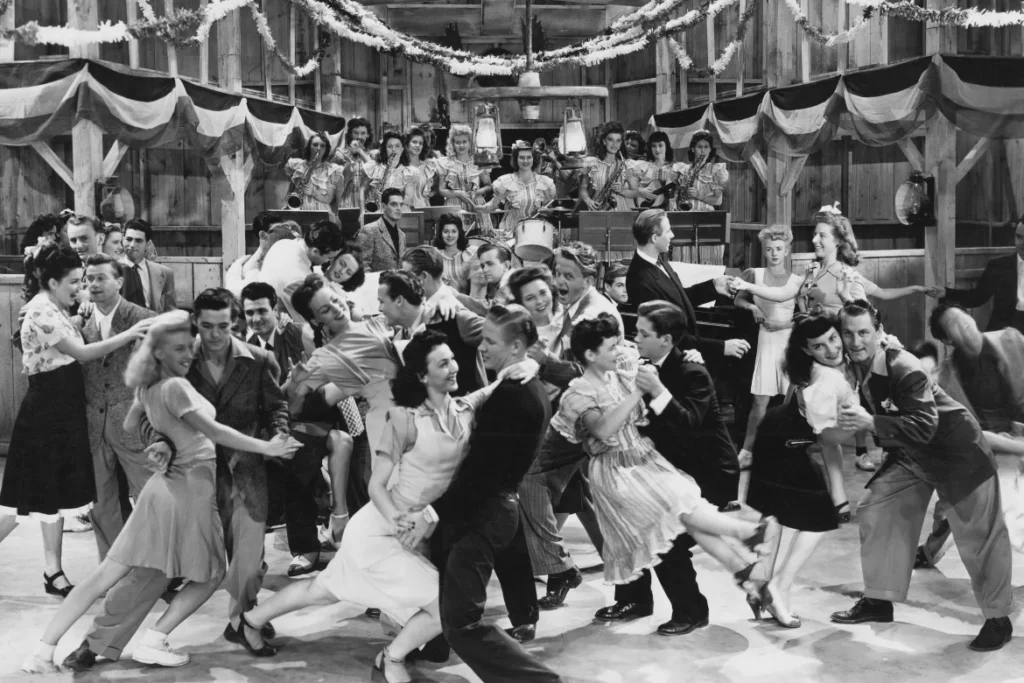
East Coast Swing events often feature Big Band music, rockabilly, and retro-inspired fashion. The atmosphere is energetic, social, and focused on having fun on the dance floor.
West Coast Swing events have a more modern feel. Casual clothing is common, and dancers often prioritize musicality, improvisation, and creativity. Many events also include Jack and Jill competitions, where partners are paired randomly to showcase their ability to adapt.
Should You Learn East Coast Swing or West Coast Swing?
The best choice depends on the music you enjoy, how you like to move, and what you want from your dance experience.
Choose East Coast Swing if you:
- Want a dance that’s easy to learn.
- Enjoy Big Band, rockabilly, or classic rock and roll.
- Like fast-paced, energetic movement.
- Want a versatile social dance for weddings, parties, and swing events.
Choose West Coast Swing if you:
- Prefer pop, R&B, blues, or contemporary music.
- Enjoy smooth, controlled movement.
- Want more freedom to interpret the music.
- Don’t mind spending more time developing technique.
FAQs
Which style is easier for a complete beginner to learn?
East Coast Swing is universally considered easier for true beginners. Its six-count basic step is rhythmic and intuitive, and the faster tempo means less time to overthink footwork. You can learn the basics in an hour and comfortably dance all night, whereas West Coast Swing requires several weeks of understanding connection and slot mechanics before it feels natural.
Can I dance West Coast Swing to East Coast Swing music, and vice versa?
Technically, yes, but it feels awkward. Dancing West Coast Swing to very fast big band music forces dancers to rush intricate footwork, losing the smooth quality that defines the style. Conversely, trying to dance the bouncy East Coast Swing to a slow R&B track feels out of place. It is always best to match the dance style to the music’s tempo and genre.