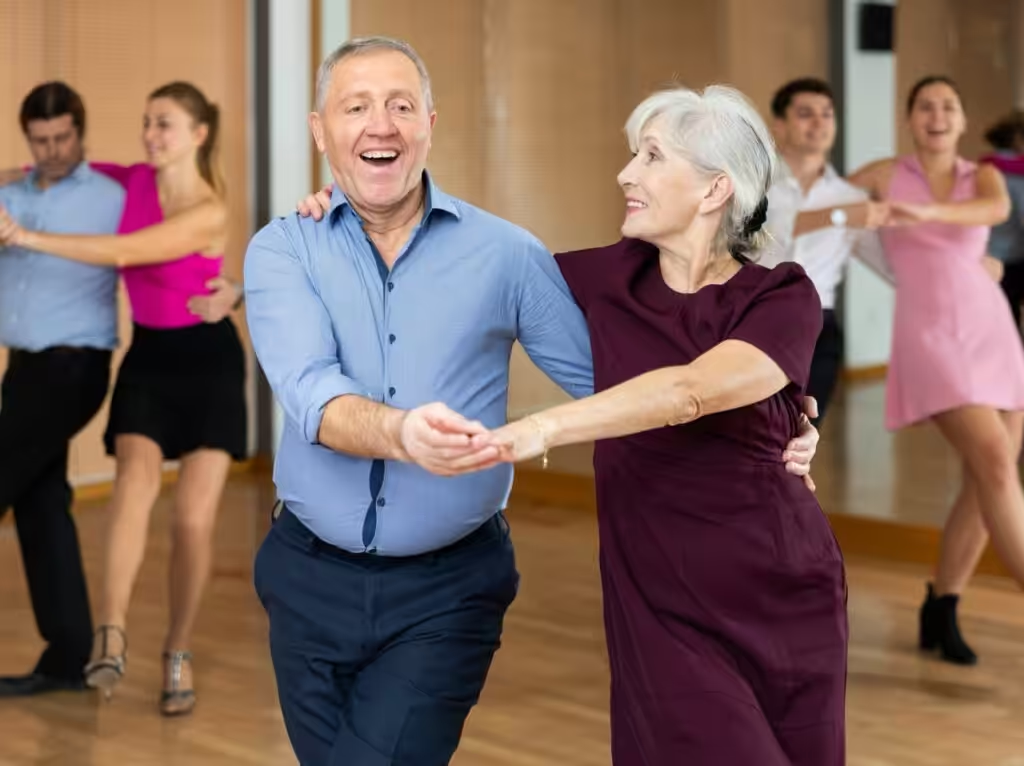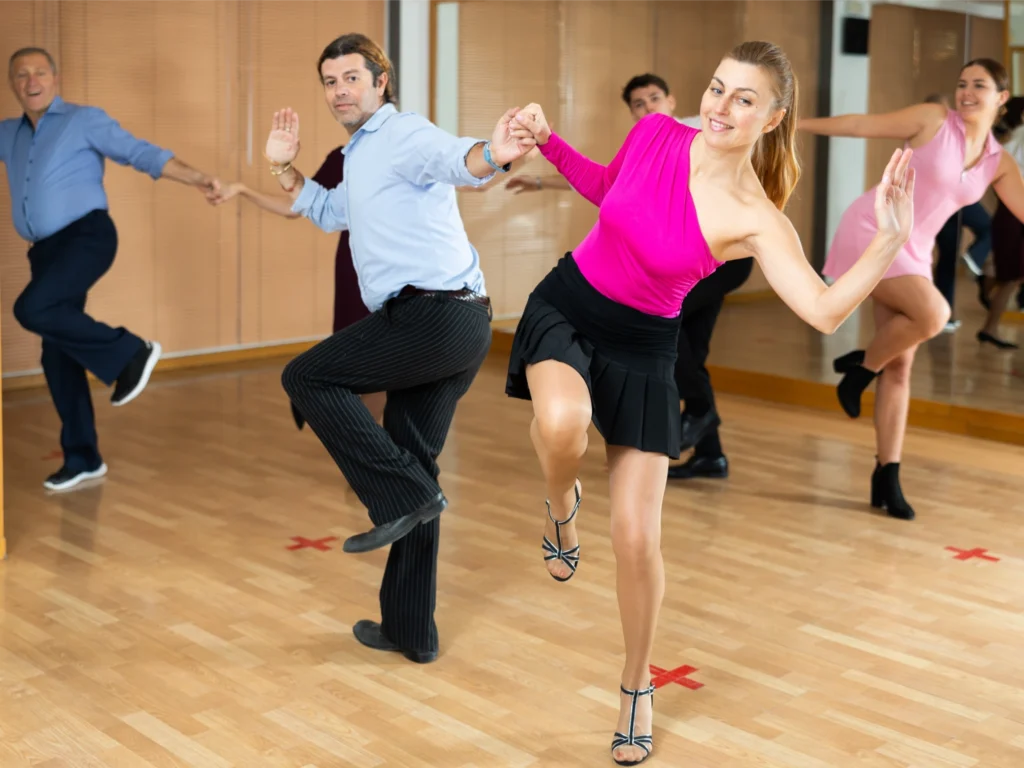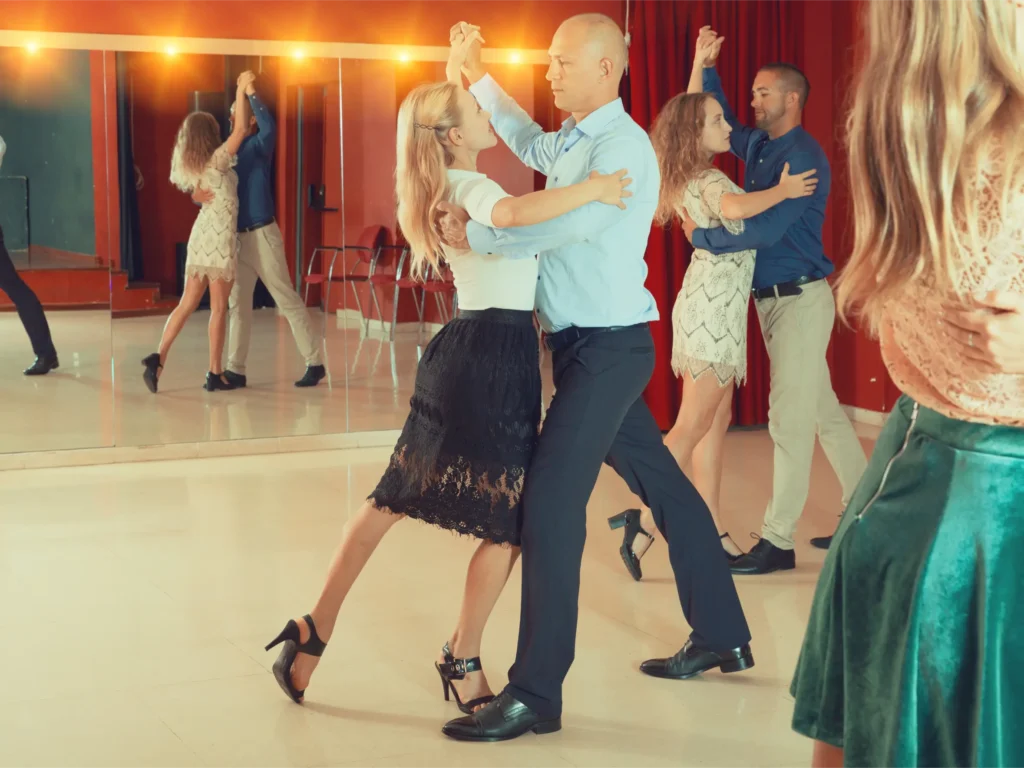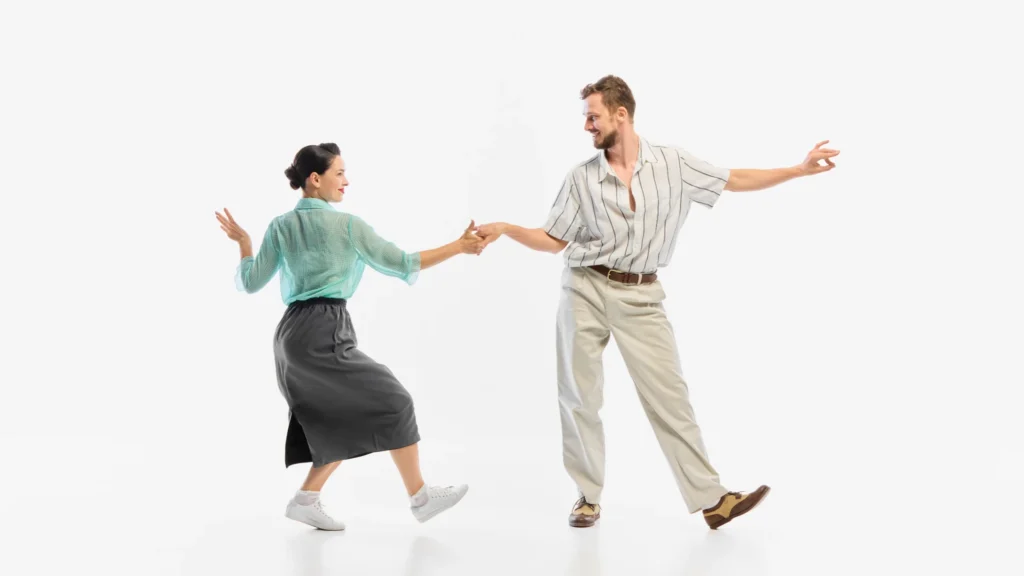
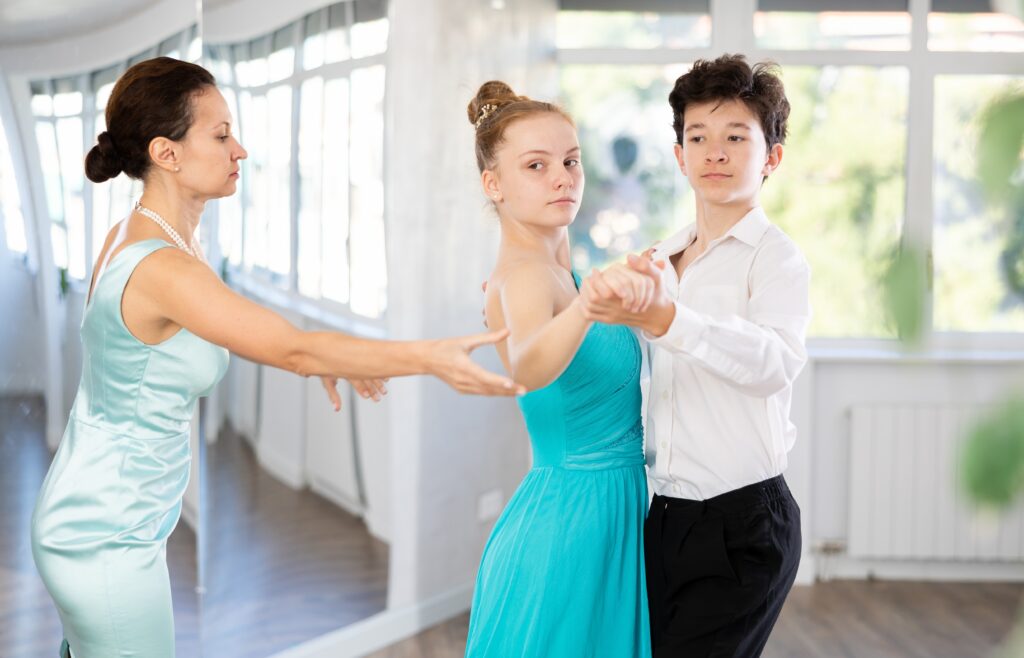
Learning social dance etiquette can teach boys a lot about how to treat others. When they ask someone to dance, they practice being polite and accepting the answer, even if it’s no. On the dance floor, they learn to respect personal space, pay attention to their partner, and stay calm when they make mistakes. Over time, these small interactions help boys become more confident and considerate in everyday life.
Key Takeaways
- Boys learn to use clear signals when leading a partner through dance steps.
- Dance lessons encourage better posture, relaxed shoulders, and comfortable eye contact.
- Practicing with unfamiliar partners can make introductions and conversations feel less intimidating.
- Thanking a dance partner teaches boys to appreciate someone else’s time and effort.
- Navigating a crowded dance floor improves spatial awareness and coordination.
- Dancing with different partners teaches boys to cooperate with people of different personalities and skill levels.
How Social Dance Etiquette Teaches Boys Respect and Confidence
Social dancing gives boys a chance to practice good manners and learn how to interact with others.
Learning Respect and Clear Communication
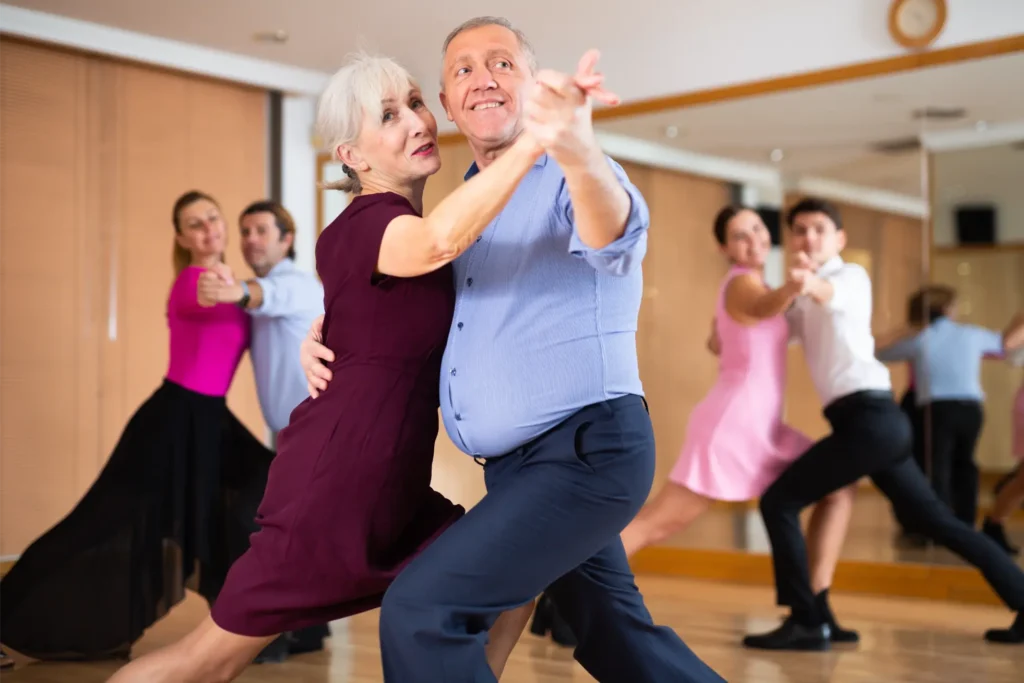
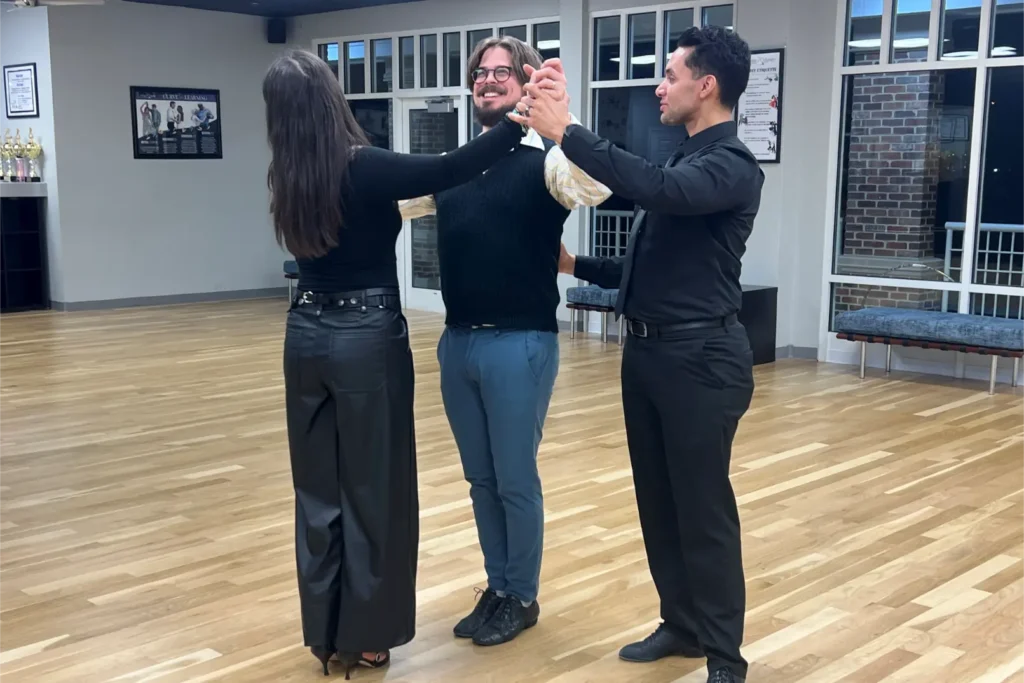
In partner dancing, boys learn to lead while paying attention to their partner’s movements and comfort. They need to give clear signals, adjust their pace when necessary, and avoid forcing a movement their partner isn’t ready for.
They also learn to notice when someone feels uncomfortable and respond respectfully. These are useful habits for communicating and working with others outside the dance studio.
Developing Better Posture and Body Language
How you stand, move, and make eye contact can affect how others perceive you. Dance lessons teach boys to stand upright, keep their shoulders relaxed, and maintain good posture while moving with a partner.
Practicing these habits can help boys feel more comfortable with their body language, especially when meeting new people or speaking in front of others.
Becoming More Comfortable in Social Situations
Asking someone to dance or learning steps with an unfamiliar partner can feel awkward at first. Dance lessons make these situations easier by teaching boys what to do and giving them opportunities to practice.
They learn how to invite someone to dance, where to place their hands, and what to do when they miss a step. With practice, these interactions can become less intimidating, helping boys feel more comfortable around new people.
How Social Dance Etiquette Teaches Boys Good Manners
Social dancing gives boys a chance to practice courtesy in real situations.
Asking Someone to Dance and Saying Thank You
Asking someone to dance takes a little courage, especially for boys who are shy. They learn to approach someone politely, make eye contact, and ask if they’d like to dance. They also learn to accept a no without taking it personally or pressuring the other person.
At the end of the song, it’s polite to thank their partner, even if they made mistakes or struggled with the steps. This teaches boys to appreciate someone else’s time and effort.
Respecting Personal Space and Boundaries
Partner dancing involves physical contact, so boys need to learn appropriate boundaries. This includes knowing where to place their hands, keeping a comfortable distance, and paying attention to whether their partner feels at ease.
If a partner seems uncomfortable, they should adjust their hold or give them more space. Boys also learn that it’s important to ask rather than assume someone is comfortable with physical contact.
Being Aware of Others on the Dance Floor
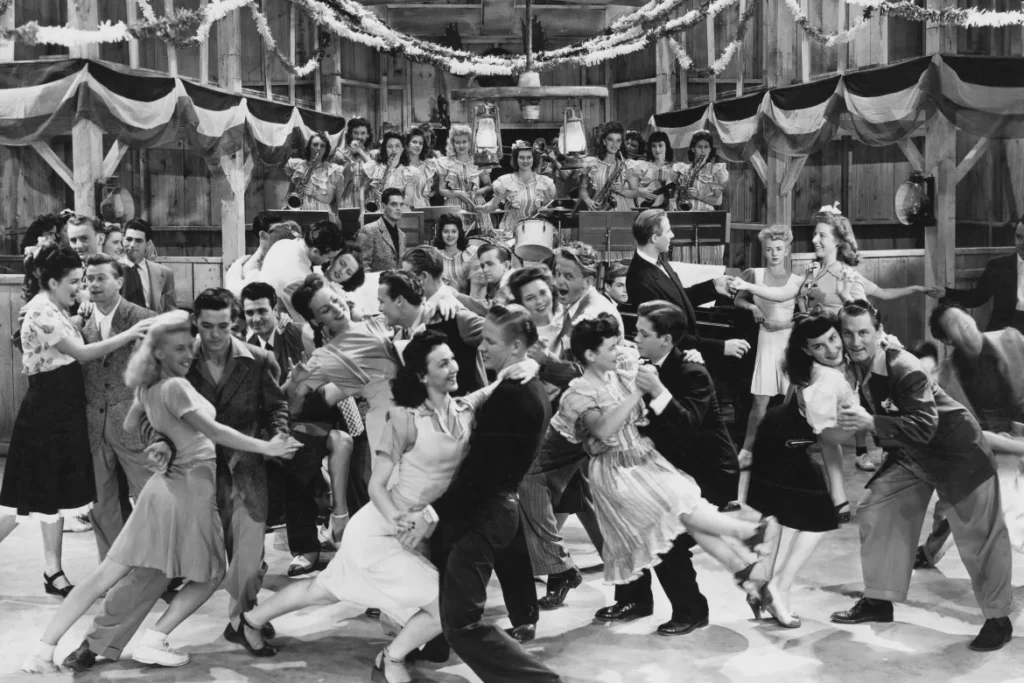
On a busy dance floor, boys need to pay attention to more than their own steps. They learn to watch their surroundings, leave enough room for other couples, and adjust their movements to avoid bumping into anyone.
They also learn to slow down or change direction when the floor gets crowded. It’s a practical way to practice being considerate of others while sharing a space.
How It Helps Teenagers Build Social Skills
Teenage years are often filled with social uncertainty, changing dynamics, and heightened peer pressure. Learning social dance etiquette get them used to working with different partners, speaking politely, and handling situations that might otherwise feel awkward.
Building Comfortable Friendships With Peers
Partner dancing gives boys and girls a shared activity where they can interact without the pressure of dating or trying to impress each other. They focus on learning steps, following the music, and helping each other improve.
Dancing with different partners also teaches boys how to cooperate with people who have different personalities and skill levels. They learn to be patient with beginners and adjust to someone else’s pace.
Using Social Skills at School and Beyond
The social skills boys practice in dance lessons can also be useful at school, during interviews, and when meeting new people. Making eye contact, introducing themselves politely, and holding a conversation are all skills they can use outside the studio.
For example, a boy who gets used to approaching unfamiliar dance partners may feel more comfortable introducing himself to classmates or speaking with adults at social events.
Learning Empathy and Handling Mistakes
Partner dancing requires boys to pay attention to how another person moves and responds. If their partner struggles with a step, they need to slow down, adjust their timing, or offer encouragement rather than show frustration.
They also learn to handle mistakes without blaming their partner. Missing a step or losing the rhythm happens to everyone, and practicing how to recover calmly can help boys become more patient and understanding with others.
Becoming a Good Man: The Lifelong Rewards of Social Dance
Social dancing gives boys a chance to practice respect, patience, and responsibility in situations that involve other people. They learn to consider their partner’s needs, communicate politely, and stay calm when things don’t go as planned.
When leading a dance, boys also learn to take responsibility for their movements and pay attention to their partner’s comfort and safety. These habits can help them become more thoughtful and considerate in friendships, relationships, and everyday interactions as they grow older.
Looking for a dance studio in Princeton, NJ? Visit Arthur Murray Dance Studio Princeton. You can also claim your first lesson for free.
Frequently Asked Questions
At what age should boys start learning social dance?
Boys can begin learning basic rhythm and partner concepts as early as 7 or 8 years old. However, the adolescent years (ages 11 to 16) represent an ideal window for formal instruction, as this is when social dynamics become more complex and the habits of courtesy, posture, and respectful peer interaction leave a lasting impression.
How does partner dancing help boys who are naturally shy?
Partner dancing provides clear, structured rules for social interaction, taking away the pressure of coming up with spontaneous conversation. Shy boys thrive under this clear structure because they know exactly what step comes next, how to hold their frame, and how to interact politely, which systematically replaces anxiety with predictable practice and success.
Will learning social dance benefit performance in other sports?
Absolutely. Ballroom and social dancing develop core strength, rotational stability, precise spatial awareness, quick footwork, and exceptional balance. Many top athletes across basketball, football, and martial arts use dance training to enhance their agility, rhythm, and body control.
How does social dancing teach consent and boundary awareness?
Partner dance requires clear non-verbal cues and constant mutual feedback. Leaders learn to feel whether a partner is comfortable with a movement, while followers learn to communicate through resistance or connection. This continuous physical dialog teaches boys to listen, observe boundaries, and value mutual comfort above all else.