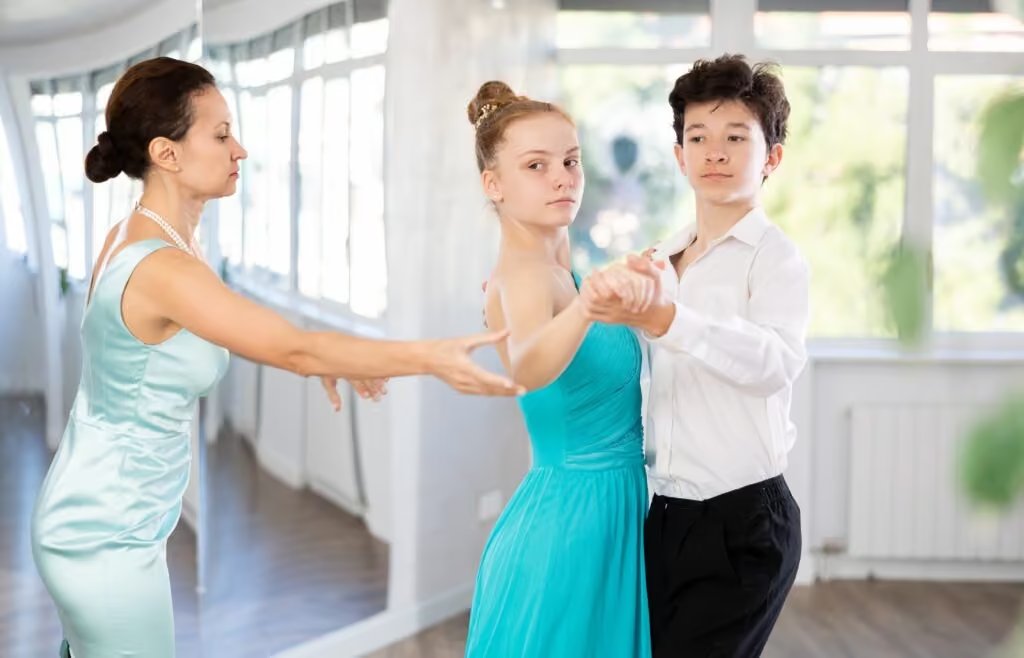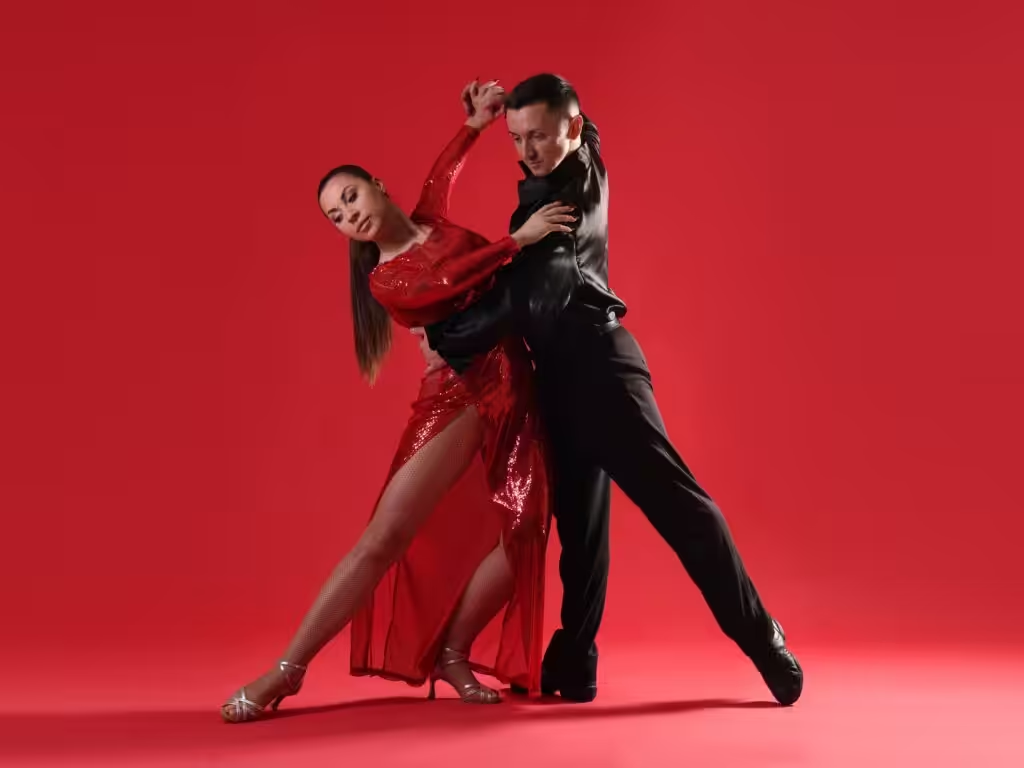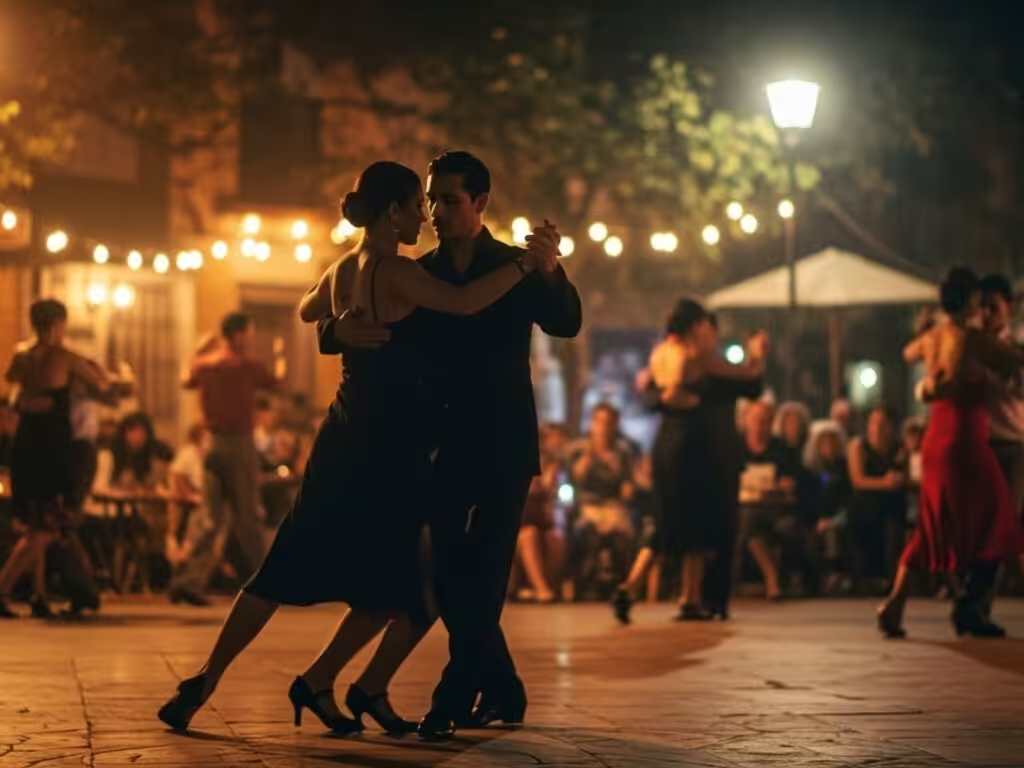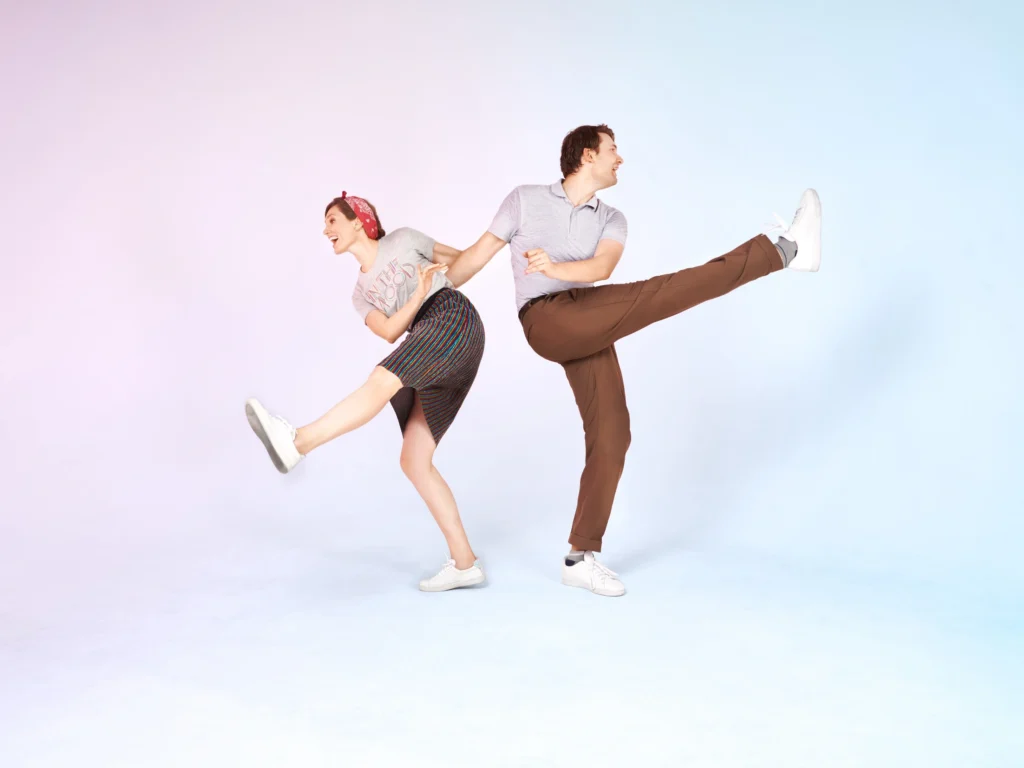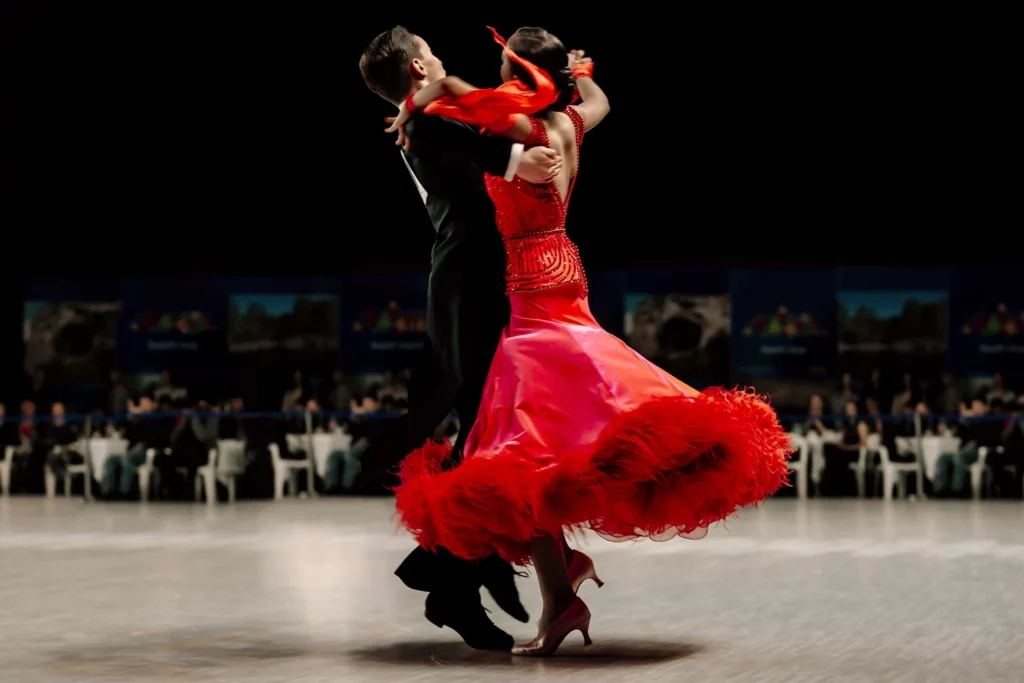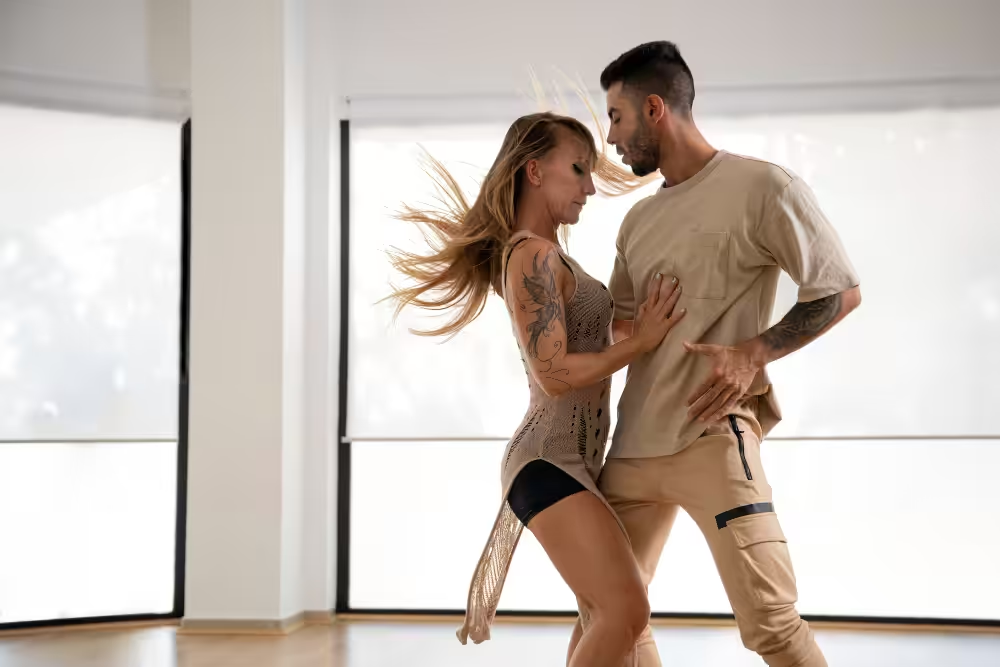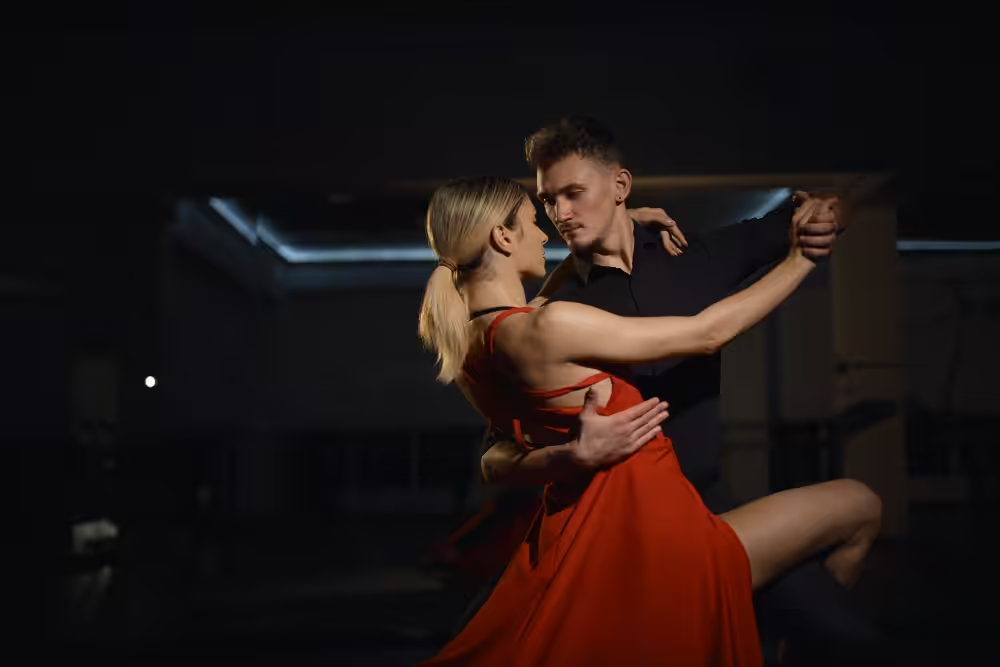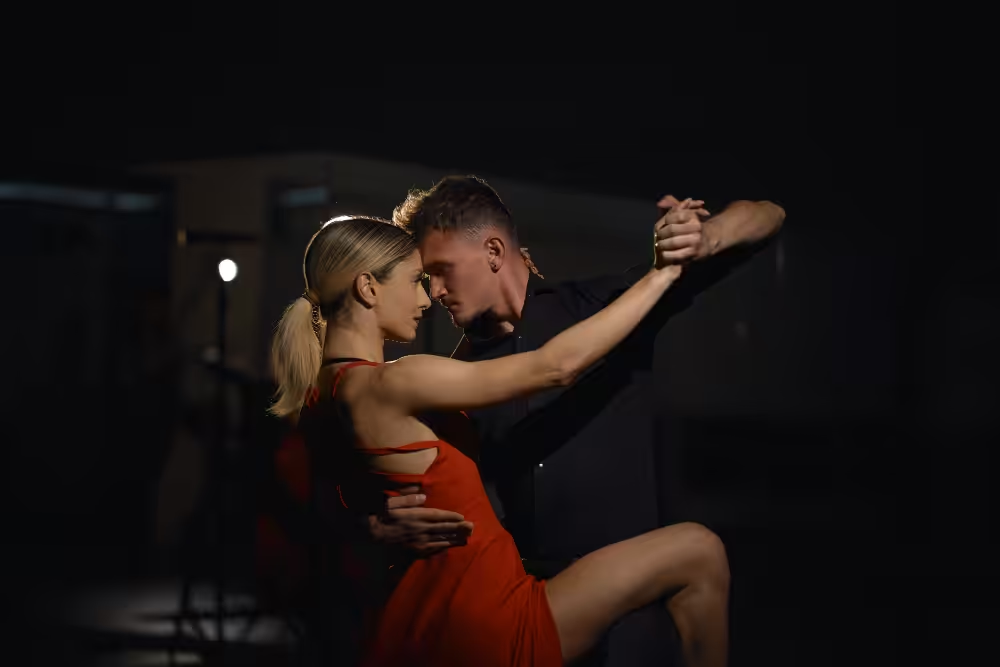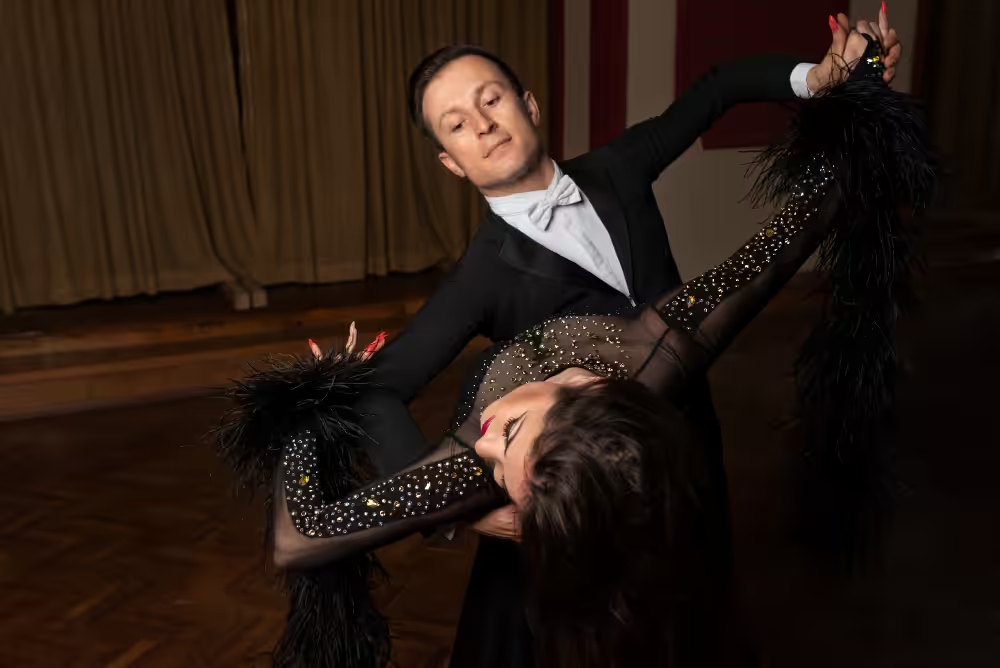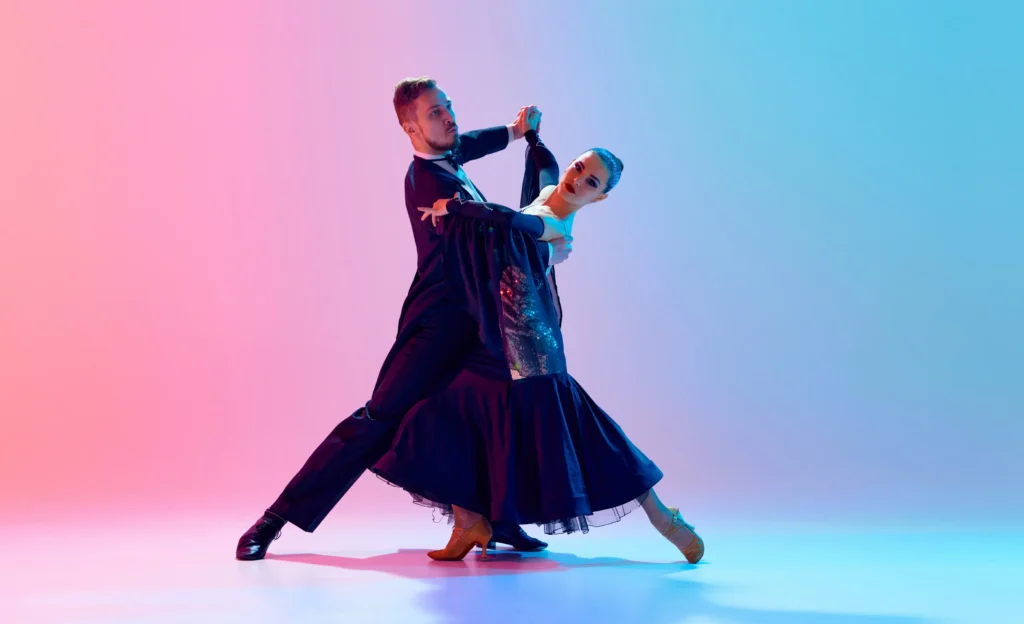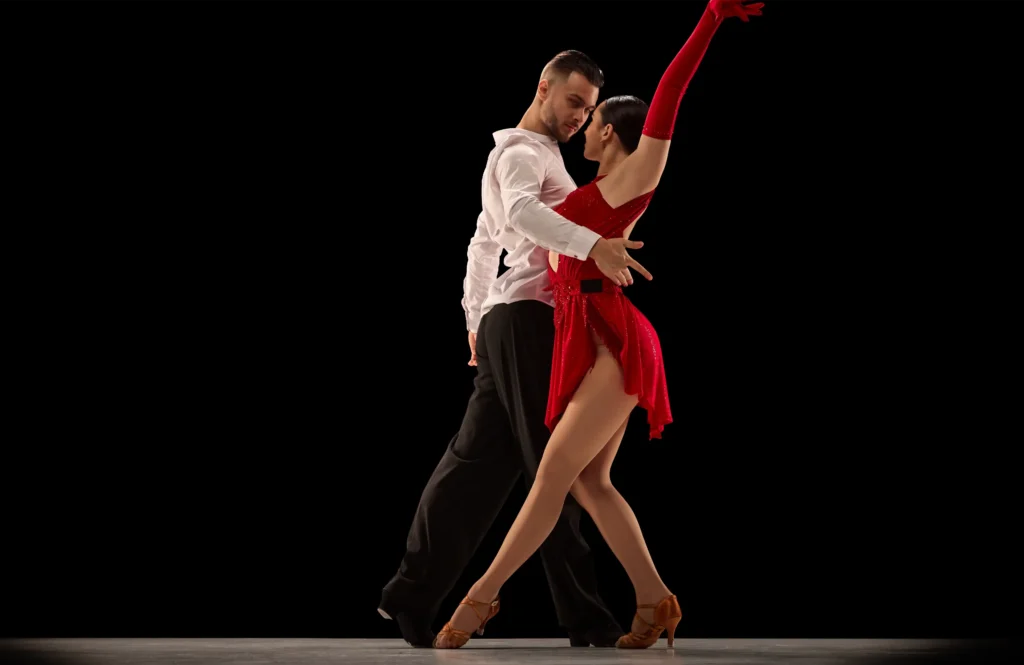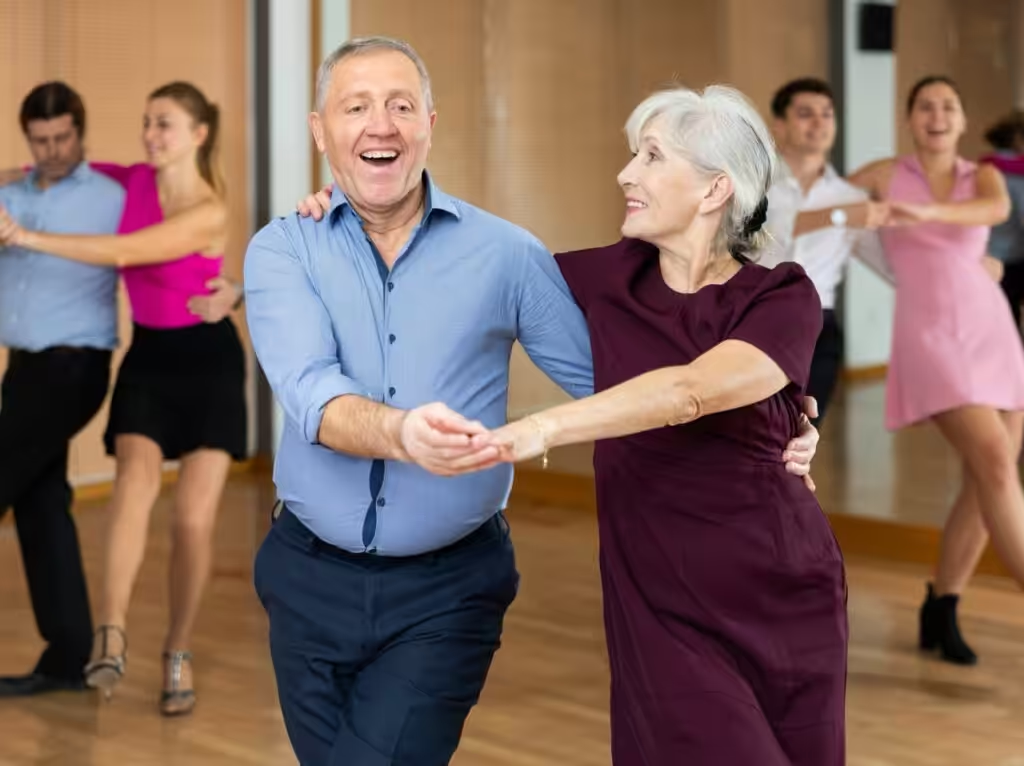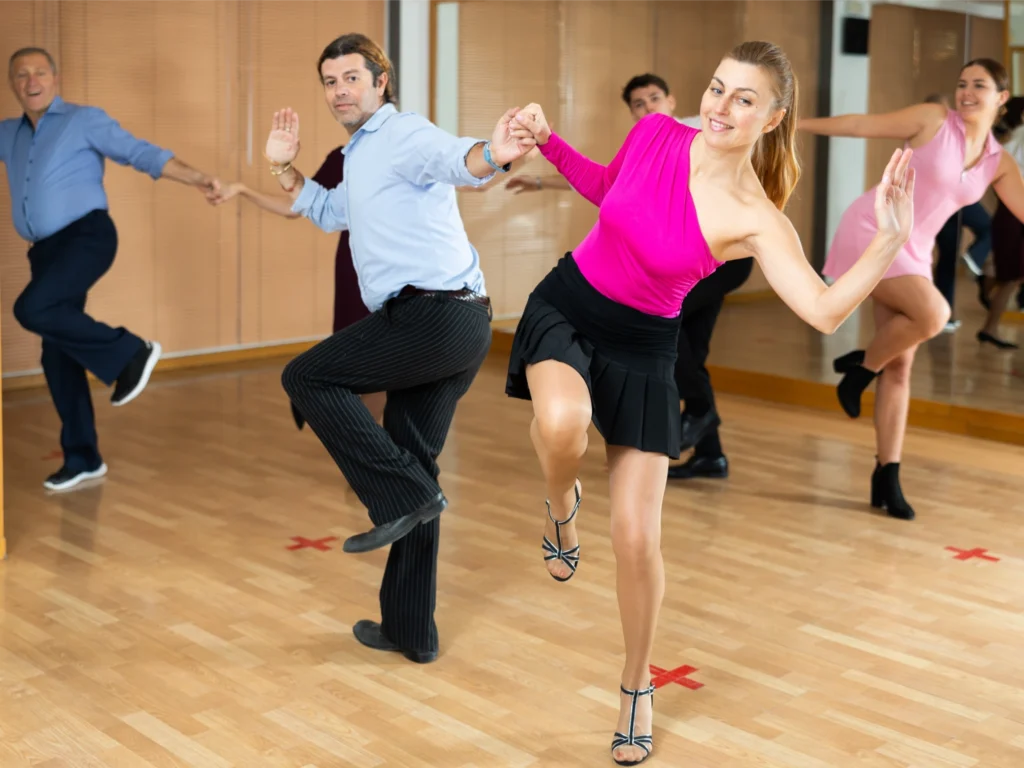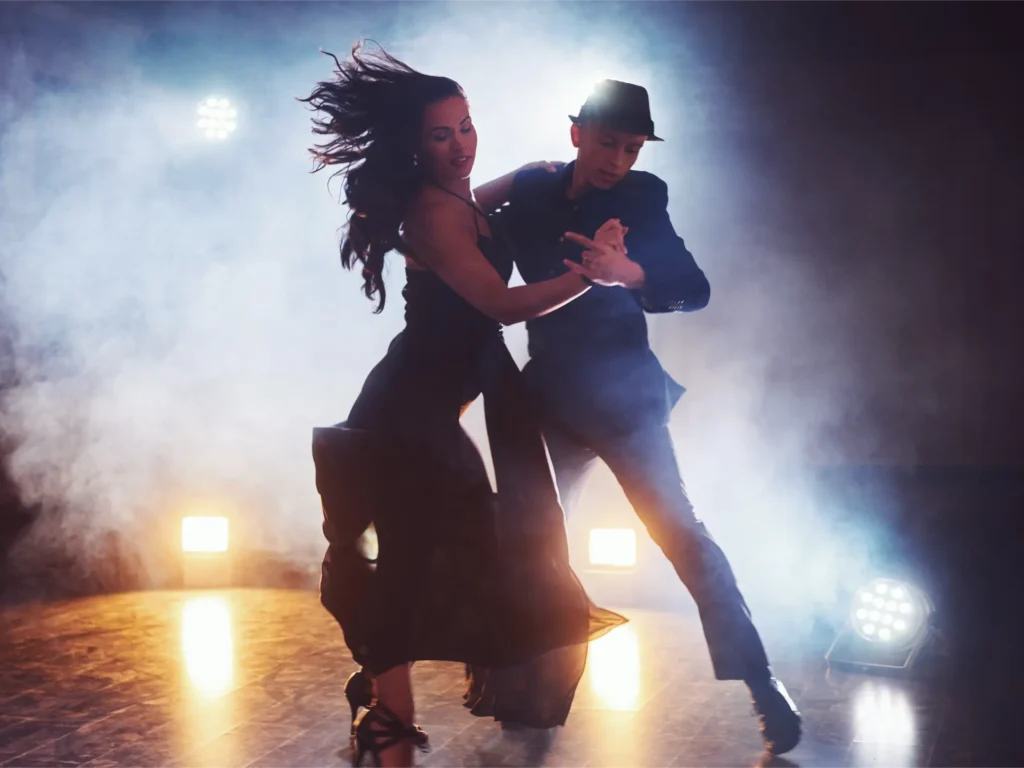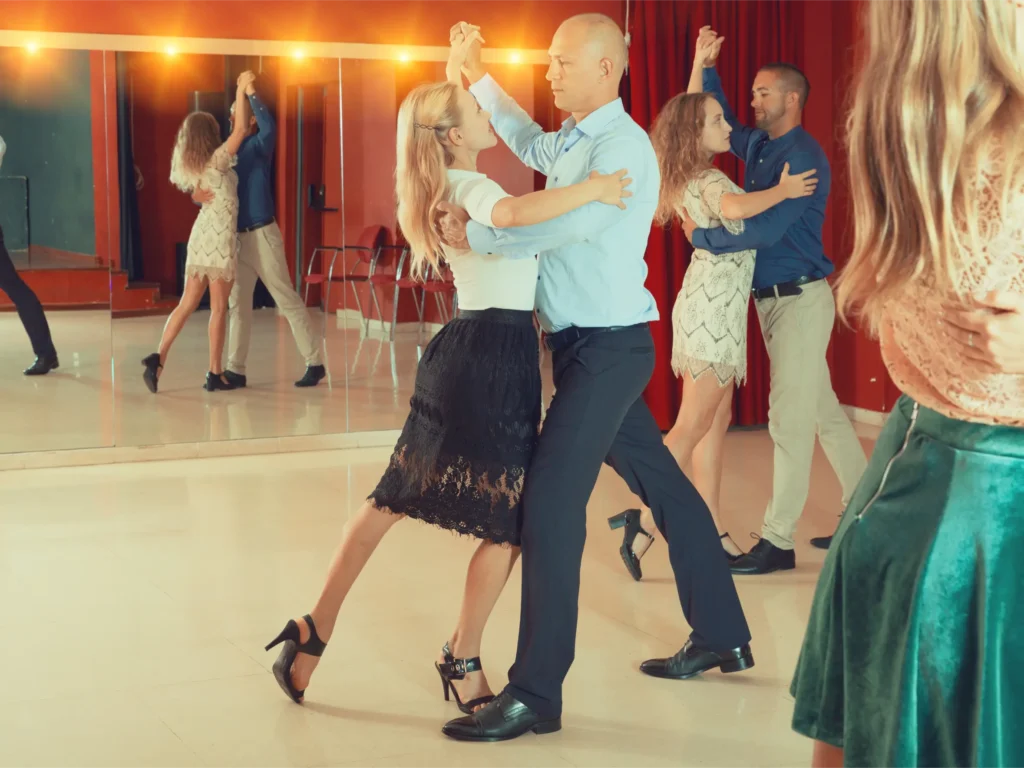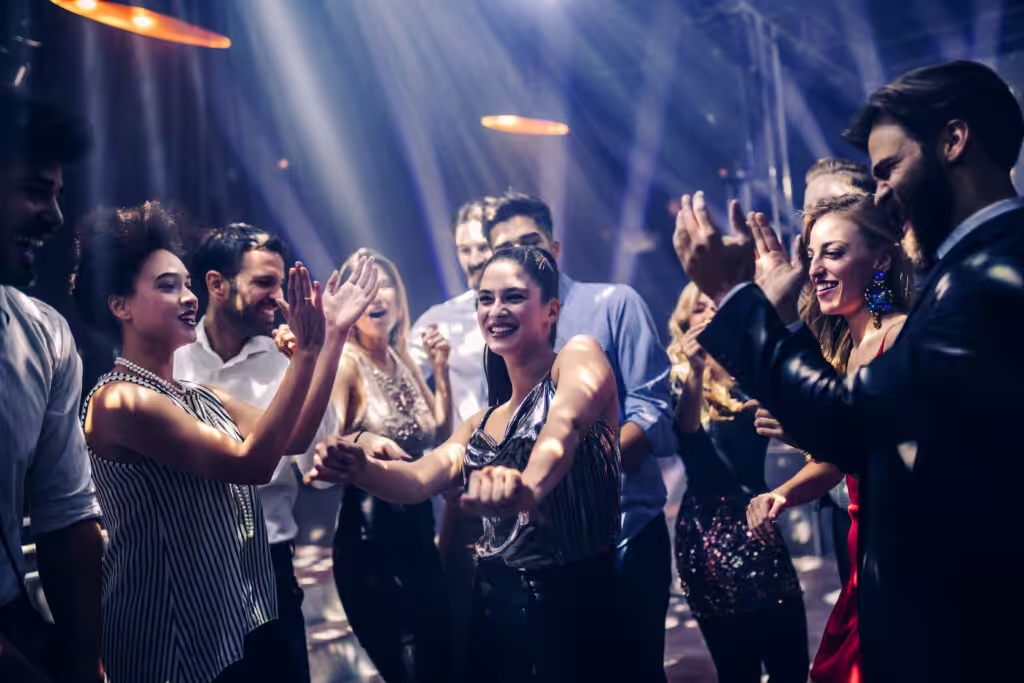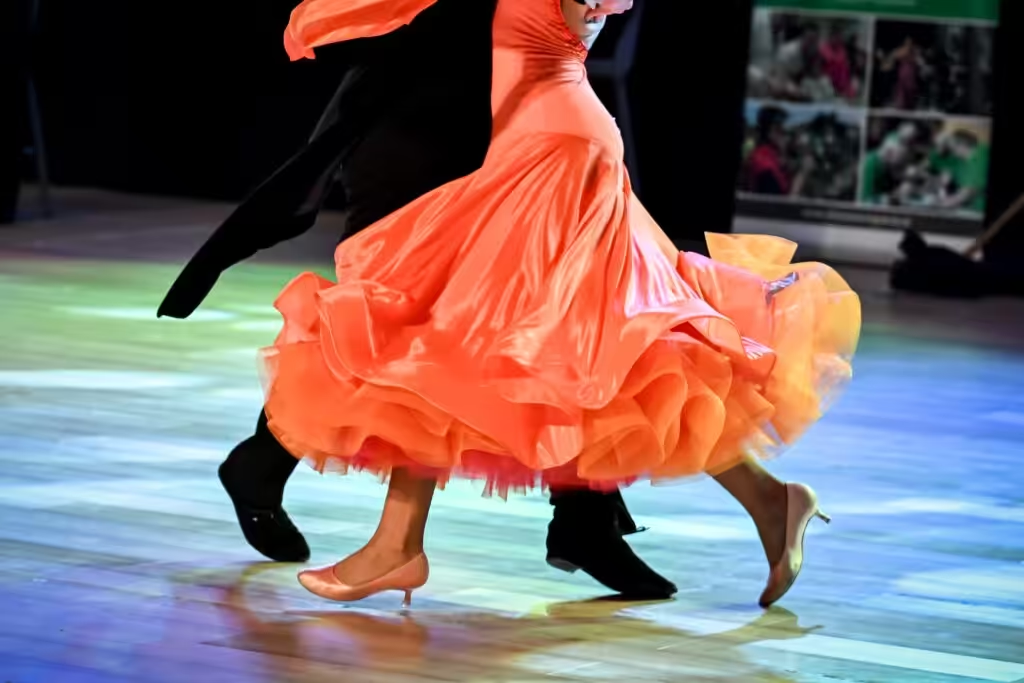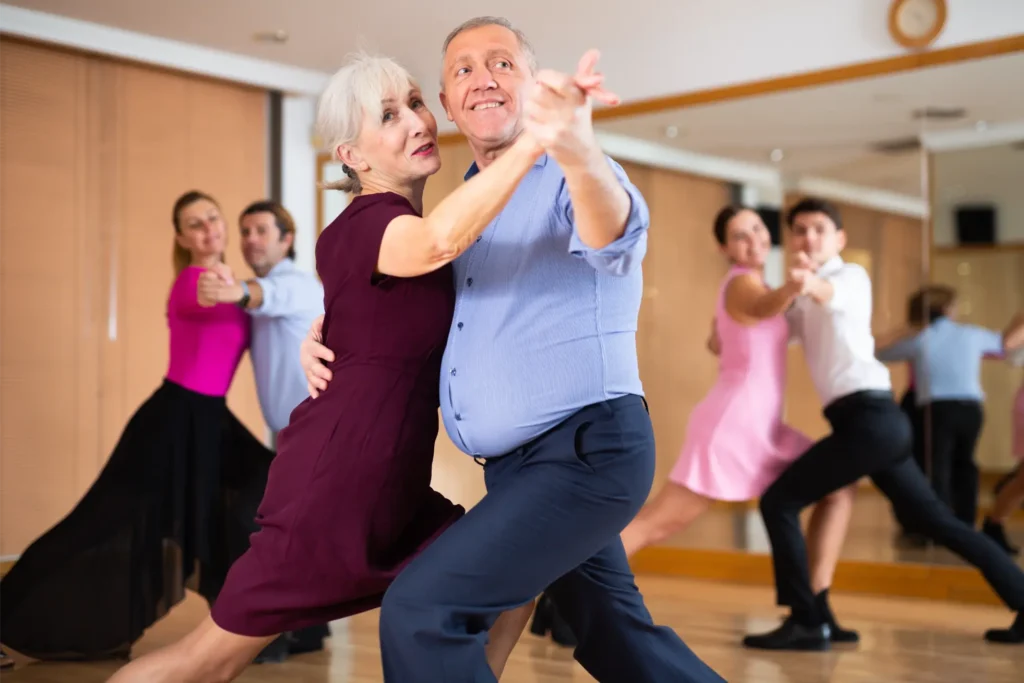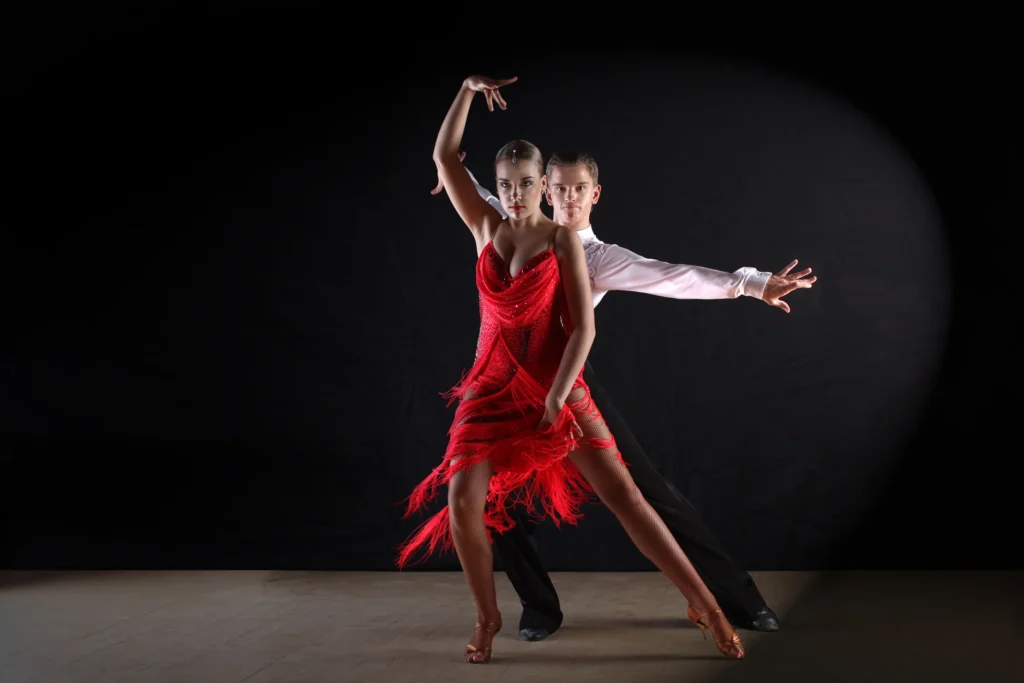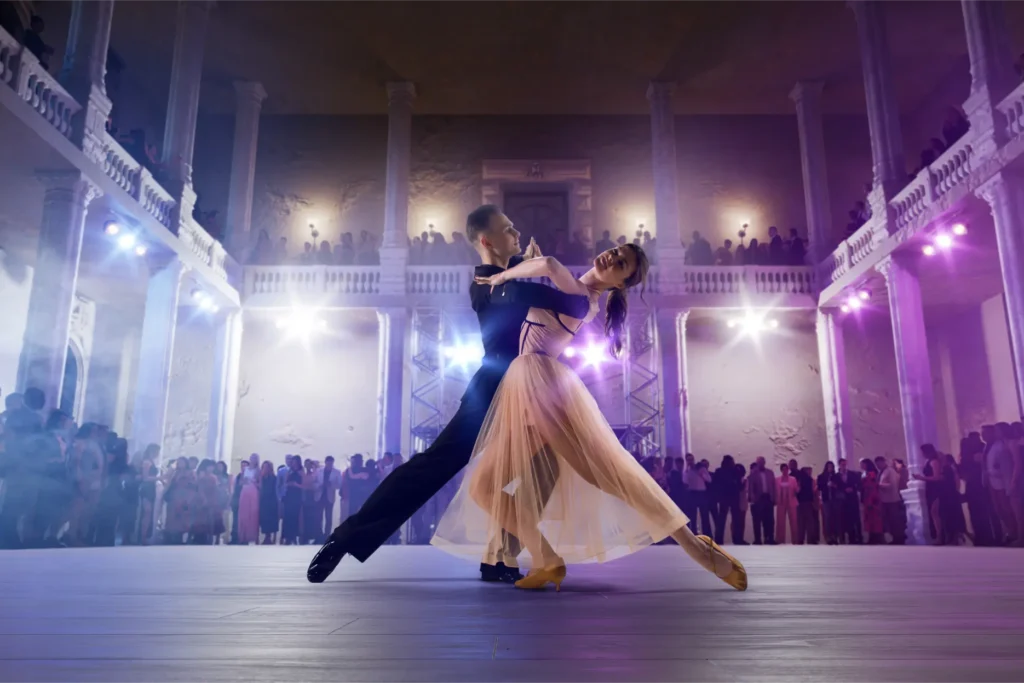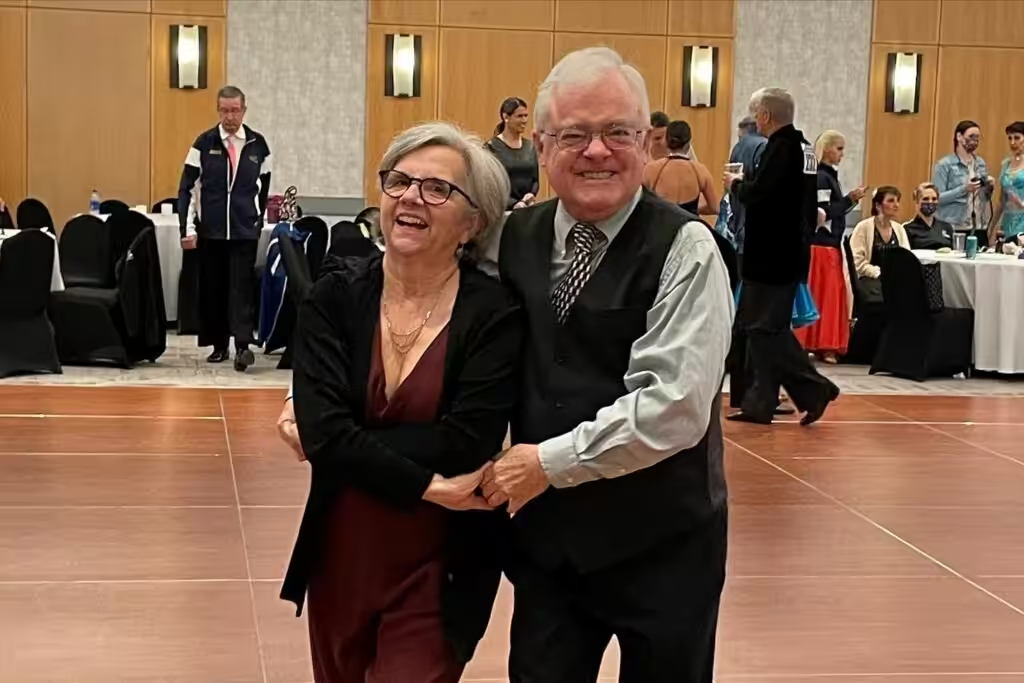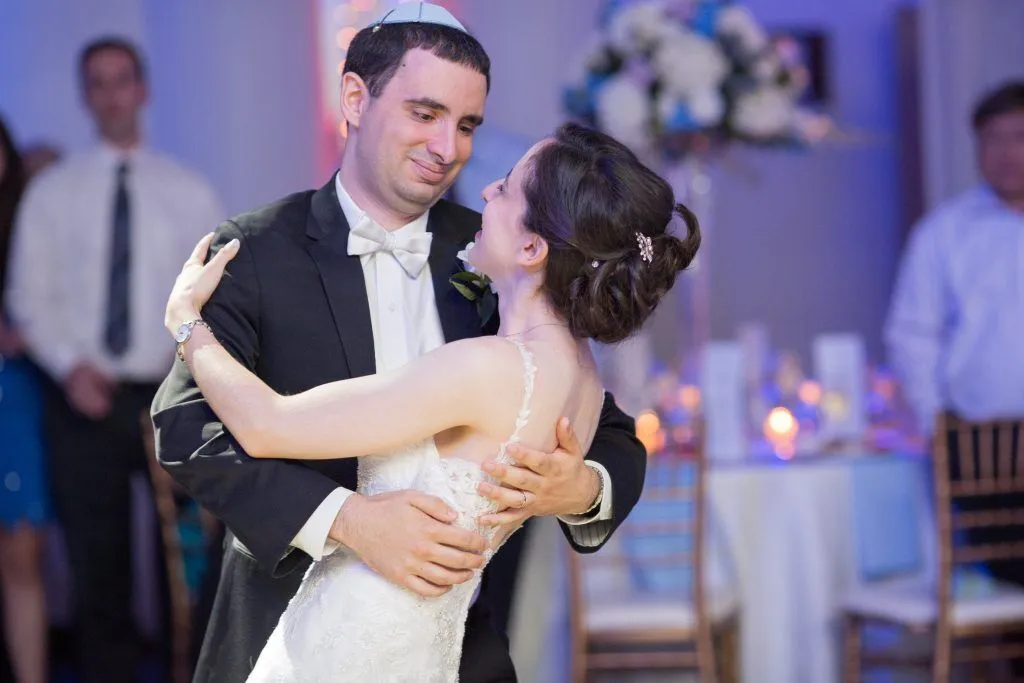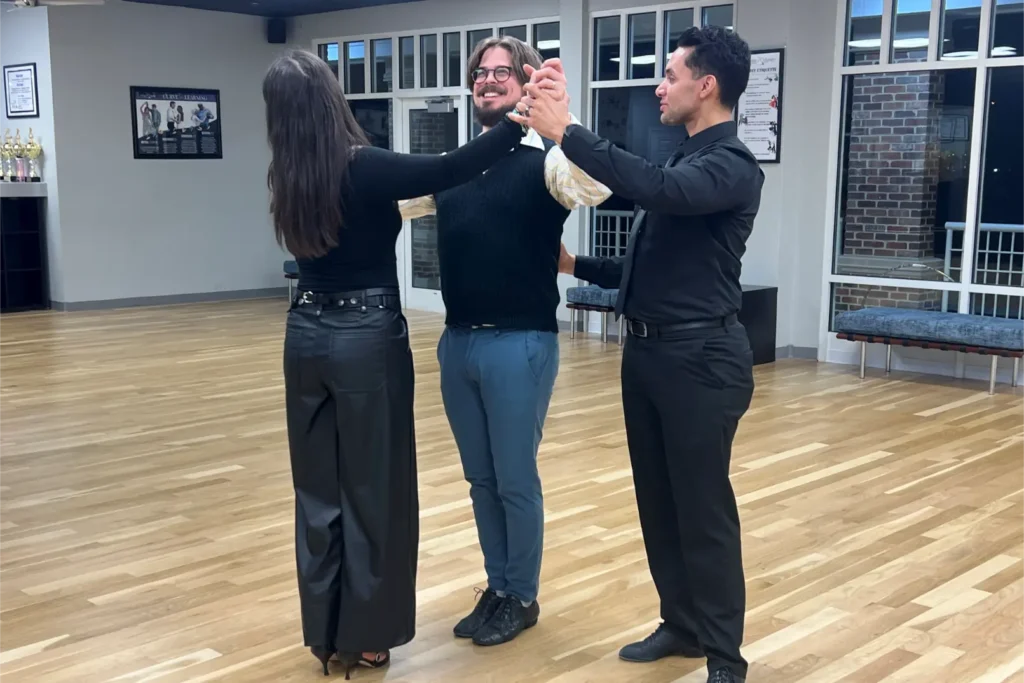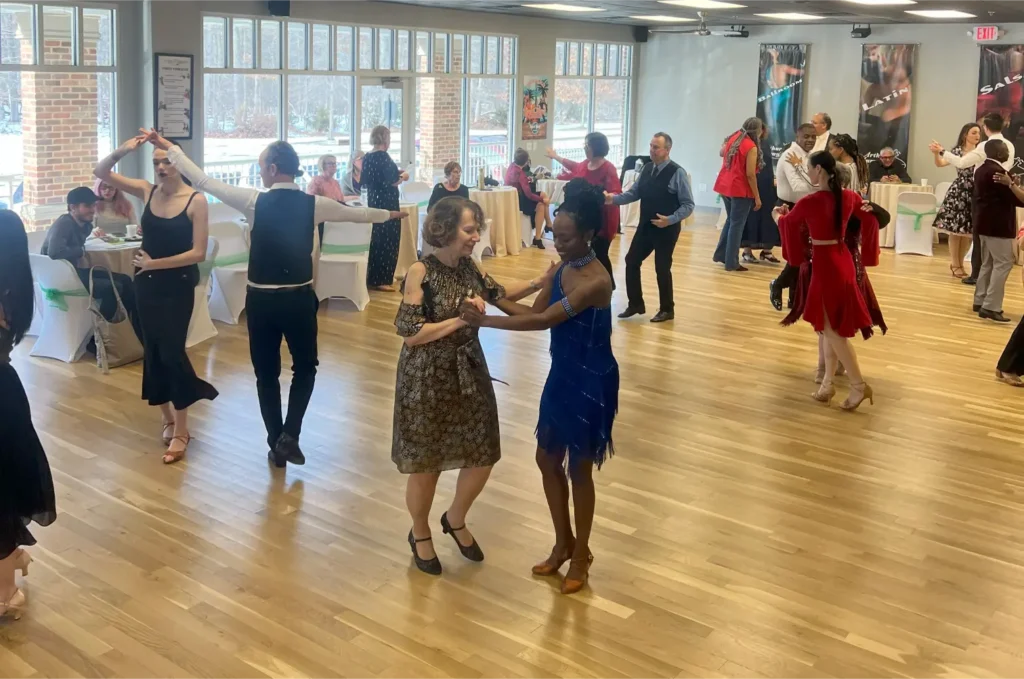
The main difference between Ballroom Samba and Brazilian Samba is how they’re danced. Brazilian Samba, especially Samba no Pé, is usually a solo dance with fast footwork, hip movements, and room for improvisation. Ballroom Samba is a partner dance with structured steps, coordinated movements, and a distinctive bouncing action. Both styles have roots in Brazil, but they differ in their technique, music, and purpose.
Key Takeaways
- Brazilian Samba developed from Afro-Brazilian traditions, while Ballroom Samba was later adapted and standardized in Europe.
- Ballroom Samba uses a distinctive bounce action created through controlled knee and ankle movements.
- Brazilian Samba music relies heavily on live percussion, while Ballroom Samba uses arranged music with standardized competition tempos.
- Brazilian Samba is closely tied to Carnival and community celebrations, while Ballroom Samba is commonly taught in dance studios and performed at competitions.
Ballroom Samba and Brazilian Samba: Side-by-Side Overview
Although both styles share Brazilian roots, there is a difference in how dancers move, follow the music, and interact with others.
| Aspect | Ballroom Samba | Brazilian Samba (Samba no Pé) |
| Origin | Developed from Brazilian Samba and standardized in Europe | Developed from Afro-Brazilian dance traditions |
| Dance format | Partner dance | Primarily solo dance |
| Footwork | Structured steps and traveling patterns | Fast, compact steps with improvisation |
| Body movement | Distinctive bounce through knee and ankle action | Grounded movement with rhythmic hip action |
| Posture | Upright posture with coordinated partner holds | Relaxed, flexible posture with freer body movement |
| Music | Standardized ballroom tempos and Latin arrangements | Percussion-driven Brazilian Samba rhythms |
| Choreography | Recognized figures and planned routines | Improvised steps, with choreography in some performances |
| Dance floor movement | Travels around the ballroom floor | Often danced in place or with free movement |
| Where it’s danced | Ballroom studios, social events, and competitions | Carnival parades, samba schools, and celebrations |
| Costumes | Latin dance dresses and tailored competition outfits | Carnival costumes or casual clothing, depending on the setting |
The Origins of Brazilian Samba and Ballroom Samba
Both dance styles share Afro-Brazilian roots, but they developed in different settings. Brazilian Samba grew from African dance and musical traditions brought to Brazil by enslaved Africans, particularly in Bahia. These traditions spread to Rio de Janeiro in the late 19th and early 20th centuries, where Samba became an important part of local culture and Carnival celebrations.
How Brazilian Samba Developed in Rio de Janeiro
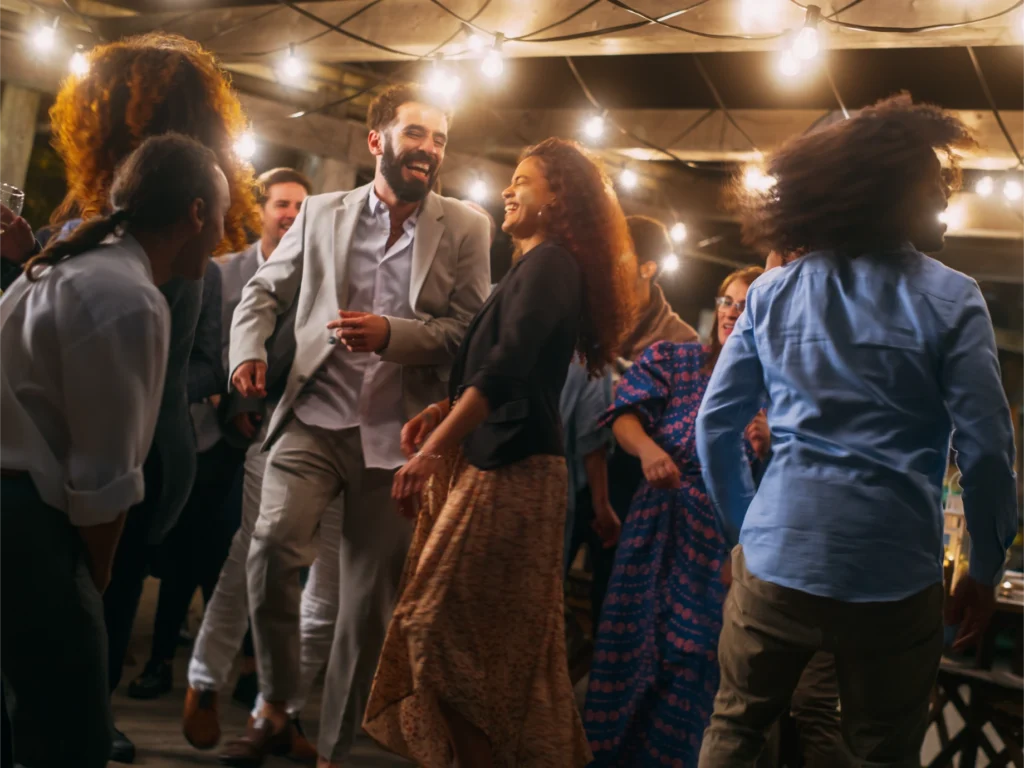
Samba no Pé, the solo style commonly seen at Brazilian Carnival, developed in Rio de Janeiro’s neighborhoods and samba schools. Dancers perform quick footwork and rhythmic hip movements to music played by percussion groups called baterias.
Improvisation is an important part of this style. Dancers can change their steps to match the rhythm, although samba schools also prepare choreographed routines for Carnival parades.
How Ballroom Samba Developed in Europe
Ballroom Samba developed as European dance instructors adapted Brazilian Samba for partner dancing during the early 20th century.
They introduced standardized steps, partner holds, and specific timing to make the dance suitable for ballroom instruction and competitions. Ballroom Samba eventually became one of the five International Latin dances, alongside Cha-Cha, Rumba, Paso Doble, and Jive.
How Their Cultural Roles Differ
Brazilian Samba remains closely connected to community celebrations, especially Carnival, where music, dancing, and cultural traditions bring people together. It is also performed at social gatherings and cultural events throughout Brazil.
Ballroom Samba is commonly taught in dance studios and performed at social dances and competitions. Competitive dancers focus on coordinated partner movements, timing, and technique, while Brazilian Samba places greater emphasis on individual expression and improvisation.
Technical Differences Between Ballroom Samba and Brazilian Samba
The biggest technical differences between Ballroom Samba and Brazilian Samba are their posture, footwork, body movement, and use of choreography.
Posture and Movement Across the Dance Floor
In Brazilian Samba, dancers maintain a relaxed and upright posture with flexible hips and knees. They often dance in place or move freely, depending on the music and setting.
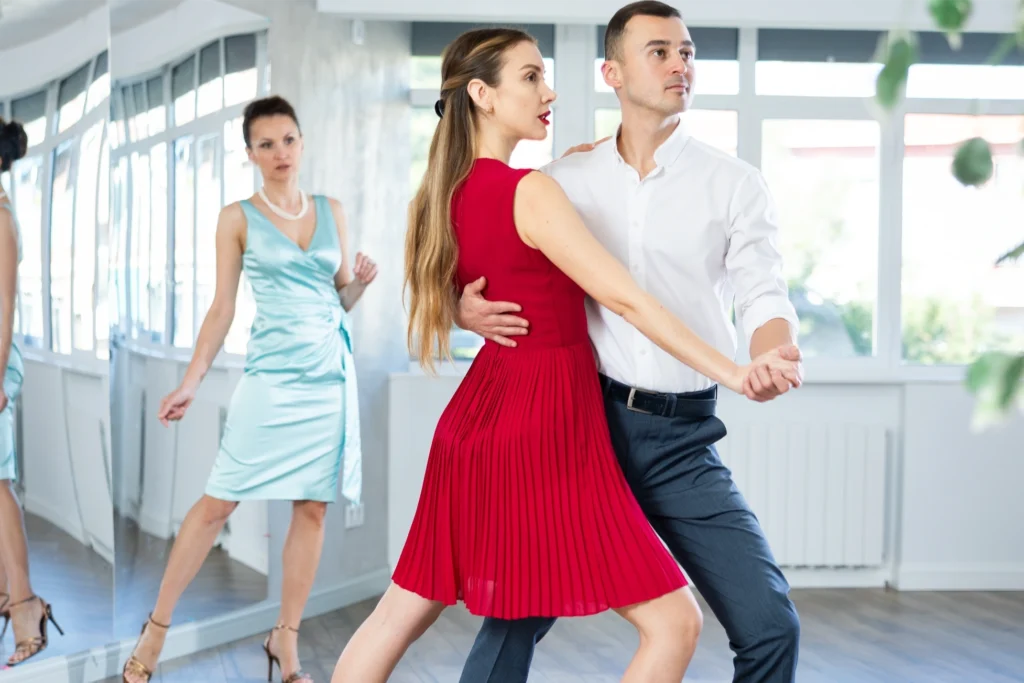
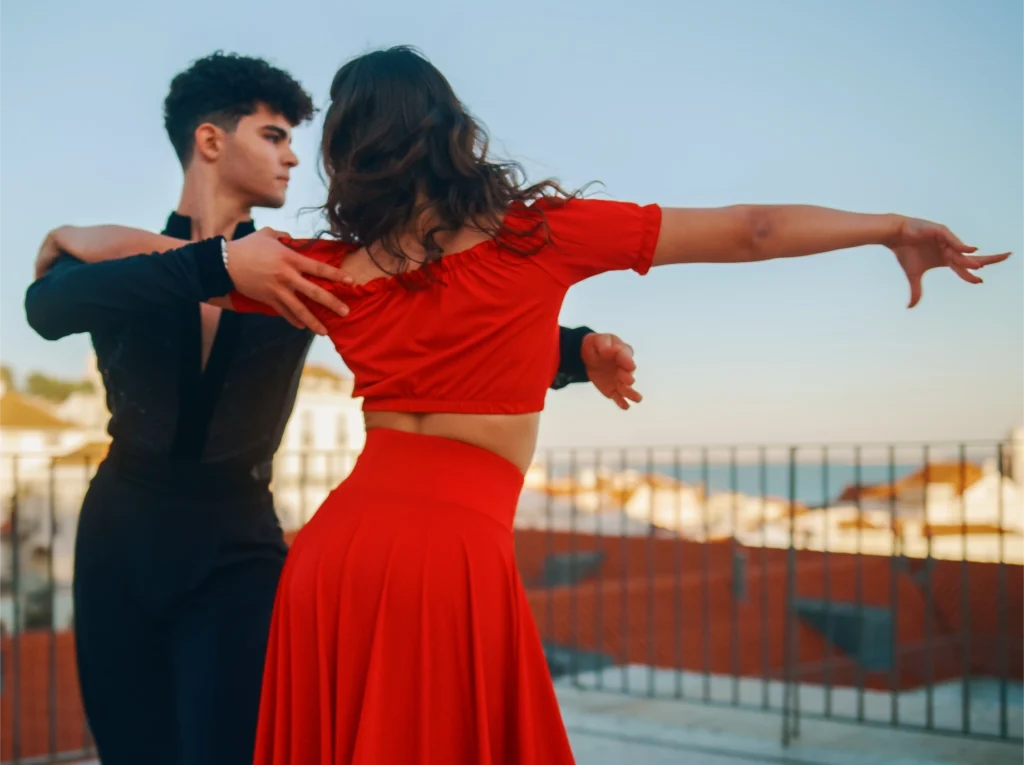
Ballroom Samba uses a more structured dance frame, with partners maintaining coordinated positions as they move. Many figures travel around the floor, so dancers need to control their direction and stay in sync with each other.
Hip Movement
One of the most recognizable features of Ballroom Samba is its bounce action, created by bending and straightening the knees and ankles. This movement follows a rhythm often counted as “1-a-2, 3-a-4” and gives the dance its characteristic springy appearance.
Brazilian Samba uses quicker weight changes, grounded footwork, and rhythmic hip movements known as ginga. Instead of emphasizing the ballroom-style bounce, dancers keep their steps close to the floor while their hips and legs respond to the music.
Improvisation vs. Structured Choreography
Brazilian Samba gives dancers more freedom to improvise. In Samba no Pé, dancers can change their footwork, add turns, and respond to different accents in the percussion. Carnival performers may also follow rehearsed choreography.
Ballroom Samba follows a more structured set of steps, including Botafogos, Voltas, Samba Rolls, and Whisks. Social dancers can combine these figures in different ways, while competitive couples often perform planned routines that emphasize timing, technique, and partner coordination.
Music, Costumes, and Popularity of Both Samba Styles
Ballroom Samba and Brazilian Samba also differ in their music, costumes, and performance settings.
Music and Tempo
Brazilian Samba features fast and percussion-heavy music with layered rhythms. Traditional samba groups use instruments such as drums, tamborims, and cuícas, often played by large ensembles called baterias.
Ballroom Samba uses more structured musical arrangements, often featuring brass, percussion, and vocals. In International Latin competitions, the tempo is typically around 48 to 50 measures per minute, giving partners a consistent rhythm for their steps and bounce action.
Costumes and Performance Style
Brazilian Samba costumes vary depending on the occasion. During Carnival parades, performers often wear colorful outfits decorated with feathers, beads, and sequins. At casual samba gatherings, dancers usually wear everyday clothing that allows them to move comfortably.
Ballroom Samba competition outfits are designed to highlight movement while meeting dancesport dress rules. Women often wear dresses with fringe, sequins, or flowing details, while men typically wear fitted shirts and trousers. Both partners wear dance shoes suited to quick footwork and turns.
Popularity Around the World
Brazilian Samba remains an important part of Brazil’s cultural celebrations and is also taught at dance schools and workshops worldwide. Carnival events have helped introduce its music and movement to international audiences.
Ballroom Samba is widely taught in ballroom dance studios and performed in Latin dance competitions. Television programs such as Dancing with the Stars have also helped introduce the partnered style to a broader audience.
Conclusion
Ballroom Samba and Brazilian Samba share the same cultural roots but offer different dance experiences. Brazilian Samba focuses on fast footwork, rhythmic hip movements, and improvisation, while Ballroom Samba emphasizes partner coordination, structured steps, and its signature bounce action.
Both styles are worth exploring, depending on whether you prefer solo dancing or learning to move with a partner.
Interested in learning Ballroom Samba? Visit Arthur Murray Dance Studio Princeton and claim your first lesson for free.
FAQs
Can I use Brazilian Samba technique when performing Ballroom Samba?
While both styles share rhythmic roots, using pure Brazilian Samba technique in a ballroom setting can affect your posture, balance, and partner connection. Ballroom Samba requires specific knee and ankle mechanics to achieve the required bounce and traveling action. However, having a background in authentic Brazilian Samba can greatly enhance your overall musicality, hip fluidity, and performance charisma in ballroom.
Is Brazilian Samba harder to learn than Ballroom Samba?
Both styles present unique physical and technical challenges. Brazilian Samba demands exceptional stamina, extreme foot speed, ankle strength, and rapid hip isolation. Ballroom Samba requires intense partner coordination, posture control, spatial awareness, and precise footwork syllabus execution. Beginners may find individual movements in both styles accessible, but mastering either requires dedicated practice and guidance.